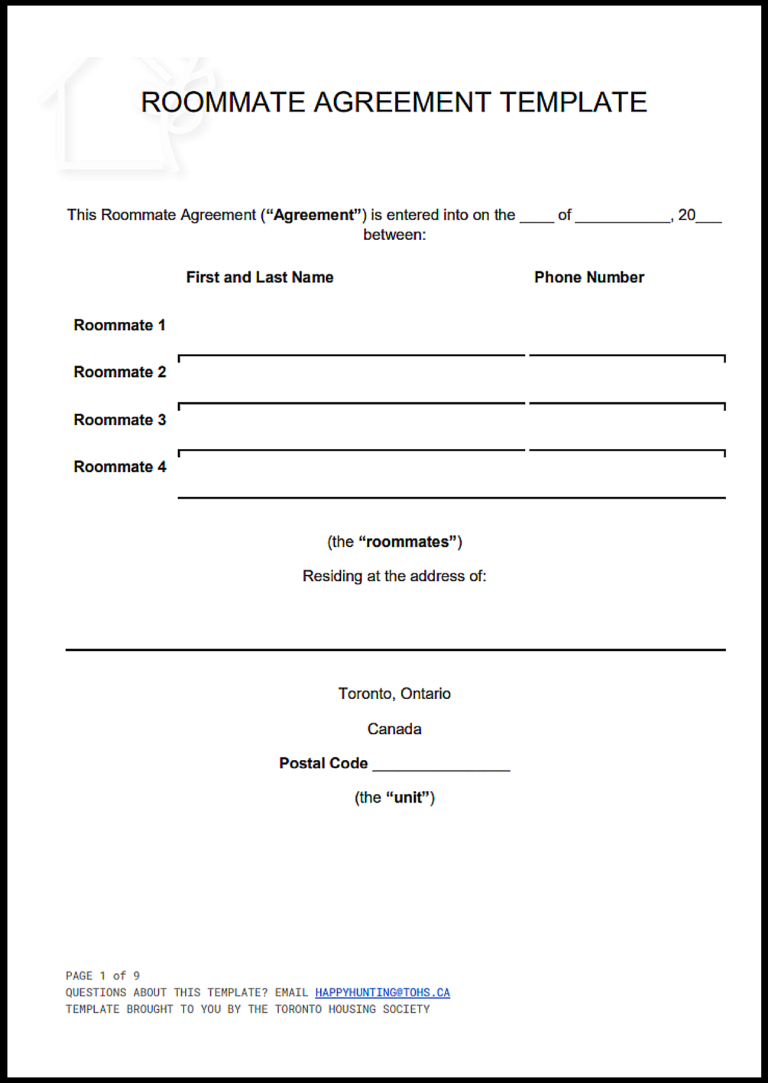
Parking Space Lease Agreement Ontario | PDF Template
A parking space lease agreement Ontario document helps landlords, tenants, and property owners clearly record who can use a specific parking space, how payment works, and what happens if the arrangement changes. In Ontario, the details matter because a parking agreement connected to a residential tenancy may involve the Residential Tenancies Act, 2006, while a separate parking arrangement is usually handled through contract terms and ownership rights.
I’ve seen situations where a tenant in Toronto paid for a parking spot based on a verbal promise, only to discover later that the landlord did not have the authority to rent that space under the condominium’s rules, creating a dispute that had to be addressed outside the LTB process. A generic parking agreement from another province often misses Ontario-specific concerns such as condominium restrictions, assigned parking spaces, and the difference between a rental amenity and a separate agreement. This page explains what a parking space lease agreement should include in Ontario, the mistakes that can make it ineffective, and the key terms to review before signing.
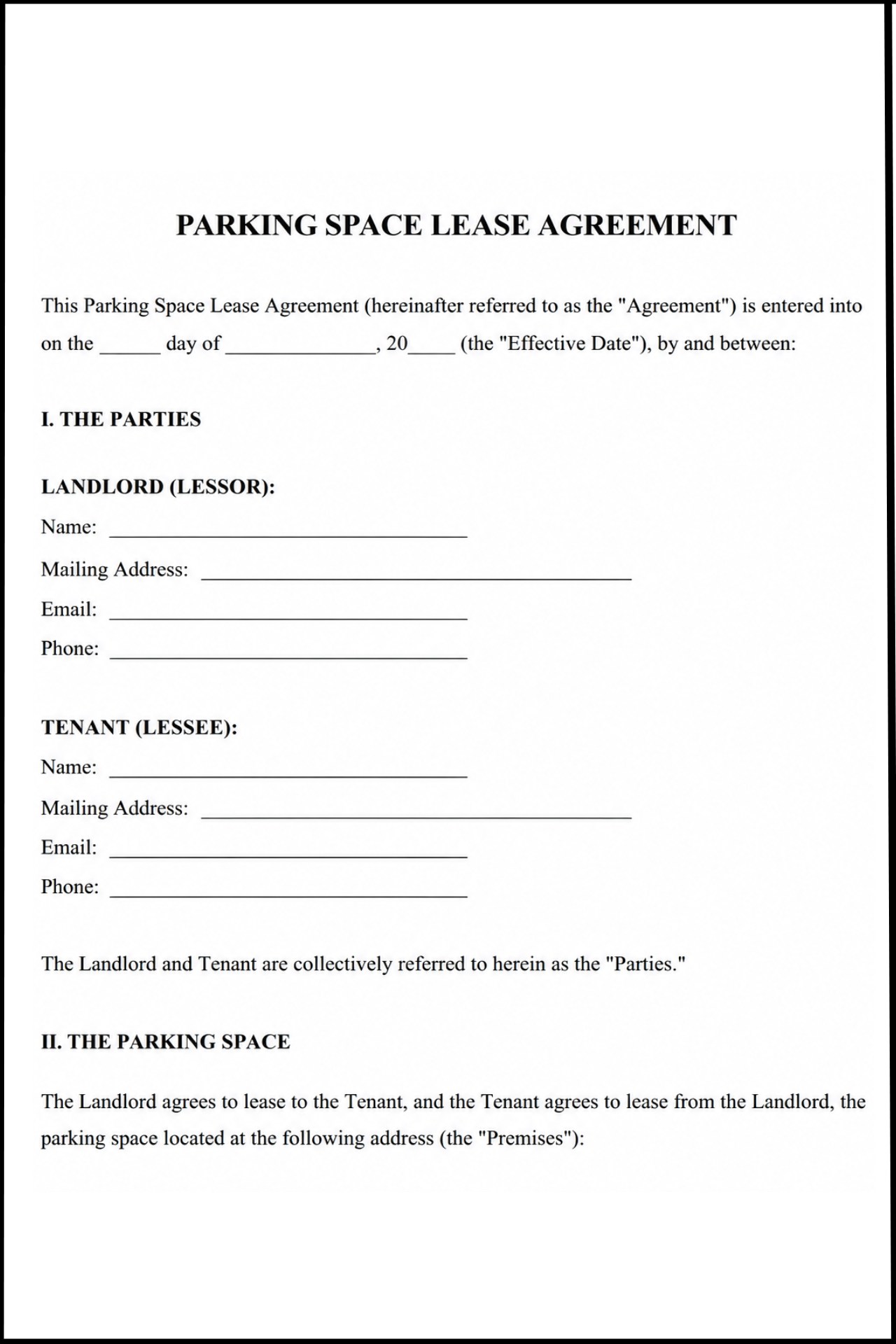
Parking Space Lease Agreement Ontario Free Template
Key Clauses Of An Ontario Parking Space Lease Agreement
A well-prepared parking agreement should clearly identify the space, the people involved, payment terms, and the rules for using the area. The correct clauses depend on whether the parking spot is connected to a residential lease or rented separately.
The Term And Writing Clause
The length of the agreement matters in Ontario. A parking arrangement that lasts longer than three years must be in writing to be enforceable under the Statute of Frauds, R.S.O. 1990, c. S.19, s. 3.
Shorter arrangements may not have the same written requirement, but relying only on a verbal promise can still create practical problems. A written agreement gives both sides a record of the parking space, rental amount, and agreed terms.
For example, a condo owner in Ottawa may allow a neighbour to use an unused parking spot for several years through a handshake agreement. If the arrangement continues beyond the legal threshold without written terms, proving the agreement later can become difficult.
The limitation is that the writing requirement applies to longer-term arrangements. A short monthly parking rental does not face the same statutory issue, although written terms are still strongly recommended.
The Rent And Payment Clause
Payment terms should clearly explain the rental amount, due date, payment method, and whether additional charges apply.
The rules depend on the type of parking arrangement. If a parking space is rented together with a residential unit, the parking terms must be included within the required residential tenancy documentation rather than treated as a separate commercial arrangement.
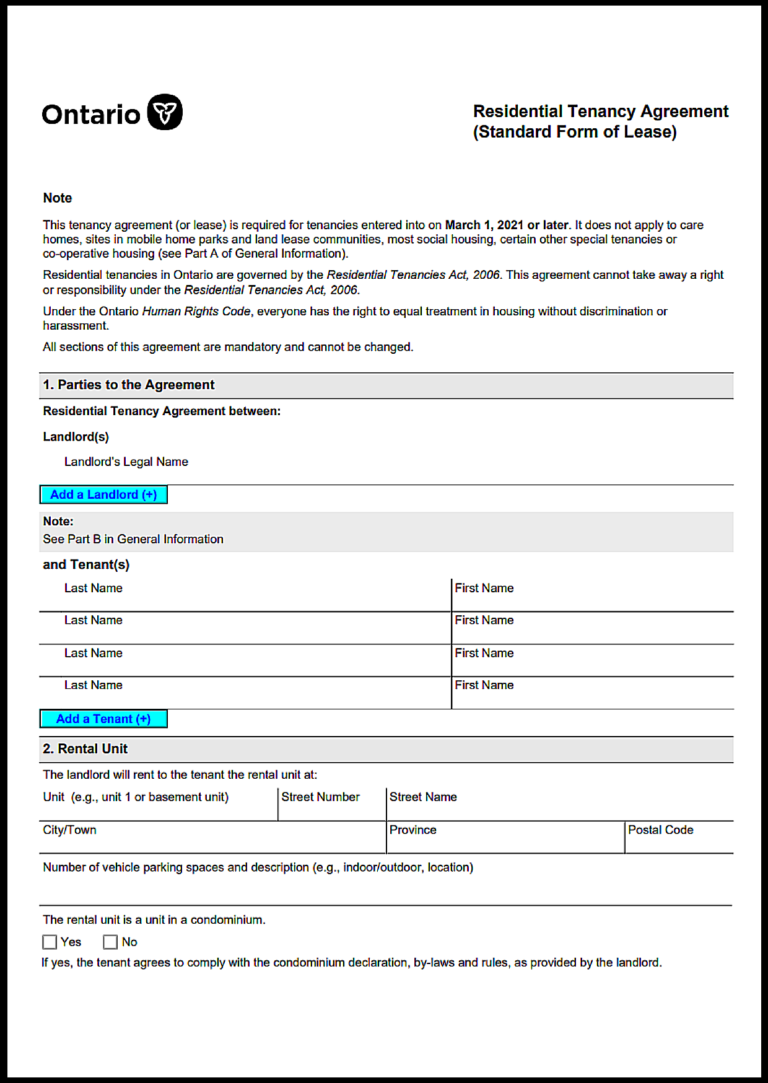
Ontario Standard Lease information
For example, a landlord in Mississauga cannot avoid residential tenancy rules by creating a separate parking contract and charging a tenant additional fees for a parking space that is already part of the rental arrangement.
The exception is a standalone parking rental, such as a condo owner renting an unused spot to a commuter. That type of arrangement follows different rules.
The Condominium Compliance Clause
Condominium parking spaces often have additional restrictions that do not appear in a basic parking agreement.
For example, a Toronto condo owner may own a parking unit but discover that the condominium declaration restricts renting spaces to people who do not live in the building. The owner may have a signed agreement, but the arrangement can still conflict with condominium rules.
A parking agreement should therefore confirm that the renter agrees to follow applicable condominium requirements.
The limitation is that not every condo has identical restrictions. The declaration and by-laws must be reviewed for the specific property.
The Termination Clause
The termination clause must match the legal category of the parking agreement.
For a standalone parking space, Ontario’s commercial tenancy rules may provide different enforcement rights compared with residential tenancy arrangements. For example, unpaid rent for a standalone commercial parking space can trigger statutory re-entry rights under the Commercial Tenancies Act.
A common mistake is assuming that every parking rental requires the same notice period used for residential rentals. That assumption can lead to incorrect enforcement steps.
For example, a business owner renting parking spaces near downtown Toronto may believe they must follow residential eviction procedures when dealing with unpaid parking rent. The applicable rules depend on whether the space is a separate commercial arrangement or connected to housing.
The key question is always how the parking space was rented and what legal relationship exists between the parties.
What Makes An Ontario Parking Space Lease Enforceable
A parking agreement is only useful when it clearly matches the legal situation behind the rental. The first step is identifying whether the space is rented separately or connected to a residential tenancy.
The people signing the agreement must have the legal ability to enter into a contract. Under Ontario law, a person signing the agreement must generally be 18 or older and have the mental capacity required to contract.
For example, a condo owner in Toronto renting an unused parking space to a neighbour should confirm that they actually have the right to rent that space. A signed document cannot override condominium restrictions or ownership limitations.
A valid agreement should clearly identify:
- The owner or person providing the parking space.
- The renter using the space.
- The parking space location or number.
- The rental amount and payment schedule.
- The permitted use of the space.
- Any condominium rules that apply.
There is no statutory requirement for witnesses or notarisation for a standard parking agreement. However, unclear terms can create disputes later, especially when the arrangement involves condominium property.
The limitation is that residential parking arrangements follow different rules. A parking agreement connected to a residential tenancy cannot simply be treated as a separate commercial contract.
Rights And Obligations Of Each Party To The Parking Lease
The owner and renter each have responsibilities that should be reflected in the agreement.
The owner’s main obligation is providing lawful access to the parking space. The owner must have authority to rent the space and cannot promise rights they do not have.
For standalone parking rentals, unpaid rent may create different enforcement rights compared with residential tenancy situations. Under Ontario’s Commercial Tenancies Act, R.S.O. 1990, c. L.7, a landlord of a standalone commercial parking space may have a statutory right of re-entry after 15 days of unpaid rent.
For example, a person renting a private parking spot near a subway station may assume they receive the same protections as a residential tenant. That assumption can be incorrect because the legal category of the agreement matters.
The renter’s responsibilities usually include:
- Paying rent on time.
- Using the parking space only for the agreed purpose.
- Following condominium rules where applicable.
- Not allowing unauthorised vehicles or uses.
A major limitation applies to condominium spaces. If the condominium declaration prohibits renting the parking space to non-residents, the renter may not have valid rights even if money has been exchanged.
What Happens If One Party Breaches The Parking Lease
The consequences of a breach depend on whether the parking space is connected to housing or rented separately.
For a standalone parking agreement, unpaid rent may allow the owner to use the enforcement rights available under commercial tenancy rules. The owner may have the right to re-enter after 15 days of unpaid rent without the residential-style notice process many people expect.
For example, a commuter renting a parking spot from a nearby business may assume the owner must provide 30 days’ notice before ending access. That assumption may not apply to a standalone commercial parking arrangement.
However, a residential parking arrangement works differently. If the parking space is included with a residential rental unit, the landlord cannot avoid the Residential Tenancies laws by creating a separate parking contract.
A landlord in Hamilton who charges a tenant separately for a parking amenity connected to the rental unit must follow residential tenancy rules. A separate commercial agreement cannot be used to remove protections that apply under the Residential Tenancies Act.
The limitation is that every dispute depends on how the parking arrangement was created. The same physical parking space can follow different legal rules depending on whether it is tied to a home rental.
When You Don’t Need A Lawyer Vs When You Do
Many simple parking arrangements can be handled with a clearly written agreement when the parties understand their rights and the arrangement is straightforward.
For example, a condo owner renting a parking space to a neighbour for several months may only need clear terms covering payment, access, and permitted use.
Legal advice becomes more important when:
- It is unclear whether residential or commercial rules apply.
- The parking space is part of a condominium property.
- The condominium declaration restricts rentals.
- The agreement lasts more than three years.
- A landlord is charging a residential tenant separately for parking.
A lawyer can help determine which legislation applies before the agreement is signed.
The limitation is that not every parking dispute requires legal representation. Simple arrangements with clear ownership and short terms may not require additional assistance.
Summary of Applicable Laws
| Topic | Rule | Governing Statute |
|---|---|---|
| Who can sign | Person must be 18+ and have capacity to contract | Age of Majority and Accountability Act, R.S.O. 1990, c. A.7, s. 1; Substitute Decisions Act, 1992, s. 2 |
| Writing requirement | Parking leases longer than 3 years must be in writing | Statute of Frauds, R.S.O. 1990, c. S.19, s. 3 |
| Residential parking documentation | Parking tied to a residential tenancy must be included within the Standard Form of Lease | Residential Tenancies Act, 2006, S.O. 2006, c. 17, s. 12.1 |
| Condominium compliance | Renter must follow condominium declarations, by-laws, and rules | Condominium Act, 1998, S.O. 1998, c. 19, s. 119 |
| Commercial enforcement | Standalone commercial parking may allow re-entry after unpaid rent | Commercial Tenancies Act, R.S.O. 1990, c. L.7 |
Standalone Vs Residential Parking Spaces: Why The Distinction Matters
The most important issue in Ontario parking agreements is identifying which legal category applies.
A parking space rented together with a residential unit is treated differently from a standalone parking rental. A landlord cannot simply label a residential parking arrangement as a commercial agreement to avoid residential tenancy rules.
For example, a tenant in Ottawa may rent an apartment with an assigned parking space included in the arrangement. The landlord cannot later separate that parking space into a different commercial contract just to change the legal obligations.
A standalone parking arrangement works differently. A condo owner renting an unused parking spot to a neighbour or commuter may fall under different rules, including commercial tenancy principles.
This distinction matters because using the wrong agreement can create enforcement problems. A landlord may attempt commercial remedies where residential protections apply, or a renter may believe they have rights that do not exist for a separate parking rental.
Common Mistakes That Invalidate An Ontario Parking Space Lease
Several mistakes repeatedly create disputes between parking owners and renters.
Common problems include:
- Making a verbal agreement for a parking arrangement lasting more than three years.
- Renting a condominium parking space without checking the declaration or by-laws.
- Using a commercial parking agreement for a space connected to a residential tenancy.
- Assuming residential notice rules automatically apply to standalone parking rentals.
- Failing to identify the exact parking space being rented.
For example, a condo owner in Toronto may rent their parking spot to a neighbour without reviewing condominium rules. If the building prohibits outside renters, the agreement may not protect either person.
The agreement should match the actual situation. A parking contract cannot override legislation, condominium rules, or ownership restrictions.
Frequently Asked Questions
Does a parking space lease need to be in writing in Ontario?
A parking agreement lasting more than three years must be in writing to be enforceable under the Statute of Frauds.
Shorter agreements may not have the same requirement, but written terms are still recommended because they prevent disagreements about payment, access, and use.
Can my landlord charge me extra for parking outside my regular rent?
If the parking space is connected to a residential tenancy, the arrangement must follow the Residential Tenancies Act framework.
A landlord cannot use a separate commercial contract to avoid residential tenancy rules.
Can I rent my condo parking spot to someone who does not live in the building?
It depends on the condominium declaration, by-laws, and rules.
If the condominium corporation restricts rentals to non-residents, the agreement may violate those rules and the corporation may take action.
How quickly can a landlord repossess a standalone parking space for unpaid rent?
For a standalone commercial parking arrangement, Ontario’s Commercial Tenancies Act may allow re-entry after 15 days of unpaid rent.
This does not apply in the same way to parking connected with a residential tenancy.
Is a verbal parking agreement legally binding in Ontario?
A verbal agreement may work for shorter arrangements, but a parking lease lasting more than three years must be in writing under Ontario’s Statute of Frauds.