Personal Loan Agreement BC (Free PDF & Word)
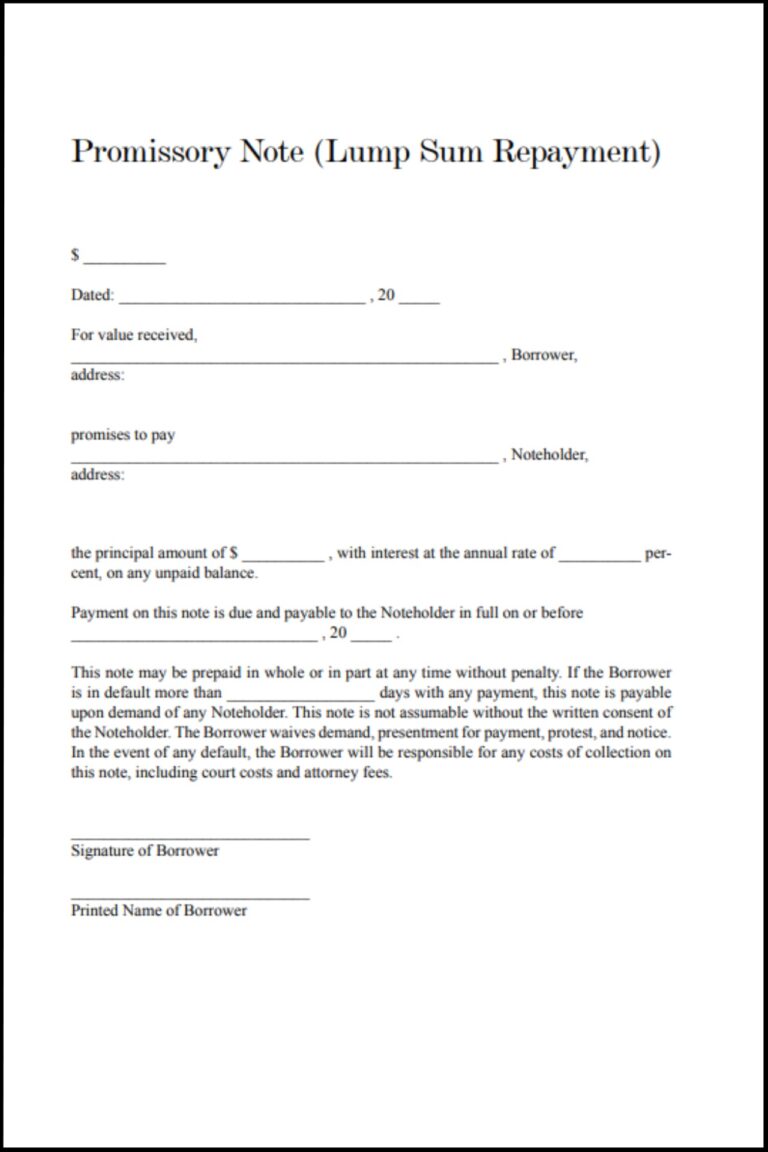
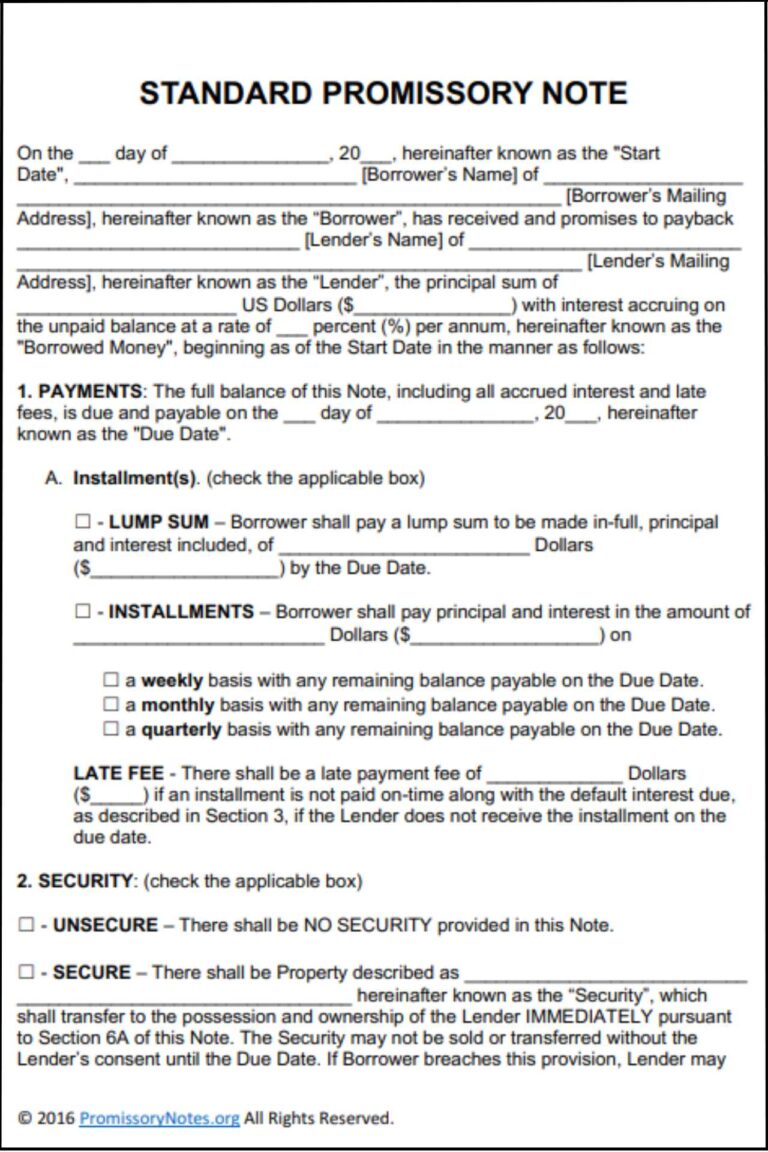
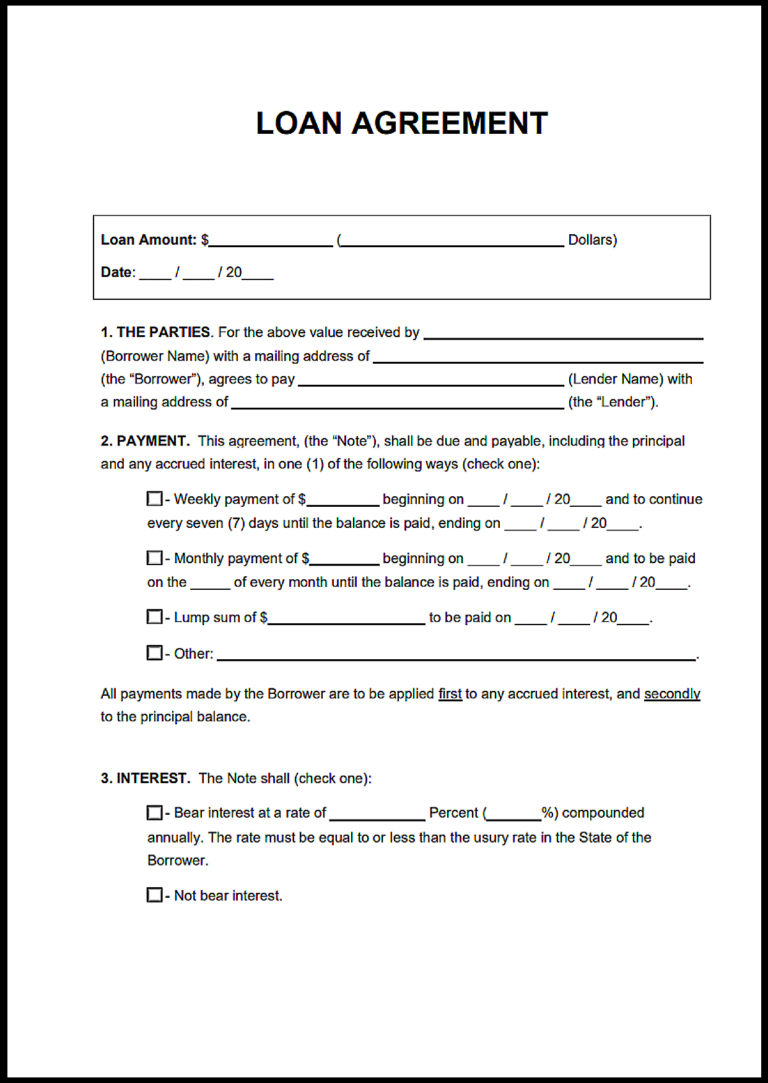
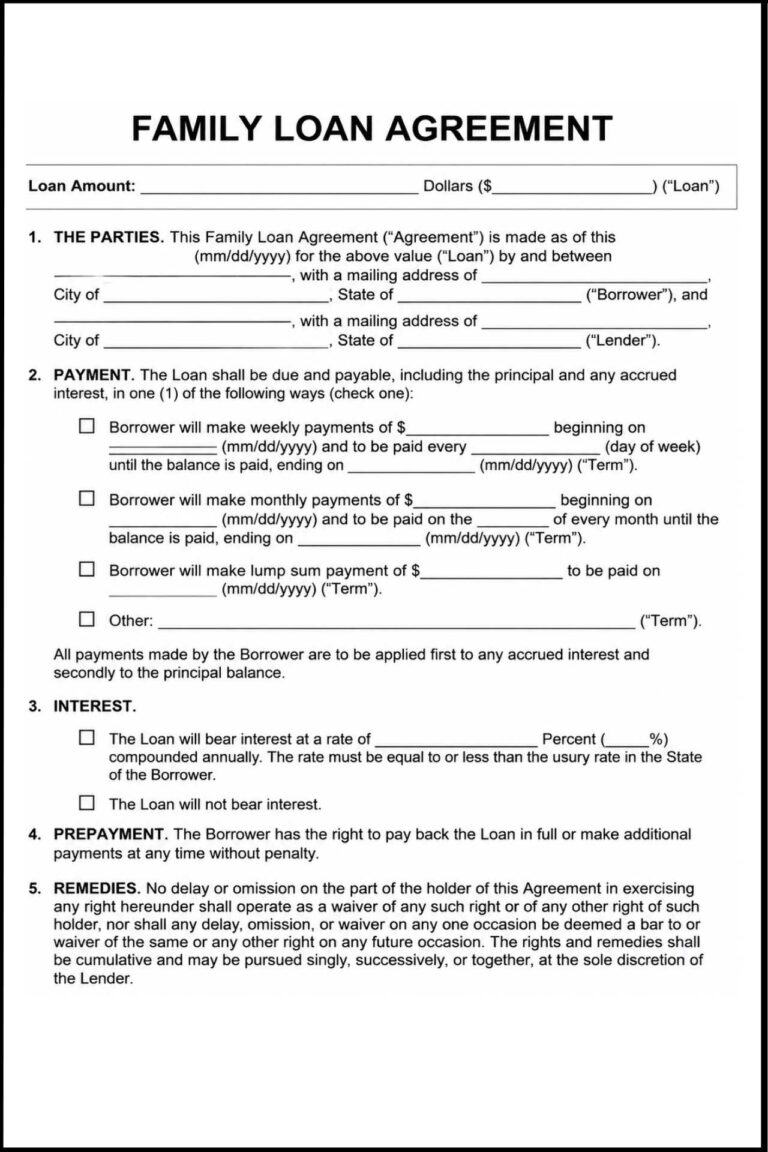
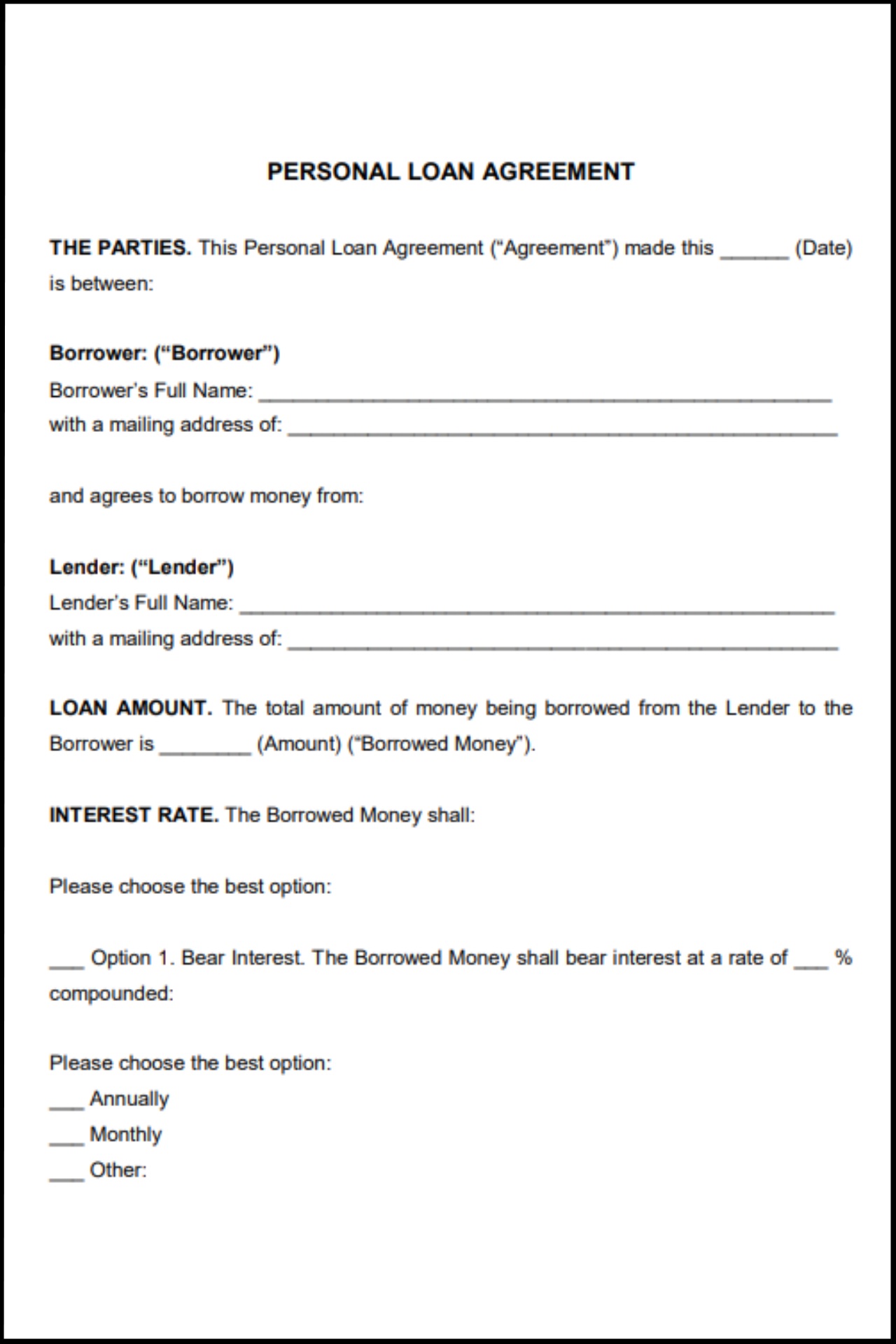
Personal Loan Agreement BC is commonly searched by individuals, families, and business owners who want to record a private loan in writing before money changes hands or formalise an existing lending arrangement. In British Columbia, a properly drafted loan agreement should clearly identify the repayment terms, interest obligations, and default provisions, while federal legislation governing interest disclosure and provincial limitation rules can significantly affect how the agreement is enforced if a dispute arises.
I’ve seen family lending disputes reach the Provincial Court of British Columbia (Small Claims Court) because an informal agreement never stated when the borrower was expected to repay the money, leaving everyone with different expectations after the relationship broke down. This page explains when a Personal Loan Agreement should be used in British Columbia, what clauses it should include, who can legally sign it, and the mistakes that most often lead to repayment disputes.
Table of Contents
ToggleFree Personal Loan Agreement British Columbia
Who Can Legally Sign a Personal Loan Agreement in BC
Under British Columbia law, a Personal Loan Agreement may generally be signed by any mentally competent adult who is 19 years of age or older acting as the borrower, lender, or guarantor. The Age of Majority Act establishes 19 as the age of majority in British Columbia, meaning an 18-year-old who could independently enter into a similar agreement in several other provinces remains a minor under BC law. The agreement should also be signed voluntarily by individuals who understand the financial obligations they are undertaking.
The Infants Act also affects enforceability. A contract made by a person under 19 is generally unenforceable against the infant under the Infants Act, subject to statutory exceptions, including affirmation or certain conduct after the person reaches the age of majority. Because of this, lenders should always confirm the borrower’s age before advancing funds under a private loan agreement.
An example is an 18-year-old borrower who signs a private loan agreement with a parent to finance a vehicle. The written repayment terms do not by themselves remove the protections that the Infants Act gives to a person who was an infant when the contract was made.
Does a Personal Loan Agreement Need a Witness or Notary?
British Columbia legislation does not require a Personal Loan Agreement to be witnessed or notarized. Instead, these agreements are governed by ordinary contract law principles, and no statute requires a witness or notary for a standard private loan between competent adults.
Although witnessing is optional, it can provide valuable evidence if either party later disputes signing the agreement. Some lenders also choose to execute the agreement under seal or retain independent witnesses to strengthen the evidentiary record, particularly where larger sums of money are involved.
For instance, two friends in Surrey may sign a $20,000 loan agreement at home without involving a lawyer or notary. The agreement does not become invalid simply because no witness was present, provided the essential contractual terms have been properly documented.
When a Personal Loan Agreement Is Commonly Used
A Personal Loan Agreement is commonly used whenever money is being lent between individuals or businesses and the parties want clear written evidence of the repayment terms. Unlike an informal IOU, a properly drafted agreement records the amount borrowed, repayment schedule, interest (if any), default provisions, and the responsibilities of each party.
Common situations include:
- Loans between family members.
- Loans between friends.
- Private business financing.
- Vehicle purchase loans.
- Home renovation loans.
- Debt consolidation arrangements.
- Loans supported by a guarantor.
An unsecured Personal Loan Agreement does not need to be filed or registered with any British Columbia government office to be effective. However, if the loan is secured by personal property, a Financing Statement may need to be registered in the BC Personal Property Registry, while a mortgage or other registrable security interest in real estate is registered through the British Columbia land title system.
What Makes a Personal Loan Agreement Invalid in BC
A Personal Loan Agreement is not automatically enforceable simply because it has been signed. Under British Columbia law and applicable federal legislation, several common mistakes can affect whether a lender is able to recover the debt if repayment becomes disputed.
Charging More Than the Legal Interest Rate
One of the most significant mistakes is charging interest that exceeds the maximum permitted under federal law. Effective January 1, 2025, section 347 of the Criminal Code defines a criminal rate as an annual percentage rate exceeding 35% on the credit advanced, subject to statutory non-application rules for certain types of borrowing. For transactions to which section 347 applies, the calculation of the criminal rate can include applicable fees, penalties, commissions and other charges treated as “interest” under the Criminal Code. The civil consequences of a prohibited rate can depend on the terms of the agreement and the remedies available in the particular case.
For example, a private lender in Vancouver may agree to a short-term personal loan carrying substantial administrative fees and interest. If those charges push the effective annual rate above the statutory maximum, the lender may encounter significant legal problems enforcing the agreement.
Signed by a Borrower Under 19
British Columbia’s Age of Majority Act sets the age of majority at 19. Under the Infants Act, a Personal Loan Agreement signed by a borrower under 19 is generally unenforceable against the minor unless a recognised legal exception applies.
A lender in Victoria, for instance, may lend money to an 18-year-old friend believing a signed agreement fully protects the loan. If repayment later becomes disputed, the borrower’s age may significantly affect the lender’s ability to enforce the agreement.
Unconscionable Terms or No Real Consideration
A Personal Loan Agreement may also be challenged where it was obtained through duress, coercion, or unconscionable conduct, or where no money or other valid consideration was actually provided to the borrower. A Personal Loan Agreement may also be challenged under the equitable doctrine of unconscionability where the circumstances establish inequality of bargaining power and an improvident bargain.
Summary of Applicable Laws
| Topic | Rule | Governing Statute |
|---|---|---|
| Maximum interest rate | Maximum 35% APR (effective January 1, 2025) | Criminal Code, RSC 1985, c. C-46, s. 347(1) |
| Interest disclosure | Annualized interest rate required where applicable | Interest Act, RSC 1985, c. I-15, s. 4 |
| Default interest | Default interest cannot exceed the applicable statutory limits | Interest Act, RSC 1985, c. I-15, s. 8 |
| Who can sign | Adults aged 19 or older with contractual capacity | Age of Majority Act, RSBC 1996, c. 7, s. 1; Infants Act, RSBC 1996, c. 223, s. 19 |
| Time limit to recover debt | Two years from default or applicable limitation trigger; 15-year ultimate limitation period | Limitation Act, SBC 2012, c. 13, ss. 6, 14 & 21 |
When a Secured Personal Loan Needs Extra Paperwork
An ordinary unsecured Personal Loan Agreement is a private contract and does not need to be filed or registered with any British Columbia government office to be effective.
Additional registration is required where the loan is secured.
- If the loan is secured by personal property, a Financing Statement should be registered in the BC Personal Property Registry (PPR).
- If the loan is secured by real estate, the security interest should be registered through the BC Land Title Office.
A Personal Loan Gone Wrong: A Victoria Example
Consider a Victoria family that documents a private loan using a simple written agreement but does not state the equivalent annual interest rate even though interest is charged monthly. When repayment stopped, the lender discovered that section 4 of the Interest Act could restrict recovery of interest above 5% per annum because the agreement stated interest for a period shorter than a year without expressly stating the equivalent yearly rate. A properly drafted Personal Loan Agreement could have avoided that issue by clearly complying with the statutory disclosure requirements.
Why BC’s Personal Loan Rules Differ From Other Provinces
British Columbia has several rules that distinguish its Personal Loan Agreements from those used elsewhere in Canada.
First, the age of majority is 19, not 18. As a result, an 18-year-old borrower who may enter into an enforceable loan agreement in provinces such as Alberta or Ontario generally remains a minor in British Columbia.
Second, section 14 of the Limitation Act applies a specific limitation rule to demand loans. For these loans, the limitation period is generally discovered on the first day the borrower fails to perform after a demand for performance has been made, rather than automatically on the date the agreement is signed.
Finally, British Columbia also has a 15-year ultimate limitation period, subject to the Act’s exceptions and special rules, including rules governing how the ultimate period is calculated for certain demand and security claims.
Frequently Asked Questions
Is a Personal Loan Agreement legally enforceable in BC?
Yes. A Personal Loan Agreement may be enforceable when it complies with applicable federal and British Columbia laws and contains clear repayment terms.
What’s the maximum interest rate I can charge on a personal loan in BC?
Effective January 1, 2025, section 347 of the Criminal Code defines a criminal rate as an annual percentage rate exceeding 35%, subject to statutory rules that exclude certain types of business and commercial borrowing.
Can I lend money to a minor in BC?
You may lend money to a minor, but under the Infants Act, a Personal Loan Agreement signed by a borrower under 19 is generally unenforceable against that minor.
Does a Personal Loan Agreement need to be notarized in BC?
No. British Columbia law does not require notarization or witnesses for a standard Personal Loan Agreement between competent adults.
What happens if someone doesn’t repay a personal loan in BC?
A lender may pursue legal remedies to recover the debt, subject to the applicable limitation period and court jurisdiction. Claims within the Provincial Court’s Small Claims jurisdiction are generally subject to its $35,000 monetary limit, while larger claims may require another court or procedure.