Free Ontario Will Template | Legal Guide
Ontario Will Template — if you’re searching for this, you likely want a simple, clear way to decide who gets your assets after you pass away. You’re in the right place.
A will is a legal document that explains who gets your money, property, and belongings, and who will manage everything after your death.
I’ve seen families in Ontario spend months dealing with court delays and disagreements because a will was missing, outdated, or signed incorrectly. When people try to handle this for the first time, they often don’t realize that even small mistakes can create serious problems for the executor and beneficiaries later on.
In Ontario, having a will is very important. Without one, the law decides who gets your assets — and that may not match your wishes. It can also create stress, delays, and disputes for your family.
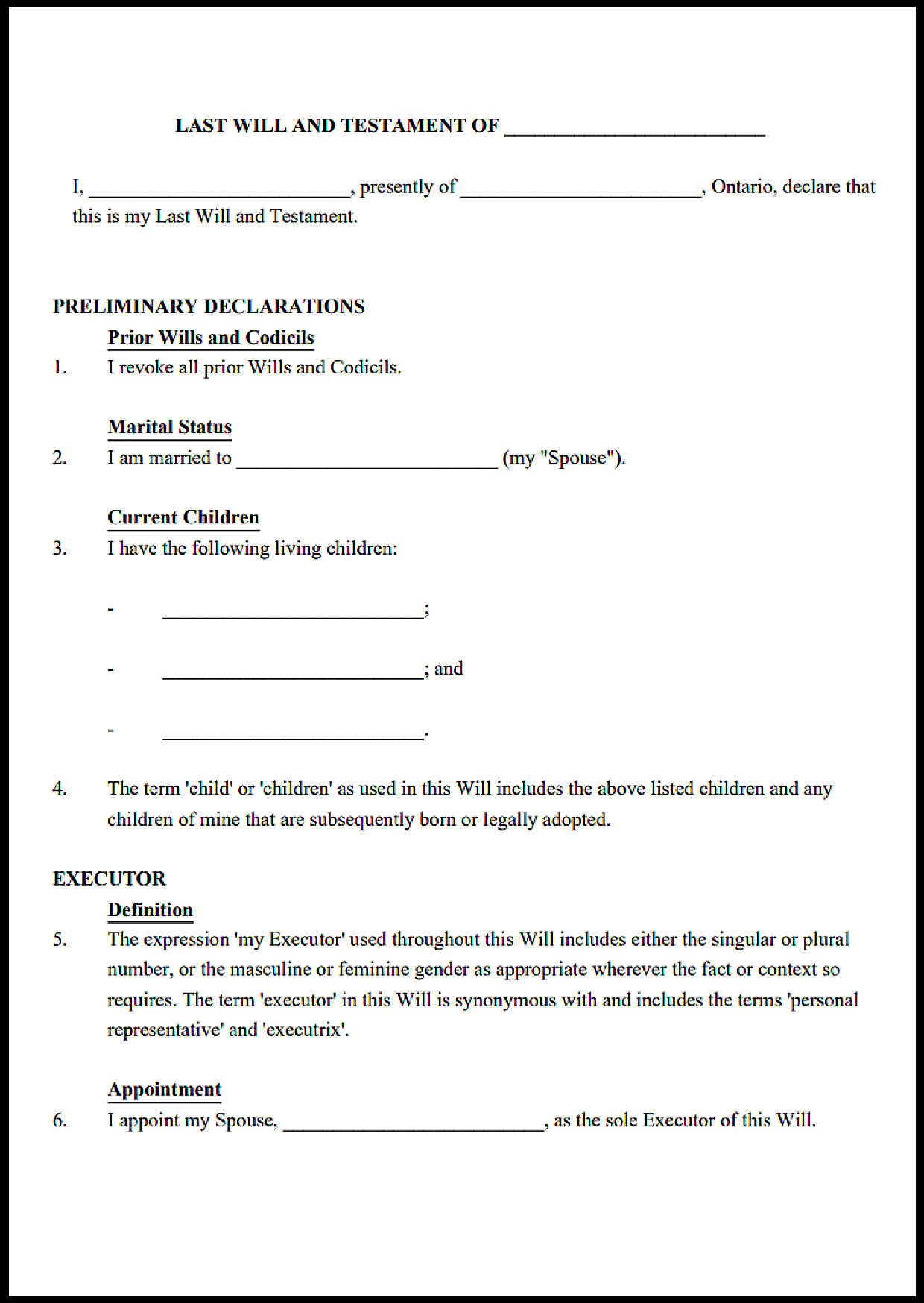
Free Ontario Will Template
Here is a basic Ontario will template designed for individuals with simple estates.
Types of Wills in Ontario
In most estate planning situations, choosing the right type of will makes a big difference. Each type is designed for a different life situation.
Simple Will
A simple will is the most common option. It works best for individuals who have straightforward assets and want an easy way to divide them among family members.
Mirror Will (for Couples)
A mirror will is used by couples who want similar instructions in their wills. Usually, each partner leaves everything to the other, and then to their children.
Holographic Will
This is a handwritten will. Under Ontario law, it does not require witnesses, but it must be fully written and signed by the person making it. It is often used in urgent situations.
Testamentary Trust Will
This type of will creates a trust after death. It is helpful when you want to protect children, dependents, or manage money over time.
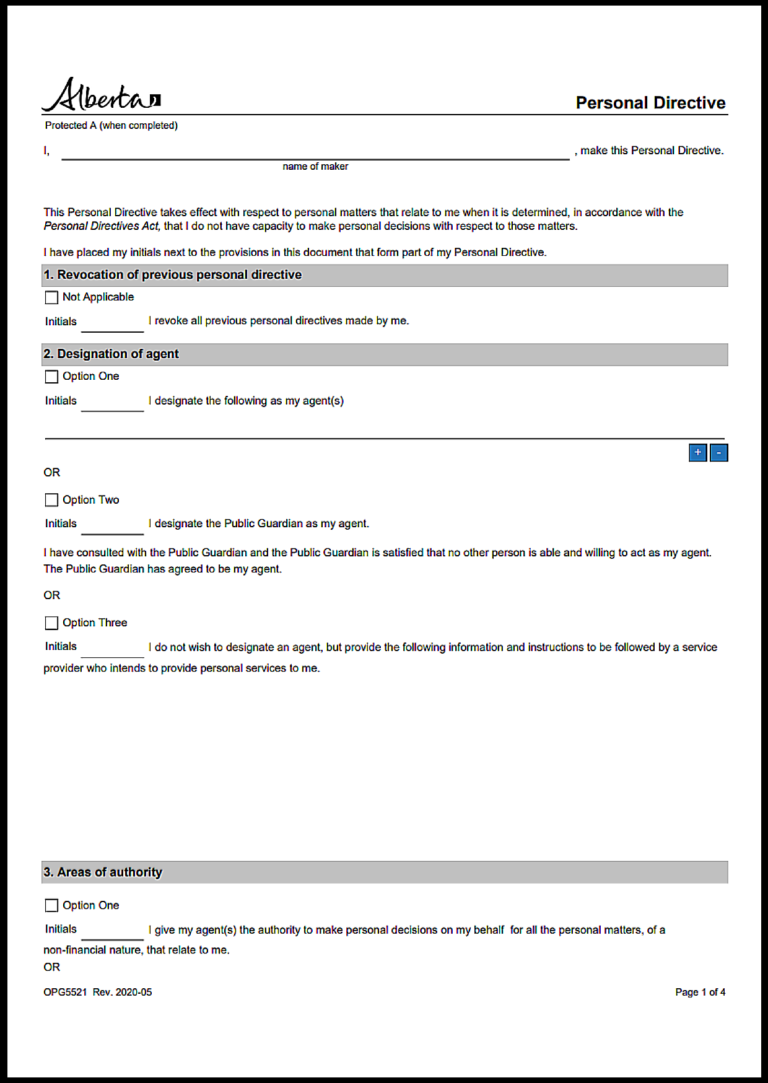
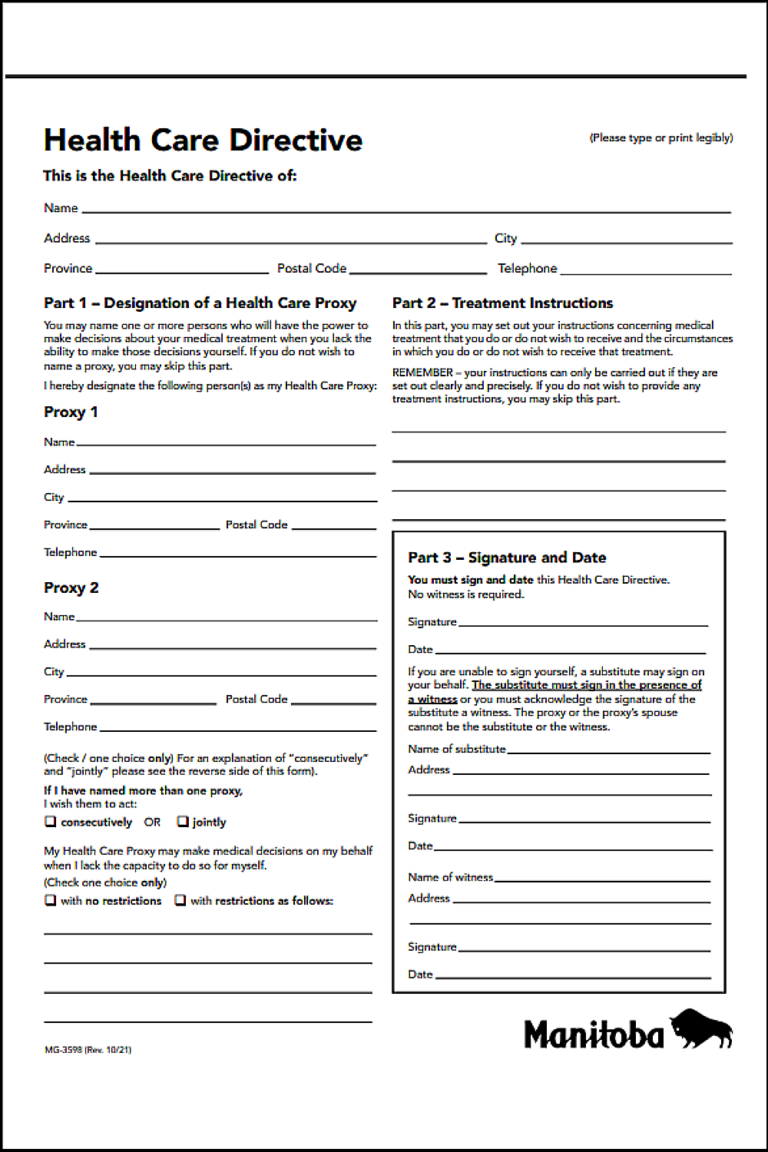
Power of Attorney for Personal Care (Colloquially ‘Living Will’) \n Governed strictly by the Substitute Decisions Act, 1992 (SDA), this document legally appoints a Substitute Decision Maker (SDM) to oversee healthcare, hygiene, nutrition, and medical treatment decisions during periods of mental incapacity. The phrase ‘Living Will’ carries no formal statutory weight in Ontario.
Real-Life Use Cases
Wills are not just legal documents — they are used in real-life situations every day. For example, a young professional may divide savings between parents and siblings, while a married couple may create mirror wills to protect each other.
Parents often include special instructions for minor children, especially when setting up a trust. Elderly individuals may update their wills to reflect new beneficiaries after life changes. In some urgent cases, people even rely on handwritten (holographic) wills.
These examples show that a will should reflect your personal life, not just follow a template.
Key Elements of a Valid Will in Ontario
Under Ontario law, a will must meet certain legal requirements to be valid. These rules are important and should not be ignored.
Basic Legal Requirements
| Requirement | Explanation |
| Age |
Must be 18 years or older
|
| Mental Capacity |
Must understand the will and its effects
|
| Signature |
Must be signed by the testator
|
| Witnesses |
Usually 2 witnesses required
|
Testator Information
The will must clearly state your full legal name and confirm that the document is your last will. This avoids confusion later.
Executor Appointment
The executor is responsible for managing your estate. In most cases, this includes paying debts, handling paperwork, and distributing assets. Choosing the right person is very important.
Beneficiaries
Beneficiaries are the people who receive your assets. It is always better to clearly name them and avoid vague descriptions.
Asset Distribution Instructions
You should clearly explain who gets what. This can include money, property, or personal belongings. Clear instructions help avoid disputes.
Signatures and Witnesses
Most wills in Ontario must be signed in front of two witnesses. These witnesses should not be beneficiaries. Incorrect signing can make the will invalid.
Estate planning is not limited to wills alone. Many individuals also rely on agreements that define financial responsibilities and relationships, such as a marriage property agreement template or a legal separation arrangement document, which can directly impact how assets are distributed.
How to Create or Complete Your Will?
Creating a will may feel complicated at first, but the process becomes simple when you follow clear steps.
- Start by listing all your assets and liabilities. Then decide who you want to receive them. After that, choose a reliable executor who can handle responsibilities properly. Once this is done, select the correct type of will and complete the template carefully.
- Finally, you must sign the will according to Ontario legal rules and store it in a safe place. It is also important to inform your executor where the will is kept.
Legal Overview in Ontario
Wills in Ontario are governed by the Succession Law Reform Act. This law sets out the rules for creating and validating wills.
Under Ontario law, you must be mentally capable and act voluntarily when making a will. Proper execution, including signatures and witnesses, is required for most wills.
If someone dies without a will, their estate is distributed according to intestate succession rules. This means the government decides who gets what, which may not match personal wishes.
Probate is another important part of the process. In many cases, executors must apply for probate to get legal authority to manage and distribute the estate, especially when dealing with banks or property.
Creating a legally valid will is a key part of managing your assets and ensuring your wishes are followed under Ontario law. This estate planning guide explains the full process, from drafting instructions to final execution, and works alongside documents like a standard last will and testament format in Ontario that formalizes your decisions in writing.
Common Mistakes to Avoid
- Many people make simple mistakes that create big problems later. One of the most common issues is not updating a will after major life events like marriage or divorce.
- Another problem is choosing the wrong executor — someone who is not responsible or willing to handle the role. Unclear instructions about asset distribution can also lead to disputes between family members.
- Some people ignore signing rules or use a basic template for complex estates, which can make the will legally invalid.
Choosing the Right Will for Your Situation
Choosing the right will depends on your family, assets, and future planning goals. There is no single solution that works for everyone.
Here is a quick comparison to help you decide:
| Situation | Best Will Type |
| Basic assets | Simple Will |
| Married couple | Mirror Will |
| Emergency | Holographic Will |
| Children/dependents |
Testamentary Trust Will
|
| Medical decisions | Living Will |
If your situation is simple, a basic will is usually enough. But as your life becomes more complex, you may need a more detailed plan.
By combining these legal tools, you can create a more complete plan that covers both inheritance and relationship-based obligations. Reviewing related legal forms ensures your estate strategy aligns with provincial requirements and avoids future disputes.
Related Templates in Ontario
A will is just one part of a complete estate plan. You may also need other legal documents to fully protect yourself and your family.
You can explore related resources like the Simple Will Template Ontario, Mirror Will Template Ontario, and Holographic Will Guide Ontario for different situations. There are also options like the Testamentary Trust Template Ontario and Living Will Template Ontario for more specific needs.
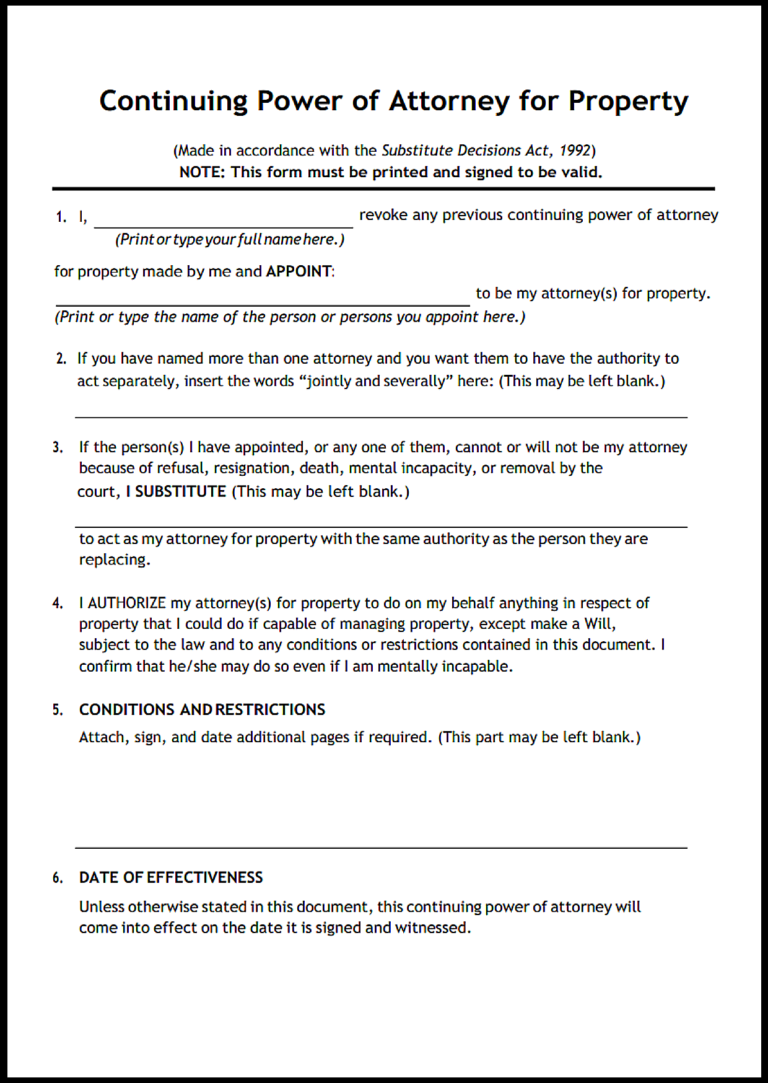
In addition, many people also create a Power of Attorney for property and personal care. An Estate Planning Checklist Ontario can also help you stay organized.