Free British Columbia Month-to-Month Lease Template
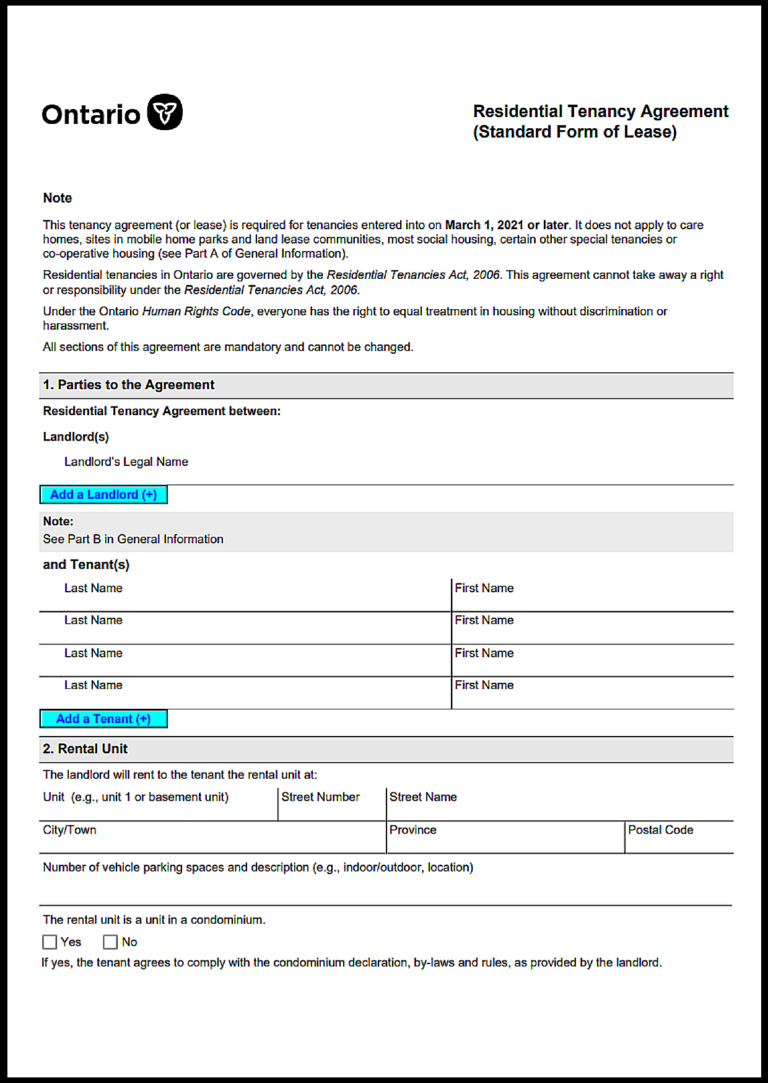
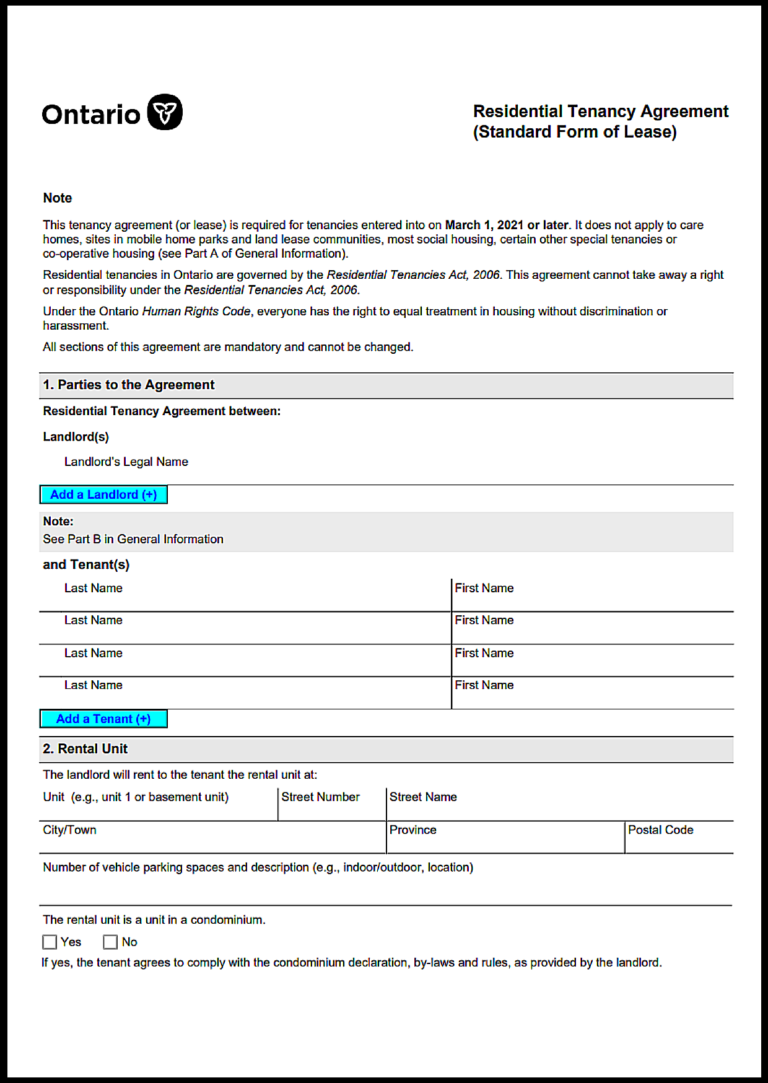
A lot of landlords in British Columbia assume a tenancy simply “carries on” after the fixed term ends, then problems start when rent increases or notice periods were never clearly discussed. I handled a file for a Surrey landlord who used an old Ontario lease form, and the tenant challenged several terms through the Residential Tenancy Branch because they did not follow B.C.’s Residential Tenancy Act.
A British Columbia Month-to-Month Lease sets the rules for an ongoing monthly tenancy once the original lease no longer has a fixed end date. It is commonly used by landlords, tenants, and roommates who want flexibility without signing a brand-new long-term agreement.
I’ve seen month-to-month disputes turn ugly over unpaid utilities, improper notice, and illegal rent increases because the terms were left verbal. In British Columbia, landlords generally must give three full months’ notice before increasing rent, and missing that deadline can delay everything. Use this British Columbia Month-to-Month Lease template to clearly record the monthly tenancy terms before problems start.
Last Updated: August 2026
Free British Columbia Month-to-Month Lease Template
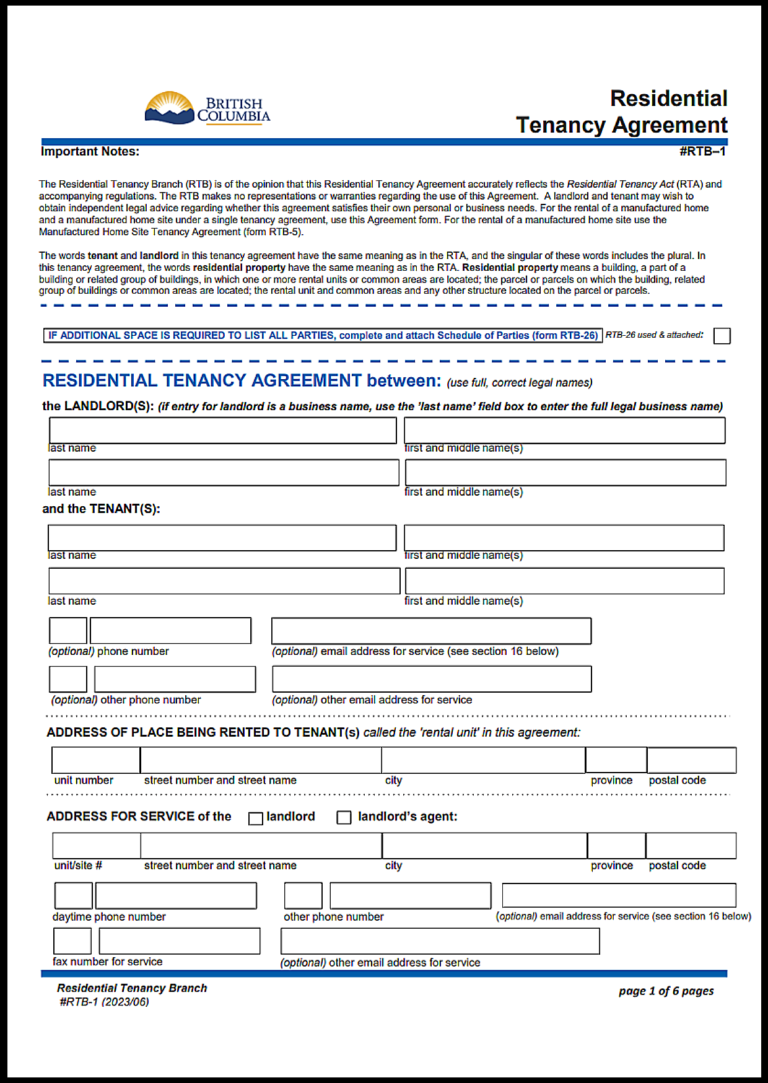
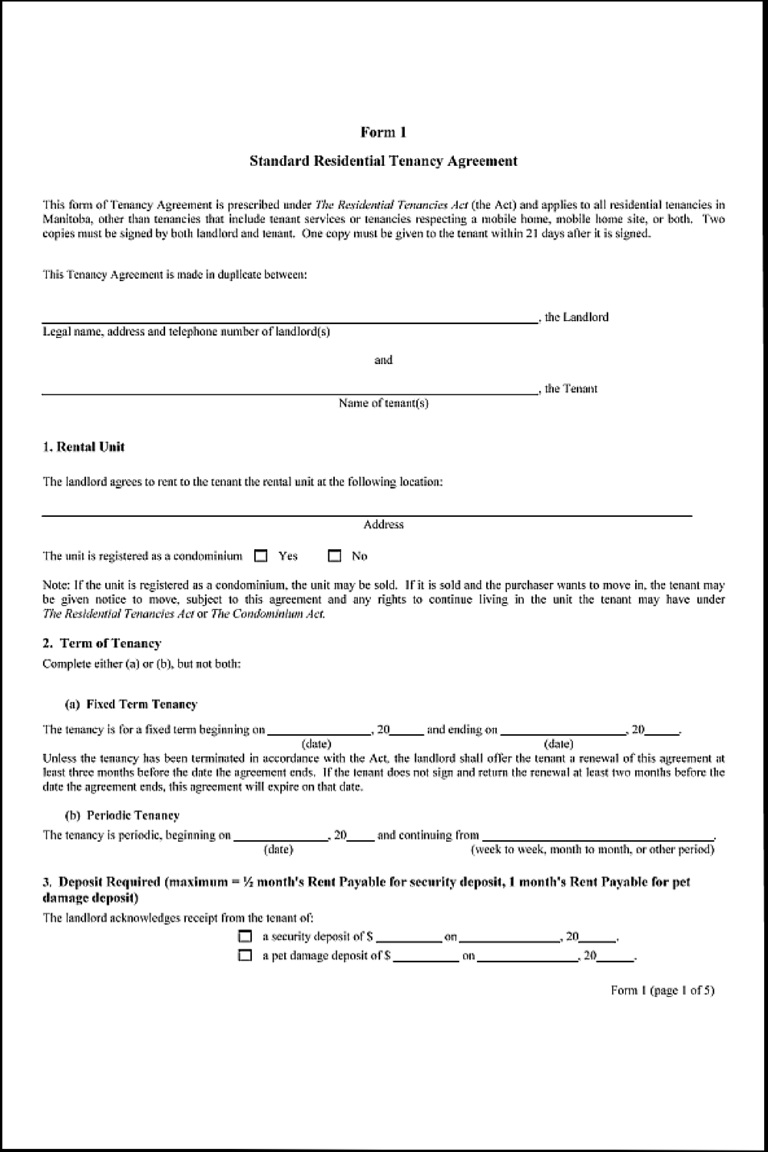
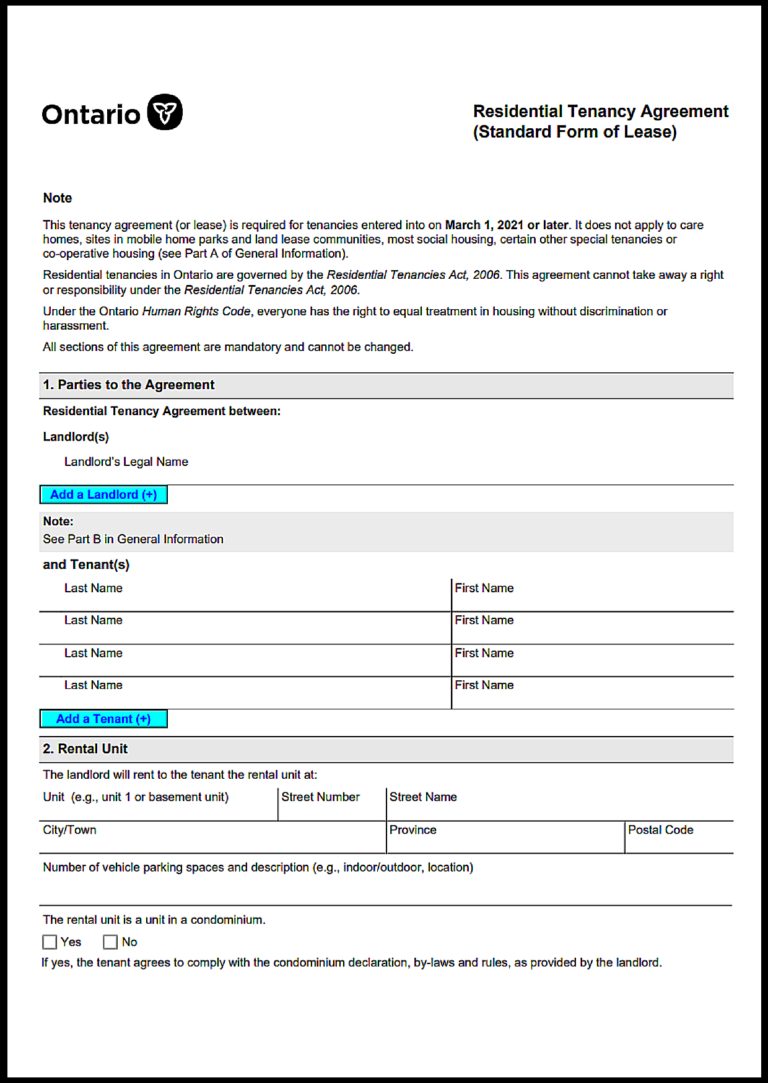
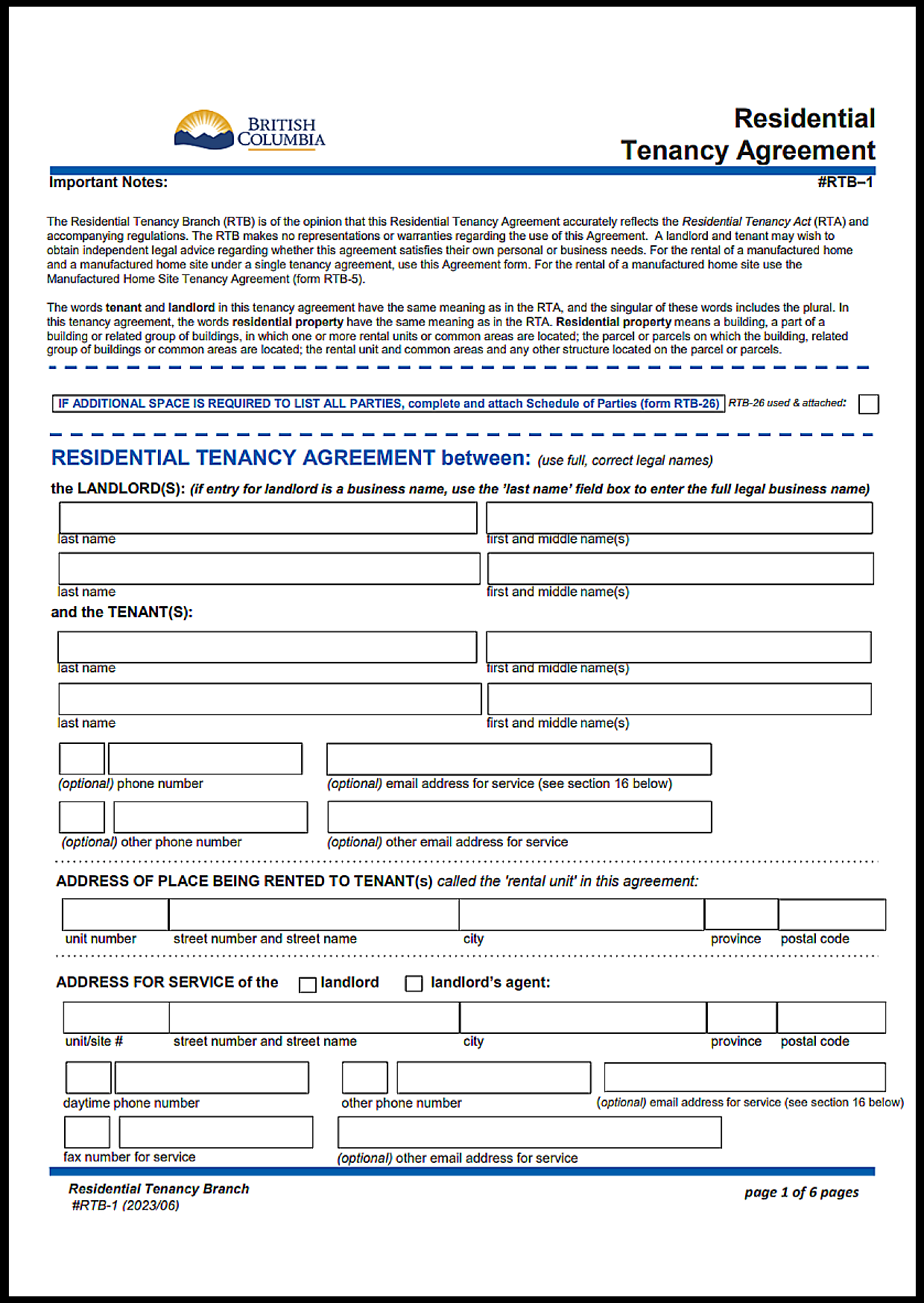
Below is a simple template you can use for your rental agreement. It covers the basic details required in most situations.
British Columbia Month-to-Month Lease Laws and Notice Rules
| Topic / Issue | British Columbia Legal Rule | Governing Statute |
|---|---|---|
| Governing legislation | Month-to-month residential tenancies in BC are governed by the Residential Tenancy Act and Residential Tenancy Regulation. | Residential Tenancy Act [SBC 2002] c. 78; Residential Tenancy Regulation, B.C. Reg. 477/2003 |
| Federal law | Residential tenancy regulation is primarily a provincial matter in British Columbia, although federal laws can apply to particular issues. | Constitution Act, 1867 |
| 2024 amendments | BC’s 2024 tenancy-law changes introduced generated notices for certain landlord-use terminations and changed notice-period rules; the applicable period depends on the statutory purpose and prescribed rules. | Residential Tenancy Act amendments (2024) |
| Who can sign | A tenancy agreement must identify the landlord and tenant correctly and be entered into by the parties or their authorized representatives. | Residential Tenancy Act, s. 1 |
| Witness requirement | The Residential Tenancy Act does not prescribe a witness-signature requirement for an ordinary written residential tenancy agreement. | Residential Tenancy Act |
| Notarization | The Residential Tenancy Act does not require an ordinary residential tenancy agreement to be notarized. | Residential Tenancy Act |
| Age of capacity | A person who has not reached 19 years of age may enter into a tenancy agreement, and the agreement and the Residential Tenancy Act and regulations are enforceable by and against that person. | Residential Tenancy Act, s. 3 |
| Mental capacity | The parties should have the legal capacity required to enter into the tenancy agreement. | General contract law |
| Copy deadline | Within 21 days after entering into a tenancy agreement, the landlord must give the tenant a copy of the agreement. | Residential Tenancy Act, s. 13(3) |
| Standard terms requirement | Every BC tenancy agreement includes the standard terms prescribed by the Residential Tenancy Regulation, and section 13 requires the written agreement to set them out. | Residential Tenancy Act, ss. 12–13; Regulation |
| Required landlord information | The agreement must include the correct legal names of the landlord and tenant and the landlord’s address for service and telephone number. | Residential Tenancy Act, s. 13 |
| Rent particulars | The tenancy agreement must state the rent payable, the day rent is due, and which services and facilities are included in the rent. | Residential Tenancy Act, s. 13 |
| Occupancy-based rent changes | A tenancy agreement may specify how rent varies with the number of occupants, but the Residential Tenancy Act imposes restrictions on certain occupancy-based increases, including increases resulting from the addition of specified minor occupants. | Residential Tenancy Act, ss. 13, 22.1 |
| Filing requirement | The Residential Tenancy Act does not require ordinary residential month-to-month tenancy agreements to be registered with the government. | Residential Tenancy Act |
| Long-term lease exception | The Residential Tenancy Act does not apply to living accommodation rented under a tenancy agreement with a term longer than 20 years. | Residential Tenancy Act, s. 4(i) |
| Illegal contract terms | A tenancy term cannot be used to avoid or contract out of the Residential Tenancy Act or regulations. | Residential Tenancy Act, s. 5 |
| Excessive deposits | A landlord must not require or accept a security deposit or pet damage deposit greater than one-half of one month’s rent. | Residential Tenancy Act, s. 19 |
| Automatic vacate clauses | A fixed-term tenancy agreement can require the tenant to vacate at the end of the term only in circumstances permitted by the Residential Tenancy Act and regulations. | Residential Tenancy Act, s. 44 |
| Automatic standard terms | BC tenancy agreements include the standard terms prescribed by the Residential Tenancy Regulation, and those standard terms cannot be removed or changed contrary to the Act. | Residential Tenancy Act, ss. 12–13 |
| Occupancy rent increase rule | A tenancy agreement may specify how rent varies with the number of occupants, but statutory restrictions apply to certain occupancy-based increases. | Residential Tenancy Act, ss. 13, 22.1 |
| Four-month landlord-use notice | For landlord-use notices under section 49, the Residential Tenancy Act provides a four-month default period unless a shorter prescribed period applies to the particular statutory purpose. | Residential Tenancy Act, s. 49; Residential Tenancy Regulation |
BC tenancy agreements include prescribed standard terms, and landlords and tenants cannot contract out of the Residential Tenancy Act. For example, a private term cannot remove statutory protections simply because both parties signed the agreement.
Rent increases have two separate timing requirements. At least 12 months must have passed since the rent was first payable or the last lawful increase, and the landlord must give at least three months’ notice. If the notice does not comply, the increase takes effect on the earliest date that does comply.
Landlord-use terminations now require particular attention because the applicable notice period depends on the statutory purpose. The RTA provides a four-month default in section 49, while the Regulation prescribes a shorter three-month period for certain purposes. Some prescribed notices must also be generated through the authorized system.
Problems can arise when a landlord charges more than the permitted deposit, uses an invalid tenancy term, or relies on an outdated notice rule. The free British Columbia Month-to-Month Lease template can help organize the tenancy terms, but the completed agreement should still be checked against the current Residential Tenancy Act and regulations.
This type of rental arrangement is commonly used when landlords and tenants want more flexibility than a fixed-term tenancy provides. Anyone unfamiliar with ongoing rental obligations can also review the British Columbia lease agreement guide to better understand how periodic tenancy terms are typically structured under provincial housing rules.
Understanding Month-to-Month Leases in British Columbia
A month-to-month tenancy is a type of periodic tenancy. Under the Residential Tenancy Act, it continues until it is ended in accordance with the Act.
A periodic tenancy can be useful when the tenant does not want a fixed end date. A tenant working in Vancouver temporarily, for example, may prefer a tenancy that continues until it is ended under the Act rather than committing to a fixed term.
Common situations where this lease works well include:
- Short-term stays
- Job transfers or uncertain plans
- Students or temporary workers
- Landlords trying out new tenants
Monthly rental setups are often created after an original fixed-term contract expires without signing a completely new agreement. In these situations, landlords may still issue a written proof of rent payment each month and occasionally provide a formal notice for updated rental pricing when permitted under British Columbia regulations.
Month-to-Month vs Fixed-Term Lease
Both types of leases are legal in British Columbia, but they serve different needs. A fixed-term lease provides a defined contractual term, while a month-to-month tenancy has no fixed end date.
| Feature | Month-to-Month Lease |
Fixed-Term Lease
|
| End Date | No fixed end | Fixed duration |
| Flexibility | High | Lower |
| Stability | Less predictable duration |
More predictable duration
|
| Rent Changes | Subject to statutory rules |
Subject to statutory rules
|
| Exit Option | Governed by periodic-tenancy rules |
Generally tied to the fixed term, subject to statutory and contractual exceptions
|
A month-to-month tenancy provides flexibility because it has no fixed end date, while a fixed-term tenancy provides a defined contractual term. The legal consequences of each depend on the agreement and the Residential Tenancy Act.
Key Terms You Must Include in the Agreement
Even though the lease is flexible, the agreement still needs to be clear and complete. Missing details can cause problems later.
Rent Details
The agreement should state the rent payable, the day rent is due, and which services or facilities are included. Section 13 of the Residential Tenancy Act requires these particulars to be set out in the tenancy agreement.
Notice Period Rules
A tenant ending a periodic tenancy must give notice with an effective date at least one month after the landlord receives it and on the day before the day rent is payable. A landlord must use the statutory ground, notice period, form, and procedure that apply to the reason for ending the tenancy.
Security Deposit
A landlord cannot require a security deposit greater than one-half of one month’s rent. After the tenancy ends, the landlord generally has 15 days from the later of the tenancy ending and receiving the tenant’s forwarding address in writing to return the deposit or make the required dispute-resolution application, subject to the Act.
Utilities & Services
It is important to clearly write who will pay for utilities. This includes electricity, water, gas, and internet. If utilities are included in rent, it should be mentioned clearly in the agreement.
Property Rules
Rules about pets, smoking, and guests should be written in the agreement. This avoids confusion later and helps both parties understand expectations.
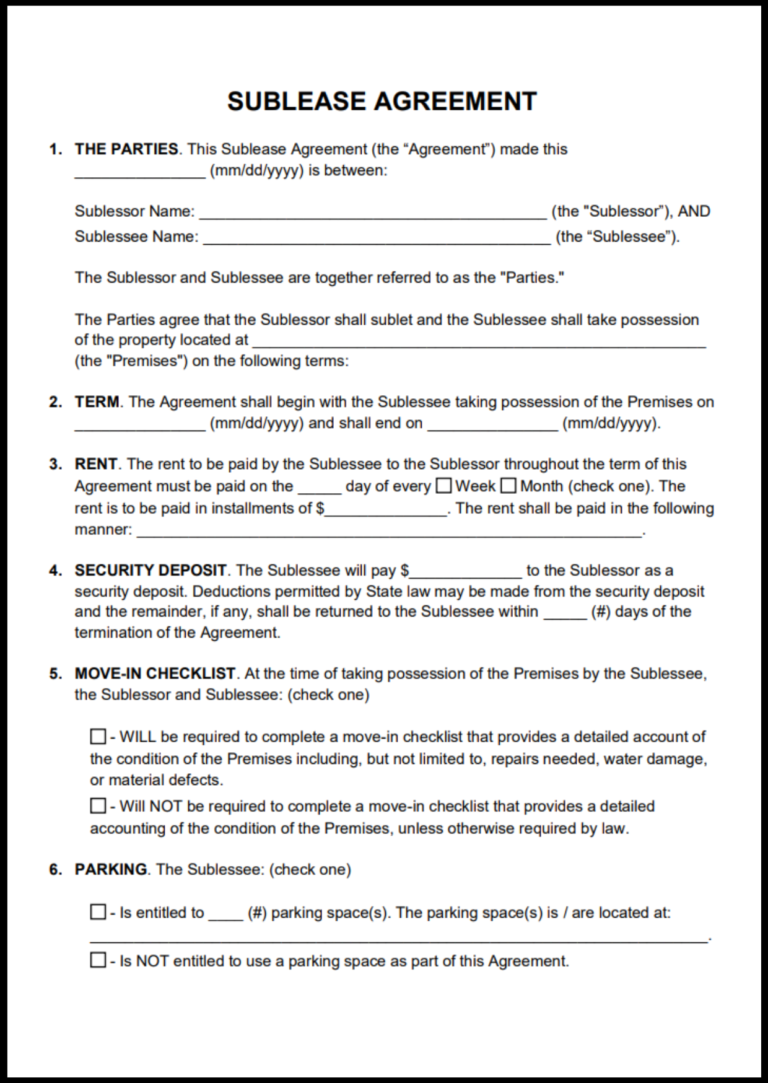
Flexible tenancy arrangements can also be useful in shared housing or temporary occupancy situations. Tenants sharing the same property sometimes prepare a roommate responsibility document, while temporary occupants may instead be added through a subleasing arrangement.
Legal Rules Under British Columbia Law
All residential tenancies covered by the Act are subject to the Residential Tenancy Act. The Act sets rules for rent, ending tenancies, deposits, and other landlord-tenant obligations.
Under section 42 of the Residential Tenancy Act, a landlord must wait at least 12 months between rent increases and give at least three months’ notice. For 2026, the standard annual rent increase limit is 2.3%.
Notice requirements depend on who is ending the tenancy and why. A tenant ending a periodic tenancy generally follows section 45, while a landlord must rely on an applicable statutory ground and comply with the corresponding notice and procedural requirements.
A tenancy term cannot remove rights or obligations created by the Residential Tenancy Act or regulations. Deposit handling is also governed by statutory rules, including limits on the amount that can be charged and requirements for returning or dealing with a deposit.
| Legal Rule | What It Means |
| Rent Increase |
Once per year with notice; 2026 limit is 2.3%
|
| Deposit Limit |
Max 50% of monthly rent
|
| Tenant Notice |
One month or more, subject to the statutory effective-date rule
|
| Landlord Notice |
Depends on statutory ground and procedure
|
| Illegal Terms |
Not enforceable where they contract out of the Act
|
How a Fixed Lease Becomes Month-to-Month
If a fixed-term tenancy does not require the tenant to vacate at the end of the term, and the parties have not entered into a new agreement, section 44(3) deems the tenancy renewed as a month-to-month tenancy on the same terms.
There is no need to sign a new agreement, but creating a written month-to-month agreement is still a good idea. It helps avoid confusion and keeps everything clear.
How to End a Month-to-Month Lease Properly
Ending a lease the right way is very important. If you do not follow the rules, it can lead to disputes or extra costs.
Tenant Ending the Lease
A tenant ending a periodic tenancy must give notice with an effective date at least one month after the landlord receives the notice and on the day before the day rent is payable. The exact effective date should therefore be calculated from the date the landlord receives the notice.
Landlord Ending the Lease
A landlord may end a tenancy only where the Residential Tenancy Act provides a lawful ground. Depending on the ground, the landlord must use the required notice, comply with the applicable notice period, and follow the statutory form and procedural requirements.
Illegal eviction is a serious issue. If a landlord tries to remove a tenant without following the law, the tenant has the right to take action.
Common Mistakes to Avoid
The most common problems are usually procedural: using the wrong notice, missing a statutory deadline, relying on an outdated form, or overlooking the rules that apply when a fixed term ends.
Some common mistakes include:
- Not giving proper written notice
- Relying only on verbal agreements
- Ignoring rent increase rules
- Missing important terms in the agreement
- Confusing it with short-term rental setups
Real-Life Scenario
Imagine a tenant who moves to Vancouver for a temporary job. Instead of signing a one-year lease, they choose a month-to-month agreement. This gives them the flexibility to leave when their job ends.
After four months, the work contract finishes earlier than expected. The tenant can end the periodic tenancy by giving notice that complies with section 45, including its timing and effective-date requirements. That illustrates the flexibility of a periodic tenancy.
Pros and Cons of Month-to-Month Lease
Advantages
The main advantage is the absence of a fixed end date. A tenant can end a periodic tenancy by following the statutory notice rules, while the landlord remains subject to the specific statutory grounds and procedures for ending the tenancy.
Disadvantages
The trade-off is that the tenancy has no fixed end date. Rent remains subject to the Residential Tenancy Act, and the landlord can end the tenancy only where a statutory ground applies and the required procedure is followed.
FAQs
Is a month-to-month lease legal in British Columbia?
Yes. A month-to-month tenancy is a form of periodic tenancy recognized under the British Columbia Residential Tenancy Act.
How much notice is required in BC?
A tenant ending a periodic tenancy generally must give notice with an effective date at least one month after the landlord receives it and on the day before rent is payable. Landlord notice requirements depend on the statutory ground.
Can rent be increased anytime?
No. A landlord generally must wait at least 12 months between rent increases and give at least three full months’ notice. For 2026, the standard annual rent increase limit is 2.3%.
Do I need a written agreement?
The Residential Tenancy Act requires a tenancy agreement to be in writing in the circumstances covered by section 13. A written agreement also gives both parties a clear record of the tenancy terms.
Can a landlord evict without reason?
No. A landlord may end a tenancy only where the Residential Tenancy Act provides a lawful ground and the landlord follows the applicable notice, form, timing, and procedural requirements.