Ontario Affidavit of Identity Form (Requirements, Uses & Free Template)
Ontario Affidavit of Identity is a simple legal document that helps prove who you are using a sworn statement. If your ID is missing, has errors, or your name doesn’t match across documents, this affidavit can help fix the issue.
It is commonly used for banks, immigration, courts, and government verification. The good news? You can create one yourself using a proper format and get it legally valid in Ontario.
I’ve seen many Ontario applications delayed because the affidavit was missing key identity details or wasn’t properly sworn before a commissioner. When people are already stressed about replacing ID or fixing name mismatches, even a small mistake in this document can create bigger problems with banks, ServiceOntario, or immigration files.
Last Updated: September 2026
Table of Contents
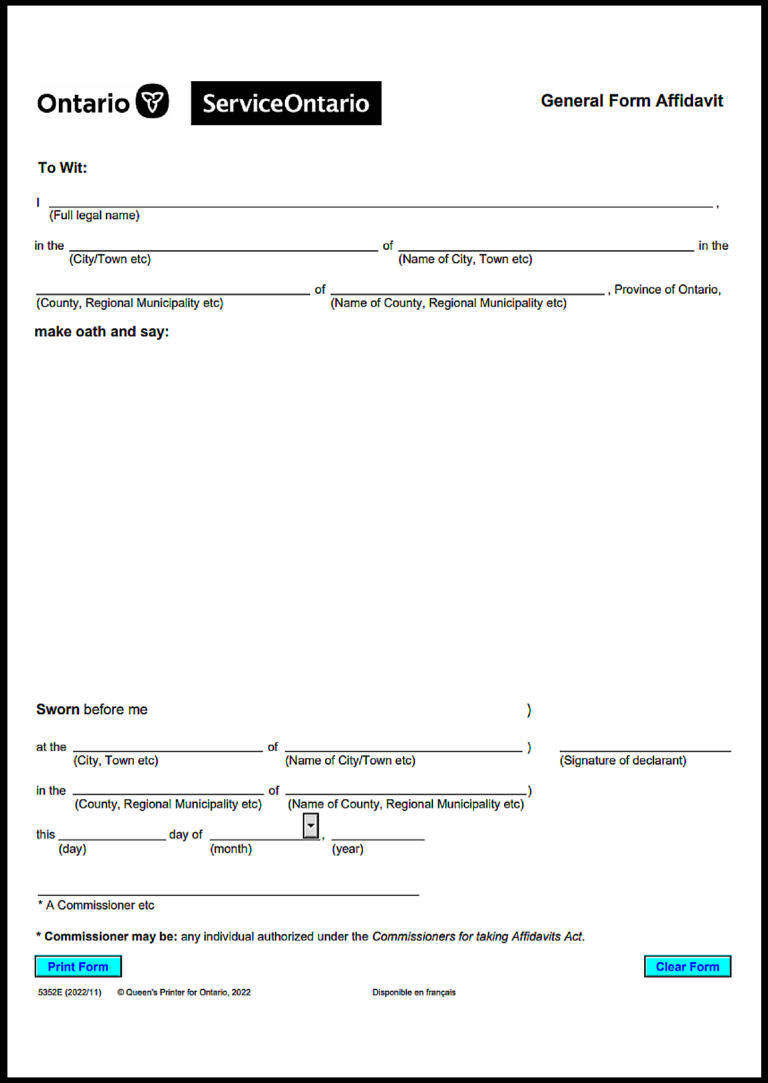
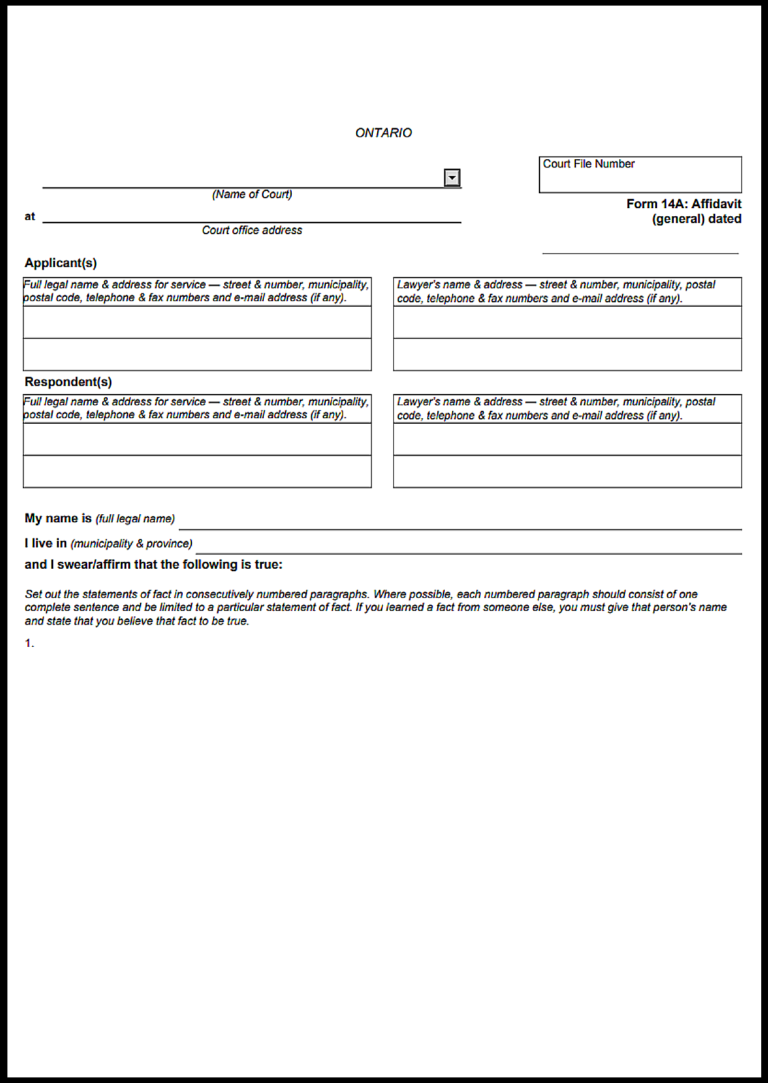
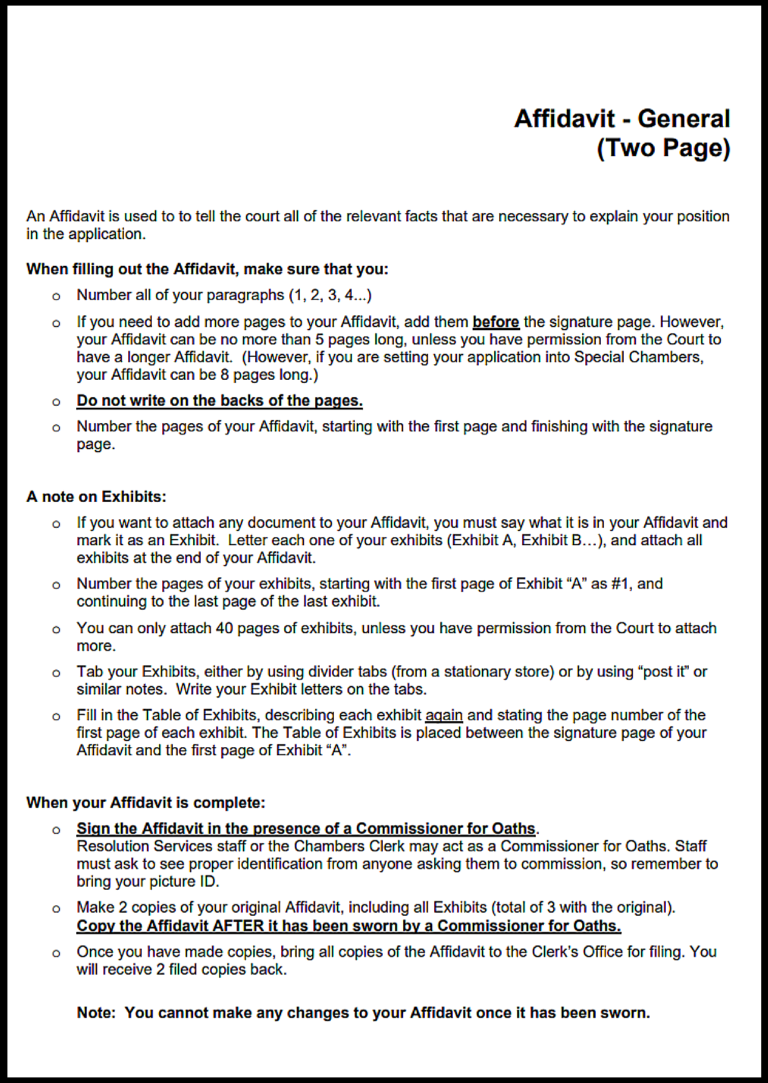
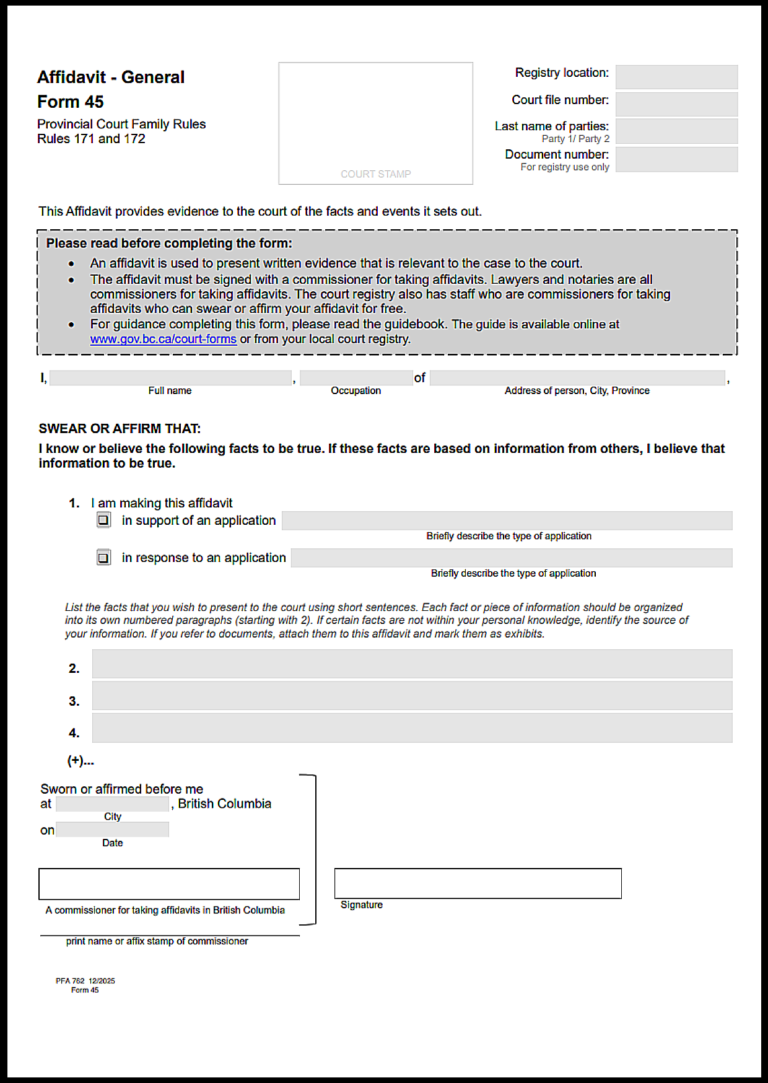
ToggleFree Ontario Affidavit of Identity Template
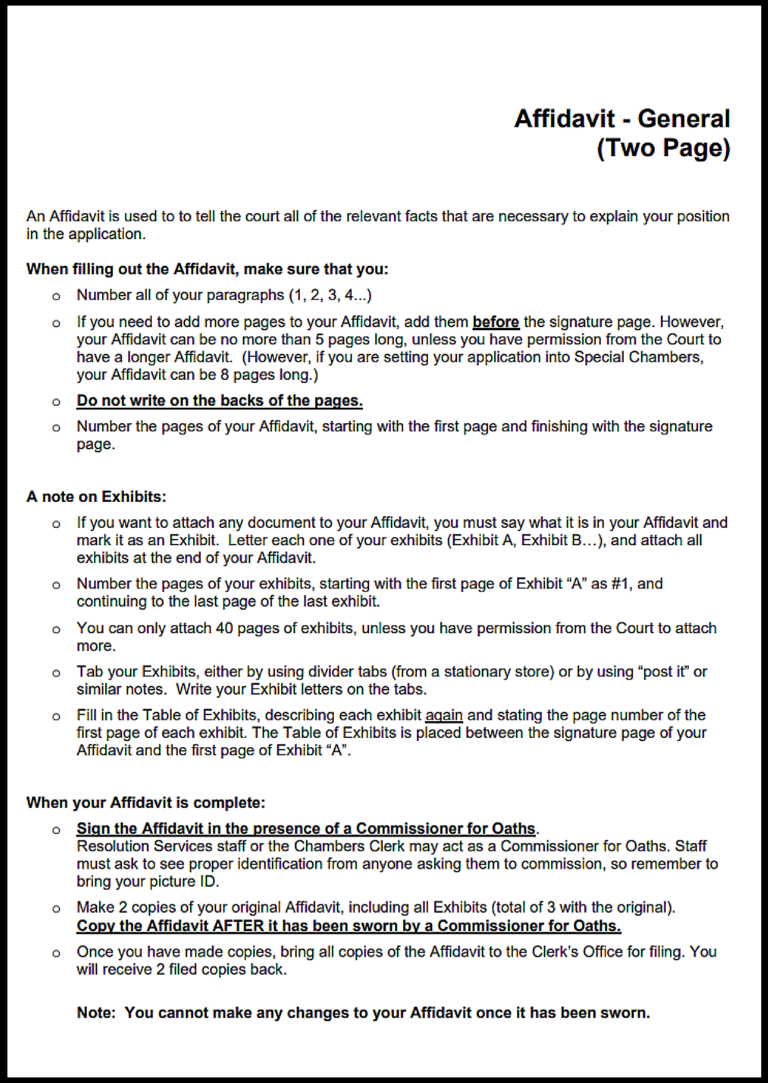
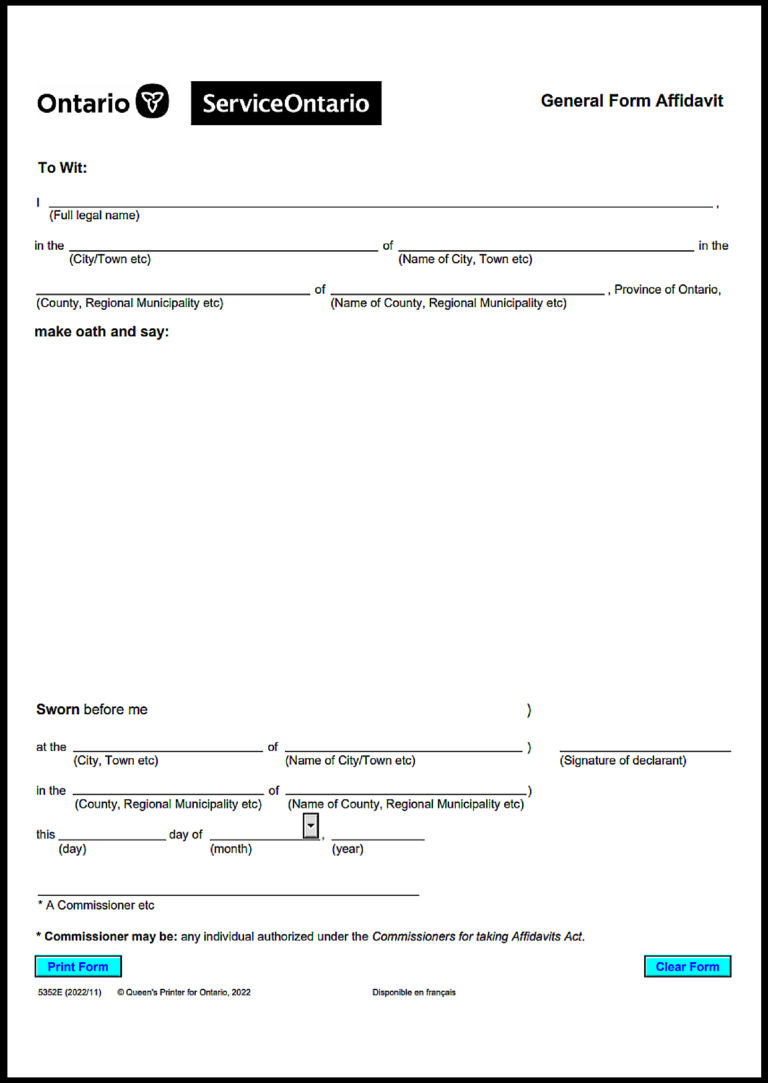
You can copy, edit, and use this template based on your situation. Make sure all details are correct before signing.
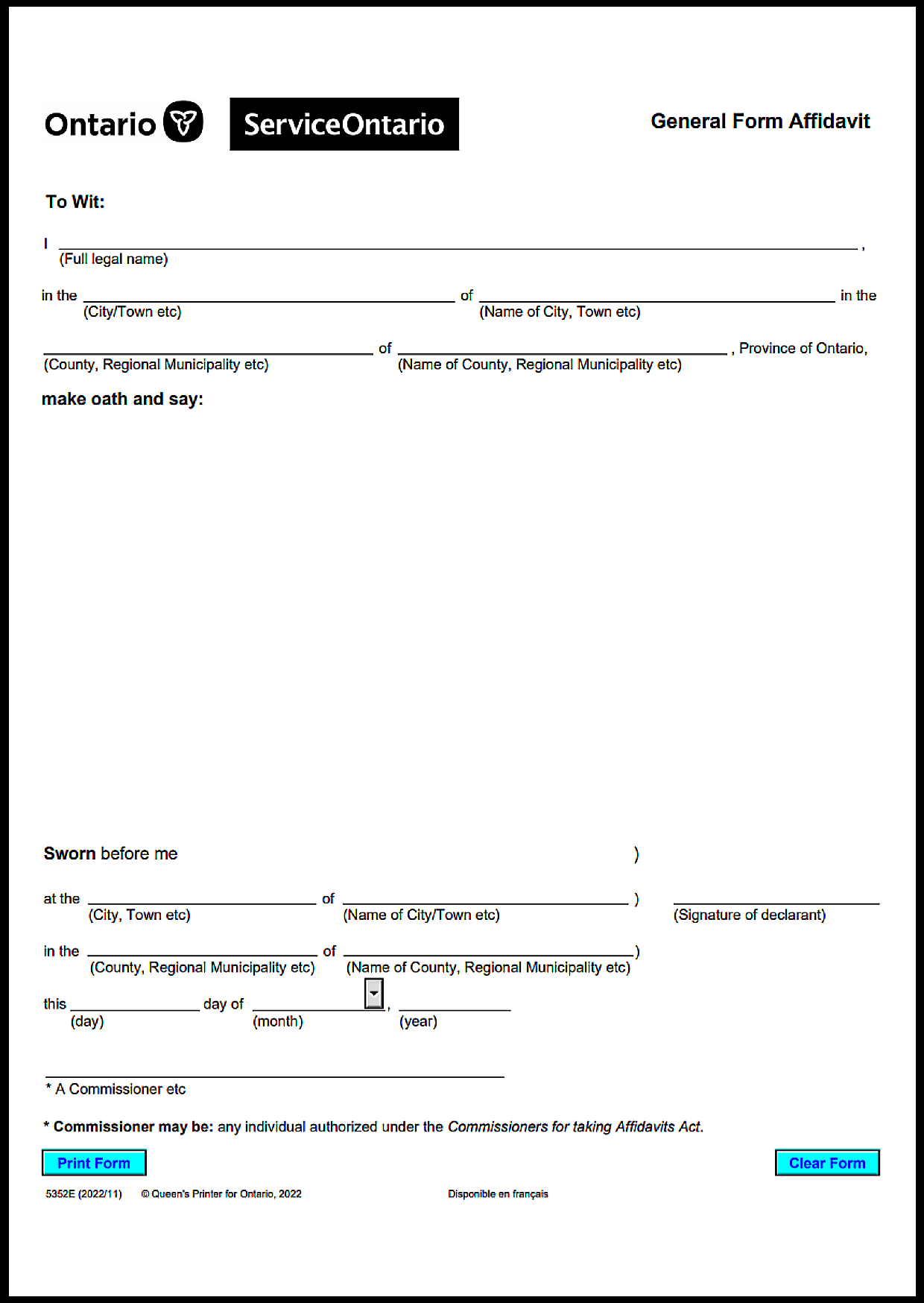
Tip: Do not sign this document until you are in front of a commissioner or notary.
Ontario Affidavit of Identity Laws, Commissioner Rules & Validity Requirements
| Topic / Issue | Ontario Legal Rule | Governing Statute |
|---|---|---|
| Governing legislation | Ontario affidavits are primarily governed by provincial affidavit law. | Commissioners for Taking Affidavits Act, R.S.O. 1990, c. C.17 |
| Federal affidavit use | Federal law may apply if the affidavit is used for immigration, federal court, or another federal matter. The requirements can depend on the specific proceeding or federal authority. | Canada Evidence Act, R.S.C. 1985, c. C-5 |
| Remote commissioning rules | Ontario permits qualifying remote commissioning when the requirements of O. Reg. 431/20 are met. | O. Reg. 431/20; Commissioners for Taking Affidavits Act |
| Who can sign | The affidavit is signed by the deponent whose evidence is being given. | Commissioners for Taking Affidavits Act |
| Witness requirement | The affidavit must be sworn or affirmed before a person who is legally authorized to administer the oath or affirmation. | Commissioners for Taking Affidavits Act |
| Authorized official | The affidavit must be sworn or affirmed before a person authorized under Ontario law to administer the oath or affirmation, such as a commissioner for taking affidavits or a notary public. | Commissioners for Taking Affidavits Act |
| Disqualified persons | The person administering the oath must have legal authority to do so and must comply with the applicable rules governing the administration of the affidavit. | Commissioners for Taking Affidavits Act |
| Age and mental capacity | Ontario’s Evidence Act provides that a person of any age is presumed competent to give evidence. Capacity to make a particular affidavit can depend on the circumstances and applicable law. | Evidence Act, R.S.O. 1990, c. E.23, ss. 17–18 |
| Expiration period | Ontario law does not establish a general expiry date for every affidavit. The organization, court or proceeding receiving the affidavit may require a recent document. | Depends on the purpose and receiving authority |
| Mandatory jurat wording | The affidavit should contain a proper jurat showing when and where it was sworn or affirmed and identifying the person who administered the oath or affirmation. | Commissioners for Taking Affidavits Act and applicable rules |
| Commissioner information | Where applicable, the commissioner must include information required by the Act or their appointment, including any required stamp showing a limitation on the appointment. | Commissioners for Taking Affidavits Act |
| Remote commissioning statement | For remote commissioning, the modified jurat must indicate that the oath or declaration was administered in accordance with O. Reg. 431/20 and state the locations of the person administering it and the deponent or declarant. | O. Reg. 431/20 |
| Filing requirement | Affidavits are not generally registered in a central Ontario registry simply because they are affidavits. Filing requirements depend on the proceeding or organization requesting the document. | Depends on the purpose |
| Ontario service submissions | Some Ontario government services may require an affidavit or other identity document, depending on the transaction and the agency’s current requirements. | Ontario government service-specific requirements |
| Federal affidavit submission | Federal agencies may require affidavits or declarations for particular applications, including some immigration or passport-related matters. | Applicable federal agency requirements |
| Absentee signing prohibition | For in-person commissioning, the deponent must sign in the physical presence of the person administering the oath. Remote commissioning is permitted when the requirements of O. Reg. 431/20 are met. | Commissioners for Taking Affidavits Act, s. 9; O. Reg. 431/20 |
| Oath administration requirement | The authorized person must properly administer the oath or affirmation before completing the jurat. | Commissioners for Taking Affidavits Act |
| Commissioner authority validity | The person administering the affidavit must have authority to do so at the time of commissioning. If there is a question about a commissioner’s authority, the receiving organization or legal professional should be consulted. | Commissioners for Taking Affidavits Act |
| Ontario paralegal authority | Ontario lawyers and paralegals are automatically commissioners for taking affidavits by virtue of office, subject to the applicable rules governing their practice. | Commissioners for Taking Affidavits Act and applicable Law Society rules |
| Ontario remote witnessing standard | Ontario’s remote commissioning rules require real-time electronic communication, identity confirmation, a modified jurat, reasonable precautions and recordkeeping. | O. Reg. 431/20 |
One of the most important Ontario affidavit rules is that the person administering the oath must properly administer it and satisfy themselves of the genuineness of the deponent’s signature. For an in-person affidavit, the deponent signs in the physical presence of the commissioner, notary or other authorized person. Remote commissioning is also permitted when the requirements of O. Reg. 431/20 are met.
Ontario permits remote commissioning when specific conditions are satisfied. The parties must communicate through an electronic method that allows them to see, hear and communicate with each other in real time. The person administering the oath must confirm the deponent’s identity, use the required modified jurat and take reasonable precautions, including ensuring that the deponent understands what is being signed. The person administering the oath must also keep a record of the transaction.
These rules matter in real life because an affidavit can be rejected or delayed if it does not meet the requirements of the organization or proceeding where it will be used. Before signing, check whether the bank, government agency, court or immigration authority has its own affidavit or identity-document requirements.
Download the free Ontario Affidavit of Identity template below to create a properly formatted affidavit that follows Ontario requirements.
What Is an Affidavit of Identity in Ontario?
An affidavit of identity is a written statement in which you confirm your identity and personal details under oath or affirmation. Ontario’s Evidence Act permits an affirmation instead of an oath, with the same force and effect as an oath.
It becomes properly commissioned when:
- You sign it in the presence of an authorized person who may administer the oath or affirmation. Remote commissioning may be permitted when the requirements of O. Reg. 431/20 are met.
- You swear or affirm that the information is true.
This document is often used when:
- Your official ID is not enough
- There are spelling mistakes or name differences
- An authority needs extra proof of identity
In most affidavit situations, this document acts as supporting proof, not a replacement for ID.
An affidavit of identity can provide a sworn or affirmed explanation of your identity details when the receiving organization accepts an affidavit as supporting evidence. To understand how this document fits within the broader legal framework, refer to the complete Ontario affidavit template guide, which outlines general affidavit structure and requirements.
When You Need an Affidavit of Identity
You may need this affidavit in many real-life situations, such as:
- Lost or stolen ID documents
- Name mismatch due to marriage or spelling errors
- Immigration or visa applications
- Opening a bank account
- Court or legal filings
Real-Life Example
Let’s say your passport shows your name as “Anita Sharma” but your bank account says “Anita S. Sharma”.
An affidavit can explain that the two names refer to the same person, but the organization receiving it decides whether that affidavit is sufficient to resolve the discrepancy.
Identity Verification Rules in Ontario
To be accepted, your affidavit should follow the applicable legal and receiving-organization requirements:
- All details must be accurate and truthful
- You must swear or affirm the statement
- An authorized person must administer the oath or affirmation
- False statements can lead to serious legal consequences
Knowingly making a false statement in an affidavit can have serious legal consequences, including possible criminal consequences in appropriate circumstances.
Supporting Documents You May Need
You usually need to attach proof along with your affidavit when the receiving organization asks for it. These documents support your identity claim.
| Document Type | Purpose |
| Passport |
Common government-issued identity document
|
| Driver’s Licence |
Common photo identification and, where shown, address information
|
| Health Card |
May support identity verification where the receiving organization accepts it
|
| Birth Certificate |
May help confirm date of birth and identity information
|
| Utility Bills |
May help verify address where accepted
|
Tip: Always attach clear copies if the authority asks for them.
Key Components of a Valid Affidavit of Identity
A proper affidavit should include the information required for its purpose and by the receiving organization.
Personal Information
- Full legal name
- Date of birth
- Current address
Statement of Identity
A clear statement confirming who you are and the identity information you are providing.
Name Variations
Include:
- Old names
- Aliases
- Spelling differences
Purpose of Affidavit
Explain why you are submitting it. Keep the explanation simple and clear.
Signature and Oath
Before the affidavit is completed, the authorized person administering it must:
- Confirm the deponent’s identity as required
- Ensure the oath or affirmation is properly administered
- Complete the jurat or other required certification
How to Fill Out the Template (Step-by-Step)
Follow these steps carefully to avoid rejection:
Step 1: Add Your Legal Details
Use the exact name from your official documents. Check your date of birth and address as well.
Step 2: Mention Any Name Differences
Write all relevant variations clearly. Do not hide or skip differences that the receiving organization needs explained.
Step 3: State Purpose Clearly
Keep it short. Example:
- “For bank account verification”
- “For immigration application”
Step 4: Attach Supporting Documents
Make sure your documents match the information in the affidavit and follow the receiving organization’s instructions about copies or originals.
Step 5: Sign Before Commissioner
Do not sign the affidavit before the oath or affirmation is administered unless the authorized person gives instructions that comply with the applicable commissioning process.
For in-person commissioning, the deponent signs in the physical presence of the authorized person. Remote commissioning may also be available under O. Reg. 431/20.
This type of sworn statement is often used alongside documents like an Ontario sworn affidavit format or when completing procedural steps explained in how to get an affidavit in Ontario. In some cases, formatting consistency is important, which you can review in the Canadian affidavit format guide.
Commissioner of Oaths or Notary in Ontario
Ontario affidavits can be commissioned by people authorized under provincial law. A notary public has the powers of a commissioner for taking affidavits, and Ontario lawyers and paralegals are automatically commissioners for taking affidavits.
You can find a commissioner at:
- Law offices
- Courts
- Some ServiceOntario centres that offer commissioner of oaths services
For court documents, Ontario says you can visit the courthouse where you are filing documents and confirm or affirm the oath before an authorized court official. Some ServiceOntario centres also offer commissioner services for certain government transactions, but ServiceOntario does not commission oaths for certain legal, financial or federal purposes.
What They Do
- Check your identity as required
- Witness your signing or administer the oath through an authorized remote process
- Ask you to swear or affirm the statement
- Complete the jurat or other required certification
This step completes the oath or affirmation process required for the affidavit.
Common Mistakes That Make Affidavit Invalid
Many affidavits can be rejected or delayed because of simple errors. Avoid these:
- Signing before the oath or affirmation is properly administered
- Missing key details like DOB or address
- Writing opinions instead of facts
- Using incorrect or incomplete names
- Not matching supporting documents
Before you leave the commissioner or finish a remote appointment, check the jurat, date, location and names against the receiving organization’s instructions.
Affidavit of Identity vs Statutory Declaration
These two documents are often confused.
| Feature | Affidavit of Identity |
Statutory Declaration
|
| Oath / declaration | Usually sworn or affirmed as an affidavit |
Made as a solemn declaration where authorized by law
|
| Legal Use | Depends on the purpose and receiving authority |
Depends on the purpose and governing law
|
| Witness Required | Must be taken before a person authorized to administer the oath or affirmation |
Must be made before a person authorized to receive the declaration
|
| Legal Effect | Depends on the governing law and purpose |
Depends on the governing law and purpose
|
Ontario’s Evidence Act expressly permits an affirmation instead of an oath, and section 43 provides for solemn declarations. The appropriate document depends on what the applicable law or receiving organization requires.
Legal Risks and Important Warnings
Because an affidavit is made under oath or affirmation, review every factual statement carefully before signing it.
- Knowingly false statements can have serious legal consequences
- Incorrect information can cause an application or proceeding to be delayed
- Always double-check every detail
Check every name, date, address and document reference against your supporting records before the affidavit is sworn or affirmed.
Where to Use This Affidavit in Ontario
You can use an affidavit of identity in:
- Banks and financial institutions
- Immigration applications
- Court filings
- Government identity checks
It can provide supporting evidence about your identity when the receiving organization or proceeding accepts an affidavit for that purpose.
FAQs
Is an affidavit of identity legally valid in Ontario?
An affidavit can be properly made in Ontario when it is sworn or affirmed before a person authorized to administer the oath or affirmation and the applicable requirements are followed. Whether an affidavit of identity is accepted for a particular purpose depends on the receiving organization or proceeding.
Can I write it myself?
Yes. You can prepare the wording yourself using a template, provided the information is accurate and the document meets the requirements of the organization or proceeding where you intend to use it.
Do I need a lawyer?
No, a lawyer is not generally required simply to prepare an affidavit. However, legal advice can be useful if the affidavit concerns a court proceeding, disputed identity, complex legal issue or another situation where the consequences of an error are significant.
Is notarization mandatory?
Not necessarily. An affidavit can generally be sworn or affirmed before a commissioner for taking affidavits or another person authorized by law. A notary public may also have the required authority.
Can I use it for immigration?
An affidavit may be used as supporting evidence in an immigration matter when the applicable immigration authority accepts it or requests it. Check the specific IRCC or other federal instructions before relying on an affidavit of identity.
Final Thoughts
An affidavit of identity is useful when a court, government agency or other organization requires a sworn or affirmed explanation of your identity.
Before using the template, confirm the receiving organization’s requirements, verify every factual detail, and complete the oath or affirmation before an authorized person.
- Keep information accurate
- Follow the correct format
- Complete the oath or affirmation properly before an authorized person
Using the template above can save time, but acceptance still depends on the requirements of the organization or proceeding where you submit it.
Final Thoughts
An affidavit of identity may look simple, but it carries strong legal value in Ontario.
If done correctly, it can quickly solve identity issues in banking, immigration, and legal matters. The key is to:
- Keep information accurate
- Follow the correct format
- Sign it properly before a commissioner
Using the template above can save time and prevent rejection.