Alberta Sworn Affidavit Template (Free + Guide)
Alberta Sworn Affidavit is a legal document where a person writes facts and confirms they are true under oath. In Alberta, this document is commonly used in court, for identity proof, or for official legal purposes. It helps people present written evidence clearly and in a legally accepted format.
A sworn affidavit is useful because it saves time, avoids legal mistakes, and provides a ready structure for important declarations. Under Alberta law, the affidavit must always be signed in front of a Commissioner for Oaths or a Notary Public, otherwise it will not be valid.
I have seen many people in Alberta assume an affidavit is just a simple signed statement, but courts and government offices often reject them when they are not properly sworn or commissioned. When someone is already dealing with a stressful legal issue, even one missing signature or incorrect oath wording can cause delays, extra costs, or problems with their case.
Last Updated: August 2026
People usually need it for:
- Court cases
- Identity or address verification
- Legal or financial declarations
It is a powerful document because courts and institutions rely on it as evidence when it is properly signed and verified.
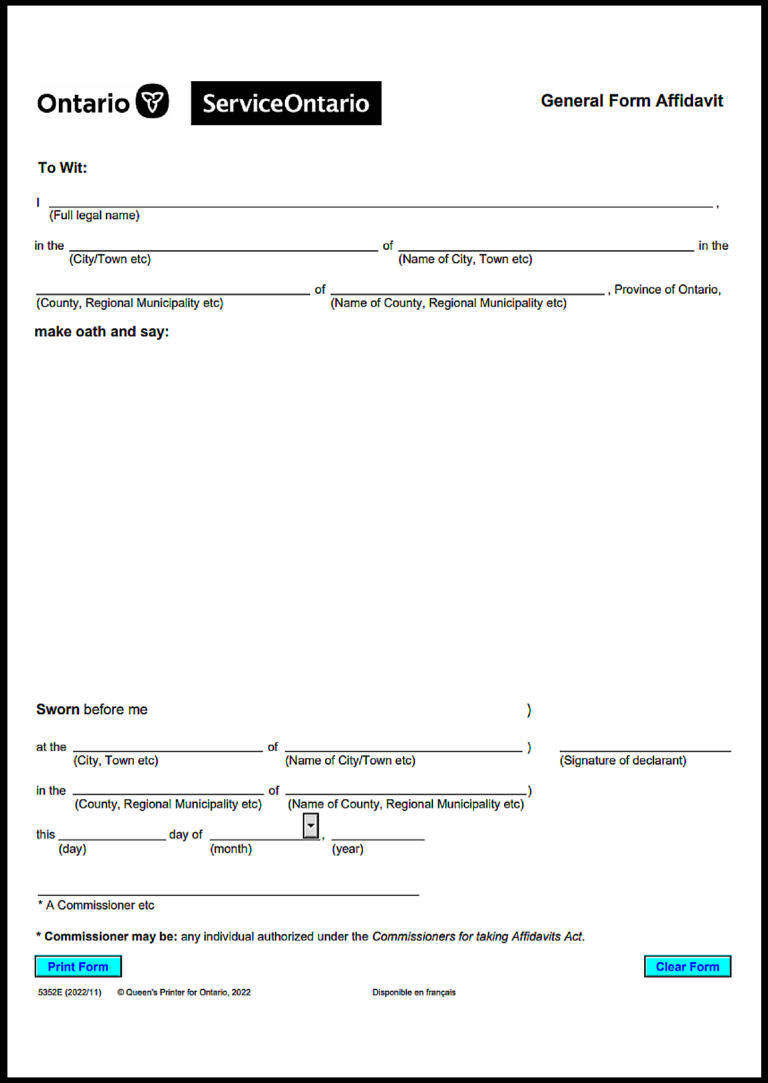
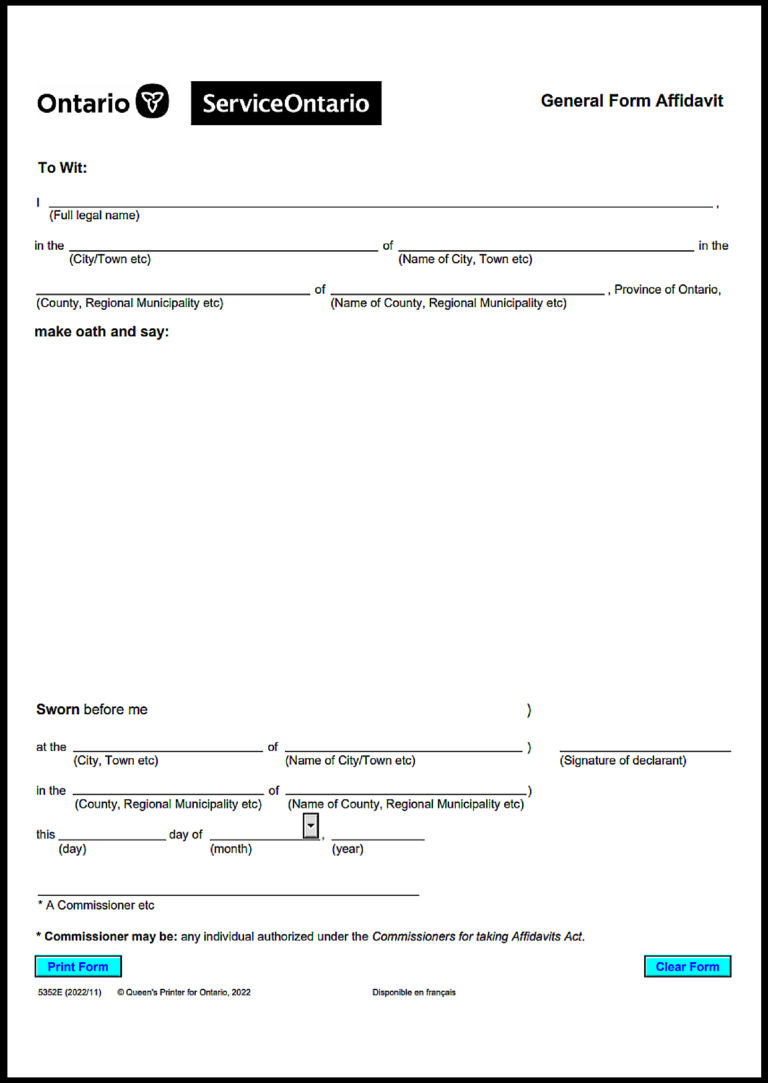
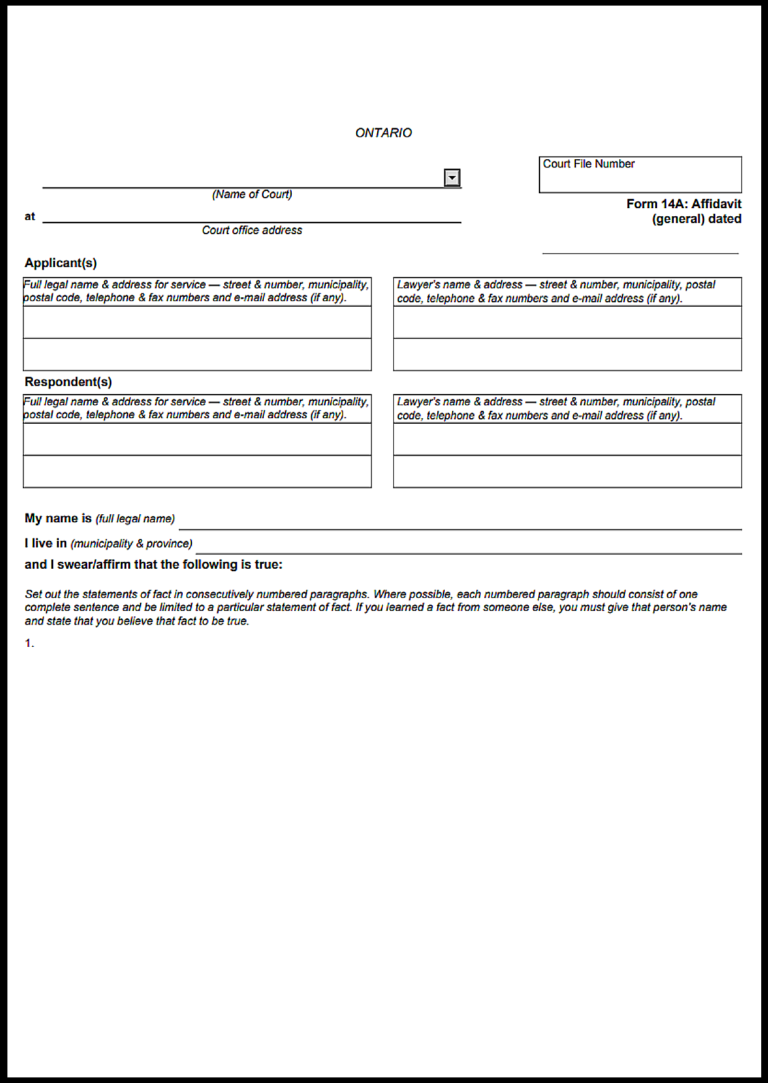
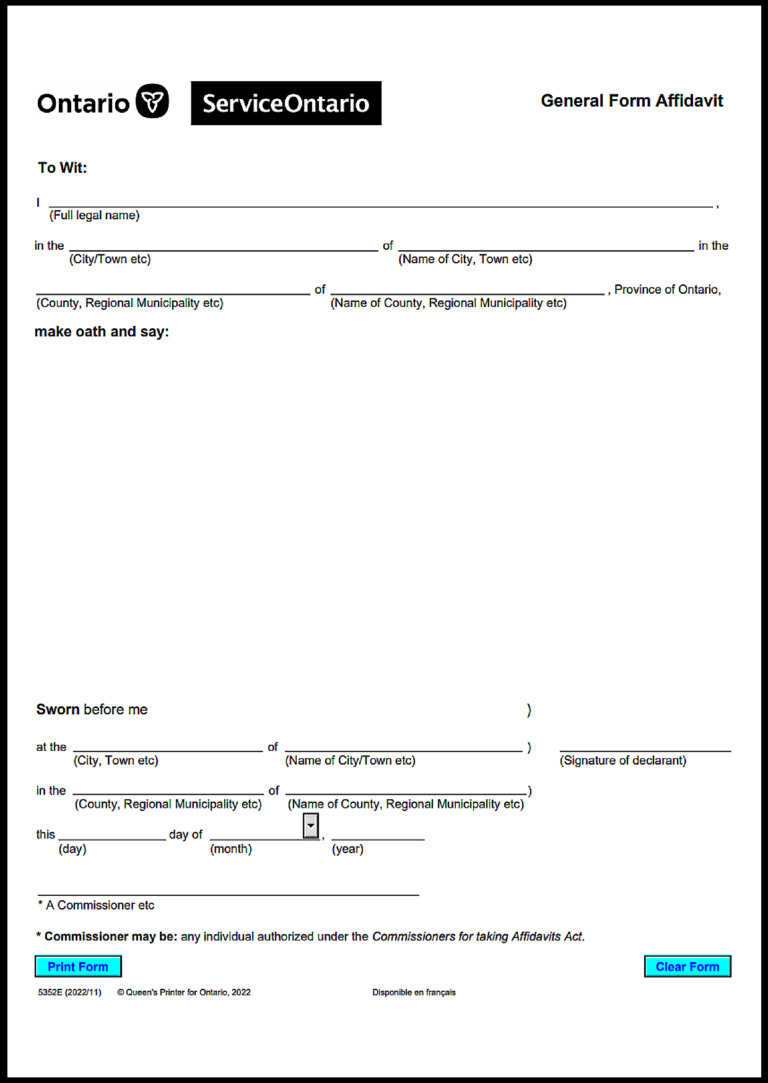
Free Alberta Sworn Affidavit Template
You can use the simple format below to create your affidavit. This format follows common Alberta requirements and is accepted in most situations.
Alberta Sworn Affidavit Rules That Often Cause Rejections
| Topic / Issue | Alberta Legal Rule | Governing Statute |
|---|---|---|
| Governing provincial law | Sworn affidavits used in Alberta courts are governed by provincial evidence and court procedure rules. | Alberta Evidence Act, R.S.A. 2000, c. A-18; Alberta Rules of Court, Alta Reg 124/2010 |
| Federal application | Federal evidence law applies if the affidavit is used in federal proceedings. | Canada Evidence Act, R.S.C. 1985, c. C-5 |
| Administering authority | Affidavits must be sworn before a Commissioner for Oaths or Notary Public. | Notaries and Commissioners Act, ss. 15–16 |
| Who can sign | The deponent must have personal knowledge of the facts or clearly identify information and belief. | Rules of Court, Rule 13.18 |
| Attestation requirement | The document must be signed and witnessed directly by an authorized commissioner or notary; no separate secondary witness is required. | Notaries and Commissioners Act, SA 2013, c N-5.5, ss. 15–16 |
| Age requirement | A deponent may swear an affidavit if they understand the nature of an oath. | Alberta Evidence Act, s. 18 |
| Mental capacity | The deponent must understand the meaning and effect of the oath or affirmation. | Alberta Evidence Act, s. 19 |
| Filing deadlines | Affidavits supporting court applications must follow filing and service deadlines. | Rules of Court, Rule 6.6 & 13.19 |
| Court-mandated formatting | Affidavits filed in court proceedings must comply with formal layout rules, numbered paragraphs, and the prescribed jurat wording. | Alberta Rules of Court, Alta Reg 124/2010, Rule 13.19 and Form 49 |
| Commissioner details | Commissioners must print or stamp their name, title, and expiry date if applicable. | Notaries and Commissioners Act, s. 16 |
| Exhibit certification | Every exhibit attached to the affidavit must contain the commissioner’s exhibit certificate. | Rules of Court, Rule 13.21 |
| Court filing requirement | Court affidavits must be filed with the Alberta Court of King’s Bench or Alberta Court of Justice. | Alberta court filing procedures |
| Land matter filing | Affidavits involving land transactions must be submitted to Alberta Land Titles. | Alberta Land Titles Office requirements |
| Private use affidavits | Private affidavits used for insurance or verification are not filed with government offices. | Alberta affidavit practice |
| Physical appearance requirement | The deponent must appear in person unless approved remote commissioning procedures are followed. | Notaries and Commissioners Act, s. 15 |
| Missing commissioner expiry/status | Missing commissioner expiry details or qualifying status may cause rejection. | Notaries and Commissioners Act, s. 16 |
| Hearsay restrictions | Trial affidavits generally must contain personal knowledge, not unsupported hearsay. | Rules of Court, Rule 13.18 |
| Commissioner endorsement details | The jurat must state ‘A Commissioner for Oaths in and for Alberta,’ the commissioner’s printed name, whether they act by appointment or virtue of office, and their commission expiry date. | Notaries and Commissioners Act, SA 2013, c N-5.5, s. 16 |
| Lawyer self-commissioning concerns | Alberta practice strongly discourages lawyers from commissioning affidavits for matters where they appear as counsel. | Alberta Rules of Court interpretations |
One of the strictest Alberta affidavit rules is the requirement that the affidavit must be properly sworn before a Commissioner for Oaths or Notary Public. Many people incorrectly sign the document beforehand, which can make the affidavit unusable in court or at Land Titles.
Another important rule involves the commissioner’s information. Alberta requires the exact wording “A Commissioner for Oaths in and for Alberta,” along with the commissioner’s printed name and expiry date if applicable. Courts and registries regularly reject affidavits when these details are missing or incomplete.
The hearsay rule is also important in Alberta court matters. If a final affidavit includes rumours, assumptions, or second-hand information without proper legal exceptions, those parts may not be accepted as evidence. This can weaken a person’s case and create delays, extra legal costs, or rejected applications.
What Is a Sworn Affidavit in Alberta?
A sworn affidavit is a legal written statement that is confirmed under oath or affirmation. It is mainly used as evidence in court or legal processes. Under Alberta law, affidavits are governed by the Alberta Evidence Act, which sets the rules for how they must be prepared and used.
An affidavit can be completed in one of two ways: sworn or affirmed. Swearing involves an oath on a religious text, while affirming is a non-religious, solemn promise that the facts are true. Both carry identical legal weight and are accepted equally by Alberta courts and government registries.
When Do You Need a Sworn Affidavit? (Real-Life Uses)
A sworn affidavit is required in many real-life situations where written proof of facts is needed. It is commonly used in legal, personal, and business matters.
Some common uses include:
- Family law matters such as divorce or custody
- Civil disputes
- Identity or residency proof
- Business or financial declarations
- Immigration or document verification
- Lost document declarations
For example, a person may use an affidavit to confirm their address for a bank or to declare facts in a legal dispute. It provides a formal way to present information that can be trusted by authorities.
A sworn affidavit serves as a legally binding statement made under oath. For a full overview of how such documents are structured, you can review the main affidavit guide in Alberta, which covers various legal declaration formats.
Key Parts of a Valid Sworn Affidavit
A valid affidavit must include certain important parts. Missing any of these can make the document invalid.
Deponent Information
This section includes the full legal name, address, and occupation of the person making the affidavit. It clearly identifies who is giving the statement.
Statement of Facts
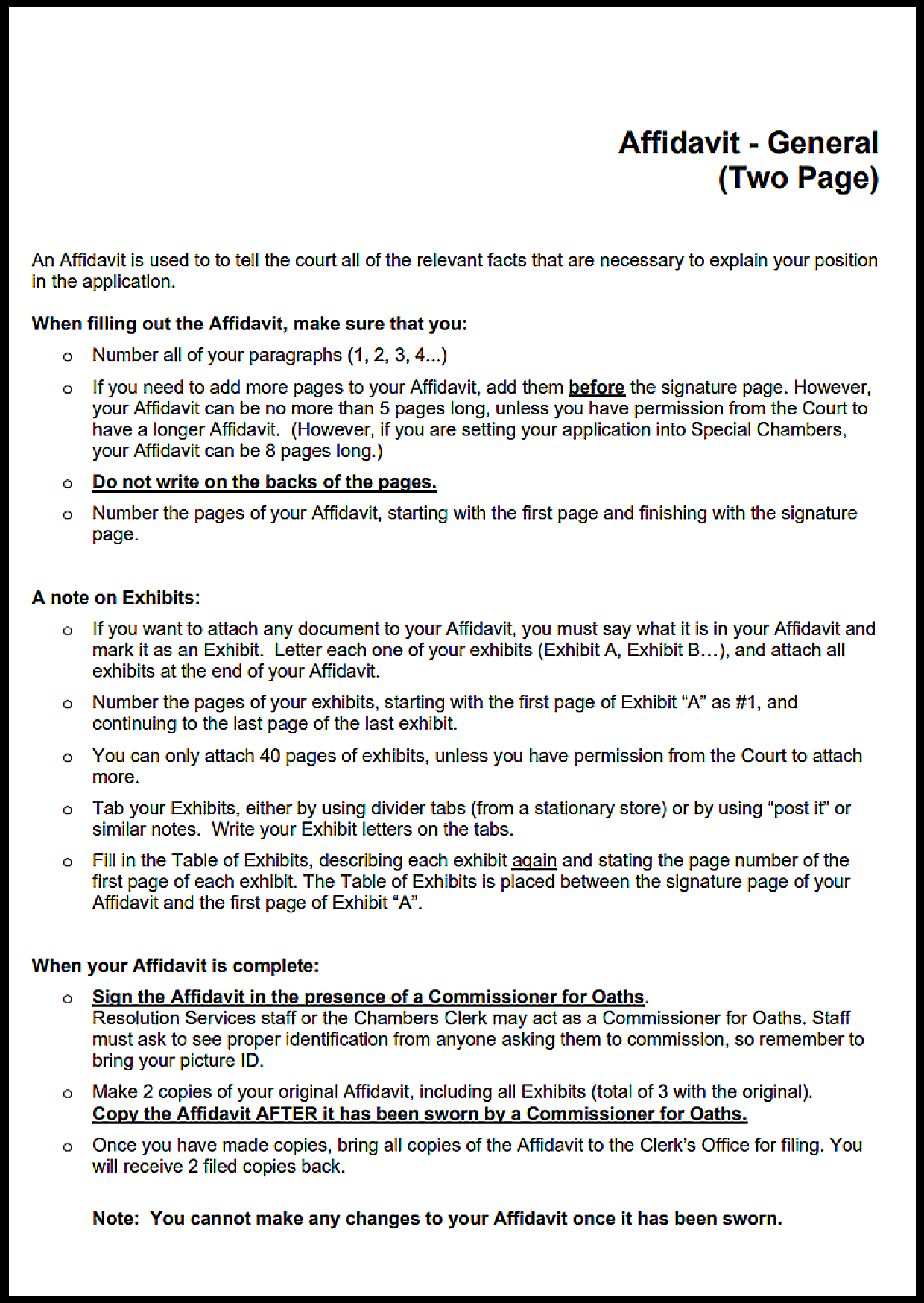
The facts must be written in numbered paragraphs. Each point should be clear, specific, and based only on truth. Opinions or assumptions should not be included.
Oath or Affirmation Clause
This confirms that the person is swearing or affirming that the information is true. It is a key legal requirement.
Signature Section
Both the deponent and the Commissioner for Oaths or Notary Public must sign the document. Without signatures, the affidavit is not valid.
Jurat (Official Certification)
The jurat includes the place, date, and official details of the person who witnessed the affidavit. It proves that the document was properly signed and verified.
How to Swear an Affidavit in Alberta (Step-by-Step)
Step 1 – Prepare the Document
Start by writing all facts clearly in simple language. Avoid opinions and make sure every statement is accurate. If needed, you can refer to a guide on how to write an affidavit in Alberta.
Step 2 – Find an Authorized Official
A Commissioner for Oaths must verify your identity and witness your signature. You can find them at law offices, notary offices, or some government locations.
Step 3 – Take the Oath or Affirmation
You will either swear on a religious text or make a formal affirmation. Both are legally valid in Alberta.
Step 4 – Sign in Front of Official
You must sign the affidavit only when the official is present. Signing before the meeting can make the affidavit invalid.
Step 5 – Get Certified Copy (if needed)
In some cases, you may need a certified copy for official use. Always check the requirements of the organization requesting the affidavit.
Legal Rules for Affidavits in Alberta
Under Alberta law, affidavits must follow strict legal rules. They must comply with the Alberta Evidence Act and be signed voluntarily. Proper witnessing is mandatory, and the identity of the person must be verified.
This document is frequently used together with an identity verification affidavit or a residential proof affidavit. You may also need guidance from this step-by-step affidavit process to complete it correctly.
Important rules include:
- False statements are considered perjury and are a serious offence
- The affidavit must be signed in front of an authorized official
- The process must be completed willingly without pressure
- Remote or digital commissioning may be allowed in some situations
These rules ensure that affidavits are reliable and legally accepted.
Common Mistakes That Can Make Your Affidavit Invalid
Many affidavits are rejected due to simple mistakes. These errors can delay legal processes or cause problems in court.
Common mistakes include:
- Signing before meeting the commissioner
- Including false or misleading information
- Using vague or unclear language
- Missing the jurat or official seal
- Adding opinions instead of facts
A practical tip is to review your affidavit carefully before signing. Make sure every statement is clear and correct.
Sworn Affidavit vs Statutory Declaration (Alberta Difference)
Many people confuse these two documents, but they are used for different purposes.
| Feature | Sworn Affidavit | Statutory Declaration |
|---|---|---|
| Formal Promise | Sworn on oath or affirmed | Solemn declaration |
| Primary Use | Court proceedings and litigation | Administrative, regulatory, or out-of-court proof |
| Religious Element | Optional (religious oath or secular affirmation) | None (solemn declaration only) |
| Governing Law | Alberta Evidence Act / Alberta Rules of Court | Alberta Evidence Act, s. 55, or Canada Evidence Act, s. 41 |
A sworn affidavit is mainly used in court, while a statutory declaration is used for non-court matters such as administrative or official declarations.
Costs and Where to Get an Affidavit Commissioned
The cost of commissioning an affidavit in Alberta can vary depending on where you go. Some government offices may provide free services, while private services usually charge a fee.
| Service Type | Cost Range | Where to Find |
| Government offices | Free or low cost | Local offices |
| Notary Public | $20–$50 | Private offices |
| Lawyers | $30–$60 | Law firms |
Most people use notary or legal offices because they are easily available and quick. It is always a good idea to call and confirm fees before visiting.