Alberta Affidavit of Residence Template & Guide
Alberta Affidavit of Residence is a legal document used to confirm where you live in Alberta. It is commonly required when you need official proof of address but do not have standard documents like utility bills or lease agreements. Many people use it for school admission, government ID, banking, or immigration purposes.
I have seen many Alberta residents run into delays with schools, banks, and government offices because their affidavit was missing proper commissioning or did not clearly match their current address. When you are already stressed and trying to prove where you live quickly, even a small mistake on this document can create unnecessary legal and administrative problems.
This guide gives you a ready-to-use template along with simple steps and legal rules so you can complete your affidavit correctly without confusion.
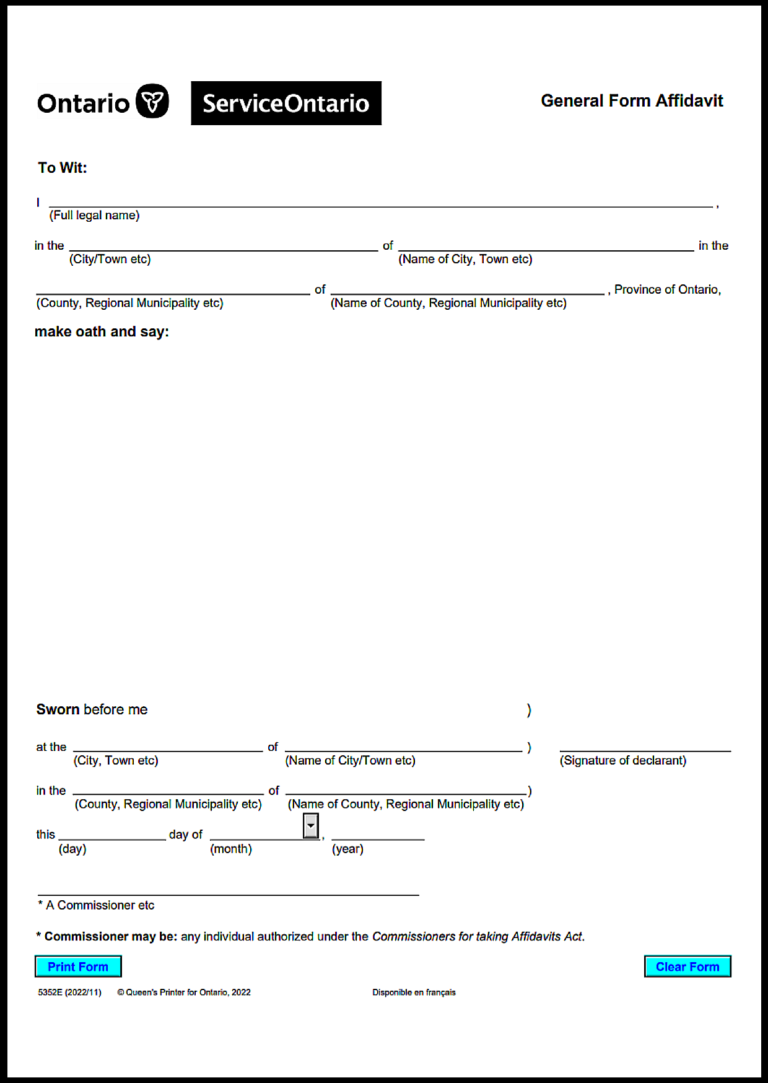
Free Alberta Affidavit of Residence Template
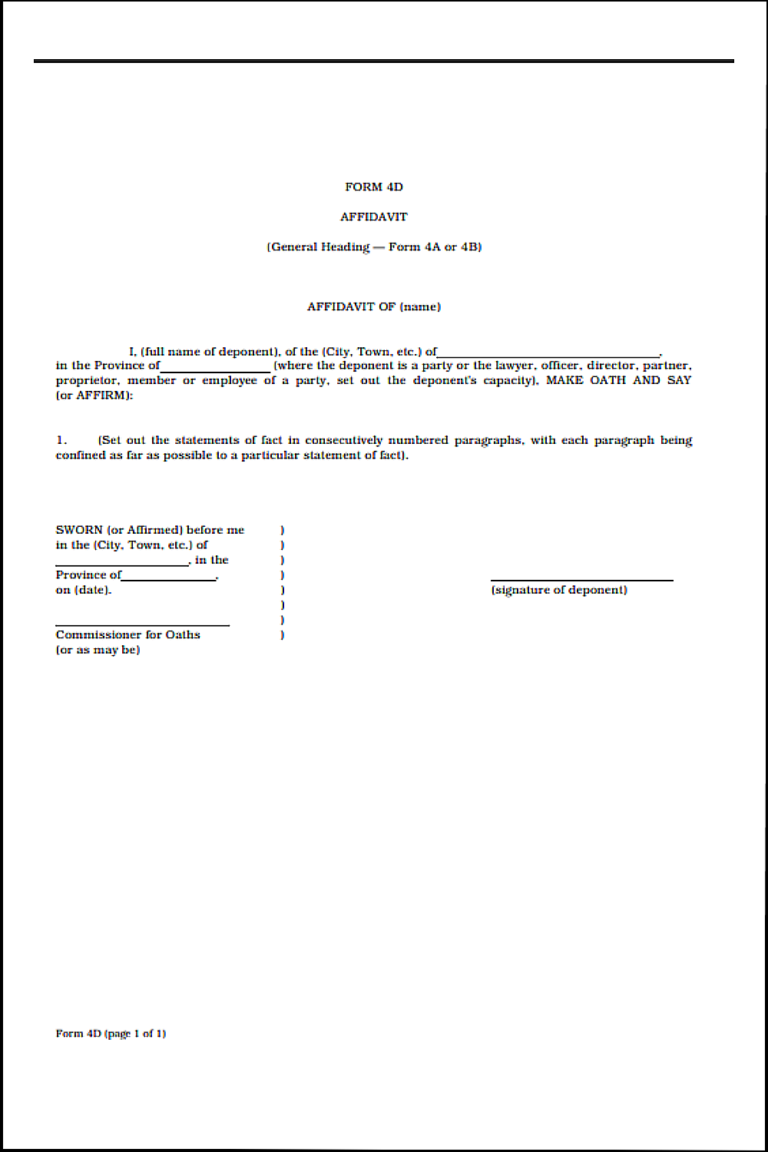
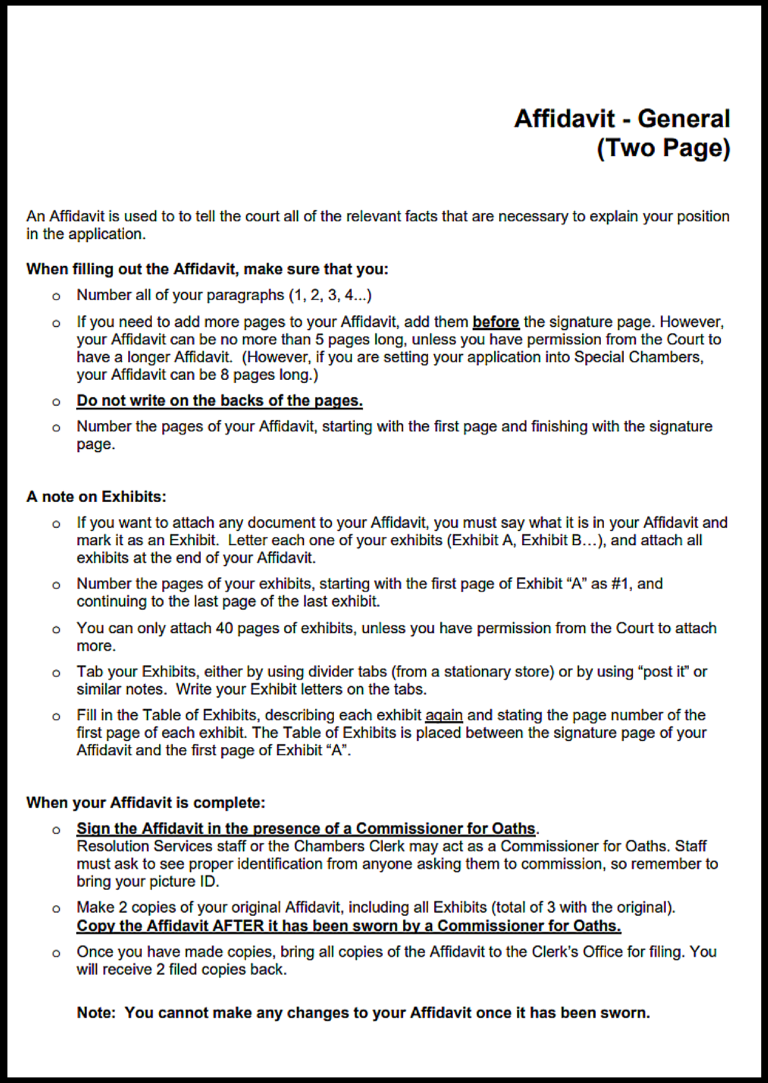
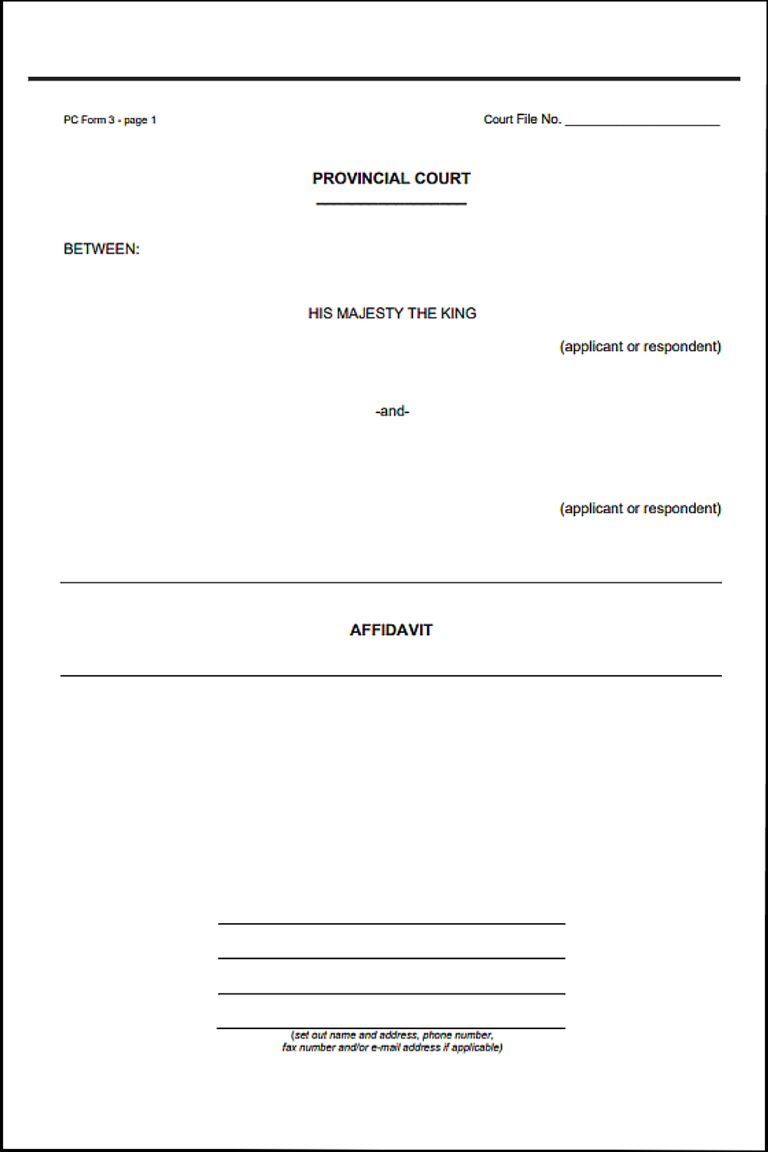
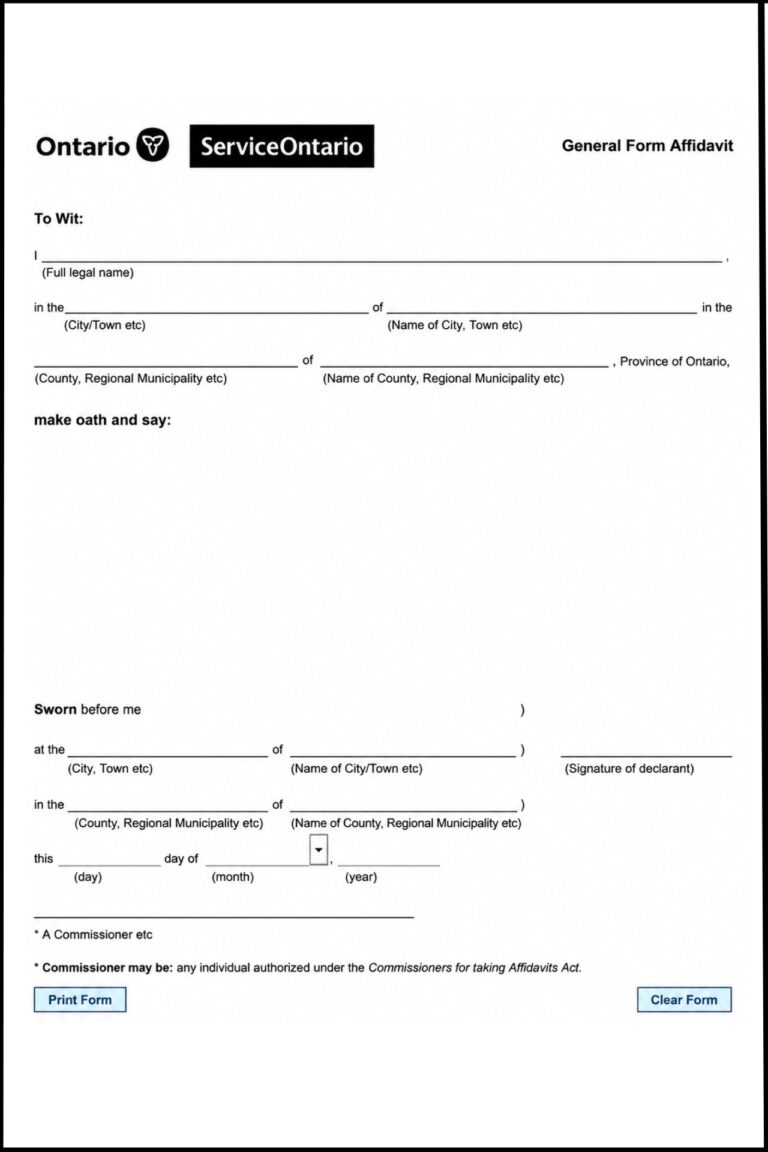
You can use the template below. Fill in your details carefully, but do not sign it before visiting a Commissioner for Oaths.
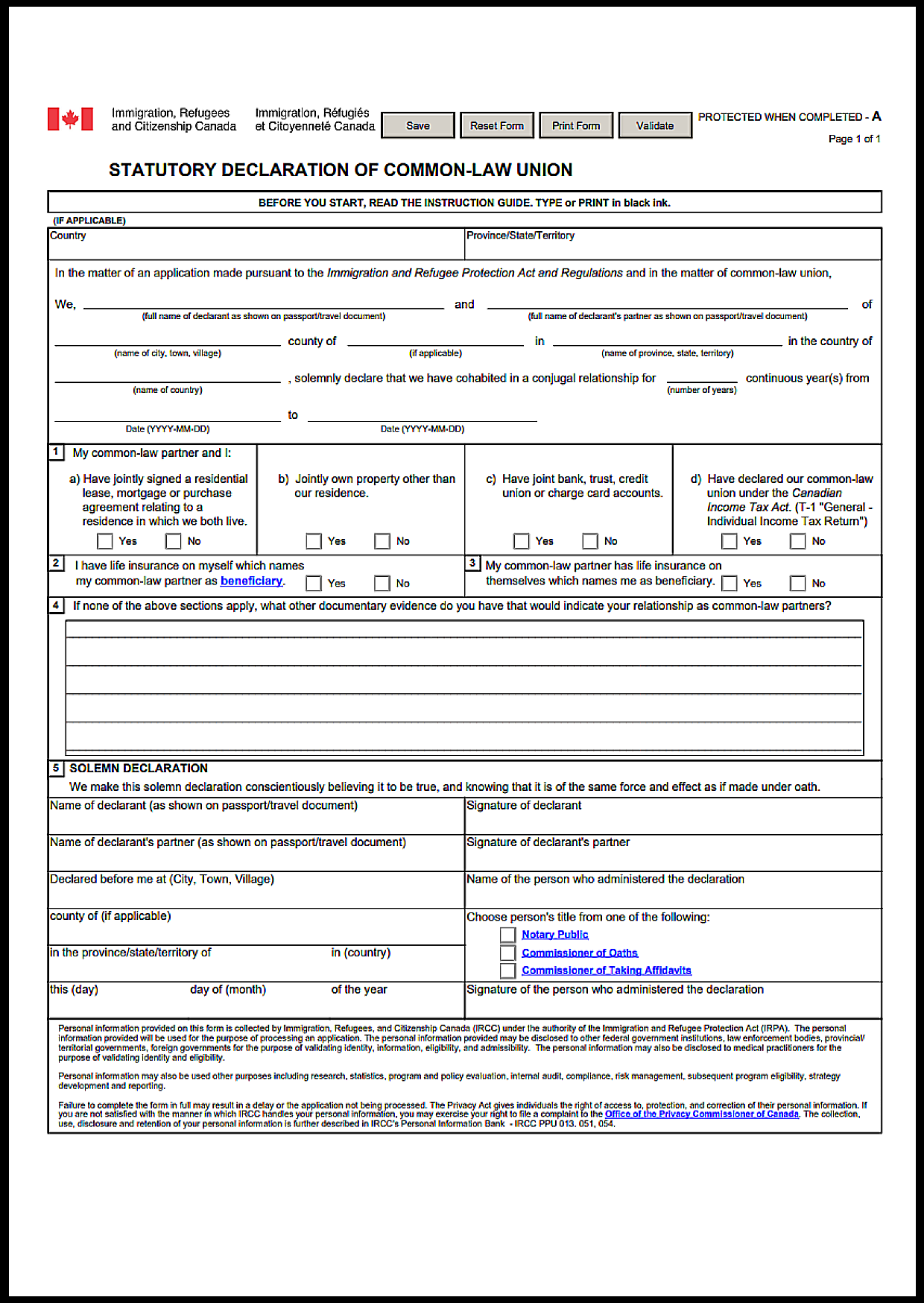
Alberta Affidavit of Residence Rules That Most People Miss
| Topic / Issue | Alberta Legal Rule | Governing Statute |
| Main governing law | An affidavit used in Alberta may be subject to provincial evidence and commissioning rules, while the requirements can also depend on the court, government office, or other authority receiving the affidavit. | Alberta Evidence Act, RSA 2000, c A-18 |
| Supporting law for commissioning | Commissioners for Oaths and Notaries Public must act within their authority under Alberta’s commissioning legislation and applicable requirements. | Notaries and Commissioners Act, SA 2013, c N-5.5 |
| Federal use of affidavit | Federal legislation and the rules of the particular federal proceeding or application may apply when an affidavit is used for an immigration or other federal matter. | Canada Evidence Act, RSC 1985, c C-5 |
| Who can sign | The deponent is the person who makes the affidavit and swears or affirms the truth of its contents. | Alberta Evidence Act and applicable court rules |
| Witness requirement | The affidavit should be properly sworn or affirmed before a person who is legally authorized to administer the oath or affirmation. | Notaries and Commissioners Act; applicable court or receiving-authority requirements |
| Authorized official | A Commissioner for Oaths or Notary Public can administer an affidavit where authorized. Alberta law also recognizes certain commissioners by virtue of their office or status. | Notaries and Commissioners Act |
| Conflict restrictions | A Commissioner for Oaths must have legal authority to administer the oath or take the affidavit and must comply with applicable Alberta requirements. | Notaries and Commissioners Act |
| Age and mental capacity | Do not state a universal minimum age or “sound mind” requirement for every Alberta affidavit of residence without reference to the particular proceeding. The person making the affidavit must be legally capable of making the statement and satisfy any applicable requirements. | Applicable Alberta law and receiving-authority requirements |
| Validity period | Alberta does not impose one universal validity period for every affidavit of residence. The organization receiving the affidavit may require it to be recent or made within a specified period. | Requirements of the receiving authority |
| Required opening wording | The affidavit must contain the execution and oath or affirmation wording required for its particular purpose and applicable rules. | Applicable Alberta legislation, court rules, or receiving-authority requirements |
| Mandatory commissioner wording | A Commissioner for Oaths must provide the required endorsement below their signature, including the applicable Alberta commissioner designation. | Alberta Commissioner for Oaths requirements |
| Expiry date requirement | An appointed Commissioner for Oaths must include the appointment expiry date where applicable. A commissioner acting by virtue of office or status must indicate the applicable office or status. | Alberta Commissioner for Oaths requirements |
| Common filing agencies | Where an affidavit is submitted depends on its purpose. Alberta Land Titles has specific requirements for documents it receives, while other organizations may have their own requirements. | Alberta Land Titles |
| Private use status | An affidavit may be prepared for a private or administrative purpose, but whether it is disclosed or filed depends on its purpose and the requirements of the organization receiving it. | Applicable law and receiving-authority requirements |
| Execution defect | The oath or affirmation should be properly administered by an authorized person. A defect in execution can affect acceptance, although applicable Alberta evidence rules may address certain informalities. | Alberta Evidence Act and applicable commissioning rules |
| Missing commissioner details | Missing required commissioner information can cause an affidavit to be rejected or require correction, depending on the document and receiving authority. | Alberta commissioning requirements |
| Commissioner authority and conduct | A Commissioner for Oaths must comply with the applicable Alberta statutory requirements and professional or appointment requirements. Section 19 should not be cited as a general rule that an affidavit is automatically invalid because the commissioner has an interest in the matter. | Notaries and Commissioners Act |
| Alberta designation rule | When a Commissioner for Oaths is acting in Alberta, the commissioner must provide the required designation below the signature. | Alberta Commissioner for Oaths requirements |
| Alberta expiry-date rule | An appointed Alberta Commissioner for Oaths must include the expiry date of the appointment. | Alberta Commissioner for Oaths requirements |
Pay attention to the commissioner’s endorsement. Alberta’s current guidance requires a Commissioner for Oaths to provide the applicable designation below their signature, including the words “A Commissioner for Oaths in and for Alberta” where that designation applies. Missing required commissioner information can create a document deficiency, particularly for documents submitted to Alberta Land Titles.
The commissioner must properly administer the oath or affirmation rather than simply signing the document. If the required execution procedure is not followed, the receiving authority may require the affidavit to be corrected or re-executed.
A Commissioner for Oaths must act within the authority granted by Alberta law and comply with the applicable requirements governing commissioners. Section 19 of the Notaries and Commissioners Act should not be presented as a general rule that an affidavit is automatically invalid whenever the commissioner has an interest in the matter.
Use the free Alberta Affidavit of Residence template to prepare your document and check the requirements of the organization that will receive it before signing.
What Is an Affidavit of Residence in Alberta?
An affidavit of residence is a written statement in which you swear or affirm facts about where you live. When an affidavit is required, it should be properly executed before a person authorized to administer the oath or affirmation.
An affidavit is different from documentary proof such as a utility bill or lease. Whether it is accepted, and whether it is sufficient on its own, depends on the organization requesting proof of residence.
People often compare an affidavit with documents such as utility bills or lease agreements. A utility bill is documentary evidence connected to an address, while an affidavit is a sworn or affirmed statement made by the person providing the information. The receiving organization decides what forms of proof it accepts.
When Do You Need an Affidavit of Residence?
Common Real-Life Uses
An affidavit of residence may be useful when an organization requires proof of residence and accepts a sworn or affirmed statement for that purpose. Possible uses include:
- School or college admission
- Applying for driver’s license or health card
- Immigration or visa applications
- Banking or financial verification
- Court or legal matters
Each organization sets its own proof-of-residence requirements, so confirm whether it accepts an affidavit before relying on one.
Situations Where Other Proof Is Not Enough
Sometimes, regular documents are not available or accepted. In such cases, an affidavit may be useful. For example:
- You do not have utility bills in your name
- You are living with family or friends
- You are staying temporarily in a rented place
- Your documents show an old address
In these situations, an affidavit may help document your residence if the organization requesting proof accepts an affidavit for that purpose.
An affidavit of residence is used to confirm where a person lives for legal or administrative purposes. To understand how this fits within broader sworn declarations, refer to the Alberta affidavit template guide, which outlines different affidavit types.
Legal Requirements in Alberta
Who Can Sign or Witness the Affidavit
When an affidavit must be sworn or affirmed, the execution should take place before a person who is legally authorized to administer the oath or affirmation. In Alberta, this can include:
- Commissioner for Oaths
- Notary Public
Alberta also recognizes certain commissioners for oaths by virtue of office or status. For example, Alberta Land Titles identifies judges, lawyers, certain political representatives, police officers and others as commissioners for oaths for specified purposes. A Notary Public is also a Commissioner for Oaths.
If the document is required to be an affidavit, it should be properly sworn or affirmed before an authorized person. A defect in execution can affect whether the receiving authority accepts the document.
Oath vs Affirmation
When the applicable procedure requires an oath or affirmation, these are alternative ways of making the required promise concerning the truth of the statement.
- An oath is a formal promise made in the manner provided by law.
- An affirmation is a secular alternative to an oath.
The applicable Alberta procedure allows an affirmation to be used instead of an oath where permitted.
Alberta Rules That Make It Valid
When an affidavit is required, make sure you follow the applicable execution and content requirements, including:
- Sign or acknowledge the affidavit according to the applicable procedure
- Complete the required oath or affirmation before an authorized person
- Provide true and accurate information
- Clearly identify the residence facts relevant to the purpose of the affidavit
Missing required information or execution formalities can result in a request for correction or rejection, depending on the document and receiving authority.
For court affidavits governed by the Alberta Rules of Court, Alberta Courts currently identify Form 49 — Affidavit (Generic) under Rule 13.19.
Key Elements Every Affidavit of Residence Must Include
The information required in an affidavit of residence depends on its purpose. State the residence facts clearly and include any information specifically required by the organization or proceeding receiving the affidavit.
Full Legal Identity
Use your full legal name and provide the residence information required for the purpose of the affidavit. Avoid nicknames or abbreviations where the receiving organization requires your legal name.
Complete Address Details
Where a complete residential address is required, provide the relevant details, such as:
- Street name
- City
- Postal code
Check the address carefully against your current records and any identification or supporting documents you are providing.
Duration of Stay
If the purpose of the affidavit requires you to establish how long you have lived at the address, state the relevant dates accurately.
Purpose of Affidavit
If the requesting organization or form asks for the purpose of the affidavit, state it briefly and accurately, such as:
- For school admission
- For bank verification
- For government ID
Signature + Commissioner Section
The execution section is important because it records the required oath or affirmation and the authority of the person administering it. A Commissioner for Oaths or Notary Public must complete the applicable formalities.
This document is often used alongside an identity affidavit format or a general sworn statement. Depending on the requirements of the receiving authority, you may need a Commissioner for Oaths or a Notary Public to complete the required execution formalities.
How to Fill Out an Alberta Affidavit of Residence (Step-by-Step)
Complete the affidavit carefully and check the requirements of the organization that will receive it before signing.
Step 1: Enter Your Personal Details
Write your full legal name and make sure it is consistent with the identity information you are providing to the receiving organization.
Step 2: Add Your Full Address
Enter the residential address required by the receiving organization, including the postal code where applicable, and check the details carefully before signing.
Step 3: Mention Duration of Residence
If the affidavit needs to establish how long you have lived at the address, provide the relevant dates accurately. Do not guess when an exact date is required.
Step 4: State the Purpose Clearly
If the requesting organization requires a purpose, state it briefly and accurately. Avoid unnecessary explanations.
Step 5: Sign in Front of Commissioner
Follow the Commissioner’s instructions for signing and swearing or affirming the affidavit. Do not sign it in advance unless the person administering the affidavit specifically instructs you to do so.
Common Mistakes That Can Make It Invalid
Affidavits can be returned for correction or rejected when required information or execution formalities are missing. Avoid these common mistakes:
Signing Before Witnessing
Do not sign the affidavit in advance unless the person administering it instructs you to do so. Pre-signing can create an execution problem and may require the document to be re-executed.
Providing Wrong or Incomplete Address
Incorrect or incomplete residence information can cause the receiving organization to request a correction or additional proof.
Using Informal Language
State the residence facts clearly and accurately. The important point is that the affidavit precisely records the facts you are swearing or affirming.
Missing Purpose of Affidavit
If the requesting organization requires the affidavit to state its purpose, leaving that information out may result in a request for correction.
Supporting Documents You May Need
An affidavit does not necessarily replace documentary proof. The organization receiving it may also request identification, a lease, utility bill, or another document showing your residence.
Common supporting documents include:
- Government-issued ID
- Rental agreement or lease
- Utility bill (if available)
- Letter from homeowner
If the receiving organization accepts supporting documents, providing them with the affidavit may help satisfy its proof-of-residence requirements.
Affidavit of Residence vs Proof of Address
Key Differences Table
| Feature | Affidavit of Residence | Proof of Address |
| Type | Sworn or affirmed statement | Documentary proof |
| Typical execution | Sworn or affirmed before an authorized person when an affidavit is required | Depends on the document |
| Acceptance | Depends on the receiving organization | Depends on the receiving organization |
| Examples | Sworn statement | Utility bill, lease, or other documentary proof |
An affidavit is not automatically “stronger” than every other form of proof. The useful question is whether the organization requesting proof accepts an affidavit and whether it requires additional documents.
Legal Risks of False Affidavits
An affidavit should contain accurate information. Because it is sworn or affirmed, knowingly making a materially false statement can have serious legal consequences.
Under Alberta and Canadian law:
- A knowingly false sworn statement can, in appropriate circumstances, constitute an offence such as perjury under the Criminal Code
- False sworn statements can result in serious legal consequences depending on the circumstances
- Courts and government authorities can treat false sworn information seriously
For example, knowingly providing a false residence address in a sworn affidavit could create legal or administrative consequences and could affect the application for which the affidavit was provided.
Where to Get an Affidavit Commissioned in Alberta
Common Places
Depending on availability, you may be able to have your affidavit commissioned or notarized at:
- Registry offices
- Law offices
- Some banks
Availability varies by location and provider, so confirm in advance that the service is available and whether you need a Commissioner for Oaths or Notary Public.
Alberta states that most Authorized Registry Agent Offices have a Commissioner for Oaths available, and many banks or other organizations may also have a commissioner available.
Cost Expectations
In most cases:
- The cost depends on the provider
- Some services may be free
Fees vary by provider and service. Confirm the cost before the appointment, particularly if you need notarization, certified copies, or multiple documents.
Frequently Asked Questions (FAQs)
Is an affidavit of residence legally binding in Alberta?
A properly sworn or affirmed affidavit can have legal and evidentiary significance where the applicable rules permit it. However, notarization or commissioning alone does not make every statement legally binding, and its effect depends on the purpose of the affidavit and the authority receiving it.
Can I write my own affidavit of residence?
Yes, you can prepare your own affidavit of residence. However, it should contain the information required for its purpose and must be properly sworn or affirmed before an authorized person when an affidavit is required.
Do I need a notary or commissioner?
If the document is required to be an affidavit, it should be properly sworn or affirmed before a person authorized to administer the oath or affirmation. Depending on the purpose, a Commissioner for Oaths or Notary Public may be sufficient.
Can I use it for school or immigration?
It may be accepted for school or immigration purposes if the particular school, immigration process, or other receiving authority accepts an affidavit of residence as proof. Check the specific requirements before relying on it.
How long is it valid?
Alberta does not impose one universal validity period for every affidavit of residence. The organization requesting the document may require it to be recent or made within a particular period.