Free Alberta Affidavit Template Guide
Alberta Affidavit Template helps you create a proper sworn statement without confusion. In Alberta, an affidavit is a written statement that you confirm is true under oath. It is commonly used as legal proof in courts, government work, and official matters.
An affidavit is a simple document, but it has strong legal value. Under Alberta law, once you sign it in front of a Commissioner for Oaths, it becomes official evidence. Many people use affidavits when they need to prove something but do not have original documents.
I have seen many people in Alberta assume an affidavit is just a basic form, but small mistakes like signing it incorrectly or including unclear facts can cause serious delays in court or government matters. When someone is already stressed and trying to prove their side of a situation, having the affidavit properly sworn and worded makes a bigger difference than most people realize.
On this article, you will get a free general affidavit template, different affidavit types explained, and clear guidance on when and how to use them. Even if you have no legal background, you can easily understand and use this guide.
Last Updated: August 2026
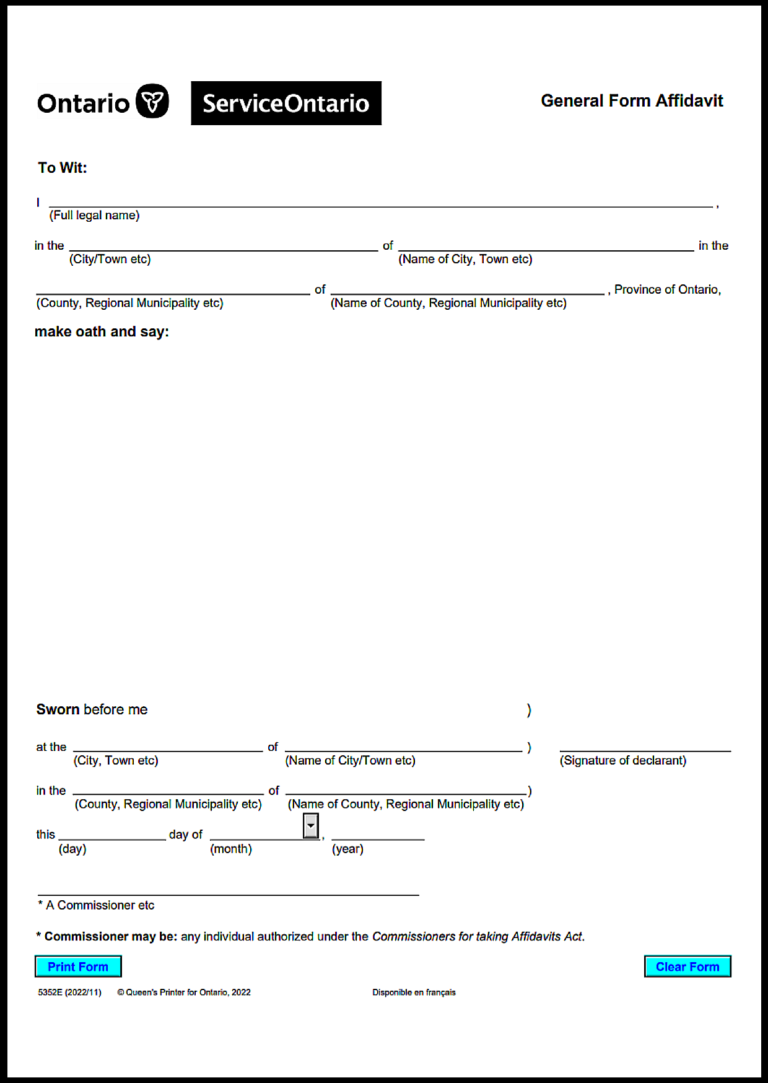
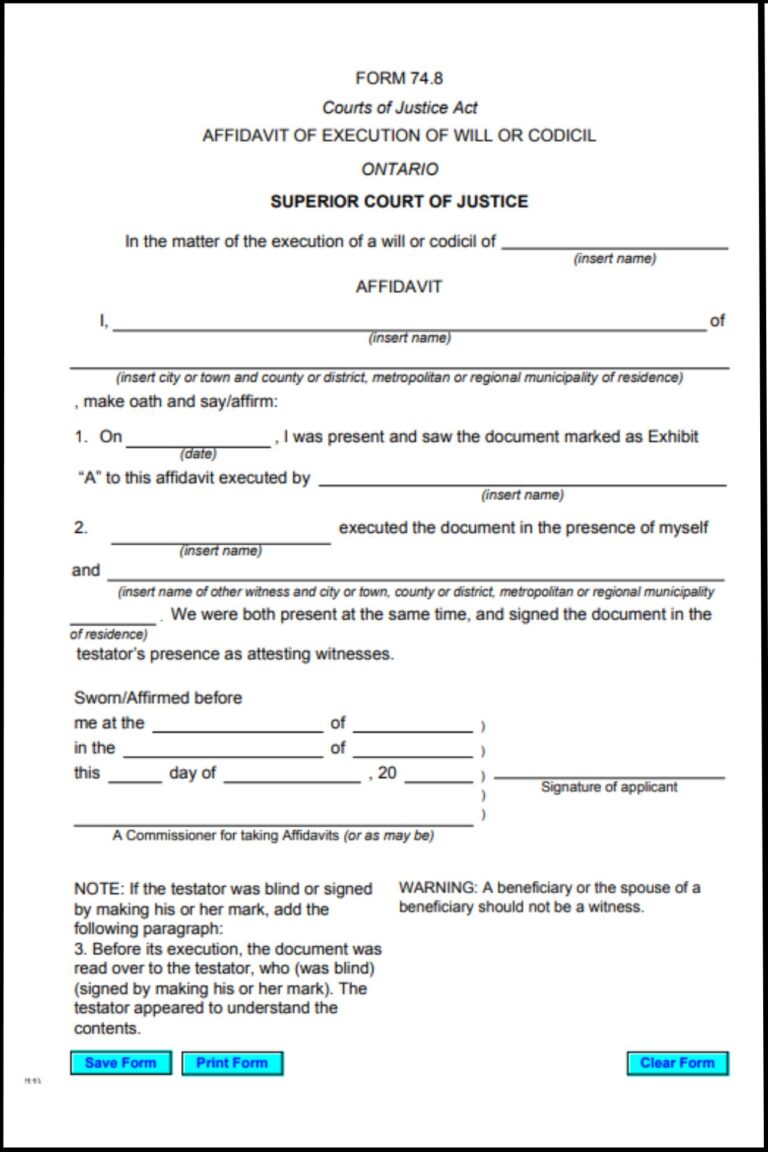
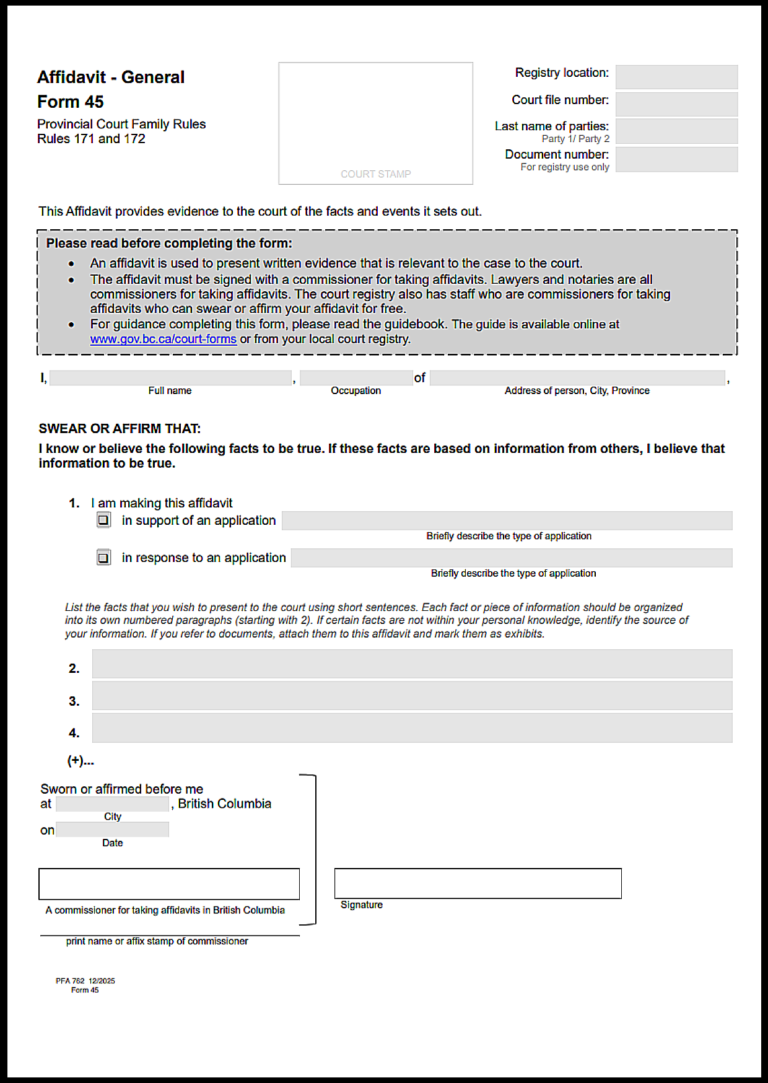
Free Alberta Affidavit Template
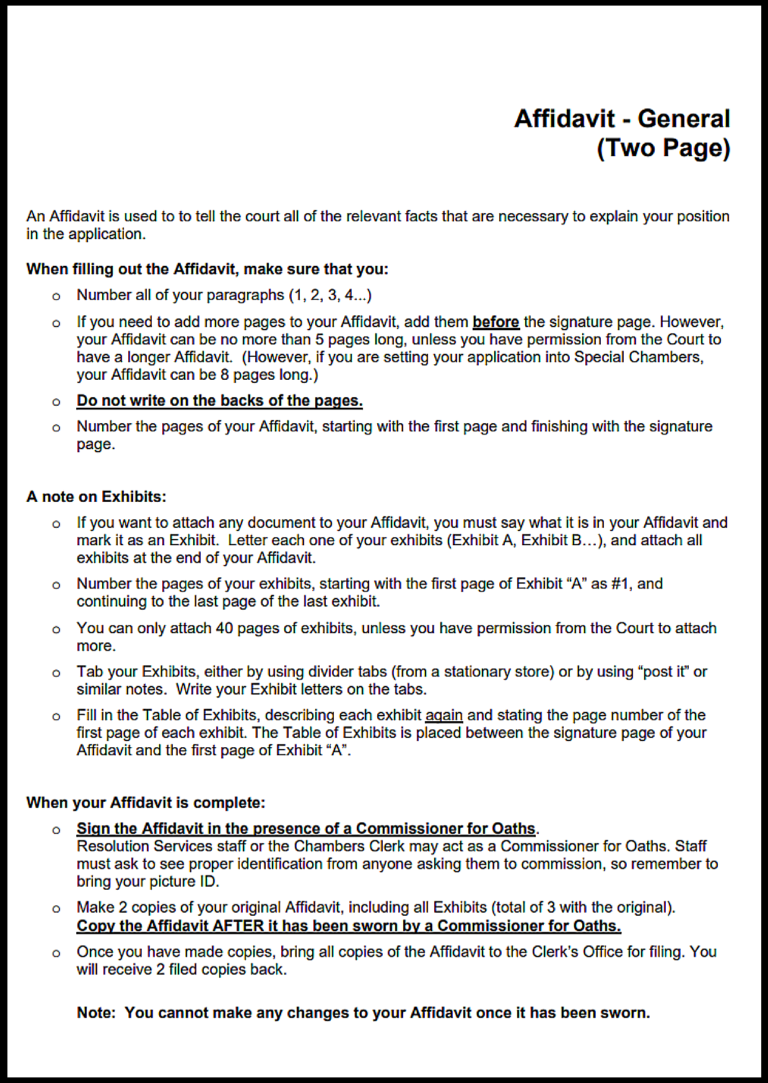
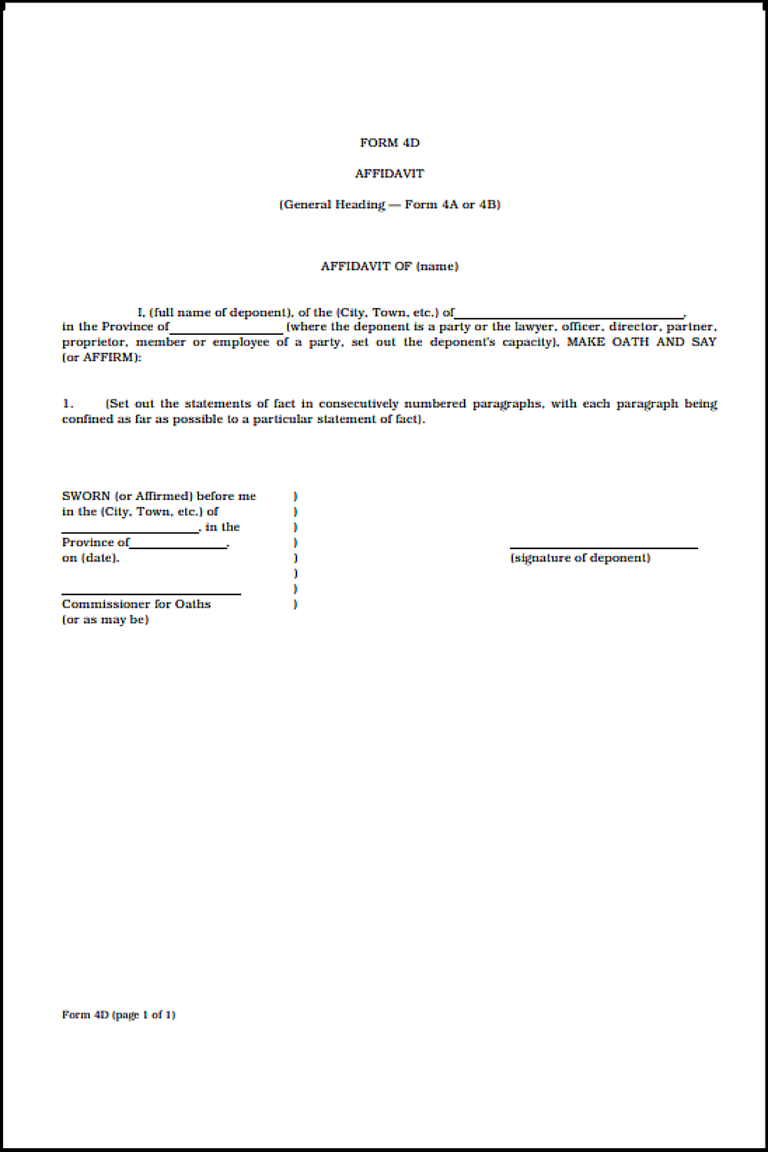
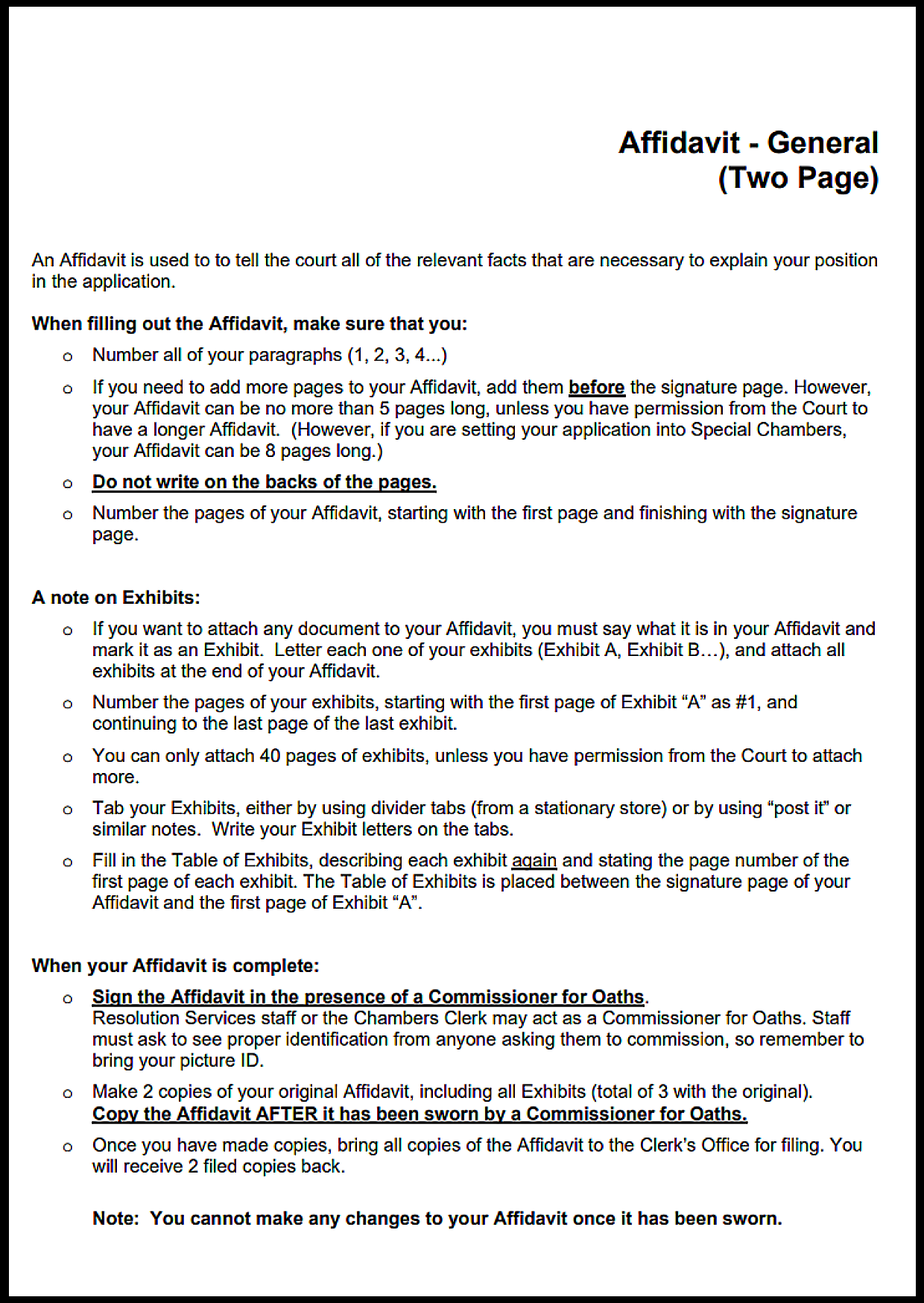
This is a basic affidavit template that works for general situations. It is useful when no special format is required and you just need to declare facts clearly. However, for court or complex legal matters, a specific affidavit type may be required.
What This Template Covers
This template is mainly used for:
- Personal statements under oath
- General declarations for legal or administrative use
It is simple and flexible, so you can adjust it based on your situation.
When to Use This General Template
You can use this template when you need to provide basic written proof. For example, confirming lost documents or explaining a situation to an authority. It is best when no strict legal format is required.
Before You Use It
Before using this template, remember a few important rules. You must sign the affidavit in front of a Commissioner for Oaths or Notary Public. Make sure every statement you write is completely true. Swearing a false affidavit carries serious legal consequences in Canada under the Criminal Code, including criminal charges for perjury or making a false statement under oath.
Types of Affidavits in Alberta (Core Guide)
In most affidavit situations, choosing the correct type is very important. Using the wrong affidavit can cause delays or rejection. Alberta uses different affidavit formats depending on the purpose.
Affidavit of Identity
This affidavit is used to confirm who you are. It is commonly required in banking issues, legal filings, or when your ID is lost. If you need a ready format, see our Affidavit of Identity Alberta template.
Affidavit of Residency
This confirms your address. It is often used for school admission, government services, or tenant verification. You can check the Affidavit of Residency Alberta form for proper format.
Affidavit for Court (Litigation Affidavit)
This type is used as evidence in court cases. It must follow strict formatting rules and should only include facts, not opinions. For guidance, see our Court Affidavit Alberta guide.
Affidavit of Service
This confirms that legal documents were delivered correctly. It is common in civil and family law matters. Use the Affidavit of Service Alberta template to avoid mistakes.
Financial Affidavit
This affidavit shows your financial situation, including income, expenses, and assets. It is mainly used in divorce or child support cases. You can refer to the Financial Affidavit Alberta form.
Affidavit of Name Change
This supports legal name change applications and confirms identity and intention. For help, check the Name Change Affidavit Alberta guide.
Statutory Declaration (Alternative)
A statutory declaration is similar to an affidavit but is often used for administrative purposes. It may not always require the same formal process as court affidavits. You can explore the Statutory Declaration Alberta template for this.
Understanding how sworn statements work under provincial rules is important before using any legal declaration. You can explore different formats and use cases within this complete affidavit template guide in Alberta, including specific documents like an affidavit of identity format used for personal verification.
Real-Life Use Cases (When You Actually Need an Affidavit)
In real life, affidavits are used in many everyday situations. For example, a student who loses a certificate may use an affidavit to confirm details. A tenant may need it to prove their address. A parent in a family law case may need a financial affidavit.
Some common situations include:
- Confirming identity for official records
- Providing written proof for court
- Verifying delivery of legal documents
- Making declarations to government agencies
These examples show that affidavits are used whenever trusted written proof is required.
Key Elements of a Valid Affidavit in Alberta
For an affidavit to be valid in Alberta, it must follow certain rules. The document should clearly identify the person making the statement and include a proper oath confirming that the information is true.
Important elements include:
- Full legal name and personal details
- Statement of truth (sworn oath)
- Clear facts written in numbered paragraphs
- Signature of the deponent
- Signature of a Commissioner for Oaths or Notary
Depending on your situation, you may also need a general sworn affidavit document or learn the proper steps through this affidavit preparation process in Alberta. These documents help ensure your statement is legally valid and properly structured.
Valid Affidavit Requirements Table
| Element | Required | Explanation |
| Full Name | Yes |
Must match official ID
|
| Numbered Facts | Yes |
Keeps information clear
|
| Deponent Signature | Yes |
Must sign in person
|
| Commissioner Signature | Yes |
Makes it legally valid
|
| Truthful Content | Yes |
False info can lead to penalties
|
How to Create or Complete an Affidavit
Creating an affidavit is not difficult if you follow the correct steps. Start with a clear title and write your facts in simple, numbered points. Keep your language neutral and avoid adding opinions or emotions.
Then carefully review all details to make sure everything is accurate. After that, visit a Commissioner for Oaths or Notary Public. You must sign the affidavit only in their presence.
Basic steps include:
- Write a clear title
- Add facts in numbered format
- Check all details
- Visit an authorized official
- Sign in front of them
Legal Overview in Alberta
Under Alberta law, affidavits are governed by provincial rules and court procedures. They must be sworn under oath before authorized officials like Commissioners for Oaths or Notaries.
If an affidavit contains false information, it may lead to legal consequences, including penalties for perjury. Affidavits are commonly used in civil court, family law matters, and administrative processes.
In certain cases, individuals also compare documents like a statutory declaration vs affidavit to understand which format fits their legal requirement.
Common Mistakes to Avoid
Many people make simple mistakes that can make an affidavit invalid or rejected. Writing opinions instead of facts is one of the most common issues. Another mistake is signing the document before meeting a commissioner.
Other common mistakes include:
- Leaving out important details
- Using the wrong affidavit type
- Submitting incomplete information
- Copying templates without editing
Avoiding these mistakes can save time and prevent legal problems.
Choosing the Right Affidavit
Choosing the correct affidavit becomes easier when you understand your purpose. If you need to confirm identity, use an Affidavit of Identity. If you need proof of address, go with an Affidavit of Residency.
Here is a quick guide to help you:
| Situation | Right Affidavit |
| Identity confirmation |
Affidavit of Identity
|
| Address proof |
Affidavit of Residency
|
| Court evidence | Court Affidavit |
| Document delivery |
Affidavit of Service
|
| Financial details |
Financial Affidavit
|
| No oath required |
Statutory Declaration
|
FAQs
Legal Disclaimer
This content is for informational purposes only and does not replace legal advice. Laws may change over time. For complex matters, it is always best to consult a qualified legal professional in Alberta.