Free Alberta Lease Agreement Laws Template & Guide
Alberta Lease Agreement Laws are the rules that control rental agreements between landlords and tenants in Alberta. These laws help both sides understand their rights and duties clearly. If you follow them properly, you can avoid disputes and stay legally safe.
When people don’t understand lease laws, small issues like rent changes or repairs can turn into big problems. That’s why it’s important to keep things clear from the beginning. This guide will explain everything in simple English so you can feel confident.
Lease agreement laws in Alberta are mainly designed to protect both landlords and tenants. Under Alberta law, both parties must follow the agreed terms written in the lease.
I’ve helped Alberta landlords and tenants deal with disputes that started because basic lease terms were never properly explained or written down. In many cases, people only realize the importance of Alberta’s rental laws after facing unpaid rent claims, repair conflicts, or notices they didn’t fully understand.
Last updated: August 2026
Free Alberta Lease Agreement Laws Template
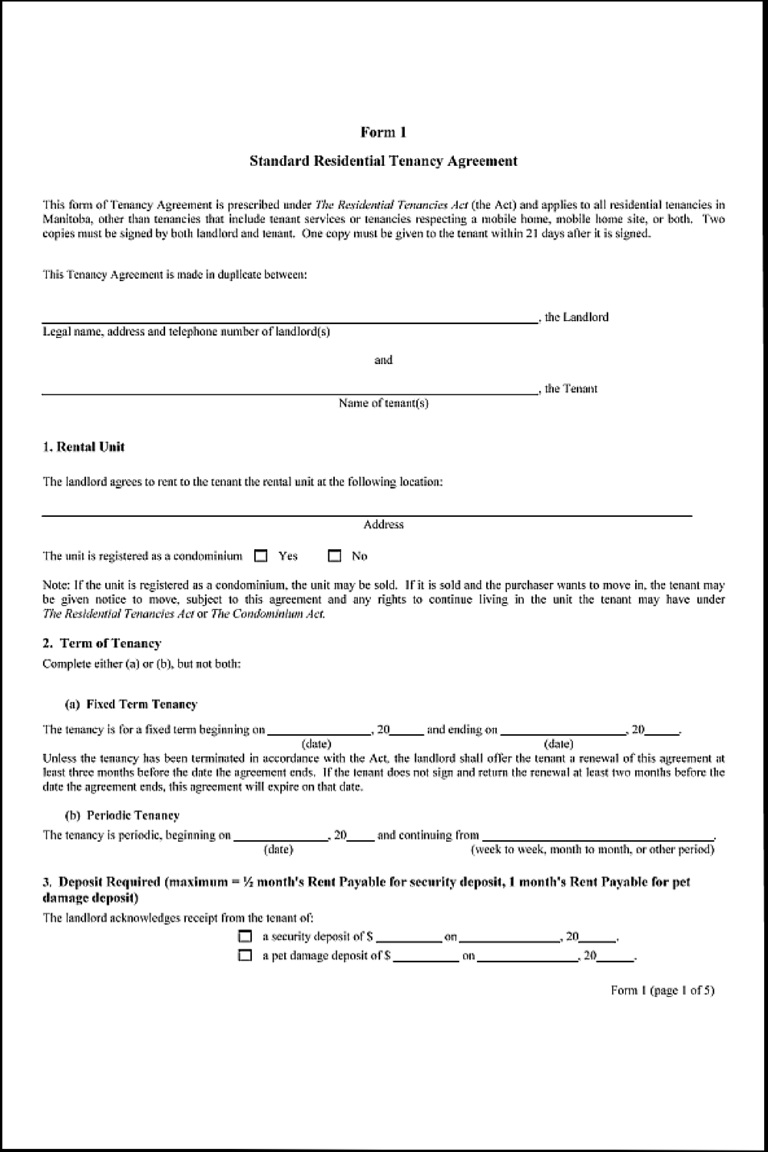
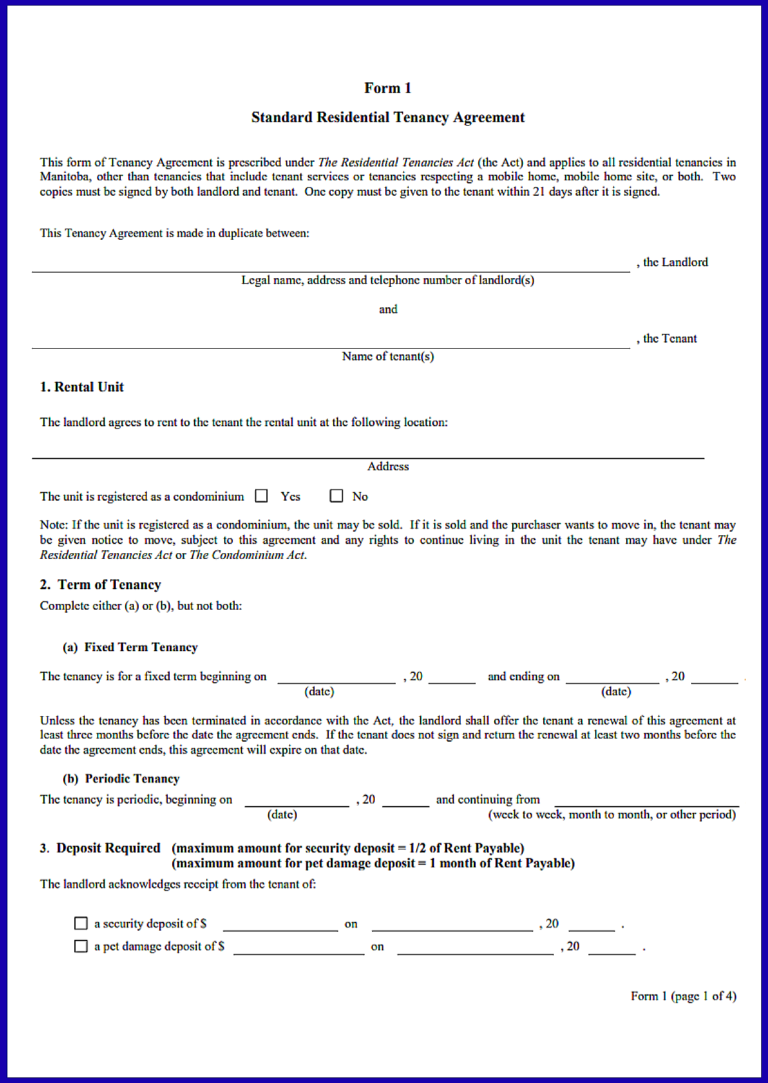
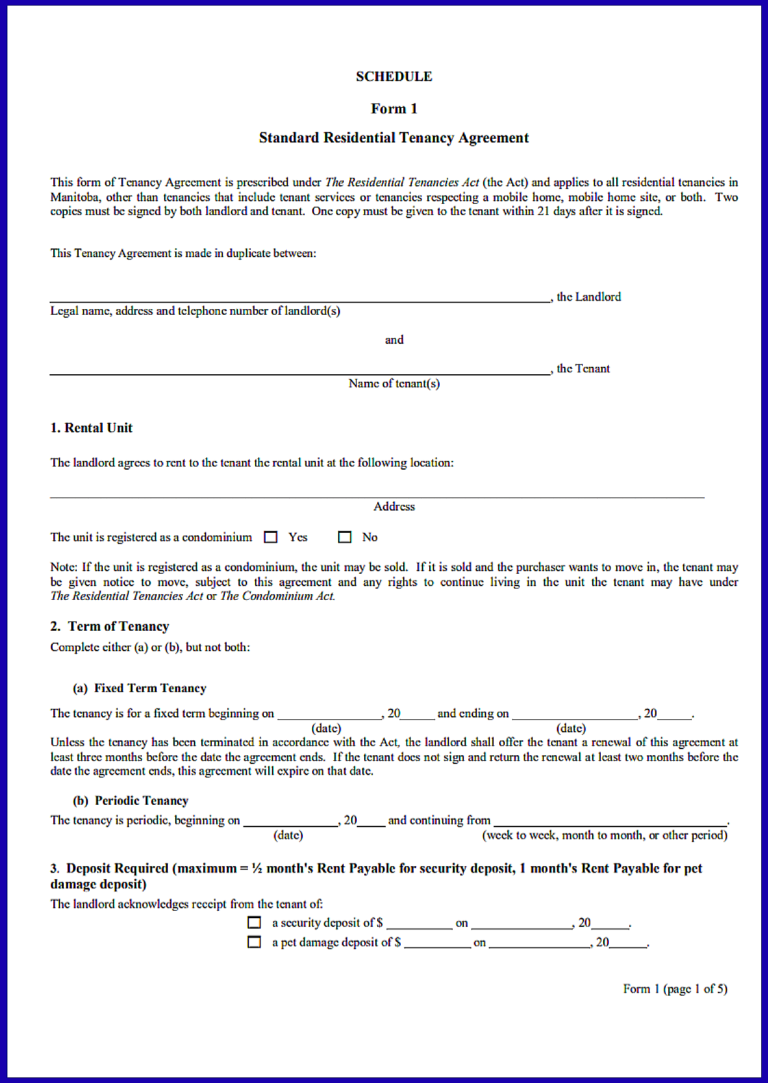
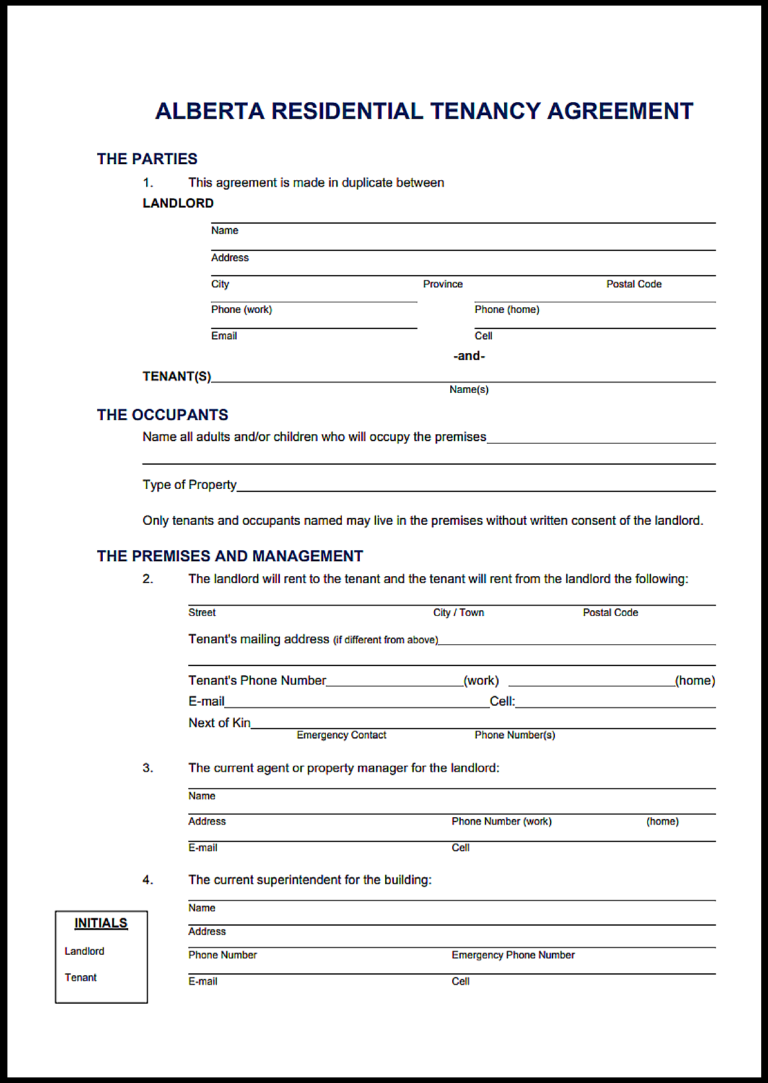
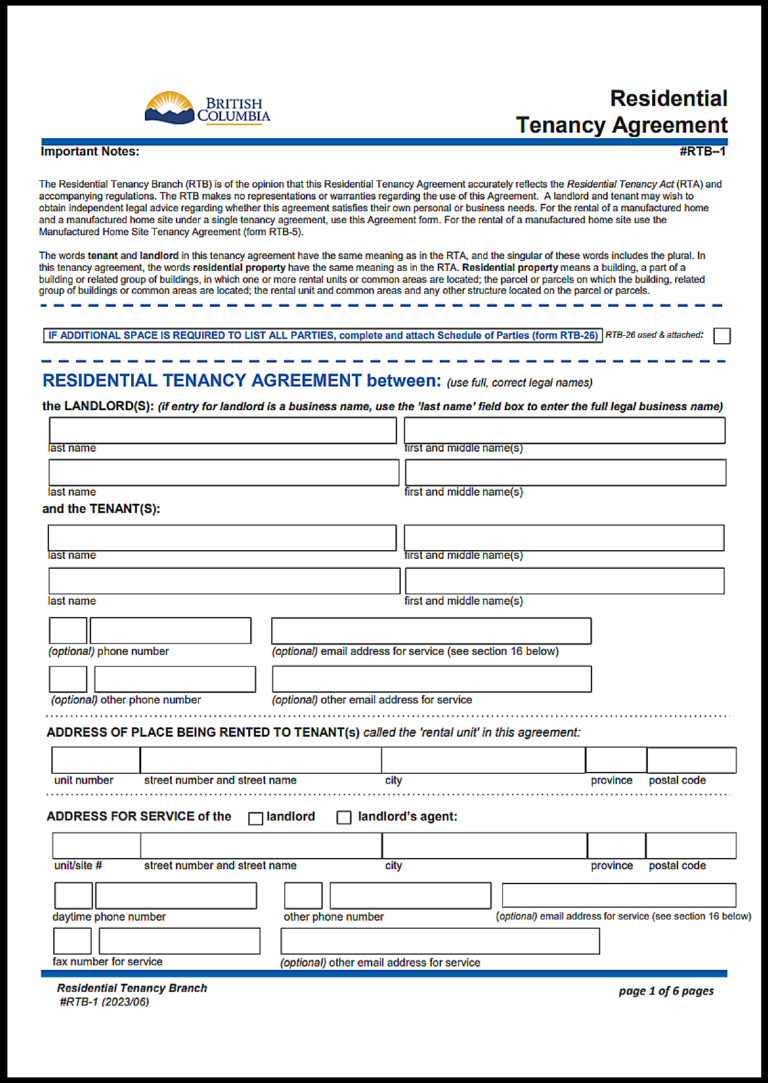
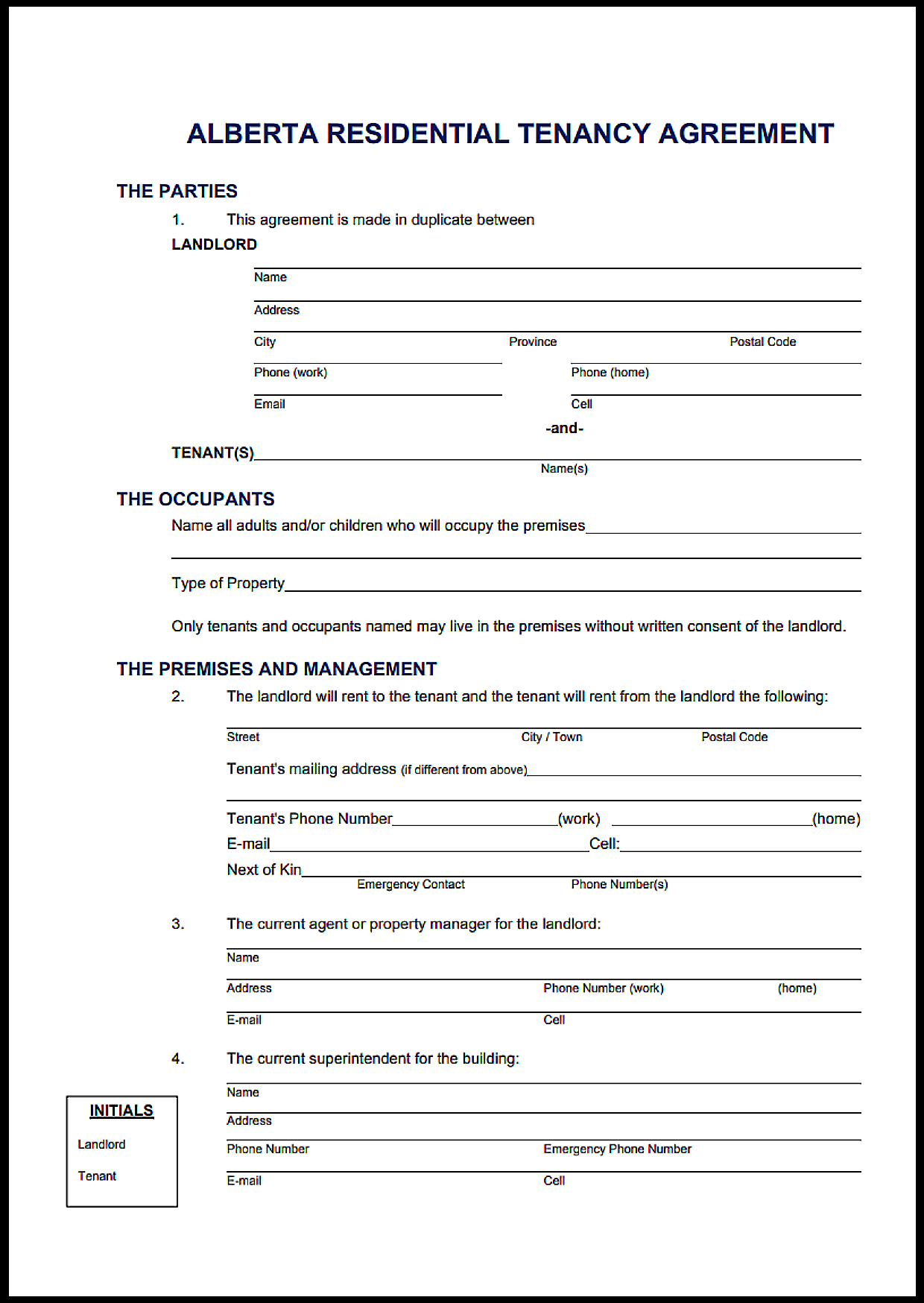
Here is a simple and practical lease template you can use. You can fill it easily and adjust it based on your needs.
Alberta Residential Lease Law Requirements and Compliance Rules
| Topic / Issue | Alberta Legal Rule | Governing Statute |
|---|---|---|
| Governing legislation | Alberta residential lease agreements are governed under provincial tenancy law. | Residential Tenancies Act, SA 2004, c R-17.1 |
| Federal jurisdiction | Residential leases fall under Alberta provincial jurisdiction. | Constitution Act, 1867 |
| Recent amendments | Alberta sets the statutory security deposit interest rate annually under the Security Deposit Interest Rate Regulation; for the 2026 calendar year, the prescribed rate is 0.0%. | Residential Tenancies Act updates; Red Tape Reduction Statutes Amendment Act |
| Who can legally sign | Any landlord, owner, agent, manager, or tenant with possession rights may sign the lease. | RTA s. 1(1)(f) & (p) |
| Witness requirements | Witnesses are not legally required for residential lease agreements. | Governed by common law principles |
| Notarization | Notarization is not legally required for lease validity. | Governed by common law principles |
| Age and capacity | A person must generally be at least 18 years old for full legal capacity, although minors may sign for necessaries like shelter. | Age of Majority Act, s. 1 |
| Signed lease deadline | Landlords must provide tenants with a signed lease copy within 21 days after signing. | RTA s. 5 |
| Notice of Landlord requirement | The lease or separate notice must include the landlord’s name and address for service purposes. | RTA s. 18 |
| Implied covenants | Alberta law automatically includes landlord and tenant obligations in every lease agreement. | RTA s. 16 & s. 21 |
| Condominium disclosure | Condo leases must state that tenants must comply with condominium bylaws. | Condominium Property Act, RSA 2000, c C-22, ss. 53–55 |
| Filing requirement | Residential leases do not need to be filed with a government agency to become valid. | Private contract under Alberta law |
| Caveat registration | Leases longer than 3 years may be protected by registering a caveat at the Alberta Land Titles Office. | Land Titles Act s. 107 |
| Waiving tenant rights | Lease terms removing tenant rights under the RTA are void and unenforceable. | RTA s. 3 |
| Inspection report requirement | A landlord loses the right to deduct damages from a security deposit if move-in and move-out inspections are not completed. | RTA s. 19 & s. 46(6) |
| Illegal lease purposes | Leases for illegal purposes may be declared void by the courts. | Common Law Principles |
| Rent increase limits | Alberta has no rent cap, but rent can only increase after at least one year. | RTA s. 11 |
| RTDRS dispute process | Alberta disputes can be resolved through the Residential Tenancy Dispute Resolution Service for claims up to $100,000. | Residential Tenancy Dispute Resolution Service (RTDRS) |
One of the most important Alberta lease law rules is that landlords must provide tenants with a signed copy of the lease within 21 days. Many landlords overlook this deadline, but failing to provide the document can quickly create disputes and confusion about rent, rules, or responsibilities.
Another rule that surprises many people is Alberta’s inspection report requirement. If a landlord forgets to complete proper move-in and move-out inspection reports, they may lose the legal right to deduct repair costs from the tenant’s security deposit. Even when damage exists, missing paperwork can completely weaken the landlord’s position.
Alberta also differs from provinces like Ontario and British Columbia because there is no rent control cap. While landlords can raise rent without a maximum limit, they still must wait at least one year between increases. Ignoring these timing rules can create legal complaints and payment disputes.
Understanding these lease laws before signing an agreement can help both landlords and tenants avoid expensive mistakes, so download the free Alberta Lease Agreement Laws template to stay legally protected.
What Are Lease Agreement Laws in Alberta?
Under Alberta law, lease agreements are controlled by the Residential Tenancies Act (RTA). This law sets clear rules for rental agreements.
A lease is a legal contract, which means both landlord and tenant must follow it. The landlord must provide a safe home, while the tenant must pay rent and take care of the property.
In simple terms:
- It defines rights and responsibilities
- It protects both sides equally
- It applies to most residential rentals
This page outlines the legal framework governing rental agreements in Alberta, including landlord obligations and tenant protections. These laws directly apply to any lease agreement document.
When Do Alberta Lease Laws Apply?
These laws apply to most residential properties like apartments, houses, and basement rentals. If you are renting a place to live, these rules usually apply.
However, there are some exceptions. For example, if you are sharing a home with the owner, the law may not apply in the same way.
|
Covered Properties
|
Not Covered Situations
|
| Apartments |
Shared home with owner
|
| Basement suites |
Some temporary stays
|
| Houses |
Commercial rentals
|
So, it’s always important to check your situation before relying on these rules.
Types of Lease Agreements Allowed in Alberta
Fixed-Term Lease
This lease has a clear start and end date. It usually ends automatically unless both sides agree to renew it. It gives more stability but less flexibility.
Periodic (Month-to-Month) Lease
This type continues until either party gives notice. It is more flexible, but proper notice is required before ending it.
Sublease Agreements
In this case, the tenant rents the property to another person. However, landlord approval is required, and the original tenant remains responsible.
Understanding these rules is essential when issuing documents like an eviction notice or adjusting rent through a rent increase notice.
Key Legal Rules Every Lease Must Follow
Security Deposit Rules
Under Alberta law, the security deposit cannot be more than one month’s rent. The landlord must return the deposit or provide an estimated statement of account showing deductions within 10 days after the tenant moves out. If an estimate is given, the final statement and any remaining balance must be provided within 30 days.
Rent Increase Laws
Rent can only be increased once every 12 months. The landlord must serve proper written notice: at least 3 full tenancy months for a monthly tenancy, 12 tenancy weeks for a weekly tenancy, or 90 days for a yearly periodic lease. During a fixed-term lease, rent cannot be increased unless already written in the agreement.
Entry Rules for Landlords
Landlords must give at least 24 hours’ notice before entering the property. Entry is only allowed for valid reasons like repairs, inspections, or showing the property.
Maintenance Responsibilities
Both sides have duties. The landlord must keep the property safe and livable, while the tenant must keep it clean and report problems on time.
What Must Be Included in an Alberta Lease Agreement
A proper lease agreement should clearly mention all important details. Missing information often creates confusion later.
Important elements include:
- Names of landlord and tenant
- Property details
- Rent amount and due date
- Security deposit
- Lease term
- Rules and restrictions
Keeping everything clear in writing helps avoid future problems.
How to Write or Fill a Lease Agreement (Step-by-Step)
Writing a lease is simple if you follow the right steps. Start by adding complete details of both landlord and tenant. Then clearly define the property and lease term so there is no confusion.
Next, mention rent and deposit amounts properly. Don’t leave anything unclear. After that, include rules like pets, parking, or noise restrictions. Finally, both parties must sign and date the agreement.
Small tip:
- Always review the lease before signing
- Keep a copy for records
Common Legal Mistakes to Avoid
Many people make simple mistakes that later create big legal issues. These mistakes are easy to avoid if you stay careful.
Common mistakes include:
- Not making a written agreement
- Charging illegal deposits
- Giving improper notice
- Ignoring repair duties
- Adding unclear or illegal clauses
Even one mistake can lead to disputes, so it’s better to stay careful from the start.
What Happens If Lease Laws Are Broken?
If lease laws are not followed, it can lead to disputes or legal action. Tenants can file complaints, and landlords may face penalties.
In Alberta, disputes are usually handled through the Residential Tenancy Dispute Resolution Service (RTDRS). It is faster than going to court and helps resolve issues fairly.
Real-Life Example
Imagine a landlord increases rent without giving proper notice. The tenant is not legally required to accept this increase.
Under Alberta law, the tenant can continue paying the old rent amount. If the landlord forces the increase, the tenant can file a complaint.
In most cases, the authority may order the landlord to refund extra money. This shows why following rules properly is very important.
Alberta Lease Laws vs Other Provinces
| Feature | Alberta | Ontario |
British Columbia
|
| Rent Increase | Once per year | Strict control | Annual limit |
| Deposit Limit | 1 month rent | 1 month rent | ½ month rent |
| Flexibility | High | Moderate | Moderate |
This comparison shows that Alberta offers more flexibility compared to other provinces.
Frequently Asked Questions
Conclusion
Alberta lease agreement laws are simple once you understand the basics. Following the rules helps both landlords and tenants avoid problems.
Using a proper lease template and keeping everything clear in writing is the best way to stay safe. If you set things correctly from the beginning, you can avoid stress and legal trouble later.