British Columbia Vendor Agreement Template (Free Guide)
A British Columbia Vendor Agreement is one of those documents people often ignore—until something goes wrong. Imagine hiring a vendor for supplies or services, and then facing late delivery, poor quality, or payment confusion. Without clear terms, it quickly turns into stress and loss.
Under British Columbia law, a vendor agreement helps both businesses and suppliers stay protected. It clearly sets expectations, payment terms, and legal responsibilities. This is especially important in BC because of local tax rules (like GST and PST), contract laws, and standard business practices.
I’ve seen vendor disputes in British Columbia escalate quickly when businesses rely on verbal promises or vague emails instead of a proper written agreement. In many cases, people come for help only after missed payments, delivery problems, or GST/PST misunderstandings have already affected their business relationships.
Last Updated: September 2026
Table of Contents
ToggleFree British Columbia Vendor Agreement Template
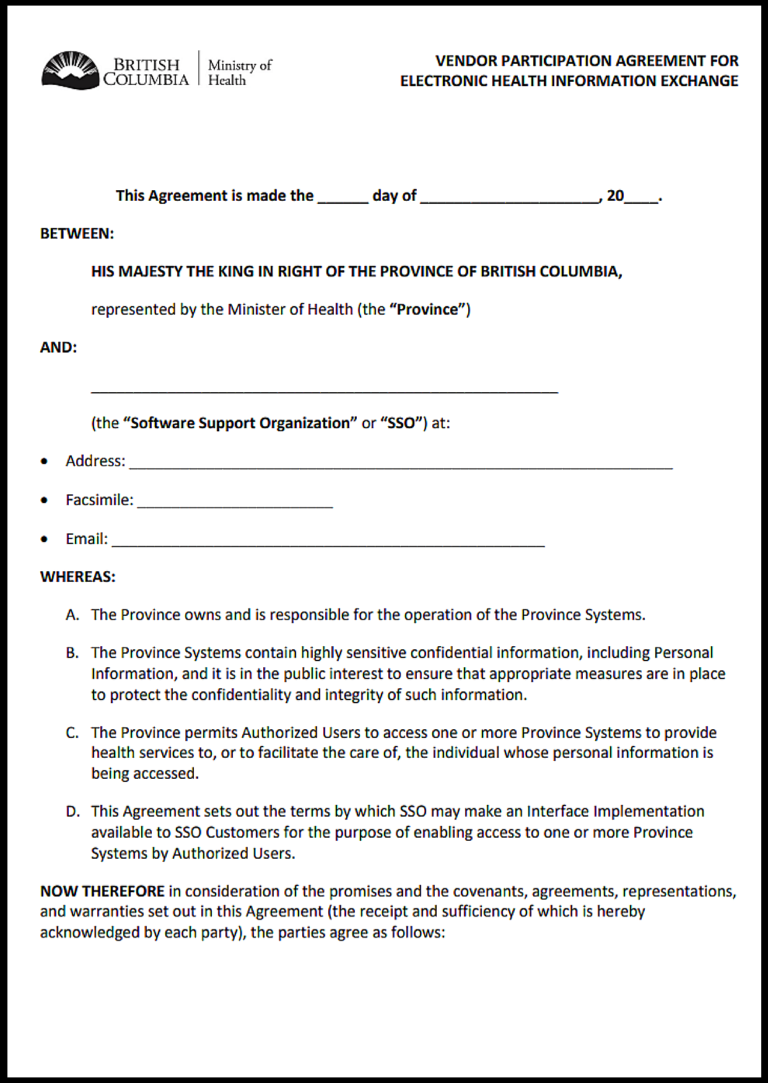
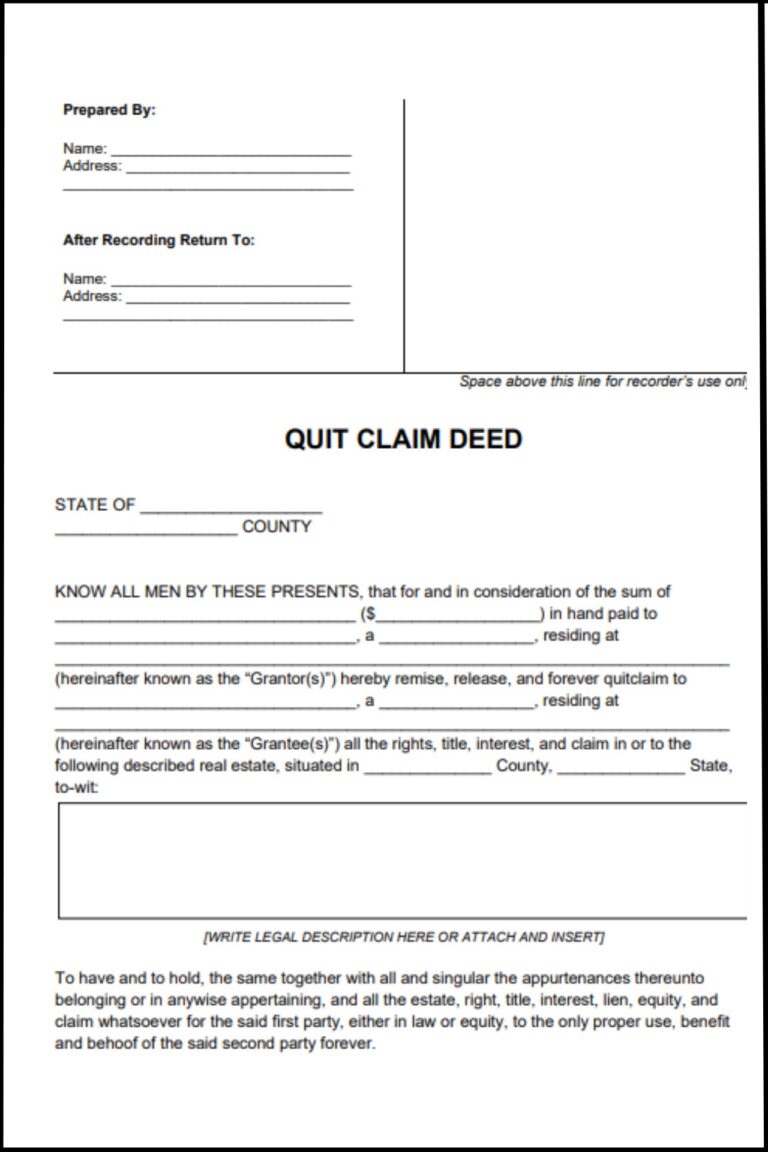
Below is a clean, fillable template you can copy and use. Always review it based on your situation before signing.
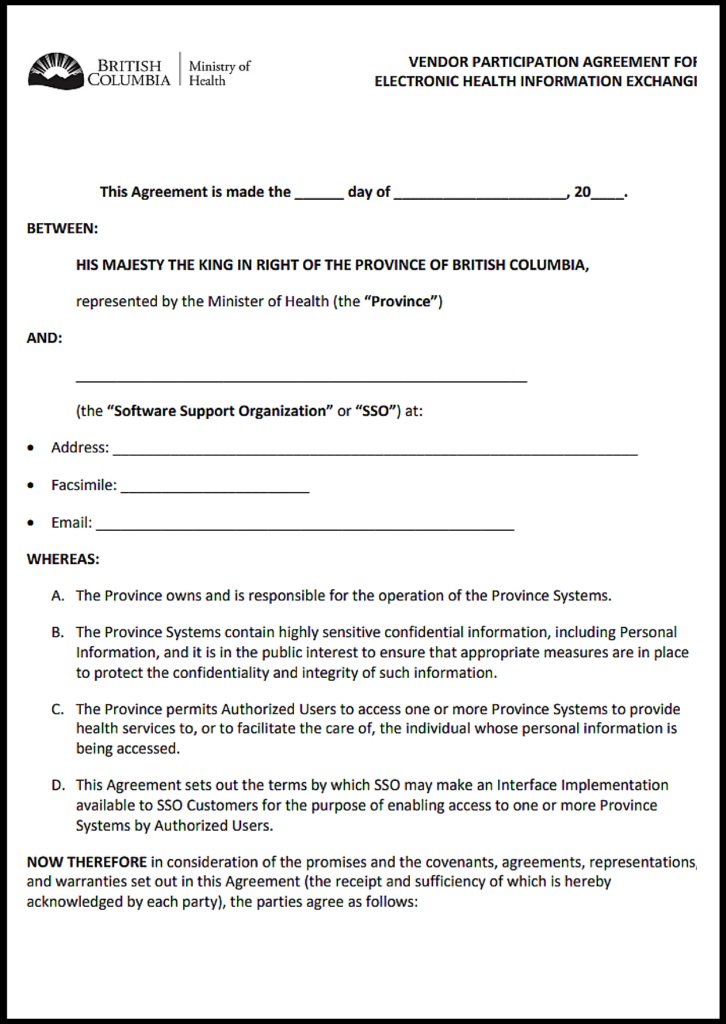
Tip: In most business contract situations, you should customize this template. Add details specific to your industry or transaction.
British Columbia Vendor Agreement Laws You Should Know Before Signing
| Topic / Issue | British Columbia Legal Rule | Governing Statute |
|---|---|---|
| Primary Governing Law | Vendor agreements in British Columbia may be affected by provincial and federal law. For sales of goods, the British Columbia Sale of Goods Act is an important provincial statute, while other federal or provincial laws may apply depending on the transaction. | Sale of Goods Act [RSBC 1996] c. 410; Competition Act [RSC 1985, c. C-34] |
| Consumer Vendor Agreements | Where a vendor transaction is a consumer transaction, the Business Practices and Consumer Protection Act may impose additional contract, disclosure, cancellation and consumer-protection requirements. | Business Practices and Consumer Protection Act [SBC 2004] c. 2 |
| Recent Consumer Contract Amendments | Bill 4 (2025) introduced new consumer-contract requirements, including rules concerning automatic renewal and unilateral amendments. These provisions came into force on August 1, 2026. | Business Practices and Consumer Protection Act [SBC 2004] c. 2 |
| Who Can Sign | Individuals, corporations and partnerships may enter into vendor agreements. A corporation may act through a person who has authority to bind the corporation, including an authorized officer, director, agent or other representative. | Business Corporations Act [SBC 2002] c. 57; applicable corporate authority rules |
| Witness Requirement | An ordinary vendor agreement in British Columbia generally does not require a witness, although a separate witnessing requirement can apply to particular types of documents or transactions. | N/A |
| Notarization | An ordinary vendor agreement generally does not need to be notarized in British Columbia unless another applicable law or the transaction itself requires notarization. | N/A |
| Age Requirement | The age of majority in British Columbia is 19. Under the Infants Act, a contract made by a person who was an infant when the contract was made is generally unenforceable against that person unless a statutory exception or later event makes it enforceable. | Age of Majority Act [RSBC 1996] c. 7, s. 1; Infants Act [RSBC 1996] c. 223 |
| Mental Capacity | British Columbia’s Adult Guardianship Act provides for a presumption that adults are capable of making decisions about their personal care, health care and financial affairs. Contractual capacity issues can depend on the applicable contract law and the circumstances of the transaction. | Adult Guardianship Act [RSBC 1996] c. 6 |
| Limitation Period | Subject to the Limitation Act and its exceptions, the basic limitation period for a court proceeding in respect of a claim is generally 2 years from the day the claim is discovered. | Limitation Act [SBC 2012] c. 13, s. 6 |
| Direct Sales Contracts | Certain direct sales contracts with consumers are subject to prescribed contract and cancellation requirements under the Business Practices and Consumer Protection Act and its regulations. The consumer-contract rules were significantly amended effective August 1, 2026. | Business Practices and Consumer Protection Act; applicable regulations |
| Future Performance Contracts | Certain consumer contracts for future performance are subject to disclosure and cancellation requirements under Part 4 of the Business Practices and Consumer Protection Act, including amendments that took effect on August 1, 2026. | Business Practices and Consumer Protection Act |
| Filing Requirement | Vendor agreements are private contracts and generally do not require government filing. | N/A |
| Security Interest Registration | If a vendor takes a security interest in personal property, the applicable perfection rules under the Personal Property Security Act should be followed. Registration in the Personal Property Registry is one important method of perfection, but the required method depends on the collateral and circumstances. | Personal Property Security Act [RSBC 1996] c. 359 |
| Unconscionable Consumer Contracts | In a consumer transaction, an unconscionable act or practice can result in the transaction not being binding on the consumer or guarantor under the Business Practices and Consumer Protection Act. | Business Practices and Consumer Protection Act |
| Illegal Contracts | An agreement involving unlawful activity may be unenforceable or otherwise affected by applicable law, depending on the nature of the illegality and the circumstances. | Applicable law |
| Failure to Match Description | For a sale by description, the goods must correspond with the description. Whether a breach permits the buyer to reject the goods and treat the contract as repudiated depends on the applicable rules, the contract terms and whether the buyer has accepted the goods. | Sale of Goods Act |
| BC Age of Majority Difference | British Columbia’s age of majority is 19. | Age of Majority Act [RSBC 1996] c. 7 |
| Implied Warranty Protection | For qualifying retail sales or leases, section 20 of the Sale of Goods Act restricts contractual terms that negative or diminish specified implied conditions and warranties. The section has important exclusions, including certain business, resale, corporate and industrial or commercial purchases. | Sale of Goods Act, s. 20 |
| Electronic Agreements | Under British Columbia’s Electronic Transactions Act, a contract is not invalid or unenforceable solely because electronic records or electronic methods were used in its formation. | Electronic Transactions Act |
British Columbia’s age of majority is 19. For vendor transactions involving someone under 19, the Infants Act matters because a contract made while the person is an infant is generally unenforceable against that person unless an applicable statutory exception applies.
An “as-is” clause needs more care in British Columbia. Section 20 of the Sale of Goods Act restricts terms that diminish specified implied conditions and warranties in qualifying retail sales, but the statutory protection excludes certain purchases for resale or business use and purchases by corporations or industrial or commercial enterprises. Section 17 also provides that goods sold by description must correspond with that description.
The basic limitation period is generally 2 years from discovery of a claim, subject to the Limitation Act and its exceptions. For an unpaid invoice or delivery dispute, the safer practice is to address the problem promptly rather than assuming the clock starts on the invoice date.
To avoid these problems, download the free British Columbia Vendor Agreement template and customize it properly before signing.
Vendor agreements help businesses define supply terms, payment obligations, and delivery responsibilities during commercial transactions. To understand how these agreements fit into broader business documentation, you can review with the guide explaining legally binding contracts in British Columbia.
What Is a Vendor Agreement (And Why Businesses Need It)
A vendor agreement records the commercial deal between the buyer and the supplier or service provider. For goods, it can identify the products, quantity, price, delivery point and risk of loss. For services, it can define the work, deadlines, fees and performance standards.
This type of agreement is commonly used for:
- Buying goods (like inventory or raw materials)
- Hiring services (like catering, cleaning, or IT support)
- Long-term supply relationships
Real-life examples:
- An event planner hiring a decorator
- A retail shop ordering stock from a supplier
- A company outsourcing IT services
An oral agreement can sometimes be enforceable, but proving the exact bargain is harder when the parties have no single written record. That is particularly awkward when the dispute is about delivery dates, specifications, payment or whether a purchase included additional services.
When Should You Use a Vendor Agreement in British Columbia?
You should use a vendor agreement when a business transaction involves important goods, services, payment obligations, or an ongoing commercial relationship.
Common situations include:
- Hiring a supplier for goods
- Outsourcing services like maintenance or catering
- Entering long-term vendor relationships
- Making one-time high-value purchases
- Working with a new or unknown vendor
A clear agreement helps record the commercial terms the parties have actually agreed to and can reduce uncertainty if a dispute later arises.
Businesses often combine vendor agreements with other operational contracts depending on the services being provided. Companies outsourcing professional work may also use a service agreement template, while partnership-based operations frequently rely on a partnership agreement.
Key Elements Every BC Vendor Agreement Must Include
The useful part of a vendor agreement is the detail. The document should leave as little uncertainty as possible about what the supplier delivers, what the buyer pays, and what each side must do when the transaction does not go as planned.
Clear Description of Goods or Services
Avoid vague wording like “general services.”
Instead, include:
- Exact products or services
- Quantity and specifications
- Quality expectations
Pricing and Payment Terms
Clearly define how and when payments will be made.
Include:
- Fixed or variable pricing
- Deposit requirements
- Payment milestones
- Late fees
Delivery Terms and Deadlines
State who is responsible for delivery and when it must happen.
Important points:
- Delivery dates
- Shipping method
- Risk during transit
Tax Responsibilities (GST/PST in BC)
British Columbia has both federal GST and provincial PST.
Make sure your contract states:
- Who charges applicable taxes
- Who is responsible for remitting them where required
Liability and Risk Allocation
This section helps allocate responsibility between the parties.
It should cover:
- Damaged goods
- Delays
- Defective services
Termination Conditions
Explain how the agreement can end.
Include:
- Breach of contract rules
- Notice period
- Immediate termination rights
Dispute Resolution
State how disputes will be handled.
Options include:
- Negotiation
- Mediation
- Court action
When suppliers or vendors receive access to confidential business information, parties sometimes include a confidentiality agreement to help protect pricing structures and internal records.
Is a Vendor Agreement Legally Valid in British Columbia?
A vendor agreement can be legally enforceable when the parties have formed a contract and its terms are enforceable under the applicable law. Offer, acceptance and consideration are important contract-law concepts, but enforceability depends on the circumstances and any applicable legislation.
Common elements include:
| Requirement | Meaning |
| Offer |
One party proposes terms
|
| Acceptance |
The other party agrees
|
| Consideration |
Something of value is exchanged
|
Written contracts are strongly recommended. While verbal agreements can be valid, they are harder to prove.
Under British Columbia’s Electronic Transactions Act, a contract is not invalid or unenforceable solely because electronic records or electronic methods were used in its formation. What matters is whether the agreement was properly formed and whether its terms can be established.
GST, PST, and Tax Rules Vendors Must Follow in BC
Tax should be dealt with expressly in the agreement, especially where the price may be quoted before tax. State whether GST or PST is expected to apply and how any exemption, registration issue or tax adjustment will be handled.
British Columbia uses:
- GST (Goods and Services Tax) – federal
- PST (Provincial Sales Tax) – provincial
The tax treatment depends on the goods or services, the transaction and the vendor’s tax obligations.
| Tax Type | Who Charges It | Applies To |
| GST | A registered supplier where applicable |
Taxable supplies under federal GST rules
|
| PST | A registered seller where applicable |
Specified taxable goods, software and services under BC PST rules
|
Where a transaction is taxable and the vendor is required to collect the tax, the vendor generally charges the applicable tax and the purchaser pays it. Registration, exemptions and the nature of the goods or services can change the result.
However, the contract should clearly state the agreed price and whether applicable taxes are additional. Tax treatment can depend on the transaction, so a blanket assumption that both taxes apply is not appropriate.
Common Mistakes to Avoid in Vendor Agreements
The mistakes that cause the most trouble are usually the ones that leave a key commercial term uncertain.
Avoid these common mistakes:
- Not clearly defining the scope of work
- Ignoring payment timelines
- Missing tax clauses
- No termination terms
- Using generic templates without editing
A missing delivery term may sound minor when the order is placed. It becomes much more important when the shipment arrives late and the contract does not say who bears the resulting cost.
What Happens If There Is a Dispute?
Vendor disputes can arise over delivery, quality, payment and the scope of the agreement.
Typical issues include:
- Late delivery
- Poor quality goods
- Payment disagreements
A written agreement gives both sides a common reference point when the dispute concerns price, delivery, specifications or payment. It does not automatically resolve the dispute, but it can make the parties’ competing positions much easier to identify.
If a dispute occurs, options include:
- Negotiation between parties
- Mediation (neutral third party)
- Legal action in court
A written contract is important evidence of the parties’ agreement, but a court may also apply the relevant legislation, contractual principles and the circumstances surrounding the transaction when resolving a dispute.
How to Fill Out and Use This Template (Step-by-Step)
Before signing, check the party names, delivery terms, payment timing, applicable taxes, acceptance or rejection terms and any security interest or warranty provisions. Then have each party retain the completed version and related schedules or purchase-order documents.
Step 1: Add accurate party details
Include full legal names and addresses
Step 2: Clearly define goods/services
Avoid vague descriptions
Step 3: Set payment and tax terms
Be specific about amounts and taxes
Step 4: Review delivery and deadlines
Ensure timelines are realistic
Step 5: Sign and keep copies
Each party should keep a signed version
Tip: Always review the agreement before signing. If the deal is complex, consider legal advice.
Vendor vs Contractor vs Supplier – What’s the Difference?
These terms are often confused, but they are not the same.
| Role | Meaning |
| Vendor |
Provides goods or services
|
| Contractor |
Hired for specific work or project
|
| Supplier |
Mainly provides goods
|
The terminology matters because the document should match the transaction. A supplier arrangement for inventory is different from a contractor engagement for a defined project or a service relationship that continues month to month.
Frequently Asked Questions
Do I need a vendor agreement for small purchases?
Not always. For a small or routine purchase, the invoice, purchase order and other records may document the transaction, but a written agreement becomes more valuable as the amount, duration or risk increases.
Can I create my own vendor agreement?
Yes. You can use a template and tailor it to the transaction. Make sure the scope, payment terms, delivery obligations, taxes, warranties, liability and termination provisions reflect the actual deal.
Is a digital signature valid in BC?
Yes. Under the Electronic Transactions Act, a contract is not invalid or unenforceable solely because electronic records or electronic methods were used in its formation.
Who pays GST/PST in a vendor agreement?
It depends on the transaction and the vendor’s tax obligations. Where the vendor is required to collect an applicable tax, the vendor generally charges it and the purchaser pays it.
Can I cancel a vendor agreement anytime?
Only where the agreement or applicable law gives you a right to terminate. Check the termination clause for notice requirements, breach rights and any consequences of ending the agreement early.