Promissory Note Vs Loan Agreement (Free PDF)
Promissory note vs loan agreement is a common question in Ontario because the two documents serve different purposes, even though they’re both used when money is being lent. While a promissory note is defined under the Bills of Exchange Act, R.S.C. 1985, c. B-4, s. 176 as an unconditional written promise to repay, a loan agreement usually goes much further by setting out repayment terms, default remedies, interest, and other obligations that Ontario contract law recognises.
I’ve seen private lenders discover the difference only after a repayment dispute reached the Ontario Superior Court of Justice or Small Claims Court, where a short promissory note left important questions unanswered because those terms were never written down. If you’re deciding which document fits your situation, this page explains the key differences, when each should be used, and the circumstances where one offers better protection than the other.
Table of Contents
TogglePromissory Note Vs Loan Agreement

Promissory Note Vs Loan Agreement In Ontario: Side-By-Side Comparison
| Feature | Promissory Note | Loan Agreement |
|---|---|---|
| Legal nature | Unilateral negotiable instrument | Bilateral contract |
| Governing law | Bills of Exchange Act, R.S.C. 1985, c. B-4 | Common law and, where applicable, the Consumer Protection Act, 2002 |
| Required wording | Must contain an unconditional written promise to pay a sum certain | No prescribed wording for private loans |
| Consumer disclosure | Not required | Required when a business lends to a consumer under the Consumer Protection Act |
| Typical use | Simple promise to repay | Detailed lending arrangement |
| Interest limit | Maximum 35% APR under the Criminal Code | Maximum 35% APR under the Criminal Code |
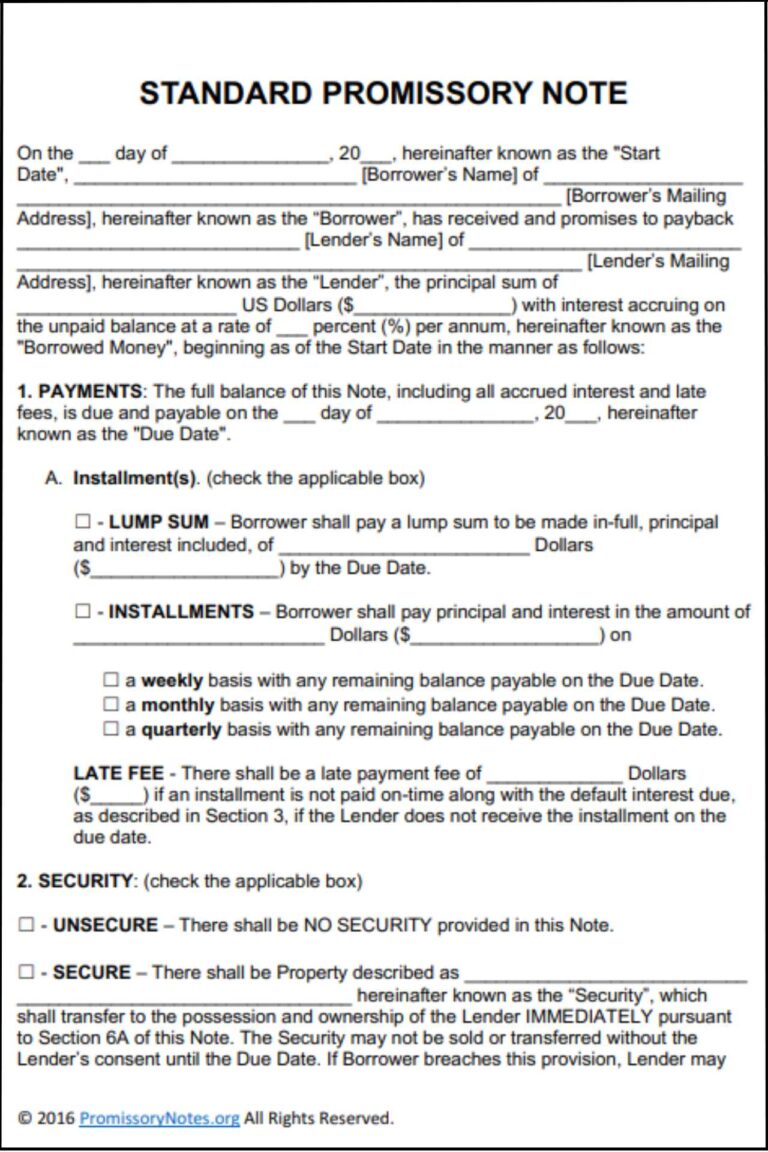
The biggest distinction is that a promissory note is generally a one-sided promise made by the borrower, while a loan agreement creates obligations for both parties.Under the Bills of Exchange Act, a promissory note only qualifies as a negotiable instrument if it contains an unconditional promise in writing to pay a fixed amount of money at a specified time or on demand.. If conditions are added, the document can lose that legal status.
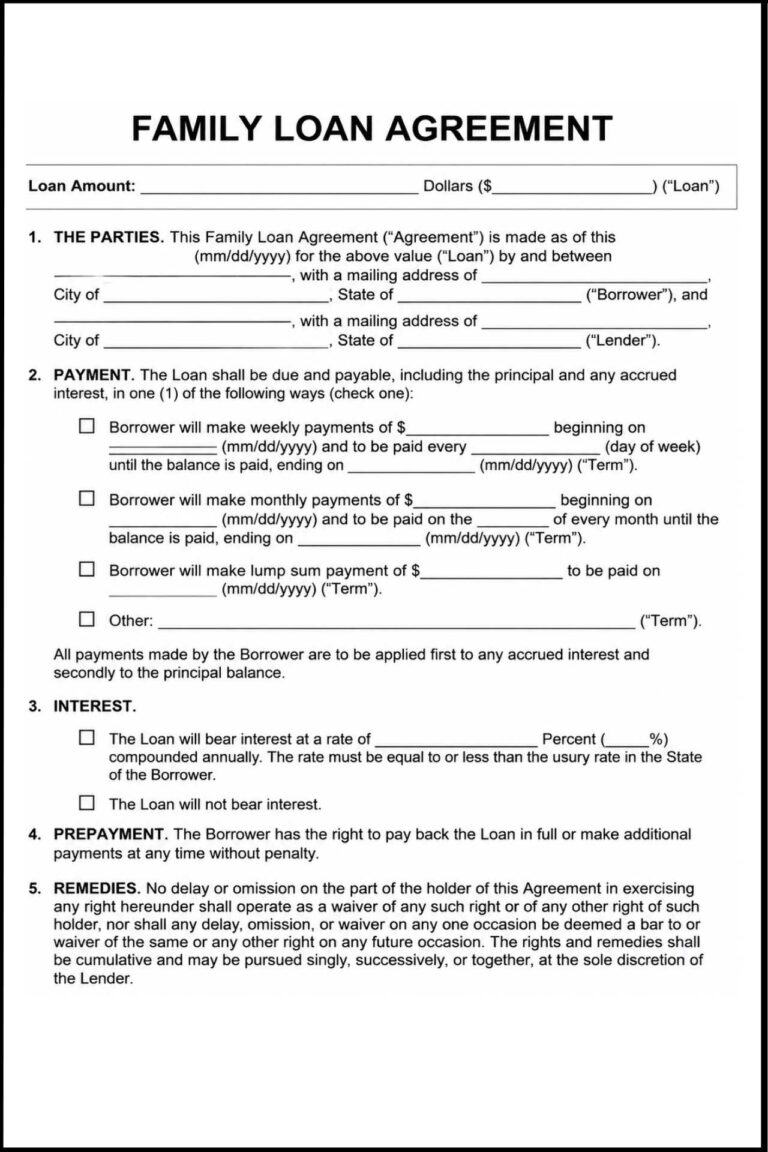
A loan agreement is much broader. Besides confirming the debt itself, it can include repayment schedules, late payment provisions, default clauses, security interests, amendment procedures, governing law, and other contractual terms. When a commercial lender lends money to an individual consumer in Ontario, additional disclosure obligations apply under the Consumer Protection Act, 2002, including disclosure of the APR, total borrowing cost, repayment schedule, and the borrower’s right to prepay without penalty.
Imagine two friends in Toronto. One lends the other $4,000 to purchase a used vehicle, with repayment due in six months. A properly drafted promissory note may be enough. Compare that with a private lender financing a business purchase over five years with monthly payments and collateral. That situation usually calls for a comprehensive loan agreement rather than a simple note.
One important limitation is that neither document can legally charge interest above the 35% APR criminal interest ceiling established under section 347 of the Criminal Code following the January 1, 2025 amendments. This rule applies regardless of whether the lender is a bank, business, family member, or private individual.
Which Document Applies To Your Situation
Choosing between a promissory note and a loan agreement depends on the complexity of the loan and the level of protection both parties need. While both documents can create a legally enforceable obligation, they are designed for different situations.
A Promissory Note is generally appropriate if:
- You want a straightforward written promise to repay money.
- The loan has simple repayment terms.
- The parties already trust each other.
- There is little or no need for detailed default provisions.
- The promise to pay remains unconditional and specifies a fixed amount.
For example, if a parent in Ottawa lends their adult child $8,000 for tuition or provides a gift for a home purchase, a gift letter for mortgage down payment may also be required by lenders, a promissory note may provide sufficient documentation.
A Loan Agreement is usually the better choice if:
- You want detailed repayment schedules.
- The loan includes monthly installments.
- You need default remedies.
- The loan is secured by personal property or real estate.
- Multiple obligations apply to both parties.
- The lender is a business providing consumer credit.
Consider a contractor in Mississauga borrowing $75,000 under a personal loan agreement to purchase equipment over five years. The parties will likely need provisions covering payment dates, late payments, default, insurance requirements, security, amendments, and dispute resolution. Those terms fit naturally within a loan agreement rather than a simple promissory note.
If a business lends money to an individual consumer, Ontario’s Consumer Protection Act, 2002 requires a compliant credit agreement that includes the required disclosure information. A basic promissory note alone generally will not satisfy those statutory disclosure obligations.
Cost And Complexity Differences Between A Promissory Note And A Loan Agreement
One reason many people choose a promissory note is its simplicity. Because it only needs to satisfy the legal requirements of an unconditional promise to pay a fixed amount, it is usually much shorter than a loan agreement.
A private lender helping a sibling purchase a vehicle may only require a one-page promissory note identifying:
- The amount borrowed
- Interest, if any
- Repayment date
- Signatures
By contrast, a loan agreement often expands to several pages because it addresses situations that may arise during the life of the loan.
Common additional clauses include:
- Payment schedules
- Events of default
- Late payment procedures
- Acceleration clauses
- Security provisions
- Amendment procedures
- Governing law
- Notices between parties
If collateral is involved, additional registration may also become necessary. Although the agreement itself does not need to be filed with any government office, secured personal property requires registration of a Financing Statement under Ontario’s Personal Property Security Act. Loans secured by real estate require registration of the appropriate Charge or Mortgage through Ontario’s land registration system.
Greater complexity often means higher legal drafting costs, but it also reduces uncertainty if problems arise later.
Common Misconceptions About Promissory Notes And Loan Agreements
Myth: A promissory note and a loan agreement are exactly the same document.
They are not. A promissory note is a negotiable instrument governed federally under the Bills of Exchange Act. A loan agreement is a broader contract that sets out the obligations of both parties.
Myth: Adding conditions to a promissory note does not matter.
It matters significantly. Under section 176(1) of the Bills of Exchange Act, the promise must remain unconditional. A promise stating, “I’ll repay when my business becomes profitable,” no longer satisfies the statutory definition of a promissory note.
Myth: Interest rate limits only affect banks.
The criminal interest ceiling applies to everyone. Following the January 1, 2025 amendments to section 347 of the Criminal Code, both private individuals and commercial lenders must ensure the total cost of borrowing does not exceed 35% APR.
Summary of Applicable Laws
| Topic | Rule | Governing Statute |
|---|---|---|
| Promissory note validity | Must contain an unconditional promise to pay a sum certain | Bills of Exchange Act, s. 176(1) |
| Consumer loan disclosure | APR, repayment schedule and borrowing cost disclosure required | Consumer Protection Act, 2002, ss. 76 & 79 |
| Maximum interest | 35% APR | Criminal Code, s. 347(1)(a) |
| Time to sue | Generally 2 years after default or failure following demand | Limitations Act, 2002, ss. 4 & 5(3) |
| Ultimate limitation | 15 years from creation of obligation | Limitations Act, 2002, s. 15(1) |
Provincial Vs Federal Rules Behind Both Documents
Ontario borrowers are often surprised that these documents are governed by different levels of government.
The legal definition of a promissory note comes entirely from the federal Bills of Exchange Act, meaning the essential requirements remain consistent throughout Canada.
Loan agreements, however, rely primarily on provincial contract law. In Ontario, consumer lending is further regulated by the Consumer Protection Act, 2002, while enforcement deadlines are governed by the Limitations Act, 2002.
For example, a private lender in Hamilton preparing a secured loan agreement must consider Ontario’s consumer protection requirements where applicable, while still respecting the federal criminal interest limit.
Regardless of which document is used, neither requires filing with ServiceOntario or the Bank of Canada merely to become legally effective. Registration only becomes relevant when security interests must be perfected against personal property or real estate.
Enforcement Differences: Suing On A Promissory Note Vs A Loan Agreement
If repayment stops, both documents can generally be enforced through Ontario’s courts, but the legal approach differs.
A properly drafted promissory note benefits from the legal characteristics of a negotiable instrument under the Bills of Exchange Act. A loan agreement is enforced as an ordinary contract, requiring proof of its contractual terms.
Ontario also has an important limitation rule. For fixed-term obligations, legal proceedings generally must begin within two years of default. For demand obligations, the limitation period generally starts after the borrower fails to pay following a proper demand for payment under sections 4 and 5(3) of the Limitations Act, 2002.
Ontario also applies a 15-year ultimate limitation period. Even if no demand is made, legal claims cannot remain enforceable indefinitely.
Suppose a lender in London makes a demand under a demand promissory note. If the borrower ignores that demand, the two-year limitation period generally begins after that failure to pay. Waiting too long may prevent recovery through the courts.
The “Holder in Due Course” Transfer Trap
The most profound legal difference between these two instruments is how they handle assignment to a third party. Because a valid promissory note is a negotiable instrument under section 176 of the Bills of Exchange Act, the lender can endorse and sell the note to a third party (such as a private debt buyer or collection firm). Under federal law, this third party can achieve the status of a “Holder in Due Course.” This means they take the note completely clean, free from any personal defenses or operational disputes that existed between the original borrower and lender. If the original lender delivered a defective product or breached a verbal promise, the borrower still legally must pay the Holder in Due Course in full and sue the original lender separately.
Conversely, a loan agreement is an ordinary contract. If a lender assigns a loan agreement to a third party, it is governed by Ontario common law assignment rules, meaning the debt is transferred “subject to equities.” The third-party assignee steps exactly into the original lender’s shoes. If the original lender broke a promise or provided defective services, the borrower can legally raise those exact defenses against the new debt owner to withhold payment. Lenders who want the flexibility to liquidate or sell their debt unhindered always choose a promissory note, while borrowers who want to preserve their defenses prefer a loan agreement.
Frequently Asked Questions
Is a promissory note the same as a loan agreement in Ontario?
No. A promissory note is a specific negotiable instrument requiring an unconditional promise to pay, while a loan agreement is a broader contract that governs the obligations of both lender and borrower.
Which document is better for a family loan?
Simple family loans often work well with a promissory note. More complicated arrangements involving installments, security, or detailed default provisions are generally better documented through a loan agreement.
Do both documents have the same maximum interest rate?
Yes. Both are subject to the federal criminal interest limit of 35% APR under section 347 of the Criminal Code.
Does a business lender need additional disclosures?
Yes. Consumer credit agreements made by businesses must include the disclosures required under the Consumer Protection Act, including APR, total borrowing cost, repayment schedule, and prepayment rights.