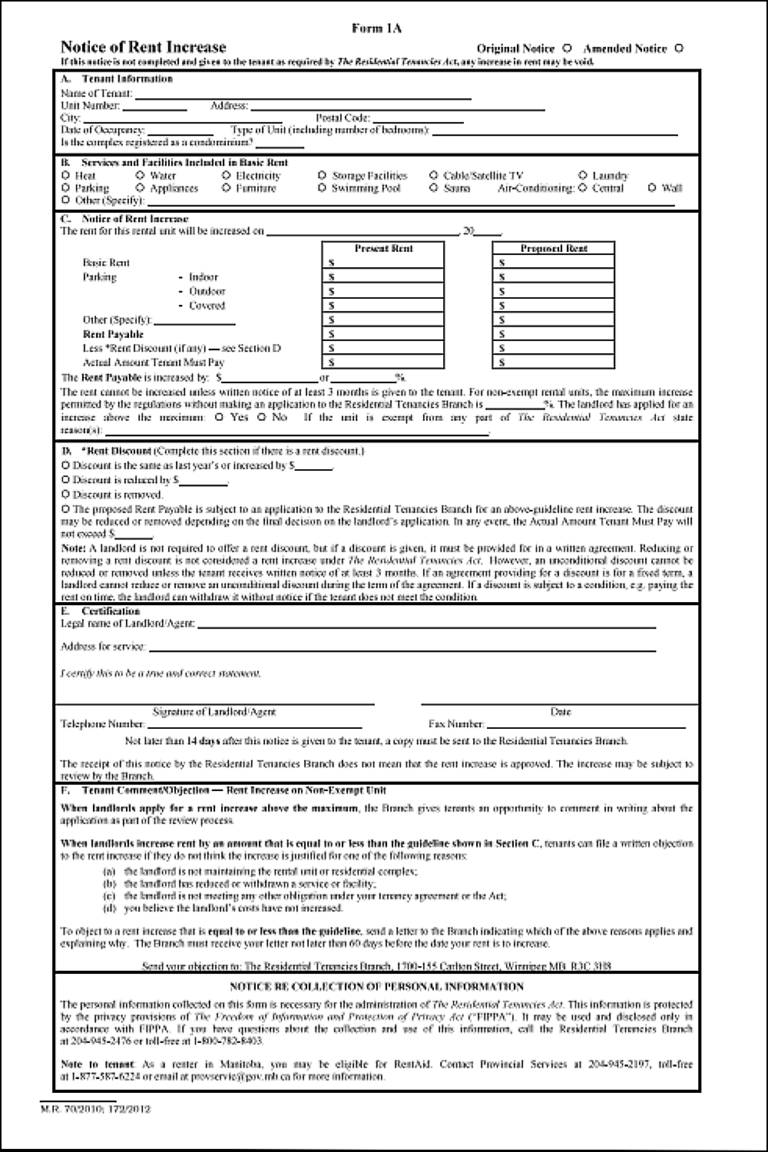
Ontario Rental Application Form (Canada) – Printable PDF Download
Ontario Rental Application forms are the first step most landlords use before signing a lease. If you’re planning to rent in Ontario, this simple document helps landlords choose the right tenant—and helps you present yourself properly.
Renting a home can feel confusing, especially if it’s your first time. A rental application is not a contract, but it plays a big role in whether you get approved.
I’ve seen Ontario landlords reject strong applicants simply because the rental application was incomplete or asked for information they legally shouldn’t request. I also regularly help first-time renters who don’t realize that mistakes on this form can create problems later if there’s a dispute under Ontario tenancy rules.
In this article, I’ll walk you through a free template, what’s legal in Ontario, and how to fill it correctly so you don’t get rejected.
Last Updated: September 2026
Free Ontario Rental Application Template
Below is a simple, clean template you can copy and use.
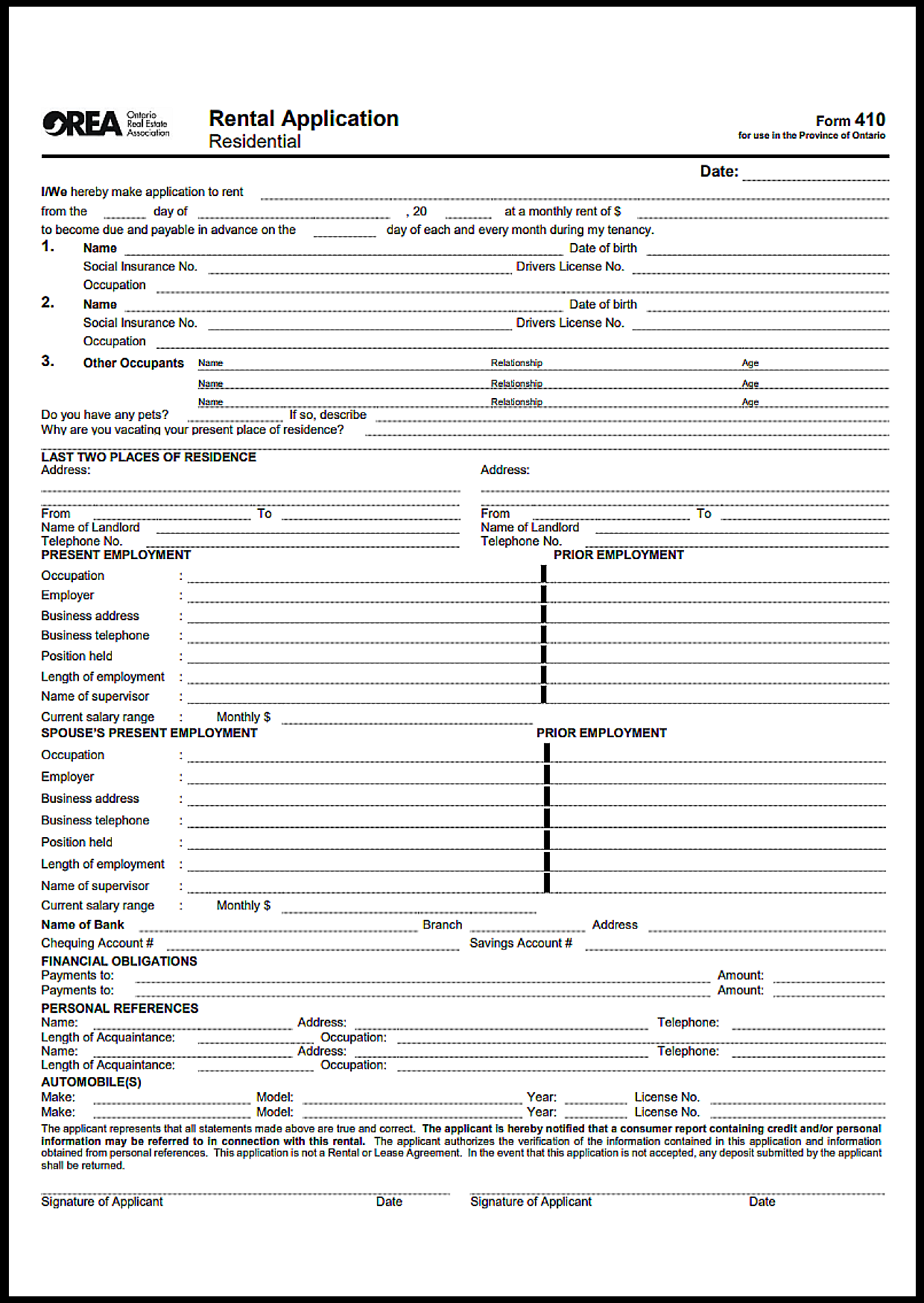
Important: Always follow Ontario privacy laws when collecting or sharing personal data.
Ontario Rental Application Laws & Legal Rules You Should Know
| Topic / Issue | Ontario Legal Rule | Governing Statute |
|---|---|---|
| Governing tenancy law | Ontario’s Residential Tenancies Act, 2006 includes rules governing the selection of prospective tenants and residential tenancies. | Residential Tenancies Act, 2006 (RTA) |
| Human rights protections | Rental applications and tenant screening must comply with Ontario’s Human Rights Code, including its protections against discrimination in housing. | Human Rights Code, R.S.O. 1990 |
| Privacy and data collection | Privacy obligations may apply when landlords collect, use, or disclose applicants’ personal information. Credit checks should be conducted with appropriate authorization and for an identified purpose. | PIPEDA, where applicable; applicable Ontario law |
| Recent RTA amendments | Ontario has enacted recent amendments affecting residential tenancies. Bill 97, the Helping Homebuyers, Protecting Tenants Act, 2023, amended the RTA, while later legislation, including the Fighting Delays, Building Faster Act, 2025, introduced additional changes. Provisions may come into force on different dates. | Residential Tenancies Act, 2006 and amending legislation |
| Who can sign | A prospective tenant or landlord may complete or sign a rental application, but legal capacity to enter a contract depends on the circumstances and applicable law. | Applicable Ontario contract and tenancy law |
| Witness requirement | Ontario’s residential tenancy legislation does not generally require a witness for a rental application. | Residential Tenancies Act, 2006 |
| Notarization requirement | A rental application does not generally need to be notarized under Ontario residential tenancy law. | Residential Tenancies Act, 2006 |
| Minimum age requirement | Ontario does not impose a general 16-year minimum age for completing a rental application. Questions about a minor’s contractual capacity depend on the circumstances and applicable law. | Applicable Ontario law |
| Mental capacity requirement | Questions about contractual capacity are fact-specific and are not governed by a blanket rental-application rule in the Residential Tenancies Act. | Applicable Ontario contract and capacity law |
| Deposit refund rule | Payments made with an application must be characterized according to their legal purpose and the circumstances. A lawful rent deposit is governed by the RTA, while prohibited charges can be subject to s. 134. | RTA, ss. 106–107, 134; Musilla v. Avcan Management Inc. |
| Credit/background check consent | A landlord should obtain the prospective tenant’s authorization before conducting a credit check and should clearly identify the purpose for collecting and using the information. | O. Reg. 290/98; applicable privacy law |
| Income screening restrictions | Landlords may request and consider income information in accordance with Ontario’s Human Rights Code and Regulation 290/98. An arbitrary rent-to-income cutoff cannot be used as the sole basis for refusing an applicant. | O. Reg. 290/98 |
| Privacy disclosure | Where privacy law applies, landlords should explain what personal information is being collected, why it is being collected, how it will be used, and whether it may be disclosed to third parties. | PIPEDA, where applicable |
| Filing requirement | Rental applications are generally private screening documents and are not filed with the Ontario government simply because an applicant completes one. | No general filing requirement |
| Record retention | The RTA does not establish a general two-year retention period for every rental-screening file. Landlords should consider applicable privacy, human-rights, and record-management obligations when determining retention periods. | Applicable Ontario and federal law |
| Illegal deposits | Ontario does not permit a separate damage or security deposit. A landlord may collect a lawful rent deposit subject to the RTA’s limits. | RTA, ss. 105–106 |
| Legal deposits allowed | A landlord may require a lawful rent deposit subject to section 106, and certain refundable key, remote-entry-device, or card deposits may also be permitted under the regulations. | RTA, s. 106; O. Reg. 516/06 |
| “No pets” clauses | A provision in a residential tenancy agreement prohibiting animals is void under section 14 of the RTA. | RTA, s. 14 |
| Discriminatory screening | Landlords cannot use rental applications or screening practices to discriminate in housing on protected grounds under Ontario’s Human Rights Code. | Human Rights Code |
| Mandatory standard lease after approval | Most residential tenancy agreements signed on or after April 30, 2018 must use Ontario’s prescribed Standard Form of Lease, subject to statutory exemptions. | O. Reg. 9/18; RTA, s. 12.1 |
| Ontario difference from other provinces | Ontario does not permit a separate damage or security deposit; the RTA instead regulates lawful rent deposits. | RTA, ss. 105–106 |
| Ontario pet rule difference | A provision in a residential tenancy agreement prohibiting animals is void under section 14. Applicant screening before a tenancy is formed must separately comply with the Human Rights Code. | RTA, s. 14; Human Rights Code |
Ontario has some rental application rules that surprise both landlords and tenants. One important point is that a separate damage or security deposit is not permitted. A landlord may collect a lawful rent deposit subject to the limits in the Residential Tenancies Act, and certain refundable key or entry-device deposits may also be permitted.
Pet issues require some care. Section 14 of the RTA makes a provision in a residential tenancy agreement prohibiting animals void. However, section 14 does not by itself determine every question about selecting a prospective tenant before a tenancy is formed. Applicant screening must still comply with Ontario’s Human Rights Code, including accommodation obligations where disability-related needs are involved.
Privacy rules also matter when landlords collect personal information. A landlord should obtain appropriate authorization before conducting a credit check and should explain why information is being collected and how it will be used. Human-rights protections are equally important because landlords cannot discriminate in housing on protected grounds.
Getting these rules wrong can lead to disputes, human-rights complaints, privacy concerns, or other legal problems. Using a carefully prepared Ontario Rental Application can help landlords collect relevant information in a more consistent way.
What Is an Ontario Rental Application (And Why It Matters)
An Ontario rental application is a form commonly used by landlords to collect information from potential tenants before entering into a residential tenancy.
In most rental situations:
- It is completed during the screening process
- It is generally not the final tenancy agreement
- It helps landlords evaluate applicants using permitted screening information
The wording of an application still matters. Depending on the circumstances, communications or payments made during the application process can have legal consequences.
Example
Suppose several applicants are interested in the same Ontario rental unit. A landlord may compare permitted screening information, such as rental history, credit information and income information.
The landlord must apply lawful and non-discriminatory screening criteria rather than relying on a prohibited ground or an arbitrary income formula.
What Landlords Can Legally Ask in Ontario
Under Ontario law, landlords must follow rules governing both tenant screening and discrimination when collecting information.
Allowed Information
Landlords can generally ask for information such as:
- Name and contact details
- Employment and income information
- Rental history
- References
- Authorization for a credit check
Income and other screening information must be considered consistently and in accordance with Ontario’s Human Rights Code and applicable regulations.
What Landlords CANNOT Ask
These rules come from the Ontario Human Rights Code, which protects people from discrimination in housing. Landlords should not ask questions designed to screen applicants based on protected characteristics.
Examples include questions about:
- Religion
- Ethnic origin
- Gender identity
- Family status or plans to have children
- Disability or medical information that is not necessary for a lawful accommodation or screening purpose
A landlord should also not require a Social Insurance Number simply as a routine rental-application requirement. The federal Privacy Commissioner recommends treating SIN information cautiously and generally not requiring it unless legally necessary.
Privacy Laws & Tenant Rights in Ontario Applications
In Ontario, personal information collected during rental screening should be handled carefully and for identified purposes. Federal privacy law may apply to landlords engaged in commercial activity.
Key Rules
- Landlords should obtain appropriate authorization before running a credit check
- Personal information should be collected for identified and lawful purposes
- Information should be safeguarded against unauthorized access
- Personal information should not be disclosed for unrelated purposes unless the disclosure is authorized or otherwise permitted or required by law
Real-Life Example
For example, if a landlord collects an applicant’s identification information, the landlord should have a lawful purpose for collecting it and should not disclose it for an unrelated purpose unless the disclosure is otherwise permitted or required by law.
What You Can Refuse
As a tenant, you can:
- Decline to provide your SIN where it is not legally required
- Ask why particular information is needed
- Ask how personal information will be used
- Question requests for information that appear unnecessary or discriminatory
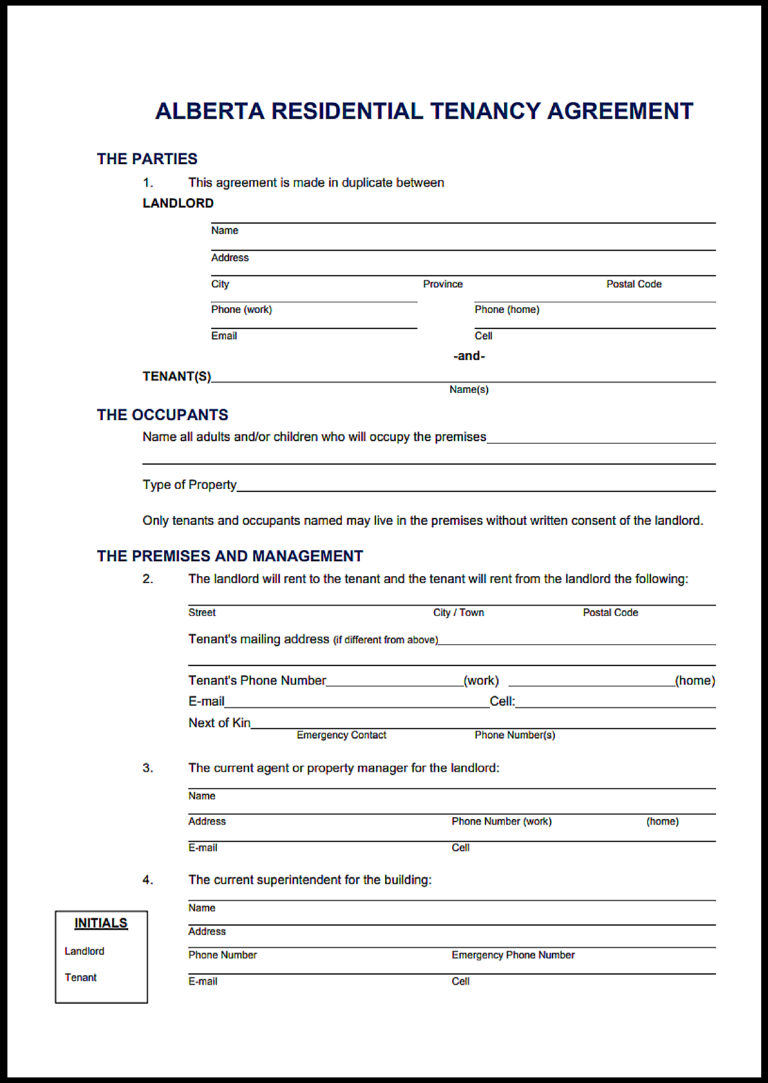
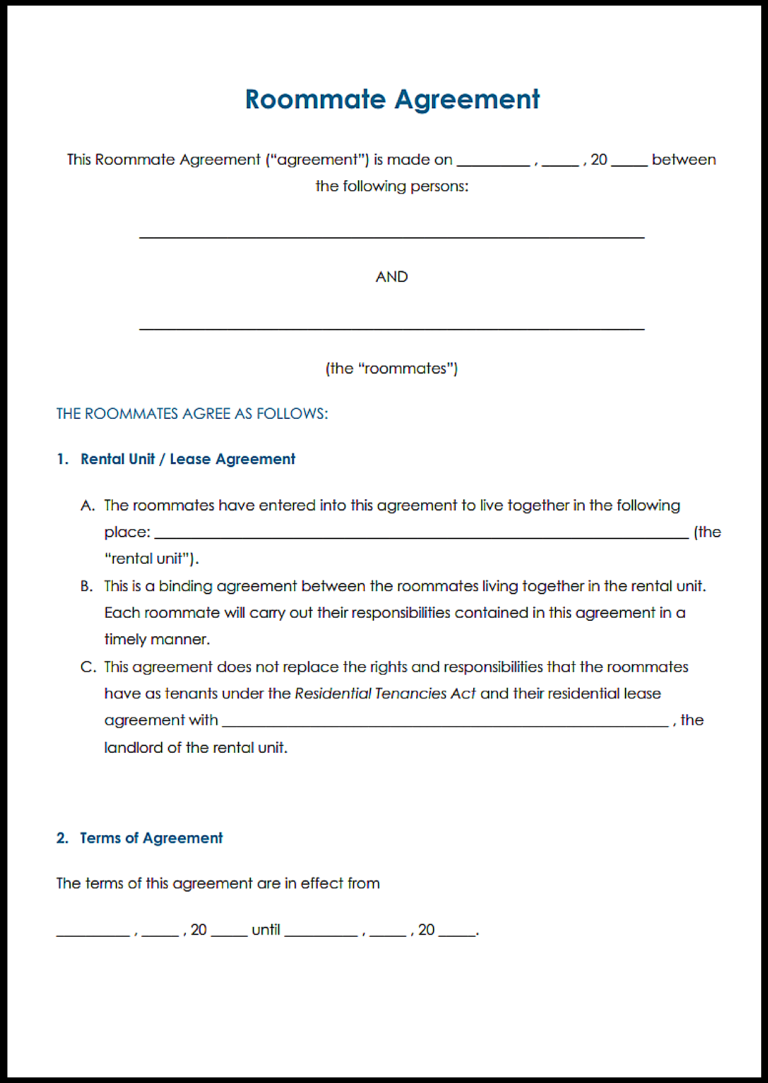
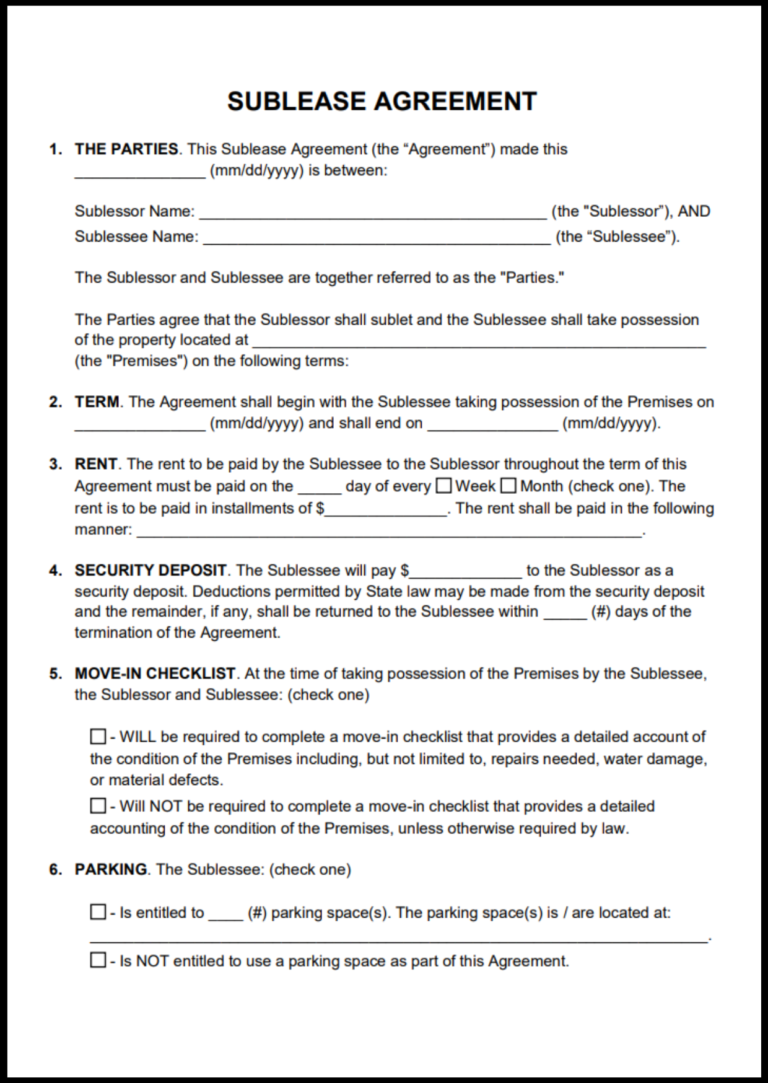
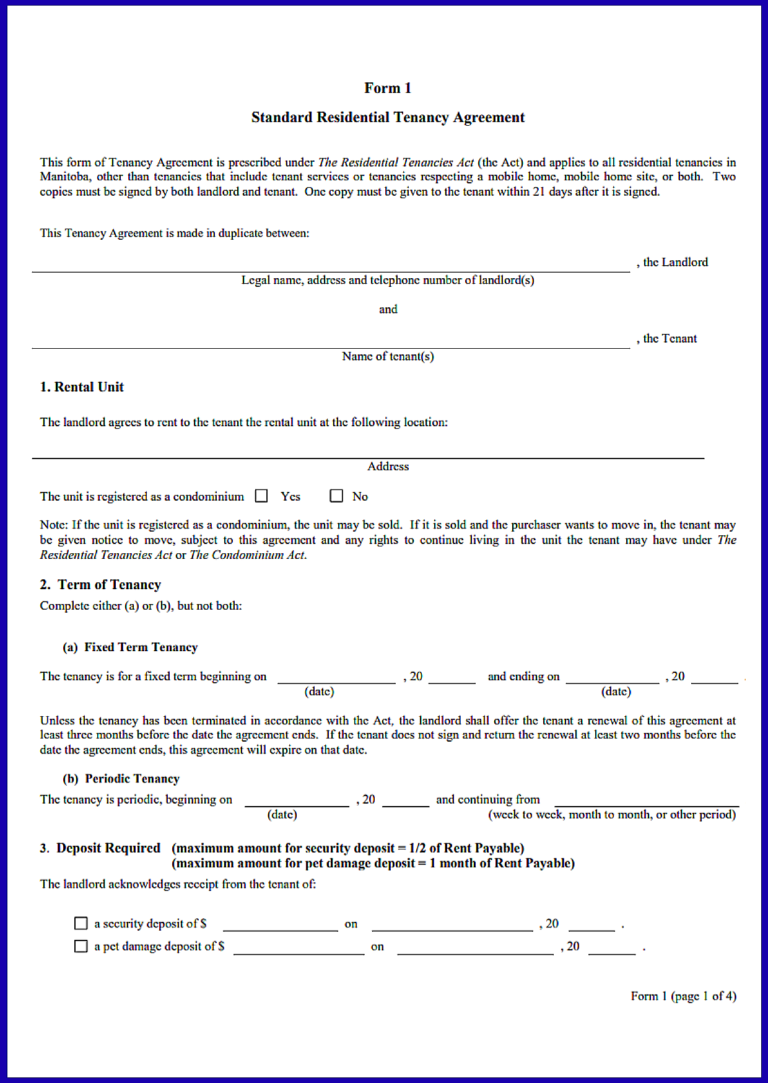
When creating a legally binding tenancy contract, it’s important to understand how it aligns with the official Ontario lease agreement format. You should also review a basic explanation of lease agreements in Ontario and ensure compliance with Ontario lease laws and regulations. Supporting documents like a rental application form and roommate agreement template can help structure the tenancy properly.
Key Sections Every Rental Application Must Include
Each section has a practical purpose. However, Ontario does not prescribe one universal rental-application form, so not every application must contain identical fields.
Personal Information
This information identifies the applicant and provides a way to communicate about the application.
Employment & Income Verification
Income information may help assess an applicant’s ability to meet the rent, but it must be collected and considered consistently with Ontario’s human-rights rules.
Rental History
Rental history can provide relevant information about an applicant’s previous tenancies, provided it is considered fairly and without discrimination.
References
References can provide additional information about an applicant’s rental history or reliability.
Consent Clause
An application can include appropriate authorization for credit checks and other permitted screening activities.
A useful application should collect relevant information without requesting unnecessary personal details.
How to Fill Out an Ontario Rental Application (Step-by-Step)
Follow this simple checklist:
Step 1: Fill accurate personal details
Make sure your name and contact information are correct.
Step 2: Provide proof of income
Provide reasonable income documentation if requested, such as pay stubs or an employment letter.
Step 3: Add reliable references
Choose references who can accurately confirm relevant information about your rental history or circumstances.
Step 4: Review before signing
Check for errors, missing information, and any unusual consent or disclosure provisions.
Step 5: Submit with documents
Provide only the supporting documents that are reasonably necessary for the screening process.
How Landlords Screen Tenants
Many tenants don’t know what happens after submission.
In Ontario, a landlord may consider screening information permitted by law, which can include:
- Credit information → Information obtained through an appropriate credit-check process
- Income information → Information considered in accordance with Ontario’s screening rules
- References → Relevant information provided by references
- Rental history → Relevant information about previous rental arrangements
What Landlords Look For
A landlord may consider:
- Relevant income information
- Relevant rental history
- Credit information
- References
Screening criteria should be applied consistently and must not be discriminatory.
Common Mistakes to Avoid (Applicants & Landlords)
Applicant Mistakes
- Providing false information
- Leaving important sections incomplete
- Providing inaccurate or unreliable references
- Submitting unnecessary personal information
Landlord Mistakes
- Asking discriminatory questions
- Using prohibited screening criteria
- Applying an arbitrary rent-to-income cutoff
- Requesting unnecessary personal information
- Failing to handle personal information appropriately
- Failing to keep appropriate records
The safest approach is to keep the application focused on information that is relevant to the tenancy and to apply lawful screening criteria consistently.
Can a Landlord Charge an Application Fee in Ontario?
Ontario generally prohibits landlords from charging prospective tenants a fee, premium, commission, bonus, penalty, key deposit, or similar amount in connection with a rental unit, subject to prescribed exceptions.
Section 134 of the Residential Tenancies Act is important here because it restricts the collection of prohibited charges from prospective or existing tenants.
Important Distinction
- Rent deposit → A lawful rent deposit may be required subject to the limits in RTA s. 106.
- Application fee → Generally prohibited under RTA s. 134, subject to the Act and prescribed exceptions.
If a landlord asks for a fee simply to submit a rental application, the applicant should ask what the payment is for and whether it is permitted under Ontario law.
Rental Application vs Lease Agreement (Key Differences)
| Feature | Rental Application |
Lease Agreement
|
| Purpose | Tenant screening |
Establishes the terms of the tenancy
|
| Binding? | Generally a screening document; legal effect depends on wording and circumstances |
Creates contractual tenancy obligations subject to the RTA
|
| Timing | Usually before a tenancy is finalized |
Used when entering into the tenancy
|
When a Rental Application Can Be Rejected (Legal Reasons)
A landlord may refuse an application based on legitimate, non-discriminatory screening criteria that are permitted under Ontario law.
Examples can include:
- Relevant adverse credit information
- Relevant rental-history information
- Insufficient information to complete lawful screening
- Incomplete application
However, discrimination is illegal. A landlord cannot reject an applicant because of a protected characteristic under Ontario’s Human Rights Code.
Income screening must also comply with Ontario’s specific rules. A landlord should not rely on an arbitrary rent-to-income ratio as the sole basis for refusing an applicant.
Frequently Asked Questions (FAQs)
Do I need a rental application in Ontario?
No. Ontario does not require every prospective tenant to complete a rental application. However, many landlords use applications to organize information during the screening process.
Is a rental application legally binding?
A rental application is generally used as a screening document rather than the final tenancy agreement. However, it should not automatically be described as having no legal effect. Its wording and the circumstances can matter, including where the parties have made commitments or exchanged money.
Can I refuse a credit check?
You can decline a credit check, but the landlord may consider the absence of credit information when applying lawful screening criteria. A landlord should obtain appropriate authorization before conducting the check.
How long does approval take?
There is no general Ontario statutory deadline requiring a landlord to approve or reject a rental application within a particular number of days. Processing time depends on the landlord and the screening process.
What documents should I attach?
A landlord may request reasonable supporting information, such as proof of income or references. Applicants should provide information that is relevant and reasonably necessary for the screening process rather than unnecessary personal information.