British Columbia Vendor Agreement Template (Free Guide)
A British Columbia Vendor Agreement is one of those documents people often ignore—until something goes wrong. Imagine hiring a vendor for supplies or services, and then facing late delivery, poor quality, or payment confusion. Without clear terms, it quickly turns into stress and loss.
Under British Columbia law, a vendor agreement helps both businesses and suppliers stay protected. It clearly sets expectations, payment terms, and legal responsibilities. This is especially important in BC because of local tax rules (like GST and PST), contract laws, and standard business practices.
I’ve seen vendor disputes in British Columbia escalate quickly when businesses rely on verbal promises or vague emails instead of a proper written agreement. In many cases, people come for help only after missed payments, delivery problems, or GST/PST misunderstandings have already affected their business relationships.
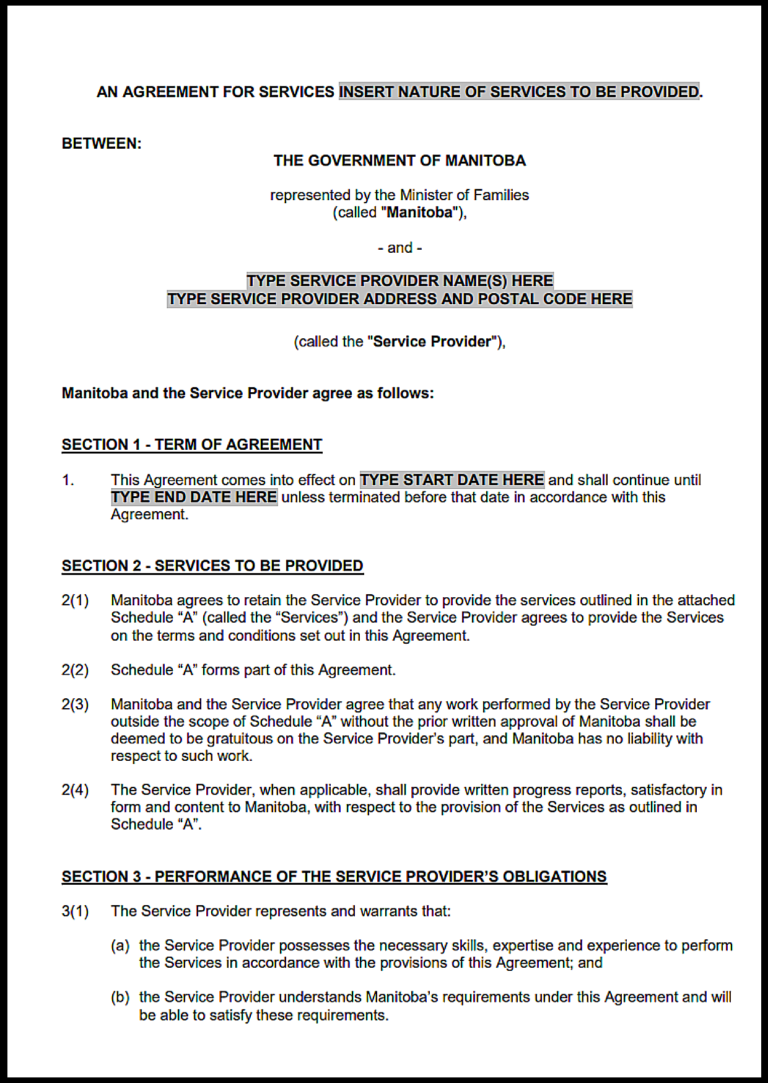
Free British Columbia Vendor Agreement Template
Below is a clean, fillable template you can copy and use. Always review it based on your situation before signing.
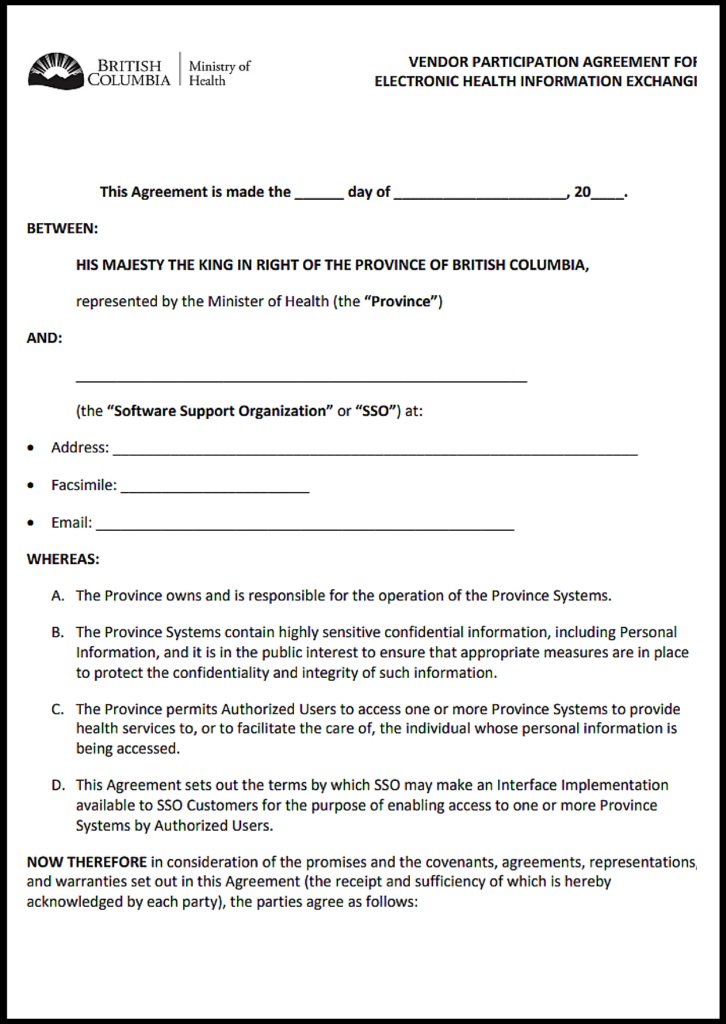
Tip: In most business contract situations, you should customize this template. Add details specific to your industry or transaction.
What Is a Vendor Agreement (And Why Businesses Need It)
A vendor agreement is a contract between a business and a supplier or service provider. It explains what is being provided, how much it costs, and what happens if something goes wrong.
This type of agreement is commonly used for:
- Buying goods (like inventory or raw materials)
- Hiring services (like catering, cleaning, or IT support)
- Long-term supply relationships
Real-life examples:
- An event planner hiring a decorator
- A retail shop ordering stock from a supplier
- A company outsourcing IT services
Verbal agreements may seem easy, but they are risky. If there is a dispute, it becomes difficult to prove what was agreed. A written contract gives clear evidence and legal protection.
When Should You Use a Vendor Agreement in British Columbia?
You should use a vendor agreement in almost every business transaction where money, goods, or services are involved.
Common situations include:
- Hiring a supplier for goods
- Outsourcing services like maintenance or catering
- Entering long-term vendor relationships
- Making one-time high-value purchases
- Working with a new or unknown vendor
In British Columbia, businesses are legally expected to follow contract terms once agreed. A clear agreement reduces misunderstandings and legal risk.
Businesses often combine vendor agreements with other operational contracts depending on the services being provided. Companies outsourcing professional work may also use a service agreement template, while partnership-based operations frequently rely on a partnership agreement.
Key Elements Every BC Vendor Agreement Must Include
A strong vendor agreement is not just about listing terms—it must clearly define responsibilities.
Clear Description of Goods or Services
Avoid vague wording like “general services.”
Instead, include:
- Exact products or services
- Quantity and specifications
- Quality expectations
Pricing and Payment Terms
Clearly define how and when payments will be made.
Include:
- Fixed or variable pricing
- Deposit requirements
- Payment milestones
- Late fees
Delivery Terms and Deadlines
State who is responsible for delivery and when it must happen.
Important points:
- Delivery dates
- Shipping method
- Risk during transit
Tax Responsibilities (GST/PST in BC)
British Columbia has both federal GST and provincial PST.
Make sure your contract states:
- Who charges taxes
- Who remits them to the government
Liability and Risk Allocation
This section protects both parties.
It should cover:
- Damaged goods
- Delays
- Defective services
Termination Conditions
Explain how the agreement can end.
Include:
- Breach of contract rules
- Notice period
- Immediate termination rights
Dispute Resolution
State how disputes will be handled.
Options include:
- Negotiation
- Mediation
- Court action
When suppliers or vendors receive access to confidential business information, parties sometimes include a confidentiality agreement to help protect pricing structures and internal records.
Is a Vendor Agreement Legally Valid in British Columbia?
Yes—vendor agreements are legally valid if they meet basic contract rules.
Under British Columbia law, a valid contract must include:
| Requirement | Meaning |
| Offer |
One party proposes terms
|
| Acceptance |
The other party agrees
|
| Consideration |
Something of value is exchanged
|
Written contracts are strongly recommended. While verbal agreements can be valid, they are harder to prove.
Electronic signatures are generally accepted in BC, especially for business contracts. What matters most is clarity and mutual agreement.
GST, PST, and Tax Rules Vendors Must Follow in BC
Taxes are often misunderstood in vendor agreements, but they are critical.
British Columbia uses:
- GST (Goods and Services Tax) – federal
- PST (Provincial Sales Tax) – provincial
Here’s a simple breakdown:
| Tax Type | Who Charges It | Applies To |
| GST | Vendor |
Most goods and services
|
| PST | Vendor |
Specific goods and services in BC
|
In most business contract situations:
- Vendors collect taxes
- Businesses pay them
However, the contract must clearly state this. If not defined, it can lead to disputes or penalties.
Common Mistakes to Avoid in Vendor Agreements
Even simple contracts can fail if key details are missing.
Avoid these common mistakes:
- Not clearly defining the scope of work
- Ignoring payment timelines
- Missing tax clauses
- No termination terms
- Using generic templates without editing
A small mistake can lead to major disputes later.
What Happens If There Is a Dispute?
Vendor disputes are common in business.
Typical issues include:
- Late delivery
- Poor quality goods
- Payment disagreements
A written agreement helps resolve these issues quickly. It acts as proof of what was agreed.
If a dispute occurs, options include:
- Negotiation between parties
- Mediation (neutral third party)
- Legal action in court
Under British Columbia law, courts will rely heavily on the written contract.
How to Fill Out and Use This Template (Step-by-Step)
Using the template correctly is just as important as having one.
Step 1: Add accurate party details
Include full legal names and addresses
Step 2: Clearly define goods/services
Avoid vague descriptions
Step 3: Set payment and tax terms
Be specific about amounts and taxes
Step 4: Review delivery and deadlines
Ensure timelines are realistic
Step 5: Sign and keep copies
Each party should keep a signed version
Tip: Always review the agreement before signing. If the deal is complex, consider legal advice.
Vendor vs Contractor vs Supplier – What’s the Difference?
These terms are often confused, but they are not the same.
| Role | Meaning |
| Vendor |
Provides goods or services
|
| Contractor |
Hired for specific work or project
|
| Supplier |
Mainly provides goods
|
Choosing the correct agreement matters because each relationship has different legal expectations.
Frequently Asked Questions
Do I need a vendor agreement for small purchases?
Not always, but it is recommended. Even small misunderstandings can create problems.
Can I create my own vendor agreement?
Yes, but it must include key legal elements like payment terms, scope, and liability.
Is a digital signature valid in BC?
Yes, electronic signatures are generally accepted for business contracts.
Who pays GST/PST in a vendor agreement?
It depends on the contract. Usually, the vendor collects and the client pays.
Can I cancel a vendor agreement anytime?
Only if the contract allows it. Otherwise, ending it early may lead to legal consequences.