British Columbia Roommate Agreement Template Free
Rent issues between roommates in British Columbia usually start with small misunderstandings that turn expensive later. I once helped a Burnaby tenant who ended up paying the entire rent alone after his roommate moved out suddenly without any written agreement. A British Columbia Roommate Agreement sets clear rules for people sharing a rental home, including rent payments, utilities, guests, deposits, and move-out notice.
In B.C., the Residential Tenancy Act does not automatically give roommates the same protections as tenants listed on the lease, which surprises a lot of people the first time they share housing. This document is commonly used by students, friends, couples, and tenants adding a roommate to help manage high rental costs.
Free British Columbia Roommate Agreement Template
Below is a simple and practical template you can copy and use. Fill it according to your situation.
British Columbia Roommate Agreement Laws and Legal Limits
| Topic / Issue | British Columbia Legal Rule | Governing Statute |
|---|---|---|
| Governing legislation | Roommate agreements may fall under the Residential Tenancy Act or general contract law depending on the living arrangement. | Residential Tenancy Act [SBC 2002] c. 78; Civil Resolution Tribunal Act [SBC 2012] c. 25 |
| Federal law | There is no federal statute specifically governing ordinary roommate agreements in British Columbia, although other federal laws may apply to particular circumstances. | No federal statute specifically applies |
| 2021 and 2024 amendments | Flag for manual attorney check before publication. | Residential Tenancy Act amendments |
| Who can sign | A person should have the legal capacity to enter the particular agreement. The Residential Tenancy Act also expressly permits a person under 19 to enter into a tenancy agreement. | Residential Tenancy Act, s. 3 |
| Occupant vs tenant distinction | Whether a roommate is legally a tenant or an occupant depends on the actual living arrangement and the rights created by the agreement; the parties cannot establish legal status simply by choosing a label. | Residential Tenancy Act, s. 1 (“tenant”) |
| Witness requirement | Flag for manual attorney check before publication. | — |
| Notarization | Flag for manual attorney check before publication. | — |
| Age requirement | British Columbia’s general age of majority is 19, but the Residential Tenancy Act expressly allows a person under 19 to enter into a tenancy agreement. The enforceability of other contracts involving minors is governed in part by the Infants Act. | Age of Majority Act, s. 1; Infants Act, s. 19 |
| Mental capacity | Adults are generally presumed capable of making decisions about their legal and financial affairs unless the contrary is demonstrated. Contractual capacity may also depend on the applicable law and circumstances. | Adult Guardianship Act, s. 3 |
| Time limit for claims | The basic limitation period for a court proceeding is generally 2 years from the day the claim is discovered, subject to the exceptions and other rules in the Limitation Act. | Limitation Act, s. 6 |
| Mandatory wording | There is no government-required wording for roommate agreements. | Common law principles |
| Filing requirement | A private roommate agreement does not ordinarily need to be filed with the Residential Tenancy Branch merely because it is signed. The appropriate dispute-resolution forum depends on the legal relationship and the nature of the dispute. | Civil contract principles |
| Small dispute handling | Many roommate disputes involving debt or damages of $5,000 or less can be brought through the Civil Resolution Tribunal, depending on the tribunal’s jurisdiction. | Civil Resolution Tribunal Act |
| Conflict with head lease | A roommate agreement does not automatically change the rights and obligations created by the main tenancy agreement. Roommates should check the head tenancy agreement and applicable tenancy law before adding occupants or changing the living arrangement. | Residential Tenancy Act |
| Attempting to opt out of tenancy law | A contractual term cannot be used to contract out of the Residential Tenancy Act where the Act applies. | Residential Tenancy Act, s. 5 |
| Minor signing risks | Contracts made by minors are subject to the Infants Act. Section 19 sets out circumstances in which a contract made by an infant is enforceable against the infant. | Infants Act, s. 19 |
| Owner-sharing exclusion | The Residential Tenancy Act does not apply to living accommodation in which the tenant shares bathroom or kitchen facilities with the owner of the accommodation. | Residential Tenancy Act, s. 4(c) |
| CRT dispute system | Many roommate disputes in BC can be resolved through the Civil Resolution Tribunal or the court system, depending on the nature of the dispute and the amount claimed. | Civil Resolution Tribunal Act |
A key issue in a BC roommate arrangement is whether each person is legally a tenant or an occupant. That status is not created simply by choosing a label in the agreement. The actual living arrangement and the rights created between the parties matter.
The roommate agreement should also be checked against the main tenancy agreement. If the head tenancy contains restrictions on occupants, pets, or other use of the rental unit, a private agreement between roommates does not automatically change those obligations.
The owner-sharing exclusion is particularly important in BC. The Residential Tenancy Act does not apply to living accommodation where the tenant shares bathroom or kitchen facilities with the owner. Depending on the dispute, the parties may instead need to rely on their agreement, common law, the CRT, or the courts.
Relying on informal arrangements can make later disputes harder to resolve, especially when rent, shared expenses, or moving-out responsibilities were never recorded. The free British Columbia Roommate Agreement template can help the roommates put those arrangements in writing.
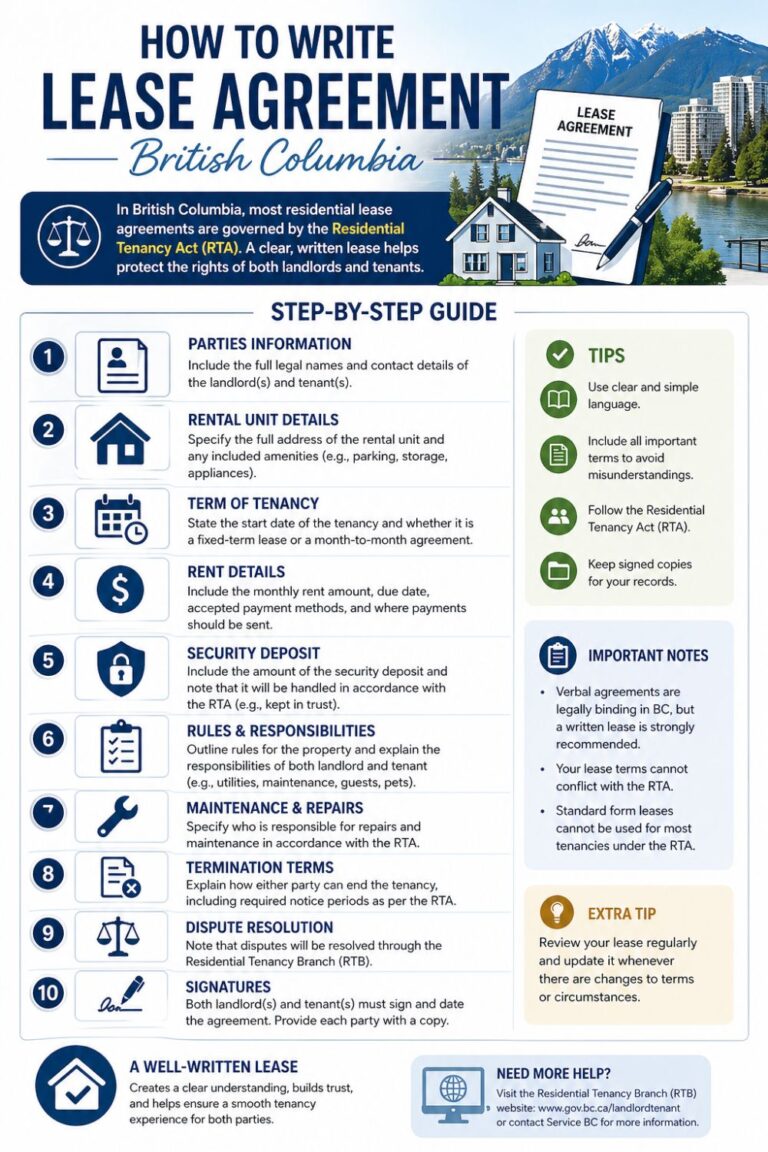
Shared living arrangements can become much easier to manage when each occupant clearly understands their financial and household responsibilities from the beginning. Many tenants using this document also review the British Columbia rental agreement guide to better understand how the primary tenancy is structured with the landlord.
What Is a Roommate Agreement in British Columbia?
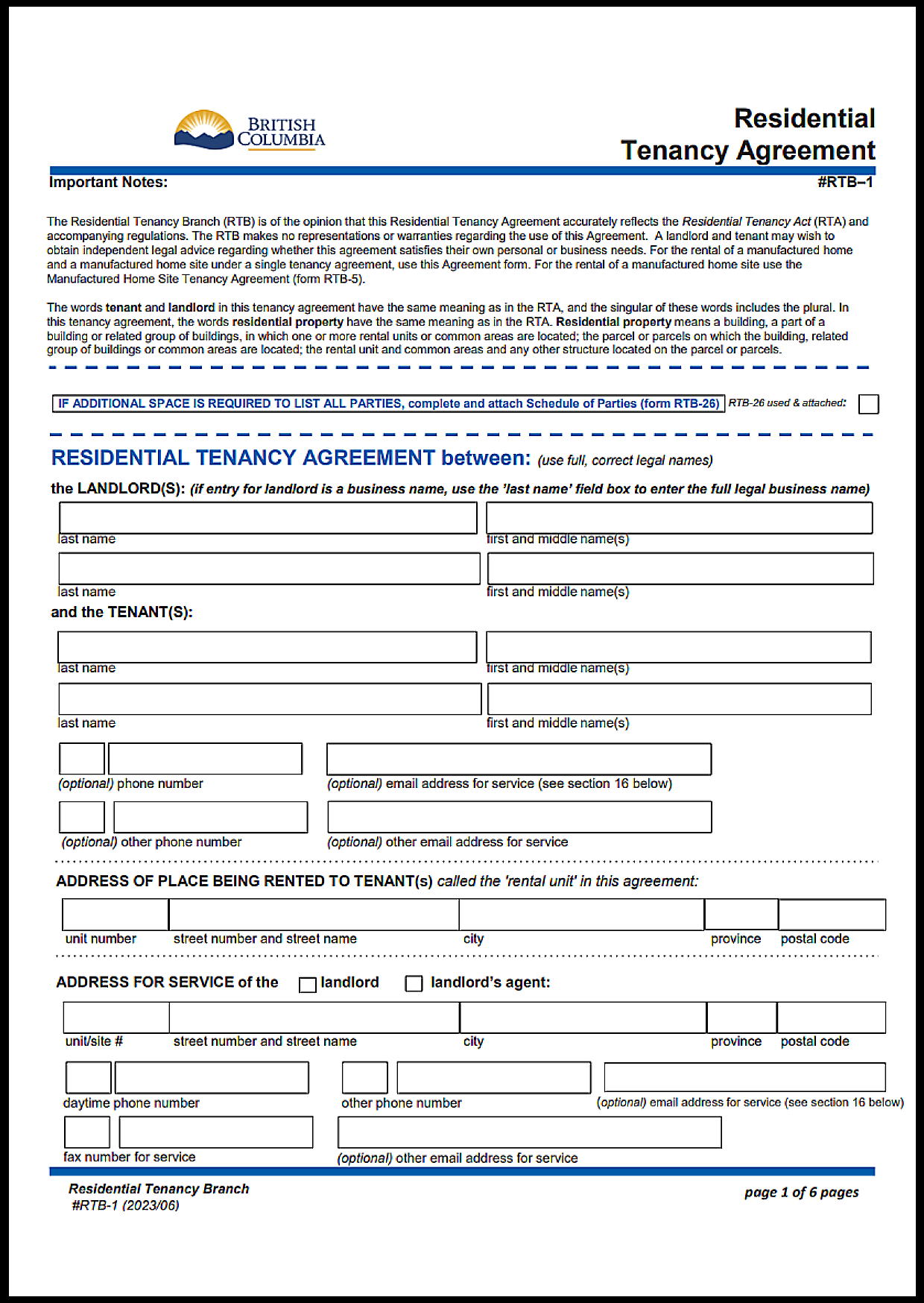
A roommate agreement is different from a lease agreement. It is only between the people living together, not between tenant and landlord.
A person’s legal status does not depend only on whether their name appears on the lease. The actual arrangement and the rights created between the parties matter when determining whether someone is a tenant or an occupant. For example, three students may share one apartment. Either all are on the lease, or one tenant rents rooms to others.
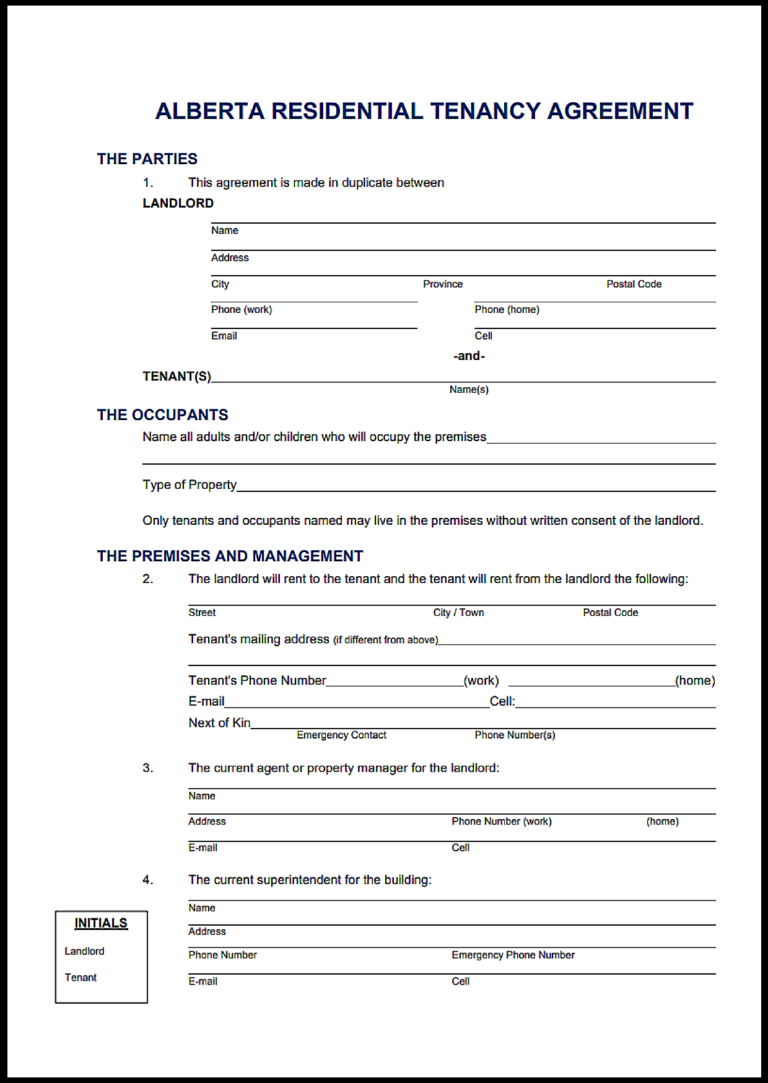
In most cases, the landlord is not part of this agreement. It only controls how roommates manage rent, bills, and house rules. For full legal rental terms, you can also check a British Columbia lease agreement template.
Is a Roommate Agreement Legally Valid in BC?
A roommate agreement may form a binding private contract when the parties have agreed to its terms and the agreement is otherwise enforceable. Its legal effect also depends on whether the parties are in a landlord-tenant relationship or are simply roommates.
However, its effect depends on the parties’ legal relationship. A private roommate agreement cannot contract out of the Residential Tenancy Act where that Act applies, and it does not automatically change the rights created by the main tenancy agreement.
Important points:
- It does not replace the lease agreement
- It cannot remove tenant rights given by law
- It mainly works as a civil agreement between roommates
In most cases, it can be used to solve money disputes, but the appropriate legal forum depends on the nature of the dispute and the parties’ relationship.
This type of agreement is especially useful when multiple tenants split rent, utilities, groceries, or shared spaces within the same property. In situations where one occupant temporarily leaves the unit, tenants may also create a sublease arrangement for replacement occupants to keep the tenancy running smoothly.
When Should You Use a Roommate Agreement?
The best time to make the agreement is before the roommate moves in. It is especially useful when the occupants will share rent, utilities, household expenses, furnishings, or responsibility for damage.
Common situations include:
- Moving in with friends
- Sharing rent to save money
- Replacing a roommate during a lease
- Living with unknown people
For example, if one person pays all bills and others delay payments, problems can happen. A written agreement clearly sets responsibilities and avoids confusion.
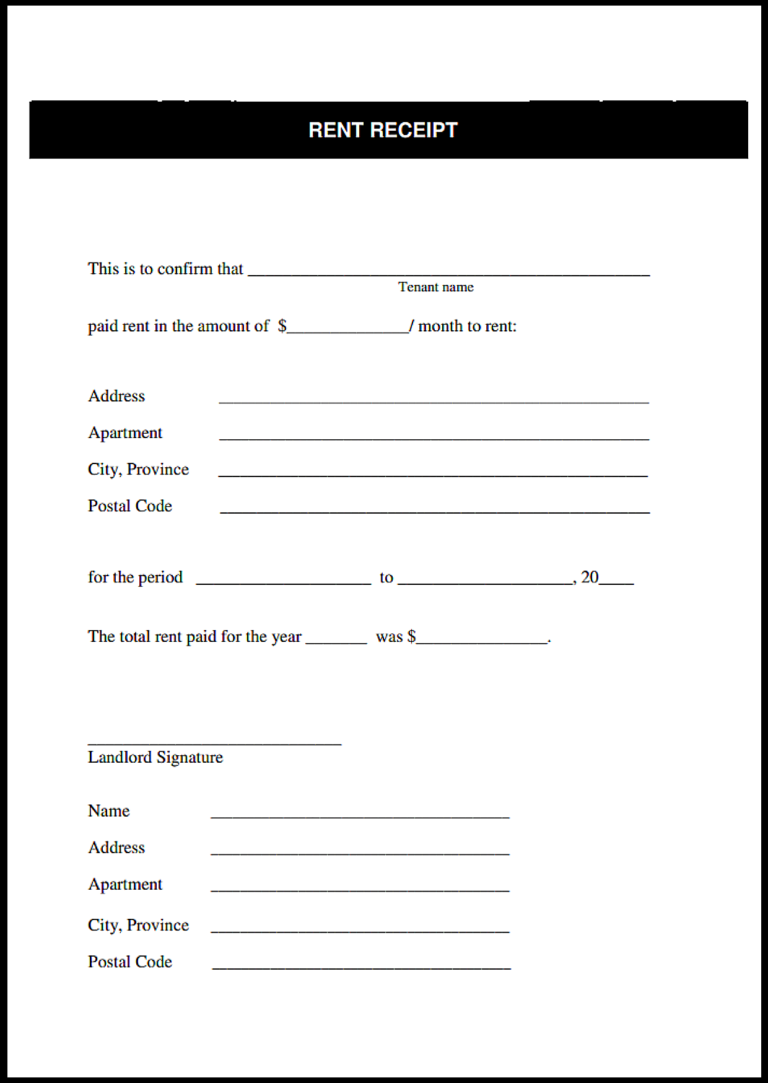
Roommate arrangements sometimes continue after the original lease term expires, particularly in shared student or urban housing situations. Tenants may then shift into a more flexible month-to-month rental setup while continuing to document payments through a written rent receipt record.
Key Clauses Every BC Roommate Agreement
A good roommate agreement must include some important clauses. These clauses help avoid most common disputes.
Rent Sharing and Payment Rules
This section explains how rent is divided. It can be equal or based on room size. It should clearly mention payment dates and what happens if someone pays late.
- Equal split or percentage split
- Fixed due date
- Late payment rules
Utilities and Monthly Expenses
Utility bills should be divided clearly. You can split them equally or based on usage. It is helpful to track payments using apps or shared records.
- Electricity, internet, water
- Equal or usage-based sharing
- Monthly tracking system
Security Deposit Responsibility
In British Columbia, the landlord usually holds the deposit. But roommates must agree on how much each person paid and how it will be returned.
- Contribution per roommate
- How deductions are shared
- Clear refund rules
House Rules and Lifestyle Expectations
This section helps avoid daily conflicts. It sets clear expectations for everyone living in the house.
- Cleaning schedules
- Quiet hours
- Guest rules
- Smoking or alcohol rules
Exit and Replacement Terms
This clause explains what happens when someone moves out. It protects other roommates from sudden financial pressure.
- Notice period (usually 30 days)
- Replacement roommate process
- Approval rules
Common Disputes Between Roommates (And How This Agreement Helps)
Many roommate problems are common and predictable. These include late rent, messy spaces, and disagreements over bills or guests.
A written agreement gives the roommates a record of what they agreed about rent, bills, guests, cleaning, and shared property. If a dispute later reaches the CRT or a court, those written terms can help establish what the parties agreed.
Common issues:
- Late rent payments
- Cleaning conflicts
- Long-term guests
- Utility bill disagreements
Legal Risks and Mistakes to Avoid
Many people make simple mistakes that create bigger problems later. These mistakes can make the agreement less useful.
- Not writing the agreement
- Ignoring lease terms
- Unequal deposits without proof
- Verbal agreements
- Not updating after roommate changes
A verbal arrangement can have legal consequences, but written terms make the parties’ obligations easier to establish and prove if a dispute arises.
Roommate Agreement vs Lease Agreement
| Feature | Roommate Agreement |
Lease Agreement
|
| Parties | Between roommates |
Tenant & landlord
|
| Legal effect | Depends on the parties’ relationship and agreement |
Governed by the applicable tenancy law and agreement
|
| Covers | Internal rules |
Full tenancy terms
|
| Enforced by | Civil contract |
Applicable tenancy law or other applicable legal process
|
This table shows that both agreements serve different purposes. You may need both for full protection.
How to Fill Out the Roommate Agreement (Step-by-Step)
Filling the agreement is simple, but it must be done carefully. Each detail should be clear and agreed by all roommates.
Step 1: Add names and property details clearly
Step 2: Divide rent and bills properly
Step 3: Set clear house rules
Step 4: Sign the agreement and keep copies
Step 5: Review and update when needed
Tips for a Smooth Roommate Experience
A roommate agreement works best when it deals with the issues most likely to cause conflict: rent, utilities, shared property, guests, cleaning, damage, and notice before moving out.
- Communicate openly
- Keep payments clear
- Respect shared spaces
- Update agreement when needed
A good agreement works best when people follow it honestly.
FAQs
Is a roommate agreement legally binding in BC?
A roommate agreement can form a binding private contract when it is properly agreed to and otherwise enforceable. Its effect depends on the parties’ relationship and does not override the Residential Tenancy Act where that Act applies.
Can a roommate be evicted using this agreement?
A roommate agreement does not itself create a Residential Tenancy Branch eviction process. Whether a person can be required to leave depends on their legal status, the tenancy arrangement, the agreement, and the applicable law.
Do all roommates need to sign?
All roommates who are intended to be bound by the agreement should sign it. Having each person’s signature provides clearer evidence that everyone agreed to the terms.
Can the agreement be changed later?
Yes, the roommates can change the agreement if all affected parties agree to the changes. Putting the updated terms in writing and having the parties sign the revised agreement helps create a clear record.