Manitoba Lease Agreement Explained: Rules, Terms & Free Template
A Manitoba Lease Agreement does much more than record the monthly rent—it establishes the terms that often determine how a dispute will be resolved months or even years later. Under Manitoba’s Residential Tenancies Act, tenancy agreements are expected to contain prescribed information, yet many landlords still rely on generic lease forms that overlook requirements specific to the province.
In practice, I’ve seen disagreements over renewal rights, included services, and deposit arrangements reach the Residential Tenancies Branch because the original agreement didn’t clearly capture what the parties intended. When that happens, a missing clause or incomplete form can carry far more weight than most people expect.
This page explains the Manitoba lease form requirements, key terms to include, provincial rules that affect residential tenancies, and how to create an agreement that reflects Manitoba law from the start.
Free Manitoba Lease Agreement Template
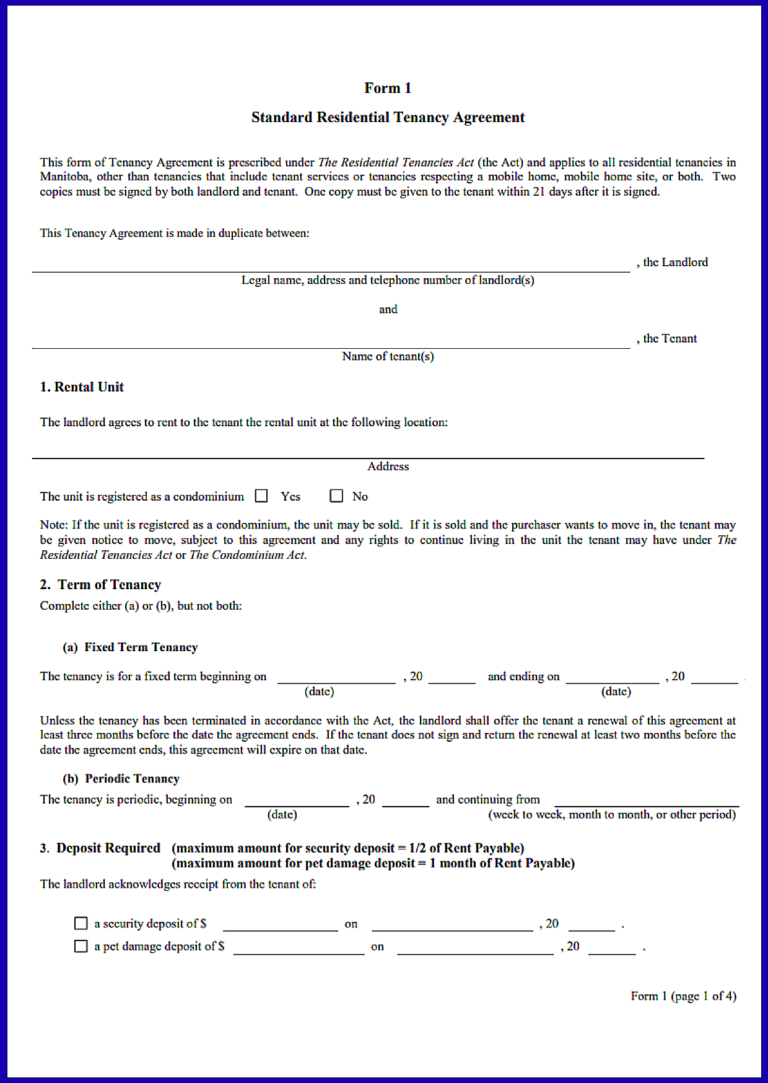
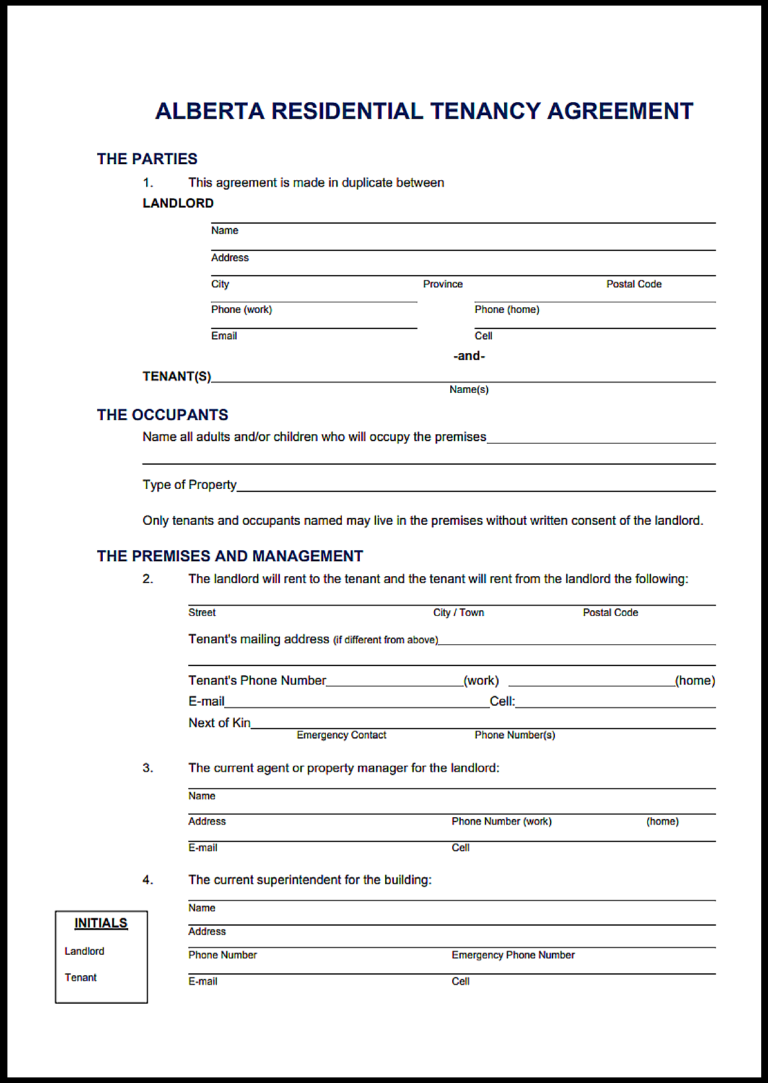
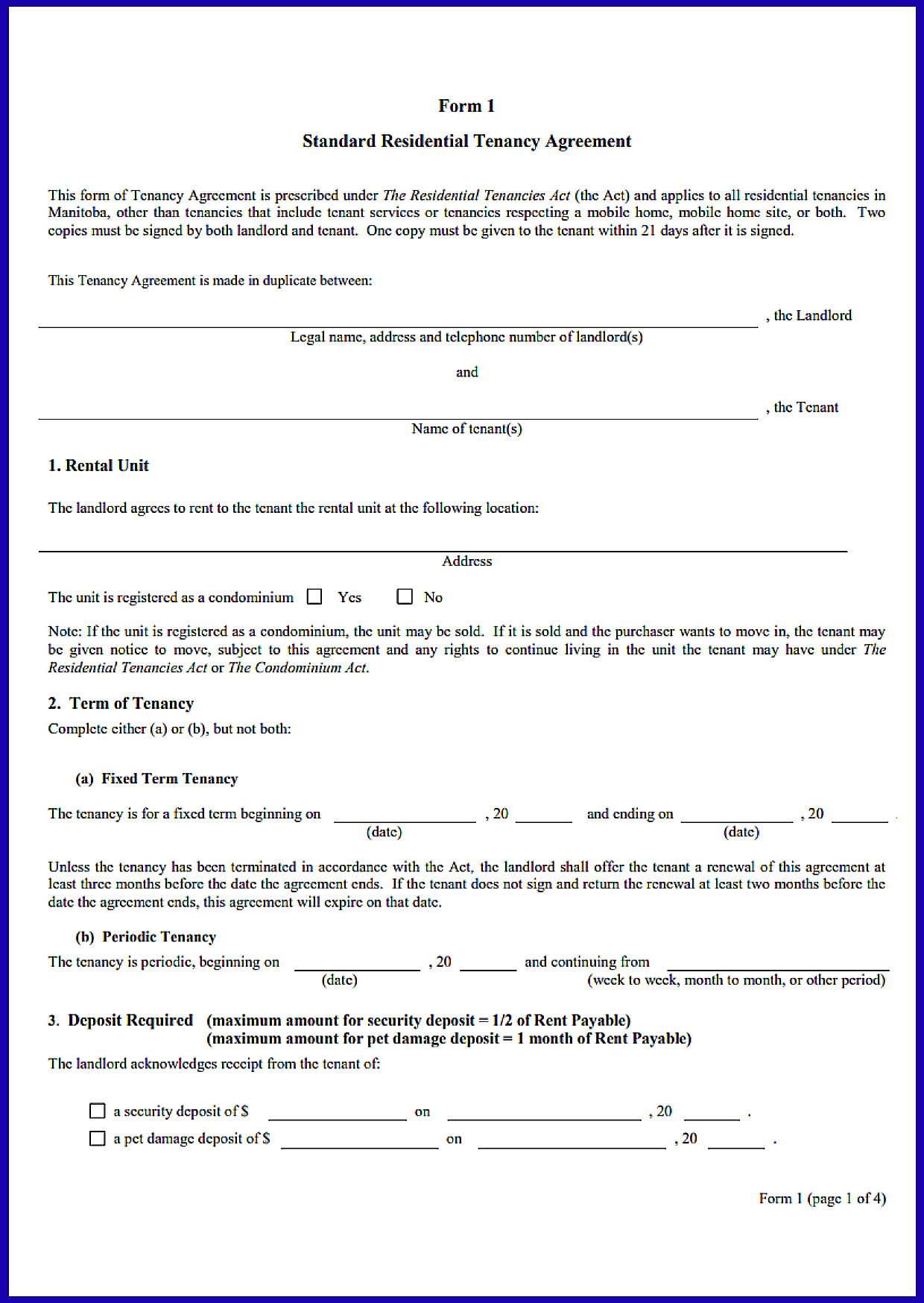
Below is a simple version of a Manitoba lease agreement based on the required structure. It is designed for common residential rentals like apartments, houses, basement suites, and condos.
Types of Lease Agreements in Manitoba
Different rental situations require different agreements. Here are the main types used in Manitoba:
Fixed-Term Lease Agreement
This lease has a clear start and end date (for example, 1 year).
It is common for apartments and long-term rentals.
Best for stable housing with predictable rent.
Month-to-Month Rental Agreement
This is a flexible agreement with no fixed end date.
It continues until either party gives proper notice.
Useful for short-term or flexible living situations.
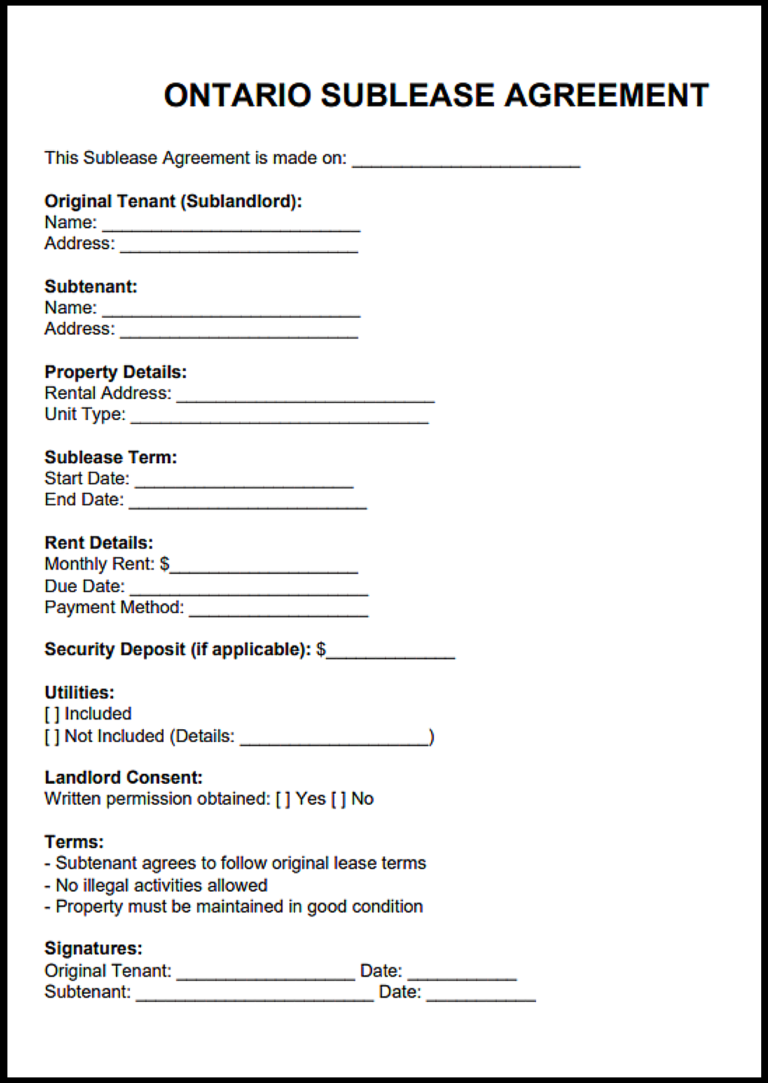
Sublease Agreement
A tenant rents the unit to another person temporarily.
Important: The landlord must approve this.
Subletting means the original tenant returns later, while assignment means they leave permanently.
Room Rental Agreement
Used when renting one bedroom in a shared home.
Covers shared areas like kitchen and bathroom.
Common for students or shared housing.
Roommate Agreement
This is not between landlord and tenant.
It is between roommates to divide rent, bills, and chores.
Helps avoid conflicts.
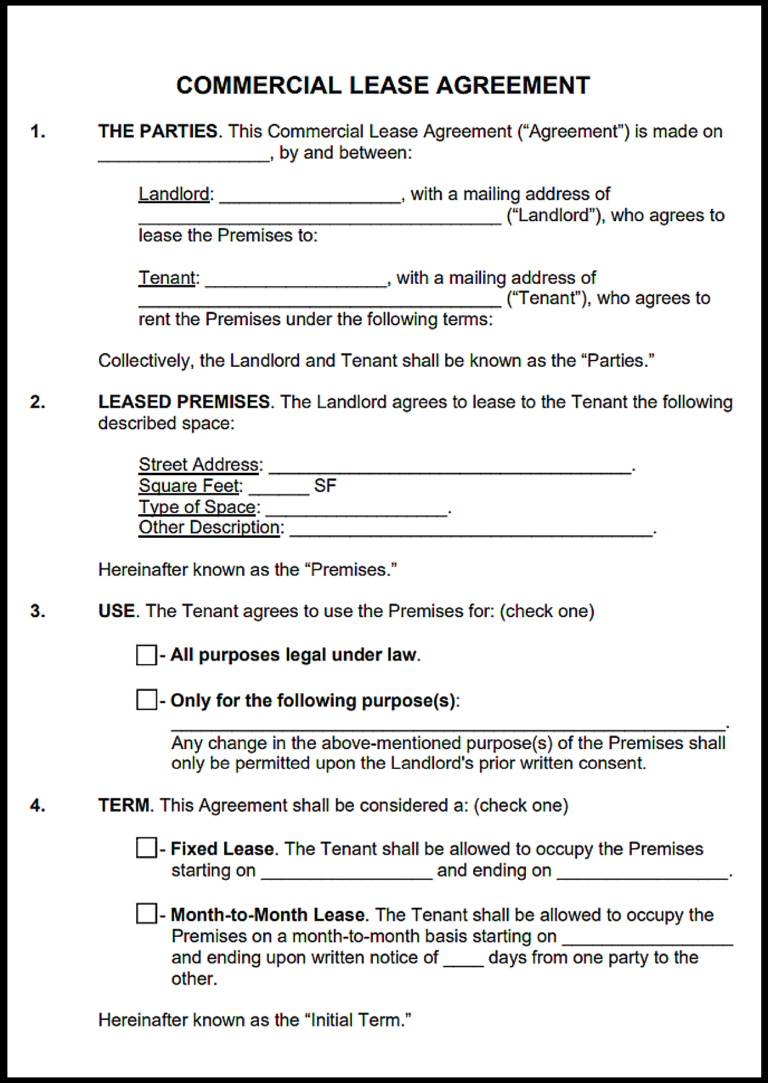
Commercial Lease Agreement
Used for business properties.
Residential tenancy laws usually do not apply here.
Different legal rules apply.
Condominium Lease Agreement
Used for condo rentals.
The lease must clearly state the unit is a condominium.
Condo bylaws and rules may also apply.
Lease Renewal Agreement
Used when extending an existing lease.
Helps update rent, term, or conditions.
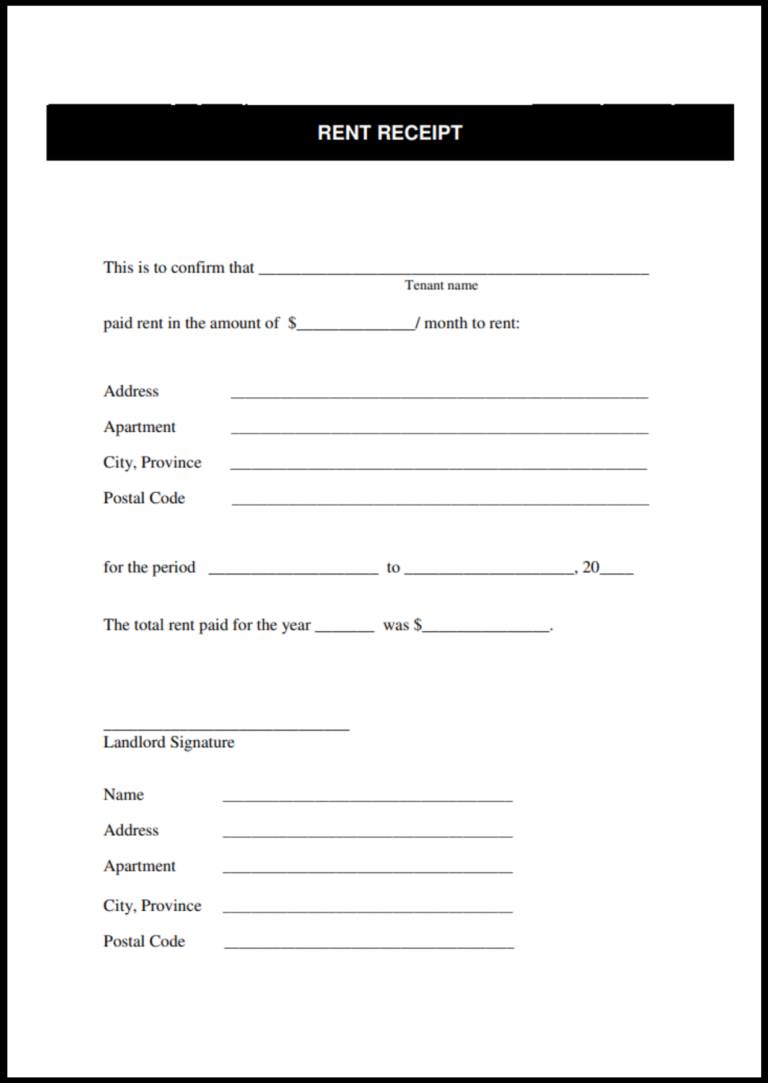
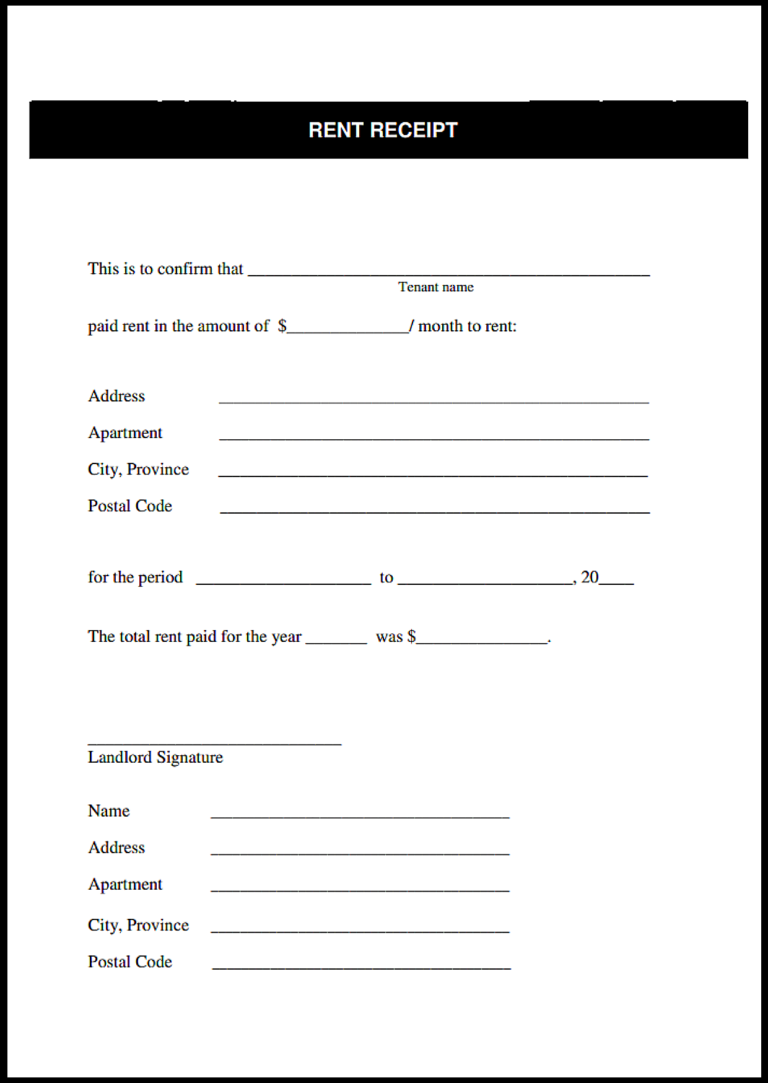
This type of rental contract is often used together with a Manitoba rental agreement form during tenant screening, while ongoing tenancy records are commonly supported by a Manitoba rent receipt template.
Real-Life Situations Where Manitoba Lease Agreements Are Used
Renting an Apartment in Winnipeg
A landlord signs a fixed-term lease with a tenant.
They collect a security deposit (max half a month’s rent).
Parking and laundry charges must be clearly listed.
Students Sharing a Rental Home
Students sign a main lease and also create a roommate agreement.
Utilities are split between them.
House rules help manage noise and guests.
Renting a Basement Suite to a Relative
Even for family, a written lease is important.
It clearly defines rent, utilities, and responsibilities.
This avoids future misunderstandings.
Temporary Relocation or Work Assignments
A tenant sublets the property while away.
The landlord must approve the subtenant.
This keeps the original lease valid.
Renting Out a Condominium Unit
The lease must include condo disclosure.
Tenants must follow building rules and bylaws.
In shared housing situations, landlords and tenants may also benefit from using a Manitoba roommate agreement to clarify financial responsibilities and occupancy arrangements.
Key Elements of a Valid Manitoba Lease Agreement
Names of All Parties
The full legal names of landlord and tenants must be included.
All adult occupants should be listed.
Rental Property Description
Include:
- Full address
- Unit number
- Parking or storage details
Rent Details and Payment Terms
Clearly state:
- Monthly rent
- Due date
- Accepted payment methods
- Separate charges (parking, laundry)
Security and Pet Deposits
Under Manitoba law:
- Security deposit = max half month’s rent
- Pet deposit = max half month’s rent
- Total deposits cannot exceed one full month’s rent
Lease Term Information
Mention:
- Fixed-term or month-to-month
- Move-in date
- Renewal expectations
Utility and Maintenance Responsibilities
Clearly define who pays for:
- Heat
- Water
- Electricity
- Snow removal
- Lawn care
Rules About Pets, Smoking, and Guests
Pet rules must be included in the original lease.
“No pets” clauses are allowed if stated upfront.
Entry and Privacy Rules
Landlords must give 24 hours’ notice before entering.
Emergency entry is allowed without notice.
Assignment and Subletting Rights
Tenants can sublet or assign with landlord consent.
Landlords cannot unreasonably refuse.
Signatures and Dates
Both landlord and tenant must sign.
No notary is required.
How to Create or Complete a Manitoba Lease Agreement
Choose the Correct Lease Type
Match the agreement to your situation (fixed-term, sublease, etc.).
Use Manitoba’s Required Standard Form
Under Manitoba law, you must use the official lease format.
Custom agreements are not allowed for most rentals.
Add Property and Tenant Information
Fill all details carefully.
Incomplete information can cause disputes later.
Review Deposit and Rent Rules
Make sure:
- Deposits are within legal limits
- No illegal fees are added
Discuss Special Terms Before Signing
Talk about:
- Pets
- Parking
- Utilities
- Shared spaces
Sign and Share Copies
Both parties should keep a signed copy.
Store it safely for future reference.
Manitoba Lease Laws Every Landlord and Tenant Should Know
Manitoba has strict rental laws. Even if something is not written in the lease, the law still applies.
The Residential Tenancies Branch (Manitoba) (RTB) handles disputes and enforces rules.
Manitoba’s Mandatory Standard Lease Rule
Under Manitoba law, all residential leases must follow the official form.
If not, parts of the agreement may become invalid.
Deposit Limits and Tenant Protections
- Security deposit: max ½ month’s rent
- Pet deposit: max ½ month’s rent
- Total deposits: max 1 month’s rent
Rules About Rent Increases
Rent increases must follow the annual guideline.
For example, the 2026 guideline is around 1.8%.
Landlord Entry Rules
- 24-hour written notice required
- Emergency entry allowed without notice
Illegal Charges and Prohibited Clauses
| Prohibited Action |
What the Law Says
|
| Application fees | Not allowed |
| Post-dated cheques |
Cannot be required
|
| Excessive deposits | Illegal |
| Entry without notice | Not allowed |
| Custom lease terms overriding law | Void |
Violations can lead to penalties of up to $10,000.
Common Mistakes in Manitoba Lease Agreements
Using a Generic Canadian Lease Instead of Manitoba’s Form
This is a major mistake.
Manitoba requires its own standard lease format.
Charging Illegal Fees
Landlords cannot charge:
- Application fees
- Extra deposits
- Excessive late fees
Forgetting Condo Disclosure Language
Condo rentals must clearly state the unit is a condominium.
Missing this can create legal issues.
Leaving Utility Responsibilities Unclear
Unclear terms often lead to disputes over bills.
Ignoring Subletting Rules
Landlords must not unreasonably refuse sublet requests.
Not Listing All Occupants
This can cause problems with liability and enforcement.
Adding Unenforceable Clauses
Examples include:
- No-entry notice clauses
- Mandatory payment methods
- Waiving tenant rights
Choosing the Right Manitoba Lease Agreement
If You Want Long-Term Stability
→ Use a Fixed-Term Lease Agreement
If Flexibility Is More Important
→ Use a Month-to-Month Agreement
If a Tenant Is Leaving Temporarily
→ Use a Sublease Agreement
If Several People Share One Home
→ Add a Roommate Agreement
If Renting a Single Bedroom
→ Use a Room Rental Agreement
If the Property Is Used for Business
→ Use a Commercial Lease Agreement
If Renting a Condo Unit
→ Use a Condominium Lease Agreement
FAQs About Manitoba Lease Agreements
Is a written lease required in Manitoba?
Not always, but it is strongly recommended. Written leases provide clear proof and protection.
Does Manitoba require a standard lease form?
Yes. Most residential leases must use the official standard form.
How much can a landlord charge for a security deposit?
Maximum is half of one month’s rent.
Can landlords charge rental application fees?
No. This is illegal under Manitoba law.
Are verbal rental agreements enforceable?
Yes, but they are harder to prove and not recommended.
Can a tenant sublet a rental unit in Manitoba?
Yes, with landlord consent. It cannot be unreasonably refused.
What happens if a lease contains illegal terms?
Those terms are not enforceable and may lead to penalties.
Can a landlord require post-dated cheques?
No. This is not allowed.
Do condo rentals require special disclosures?
Yes. The lease must clearly state the unit is a condominium.
Can a minor sign a lease agreement in Manitoba?
Yes, for housing (considered a necessity), but a guarantor is often required.
Legal Disclaimer
This content is for informational and educational purposes only.
It is not legal advice.
Laws may change over time. Always consult:
- Manitoba Residential Tenancies Branch
- A licensed Manitoba lawyer
- A qualified housing professional
Review the latest Manitoba regulations before signing any lease agreement.