Free British Columbia Rental Agreement Template & Guide
British Columbia Rental Agreement is the first step before renting any property in BC. It helps both landlord and tenant stay clear about rules, payments, and responsibilities. Without it, small misunderstandings can quickly turn into big disputes.
I have seen many British Columbia rental disputes start because people relied on verbal promises or copied old agreements that did not follow BC tenancy rules. When tenants or landlords come to me after problems already begin, the missing details in the agreement usually make the situation far more stressful and expensive to fix.
A rental agreement in British Columbia is more than just a form—it protects both sides legally and practically. Whether you are renting out a basement suite or moving into your first apartment, having everything written clearly makes life easier.
Under the Residential Tenancy Act, landlords and tenants must follow certain rules. This guide explains everything in simple English so even a beginner can understand and use it properly.
Last Updated: August 2026
Table of Contents
ToggleFree British Columbia Rental Agreement Template
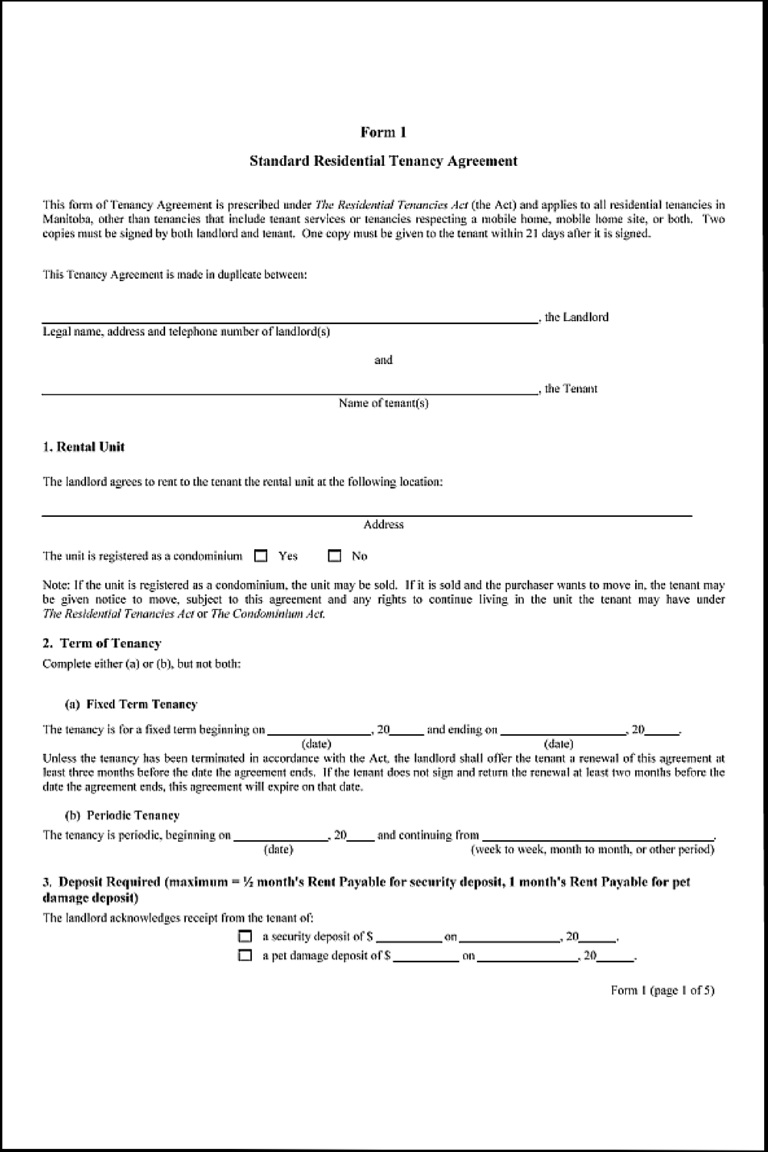
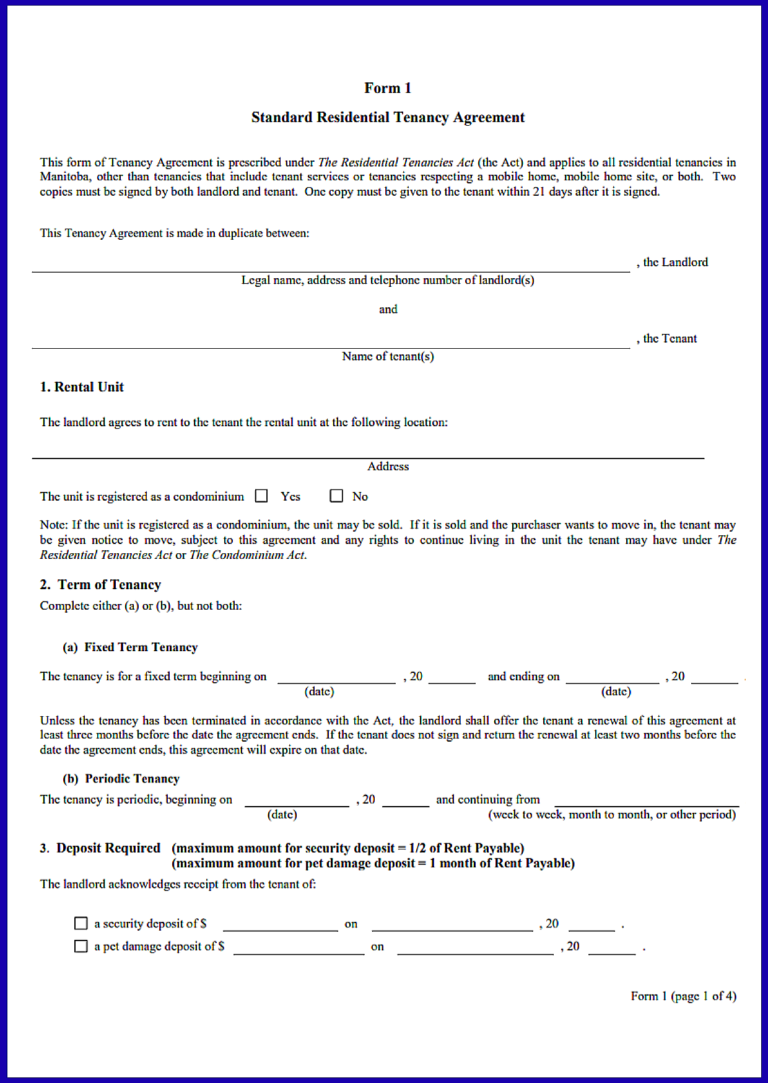
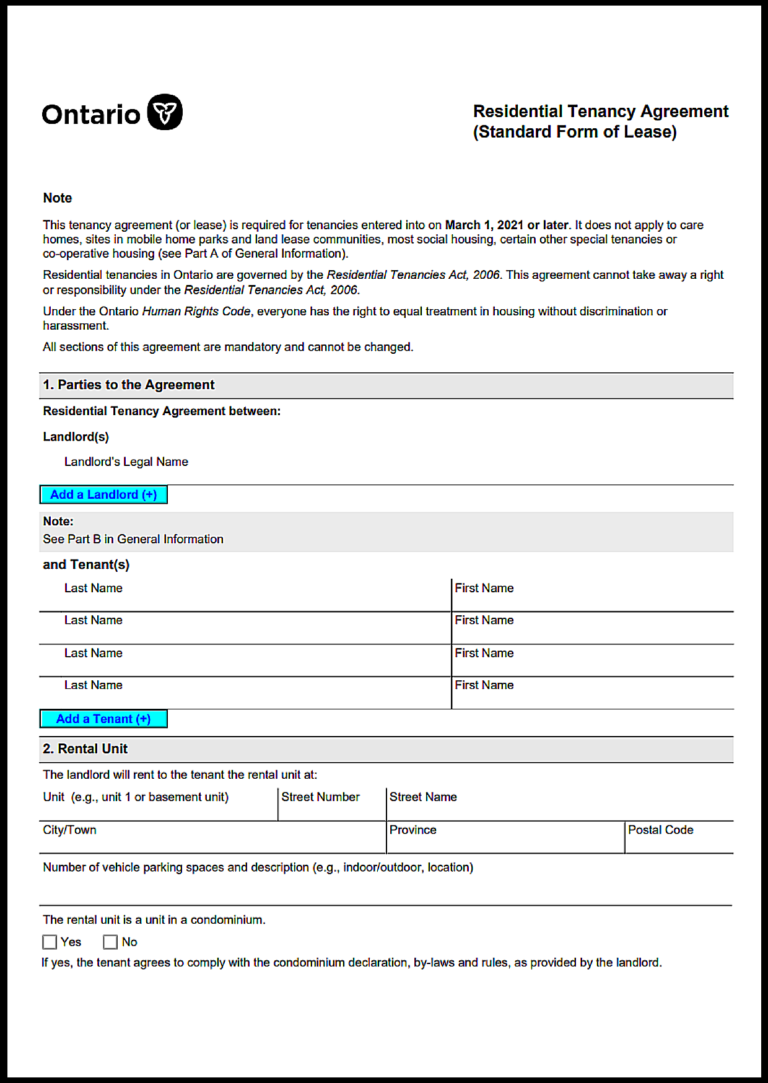
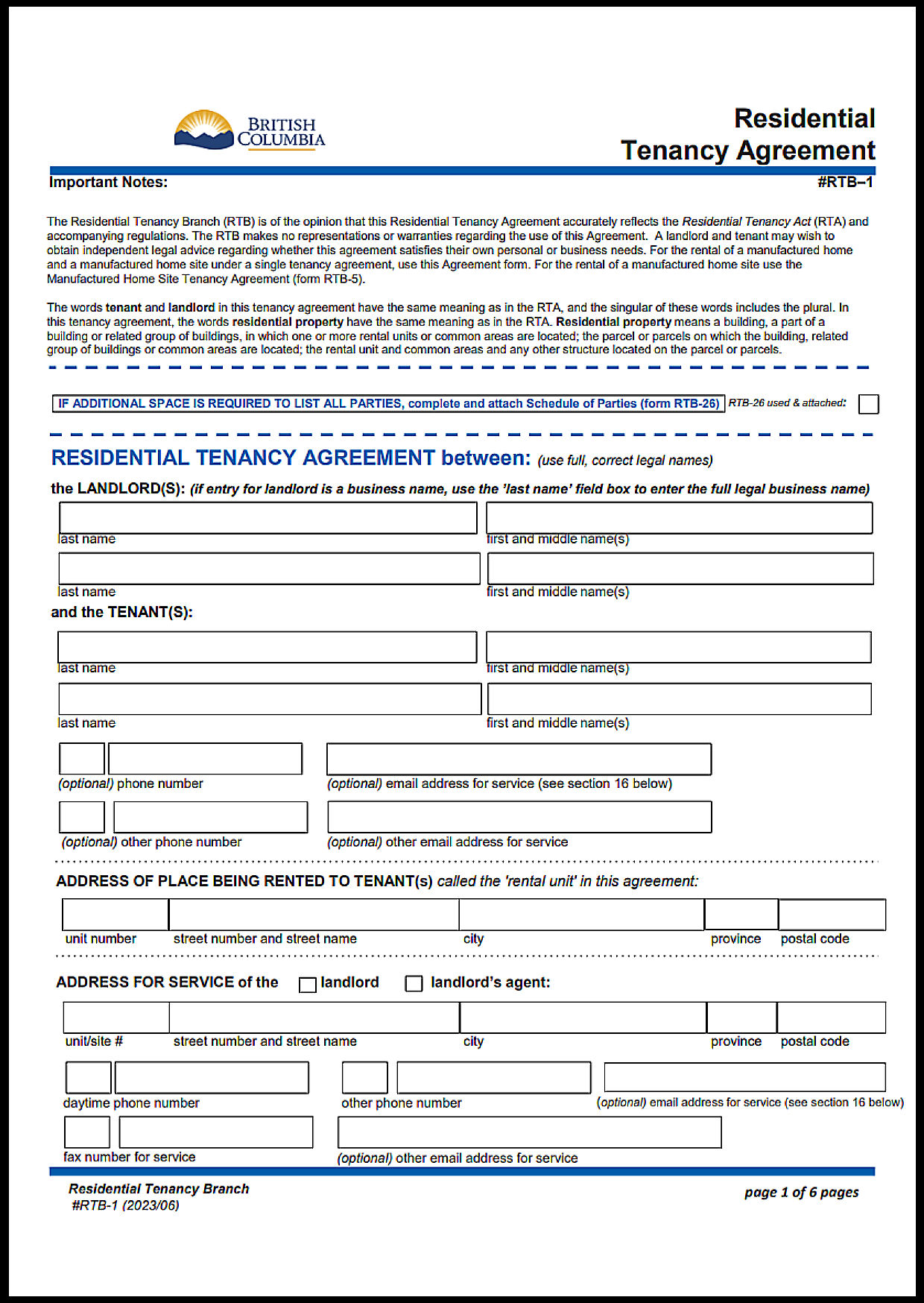
Below is a simple and realistic template you can use. It follows basic BC rules and covers the important details.
British Columbia Rental Agreement Laws Every Landlord and Tenant Should Understand
| Topic / Issue | British Columbia Legal Rule | Governing Statute |
|---|---|---|
| Governing legislation | Residential tenancy agreements in BC are governed primarily by the Residential Tenancy Act and Residential Tenancy Regulation, subject to statutory exemptions. | Residential Tenancy Act [SBC 2002] c. 78 |
| Federal law | Residential tenancy matters in British Columbia are governed primarily by provincial tenancy legislation, including the Residential Tenancy Act and Residential Tenancy Regulation. | No federal tenancy statute generally governs the residential tenancy relationship |
| 2026 amendments | The Residential Tenancy Amendment Act, 2026 (Bill 11) received Royal Assent on April 16, 2026. Some provisions came into force on July 30, 2026, while additional supportive-housing and weapons-related provisions are scheduled to come into force on December 1, 2026. | Residential Tenancy Act amendments under Bill 11 (2026) |
| Who can sign | A landlord and tenant who are parties to the tenancy agreement may enter into and sign the agreement, subject to the Residential Tenancy Act and its regulations. | Residential Tenancy Act, s. 1 |
| Witness requirement | A separate witness signature is not required for a standard BC tenancy agreement; the landlord and tenant must sign and date the agreement. | Residential Tenancy Regulation |
| Notarization | Notarization is not required for a standard BC tenancy agreement under the Residential Tenancy Act and Residential Tenancy Regulation. | Residential Tenancy Act and Residential Tenancy Regulation |
| Age requirement | A person who has not reached 19 years of age may enter into a tenancy agreement, and the agreement is enforceable by and against that person under section 3 of the Residential Tenancy Act. | Infants Act, s. 3 |
| Mental capacity | The parties should have the legal capacity required to enter into the agreement. The Residential Tenancy Act and Residential Tenancy Regulation set out the specific statutory requirements for tenancy agreements. | Residential Tenancy Act and Residential Tenancy Regulation |
| Deadline for signed copy | Within 21 days after the landlord and tenant enter into a tenancy agreement, the landlord must give the tenant a copy of the agreement. | Residential Tenancy Act, s. 13(3) |
| Standard terms requirement | The standard terms are terms of a tenancy agreement whether or not the agreement is in writing, and the Residential Tenancy Regulation requires them to be included in most written tenancy agreements. | Residential Tenancy Regulation Schedule |
| Deposit limits | A security deposit and a pet damage deposit may each be no more than one-half of one month’s rent. | Residential Tenancy Regulation Schedule |
| Rent increase limits | Rent can generally be increased only once every 12 months, with at least 3 full months’ notice, and the increase must stay within the annual legal limit. For 2026, the limit is 2.3%. | Residential Tenancy Regulation Schedule |
| Landlord entry rules | Landlords generally must give written notice at least 24 hours and no more than 30 days before entry. The notice must state the purpose, date and time, and entry must generally occur between 8 a.m. and 9 p.m. | Residential Tenancy Regulation Schedule |
| Required landlord disclosure | The tenancy agreement must set out the landlord’s correct legal name, address for service and telephone number, along with other information required by the Residential Tenancy Act. | Residential Tenancy Act, s. 13(2) |
| Filing requirement | A standard residential tenancy agreement generally does not have to be filed with the Residential Tenancy Branch simply because it has been entered into. | Residential Tenancy Act framework |
| Registration exception | Leases longer than 3 years can engage BC land-title registration requirements; the Land Title Act contains a specific exception for leases not exceeding 3 years where there is actual occupation. | LTSA filing rules |
| Contracting out of the Act | Landlords and tenants cannot contract out of the Residential Tenancy Act or its regulations, and an attempt to do so is of no effect. | Residential Tenancy Act, s. 5 |
| Unconscionable terms | A tenancy-agreement term may be unenforceable if it is unconscionable; the regulation defines an unconscionable term as one that is oppressive or grossly unfair to one party. | Residential Tenancy Regulation, s. 3 |
| Illegal vacate clauses | A fixed-term tenancy does not automatically require the tenant to vacate at the end of the term unless the agreement contains a lawful vacate clause permitted under the Residential Tenancy Act and regulations. | Residential Tenancy Act, s. 44 & Residential Tenancy Regulation, s. 13.1 |
| Automatic month-to-month conversion | If a fixed-term tenancy does not lawfully require the tenant to vacate at the end of the term and no new tenancy agreement is made, the tenancy generally renews as a month-to-month tenancy on the same terms. | Residential Tenancy Act fixed-term tenancy rules |
| Deposit rule difference | A BC landlord may charge up to one-half of one month’s rent for a security deposit and, where permitted, another one-half of one month’s rent for a pet damage deposit. | Residential Tenancy Regulation Schedule |
A key BC rule is that the statutory standard terms form part of tenancy agreements, and landlords and tenants cannot contract out of the Residential Tenancy Act or regulations. A term that conflicts with the Act or regulations is not enforceable.
For a fixed-term tenancy that does not lawfully require the tenant to vacate at the end of the term, the tenancy generally renews month-to-month on the same terms if the parties have not entered into a new agreement.
Deposit limits and agreement requirements are practical compliance issues. A landlord cannot require more than the statutory deposit maximum, and the landlord must provide the tenant with a copy of the tenancy agreement within 21 days after entering into it.
A clear agreement can reduce uncertainty about the terms of the tenancy. The free British Columbia Rental Agreement template can help organize those terms, but it should be checked against current BC tenancy requirements before use.
Rental arrangements do not always remain fixed for the entire term. Some landlords later move tenants onto a more flexible monthly rental setup, while shared living situations may require a separate roommate responsibility agreement to avoid confusion over household expenses.
What Is a Rental Agreement in British Columbia?
A BC tenancy agreement records the terms of a residential tenancy, including the parties, rental unit, rent, tenancy dates, included services and other agreed terms. The Residential Tenancy Act and regulations also impose statutory terms and restrictions.
In most rental situations, this agreement applies to apartments, houses, and basement suites. For example, a Vancouver basement-suite agreement should clearly state the rent, tenancy dates and which services or facilities are included. The landlord and tenant should also understand that statutory repair and maintenance obligations continue to apply.
This type of housing contract helps landlords and tenants set clear expectations for rent, deposits, utilities, and property use before the tenancy begins. If you want a better understanding of how these rental arrangements are commonly structured, you can review the main British Columbia lease agreement guide for additional legal context.
Is a Rental Agreement Legally Valid in British Columbia?
A tenancy agreement can exist even if it is not recorded in writing, but BC law requires landlords to prepare tenancy agreements in writing and requires statutory standard terms to apply. Written terms also make the parties’ agreement easier to establish in a dispute.
A written tenancy agreement must include the information required by section 13 of the Residential Tenancy Act, including the parties’ legal names, rental-unit address, tenancy dates, rent, included services and applicable deposit information. Landlords and tenants cannot contract out of the Residential Tenancy Act or its regulations. For example, a term that attempts to remove the landlord’s statutory repair obligations or permits the landlord to end the tenancy without the notice or process required by law would not be enforceable.
When Should You Use a Rental Agreement?
For a residential tenancy covered by the Residential Tenancy Act, the landlord should use a tenancy agreement that complies with BC law. The Act also contains exemptions, so the nature of the housing arrangement matters.
For example, a student renting a room, a family moving into a new home, or a landlord renting a basement suite may need a proper agreement if the arrangement is covered by the Residential Tenancy Act. It helps record rent, deposits, included services and other terms. If you are updating terms, you can also refer to our month-to-month rental British Columbia guide for flexible options.
Many property owners also request a tenant screening document before signing the final paperwork so they can verify employment details and rental history. After the tenant moves in, records such as a monthly rent payment receipt can help maintain accurate financial documentation throughout the tenancy.
Key Components of a BC Rental Agreement
A BC tenancy agreement must contain the information required by section 13 of the Residential Tenancy Act, along with the applicable standard terms and other agreed terms.
Tenant and Landlord Information
The tenancy agreement should identify the parties using their correct legal names and include the landlord information required by the Residential Tenancy Act.
Rental Property Description
The agreement should identify the rental unit by its full address and clearly describe included areas or facilities, such as parking or storage where applicable.
Rent and Payment Terms
The agreement should state the exact rent amount, due date, and payment method. Any lawful late-fee provision should also be written clearly.
Security Deposit Rules
In BC, a security deposit cannot be more than 50% of the monthly rent. It must also be handled according to the applicable statutory timelines and rules.
Lease Term Type
The agreement should identify whether the tenancy is fixed-term or periodic, including any lawful end-of-term or renewal arrangements.
Rules and Restrictions
This can include rules about pets, smoking, noise, and guests. Any additional term must comply with the Residential Tenancy Act and regulations.
Maintenance Responsibilities
The agreement should explain the parties’ responsibilities for repairs, cleaning, and damage where appropriate. Statutory repair and maintenance obligations continue to apply even when the agreement contains additional terms.
If you want more clarity, see our rental agreement rules checklist in BC for a detailed breakdown.
Fixed-Term vs Month-to-Month Agreements (Key Differences)
Both types of agreements are common in British Columbia, but they serve different needs.
| Feature | Fixed-Term Lease | Month-to-Month |
| Duration | Set period | Ongoing |
| Flexibility | Less flexible | More flexible |
| Rent Changes | Subject to BC rent-increase rules |
Subject to BC rent-increase rules
|
| Stability | High | Medium |
A fixed-term tenancy has a defined term, while a month-to-month tenancy is ongoing. The choice depends on the parties’ circumstances and the statutory rules governing how the tenancy can end.
Important BC Laws Landlords and Tenants Must Follow
The Residential Tenancy Act and Residential Tenancy Regulation establish mandatory rules for covered BC residential tenancies. Landlords and tenants cannot contract out of those statutory protections.
- Security deposit cannot exceed 50% of monthly rent
- Rent increases are subject to the annual limit and require at least 3 full months’ notice
- The applicable statutory notice and process must be followed to end a tenancy
- Landlords generally must give written notice before entering the property
Landlords are not allowed to ignore these rules, even if the tenant agrees. For more clarity, you can check our BC rent increase rules guide and tenant notice period guide.
How to Fill Out a Rental Agreement (Step-by-Step)
Before signing, compare the agreement with the required information under section 13 of the Residential Tenancy Act and make sure the standard terms and agreed terms are clearly set out.
First, add accurate names and property details. Make sure spelling is correct and address is complete. Then decide the rent amount, due date, and payment method. After that, choose the lease type—fixed-term or month-to-month—based on your situation.
Next, include rules clearly, especially about pets, smoking, and maintenance. Finally, both parties should review everything carefully and sign the agreement.
👉 Always keep a signed copy. It can help establish the agreed terms if a dispute later arises.
Common Mistakes to Avoid
Most avoidable problems start with missing terms or records. In BC, parties should pay particular attention to the required agreement information, deposit rules and condition-inspection records.
- Missing important details like rent due date or deposit
- Adding illegal clauses that are not allowed under BC law
- Not documenting the property condition before moving in
- Relying only on verbal agreements
- Not updating the agreement when terms change
Avoiding these mistakes can make the rental arrangement clearer and reduce uncertainty about the parties’ responsibilities.
Real-Life Example (Simple Scenario)
A landlord and tenant agree to rent a basement suite for $2,000 per month, but they never clearly record whether utilities are included. When an additional utility bill arrives, they disagree about who must pay it. Clearly recording included services in the tenancy agreement can reduce this type of dispute.
Since the terms were not clearly recorded, it becomes more difficult to establish what the parties intended. This situation shows why important rental terms should be clearly stated in the tenancy agreement.
What Makes a Rental Agreement Invalid in BC?
A tenancy agreement can contain terms that are unenforceable under the Residential Tenancy Act or regulations. An unlawful term does not necessarily make the entire tenancy agreement invalid.
| Reason | Explanation |
| Illegal clauses |
A term that conflicts with the Residential Tenancy Act or regulations may be unenforceable.
|
| Missing key details |
Missing required tenancy-agreement information can create compliance problems and disputes, but it does not necessarily invalidate the entire tenancy.
|
| Pressure or fraud |
An agreement affected by fraud, duress or another recognized contract-law defect may raise enforceability issues.
|
| Violating laws |
A term that attempts to contract out of statutory tenant protections may be unenforceable.
|
FAQs
Is a handwritten rental agreement valid in BC?
A handwritten agreement is not automatically invalid, but a tenancy agreement must still comply with the Residential Tenancy Act and Residential Tenancy Regulation, including the applicable written, signed, dated and required-term requirements.
Can rent be increased anytime?
No. Rent increases must comply with the 12-month timing rule, at least 3 full months’ notice, and the applicable annual limit. For 2026, the limit is 2.3%.
Is a security deposit mandatory?
No. A landlord may require a security deposit, but it is not mandatory. If one is required, it cannot exceed one-half of one month’s rent and must comply with the other statutory deposit rules.