Manitoba Tenant Rights Guide | Tenant Laws & Rights
If you’re looking for a Manitoba Tenant Rights Guide, chances are you’re dealing with a rent increase, repair problem, security deposit dispute, or a notice from your landlord and need clear answers fast. In Manitoba, tenant rights and landlord obligations are shaped by The Residential Tenancies Act, which sets strict rules for notices, deposits, rent increases, and access to rental units.
One issue that regularly surfaces in Residential Tenancies Branch proceedings is a landlord relying on an incorrect notice period or improper service method, only to find the application delayed or rejected because the required process wasn’t followed. That’s where many generic Canadian tenancy resources fall short—they often miss Manitoba-specific requirements that can affect the outcome of a dispute.
Last Updated: October 2026
Below you’ll find the key rights, responsibilities, forms, procedures, and practical considerations that commonly arise during residential tenancies in Manitoba.
Manitoba Lease Rules Many Tenants and Landlords Miss
| Topic / Issue | MANITOBA Legal Rule | Governing Statute |
|---|---|---|
| Who Can Legally Sign | A written tenancy agreement must be signed by the landlord and tenant or their agents. | The Residential Tenancies Act, C.C.S.M. c. R119, s. 7(2) |
| Witness Requirements | The Residential Tenancies Act does not require a witness for an ordinary written residential tenancy agreement. | The Residential Tenancies Act, s. 7(2) |
| Notarization / Commissioner Requirements | The Residential Tenancies Act does not require an ordinary residential tenancy agreement to be notarized or commissioned. | The Residential Tenancies Act, s. 7(2) |
| Age & Mental Capacity | Manitoba’s age of majority is 18. The Residential Tenancies Act does not state in section 7(2) that every party must be 18 or establish a general mental-capacity test for tenancy agreements. | The Age of Majority Act, C.C.S.M. c. A60, s. 1 |
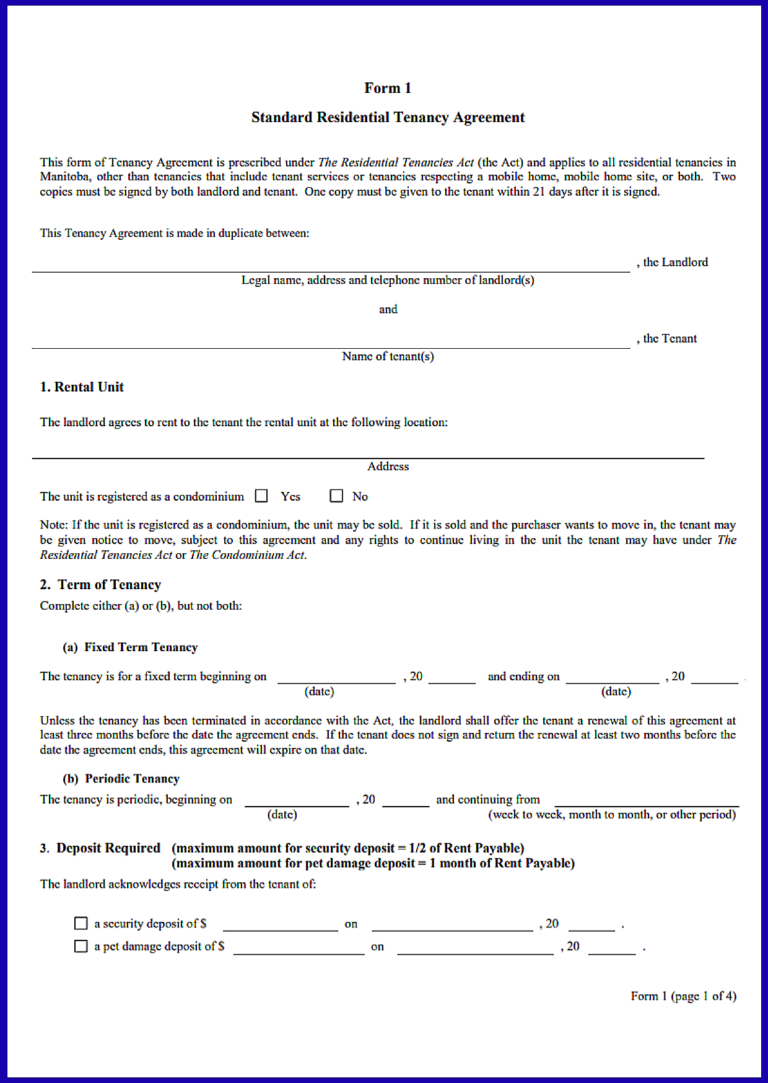
| Signed Copy Deadline | Within 21 days after a written tenancy agreement is signed by the tenant and given to the landlord, the landlord must give the tenant a copy signed by both the landlord and tenant. | The Residential Tenancies Act, s. 8 |
| Mandatory Standard Lease Form | A written Manitoba tenancy agreement must meet the prescribed-form requirements. The Residential Tenancies Branch also states that a landlord may use its own form if it contains the required information. | The Residential Tenancies Act, s. 7(2) |
| Deemed Inclusion Rule | If a written tenancy agreement is not in the prescribed form, it is deemed to include the provisions of the prescribed form, and any provision inconsistent with the prescribed form or the Act is void. | The Residential Tenancies Act, s. 7(4) |
| Mandatory Lease Content | Written tenancy agreements must meet the applicable prescribed-form requirements, while additional provisions may be included when they are consistent with Manitoba law and reasonable. | Residential Tenancies Regulation |
| Filing & Registration Requirements | An ordinary residential tenancy agreement does not generally have to be filed with the Residential Tenancies Branch simply to be effective, although specific applications and documents may have filing requirements. | The Residential Tenancies Act |
| RTB Filing Situations | Certain matters like above-guideline rent increases and formal disputes must be filed with the Residential Tenancies Branch (RTB). | The Residential Tenancies Act |
| Acceleration Clauses | A tenancy agreement cannot make rent or a tenant services charge payable before the payment date specified in the agreement; a provision doing so is void. | The Residential Tenancies Act, s. 15 |
| Security Deposit Limits | A security deposit cannot exceed one-half of the first month’s rent payable under the tenancy agreement. | The Residential Tenancies Act, s. 29(1) |
| Pet Damage Deposit Rules | Manitoba landlords may charge a pet damage deposit of up to one full month’s rent, subject to the Act’s exceptions and requirements. | The Residential Tenancies Act, s. 29.1 |
| Waiving Tenant Rights | A lease provision that restricts or waives the application of The Residential Tenancies Act or rights and obligations under it is void to that extent. | The Residential Tenancies Act, s. 6 |
| Fixed-Term Lease Renewals | For a written fixed-term tenancy, the landlord must generally give the tenant a new tenancy agreement no later than three months before the existing agreement ends, unless the tenancy has been terminated in accordance with the Act. | The Residential Tenancies Act, s. 21 |
| Rent Discount Rules | A landlord cannot remove or reduce a rent discount without giving the tenant at least three months’ written notice. | The Residential Tenancies Act, s. 25 |
One of the biggest surprises for many Manitoba renters is that landlords usually must offer fixed-term lease renewals before the tenancy ends. In many other provinces, leases simply continue month-to-month automatically, but Manitoba follows different rules under section 21 of The Residential Tenancies Act. Another important rule is that a tenancy agreement cannot make rent or a tenant services charge payable before the payment date specified in the agreement. Many tenants panic when they see these clauses in leases, but Manitoba law controls when rent can legally become payable.
The deposit rules also matter in real life because landlords sometimes try charging deposits above the legal limits. Tenants who do not understand these limits may unknowingly pay unlawful amounts or lose money during disputes. The rule preventing landlords from forcing tenants to waive legal protections is equally important because some leases contain illegal terms about repairs, privacy, or entry rights. Getting these rules wrong can lead to financial losses, invalid lease terms, RTB disputes, or failed eviction attempts.
Understanding tenant rights is important before entering into any residential rental arrangement in Manitoba. For a broader overview of rental documentation, you can review the main lease agreement guide for Canada together with the Manitoba lease agreement template commonly used by landlords and tenants.
Understanding Tenant Rights in Manitoba
What Laws Protect Tenants in Manitoba
Under Manitoba law, most residential rentals are protected by The Residential Tenancies Act (RTA). This is the main law that controls rental agreements, deposits, repairs, notices, and evictions.
The Residential Tenancies Branch (Manitoba) handles landlord-tenant disputes across Manitoba. The RTB provides information, mediation services, hearings, and decisions about rental issues.
Tenants are also protected by Manitoba human rights laws. For example, landlords cannot discriminate against tenants based on disability, family status, race, religion, or other protected grounds. Service animals are also protected under human rights rules, even if a building has a no-pets policy.
Summary of Applicable Laws
| Topic | Rule | Governing Statute |
|---|---|---|
| Security Deposit | Cannot exceed half of one month’s rent | Residential Tenancies Act |
| Pet Damage Deposit | Maximum one month’s rent | Residential Tenancies Act |
| Rent Increases | Allowed only once every 12 months, subject to applicable rules and exceptions | Residential Tenancies Act |
| Landlord Entry | Minimum 24 hours written notice is generally required when notice is required | Residential Tenancies Act |
| Late Fees | Strict limits apply | Residential Tenancies Regulation |
| Vital Services | Landlords must not withhold or deliberately interfere with vital services in circumstances prohibited by law | Residential Tenancies Act |
Types of Rental Properties Covered by Manitoba Law
The Residential Tenancies Act applies to many types of residential rentals in Manitoba, including:
- Apartment buildings
- Basement suites
- Condominiums rented to tenants
- Shared rental units
- Mobile homes and mobile home sites
- Life lease housing in certain situations
In most rental situations, tenants still have legal protections even if there is no written lease agreement.
Rental disputes and occupancy issues are often connected with related tenancy documents. Landlords may need a Manitoba eviction notice template for formal notices, while shared housing situations frequently involve a roommate agreement form.
Tenant Rights Before Signing a Lease
Right to Receive Important Rental Information
Before moving into a rental property, tenants have the right to receive important information from the landlord.
Under Manitoba law, landlords must provide a Notice to New Tenant (Form 2). This document contains important details about the rental unit, including information about previous rent amounts and the tenant’s right to contact the Residential Tenancies Branch to confirm legal rent history.
Landlords must also send a copy of this form to the RTB within 14 days after the tenancy begins.
Tenants also have the right to review rent history information for some rental units. This helps renters identify possible illegal rent increases or incorrect rent amounts.
For example, if a tenant discovers the previous rent was much lower than the current rent, they may contact the RTB to ask whether the increase followed Manitoba rules.
Tenants renewing long-term occupancy may also benefit from reviewing the lease renewal agreement guide before extending the tenancy period.
Rules for Security Deposits and Pet Deposits
Manitoba law limits how much a landlord can collect for deposits.
| Deposit Type | Maximum Allowed |
|---|---|
| Security Deposit | Half of one month’s rent |
| Pet Damage Deposit | Up to one month’s rent |
For example, if monthly rent is $1,400, the maximum security deposit is $700. If the tenant has a pet and a pet damage deposit is permitted, the landlord may charge up to $1,400 as a pet damage deposit.
Landlords should provide proper records or receipts showing the amount collected. Tenants should also keep copies of payment confirmations and lease documents.
It is important to complete move-in inspections carefully. Missing damage reports often create deposit disputes later.
Lease Clauses That May Be Invalid
Some lease terms are not legally enforceable in Manitoba, even if a tenant signs the agreement.
Examples of invalid or illegal clauses include:
- Clauses removing basic tenant rights
- Illegal financial penalties
- Mandatory post-dated cheque requirements
- Clauses allowing landlords to enter without proper notice
- Threats to disconnect utilities for unpaid rent
Under Manitoba law, landlords cannot require tenants to provide post-dated cheques as a condition of renting the property.
A landlord also cannot include lease terms that go against the Residential Tenancies Act. If a clause conflicts with the law, the law usually overrides the lease wording.
Privacy Rights and Landlord Entry Rules
When a Landlord Can Enter a Rental Unit
Tenants have privacy rights inside their rental homes.
For entry requiring notice, landlords must generally give written notice at least 24 hours and no more than two weeks before entry. The notice must state the purpose and a reasonable time for entry.
The Residential Tenancies Act requires the proposed time of entry to be reasonable.
Landlords may enter for reasons such as:
- Repairs or maintenance
- Property inspections
- Showing the unit to future tenants or buyers
- Checking for safety concerns
Emergency situations are different. If there is a fire, flooding issue, gas leak, or another emergency, landlords may enter immediately without notice.
Examples of Improper Landlord Entry
Some landlords improperly enter rental units without following Manitoba rules.
Examples include:
- Entering without giving notice
- Showing up repeatedly without a valid reason
- Conducting unnecessary inspections
- Harassing tenants through frequent visits
- Using spare keys to enter casually
For example, a landlord cannot simply walk into a tenant’s apartment because they “wanted to check something quickly.”
Repeated privacy violations may become harassment under rental laws.
What Tenants Can Do if Privacy Rights Are Violated
Tenants should document all improper entry incidents carefully.
Helpful steps include:
- Saving text messages and emails
- Writing down dates and times
- Taking photos if needed
- Asking the landlord to stop in writing
- Contacting the Residential Tenancies Branch
If the problem continues, tenants may file a formal dispute with the RTB.
Rent Increase Rules in Manitoba
How Often Rent Can Increase
In Manitoba, rent usually can only increase once every 12 months.
The province also sets an annual rent increase guideline percentage. Landlords must usually follow this limit unless special approval is granted.
For 2026, the Manitoba rent increase guideline is 1.8%. The guideline for 2027 is 3.0%, effective January 1, 2027.
Tenants should always review rent increase notices carefully because incorrect increases are common sources of disputes.
Notice Requirements for Rent Increases
Landlords must provide proper notice before increasing rent.
Under Manitoba law:
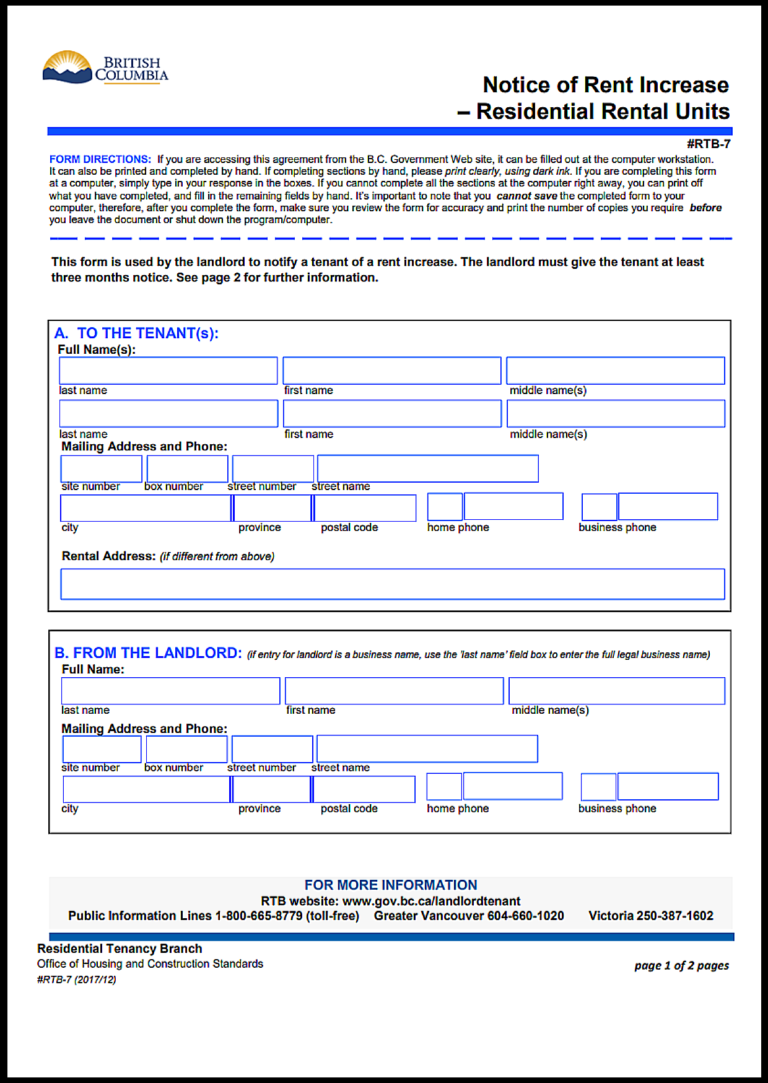
- Landlords must generally give tenants at least three months’ written notice before a rent increase takes effect, subject to statutory exceptions.
- The proper government form must be used.
- The notice must include the applicable rent increase information.
A rent increase may be invalid if:
- Proper notice was not provided
- The increase happens too soon
- Incorrect forms were used
- The landlord exceeded legal limits without approval
For example, a text message saying “rent goes up next month” would generally not satisfy Manitoba notice requirements.
How Tenants Can Challenge Illegal Rent Increases
Tenants who believe a rent increase is illegal should act quickly.
Possible steps include:
- Reviewing the unit’s rent history
- Checking the annual guideline percentage
- Contacting the Residential Tenancies Branch
- Filing a dispute or objection
Keeping copies of notices and payment records is very important during these disputes.
Tenant Rights for Repairs and Safe Housing
Landlord Responsibilities for Property Maintenance
Landlords are responsible for keeping rental properties reasonably safe and maintained.
This usually includes:
- Heating systems
- Hot and cold water
- Electrical systems
- Structural repairs
- Pest control
- Safe common areas
For example, landlords generally cannot ignore serious mold problems, leaking roofs, broken heating systems, or unsafe stairs.
Tenants should report repair issues as soon as possible and keep written proof of all requests.
Protection Against Utility Shutoffs
Manitoba law strongly protects tenants against utility shutoffs.
A landlord must not withhold or deliberately interfere with vital services such as:
- Heat
- Gas
- Electricity
- Hot water
- Cold water
This rule applies in circumstances prohibited by Manitoba law, including situations where a landlord attempts to force a tenant out by interfering with vital services.
Some landlords wrongly believe they can force tenants to leave by cutting utilities. Under Manitoba law, this is not allowed.
What Tenants Should Do if Repairs Are Ignored
If repair problems are ignored, tenants should create a clear paper trail.
Helpful steps include:
- Reporting problems in writing
- Taking dated photos or videos
- Saving repair requests and emails
- Keeping copies of inspection reports
- Contacting the RTB if repairs are delayed
For example, if heating stops during winter and the landlord ignores requests for several days, tenants should immediately contact the RTB.
Eviction Rules and Tenant Protections
Legal Reasons a Tenant Can Be Evicted
Landlords cannot evict tenants without legal reasons.
Common legal reasons include:
- Non-payment of rent
- Serious lease violations
- Major property damage
- Disturbing other tenants
- Illegal activity in the rental unit
For non-payment situations, Manitoba law allows landlords to issue notices quickly if rent is late.
Rights Tenants Have After Receiving an Eviction Notice
Receiving an eviction notice does not always mean the tenant must move immediately.
For a non-payment notice, paying the rent and other amounts required by the notice can prevent the tenant from having to move in many cases, but special rules can apply, including where rent has been habitually paid late.
Tenants also have the right to:
- Review the notice carefully
- Challenge improper notices
- Attend RTB hearings
- Present evidence and documents
Many tenants mistakenly move out too early without understanding their legal rights.
Illegal Eviction Practices in Manitoba
Some landlords try to remove tenants illegally instead of following proper procedures.
Illegal eviction practices include:
- Changing locks without permission
- Removing tenant belongings
- Threatening tenants
- Shutting off utilities to force move-outs
- Entering repeatedly to pressure tenants
A landlord must not seize a tenant’s personal property because of a breach of the tenancy agreement or the Act, including unpaid rent.
Only proper legal processes through the RTB may be used.
Important Tenant Protections Many Renters Miss
Service Animal Rights in Manitoba
Service animals are protected under Manitoba human rights laws.
Even if a rental building has a no-pets policy, landlords usually cannot refuse legitimate service animals.
Tenants may still need to provide reasonable supporting information in some situations.
Rules About Post-Dated Cheques
Landlords cannot force tenants to provide post-dated cheques.
However, tenants may choose to use them voluntarily if both sides agree.
This protection prevents landlords from making renters feel pressured during the leasing process.
Protection Against Seizure of Personal Property
Some tenants wrongly believe landlords can take furniture, electronics, or other belongings if rent is unpaid.
A landlord must not seize a tenant’s personal property because of a breach of the tenancy agreement or the Act, including unpaid rent.
For example, a landlord cannot remove a tenant’s television or lock personal belongings inside a storage room because rent is overdue.
Common Tenant-Landlord Disputes
Deposit Deduction Disputes
Security deposit disagreements are among the most common rental disputes in Manitoba.
Common issues include:
- Cleaning fee deductions
- Damage claims
- Missing inspection reports
- Disagreements about normal wear and tear
Tenants should always take move-in and move-out photos to protect themselves.
Repair and Maintenance Complaints
Repair disputes often involve:
- Unsafe conditions
- Delayed maintenance
- Mold problems
- Pest infestations
- Plumbing failures
Written complaints usually provide stronger evidence than verbal conversations.
Rent and Late Fee Disputes
Manitoba limits how much landlords may charge for late fees.
Current rules allow:
- Up to $10 for the day rent is due
- Up to $2 for each day after the due date
- Maximum late payment fee of $100
- The landlord must advise the tenant in writing before charging the late fee
Tenants should watch for illegal penalties or excessive charges hidden inside lease agreements.
How the Residential Tenancies Branch Helps Tenants
What the RTB Does
The Residential Tenancies Branch helps resolve rental disputes across Manitoba.
Services include:
- Dispute resolution
- Mediation services
- Hearings
- Information for landlords and tenants
- Rent regulation assistance
Many disputes are resolved without going to court.
When Tenants Should Contact the RTB
Tenants should consider contacting the RTB when dealing with:
- Illegal rent increases
- Deposit withholding
- Privacy violations
- Eviction disputes
- Serious repair issues
- Utility shutoff threats
Acting early often prevents problems from becoming worse.
Documents Tenants Should Keep
Good records can make a major difference during rental disputes.
Important documents include:
- Lease agreements
- Rent receipts
- Inspection reports
- Photos of damage
- Repair requests
- Emails and written notices
Tenants who rely only on verbal conversations often struggle to prove their claims later.
Mistakes Manitoba Tenants Should Avoid
Ignoring Written Notices
Never ignore notices from landlords or the RTB.
Even if a notice seems unfair, tenants should respond quickly and keep copies.
Failing to Document Property Condition
Move-in and move-out photos are extremely important.
Without evidence, deposit disputes become much harder to challenge.
Paying Rent Without Proof
Always keep proof of payment.
This includes:
- E-transfers
- Receipts
- Bank records
- Screenshots of online payments
Waiting Too Long to Report Problems
Delaying repair complaints may weaken a tenant’s position later.
Problems should be reported as soon as possible.
Relying Only on Verbal Agreements
Verbal agreements can create confusion.
Tenants should always confirm important discussions in writing, especially for repairs, rent changes, or move-out arrangements.
Frequently Asked Questions About Manitoba Tenant Rights
Can a landlord enter without permission in Manitoba?
Usually no. Landlords generally must provide at least 24 hours written notice unless an exception under Manitoba law applies, such as an emergency.
How much can a landlord charge for a security deposit?
The maximum security deposit is half of the first month’s rent payable under the tenancy agreement.
Can rent increase every year?
Yes, rent can generally be increased only once every 12 months, and the landlord must follow the applicable notice, guideline and exemption rules.
What should tenants do if repairs are ignored?
Tenants should report repair issues in writing, keep copies of communications and supporting evidence, and contact the Residential Tenancies Branch if the problem is not addressed.
Are landlords allowed to shut off utilities?
A landlord must not withhold or deliberately interfere with vital services in circumstances prohibited by Manitoba law, including services such as heat, gas, electricity, hot water or cold water.
Can tenants break a lease early in Manitoba?
Sometimes. The outcome depends on the type of tenancy, the reason for ending it and the applicable Manitoba rules. Tenants should contact the Residential Tenancies Branch before moving out early to understand their rights and possible responsibilities.