Free Alberta Basement Rental Agreement (Free PDF Template)
Alberta Basement Rental Agreement is a simple legal document used when a homeowner rents out their basement space to a tenant. It clearly explains rent, rules, and responsibilities so both sides understand everything clearly.
In Alberta, many people rent basement suites to earn extra income or reduce home expenses. But without a written agreement, small issues—like shared laundry or utility bills—can turn into big disputes. A proper agreement helps avoid confusion and gives legal protection to both landlord and tenant.
I’ve seen many Alberta landlords and tenants run into avoidable disputes because they relied on verbal promises about things like parking, guests, or shared utilities. When someone is renting a basement suite for the first time, a clear written agreement often prevents stressful misunderstandings that can quickly damage the landlord-tenant relationship.
For example, a homeowner in Calgary rents a basement to a student. Later, they argue about electricity bills. If everything is written clearly in an agreement, such problems can be avoided easily.
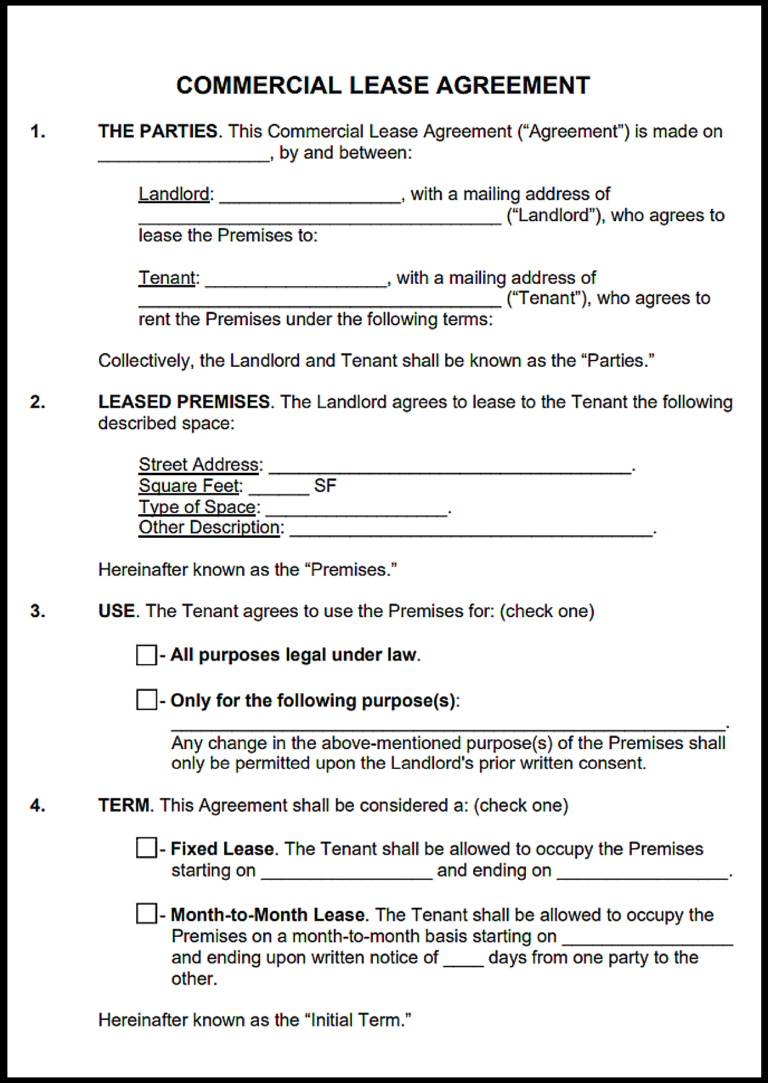
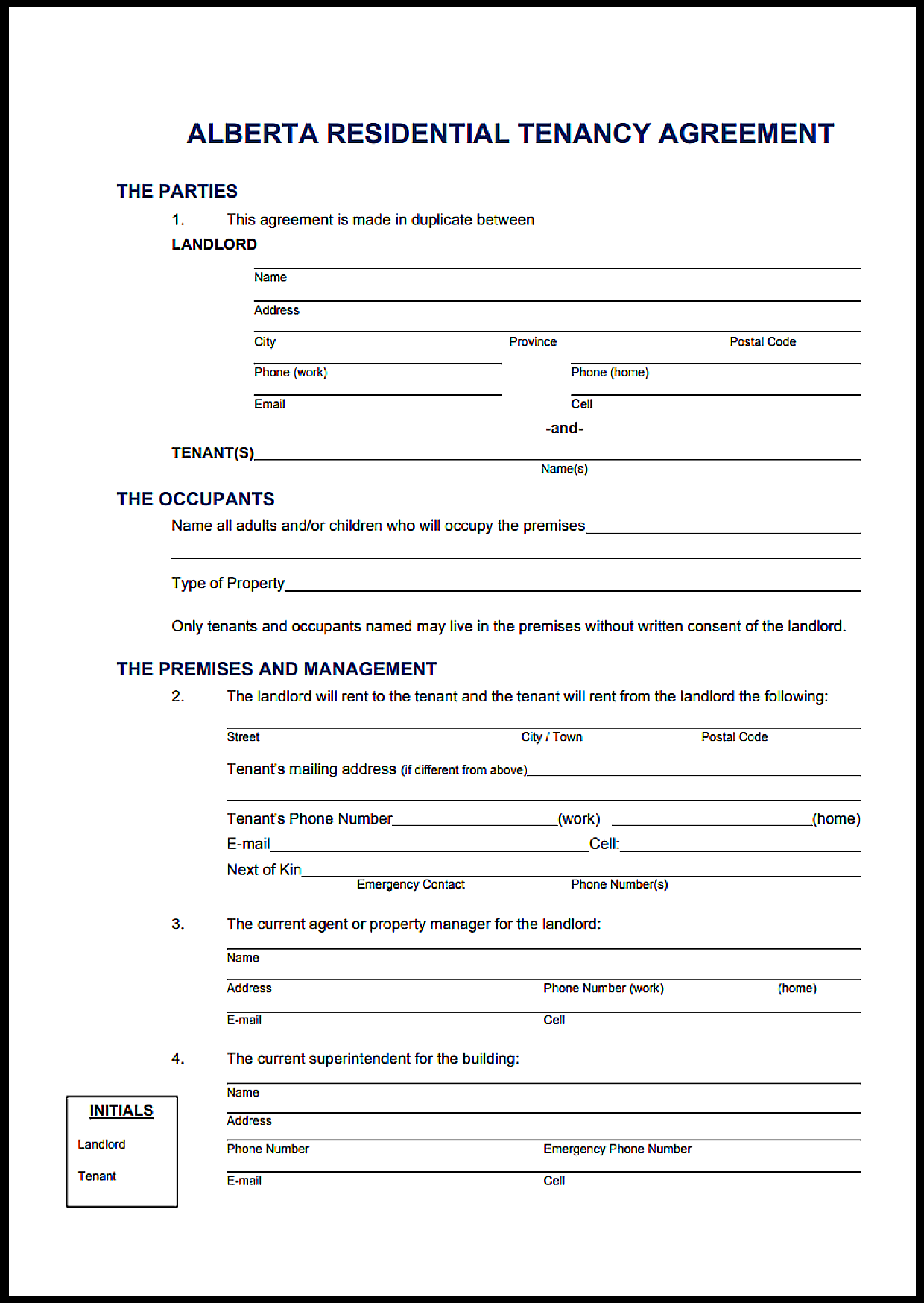
Free Alberta Basement Rental Agreement Template
Below is a simple and ready-to-use template. You can copy and edit it as per your needs.
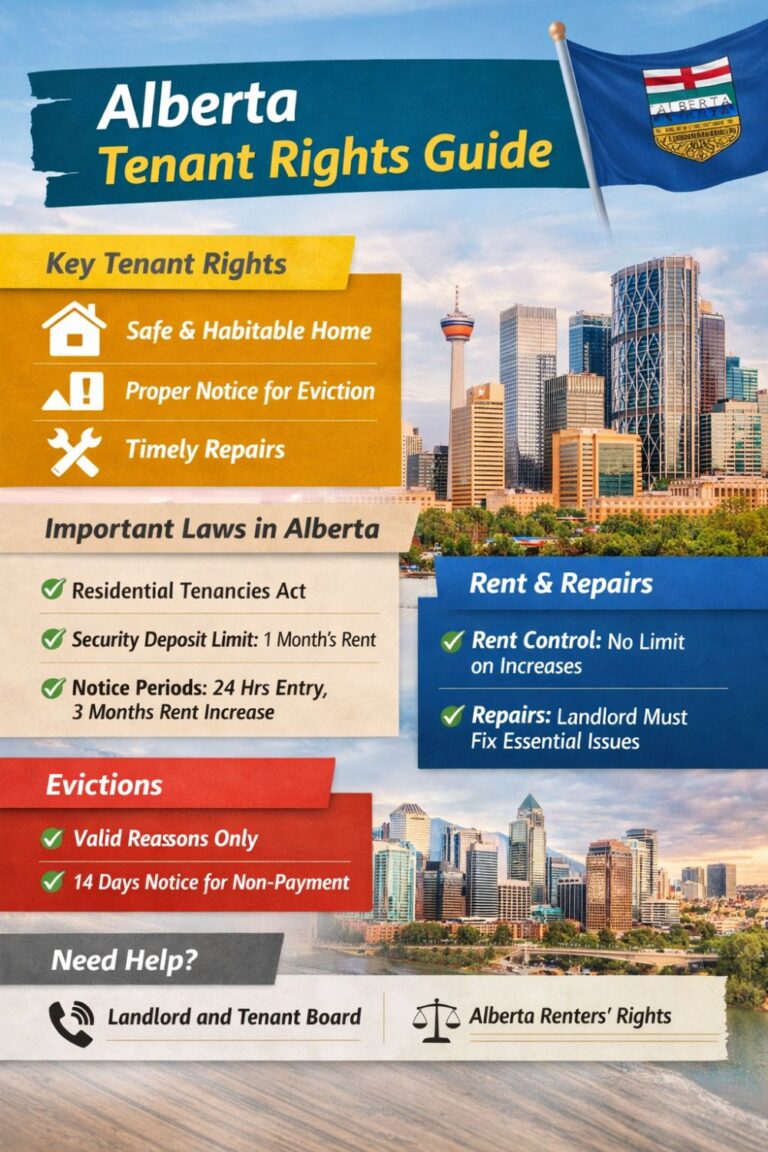
Alberta Basement Rental Laws and Legal Compliance Guide
| Topic / Issue | Alberta Legal Rule | Governing Statute |
|---|---|---|
| Governing legislation | Alberta basement rental agreements are governed under provincial residential tenancy laws. | Residential Tenancies Act, SA 2004, c R-17.1 |
| Supporting regulations | Additional tenancy rules are supported through ministerial and public housing regulations. | Residential Tenancies Ministerial Regulation; Subsidized Public Housing Regulation |
| Health and safety standards | Basement rentals must comply with minimum housing and health requirements. | Public Health Act, RSA 2000, c P-37; Housing Regulation (AR 173/99) |
| Jurisdiction | Residential basement rental contracts are governed under Alberta provincial law. | Provincial jurisdiction under Alberta law |
| Recent tribunal updates | While the Alberta RTDRS utilizes a structural tiered filing fee framework ($75 for claims under $7,500; $150 for higher amounts) across all tenancy applications, this process applies strictly to independent residential tenancies. | RTDRS Operational Restructuring (Effective 2026) |
| Who can sign | Any person 18 years or older or a corporation may sign the agreement. | Age of Majority Act, s. 1; RTA s. 1(1)(f) & (h) |
| Witness requirement | Witnesses are not legally required for a basement rental agreement. | Governed by common law principles |
| Notarization | Notarization is not required for the agreement. | Governed by common law principles |
| Capacity requirement | Parties must possess the cognitive competence to understand the terms and legal consequences of entering a residential rental contract. | Alberta Common Law Contract Principles |
| Signed copy deadline | The landlord must deliver a fully executed, signed duplicate copy of the residential tenancy agreement to the tenant within 21 days of signing. | Residential Tenancies Act, s. 17 |
| Mandatory supremacy clause | Every written residential tenancy agreement must explicitly contain a bold, prominent statement in larger print text clarifying that the tenancy is subject to the RTA and that the Act overrides conflicts. | Residential Tenancies Act, s. 3(2) |
| Notice of Landlord requirement | Landlord must provide written landlord contact information within 7 days after possession. | RTA, s. 18(1) |
| Filing requirement | Residential basement leases do not need government filing to be valid. | Private contract under Alberta law |
| Registration exception | Leases longer than three years may be registered at the Alberta Land Titles Office. | Alberta land registration practice |
| Illegal basement suites | Basement suites failing minimum housing or safety standards may be voided or shut down by inspectors. | Public Health Act; Housing Regulation (AR 173/99) |
| Waiving tenant rights | Lease clauses attempting to remove tenant rights are void and unenforceable. | RTA, s. 3 |
| Security deposit limit | Security deposits cannot exceed one month’s rent. | RTA, s. 43(1) |
| Rent increase rules | Alberta has no rent control cap, but landlords must follow notice timing requirements. | Residential Tenancies Act |
| Inspection report requirement | Landlords who fail to complete inspection reports may lose the right to claim damage deductions from deposits. | Residential Tenancies Act |
| Fixed-term lease ending | Fixed-term leases automatically end on the stated date without move-out notice requirements. | Residential Tenancies Act |
One of the most important rules for Alberta basement rentals is that an illegal suite can create much bigger problems than many landlords expect. If a basement does not meet Alberta’s minimum housing and health standards, Alberta Health Services inspectors may force the rental to stop completely. This can lead to financial loss, tenant disputes, and even problems with insurance coverage.
Another rule many landlords overlook is the inspection report requirement. In Alberta, failing to complete proper move-in and move-out inspections can prevent a landlord from legally deducting repair costs from the security deposit. Even if actual damage exists, the landlord may still lose the claim because the legal process was not followed correctly.
The security deposit limit is also very strict. Charging more than one month’s rent as a deposit violates Alberta tenancy law and can create legal disputes quickly. These rules matter in real life because basement rentals often involve shared spaces, utilities, and privacy concerns that easily turn into disagreements when expectations are unclear.
To avoid costly mistakes, download the free Alberta Basement Rental Agreement template and customize it properly before renting your basement suite.
What Is a Basement Rental Agreement in Alberta?
A basement rental agreement is a contract used when only the basement part of a house is rented. Under Alberta law, it is still covered by residential tenancy rules, so both landlord and tenant must follow legal requirements.
This type of agreement is slightly different from a normal lease because people often share some areas of the house. For example, laundry, parking, or entrance may be shared.
Common use cases include renting a separate basement suite, renting to students, or renting part of your home to reduce mortgage costs.
This agreement is tailored for renting basement units and includes specific clauses related to shared access and utilities. It follows the same legal structure as the main lease agreement.
When Do You Need a Basement Rental Agreement?
You should use this agreement whenever you rent out your basement, even if the tenant is someone you know.
It is especially useful in situations like renting a legal basement suite, converting your basement into an income property, or renting to short-term tenants.
Some common situations include:
- Renting to students or working professionals
- Renting to friends or relatives
- Monthly or flexible rental setups
Using a written agreement avoids misunderstandings and protects both parties.
Key Elements Every Basement Rental Agreement Must Include
Separate vs Shared Space Details
It is very important to clearly define which areas are private and which are shared. This avoids confusion later.
- Private areas: bedroom, bathroom, kitchen
- Shared areas: laundry, entrance, parking
Rent and Utility Arrangements
Rent and utilities must be clearly explained in the agreement. This helps avoid future disputes.
- Monthly rent amount
- Due date
- Whether utilities are included or shared
- Internet and heating details
Security Deposit Rules (Alberta Law)
Under Alberta law, the security deposit cannot be more than one month’s rent. The landlord must also return it within 10 days after the tenant leaves, with proper explanation for any deductions.
Entry and Privacy Rights
Landlords cannot enter the basement anytime they want. They must give at least 24 hours’ notice and have a valid reason, such as repairs or inspection.
House Rules for Shared Living
House rules are very important in basement rentals because both parties live in the same property.
These rules usually cover:
- Noise levels
- Guests
- Parking
- Smoking and pets
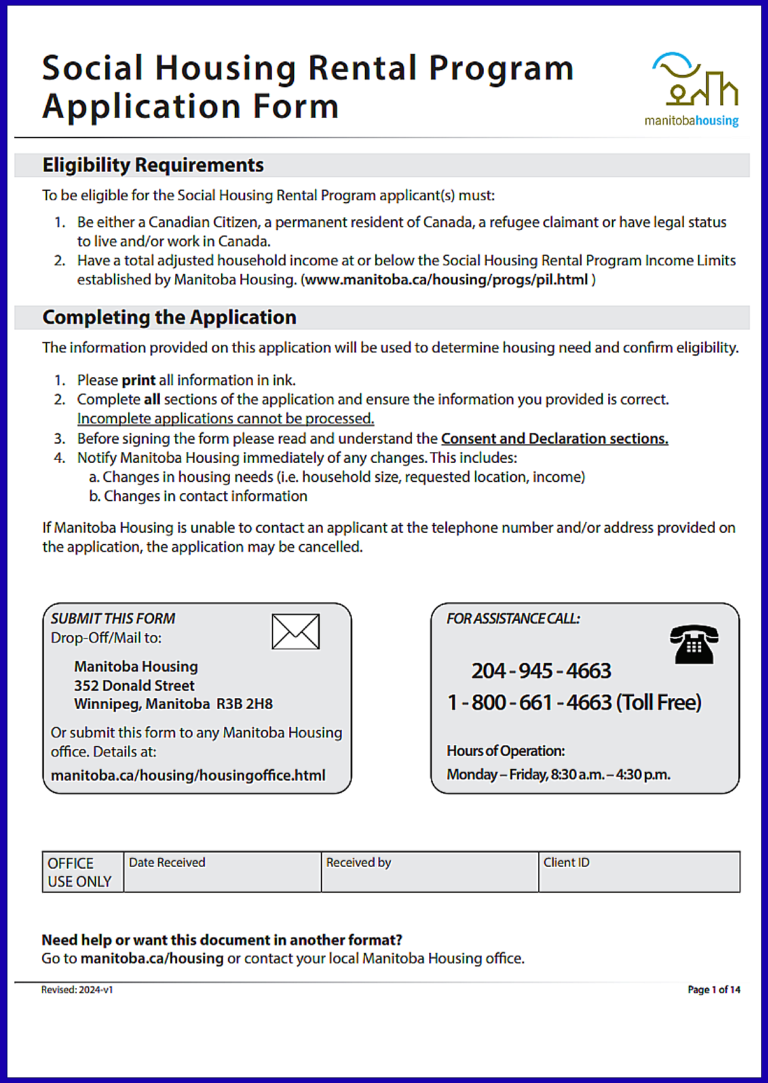
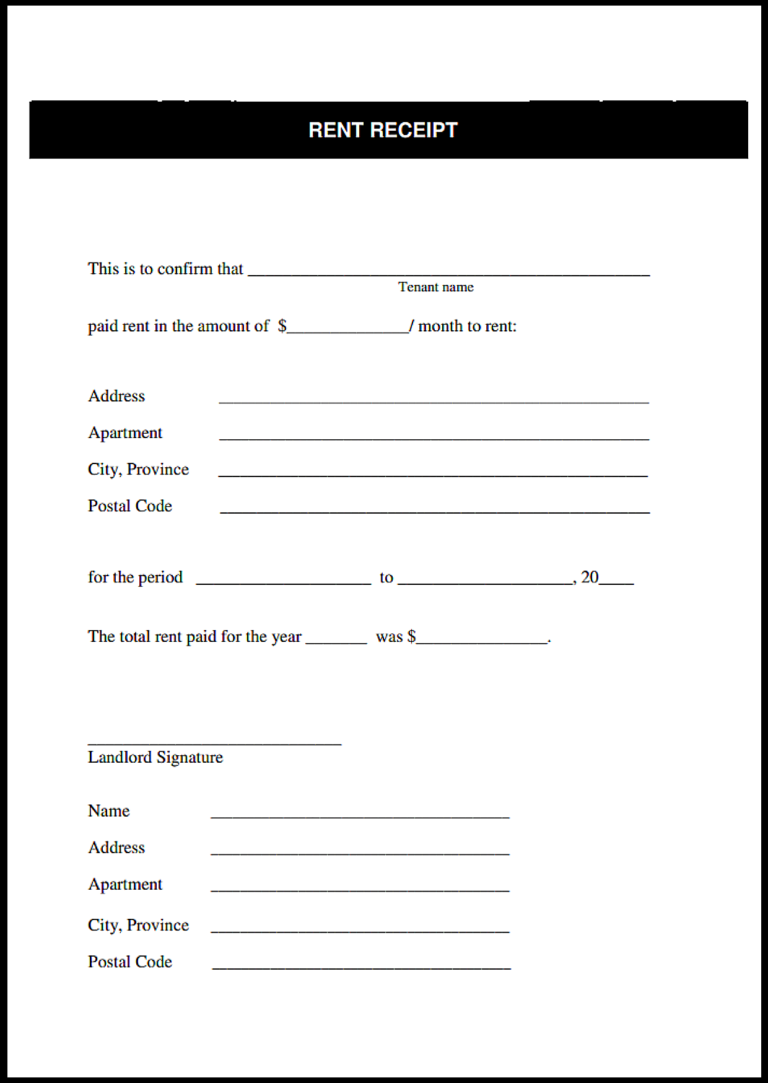
Landlords often combine this with a tenant application form and manage ongoing payments using a rent receipt.
Alberta Laws That Apply to Basement Rentals
Basement rentals in Alberta are governed by the Residential Tenancies Act. This law sets rules for rent, deposits, notice periods, and responsibilities.
Important points include:
- Security deposit limits
- rules for ending tenancy
- Rent increase regulations
- Maintenance duties
Also, basement suites must follow local city rules. This includes zoning laws and safety requirements like fire exits.
Legal Basement vs Illegal Suite – Why It Matters
A legal basement suite meets all city rules and safety standards. This includes proper exits, fire safety, and zoning approval.
An illegal suite can create serious problems such as fines, eviction, or insurance issues.
For example, if a tenant reports an illegal suite, the landlord may be forced to stop renting immediately. This can lead to financial loss and legal trouble.
How to Fill Out the Basement Rental Agreement (Step-by-Step)
Filling the agreement is simple but must be done carefully.
- Step 1: Add correct names and address
- Step 2: Clearly describe basement layout
- Step 3: Set rent and utility details
- Step 4: Include house rules
- Step 5: Sign and keep copies
Always double-check all details before signing.
Common Mistakes to Avoid
Many people make simple mistakes that lead to disputes later.
Some common mistakes include:
- Not mentioning shared spaces clearly
- Relying only on verbal agreements
- Not explaining utility sharing
- Ignoring Alberta notice rules
- Renting illegal basement without informing tenant
Avoiding these mistakes can save you time and stress.
Basement Rental Agreement vs Standard Lease Agreement
| Feature | Basement Rental Agreement | Standard Lease |
| Property Type | Part of a home | Full property |
| Shared Spaces | Common | Rare |
| Rules | More detailed | Simple |
| Privacy Issues | Higher | Lower |
Real-Life Example
A homeowner in Edmonton rents out a basement to a tenant. They share laundry and entrance. Later, a dispute happens about utility payments.
If nothing is written, both parties may disagree and create conflict. But if the agreement clearly mentions how utilities are shared, the issue is already solved.
This shows why a written agreement is very important.