Ontario Rental Agreement Template | PDF, Word & Online Form
Ontario Rental Agreement is the legal document that protects both landlords and tenants in any rental situation. If you’re renting a house, apartment, or even a basement in Ontario, this agreement sets clear rules from day one.
Renting can feel confusing at first—especially when you’re unsure what’s legally required. I’ve seen many disputes happen simply because nothing was written down. A clear rental agreement helps avoid misunderstandings about rent, deposits, or rules.
I’ve helped Ontario landlords and tenants deal with disputes where basic details were never written clearly, and small misunderstandings quickly turned into expensive legal problems. In Ontario especially, using the wrong terms or missing required information in a rental agreement can create serious issues if a disagreement later reaches the Landlord and Tenant Board.
Last Updated: September 2026
Free Ontario Rental Agreement Template (Download & Use)
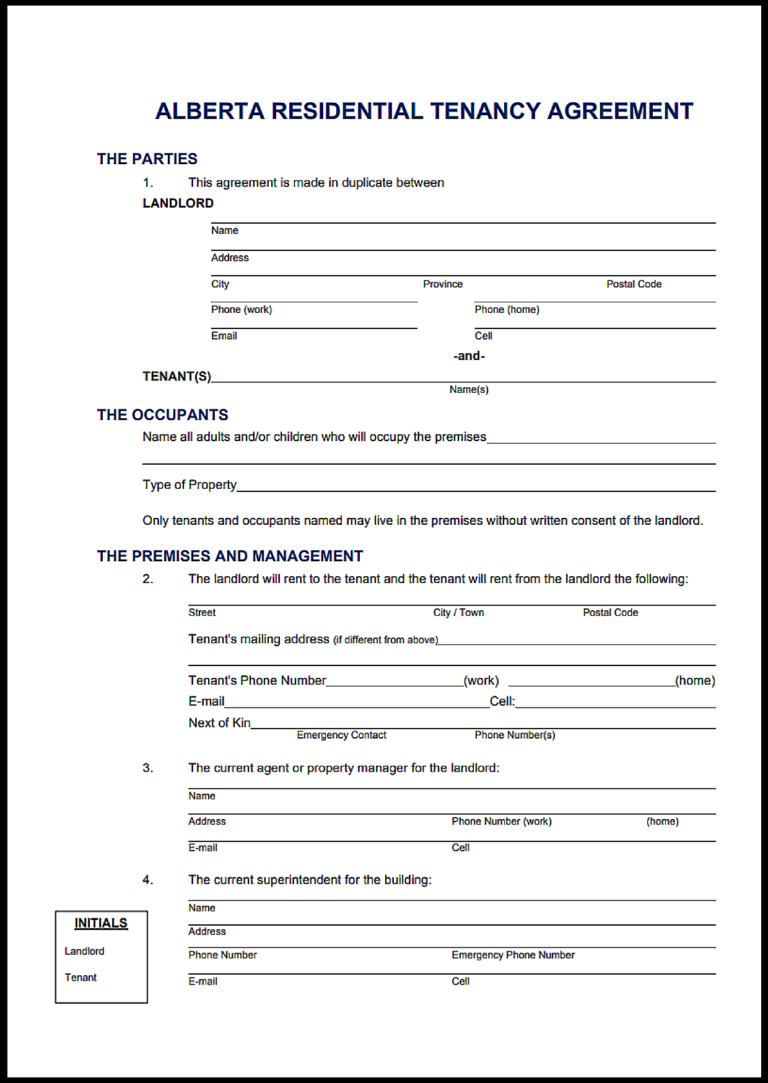
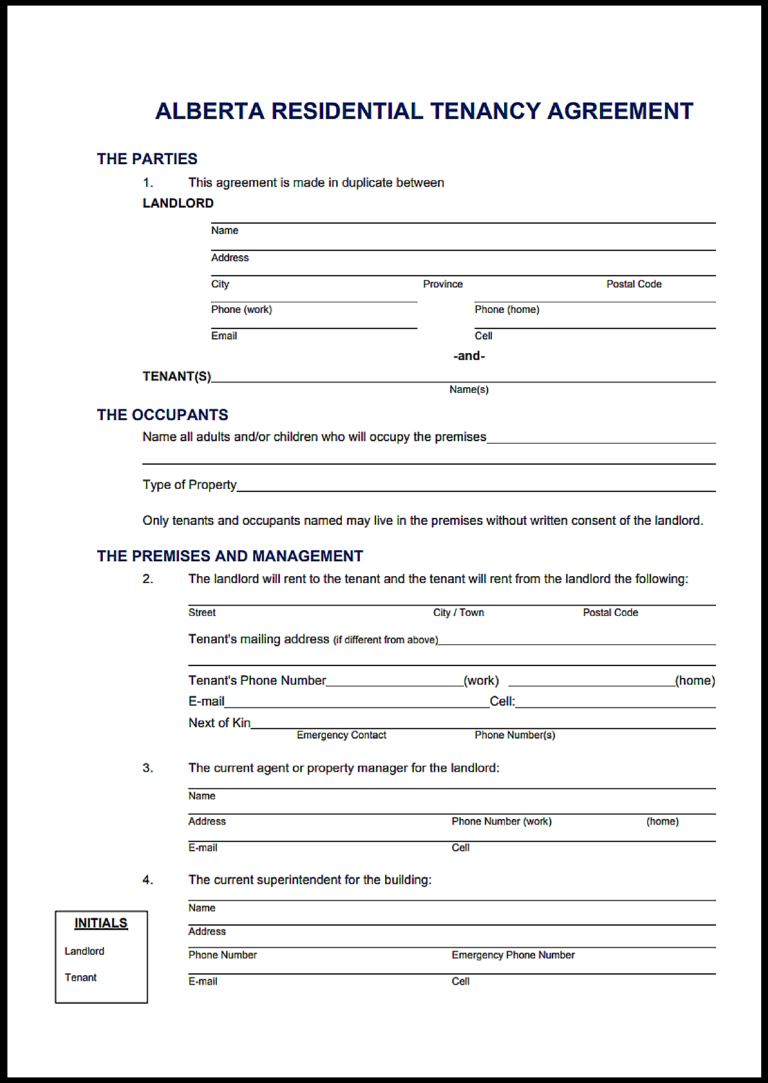
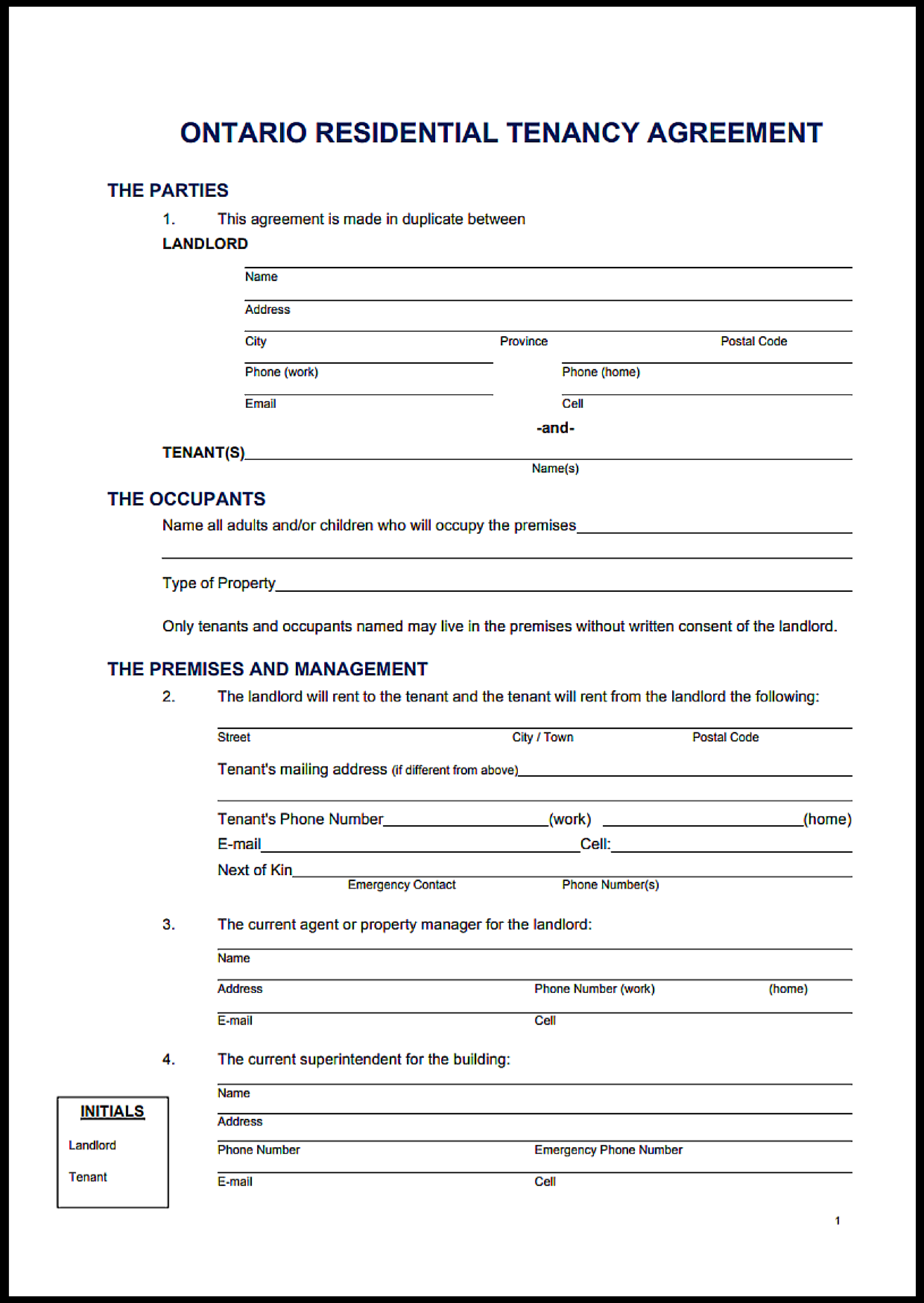
Below is a simple, ready-to-use Ontario rental agreement template. It’s useful for quick setups and understanding what to include.
Ontario Lease Laws That Can Affect Your Rental Agreement
| Topic / Issue | Ontario Legal Rule | Governing Statute |
|---|---|---|
| Governing Legislation | Most residential tenancy agreements in Ontario are governed by the Residential Tenancies Act, 2006, subject to the Act’s exemptions. | Residential Tenancies Act, 2006 (RTA), S.O. 2006, c. 17 |
| Federal Applicability | Residential tenancy law is primarily provincial in Ontario rather than governed by a general federal residential-tenancy statute. | Constitution Act, 1867 |
| Recent Amendments | Bill 97 (2023) made several amendments to the Residential Tenancies Act, including new requirements relating to certain repair and renovation notices. Bill 60 (2025) also amended the Act, with some provisions coming into force on July 1, 2026 and additional provisions scheduled to come into force on September 21, 2026. | Helping Homebuyers, Protecting Tenants Act, 2023; Fighting Delays, Building Faster Act, 2025 |
| Who Can Legally Sign | For a tenancy covered by Ontario’s prescribed Standard Form of Lease requirements, the landlord and tenant must sign the tenancy agreement on or before the day the tenant is entitled to occupy the rental unit. | RTA, s. 12.1 |
| Witness Requirements | Witnesses are not generally required for an Ontario residential tenancy agreement. | Residential Tenancies Act / Ontario Standard Lease requirements |
| Notarization | Notarization is not generally required for an Ontario residential tenancy agreement. | Residential Tenancies Act / Ontario Standard Lease requirements |
| Age Requirement | A person entering a tenancy must have the legal capacity required to enter into the agreement. Capacity questions involving minors can depend on the circumstances and applicable contract law. | Ontario contract law |
| Mental Capacity | The parties must have the legal capacity required to enter into the tenancy agreement; questions about contractual capacity may depend on the circumstances and applicable contract law. | Ontario contract law |
| Delivery Deadline | If the tenancy agreement is in writing, the landlord must give the tenant a copy signed by the landlord and tenant within 21 days after the tenant signs it and gives it to the landlord. | RTA, s. 12(1) |
| Mandatory Lease Form | Most Ontario residential landlords must use the government-prescribed Standard Form of Lease, subject to the statutory exemptions. | RTA, s. 12.1; O. Reg. 9/18 |
| Mandatory Tenant Information | The Standard Form of Lease requirements apply to prescribed classes of residential tenancies under section 12.1 of the Residential Tenancies Act and O. Reg. 9/18. | RTA, s. 12.1; O. Reg. 9/18 |
| Void Clauses | A tenancy-agreement term that is inconsistent with the Residential Tenancies Act or its regulations is generally void. A provision prohibiting pets is specifically void under section 14, while terms restricting guests, roommates or additional occupants may also be unenforceable where they take away rights under the Act. | RTA, ss. 4 and 14 |
| Filing Requirements | A residential tenancy agreement generally does not have to be filed with a government office simply to be valid. | Residential Tenancies Act |
| Use in Disputes | The lease may be used as evidence in proceedings before the Landlord and Tenant Board during a tenancy dispute. | Landlord and Tenant Board procedures |
| Invalidity for Failure to Use Standard Form | If a landlord does not provide a compliant Standard Form of Lease after a tenant’s written demand, the tenant may, after 21 days, withhold rent payments subject to a maximum of one month’s rent. The tenancy is not automatically void or terminable solely because the prescribed form was not used. | RTA, s. 12.1 |
| Illegal Rent Deposits | Landlords generally cannot require damage or pet deposits. A rent deposit is limited by section 106, while a refundable key, remote-entry-device or card deposit may be permitted under O. Reg. 516/06 if it does not exceed the expected direct replacement cost. | RTA, ss. 105–106; O. Reg. 516/06 |
| Inconsistent Terms | A tenancy-agreement term that is inconsistent with the Residential Tenancies Act or its regulations is generally void. | RTA, s. 4 |
| Automatic Month-to-Month Renewal | When a fixed-term tenancy ends without being renewed or terminated, it is generally deemed renewed as a monthly tenancy with the same terms and conditions, subject to lawful rent increases. | RTA, s. 38 |
| Interest on Rent Deposits | Landlords must generally pay annual interest on a rent deposit at the guideline rate applicable when the payment becomes due. | RTA, s. 106(6) |
Ontario’s Standard Form of Lease rule is more specific than simply saying that every rental must use a government form. Most prescribed residential tenancies must use the Standard Form. If the landlord has not provided a compliant agreement, a tenant can make a written demand under section 12.1. After 21 days without compliance, the tenant may withhold rent subject to a maximum of one month’s rent. The statute does not make the tenancy automatically void merely because the prescribed form was not used.
Ontario also has strict rules regarding deposits. A landlord generally cannot charge a damage or pet deposit. A rent deposit is subject to the limits in section 106, while certain refundable key, card or remote-entry deposits can be permitted under the applicable regulation. These rules limit the amounts a landlord can lawfully collect at the start of a tenancy.
Signing a lease does not make every clause enforceable. Section 4 of the Residential Tenancies Act makes inconsistent tenancy-agreement terms void, and section 14 specifically makes a no-pet provision void. The Ontario government’s Standard Lease Guide also identifies terms restricting guests, roommates or additional occupants as examples of additional terms that can be void.
Ontario’s fixed-term tenancy rules are also important. When a fixed-term tenancy ends without being renewed or terminated, it generally continues as a monthly tenancy under the same terms and conditions. A landlord should therefore not assume that a tenant must automatically leave simply because the date written on the original fixed-term lease has passed.
Before signing, check the agreement against Ontario’s Standard Form of Lease requirements and the Residential Tenancies Act. The template on this page can help organize tenancy information, but it should not replace the prescribed government form where that form is required.
Is a Rental Agreement Legally Required in Ontario?
A written Standard Form of Lease is required for most residential tenancies covered by Ontario’s prescribed-class rules, but a tenancy can still exist without a written agreement.
Here’s what you need to know:
- Landlords must provide the applicable written tenancy agreement within the time required by Ontario law. For a written tenancy agreement, section 12 generally requires the landlord to give the tenant a copy signed by both parties within 21 days after the tenant signs it and gives it to the landlord.
- Verbal agreements can create a tenancy, but they can be harder to prove when the parties disagree about the terms.
- If a landlord refuses to provide the required Standard Form of Lease:
- The tenant can make a written demand that the landlord provide a compliant Standard Form of Lease.
- If at least 21 days have passed since the tenant’s written demand and the landlord has not complied, the tenant may withhold rent payments that become due after that period, up to a maximum of one month’s rent. If the landlord complies no later than 30 days after the first withheld payment, the landlord may require repayment of the withheld amount.
Important: Even without a written lease, a tenancy can still exist and Ontario’s tenancy laws may apply. However, having the terms in writing makes the parties’ rights and responsibilities easier to identify.
Key Clauses Every Ontario Rental Agreement Must Include
Basic Information
- Full names of landlord and tenant
- Property address
- Contact details
Rent Details
- Monthly rent amount
- Due date
- Accepted payment methods (cash, e-transfer, etc.)
Lease Term
- Fixed-term (e.g., 1 year)
- Month-to-month (no fixed end date)
Deposit Rules
- A rent deposit is subject to Ontario’s statutory limits
- Landlords are not allowed to charge damage or pet deposits
Utilities & Services
- Who pays for hydro, water, gas, internet
Rules & Restrictions
- Smoking rules (Must comply with municipal smoke-free bylaws and RTA frameworks)
- Pet provisions (A blanket no-pet term in a tenancy agreement is void under RTA s. 14. However, the Act contains specific rules dealing with animals, and tenants in condominiums may also have to comply with applicable condominium rules.)
- Noise limits (Noise and guest rules must comply with Ontario tenancy law. Terms that attempt to prohibit guests, roommates or additional occupants or otherwise take away rights under the Act may be void and unenforceable.)
When creating a legally binding tenancy contract, it’s important to understand how it aligns with the official Ontario lease agreement format. You should also review a basic explanation of lease agreements in Ontario and ensure compliance with Ontario lease laws and regulations. Supporting documents like a rental application form and roommate agreement template can help structure the tenancy properly.
Ontario Rental Rules Every Tenant & Landlord Should Know
Rent Increase Rules
- Rent can generally be increased only after at least 12 months have passed
- For 2026, the rent increase guideline is 2.1% for most rent-controlled units. Some units are exempt from the guideline, including qualifying new buildings, additions and certain new units first occupied for residential purposes after November 15, 2018.
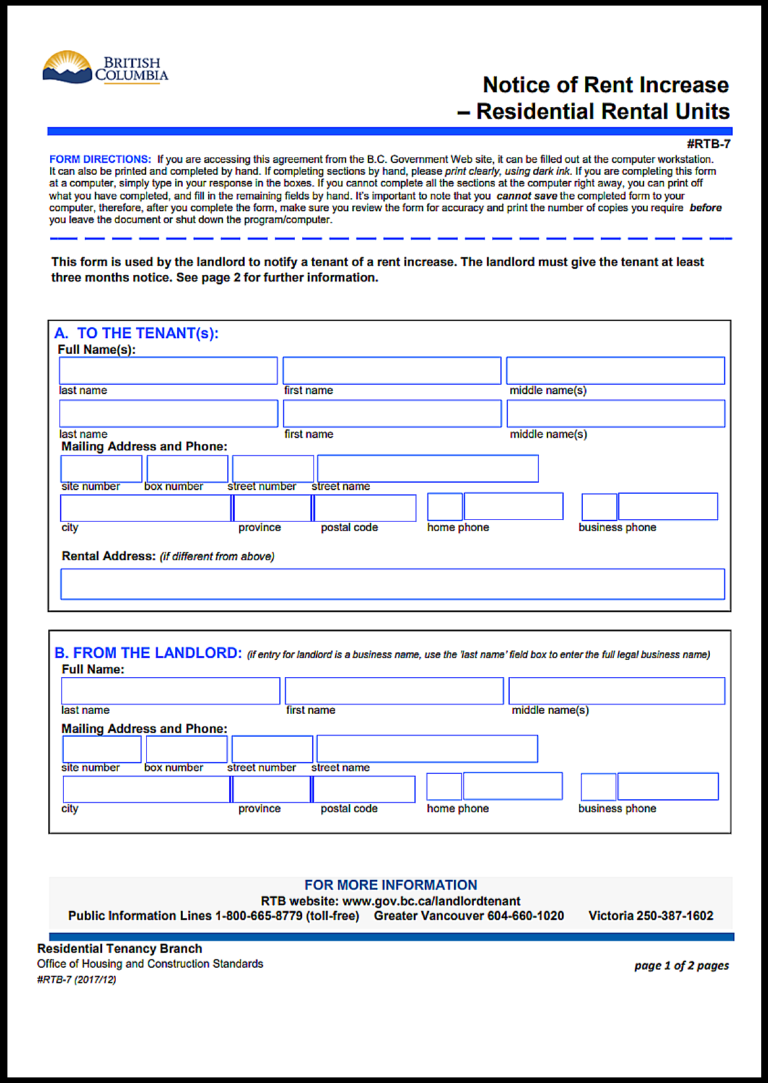
- The landlord must generally give at least 90 days’ written notice in the proper form before the increase takes effect
Eviction Basics
- Landlords must have a legal reason
- Proper notice forms must be used
- You cannot evict someone without following the law
Maintenance Responsibilities
- Landlord must keep the property safe and in good condition
- Repairs cannot be ignored
Tenant Rights
- A landlord generally must give at least 24 hours’ written notice before entering a rental unit for a purpose covered by section 27, subject to the Act’s exceptions
- Right to privacy
- Right to a safe home
Fixed-Term vs Month-to-Month Lease (Which One is Better?)
Fixed-Term Lease
- Usually 6–12 months
- The rent is subject to Ontario’s rent-increase rules
- Tenant cannot leave early without following the applicable rules
Month-to-Month Lease
- No fixed end date
- More flexibility
- Easier to end with notice when the legal requirements are met
Quick Comparison
| Feature | Fixed-Term Lease |
Month-to-Month Lease
|
| Flexibility | Low | High |
| Stability | High | Medium |
| Risk | Lower | Slightly higher |
Tip: If you want a defined initial term, a fixed-term lease may be useful. If you need flexibility, a month-to-month tenancy can provide that, subject to Ontario’s rules for ending a tenancy.
How to Fill Out an Ontario Rental Agreement (Step-by-Step)
Step 1: Add Full Legal Names
Use official names of landlord and all tenants.
Step 2: Enter Property Details
Include full address (unit number, street, city).
Step 3: Set Rent & Payment Terms
Clearly write:
- Amount
- Due date
- Payment method
Step 4: Choose Lease Type
Select fixed-term or month-to-month.
Step 5: Review Rules Carefully
Make sure both sides agree on:
- Pets
- Smoking
- Noise
Step 6: Sign and Keep Copies
Both landlord and tenant should:
- Sign the agreement
- Keep a copy for records
Common Mistakes to Avoid
- Charging illegal deposits (damage and pet deposits are not allowed)
- Not using Ontario’s Standard Form of Lease when it is required
- Missing important clauses like rent details
- Not keeping proof of rent payments
- Ignoring tenant rights
Real tip: Keep copies of the signed agreement, rent receipts, important emails and notices. Those records can become useful evidence if a tenancy dispute later goes before the Landlord and Tenant Board.
Real-Life Example (Simple Scenario)
Let’s say a landlord rents out a basement apartment in Toronto.
Without a written agreement:
- Tenant assumes utilities are included
- Landlord expects tenant to pay hydro
This can lead to conflict.
With a proper rental agreement:
- Utilities are clearly listed
- Rent and rules are defined
- Both sides know their responsibilities
A clear written agreement can reduce misunderstandings about utilities, rent and responsibilities, although it cannot prevent every tenancy dispute.
Related Documents You May Need
To fully manage a rental situation, you may also need:
Primary Documents:
- Ontario lease agreement template (for long-term rentals)
- Ontario month-to-month rental agreement
- Ontario room rental agreement (for shared housing)
- Ontario sublease agreement
Supporting Documents:
- Rental application form Ontario (screen tenants)
- Lease termination letter Ontario (end tenancy properly)
Using the correct Ontario tenancy document can make the parties’ obligations easier to identify and can reduce avoidable disputes.
FAQs
Is the Ontario standard lease mandatory?
Yes, for most residential tenancies covered by Ontario’s prescribed-class rules, landlords must use the government-prescribed Standard Form of Lease. Certain types of housing and tenancies are exempt, so the requirement does not apply to every rental arrangement.
Can a landlord refuse pets?
In most cases, no. A no-pet provision in a residential tenancy agreement is generally void under Ontario’s Residential Tenancies Act. However, the Act contains specific rules dealing with animals, and condominium residents may also have to comply with applicable condominium rules.
How much deposit is allowed in Ontario?
A landlord can generally require a rent deposit of no more than the rent for one rental period, usually the last month’s rent. A landlord generally cannot require a damage or pet deposit. Certain refundable key, card or remote-entry deposits may also be permitted under Ontario’s regulations if the statutory requirements are met.
Can rent be increased anytime?
No. In most cases, rent can be increased only after at least 12 months have passed, and the landlord must generally give at least 90 days’ written notice in the proper form. For 2026, the guideline is 2.1% for most rent-controlled units, although some units are exempt from the guideline.
What happens if there is no written agreement?
A tenancy can still exist without a written agreement, depending on the circumstances, and Ontario’s Residential Tenancies Act may still apply. However, without written terms, it can be harder to establish what the parties agreed to about issues such as utilities, rent and other responsibilities.