Estate Planning Laws British Columbia: A Complete Legal Overview
Estate Planning Laws British Columbia cover much more than simply writing a will, and many people are surprised to learn how easily an incomplete plan can create problems later on. Under British Columbia’s estate planning framework, a will, an enduring power of attorney, and incapacity planning documents often work together to protect your wishes during life and after death.
In practice, I’ve seen situations where a family believed everything was in order until a wills variation claim surfaced in the British Columbia Supreme Court because an outdated estate plan no longer reflected the family’s circumstances. The issue usually isn’t a lack of planning but relying on documents that weren’t updated or weren’t prepared according to provincial requirements. This page explains the key estate planning laws in British Columbia, the documents commonly used, and the mistakes that can create costly delays or disputes for families.

British Columbia Estate Planning Laws, Witness Rules, and Probate Risks
| Topic / Issue | British Columbia Legal Rule | Governing Statute |
|---|---|---|
| Main estate planning laws | Estate planning in British Columbia is governed at the provincial level through separate laws for wills, incapacity, and healthcare planning. | Wills, Estates and Succession Act, SBC 2009, c. 13 (WESA), Power of Attorney Act, RSBC 1996, c. 370, and Representation Agreement Act, RSBC 1996, c. 405 |
| Electronic and remote wills | British Columbia legally recognizes electronic signing and remote witnessing of wills through audio-visual technology. | WESA, ss. 35.1, 35.2, 35.3 |
| Who can sign a will | The will-maker or another person acting in the will-maker’s presence and under direct instruction may sign the will. | WESA, s. 37(1)(b) |
| Who can sign an EPOA | The adult granting authority or another person acting in the adult’s presence and by direct instruction may sign the EPOA. | Power of Attorney Act, s. 16(1) |
| Witness rules for wills | Two witnesses must be physically or electronically present together. A beneficiary may witness, but gifts to that witness or spouse may become void. | WESA, ss. 40, 43 |
| Witness rules for EPOA | Two witnesses are generally required, or one BC lawyer or BC notary public may act alone. Certain family members, attorneys, and minors are disqualified. | Power of Attorney Act, ss. 16 & 17; PoA Regulation, s. 2 |
| Notarization requirements for wills | Notarization is not legally required for a will to be valid. | No statutory requirement — governed by common law principles |
| Real estate use of EPOA | A BC lawyer or notary public is required as sole witness if the EPOA will be used for Land Title Office real estate matters. | Power of Attorney Act, s. 16; Land Title Act, RSBC 1996, c. 250, Part 5 |
| Age requirement for wills | Individuals can make a valid will at age 16 or older in BC. | WESA, s. 36(1) |
| Age requirement for EPOA | Adults must be at least 19 years old to create an Enduring Power of Attorney. | Power of Attorney Act, s. 11 |
| Mental capacity for wills | The will-maker must have testamentary capacity and understand the nature of the document. | WESA, s. 36(1) |
| Mental capacity for EPOA | The adult must understand the nature and consequences of granting authority over property and finances. | Power of Attorney Act, s. 11 |
| Expiration rules for wills | Wills remain valid until revoked or changed according to law. | WESA, s. 55 |
| Springing EPOA rules | A springing EPOA only becomes active after a triggering event such as incapacity. | Power of Attorney Act, s. 26 |
| Remote witnessing statement requirement | Wills signed remotely must contain wording confirming compliance with remote witnessing rules. | WESA, s. 35.2 |
| Mandatory EPOA incapacity clause | An EPOA must clearly state whether authority begins immediately or upon incapacity. | Power of Attorney Act, s. 14 |
| Attorney acknowledgment forms | Attorneys must sign statutory forms acknowledging duties and liability before acting. | Power of Attorney Regulation, Form 1 and Form 2 |
| Wills Notice filing | A will-maker may voluntarily file a Wills Notice showing where the will is stored. | BC Vital Statistics Agency process |
| EPOA land title filing | EPOA documents must be filed with the Land Title & Survey Authority for certain property transactions. | Land Title & Survey Authority requirements |
| Beneficiary witness consequences | Gifts to witnesses or their spouses are automatically void unless corrected by court order. | WESA, s. 43 |
| Failure of attorney signatures | EPOAs become ineffective if attorneys fail to properly sign statutory acknowledgment documents. | Power of Attorney Act, s. 16 |
| Concurrent execution requirement | The will-maker and witnesses must sign during the same continuous signing process. | WESA, s. 37 |
| Curative powers of the court | BC courts may validate informal documents such as texts or digital files if testamentary intent is proven. | WESA, s. 58 |
| Wills variation claims | Adult children may apply to vary a will if they believe they were treated unfairly. | WESA, s. 60 |
| BC minimum age difference | BC allows valid wills at age 16, unlike some provinces that require age 18. | WESA, s. 36 |
| Broad judicial discretion | BC courts have unusually broad authority to change unfair estate distributions. | WESA, s. 60 |
One of the most unusual estate planning rules in British Columbia is that someone can legally create a valid will at just 16 years old. Another major difference is BC’s powerful “wills variation” law, which allows adult children to challenge a parent’s estate if they believe they were treated unfairly. Many people are surprised to learn that even a properly signed will can still face court review under WESA.
The province also has some of the broadest curative powers in Canada. Courts may sometimes accept informal records like digital files or text messages if they clearly show final testamentary intentions. At the same time, strict signing mistakes can still create serious problems. For example, if witnesses do not sign together correctly, or if an attorney fails to complete required acknowledgment forms, the entire document may become ineffective. In real life, these mistakes can delay probate, create family disputes, block property transfers, or trigger expensive litigation after death or incapacity. Download the free British Columbia estate planning template below to help organize your documents more clearly and reduce future legal risks.
Understanding estate planning laws can help individuals protect their financial interests, healthcare preferences, and inheritance decisions under British Columbia regulations. To see how these legal documents work together, you can review the main estate planning documents guide along with the British Columbia will template used for recording inheritance instructions and beneficiary arrangements.
What Estate Planning Means in British Columbia
Under British Columbia law, estate planning means preparing for what happens to your money, property, and personal care if you pass away or become unable to make decisions.
It is not just about writing a will. In most estate planning situations, it includes a set of legal documents that work together.
The main law that governs estates in BC is the Wills, Estates and Succession Act (British Columbia) (WESA). This law explains how assets are distributed, especially when someone dies without a will.
Other important laws include:
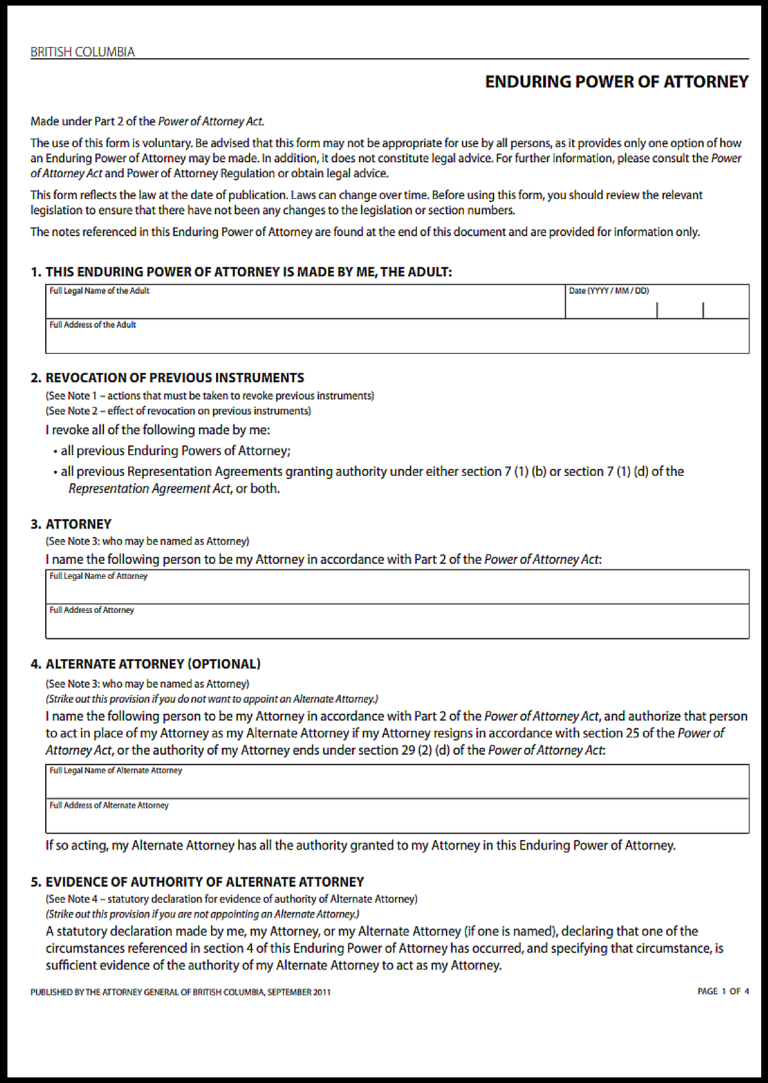
- The Power of Attorney Act (for financial decisions)
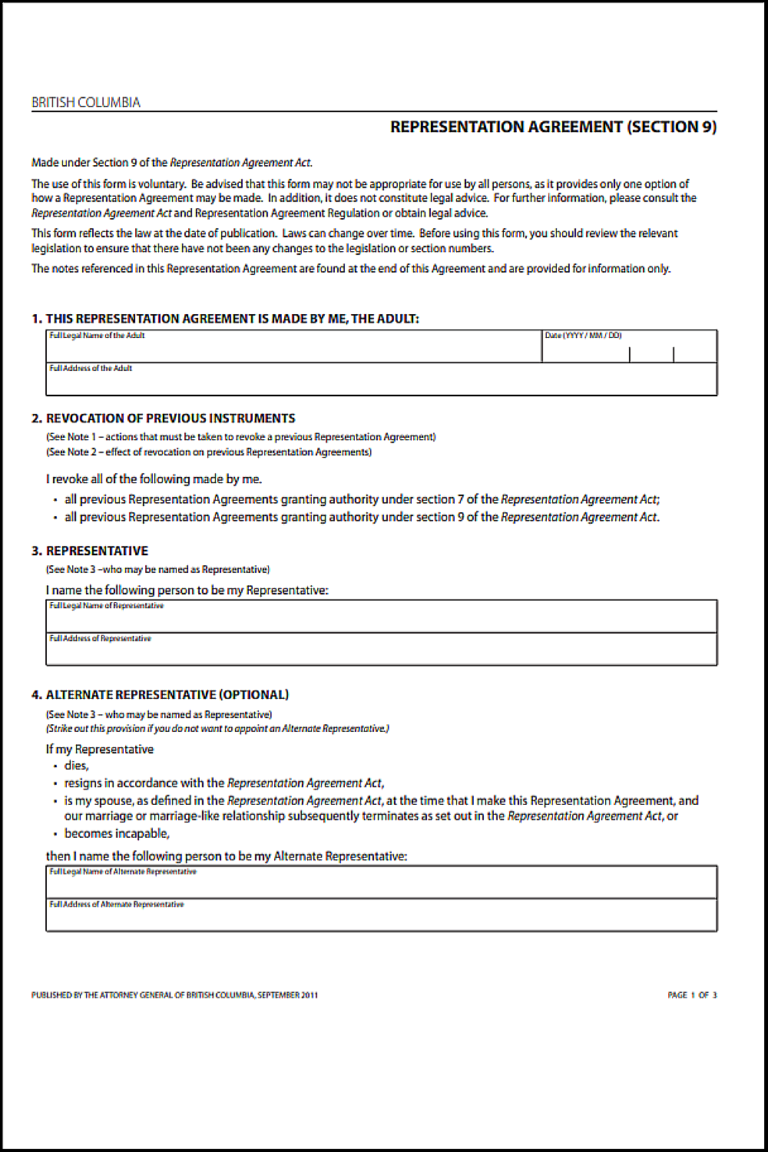
- The Representation Agreement Act (for healthcare and personal decisions)
Together, these laws form the foundation of estate planning in British Columbia.
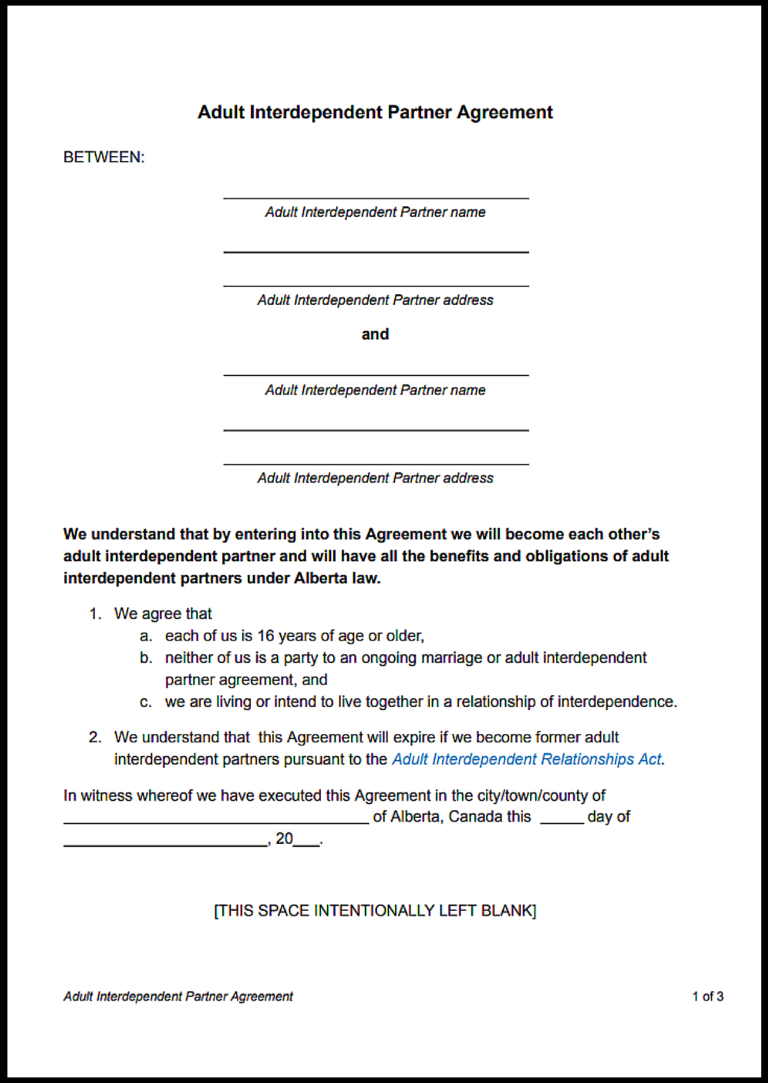
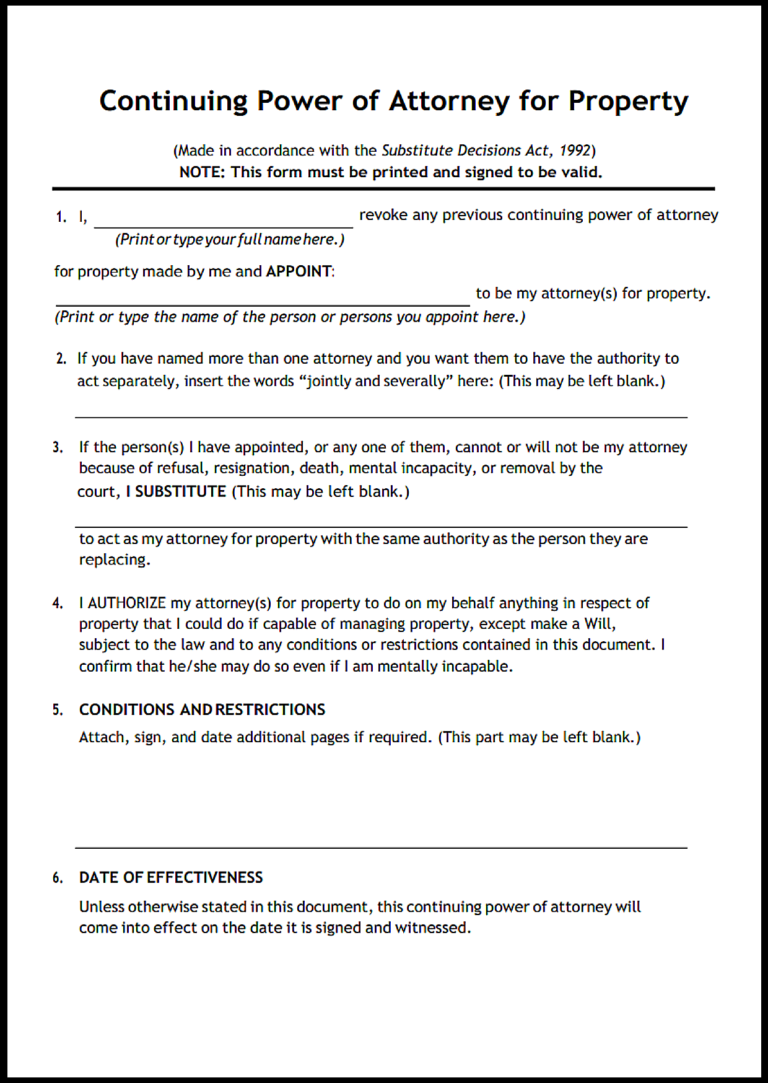
Estate planning often includes several related legal authority documents depending on personal and financial circumstances. Some individuals prepare a power of attorney form to manage financial matters, while healthcare planning may involve a living will template or an advance care directive.
Main Estate Planning Laws You Should Know in BC
Wills, Estates and Succession Act (WESA)
This is the most important estate law in BC. It governs:
- How wills are created and interpreted
- What happens if there is no will (called “intestate”)
- Who inherits property
Under WESA, if you don’t have a will, the law decides how your estate is divided.
Power of Attorney Act
This law allows you to appoint someone to manage your finances if you become mentally incapable. This includes paying bills, managing investments, or handling property.
Representation Agreement Act
This law lets you choose someone to make healthcare and personal decisions for you if you cannot make them yourself. This can include medical treatment and living arrangements.
These laws are designed to protect you—but only if you use them properly.
Relationship agreements can also affect inheritance rights and property distribution during estate planning. Couples may therefore review a British Columbia cohabitation agreement or a prenuptial agreement template when organizing long-term financial arrangements.
Key Estate Planning Documents Under BC Law
Estate planning works best when all documents are prepared together, not separately.
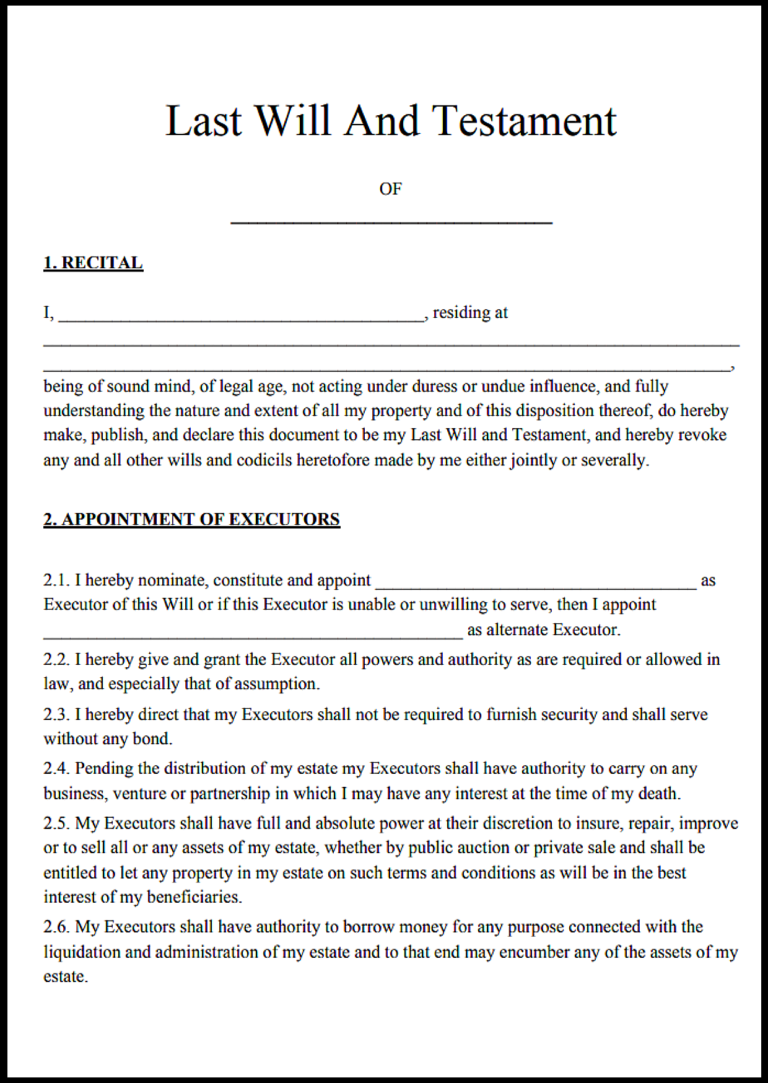
Will (Last Will and Testament)
A will controls what happens after your death. It:
- Distributes your assets
- Names an executor (person who carries out your wishes)
Enduring Power of Attorney
This allows someone to manage your financial matters if you become incapable.
Representation Agreement
This document gives someone authority to make healthcare and personal decisions for you.
Advance Directive (Optional)
This includes specific instructions about medical treatment, such as life support preferences.
All these documents work together. A will alone is not a complete estate plan.
Legal Requirements for Estate Documents in BC
Under British Columbia law, documents must meet certain rules to be valid.
Age and Mental Capacity
Individuals are legally required to:
- Be at least 16 years old
- Understand what they are signing
Witness Requirements
Most documents must be signed in front of two witnesses.
Witnesses should not be beneficiaries to avoid conflicts.
Signing Rules
Proper signing is critical. If documents are not signed correctly, they may be challenged or rejected.
Handwritten or Digital Wills
Courts in BC may accept informal wills, including handwritten or digital ones. However, these are risky and often lead to disputes.
Quick Legal Requirements
| Requirement | Rule in BC |
| Minimum Age |
16 years or older
|
| Mental Capacity |
Must understand decisions
|
| Witnesses | Usually 2 required |
| Beneficiary as Witness | Not recommended |
| Improper Signing | Can make document invalid |
How Estate Planning Laws Work in Real Life
Let’s look at a simple example.
A person in BC dies without a will. Under WESA:
- The spouse receives a share of the estate
- Children receive the remaining portion
- If there is no spouse or children, other relatives inherit
If no family is found, the estate may go to the government.
This process is automatic. The law decides everything, not the family.
What Happens If You Don’t Have an Estate Plan in BC
If you don’t plan ahead, several problems can happen.
- The government decides who gets your assets
- Probate (court process) can cause delays
- Family disputes may arise
- No one has clear authority over your finances
- Healthcare decisions may be made by others without your input
In real life, this often leads to stress and confusion for loved ones.
Rules About Inheritance in British Columbia
Spouse and Children Rights
Under WESA:
- A spouse has priority rights
- Children share the remaining estate
Common-Law vs Married Partners
In British Columbia, common-law partners can have similar rights if they meet legal criteria (such as living together for a required period).
No Will (Intestate) Rules
If there is no will:
- Spouse inherits first
- Then children
- Then extended family
Inheritance Overview Table
| Situation | Who Inherits |
| Spouse + Children |
Shared between them
|
| Only Spouse |
Spouse inherits all
|
| No Immediate Family |
Extended relatives
|
| No Relatives |
Government receives estate
|
Key Elements Every Estate Plan Should Cover
A complete estate plan should clearly address:
Asset Distribution
Who gets your property, savings, and belongings.
Executor or Decision-Maker
Who will carry out your wishes after death.
Backup Appointments
Secondary people in case your first choice is unavailable.
Debt and Tax Handling
How debts and taxes should be managed.
Healthcare Wishes
Your preferences for medical treatment and care.
Common Estate Planning Mistakes in BC
Many people make avoidable mistakes.
- Not updating documents after marriage or divorce
- Choosing an unreliable executor
- Ignoring incapacity planning
- Not understanding BC-specific laws
- Making DIY errors without proper knowledge
Even small mistakes can lead to major legal issues later.
When Estate Plans Can Be Challenged in BC
British Columbia is known for allowing estate disputes, especially under WESA.
The most common issue is a wills variation claim, where family members argue the will is unfair.
Other reasons include:
- Lack of mental capacity
- Undue influence (pressure from others)
- Improper signing
This is a major legal risk in BC and should not be ignored.
Step-by-Step: How to Create an Estate Plan in BC
Step 1 – List All Assets
Include property, bank accounts, investments, and personal items.
Step 2 – Choose Trusted People
Pick an executor, attorney, and healthcare representative.
Step 3 – Decide Distribution
Clearly state who gets what.
Step 4 – Prepare Legal Documents
Create your will, power of attorney, and representation agreement.
Step 5 – Sign and Store Safely
Ensure proper signing and keep documents in a secure place.
Do You Need a Lawyer for Estate Planning in BC?
In simple situations, some individuals may prepare basic documents themselves.
However, legal help is strongly recommended if:
- You own property
- You have a family or dependents
- You want to avoid disputes
- Your situation is complex
Doing it wrong can lead to invalid documents or court challenges.
Quick Estate Planning Checklist
- Will prepared
- Power of attorney assigned
- Healthcare decisions documented
- Assets listed
- Documents stored safely
This checklist helps ensure nothing important is missed.
Frequently Asked Questions
Is a will enough for estate planning in BC?
No. A will only covers what happens after death. You also need documents for financial and healthcare decisions during your lifetime.
What is WESA and why is it important?
WESA is the main law in British Columbia that governs wills and estate distribution. It decides what happens if you don’t have a valid will.
Who inherits if there is no will in BC?
Under BC law, the estate goes first to the spouse, then children, then extended family.
Can I make my own estate plan?
Yes, but mistakes are common. If documents are not valid, the court may not accept them.
How often should I update my estate plan?
You should review it every few years or after major life events like marriage, divorce, or having children.