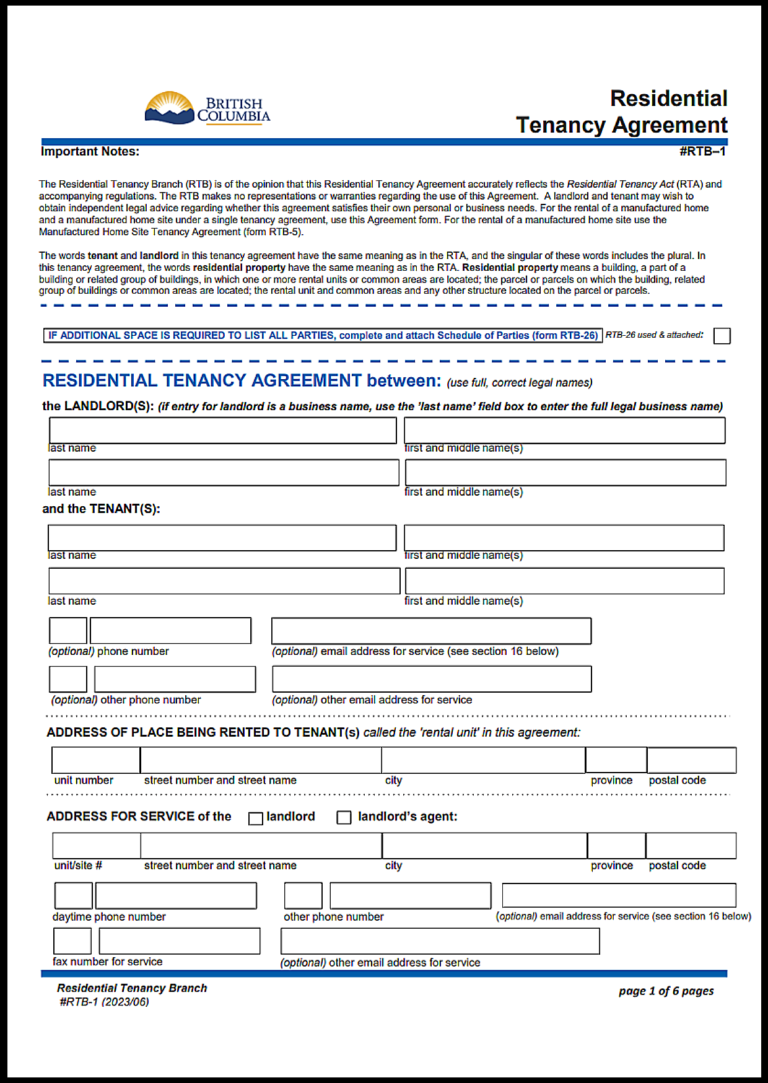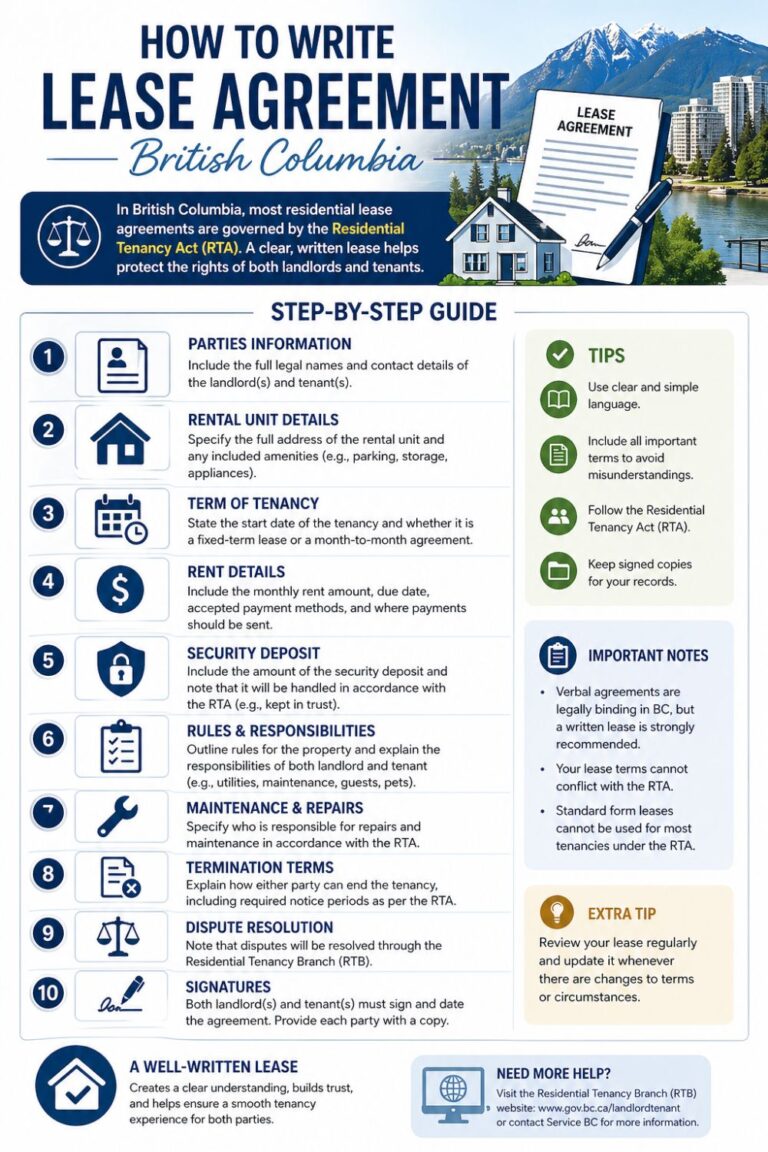
Ontario Lease Renewal Agreement Form | Free PDF & Word
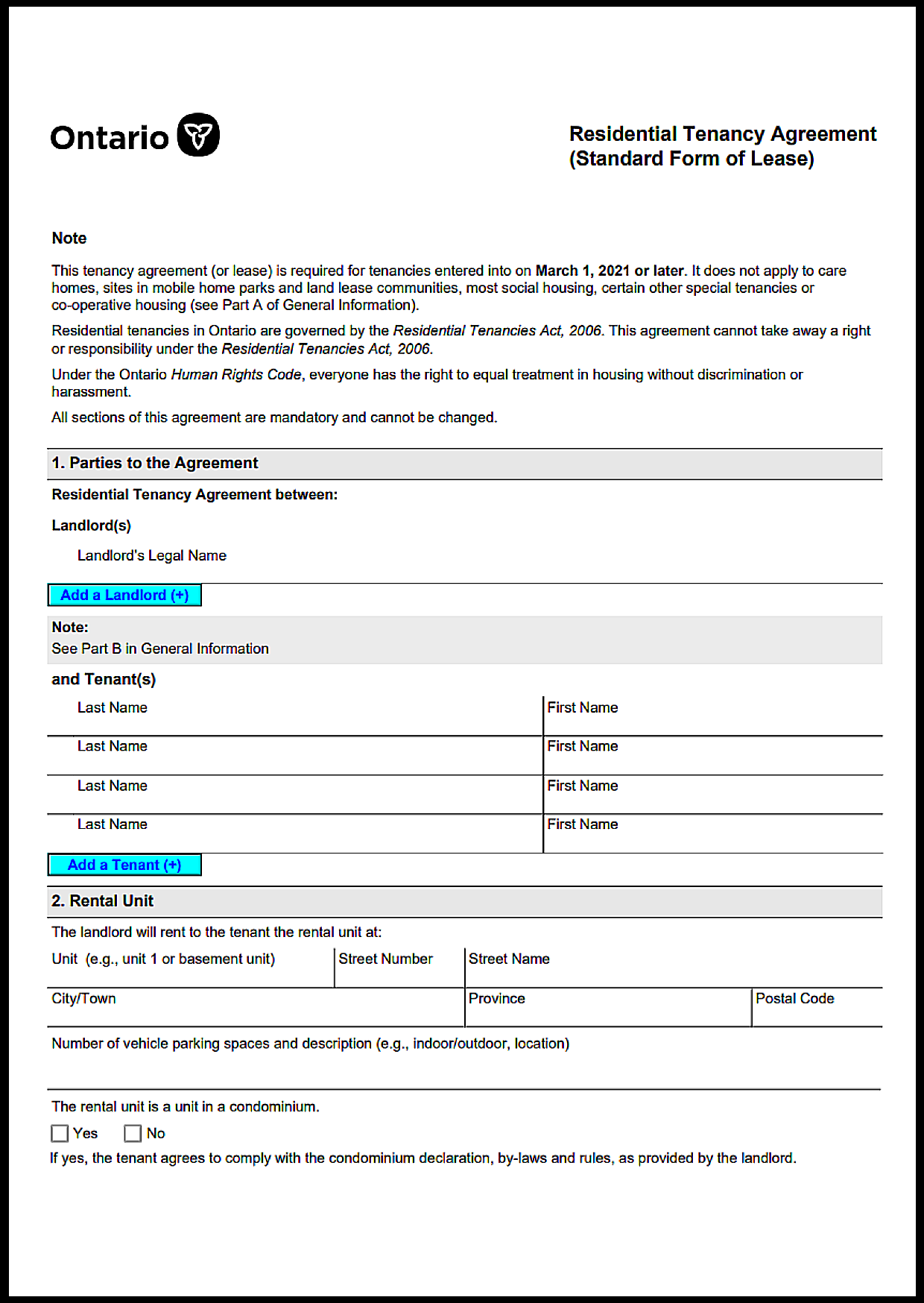
An Ontario Lease Renewal Agreement refers to the formal mechanism by which an existing residential tenancy is extended into a subsequent fixed term. Under Ontario’s Residential Tenancies Act, 2006 (RTA) and O. Reg. 9/18, any extension of a fixed term must comply strictly with the mandatory Residential Tenancy Agreement (Standard Form of Lease) framework. Landlords and tenants cannot bypass government-prescribed forms by using informal or custom-drafted ‘renewal sheets’ to alter terms or lock in new timelines without creating significant compliance liabilities.
In most rental situations in Ontario, a lease does not need to be rewritten from scratch. A renewal agreement saves time, keeps things clear, and avoids legal confusion. I’ve seen landlords and tenants run into serious disputes in Ontario simply because they assumed a verbal agreement or a few text messages were enough to renew a lease. When people are already stressed about housing or rising rent costs, having a proper renewal document in place usually prevents misunderstandings that can quickly end up before the Landlord and Tenant Board.
Under Ontario law, rules from the Residential Tenancies Act (RTA) still apply during renewal, especially for rent increases and tenant rights.
Last Updated: September 2026
Free Ontario Lease Renewal Agreement Template
Below is a clean, ready-to-use template. You can copy and edit it based on your situation.
Ontario Lease Renewal Laws and Legal Compliance Rules
| Topic / Issue | Ontario Legal Rule | Governing Statute |
|---|---|---|
| Governing legislation | Residential lease renewals in Ontario are primarily governed by the Residential Tenancies Act, 2006 (RTA), although federal law can apply to particular issues within federal jurisdiction. | Residential Tenancies Act, 2006 |
| Recent amendments | Ontario’s residential tenancy rules have been amended by legislation including Bill 60, with certain changes taking effect in 2026. The specific rules applicable to a renewal should be checked against the current RTA and LTB procedures. | Residential Tenancies Act, 2006 |
| Who can sign | The landlord and tenant may enter into a renewal agreement where they mutually agree to continue the tenancy for a new fixed term, subject to the Residential Tenancies Act. | Residential Tenancies Act, 2006 |
| Witness requirement | Ontario law does not generally require witnesses for an ordinary residential lease renewal agreement. | N/A |
| Notarization | Ontario law does not generally require notarization for an ordinary residential lease renewal. | N/A |
| Age and capacity | The RTA does not state that every lease-renewal party must be at least 18; contractual capacity and any applicable capacity rules should be considered based on the circumstances. | Residential Tenancies Act, 2006 |
| Rent increase notice deadline | For most RTA-covered rent increases, the landlord must give at least 90 days’ written notice in the proper Landlord and Tenant Board form before the increase takes effect. | RTA, s. 116 |
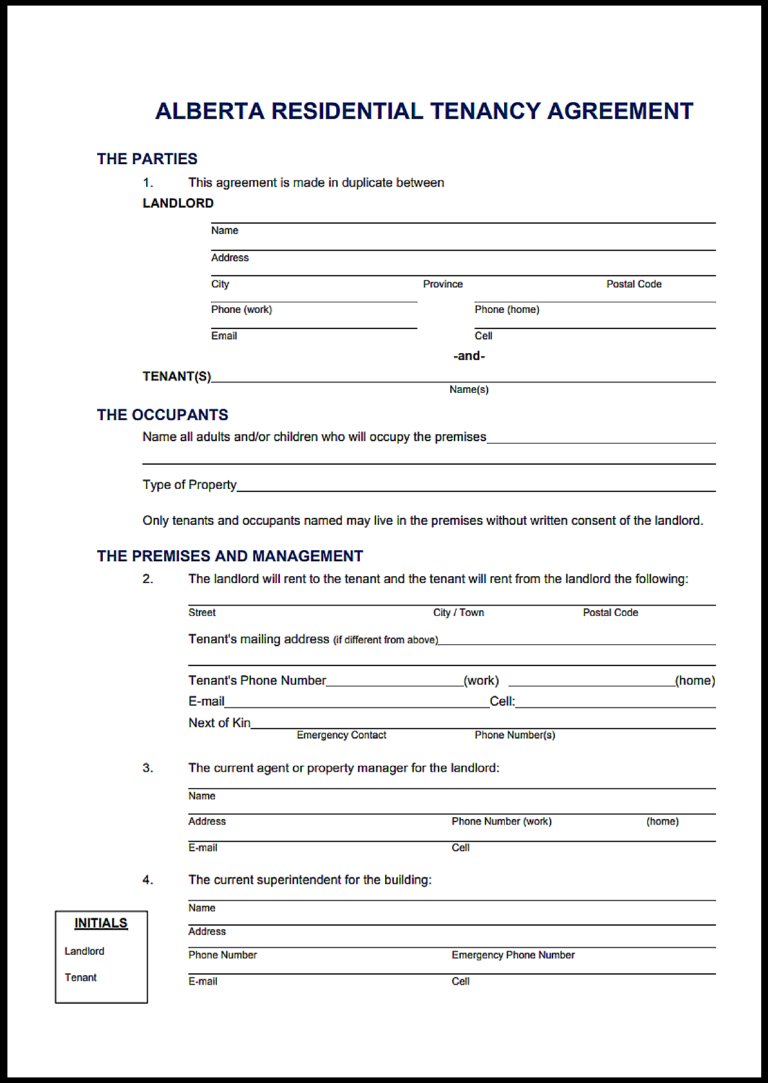
| Mandatory lease form | Ontario requires the prescribed Standard Form of Lease for most residential tenancy agreements within the prescribed class, subject to the exemptions and transition rules in the RTA and O. Reg. 9/18. | RTA, s. 12.1; O. Reg. 9/18 |
| Required landlord disclosure | Every written tenancy agreement must set out the landlord’s legal name and address for giving notices and other documents under the RTA. | RTA, s. 12 |
| Filing requirement | An ordinary residential lease renewal agreement is not generally filed with the government or the Landlord and Tenant Board. | N/A |
| Evidence in disputes | A written renewal agreement may be used as evidence in a dispute before the Landlord and Tenant Board where the Board has jurisdiction. | Residential Tenancies Act, 2006 |
| Illegal rent increases | A rent increase is void if the landlord has not given the notice required by the RTA. The guideline, exemptions and any approved above-guideline increase must also be considered. | RTA, ss. 116–120, 126 |
| Void lease clauses | A tenancy-agreement term that is inconsistent with the RTA or its regulations is void. For example, section 14 makes provisions prohibiting animals void, while additional terms about guests must also comply with the Act. | RTA, ss. 4, 14 |
| Failure to use standard form | Where the Standard Form requirements apply and the landlord fails to comply after a proper written demand, the tenant may have statutory remedies under section 12.1, including the ability to withhold one month’s rent in the circumstances set out there. | RTA, s. 12.1 |
| Automatic month-to-month conversion | If a fixed-term tenancy ends and has not been renewed or terminated, the landlord and tenant are generally deemed to have renewed it as a monthly tenancy with the same terms and conditions, subject to lawful rent increases. | RTA, s. 38 |
| Tenant cannot be forced to renew | A tenant does not have to sign another fixed-term agreement simply because the existing fixed term is ending; if the tenancy is not renewed or terminated, it generally continues monthly under section 38. | RTA, s. 38 |
| Ontario’s unique rule | For prescribed residential tenancies, Ontario uses a government-prescribed Standard Form of Lease. Additional terms may be included if they are not inconsistent with the prescribed form or the RTA. | RTA, s. 12.1; O. Reg. 9/18 |
One of the most important rules for Ontario tenants is that they usually do not have to sign another lease when the fixed term ends. Under section 38 of the RTA, the tenancy generally continues as a monthly tenancy with the same terms and conditions if it has not been renewed or terminated. This means a tenant can often remain in the rental without signing another fixed-term agreement.
The Standard Form of Lease is also important, but the renewal rules need some care. Ontario requires the prescribed form for most covered residential tenancy agreements. At the same time, section 12.1 contains transition rules for certain agreements entered into before the applicable prescribed date, even if those agreements are later renewed or deemed renewed.
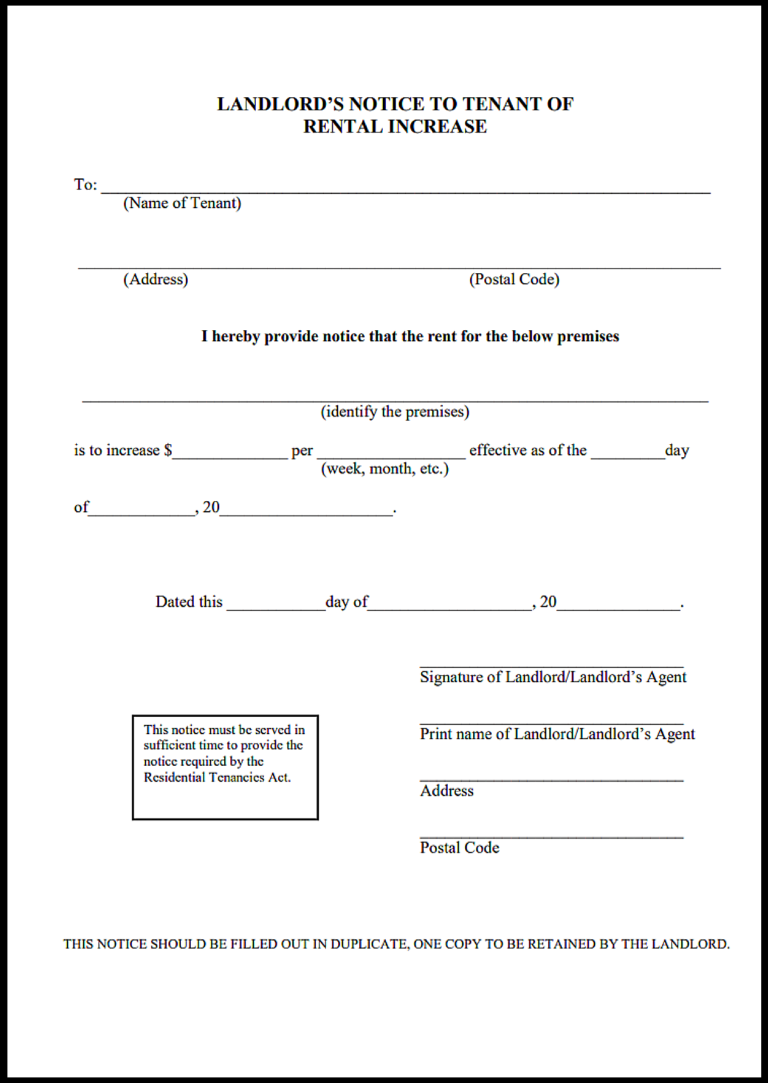
The rent increase rules are equally important. A landlord generally must give at least 90 days’ written notice before a rent increase takes effect, and the notice must be in a form approved by the Landlord and Tenant Board. The 12-month rule and any applicable rent-control exemption must also be considered.
To make renewal easier and keep the agreed terms clear, use the free Ontario Lease Renewal Agreement template below.
What Is a Lease Renewal Agreement in Ontario?
Under Ontario law, a lease renewal generally means that the landlord and tenant agree to continue the tenancy for another fixed term. The parties can document the new term and any agreed changes in writing, while the RTA continues to govern the tenancy.
A fixed-term tenancy can also continue automatically as a monthly tenancy under section 38 if the parties do not enter into another fixed term and neither party has lawfully ended the tenancy.
Renewal vs Extension vs New Lease
| Type | Meaning | When Used |
| Renewal | Continuation of the existing tenancy for a new fixed term |
When both parties want another fixed term
|
| Extension | Continuation of the existing tenancy for an agreed additional period |
When the parties agree to continue the tenancy
|
| New Lease | A new tenancy agreement replacing the previous arrangement |
When the parties are creating a substantially different tenancy
|
Real Example
A tenant signs a 1-year lease from January to December.
In November, both parties agree to continue the tenancy for another 12 months. They also discuss a proposed rent increase.
Before applying the increase, the landlord must check Ontario’s rent-increase rules, including the required notice period, 12-month rule and any applicable exemption.
The parties can then document the agreed fixed term and other lawful changes clearly.
Is Lease Renewal Legal Under Ontario Law?
Yes. Ontario law allows landlords and tenants to agree to continue a tenancy for another fixed term, but signing a new fixed-term agreement is not required merely because the existing fixed term is ending.
Here’s how the law works:
- When a fixed-term tenancy ends, it generally continues as a monthly tenancy if it has not been renewed or terminated
- No renewal is needed for the tenant to remain in the rental
- A new fixed term is based on agreement between the landlord and tenant
Important Legal Rules
- Rent increases must comply with Ontario’s rent-increase rules
- For most rent increases, at least 90 days’ written notice is required
- At least 12 months must generally have passed since the last increase or since the tenancy began
- Landlords cannot force tenants to sign another fixed-term agreement simply because the original term is ending
In simple terms:
- Tenants can generally stay without signing another fixed-term lease
- A renewal provides a defined fixed term when both parties want that arrangement
When Should You Use a Lease Renewal Agreement?
A renewal is useful when both parties want to document another fixed term rather than allowing the tenancy to continue monthly.
Common Use Cases
- Fixed-term lease is about to end
- Tenant wants to stay long-term
- Landlord wants a defined fixed term
- Both parties want the certainty of an agreed term
Real Scenario
A landlord has a reliable tenant paying rent on time.
Instead of allowing the tenancy to continue monthly, both parties agree on:
- 12-month renewal
- A rent increase if legally permitted
- The same existing rules, except for any lawful changes they agree to
Before recording the new rent, the landlord should confirm that the increase complies with Ontario’s notice, timing and rent-control rules.
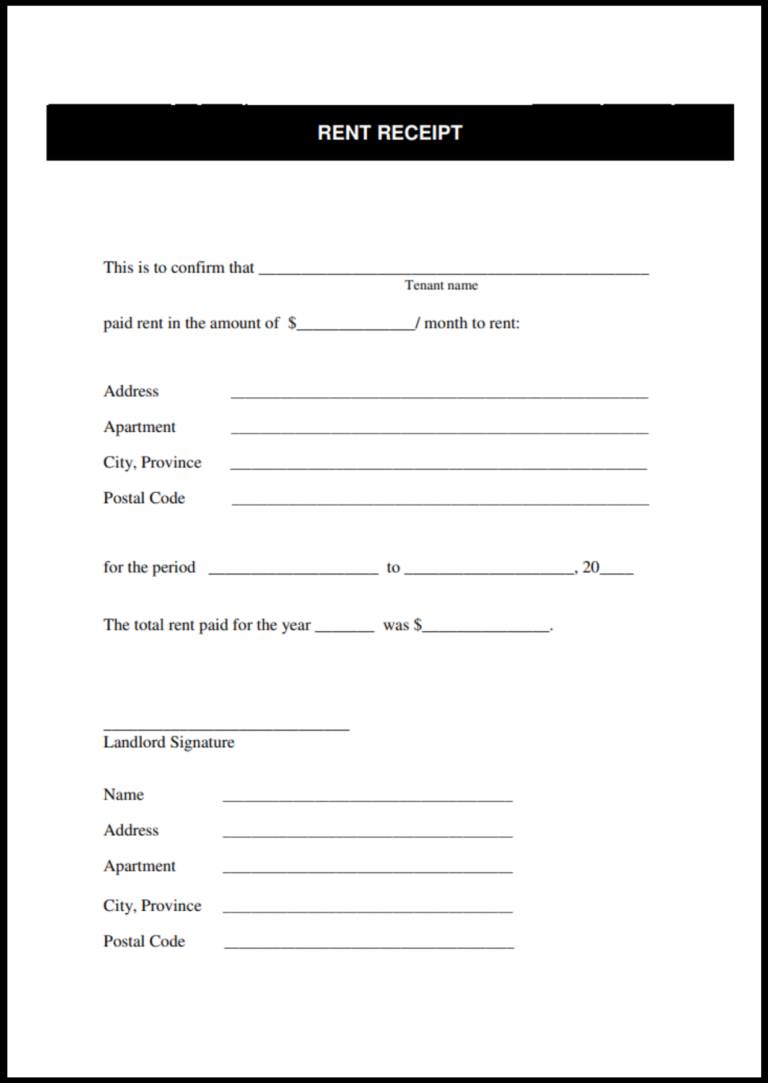
To extend a tenancy legally, this lease renewal agreement can reference the original lease contract. You must also comply with Ontario tenancy laws and understand rent increase rules. Supporting documents such as a rent receipt and month-to-month lease may apply.
Key Elements of a Valid Lease Renewal Agreement
To keep the renewal clear, include these details:
Tenant and Landlord Details
- Names should match the existing tenancy records
- Avoid spelling errors
Property Information
- Full address of the rental unit
- Include unit number if applicable
Renewal Term
- Fixed duration, such as 6 or 12 months
- Start and end dates clearly written
Updated Rent Details
- New rent amount, if increased legally
- Payment due date
Changes to Existing Terms
- Utilities, if changed lawfully
- Parking rules
- Other agreed terms that comply with the RTA
Signatures
- Both landlord and tenant should sign a written renewal
- Each party should keep a signed copy
Lease Renewal vs Month-to-Month Tenancy (Important)
Many tenants don’t realize they don’t need to renew to stay.
How Month-to-Month Works
After the lease ends:
- Tenant can generally stay automatically
- The same terms and conditions continue
- Rent remains the lawful rent unless it is legally increased
Comparison
| Factor | Lease Renewal | Month-to-Month |
| Stability | High | Medium |
| Flexibility | Low | High |
| Commitment | Fixed term | Ongoing |
| Risk of leaving | Lower flexibility |
Greater flexibility
|
When to Avoid Renewal
Tenants may avoid renewal if:
- They plan to move soon
- They want flexibility
- They are unsure about future plans
Ontario Rent Increase Rules During Renewal
Rent cannot be increased freely—even during renewal.
Legal Requirements
Under Ontario law:
- For most increases, the landlord must give at least 90 days’ written notice
- At least 12 months must generally have passed since the last increase or since the tenancy began
- The landlord must use the proper LTB-approved notice
- The applicable rent guideline or an exemption must be considered
Exceptions
Some units are exempt from the rent increase guideline, including most new buildings, additions to existing buildings and most new basement apartments first occupied for residential purposes after November 15, 2018, subject to the statutory requirements.
Important:
Even if signing a renewal, an unlawful rent increase can be challenged at the Landlord and Tenant Board (LTB). A renewal agreement does not by itself remove the landlord’s obligation to comply with the RTA’s rent-increase rules.
How to Fill Out the Lease Renewal Agreement (Step-by-Step)
Follow this simple process:
Step 1: Copy Original Lease Details
- Names
- Address
- Original lease date
Step 2: Decide Renewal Term
- Common terms include 6 or 12 months
- Clearly state the start and end dates
Step 3: Add Updated Rent
- Only if legally allowed
- Check the 12-month and 90-day rules before recording the increase
Step 4: Include Any Changes
- Utilities
- Parking
- Other agreed rules or terms
Step 5: Sign and Keep Copies
- Each party should keep a signed copy
Common Mistakes to Avoid
Many disputes happen because of simple errors.
Avoid these:
- Increasing rent without proper notice
- Changing major terms in a way that conflicts with the RTA
- Forgetting to document the agreed renewal
- Confusing renewal with the automatic month-to-month continuation
- Not documenting changes clearly
Practical Tip:
Keep the signed renewal, the original tenancy agreement and any rent-increase notice together. These records can help establish what terms the parties agreed to and when a rent change was communicated.
Can a Landlord Refuse Lease Renewal in Ontario?
A landlord does not have to agree to a new fixed-term renewal, but that does not mean the landlord can simply require the tenant to leave when the fixed term ends.
What Landlords Can Do
- Decline to enter into another fixed-term agreement
- Allow the tenancy to continue month-to-month
What Landlords Cannot Do
- Evict simply because the tenant will not sign a new fixed-term agreement
- Force a tenant to leave without a lawful ground and the required RTA process
Under Ontario law, a tenancy can generally continue monthly after the fixed term ends. A landlord seeking to terminate the tenancy must rely on a lawful ground and follow the applicable notice and LTB process.
Legal Risks of Improper Lease Renewal
Doing it incorrectly can cause serious issues.
Possible Problems
- Invalid rent increase that the tenant can challenge
- Disputes at the Landlord and Tenant Board
- Confusion about verbal agreements or undocumented changes
- Loss of clarity about the agreed fixed term
Real Risk Example:
A landlord attempts to increase rent at renewal without giving the required notice.
The tenant can challenge the increase because the RTA requires advance written notice before a rent increase takes effect.
FAQs
Is lease renewal mandatory in Ontario?
No, lease renewal is not mandatory in Ontario. After the fixed-term lease ends, the tenancy generally continues automatically on a month-to-month basis under the same terms and conditions if it has not been renewed or terminated. This means a tenant can generally stay without signing another fixed-term lease.
Can rent be increased during renewal?
Yes, but the increase must comply with Ontario’s rent-increase rules. For most increases, the landlord must give at least 90 days’ written notice in the proper LTB form, and at least 12 months must have passed since the last increase or since the tenancy began. The rent guideline generally applies unless the unit is exempt or another lawful mechanism for an above-guideline increase applies.
Do I need a new lease instead of renewal?
A new lease is not automatically required simply because the rent, duration or another term changes. The parties should document agreed changes in a way that complies with the RTA and any applicable Standard Form requirements. If the existing fixed term simply ends without a new fixed-term agreement, the tenancy generally continues monthly under section 38.
Is a written renewal required?
No written renewal document is required for a tenancy to continue month-to-month under section 38. The RTA recognizes written, oral and implied tenancy agreements, although the prescribed Standard Form requirements apply to the tenancy agreements covered by section 12.1, subject to its exemptions and transition rules. A written renewal is still preferable because it gives both parties clear evidence of the agreed fixed term and any changes.
Can tenants refuse renewal?
Yes, tenants can refuse to enter into another fixed-term agreement if they do not want to commit to a new fixed term. If the tenancy is not otherwise lawfully terminated, it can generally continue on a month-to-month basis under section 38.