Manitoba Consulting Agreement (Free Fillable PDF Template)
A consulting relationship in Manitoba often starts with a few emails, a phone call, and someone saying, “We’ll sort out the paperwork later.” That’s usually where the trouble begins. I’ve sat across from an independent IT consultant in Winnipeg who delivered months of work before anyone had written down who actually owned the software they created. It wasn’t an unusual situation, just an expensive one.
A Manitoba Consulting Agreement is commonly used by independent consultants, small businesses, corporations, and professionals hiring outside expertise for short or ongoing projects across the province. In Manitoba, the Court of King’s Bench Act and the King’s Bench Rules govern how contractual disputes are handled if they end up before the courts, so the wording in your agreement can matter far more than people expect. It’s one of those documents people think can wait. Then it doesn’t.
A payment claim that can’t be backed up with clear contract terms is often where things fall apart. Maybe you’ve already started the project because the client wanted everything moving fast, or maybe they’re asking you to “just send an invoice” while the details stay unwritten.
I’ve dealt with a management consultant who lost several thousand dollars because the agreement never explained when milestone payments became due, and the client successfully argued the work wasn’t complete enough to trigger payment. That wasn’t fixed afterward. It was over. Put the expectations, payment terms, ownership of work, confidentiality, and termination rights into writing before the consulting work continues, then have both parties sign the agreement.
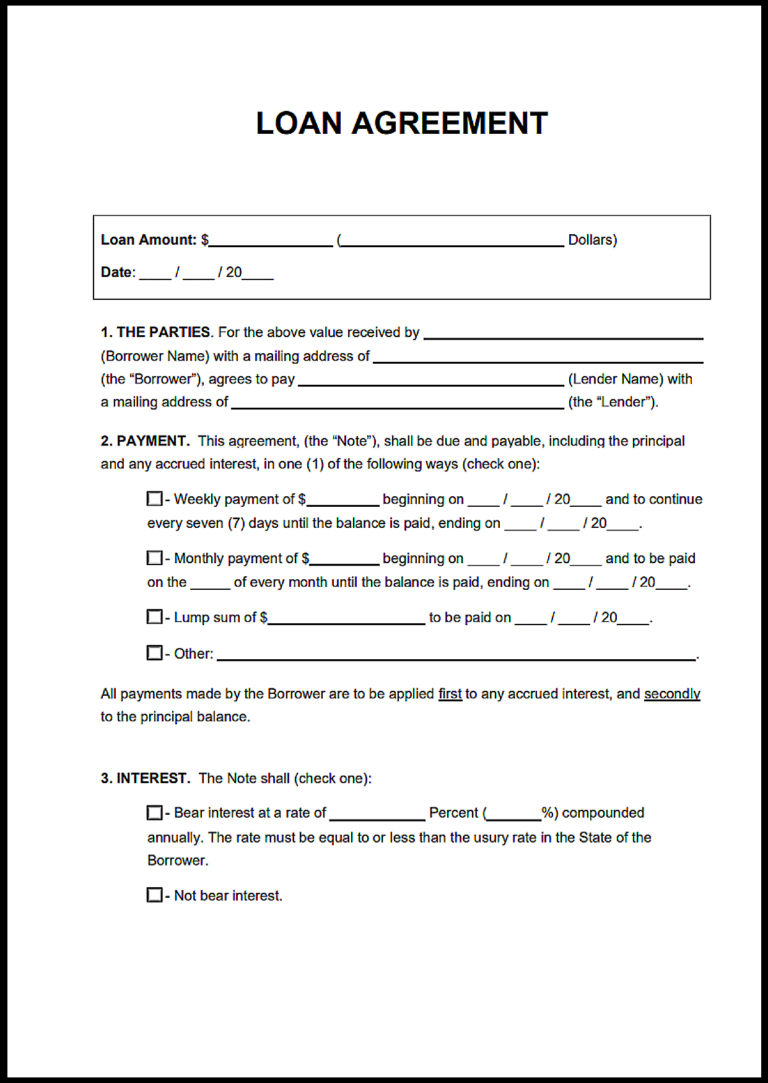
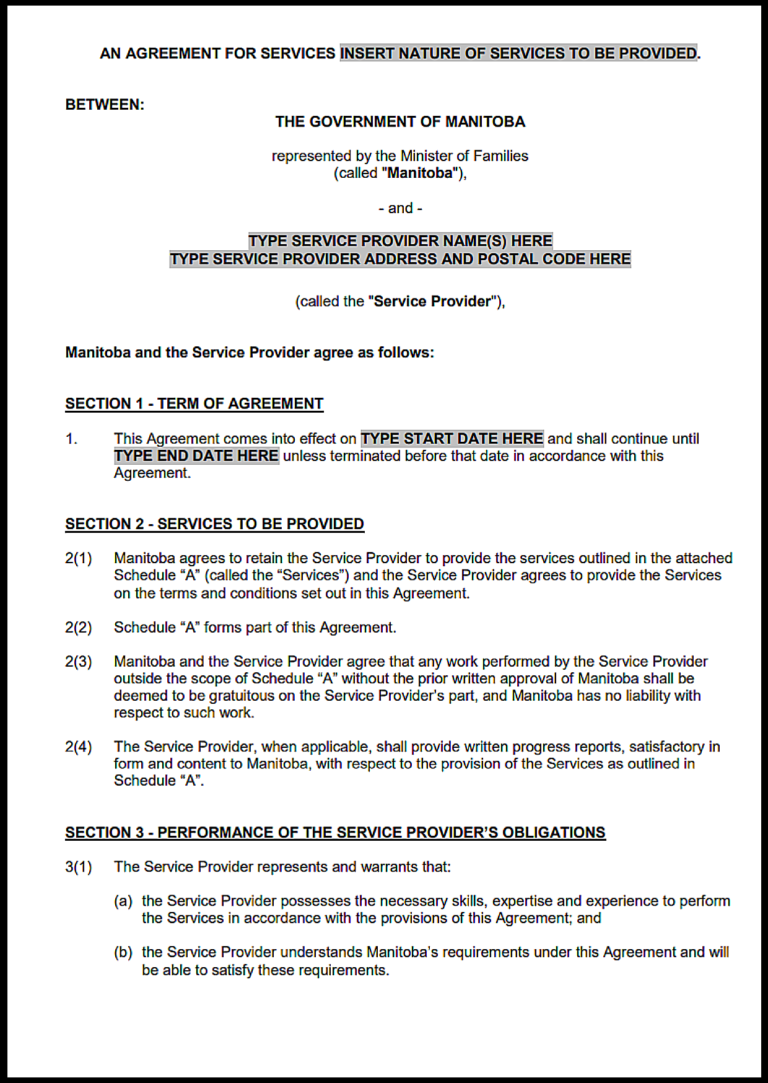
Free Manitoba Consulting Agreement Template
This free template can be customized for Manitoba businesses, freelancers, and independent consultants. It works for many service-based business arrangements.

Manitoba Consulting Agreement Laws, Contractor Risks & IP Ownership Rules
| Topic / Issue | Manitoba Legal Rule | Governing Statute |
|---|---|---|
| Governing legislation | Commercial consulting frameworks are established via local common law contract rules, federal tax metrics, and provincial electronic data acts. | The Electronic Commerce and Information Act, C.C.S.M. c. E55; Income Tax Act, R.S.C. 1985, c. 1 (5th Supp.) |
| Electronic contract execution | Confirms that electronic commerce rules validate the formation, delivery, and execution of online consulting agreements. | The Electronic Commerce and Information Act, C.C.S.M. c. E55, Part 3 |
| Business name compliance | Consultants operating under trade names may need business name registration. | The Business Names Registration Act, C.C.S.M. c. B110 |
| Workers compensation obligations | Certain consulting industries may require WCB coverage or clearance certificates. | The Workers Compensation Act, C.C.S.M. c. W200 |
| Intellectual property ownership | Copyright created by independent consultants normally belongs to the consultant unless properly assigned in writing. | Copyright Act, R.S.C. 1985, c. C-42, s. 13(3) |
| Moral rights waiver | A consultant’s moral rights cannot be assigned and must be expressly waived in writing. | Copyright Act, R.S.C. 1985, c. C-42, s. 14.1 |
| Who can legally sign | Sole proprietors, authorized corporate officers, partners, or designated agents may legally sign consulting agreements. | The Corporations Act, C.C.S.M. c. C225, s. 23; The Partnership Act, C.C.S.M. c. P30, s. 7 |
| Witness requirements | Witnesses are not legally required for Manitoba consulting agreements. | No statutory requirement — governed by common law principles |
| Notarization requirements | Consulting agreements generally do not require notarization. | No statutory requirement — governed by common law principles |
| Age requirements | Parties must generally be at least 18 years old. | The Age of Majority Act, C.C.S.M. c. A7, s. 1 |
| Mental capacity | Parties must understand the risks and obligations of the agreement when signing. | No statutory requirement — governed by common law principles |
| Limitation period | Civil actions stemming from unfulfilled services or unpaid consultant invoices are bound to a 2-year deadline counting entirely from the date of discovery. | The Limitations Act, S.M. 2021, c. 44, s. 6 |
| Mandatory clauses | Standard consulting agreements do not require mandatory statutory boilerplate wording. | Manitoba common law contract principles |
| WCB clearance risks | Clients in certain industries may face liability if they fail to verify WCB clearance status. | The Workers Compensation Act, C.C.S.M. c. W200 |
| Worker misclassification risk | A consulting relationship may legally become employment if the working relationship resembles employee control and supervision. | Income Tax Act, R.S.C. 1985, c. 1 (5th Supp.); The Employment Standards Code, C.C.S.M. c. E110 |
| Overbroad non-compete clauses | Excessive non-compete restrictions may be struck down as illegal restraints of trade. | No statutory requirement — governed by common law principles |
| Dissolved business entity risk | Agreements signed under dissolved corporations or cancelled business names may become invalid or create personal liability. | The Corporations Act, C.C.S.M. c. C225, s. 205; The Business Names Registration Act, C.C.S.M. c. B110, s. 16 |
| Manitoba limitation rule difference | Imposes a uniform 2-year basic limitation standard that updates old historic multi-year variations under repealed law. | The Limitations Act, S.M. 2021, c. 44 |
| Manitoba contract validation | Grants unconditional legal validity and enforceability to electronic commercial records under provincial contract rules without requiring public registry designation. | The Electronic Commerce and Information Act, C.C.S.M. c. E55, s. 19 |
One of the most important Manitoba consulting rules involves intellectual property ownership. Many businesses assume they automatically own reports, software code, marketing materials, or designs created by a consultant. Under federal copyright law, that is usually not true unless the agreement contains a proper written assignment clause. Another major issue is worker classification. A business cannot avoid employment obligations simply by calling someone a “consultant” if the actual relationship looks like regular employment with fixed schedules, supervision, and company control.
These rules matter in real business situations because consulting disputes often involve unpaid invoices, ownership of creative work, CRA audits, or termination conflicts months after the project ends. Manitoba’s newer 2-year limitation period also creates a much shorter legal window for businesses trying to recover damages or unpaid fees. Getting these details wrong can expose businesses to retroactive payroll liabilities, invalid contracts, or expensive ownership disputes over valuable business materials. Download the free Manitoba Consulting Agreement template below to help avoid common contractor and compliance mistakes.
When Businesses in Manitoba Use a Consulting Agreement
Consulting agreements are commonly used when a company needs specialized skills without hiring a full-time employee.
Freelance and Professional Services
Many Manitoba businesses hire consultants for:
- Marketing consulting
- IT consulting
- HR consulting
- Business advisory work
- Financial consulting
- Operational improvement projects
These arrangements are especially common for small businesses that need expert help for a limited period.
Short-Term Project Work
Businesses often use consulting agreements for temporary projects such as business financing initiatives:
- Website development
- Software implementation
- Business restructuring
- Staff training
- Process improvement
- Strategic planning
A written agreement helps both sides understand project timelines, payment schedules, and expected deliverables.
Remote and Cross-Province Consulting
Some Manitoba companies hire consultants located in other provinces. In those situations, governing law clauses become very important.
A Manitoba governing law clause helps confirm that Manitoba laws apply if a dispute happens later. This can reduce confusion about which province’s courts have authority over the agreement.
Why a Written Consulting Agreement Matters in Manitoba
Verbal agreements can sometimes be legally valid. However, they are much harder to prove if a dispute happens.
Manitoba courts usually rely heavily on written contract terms when deciding commercial disputes. A clear written agreement protects both the client and the consultant.
Prevents Payment Disputes
A consulting agreement should clearly explain:
- Invoice deadlines
- Hourly billing rates
- Fixed project fees
- Late payment penalties
- Expense reimbursement rules
- Deposit requirements
Many business disputes happen simply because payment terms were never written down properly.
Helps Protect Confidential Business Information
Consultants often receive access to sensitive information such as:
- Customer lists
- Internal systems
- Pricing strategies
- Marketing plans
- Financial data
- Trade secrets
A confidentiality clause helps prevent unauthorized disclosure of this information during and after the project.
Reduces Worker Classification Problems
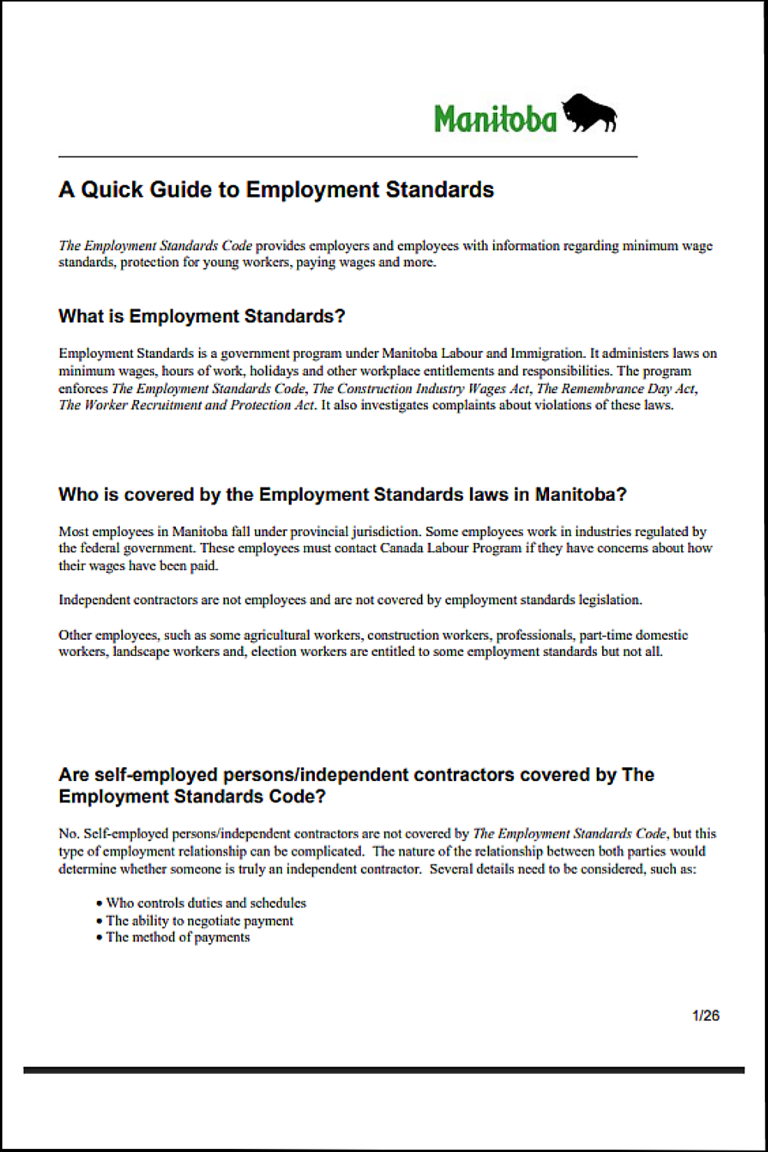
Under Manitoba law, a contract cannot simply label someone an “independent contractor” if the real working relationship looks like employment.
If a consultant is treated like an employee, employment standards laws may apply regardless of the contract wording.
Common risk factors include:
- Fixed daily work schedules
- Mandatory office attendance
- Direct supervision
- Company-provided equipment
- Long-term exclusive work relationships
Key Clauses Every Manitoba Consulting Agreement Should Include
A well-written Manitoba business contract should clearly explain each party’s legal responsibilities.
Scope of Services
The agreement should describe:
- Services being provided
- Project deliverables
- Completion deadlines
- Revision limits
- Reporting requirements
Vague descriptions often create disputes later.
For example, saying “marketing support” is too broad. It is better to specify services such as:
- Social media management
- Monthly reporting
- Advertising strategy
- Content creation
Payment Terms and Expenses
Payment clauses should explain:
| Payment Issue |
What Should Be Included
|
| Hourly work |
Hourly rate and billing cycle
|
| Fixed-fee projects |
Milestone payment schedule
|
| Expenses |
Which costs are reimbursable
|
| Deposits |
Upfront payment requirements
|
| Late invoices |
Interest or late fee rules
|
Clear billing terms help reduce collection disputes.
Independent Contractor Clause
Most Manitoba consulting agreements should include wording similar to:
“The Consultant is an independent contractor and nothing in this Agreement shall be construed to create a partnership, joint venture, or employer-employee relationship.”
This clause is important because it helps show the parties intended a contractor relationship.
However, under Manitoba employment law and CRA rules, actual working conditions matter more than contract labels alone.
Tax Responsibility Clause
The agreement should clearly state that the consultant is responsible for:
- GST/HST remittances
- Income tax obligations
- CPP contributions
- EI obligations where applicable
Under the federal Income Tax Act, businesses are legally expected to properly classify workers for tax purposes.
Confidentiality and Non-Disclosure Terms
Confidentiality clauses should explain:
- What information is confidential
- How information can be used
- How long confidentiality obligations continue
- Exceptions for public information
In many consulting arrangements, confidentiality obligations continue even after the contract ends.
Intellectual Property Ownership
This clause explains who owns work created during the project.
Depending on the agreement, ownership may include:
- Reports
- Branding materials
- Software code
- Marketing strategies
- Training materials
- Research documents
Without a written clause, ownership disputes can become complicated.
Termination Rights
The agreement should explain:
- Notice periods
- Immediate termination rights
- Breach of contract rules
- Final invoice procedures
- Return of confidential information
Many agreements allow termination with written notice from either party.
Dispute Resolution and Governing Law
Most Manitoba consulting agreements include clauses covering:
- Manitoba governing law
- Court jurisdiction
- Mediation requirements
- Arbitration options
Commercial disputes in Manitoba are commonly handled through the Court of King’s Bench.
Manitoba Laws That Affect Consulting Agreements
Several Manitoba and federal laws can affect consulting relationships.
Summary of Applicable Laws
| Topic | Rule | Governing Statute |
| Worker classification | Employment laws may apply if consultant acts like employee | The Employment Standards Code (Manitoba) |
| Workers compensation | Some industries require WCB registration or clearance | The Workers Compensation Act (Manitoba) |
| Business name registration | Consultants using trade names may need registration | The Business Names Registration Act (Manitoba) |
| Partnerships | Partnership rules may apply in shared business relationships | The Partnership Act (Manitoba) |
| Tax obligations | CRA determines contractor tax treatment | Income Tax Act (Canada) |
| CPP and EI | Federal contribution rules may apply | Canada Pension Plan / Employment Insurance Act |
| Legal contract age | Parties generally must be 18 or older | The Age of Majority Act (Manitoba) |
Worker Classification Rules in Manitoba
One of the biggest legal risks in consulting agreements is worker misclassification.
A company cannot avoid employment laws simply by calling someone a contractor.
Government agencies often look at factors such as:
- Who controls the work
- Who provides tools or equipment
- Whether the consultant can work for other clients
- Whether the consultant carries business risk
- How payments are structured
For example, if a consultant works full-time for one company, follows fixed schedules, and reports directly to managers daily, the relationship may legally resemble employment.
Business Name Registration Requirements
If a consultant operates under a business name instead of their legal personal name, Manitoba registration rules may apply.
For example:
- “Sarah Lee” may not require registration
- “Prairie Edge Consulting” usually requires registration
Registration is generally handled through the Manitoba Companies Office.
Workers Compensation Requirements
Certain industries in Manitoba face higher WCB risks, including:
- Construction
- Trucking
- Industrial contracting
Businesses hiring contractors in these sectors often request a WCB Clearance Certificate.
Without proper clearance, the hiring business may face liability for unpaid premiums or workplace injury costs under The Workers Compensation Act.
Non-Compete and Non-Solicitation Clauses in Manitoba
Restrictive covenant clauses are heavily scrutinized under Canadian common law.
Why Manitoba Courts Scrutinize Non-Competes
Manitoba courts usually enforce non-compete clauses only if they are reasonable.
Courts often examine:
- Geographic limits
- Time duration
- Scope of restricted activities
A clause that blocks someone from working “anywhere in Canada for 10 years” would likely be viewed as unreasonable and unenforceable.
Canadian courts also follow guidance from Supreme Court of Canada decisions that require restrictive clauses to protect a legitimate business interest.
Better Alternatives to Broad Non-Compete Clauses
Businesses often use narrower protections instead of aggressive non-compete clauses.
Examples include:
- Non-solicitation clauses
- Confidentiality agreements
- Client non-contact restrictions
- Limited industry restrictions
These clauses are generally easier to enforce because they are more targeted.
Common Consulting Agreement Mistakes Businesses Make
Many consulting disputes happen because contracts are rushed or copied from generic online templates.
Using Employee Language in Contractor Agreements
Businesses sometimes create contractor agreements that actually describe an employee relationship.
Warning signs include:
- Mandatory office attendance
- Fixed daily schedules
- Direct supervision
- Exclusive service requirements
This can increase employment law and CRA risks.
Leaving Payment Terms Too Vague
Poorly written payment clauses often create disputes.
Common problems include:
- Missing invoice deadlines
- No late payment terms
- Undefined project scope
- Unclear expense rules
Specific payment language usually prevents misunderstandings.
Ignoring Intellectual Property Ownership
Ownership disputes are common in consulting work involving:
- Branding
- Graphic design
- Software development
- Research reports
- Marketing campaigns
Without written ownership terms, both parties may claim rights to the same work product.
Using Overly Broad Liability Clauses
Some online templates contain liability waivers that are too broad to enforce properly.
If services involve consumers instead of businesses, parts of Manitoba consumer protection laws may also apply.
Courts are less likely to enforce unfair or excessive liability limitations.
How to Fill Out a Manitoba Consulting Agreement
A consulting agreement should be completed carefully before work begins.
Step 1 — Identify the Parties Properly
Include:
- Full legal names
- Registered business names
- Business addresses
- Contact information
Incorrect names can create enforcement problems later.
Step 2 — Describe the Services Clearly
Avoid vague descriptions like “business help.”
Instead, explain:
- Exact services
- Deliverables
- Deadlines
- Revision limits
- Reporting expectations
Detailed scopes reduce confusion.
Step 3 — Add Payment and Tax Terms
The agreement should explain:
- GST/HST handling
- Payment schedules
- Deposit requirements
- Reimbursement rules
- Late payment terms
Clear tax wording also helps reduce CRA disputes.
Step 4 — Review Termination and Liability Clauses
Check:
- Notice periods
- Termination rights
- Liability limitations
- Confidentiality obligations
- Final payment procedures
These clauses become especially important when business relationships break down.
Step 5 — Sign and Store the Agreement
Businesses should safely store signed copies of all consulting agreements.
Electronic recordkeeping is common and widely used in commercial transactions.
Can a Manitoba Consulting Agreement Be Signed Electronically?
Yes. In most commercial situations, Manitoba consulting agreements can be signed electronically.
Businesses commonly use:
- PDF signatures
- Digital signing platforms
- Electronic acceptance systems
Electronic signatures are widely accepted for ordinary commercial agreements, provided both parties clearly agree to the contract terms.
However, certain highly regulated documents may still require additional formalities.
Frequently Asked Questions
Is a consulting agreement legally binding in Manitoba?
Yes. A properly drafted consulting agreement is generally legally binding if both parties agree to the terms and there is valid consideration, such as payment for services.
Does a consultant need a registered business name?
If the consultant operates under a business name instead of their legal personal name, Manitoba business name registration rules may apply.
Can a consultant be treated as an employee?
Yes. If the actual working relationship looks like employment, Manitoba employment laws and CRA rules may classify the worker as an employee regardless of the contract title.
Are non-compete clauses enforceable in Manitoba?
Sometimes. Manitoba courts usually enforce non-compete clauses only when they are reasonable in duration, geography, and business scope.
Does a Manitoba consulting agreement need witnesses?
No. Private commercial consulting agreements generally do not require witnesses under Manitoba law.
Who pays taxes under a consulting agreement?
In most consulting arrangements, the consultant is responsible for their own GST/HST remittances, CPP contributions, and income tax obligations.