How to Write Lease Agreement Ontario (Guide + Template)
How to Write Lease Agreement Ontario is something every landlord and tenant should understand before renting a property. A lease agreement is a written contract that clearly explains rent, rules, and responsibilities.
In Ontario, using a proper written lease is not just helpful—it’s required in most cases. A clear agreement protects both sides and prevents future disputes.
I’ve seen Ontario landlords rely on verbal promises or outdated lease forms, only to end up in avoidable disputes over rent increases, deposits, or notice rules. When someone is renting for the first time, even one missing clause can create serious problems later at the Landlord and Tenant Board.
Last Updated: September 2026
In this article, you’ll learn:
- A free fillable lease template
- Step-by-step instructions to write your own agreement
- Ontario legal rules you must follow
- Practical tips from real rental situations
Table of Contents
ToggleFree Lease Agreement Template (Ontario)
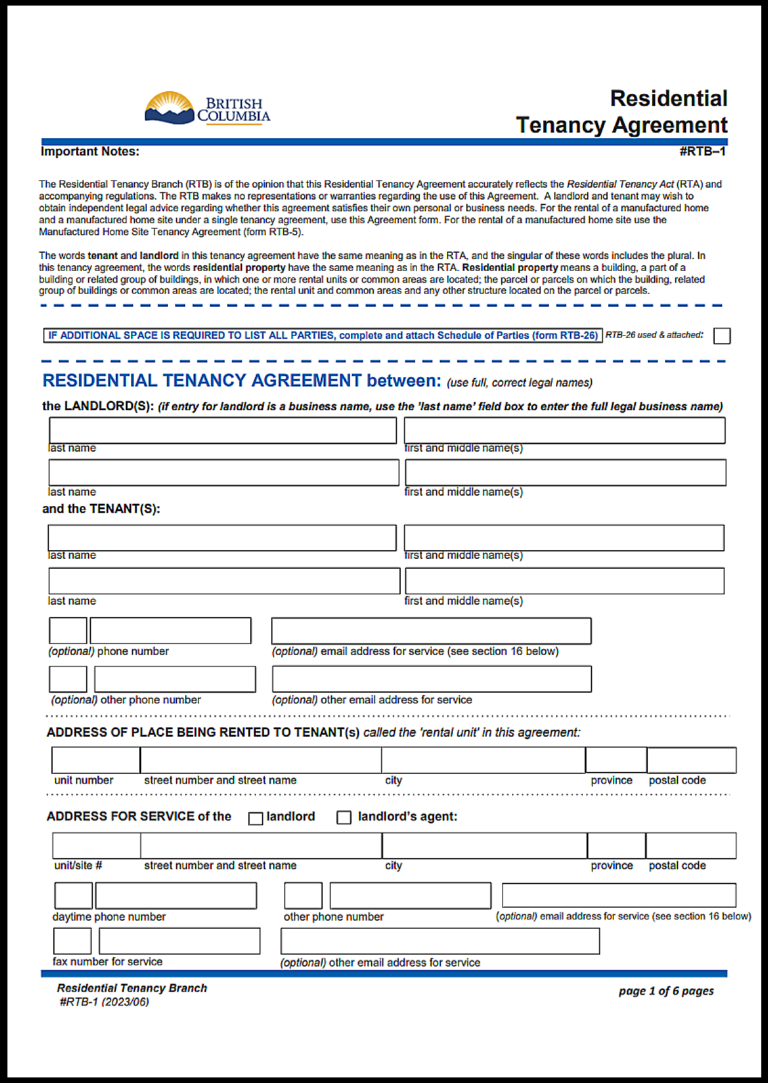
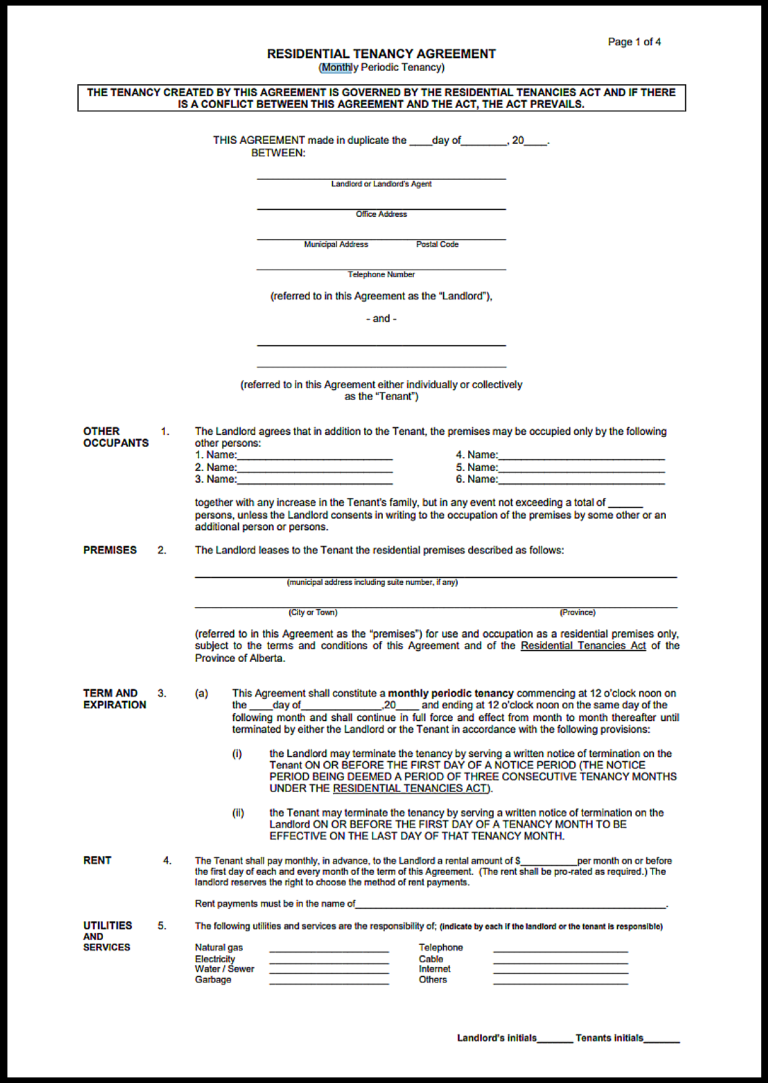
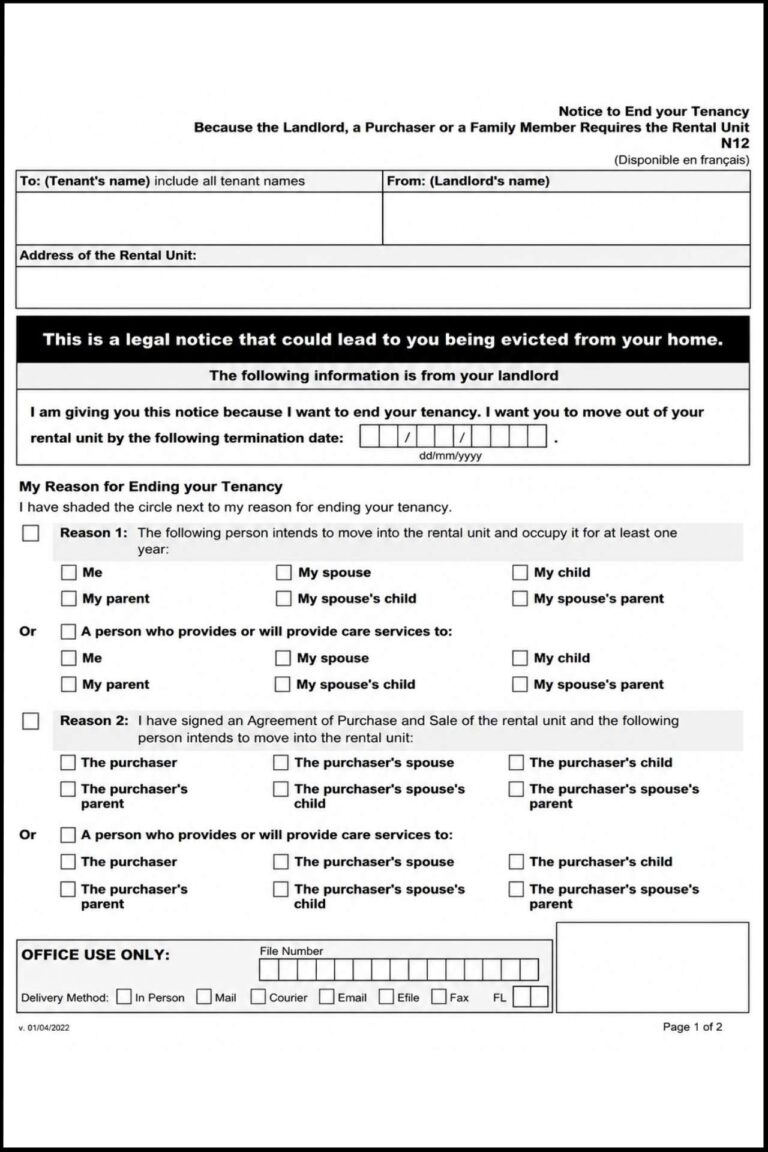
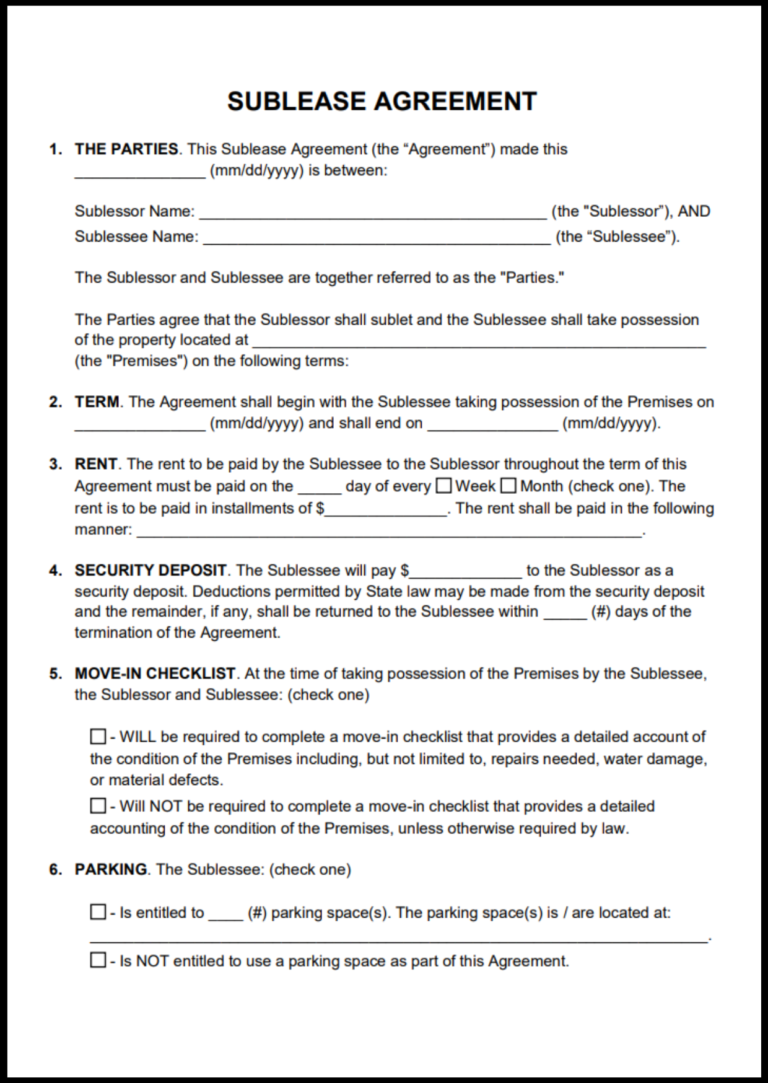
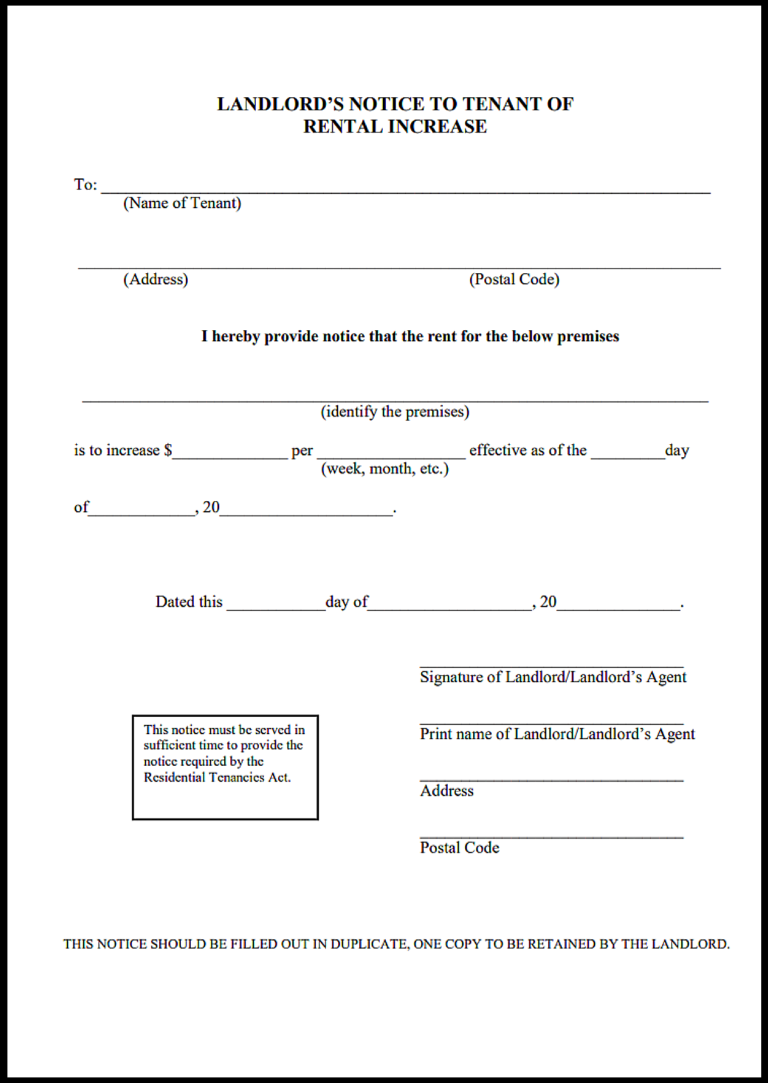
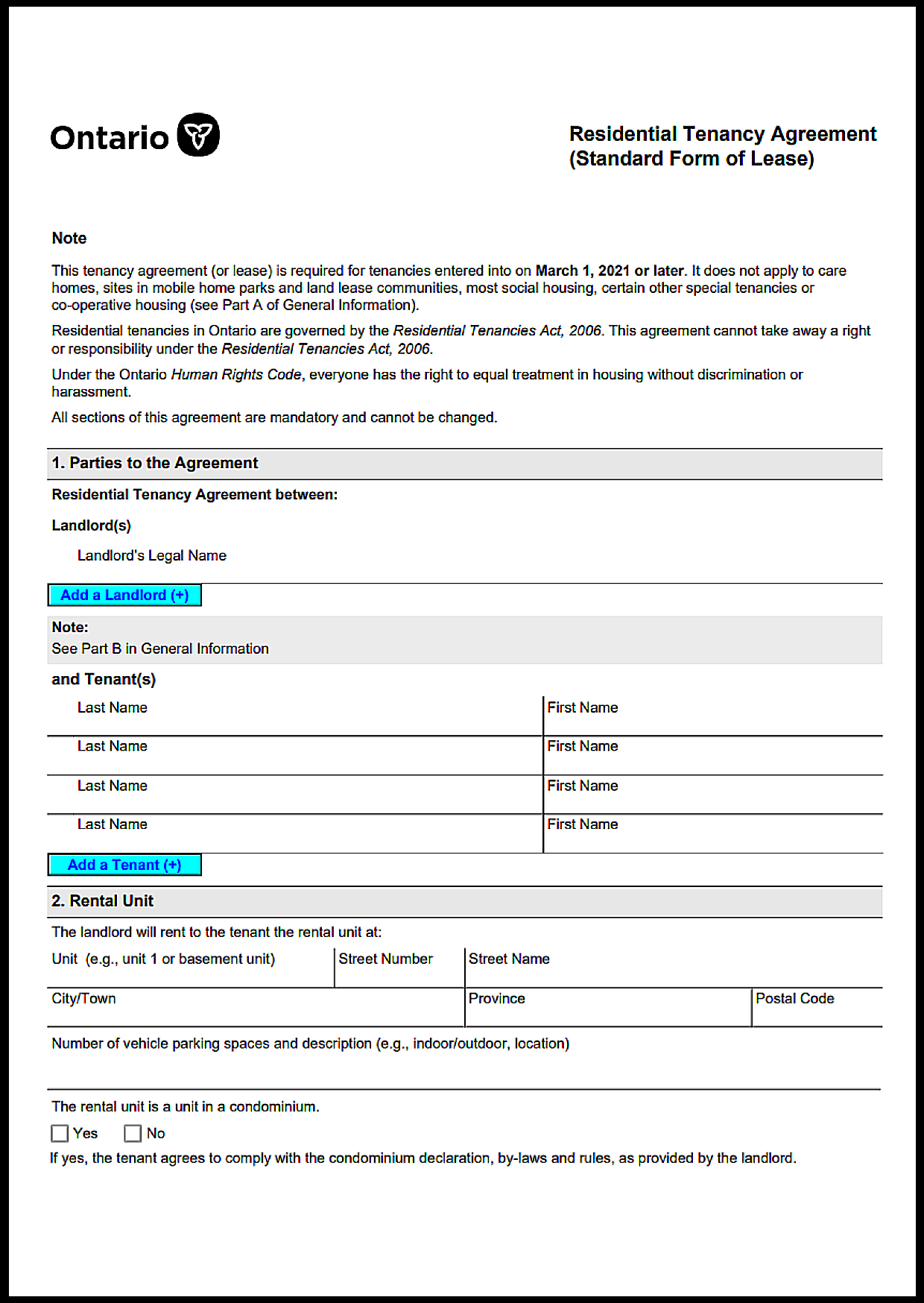
Use this beginner-friendly template to create your lease quickly. You can download pdf or word format.
Ontario Lease Agreement Laws & Legal Requirements You Cannot Ignore
| Topic / Issue | Ontario Legal Rule | Governing Statute |
|---|---|---|
| Governing Legislation | Most residential tenancies in Ontario are governed by the Residential Tenancies Act, 2006 (RTA), subject to the Act’s exemptions. | Residential Tenancies Act, 2006, S.O. 2006, c. 17 |
| Amendment Status | The RTA and its regulations are amended from time to time. The Ontario standard lease is required for most residential tenancy agreements signed on or after April 30, 2018, subject to specified exemptions. | O. Reg. 9/18: Tenancy Agreements |
| Who Can Sign | The landlord and tenant, or their properly authorized representatives, should sign the tenancy agreement according to its execution requirements. | Residential Tenancies Act, 2006 |
| Witnesses | An ordinary Ontario residential tenancy agreement does not generally require a witness signature. | Residential Tenancies Act, 2006; Ontario Standard Lease |
| Notarization | An ordinary residential tenancy agreement generally does not need to be notarized. | Residential Tenancies Act, 2006; Ontario Standard Lease |
| Age Requirement | Ontario’s age of majority is 18. A 16- or 17-year-old who has withdrawn from parental control has specific rights concerning accommodation contracts under Ontario law. | Age of Majority and Accountability Act; Human Rights Code |
| Mental Capacity | Contractual capacity depends on the circumstances and applicable Ontario law. A tenancy agreement should be entered into by parties who have the legal capacity required to contract. | Applicable Ontario contract and capacity law |
| Deadline to Provide Signed Lease | If the tenancy agreement is in writing, the landlord must give the tenant a copy signed by the landlord and tenant within 21 days after the tenant signs it and gives it to the landlord. | RTA, s. 12 |
| Mandatory Standard Lease | The Ontario standard lease is required for most residential tenancy agreements signed on or after April 30, 2018, subject to specified exemptions. | O. Reg. 9/18 |
| Landlord Information Requirement | The landlord must provide the tenant with the landlord’s legal name and an address for service as required by section 12 of the RTA. Failure to comply can affect the tenant’s obligation to pay rent while the statutory non-compliance continues. | RTA, s. 12 |
| Mandatory Legal Warnings | The prescribed standard lease includes mandatory terms and an appendix containing general information about landlords’ and tenants’ rights and responsibilities. | O. Reg. 9/18 |
| Filing & Registration | Ordinary residential tenancy agreements generally do not require government filing, although separate land-registration rules may apply to certain long-term leasehold interests. | Land Titles Act |
| Long-Term Lease Exception | Certain long-term leasehold interests can be registered or have notice of the lease registered under Ontario’s land-registration legislation, depending on the nature and term of the interest. | Land Titles Act |
| Failure to Use Standard Lease | For a tenancy covered by section 12.1, a tenant may make a written demand for a compliant tenancy agreement. If at least 21 days pass without compliance, the tenant may, subject to the Act, withhold rent payments that become due after that period, up to a maximum total amount equal to one month’s rent. If the landlord complies no later than 30 days after the first withheld payment, the landlord may require the withheld rent to be paid. | RTA, s. 12.1; O. Reg. 9/18 |
| “No Pets” Clauses | A tenancy-agreement provision prohibiting animals in or about the residential complex is void under section 14 of the RTA, although separate condominium rules or other applicable legal requirements may still matter. | RTA, s. 14 |
| Illegal Security Deposits | The RTA generally permits a rent deposit that complies with section 106. A separate damage deposit is not permitted, while key deposits are regulated separately. | RTA, ss. 105–106 |
| Automatic Month-to-Month Renewal | When a fixed-term tenancy ends without being renewed or terminated, section 38 generally continues it as a monthly tenancy on the same terms, subject to lawful rent increases. | RTA, s. 38 |
| Tenant Right to Standard Lease | For certain prescribed tenancies, a tenant can demand a compliant standard lease and may have a statutory right to terminate early if the landlord does not comply with the applicable requirements. | RTA, ss. 12.1 and 47.0.1 |
| Rent Control Exemption | Rental units first occupied for residential purposes after November 15, 2018 are generally exempt from the rent increase guideline, subject to the specific statutory rules and exemptions. | Residential Tenancies Act, 2006 |
One of the biggest surprises for many Ontario landlords is that the official standard lease is required for most covered residential tenancies. However, landlords can still add lawful additional terms when those terms are consistent with the standard lease and the RTA.
Another important rule is that fixed-term tenancies do not simply end when the stated term expires. Under section 38, a fixed-term tenancy generally continues as a monthly tenancy unless it is properly terminated or otherwise changed under the RTA.
The rules about deposits also catch many landlords off guard. Asking for a damage deposit may seem normal, but Ontario law does not allow a separate damage deposit. A tenancy-agreement provision prohibiting animals is also void under section 14, although separate condominium rules and other legal requirements can affect particular situations.
These rules matter in real life because a poorly written lease can create unnecessary disputes about rent, services, repairs, deposits, occupants and other tenancy terms.
Use the free Ontario lease agreement template below as a starting point, and make sure the completed agreement complies with the RTA and any applicable exemptions.
What is a Lease Agreement in Ontario (Simple Meaning)
A lease agreement is a legal contract between a landlord and a tenant.
In simple words:
- It explains how much rent you pay
- It sets rules for living in the property
- It defines who is responsible for what
Under Ontario’s Residential Tenancies Act (RTA), most residential tenancy agreements are subject to specific statutory rules. Those rules cover matters such as rent, repairs, deposits, entry and termination.
If you’re new, read our full article on what is a lease agreement in Ontario to understand the basics before writing one.
When Do You Need to Write a Lease Agreement?
A written tenancy agreement is strongly recommended for most rental situations because it records the parties’ terms and responsibilities:
- Renting out a house, apartment, or basement where the RTA applies
- Starting a new tenancy
- Renewing or changing tenancy terms
- Renting to friends or family, where the RTA applies
- Fixed-term or month-to-month rentals
A written agreement gives both sides clearer evidence of what they agreed to.
Step-by-Step: How to Write a Lease Agreement in Ontario
Follow these steps carefully to create a clear agreement that complies with applicable Ontario tenancy rules.
Step 1 – Add Correct Names of All Parties
Write the full legal names of:
- Landlord
- All tenants named in the agreement
This makes it clear who the parties are and who is responsible under the agreement.
Step 2 – Describe the Rental Property Clearly
Include:
- Full address
- Unit number (if any)
- Extra areas like:
- Parking space
- Storage
- Shared areas
Be specific. For example: “Basement unit with separate entrance.”
Step 3 – Mention Lease Term
Choose one:
- Fixed-term lease (e.g., 1 year)
- Month-to-month lease
Also mention:
- The starting date
- The fixed term, if applicable
- What happens after the lease ends
In Ontario, when a fixed-term tenancy ends without being properly terminated or renewed, section 38 generally continues it as a monthly tenancy.
Step 4 – Set Rent Amount & Due Date
Clearly write:
- Monthly rent amount
- Due date (e.g., 1st of each month)
- Payment method (bank transfer, cash, etc.)
Important:
Ontario generally prohibits landlords from adding unauthorized fees or penalties to rent. Certain NSF-related charges are permitted under the RTA and regulations, including an administration charge of up to $20 for an NSF cheque and NSF charges actually charged by a financial institution.
Step 5 – Include Utilities & Extra Costs
Mention who pays for:
- Electricity
- Water
- Internet
- Gas
Example:
- Tenant pays electricity
- Landlord pays water
Make sure the agreement clearly states which services are included in the rent and which are the tenant’s responsibility.
Step 6 – Add Rules & Restrictions
You can include rules about:
- Pets
- Smoking
- Noise
- Guests
But rules must be reasonable and legal.
Landlords are not allowed to use a lease term to remove statutory tenant rights or discriminate contrary to applicable law.
Step 7 – Maintenance Responsibilities
Under section 20 of the RTA, the landlord is responsible for maintaining the residential complex and rental unit in a good state of repair and fit for habitation. Section 33 makes the tenant responsible for ordinary cleanliness, while other responsibilities can depend on the tenancy agreement and the circumstances.
A lease cannot remove the landlord’s statutory maintenance obligations under the RTA.
In most rental situations, landlords must keep the property in good condition.
Step 8 – Signatures & Date
Where the standard-lease requirements apply, the landlord and tenant should complete and sign the agreement as required by the RTA.
- Sign the agreement
- Add the date
If the tenancy agreement is in writing, the landlord must give the tenant a copy signed by the landlord and tenant within 21 days after the tenant signs it and gives it to the landlord.
This article on how to write a lease agreement in Ontario should be used alongside the official lease template. It’s important to follow Ontario legal requirements and understand lease agreement basics. You may also need a rental application form and a rent receipt template.
Ontario Legal Rules You MUST Follow
Here is a quick checklist to review after completing the lease:
| Rule | What It Means |
| Standard Lease Required |
The Ontario standard lease is required for most covered residential tenancy agreements
|
| Rent Increase Rules |
A lawful increase generally requires at least 12 months to have passed and at least 90 days’ written notice, subject to applicable exemptions
|
| Security Deposit |
A separate damage deposit is not permitted; rent deposits and key deposits are separately regulated
|
| Tenant Rights |
Protected by the RTA and enforced through available legal processes, including the Landlord and Tenant Board
|
Common Mistakes When Writing Lease Agreements
Before finalizing the agreement, check these common problem areas:
- Missing key details such as rent, dates and names
- Adding terms that conflict with the RTA:
- “No guests allowed”
- “No children”
- Not using the standard lease where it is required
- Relying only on verbal agreements
These mistakes can create uncertainty, statutory non-compliance, or disputes about the parties’ rights and obligations.
What Makes a Lease Agreement Invalid in Ontario?
A tenancy agreement can contain a void or non-compliant term without necessarily making the entire tenancy invalid.
Common problems include:
- Failing to use the required Ontario standard lease where the standard-lease rules apply
- Including terms that conflict with tenant rights under the RTA
- Failing to complete required execution steps
- Including illegal charges or deposits
For example, a separate damage deposit is not permitted under Ontario’s RTA.
Real-Life Example (Easy to Understand)
Let’s say you rent out a basement in Toronto.
Without a written lease:
- Tenant delays rent
- You argue about utility payments
- No clear rules = confusion
With a proper lease:
- Rent amount and date are clear
- Utilities are clearly assigned
- Rules are agreed in advance
A clear written agreement will not prevent every dispute, but it gives both sides a much better record of what they agreed to.
Tips to Write a Strong & Clear Lease Agreement
Follow these practical tips:
- Use simple and clear language
- Avoid copying random templates online
- Always check current Ontario legal rules
- Keep important terms in writing
- Give the tenant the required copy of the agreement
If unsure, compare with a standard lease agreement Ontario example.
FAQs
Is it mandatory to write a lease agreement in Ontario?
For most residential tenancy agreements signed on or after April 30, 2018, the Ontario standard lease is required, subject to specified exemptions. A tenancy agreement can exist without being in writing in some circumstances, but the standard-lease requirements must be followed where they apply.
Can I create my own lease agreement?
You can create additional terms for a tenancy agreement, but the agreement must comply with Ontario law. It cannot replace the mandatory standard lease where that form is required.
What if tenant refuses to sign?
The consequences depend on the circumstances and whether the standard-lease requirements apply. If a landlord or tenant refuses to complete a required tenancy agreement, it is better to resolve the issue before proceeding rather than assuming the tenancy terms are settled.
Can I change terms after signing?
Lease terms can generally be changed when the landlord and tenant agree, subject to the RTA and any applicable statutory requirements. Changes should be recorded in writing so both sides have a clear record.
Is verbal lease agreement valid in Ontario?
A tenancy agreement can exist without being in writing, but written terms provide clearer evidence of what the landlord and tenant agreed to. A written agreement is especially useful for recording rent, services, utilities and other important terms.