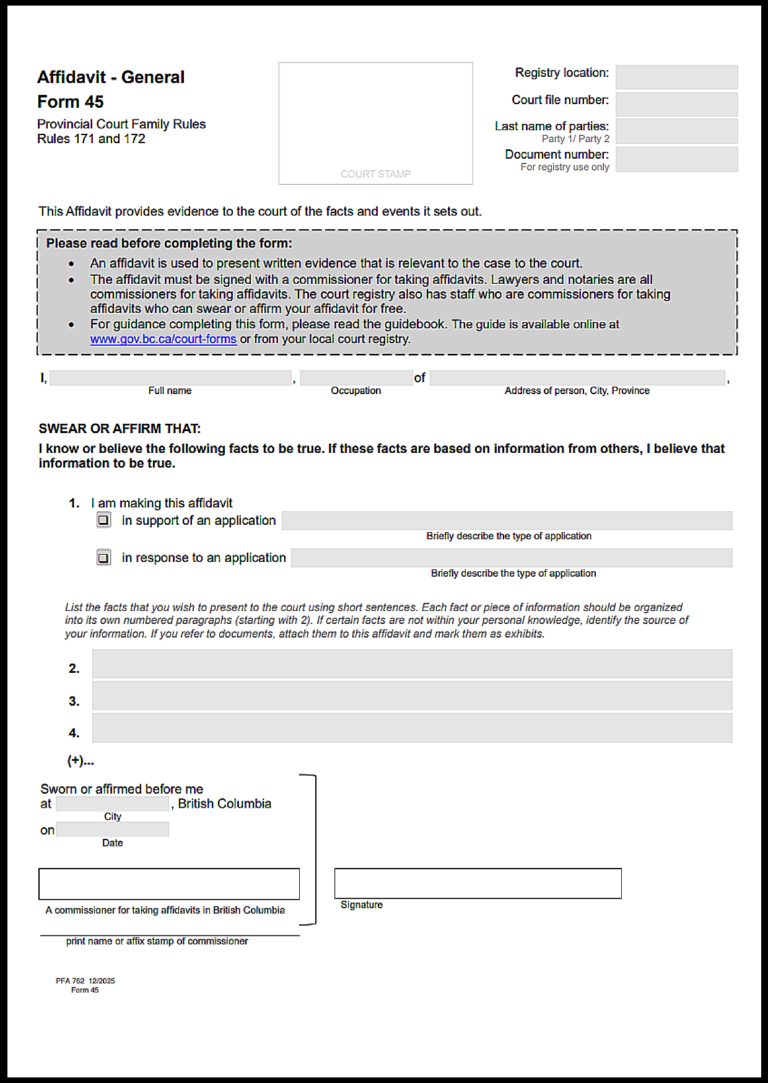
Notarizing an Affidavit in Manitoba (Free Word & PDF Template)
People often assume the hard part is writing the affidavit. It usually isn’t. The part that catches them is the moment they realize a signature means very little until the oath has actually been administered by someone authorized to do it. I remember a small business owner in Winnipeg who brought me a stack of signed affidavits for a filing, convinced they were finished, and every one of them had to be done again because they’d been signed before meeting the commissioner. That happens more than you’d think. If you’re looking for a Notarizing Affidavit Manitoba template, you’re probably preparing documents for court, probate, land matters, or another official process where sworn evidence is required.
In Manitoba, affidavits used in court proceedings are governed by the Court of King’s Bench Rules, and the oath or affirmation must be properly administered by a person legally authorized to do so. A sworn statement that’s not properly commissioned can be rejected outright. That doesn’t just slow things down. It can mean your filing is refused until everything is prepared again, and sometimes the deadline has already passed. You’re probably trying to finish paperwork that’s already sitting on your desk, maybe because the court date is close or another office won’t accept the documents without an affidavit.
I’ve seen that pressure before. I once acted for a client whose estate application was delayed because an improperly sworn affidavit had to be replaced after the original commissioner couldn’t be reached to correct the problem, and the extra legal work cost far more than they expected. Fill in the template carefully, then arrange for it to be sworn before an authorized Manitoba commissioner or notary.
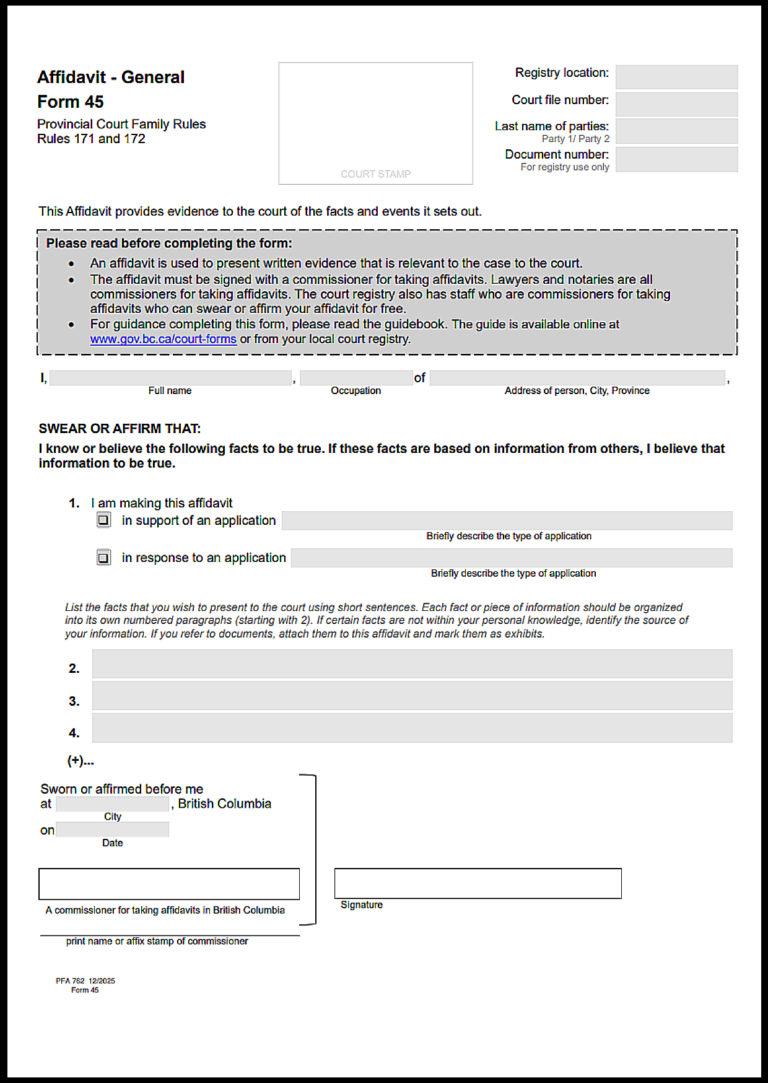
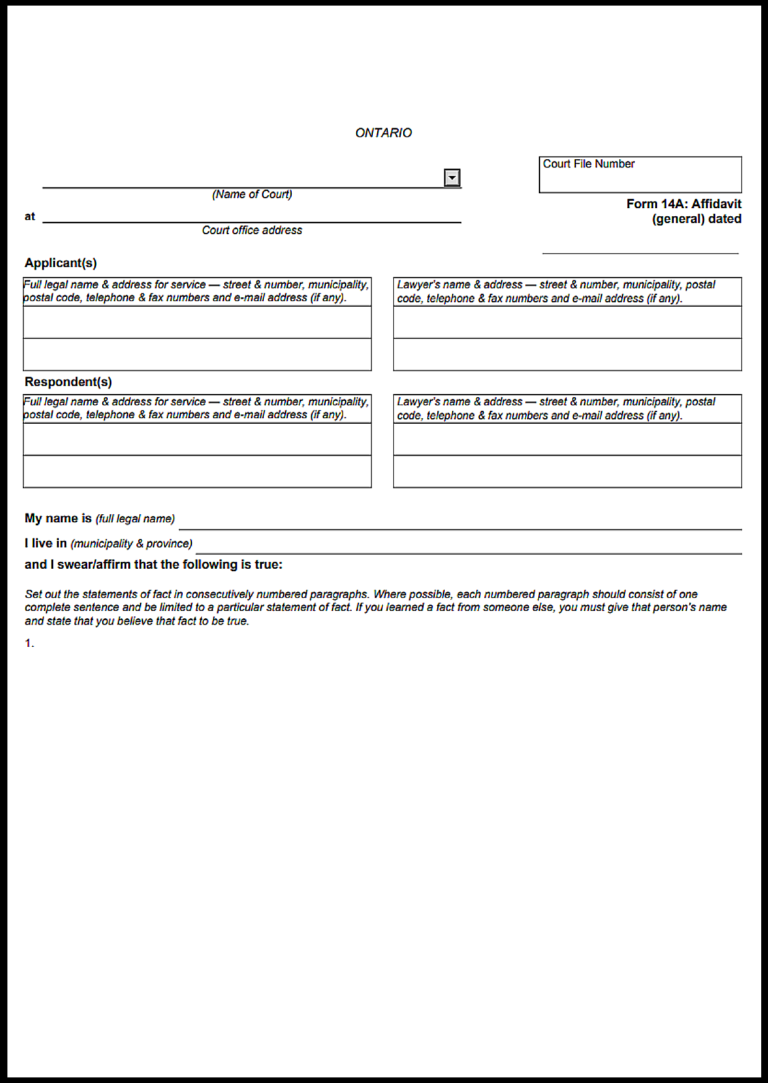
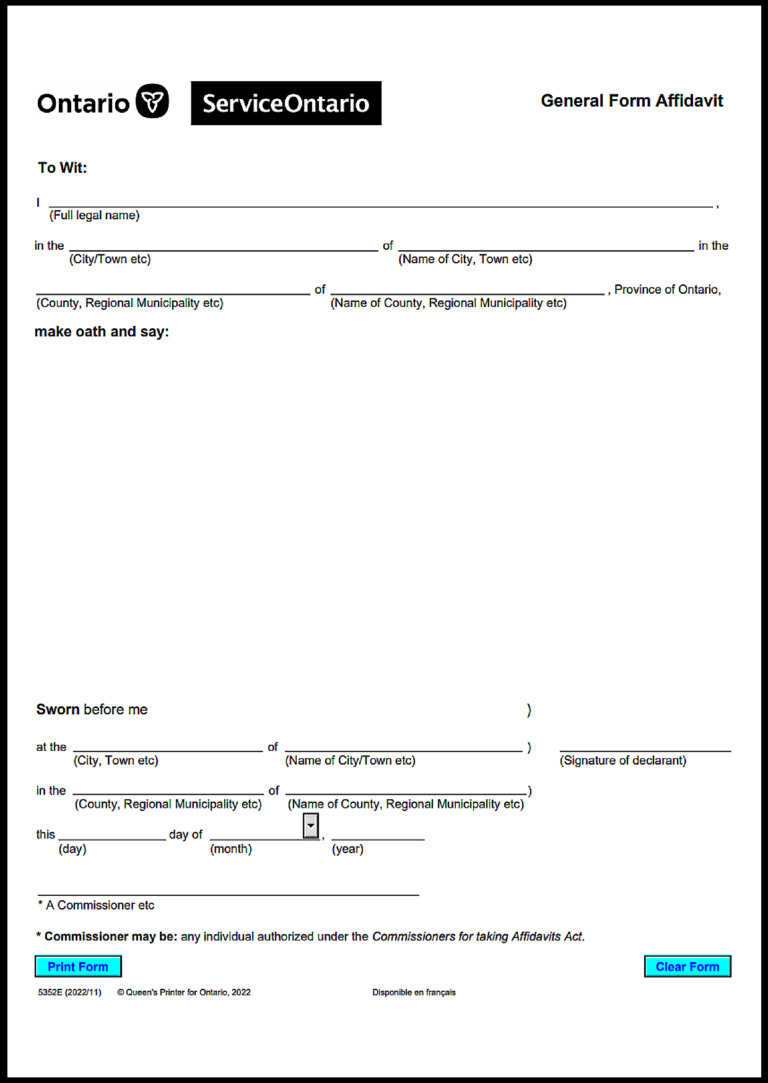
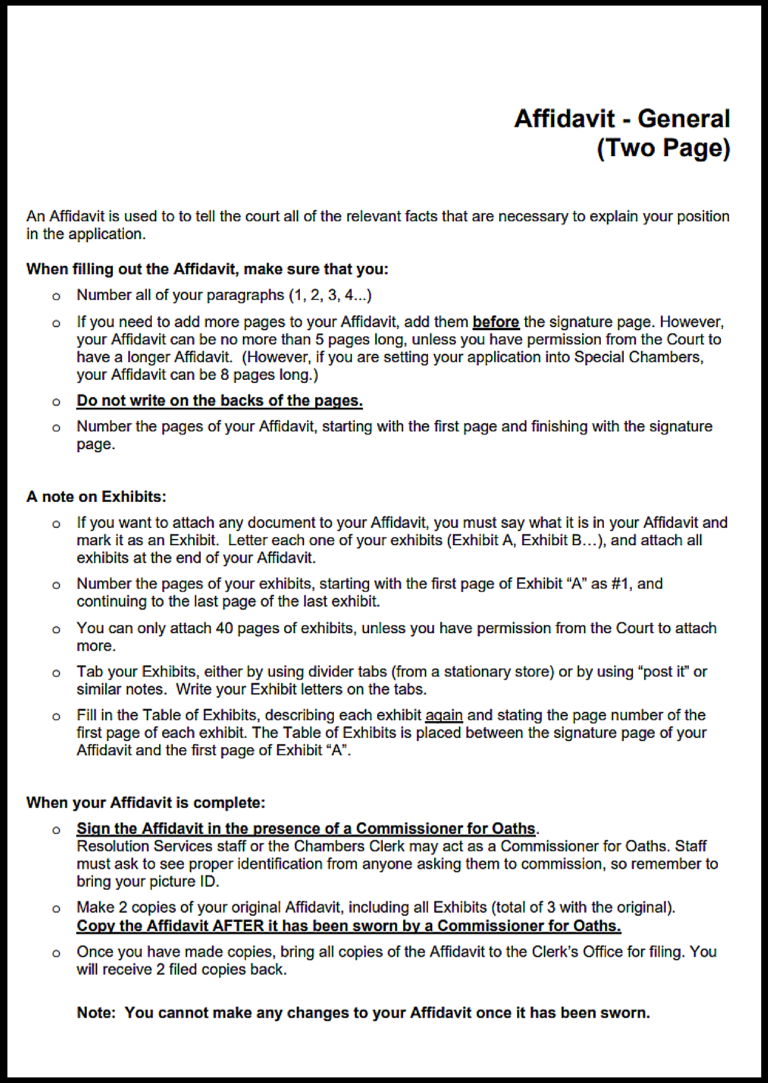
Free Manitoba Notarizing Affidavit Template
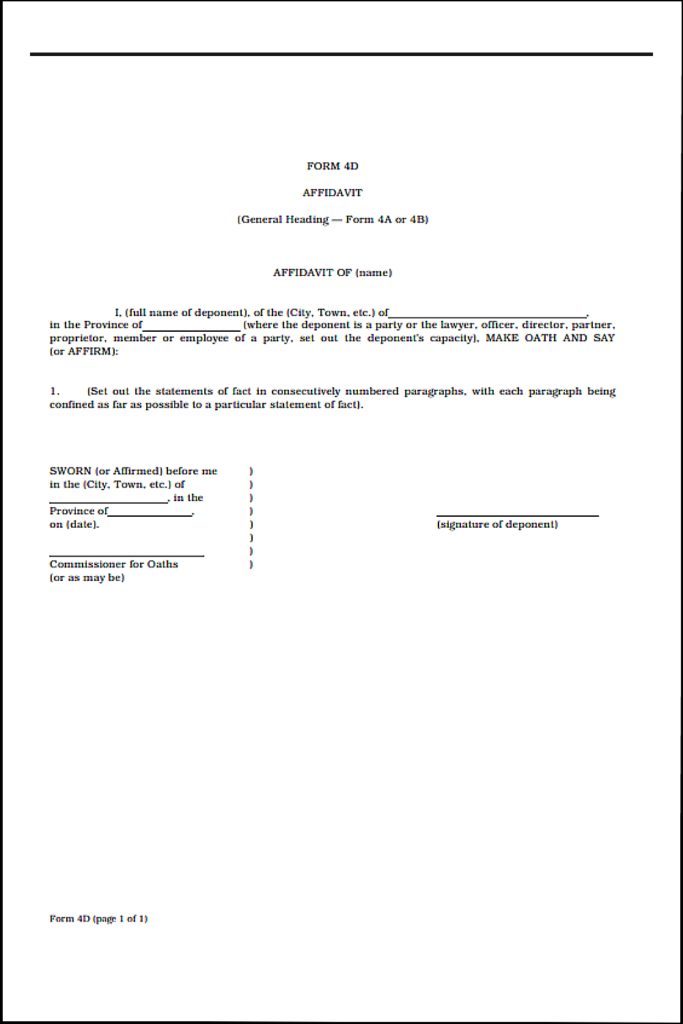
This template works for many Manitoba affidavit situations, but specialized matters like probate, land titles, or court proceedings may require additional formatting or registry-specific forms.
Manitoba Notarized Affidavit Compliance Rules That Quietly Determine Whether Your Document Is Legally Usable
| Topic / Issue | Manitoba Legal Rule | Governing Statute |
|---|---|---|
| Governing Provincial Law | Manitoba affidavits, commissioner regulations, and notary public roles are entirely unified under a single provincial framework rather than split acts. | The Manitoba Evidence Act, C.C.S.M. c. E150 |
| Court Filing Rules | Affidavits used in Manitoba civil court must comply with Rule 4.07 and Rule 39. | Court of King’s Bench Rules, Man. Reg. 553/88 |
| Federal Use | Federal affidavits are governed federally when prepared for federal boards, tribunals, or judicial matters. | Canada Evidence Act, R.S.C. 1985, c. C-5 |
| Remote Commissioning | Manitoba permanently permits remote affidavit commissioning through strict 8-step audio-visual protocol. | The Manitoba Evidence Act, Section 64.1; Remote Commissioning Regulation, M.R. 78/2021 |
| Who Can Legally Sign | The deponent must sign in direct physical or virtual presence of administering official. | Court of King’s Bench Rules, Rule 4.07(1)(f); The Manitoba Evidence Act, s. 64(1) |
| Witness Requirements | No statutory second witness requirement. | No statutory requirement — governed by common law principles |
| Notarization / Commissioner Requirements | The affidavit must be sworn or affirmed before a Commissioner for Oaths, Notary Public, or other authorized official who must provide their explicit designation. | The Manitoba Evidence Act, s. 62(1) |
| Official Commission Expiry | Active non-lawyer commissioners and notaries must visibly write, type, or stamp their specific appointment expiration date directly inside the jurat block. | The Manitoba Evidence Act, s. 62(2) |
| Age Requirements | No statutory requirement. | No statutory requirement — governed by common law principles |
| Mental Capacity Requirements | No statutory requirement. | No statutory requirement — governed by common law principles |
| Opposing Motion Deadline | Opposing affidavits must be filed by 2:00 p.m. day before hearing. | Court of King’s Bench Rules, Rule 39.01(3) |
| Moving Motion Deadline | Moving party affidavits must be filed at least 4 days before hearing. | Court of King’s Bench Rules, Rule 37.07(2) |
| Mandatory Court Preamble | Manitoba court affidavits must use Form 4D preamble wording. | Court of King’s Bench Rules, Rule 4.07(1)(a) & Form 4D |
| Mandatory Verbal Ceremony | Deponent must verbally swear or affirm exact statutory wording. | The Manitoba Evidence Act, s. 64(2) |
| Mandatory Jurat | Jurat must include exact date and municipality. | The Manitoba Evidence Act, s. 64(3) |
| Private / Administrative Use | Private affidavits generally do not require filing. | Private legal use |
| Active Litigation Filing | Civil litigation and family law affidavits must be filed directly within the Court of King’s Bench registry system. | Court of King’s Bench Rules, M.R. 553/88 |
| Land Titles Filing | Real estate or title-related affidavits must be submitted to Teranet Manitoba under land title law. | The Real Property Act, C.C.S.M. c. R30 |
| Missing Expiry Date | Omission of the commissioner’s signature title or official expiration date creates a technical deficiency that frequently triggers document rejection. | The Manitoba Evidence Act, s. 62(2) |
| Post-Execution Alterations | Un-initialed changes after execution can invalidate altered text or entire affidavit. | Court of King’s Bench Rules, Rule 4.07(4) |
| Missing Date or Municipality in Jurat | Missing location or execution date creates structural nullity. | The Manitoba Evidence Act, s. 64(3) |
| Manitoba-Specific Difference | Manitoba uniquely enforces 14-point court font, integrated commissioner governance, and expiry-date offence penalties. | Court of King’s Bench Rules; The Manitoba Evidence Act |
One of Manitoba’s biggest notarization surprises is that getting an affidavit “signed” is not enough if the execution details are wrong. A properly truthful affidavit can still fail because a non-lawyer Commissioner omitted their mandatory appointment expiry date required under Section 62(2) of The Manitoba Evidence Act, the jurat missed the municipality, or someone made edits after signing without initials. Manitoba’s strict Form 4D preamble and 14-point court formatting rules also catch people using generic Canadian affidavit templates that simply do not match Manitoba registry standards. Remote notarization helps, but Manitoba’s permanent 8-step protocol is far stricter than many people expect from online signing.
These details matter in probate, land title filings, court motions, and cross-jurisdictional paperwork because technical rejection can delay closings, court hearings, or registry approvals even when the facts are accurate. Before your affidavit turns into an expensive procedural mistake, download the free Manitoba notarized affidavit template below and use one structured for Manitoba’s actual legal requirements.
Who Can Legally Notarize or Commission an Affidavit in Manitoba?
Notary Public
A Notary Public is often useful when broader legal recognition is needed.
Best for:
- Land title matters
- Real estate documents
- Certain banking or institutional requirements
- Cross-jurisdictional recognition
Commissioner for Oaths
In many Manitoba situations, a Commissioner is enough.
Often sufficient for:
- Provincial affidavits
- Court applications
- Administrative documents
- Insurance matters
Manitoba Lawyers (Barristers/Solicitors)
Active Manitoba lawyers often have automatic authority to administer affidavits.
Justice of the Peace
Used in certain legal or court-related scenarios.
Remote Commissioning
Manitoba permits compliant video commissioning if legal safeguards are followed.
Commissioner for Oaths vs Notary Public — What’s the Actual Difference?
Cost Differences
Commissioners are often less expensive.
Notaries may charge more, especially for broader authentication.
Provincial vs Broader Acceptance
Commissioners often cover Manitoba-only purposes.
Notaries may be preferred for:
- Land Titles
- Out-of-province recognition
- Certain formal institutional demands
Real Estate or Registry Needs
Land and property matters may require stricter standards.
Court Applications
Many Manitoba court affidavits do not automatically require notarization if properly commissioned.
Common User Mistakes
- Paying for a notary unnecessarily
- Using a commissioner where registry-specific notarization is preferred
- Signing too early
- Missing expiry details
Step-by-Step — How To Notarize an Affidavit in Manitoba Properly
Step 1: Draft Fact-Only Content
A sworn affidavit should clearly contain factual statements, not arguments or guesses.
Step 2: Bring Valid ID
Common examples:
- Driver’s licence
- Passport
- Government-issued ID
Step 3: Do Not Sign Early
Under Manitoba law, signing outside the official’s presence can invalidate the affidavit.
Step 4: Attend In Person or Approved Remote Session
The official must directly witness execution.
Step 5: Swear or Affirm Correctly
Choose:
- Religious oath
- Secular affirmation
Step 6: Verify Jurat Details
Check:
- Date
- Municipality
- Province
- Official title
- Commission expiry
Step 7: File Only If Legally Required
Private affidavits may not require filing.
Court, probate, or land matters often do.
Summary of Applicable Laws
Structured Legal Table
| Topic | Rule |
Governing Statute
|
| Execution | Must be properly sworn/affirmed before authorized official |
Manitoba Evidence Act
|
| Court Layout | 14-point font, first person, double spacing |
Court of King’s Bench Rules
|
| Remote Commissioning | Allowed with 8-step process |
Remote Commissioning Regulation
|
| Land Registry | Certain affidavits used for property registration |
Real Property Act
|
| False Statements | Perjury or false certificate penalties | Criminal Code |
Manitoba Notarization Rules That Commonly Break Validity
Deponent Absence (“Signing in Blank”)
This is a major legal error.
Expired Notary or Commissioner
Expired authority may invalidate execution.
Missing Commission Expiry
Technical but essential.
Wrong Jurat
Incorrect location, date, or wording can create rejection.
Post-Signature Edits
Changes after signing can destroy validity.
Improper Remote Process
Virtual signing must meet Manitoba’s legal process.
Court Rejection Risks for Manitoba Affidavits
Wrong Font Size (14pt)
Manitoba’s 14-point requirement is stricter than many provinces.
Hearsay or Legal Argument
Trial affidavits should focus on personal knowledge.
Missing Exhibit Labels
Exhibits must be formally marked.
Improper Municipality/Date
Errors here are surprisingly common.
Unverified Identity
Identity confirmation matters.
Incomplete Jurat
One of the most common rejection reasons.
Manitoba Filing Standards Comparison
| Filing Purpose | Typical Official |
Filing Destination
|
| Court Motion | Commissioner or Notary |
Court of King’s Bench
|
| Probate | Commissioner or Notary | Probate Division |
| Land Title | Often Notary preferred |
Teranet Manitoba
|
| Insurance | Usually Commissioner sufficient | Private insurer |
| Private Verification | Commissioner or Notary | Private retention |
Sworn vs Affirmed — Which One Happens During Notarization?
Religious Oath
Used when swearing on religious grounds.
Secular Affirmation
Used when affirming without religion.
Same Legal Force
Under Manitoba law, both carry equal legal effect.
Manitoba Wording Requirements
The correct verbal formula matters.
Choosing the Right Form
The choice is personal unless a specific institution directs otherwise.
False Statements, Perjury, and Notary Liability
Criminal Code Penalties for Deponents
False sworn facts can trigger criminal perjury consequences.
False Certificate Liability for Officials
Officials who improperly certify may also face consequences.
Registry Rejection
Invalid affidavits may be refused.
Land Title or Probate Delays
Mistakes often create expensive setbacks.
Civil Consequences
False affidavits can damage credibility and legal outcomes.
Notarization Myths vs Manitoba Reality
“Every affidavit needs a notary”
False. Many only need a Commissioner.
“I can sign before I arrive”
False. This can invalidate execution.
“Any lawyer anywhere works”
Not always. Jurisdiction matters.
“Expired notary stamps are okay”
False.
“Court and private affidavits use identical standards”
False. Court filings are often stricter.
Filing Paths After Notarization
Court of King’s Bench
Civil, family, and probate matters.
Probate Division
Estate and will-related affidavits.
Land Titles Office
Real estate and title corrections.
Insurance or Private Institutions
Private evidentiary use.
Private Recordkeeping
Some affidavits remain private.
FAQs
Do I need a notary or commissioner in Manitoba?
Many affidavits only require a Commissioner, but some uses may prefer or require a Notary.
Can I notarize an affidavit online?
Yes, if Manitoba’s remote commissioning rules are properly followed.
What ID is required?
Usually government-issued photo identification.
How much does notarizing cost?
Costs vary by provider and document purpose.
Can I sign before meeting the official?
No. This is a major validity risk.