Free Alberta Month to Month Lease Template | PDF & WORD
Alberta Month to Month Lease is a flexible rental agreement that renews every month until either the tenant or landlord ends it. It is widely used in Alberta for short-term or uncertain living situations.
In simple terms, this type of lease does not have a fixed end date. It keeps renewing automatically each month unless proper notice is given. Under Alberta law, these agreements are governed by the Residential Tenancies Act, which sets clear rules for rent, deposits, and notice periods.
I’ve seen many Alberta landlords and tenants run into disputes simply because they relied on verbal month-to-month arrangements or unclear notice terms. When this agreement is drafted properly from the start, it can prevent last-minute move-out conflicts, rent disagreements, and deposit issues that often become stressful for first-time renters.
Last Updated: November 2026
This agreement is ideal for:
- Tenants who need flexibility
- Landlords who want short-term arrangements
- People between moves or jobs
Table of Contents
ToggleFree Alberta Month to Month Lease Template
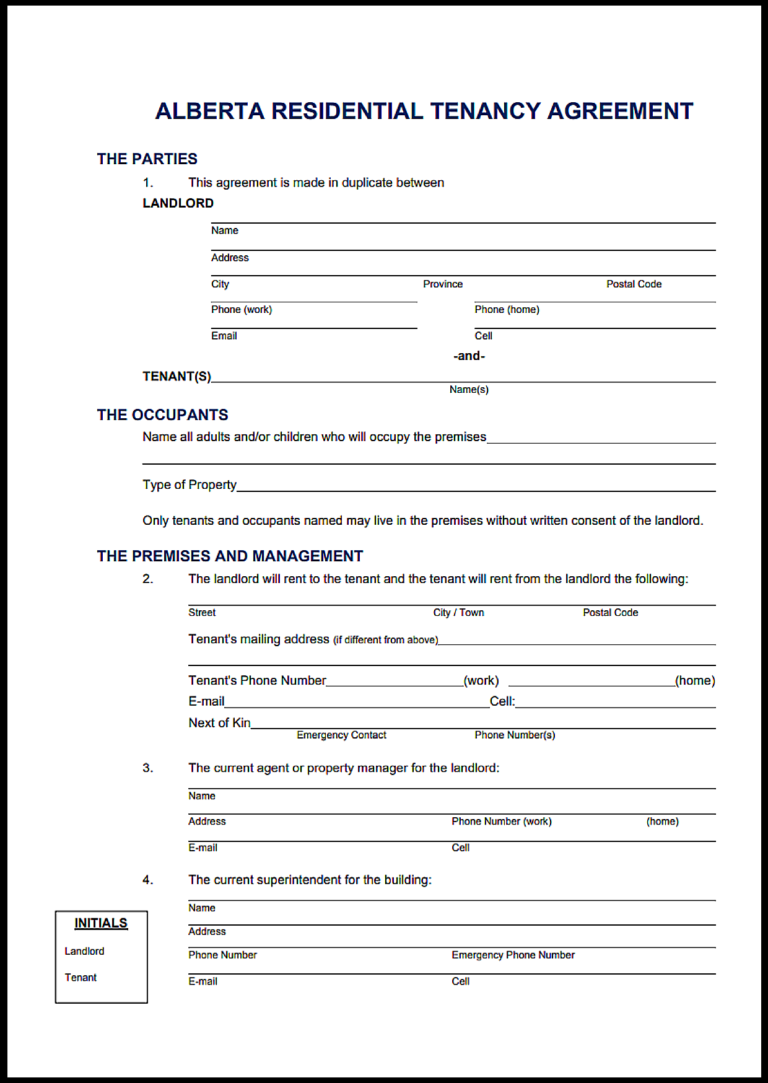
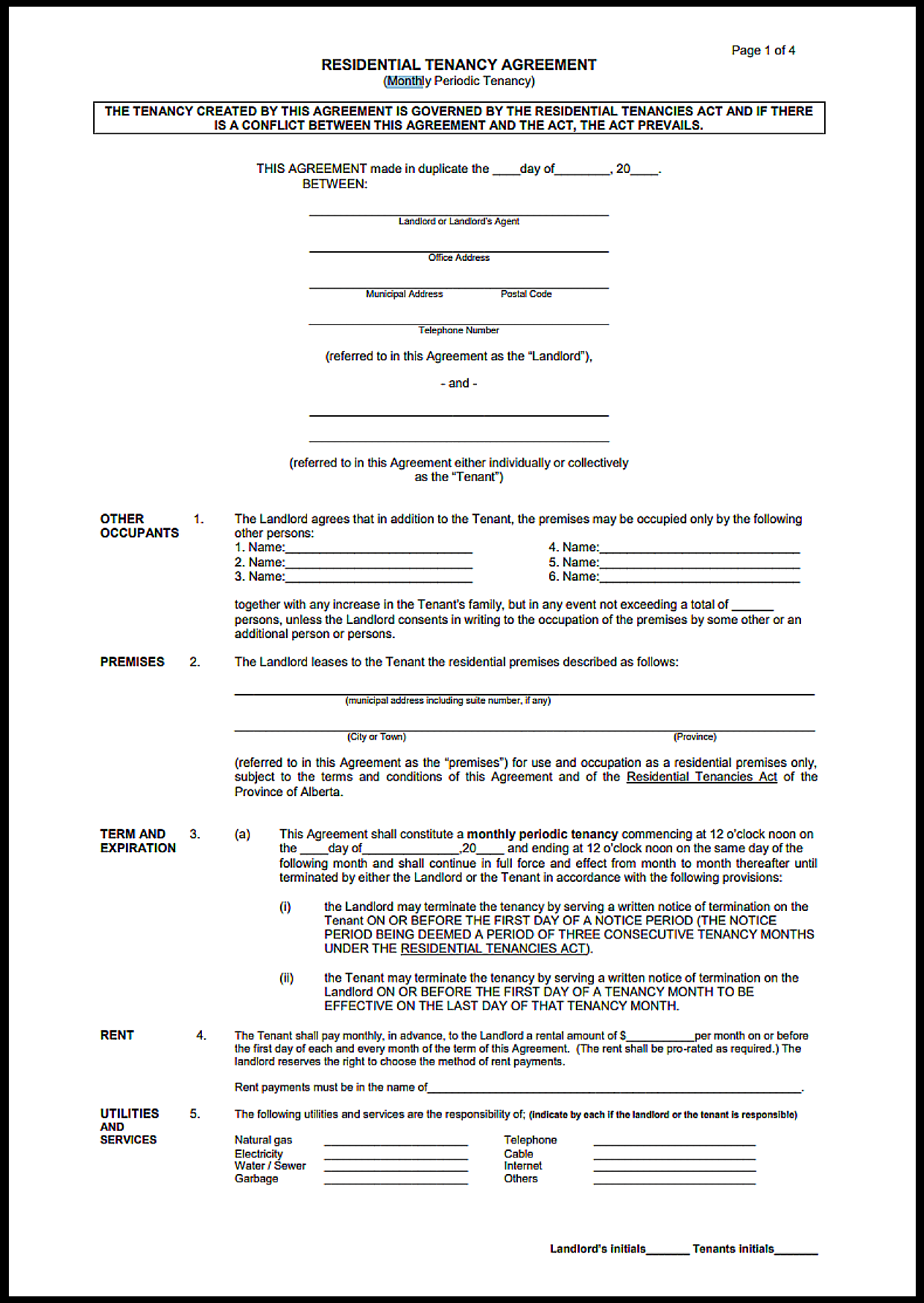
Below is a simple, ready-to-use template. You can copy it into a document and customize it.
Month-to-Month Lease Laws and Legal Requirements
| Topic / Issue | Legal Rule | Governing Statute |
|---|---|---|
| Governing legislation | Most residential tenancies in Alberta are governed by the Residential Tenancies Act (RTA), subject to statutory exclusions. | Residential Tenancies Act, SA 2004, c R-17.1 |
| Federal jurisdiction | Ordinary residential tenancies are generally governed by provincial law rather than a separate federal residential tenancy statute. | Constitution Act, 1867, s. 92(13) |
| Who can sign | The landlord and tenant, or their authorized representatives, may enter into a residential tenancy agreement. | Residential Tenancies Act |
| Witness requirement | A witness is not generally required for an ordinary residential tenancy agreement. | General contract principles |
| Notarization | Notarization is not generally required for an ordinary residential tenancy agreement. | General contract principles |
| Age requirement | The age of majority in Alberta is 18. However, an agreement entered into by someone under 18 is not automatically invalid in every circumstance. | Age of Majority Act, RSA 2000, c A-6 |
| Mental capacity | Parties must have the legal capacity to understand and enter into the agreement. | General contract principles |
| Copy of signed lease | If the agreement is in writing, the landlord must provide the tenant with a copy within 21 days after it is signed. | Residential Tenancies Act, s. 17 |
| Conflicting lease clauses | A tenancy agreement cannot waive rights protected by the RTA. A provision that attempts to do so is void. | Residential Tenancies Act, s. 3 |
| Landlord notice information | The landlord must provide a written notice identifying the landlord and the address for service within seven days after the tenant moves in, or post the notice in a visible common area of the building. | Residential Tenancies Act, s. 18 |
| Filing requirement | An ordinary month-to-month residential tenancy agreement does not generally require government filing or land-title registration. | Residential Tenancies Act |
| Registration exception | Certain leases exceeding three years may be registered under Alberta’s land-title legislation. Registration requirements should be checked against the nature and terms of the lease. | Land Titles Act, RSA 2000, c L-4 |
| Invalid lease clauses | A term that attempts to waive statutory tenant protections is void to the extent of the conflict. | Residential Tenancies Act, s. 3 |
| Inspection report requirement | Landlords and tenants must complete the required move-in and move-out inspections. If the statutory requirements are not met, the landlord cannot deduct damage or cleaning costs from the security deposit. | Residential Tenancies Act |
| Rent increase restrictions | Rent generally cannot be increased until at least 365 days have passed since the tenancy began or the last increase, whichever is later. Required written notice must also be provided for periodic tenancies. | Residential Tenancies Act, s. 14; Residential Tenancies Ministerial Regulation |
| Landlord ending tenancy | A landlord ending a monthly periodic tenancy generally must provide three full tenancy months’ written notice and rely on a legally permitted reason. | Residential Tenancies Act and Residential Tenancies Ministerial Regulation |
| Rent control rules | Alberta does not impose a general provincial percentage cap on residential rent increases, but statutory timing and notice requirements still apply. | Residential Tenancies Act, s. 14 |
| Dispute resolution system | Eligible tenancy disputes may be brought before Alberta’s Residential Tenancy Dispute Resolution Service (RTDRS), subject to its jurisdiction and $100,000 claim limit. | Residential Tenancy Dispute Resolution Service Regulation |
One of the most important rules in Alberta is that landlords cannot simply add lease clauses that remove tenant rights protected by the Residential Tenancies Act. Even if both parties sign the agreement, a term that waives statutory rights is void. This is particularly important when landlords download lease templates from the internet without checking whether their terms comply with Alberta law.
Another important requirement concerns move-in and move-out inspection reports. Alberta requires both inspections. If the landlord does not meet the statutory inspection requirements, they cannot deduct damage or cleaning costs from the security deposit. This can lead to disputes, particularly when the parties disagree about the property’s condition when the tenant moved in or moved out.
Rent increase rules also matter. Alberta does not impose a general percentage cap on rent increases, but landlords cannot increase rent whenever they want. They must respect the 365-day waiting period and provide the required written notice. For a monthly periodic tenancy, the notice period is generally three full tenancy months.
Using a properly written lease helps avoid these problems. Download the free Month-to-Month Lease template before renting your property.
What Is a Month-to-Month Lease?
A month-to-month lease, also called a monthly periodic tenancy, has no fixed end date. It continues from one tenancy month to the next until the landlord or tenant ends it in accordance with Alberta’s legal requirements.
For example:
If a tenant finishes a one-year lease but continues living in the property and paying rent, the tenancy may become a periodic arrangement, depending on the original agreement and the parties’ conduct.
Under Alberta’s Residential Tenancies Act:
-
Month-to-month residential tenancies are legally recognized.
-
They are subject to the statutory protections that apply to other covered residential tenancies.
-
Written agreements are strongly recommended, although a tenancy may also be created through an oral or implied agreement.
This type of lease is common when both parties want flexibility instead of a long-term commitment.
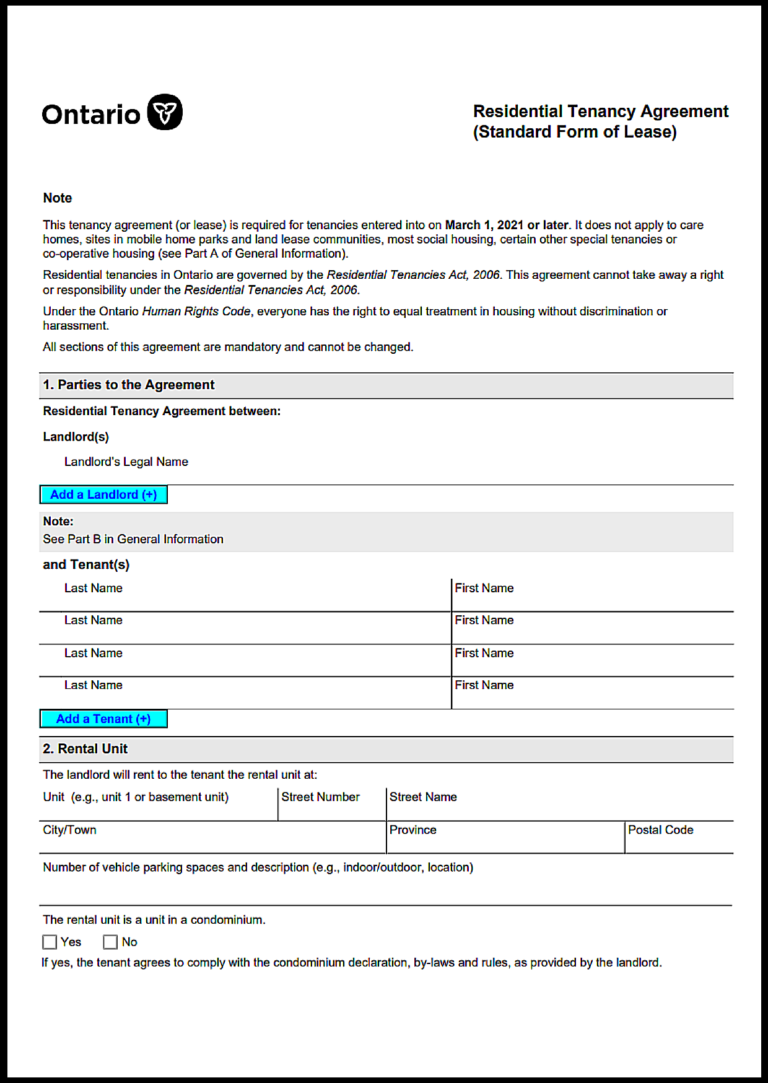
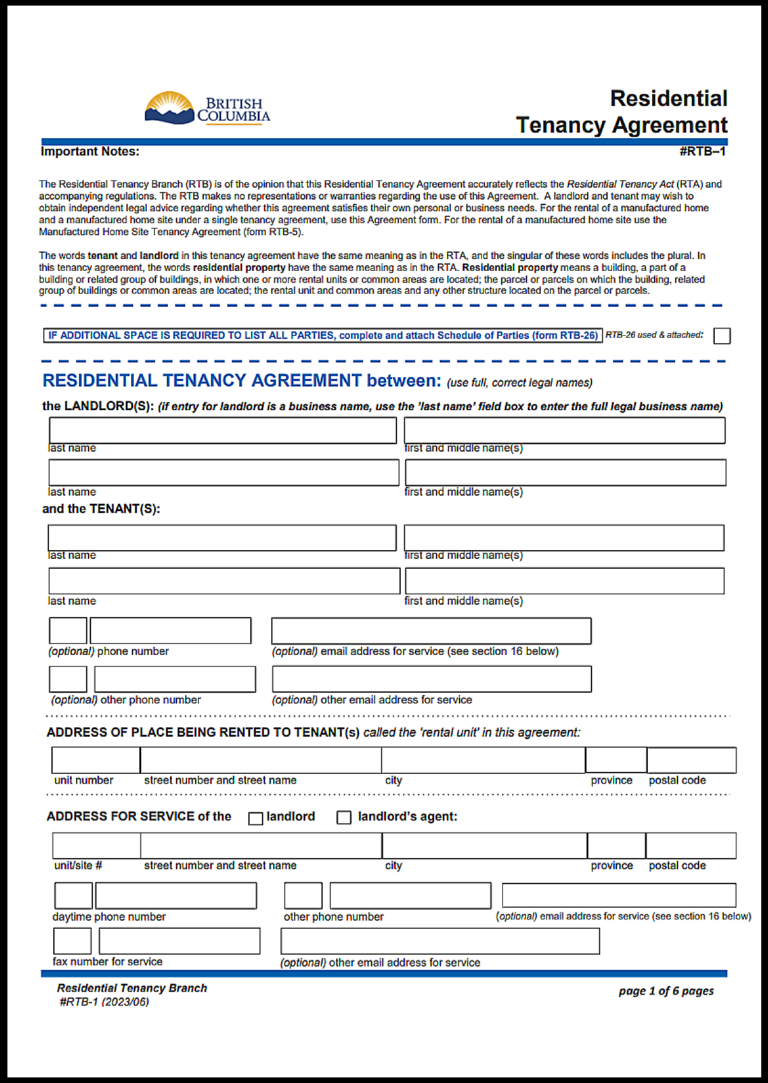
A month-to-month arrangement allows the tenancy to continue without a fixed long-term end date. It should still clearly set out the parties’ responsibilities, rent, payment terms and other conditions. You can also review a standard lease agreement for additional guidance.
When Should You Use a Month-to-Month Lease?
This agreement works best in situations where long-term planning is uncertain.
Common use cases:
-
Short-term housing needs
-
Temporary job relocation
-
Students or seasonal workers
-
Landlords who want a flexible arrangement with a tenant
Property owners managing inherited homes may also use month-to-month leases while deciding what to do with the property. However, the landlord must still follow Alberta’s statutory requirements when ending a periodic tenancy. If you are dealing with property transfers, you may also need a will template or a power of attorney guide to understand how legal authority and estate planning work.
Laws You Must Follow
Residential tenancy agreements in Alberta must comply with the Residential Tenancies Act and its regulations. These laws establish requirements concerning security deposits, rent increases, landlord entry, inspections and termination.
Key Legal Rules
-
Security Deposit: A residential security deposit cannot exceed one month’s rent when the tenancy begins. The landlord must deposit the security deposit into an interest-bearing trust account within two banking days after receiving it.
-
Rent Increases: Rent generally cannot be increased until at least 365 days have passed since the tenancy began or the last increase, whichever is later. Rent cannot be increased during a fixed-term tenancy.
-
Written Notice: The landlord and tenant must follow Alberta’s statutory notice requirements when ending a periodic tenancy. The required period depends on the type of tenancy and who gives the notice.
-
Landlord Entry: A landlord generally must provide at least 24 hours’ written notice before entering the rental property without the tenant’s consent. The notice must state the reason and the date and time of entry. Statutory exceptions apply.
Required Notice Periods
| Situation |
Notice Required
|
| Tenant ending a monthly periodic tenancy |
At least one full tenancy month of written notice.
|
| Landlord ending a monthly periodic tenancy |
At least three full tenancy months of written notice, and a legally permitted reason under Alberta law must apply.
|
Notice requirements depend on the type of tenancy and the reason for ending it. A landlord cannot end a month-to-month tenancy simply by giving three months’ notice without meeting the applicable statutory grounds under Alberta’s Residential Tenancies Ministerial Regulation.
For a tenant’s notice to end a monthly periodic tenancy, the notice generally must be given at least one full tenancy month before the intended termination date. The landlord’s notice generally requires three full tenancy months and must comply with the permitted reasons, timing and service requirements.
Special rules apply in certain circumstances. For example, if a landlord intends to carry out major renovations that require the rental premises to be vacant or convert the premises into a condominium, the landlord must generally provide one year’s notice to terminate a periodic tenancy. Routine maintenance, painting and replacing floor coverings do not qualify as major renovations for this purpose.
Rent Increase Rules
-
Rent generally cannot be increased until at least 365 days have passed since the tenancy began or the last increase, whichever is later.
-
The landlord must provide the required written notice for a periodic tenancy.
-
For a monthly periodic tenancy, the landlord generally must provide three full tenancy months’ notice.
-
There is no general provincial percentage cap on the amount of a rent increase.
-
Rent cannot be increased during a fixed-term tenancy.
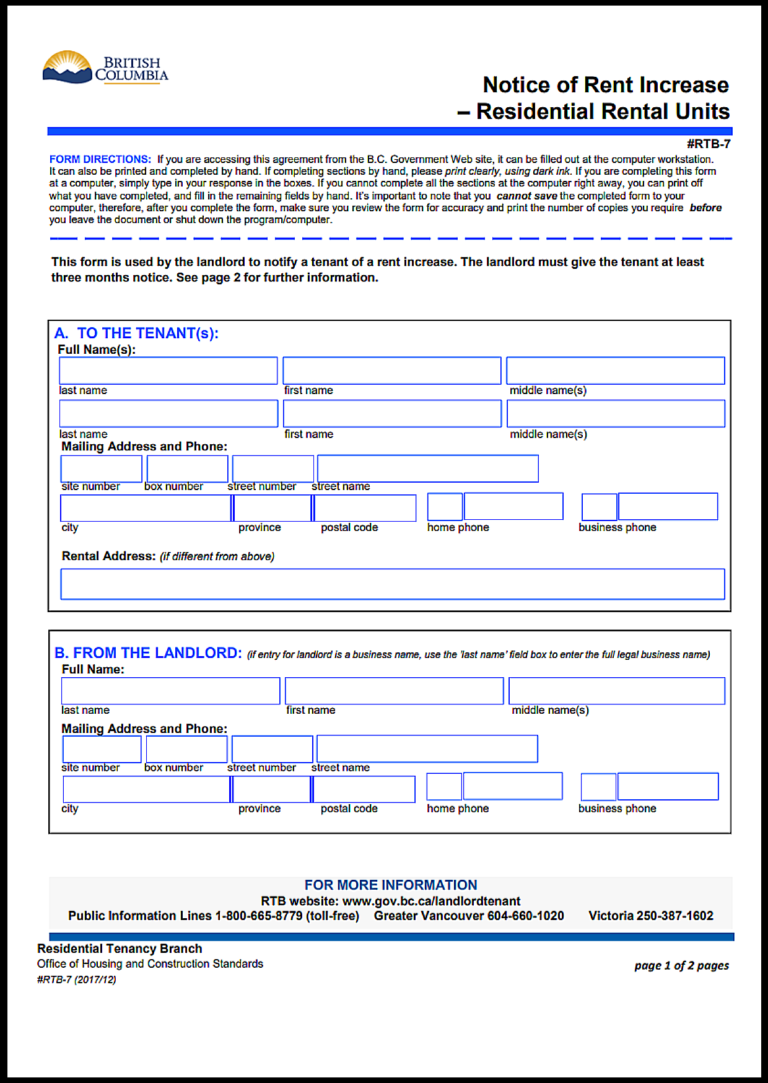
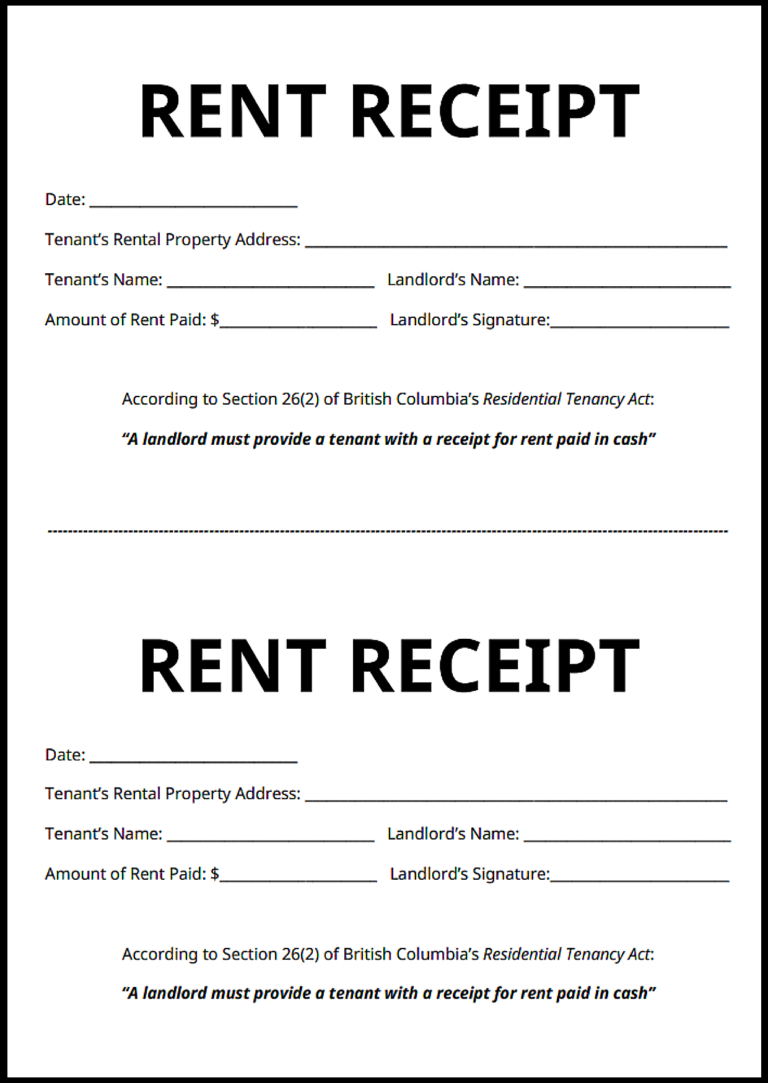
These rules protect both tenants and landlords. Proper documentation is also important when managing rental income or making financial decisions. Documents such as a rent increase notice and a rent receipt can help maintain clear records.
Key Elements of a Valid Month-to-Month Lease
A valid lease agreement should clearly include all essential details. Missing information can create disputes later.
Tenant and Landlord Information
Full legal names of both parties should be written correctly. The agreement should also include the landlord’s required contact and service information. In Alberta, landlords must provide a written notice identifying the landlord within seven days after the tenant moves in or post it in a visible common area of the building.
Property Description
The rental property must be clearly identified with its full address and unit details, if applicable. This helps prevent confusion about which premises are covered by the agreement.
Rent and Payment Terms
The lease should clearly mention:
-
Monthly rent amount
-
Rent due date
-
Accepted payment methods
-
Responsibility for utilities and other charges
-
Any applicable late-payment terms
Security Deposit Clause
The deposit must comply with Alberta’s statutory limit of one month’s rent at the beginning of the tenancy. The agreement should explain how the deposit will be held, when it will be returned and what lawful deductions may be made.
Alberta landlords must place security deposits in an interest-bearing trust account within two banking days after receiving them. The deposit cannot be increased during the tenancy, even if the rent increases.
Termination Clause
This section should explain how either party can end the tenancy and the applicable notice requirements. It should not give either party rights that conflict with Alberta’s statutory termination rules. In particular, landlords must have a permitted reason to terminate a monthly periodic tenancy and generally provide three full tenancy months’ written notice.
Rules and Restrictions
Rules help avoid confusion. These may include:
-
Pet policies
-
Smoking rules
-
Maintenance responsibilities
-
Parking arrangements
-
Use of shared spaces
Any rules included in the agreement must comply with Alberta’s tenancy laws. A landlord cannot use a lease clause to remove rights protected by the Residential Tenancies Act.
Month-to-Month vs Fixed-Term Lease
| Feature | Month-to-Month Lease |
Fixed-Term Lease
|
| End Date | Has no fixed end date and continues until properly terminated by the landlord or tenant. |
Has a specified start and end date.
|
| Flexibility | Offers greater flexibility because either party may end the tenancy by following the applicable statutory notice requirements. |
Generally offers less flexibility because the tenancy is intended to continue for the agreed term.
|
| Stability | Provides less certainty about how long the tenancy will continue. |
Provides greater certainty that the tenancy will continue for the agreed term, subject to applicable law and the lease terms.
|
| Notice Required | The landlord or tenant must provide the notice required by Alberta law to end the periodic tenancy. |
Generally ends automatically on the agreed end date without notice, unless the parties agree to continue the tenancy or applicable law provides otherwise.
|
| Best For | Tenants and landlords who need flexible rental arrangements or are unsure how long the tenancy will last. |
Tenants and landlords who prefer a rental arrangement for a defined period.
|
This comparison helps you decide which lease type fits your situation better. Under Alberta law, a fixed-term tenancy may transition into a periodic tenancy if the parties agree or their conduct establishes a continuing tenancy. The terms of the original agreement and the parties’ actions can determine whether this happens.
How to Fill Out the Lease Template?
Filling out the lease correctly is very important. Small mistakes can lead to legal problems later.
Start by writing accurate details for both landlord and tenant. Then clearly mention the rent amount, due date and security deposit. Make sure utilities are properly marked as included or not, and check that the agreement follows Alberta’s tenancy requirements.
Follow these steps:
-
Enter full names and property address
-
Add rent and payment details
-
Check the deposit amount against Alberta’s one-month limit
-
Include rules and conditions
-
State the correct notice and termination requirements
-
Sign and date the agreement
Always review everything before signing. Both parties should keep a copy of the completed agreement.
Common Mistakes to Avoid
Many people overlook small details when preparing a rental agreement. These mistakes can create problems when rent is increased, the tenancy ends or a security deposit is disputed.
-
Not writing the notice period clearly
-
Charging more than the permitted security deposit
-
Relying only on verbal agreements
-
Missing signatures or important information
-
Ignoring Alberta’s applicable tenancy laws
-
Failing to complete required inspection reports
-
Including lease clauses that conflict with statutory tenant protections
Avoiding these mistakes can save time, money and legal trouble. Landlords should also keep copies of inspection reports and provide tenants with the required documentation.
Legal Risks of Not Using a Proper Agreement
Not having a proper written lease can create serious risks. Disputes become harder to resolve when the parties cannot clearly establish what they agreed to.
Landlords may struggle to enforce lawful lease conditions or end a tenancy properly. Tenants may also face difficulties proving the agreed rent, payment arrangements or other terms.
Some common risks include:
-
Rent disputes
-
Eviction complications
-
Disagreements over security deposit deductions
-
Difficulty proving the agreed terms
-
Costs associated with dispute resolution
A written agreement provides evidence of the parties’ arrangement and helps protect both sides. However, it cannot override Alberta’s statutory rights or legal obligations.
If a dispute cannot be resolved directly, eligible landlords and tenants may apply to Alberta’s Residential Tenancy Dispute Resolution Service (RTDRS) or the courts. The RTDRS can hear eligible claims up to $100,000, subject to its jurisdiction and applicable filing requirements.
Real-Life Example
Consider a tenant who signs a one-year lease. After the lease ends, they continue living in the property and paying rent, and the landlord accepts the payments.
Depending on the original agreement and the parties’ conduct, the tenancy may continue as a periodic month-to-month arrangement. The tenant can remain in the property, but both parties must still follow Alberta’s Residential Tenancies Act.
If the landlord wants to increase rent, they cannot do it immediately. They must wait until at least 365 days have passed since the tenancy began or the last increase, whichever is later. For a monthly periodic tenancy, the landlord must also provide three full tenancy months’ written notice. This example shows why understanding Alberta’s rules remains important even after a fixed-term lease ends.
FAQs
Is a month-to-month lease legal?
Yes. A month-to-month residential tenancy is legally recognized in Alberta under the Residential Tenancies Act. It can be created through a written agreement or, in appropriate circumstances, an oral or implied agreement. The landlord and tenant must follow the statutory rules even if they do not have a signed written lease.
How much notice is required to end the lease?
In Alberta, a tenant generally must give at least one full tenancy month’s notice to end a monthly periodic tenancy. A landlord generally must give three full tenancy months’ written notice and have a reason permitted by the legislation. The notice must also meet the applicable timing, content and service requirements.
Can rent be increased anytime?
No. Alberta landlords generally cannot increase rent until at least 365 days have passed since the tenancy began or the last increase, whichever is later. For a monthly periodic tenancy, the landlord must also provide three full tenancy months’ written notice. There is no general provincial percentage cap on rent increases, but rent cannot be increased during a fixed-term tenancy.
Is a written agreement required?
A written agreement is not always required for a residential tenancy to exist in Alberta. The Residential Tenancies Act recognizes written, verbal and implied agreements. However, having a written lease is strongly recommended because it records the rent, payment terms, responsibilities and other conditions agreed to by the landlord and tenant.
Can landlord evict anytime?
No. An Alberta landlord cannot evict a tenant whenever they want. The landlord must follow the legal process, provide the required notice where applicable and rely on a legally permitted reason to end a periodic tenancy. If the tenant does not leave when legally required, the landlord must use the appropriate legal process through the RTDRS or courts rather than forcibly removing the tenant.