Free Alberta Separation Agreement Legal Guide
Alberta Separation Agreement is a simple legal document that helps couples decide what happens after they separate. It clearly explains things like money, children, and property so both partners know their rights and duties.
Separation can feel stressful and confusing. Many people don’t know where to start, especially when legal matters come in. Under Alberta law, a clear written agreement can save time, money, and emotional stress. Instead of going to court, couples can settle things peacefully and move forward with clarity.
I’ve seen many Alberta couples come into my office after verbal promises about support or property suddenly fell apart, leaving both sides stressed and financially exposed. In my experience, a properly written separation agreement often prevents costly court disputes and gives families much-needed clarity during an already emotional time.
Last Updated: August 2026
What Is a Separation Agreement in Alberta?
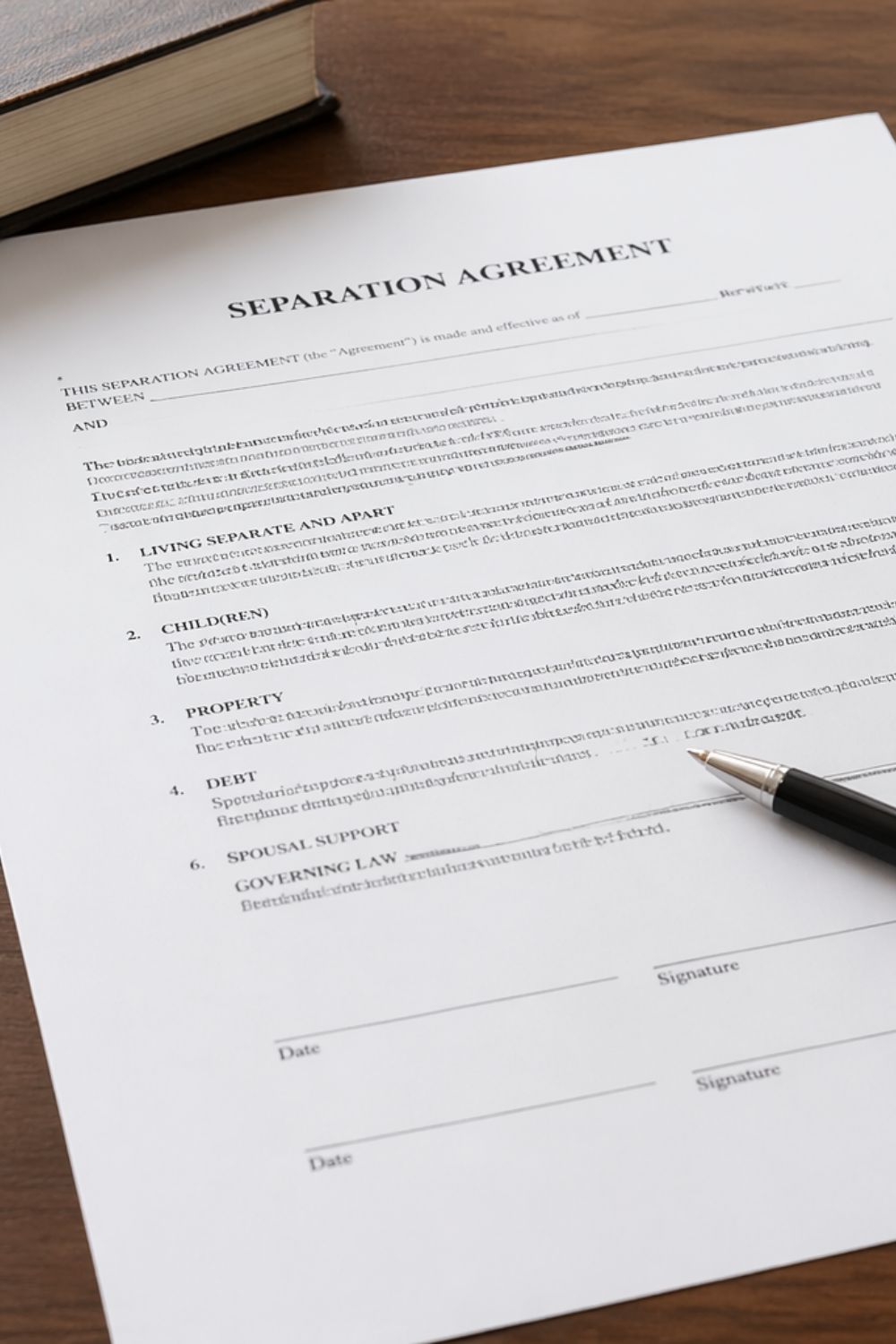
A separation agreement is a legal contract between two partners who decide to live apart. It explains how they will manage children, money, and property after separation.
In simple words, it is a written understanding between both partners so there is no confusion later.
- It covers finances, children, and shared property
- It helps avoid court fights
- It works for both married and common-law couples
Example:
Rohit and Simran decided to separate after 8 years of marriage. Instead of going to court, they created a written agreement. They decided who would stay in the house, how much child support would be paid, and how parenting time would work. Because everything was written clearly, they avoided legal disputes later.
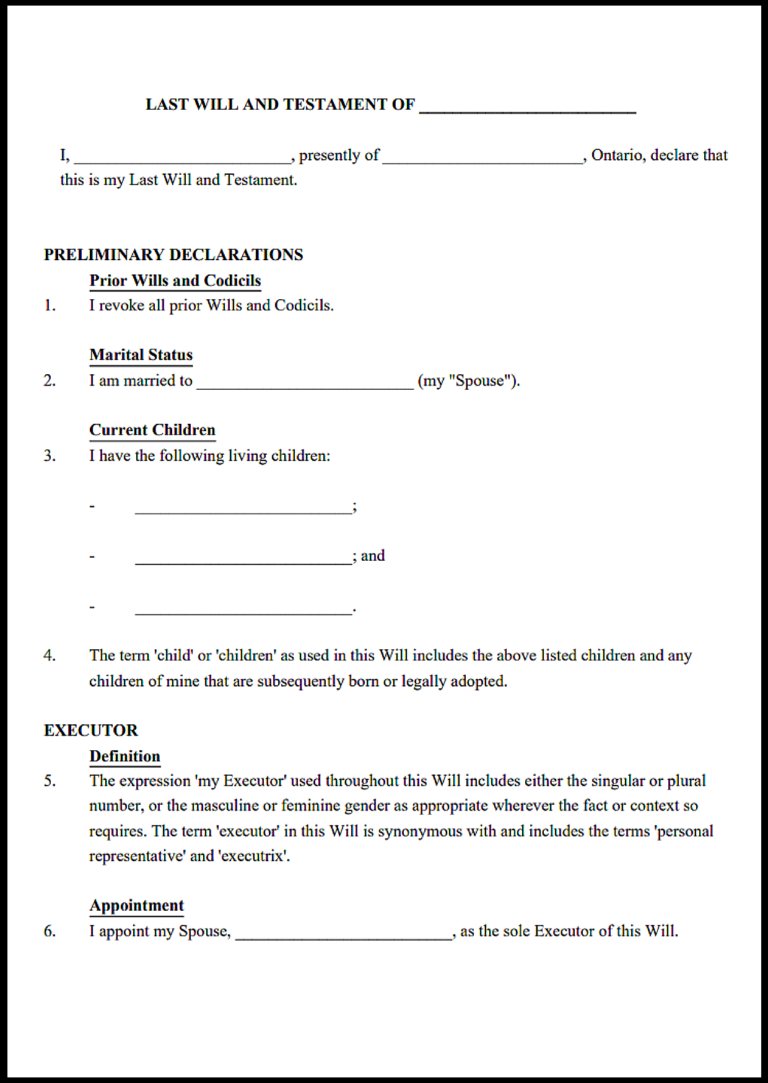
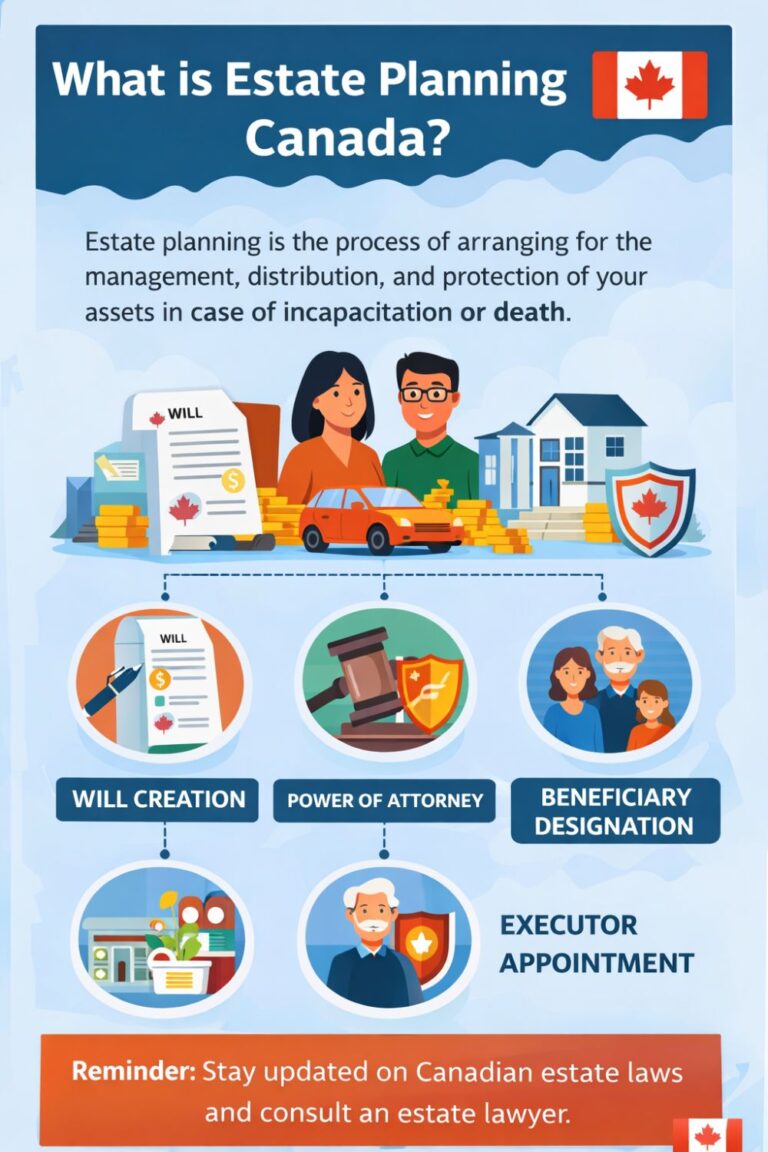
A separation agreement helps define financial and personal arrangements when a relationship ends. While this is separate from estate planning, understanding your legal rights is important, especially if you later create a will in Alberta that reflects your updated situation.
When Do You Need a Separation Agreement?
You usually need this agreement when you and your partner decide to live separately and want to set clear rules.
- When you both decide to separate
- Before filing for divorce
- When children are involved
- When you have shared assets or debts
- When you want to avoid court
Scenario:
A couple separates but does not write anything down. Later, disagreements start about money and children. Without an agreement, things can become complicated. A simple written agreement at the start could have avoided this situation.
Key Parts of an Alberta Separation Agreement
Parenting and Decision-Making
When children are involved, this is the most important part. Under Alberta law, decisions must focus on the best interests of the child.
- Who makes major decisions (education, health)
- Parenting time schedule (weekdays, weekends, holidays)
- How both parents will stay involved
A clear parenting plan reduces confusion and keeps things stable for children.
Child Support
Child support is usually based on federal guidelines and depends on income.
- Monthly payment amount
- Payment schedule (monthly or bi-weekly)
- Special expenses like school fees or medical costs
Ignoring proper child support rules can make the agreement weak or unfair.
Spousal Support
Spousal support is not always required, but in some cases, one partner may need financial help.
- Who will pay support
- Amount and duration
- Conditions (job change, remarriage)
Each situation is different, so this part should be written carefully.
Division of Property and Debts
Under Alberta’s Family Property Act, property is usually divided fairly between partners.
- Family home
- Vehicles, savings, pensions
- Loans, credit cards, debts
It is important to list everything honestly. Missing assets can cause legal problems later.
Living Arrangements
This section explains where each person will live after separation.
- Who stays in the home
- Who moves out
- Timeline for moving
This helps avoid confusion during the transition period.
This agreement is often connected with documents like a cohabitation agreement or a prenuptial contract, which outline responsibilities before or during a relationship.
Is a Separation Agreement Legally Binding in Alberta?
Yes, but only if it meets certain legal conditions. Under Alberta law, the agreement must:
- Be in writing
- Be signed by both parties
- Be witnessed properly
- Include full financial disclosure
Also, it is strongly recommended that both parties get independent legal advice. This makes the agreement stronger and harder to challenge later.
Alberta Laws You Should Know
You don’t need to be a legal expert, but understanding basic laws helps.
- Family Property Act → explains how property is divided
- Divorce Act → applies to married couples (especially for children and support)
- Child Support Guidelines → decide child support amounts
In simple terms, these laws make sure agreements are fair and protect both partners and children.
How to Fill Out the Template (Step-by-Step)
Step 1: Add Personal Details
Write full names and addresses of both parties clearly.
Step 2: Record Separation Date
Mention the exact date when you started living apart.
Step 3: Include Children Details
Include Children Details — Add names, ages, decision-making responsibilities, and the parenting schedule.
Step 4: List Assets and Debts
Write all property, savings, and debts honestly.
Step 5: Decide Support Payments
Clearly mention child and spousal support amounts.
Step 6: Review and Sign
Read everything carefully, sign it, and get it witnessed.
Take your time while filling the agreement. Small mistakes can create big issues later.
Common Mistakes to Avoid
Many people make simple mistakes that weaken their agreement.
- Not listing all assets or debts
- Skipping legal advice
- Writing unclear or confusing terms
- Ignoring proper child support rules
- Not updating the agreement later
Avoiding these mistakes can save you from future legal trouble.
What Can Make the Agreement Invalid?
Sometimes, a separation agreement may not be accepted by the court.
- One partner was forced or pressured
- Missing signatures or witness
- Terms are very unfair or one-sided
- No financial disclosure
- No independent legal advice
If any of these issues exist, the agreement can be challenged.
Separation Agreement vs Divorce
| Feature | Separation Agreement | Divorce |
| Legal Status | Still married |
Marriage legally ends
|
| Purpose | Set rules after separation |
End the marriage
|
| Court Required | Usually no | Yes |
| Timeframe | Flexible | Longer process |
A separation agreement is often the first step before divorce, but it is not the same thing.
Real-Life Example
A couple in Alberta decides to separate after several years together. They have one child and a shared home. Instead of going to court, they create a separation agreement.
They clearly decide:
- Parenting schedule for the child
- Monthly child support amount
- Who will stay in the house
Because everything is written properly, they avoid conflict. Later, when they apply for divorce, the agreement helps make the process smoother and faster.