Free Alberta Will Template & Complete Legal Guide
Alberta Will Template is a simple way to decide what happens to your assets after death. A will is a legal document that clearly explains your wishes so your family doesn’t face confusion or stress later.
In Alberta, having a will helps protect your loved ones and ensures your property goes to the right people. It also reduces legal delays and avoids unnecessary disputes. I’ve seen families in Alberta deal with long probate delays and costly disputes simply because a will was missing, outdated, or not signed properly. When someone is creating a will for the first time, even small mistakes can create serious problems later for the people they’re trying to protect.
In this article, you’ll find a free template, simple legal explanations, and practical steps to create a valid will.
Last Updated: August 2026
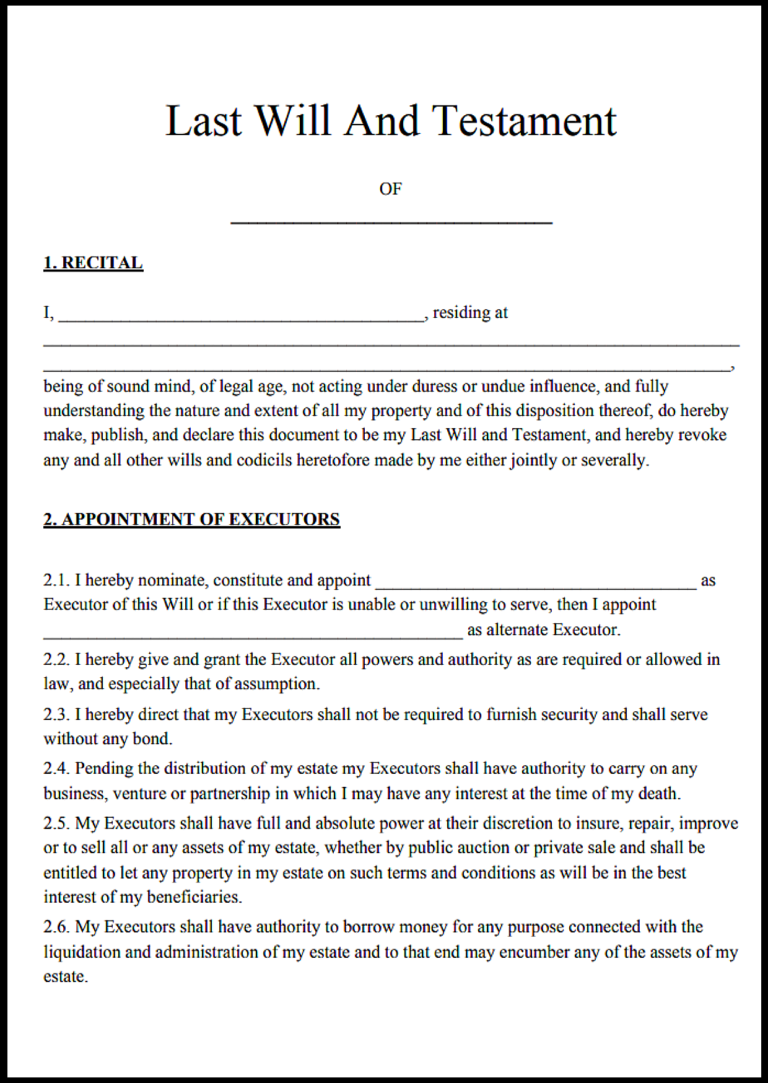
Free Alberta Will Template (Download & Use)
A basic Alberta will template is useful if your situation is simple. It helps you organize your wishes clearly without needing complex legal drafting.
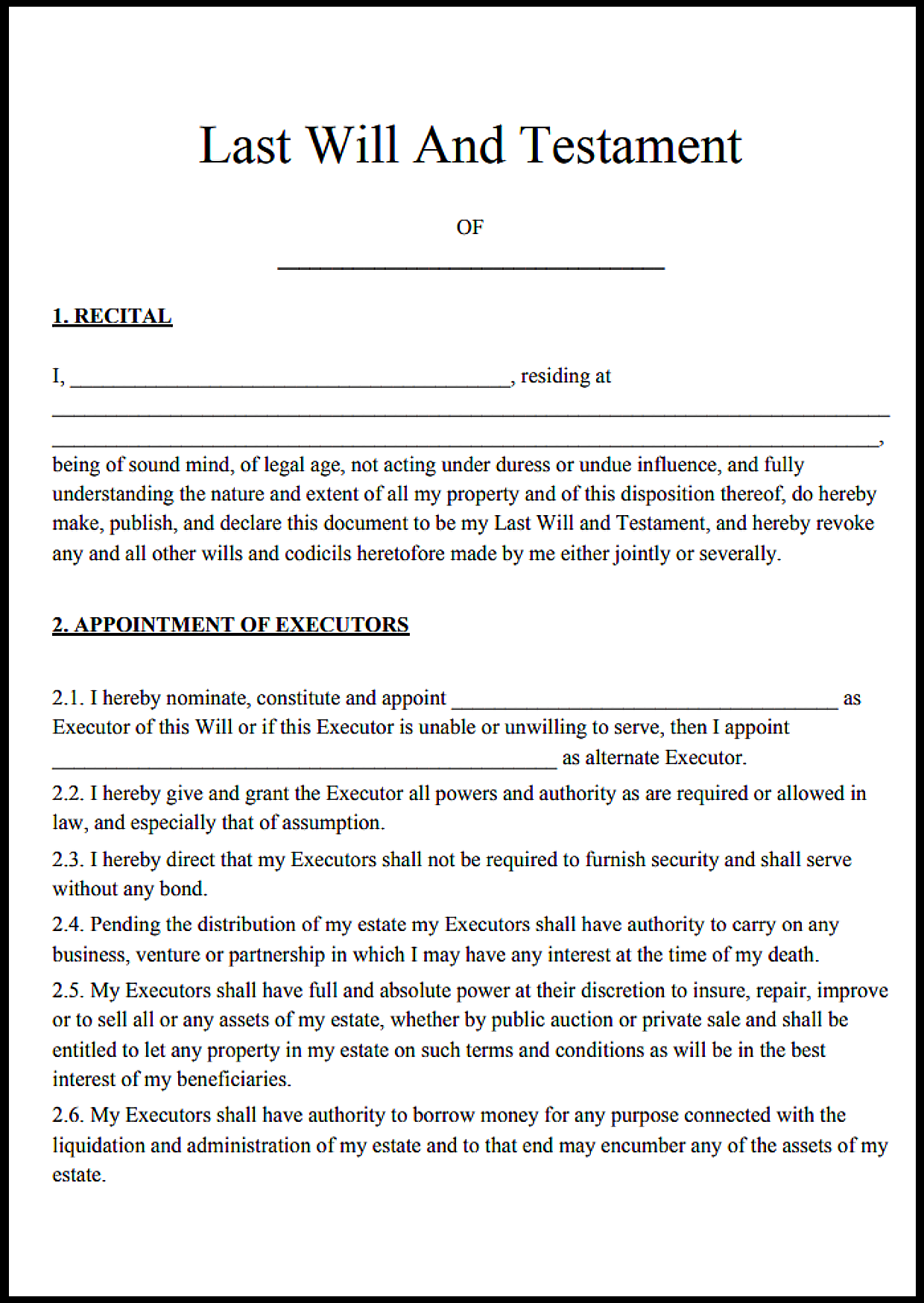
This type of template usually works best when you have straightforward assets like a house, savings, or personal belongings, and you want to name one executor and a few beneficiaries. It follows common Alberta legal standards and keeps everything structured and easy to understand.
Alberta Will Laws That Frequently Surprise Families
| Topic / Issue | Alberta Legal Rule | Governing Statute |
|---|---|---|
| Main governing law | Wills and estate succession in Alberta are primarily governed by provincial law, including Alberta’s Wills and Succession Act. | Wills and Succession Act, SA 2010, c W-12.2 |
| Federal law status | The creation and validity of a will made under Alberta law are primarily governed by Alberta law. | Wills and Succession Act, SA 2010, c W-12.2 |
| Recent amendments | Alberta has provisions dealing with electronic wills and electronic signatures, including amendments made through the Red Tape Reduction Statutes Amendment Act, 2022. | Wills and Succession Act, SA 2010, c W-12.2 |
| Who can sign | The testator or another person acting in the testator’s presence and at the testator’s direction may sign the will. | WSA s. 15(1)(a) |
| Witness requirements | For a formal will, two witnesses must be present at the same time when the testator signs or acknowledges the signature, and both witnesses must sign in accordance with the Act. | WSA s. 15(1)(b), (c) |
| Disqualified witnesses | A beneficiary or the beneficiary’s spouse or adult interdependent partner should not act as a witness because the gift to that beneficiary may be affected under Alberta law. | WSA s. 43 |
| Notarization requirement | A will itself does not generally require notarization. Probate applications can involve an Affidavit of Execution and other court requirements. | WSA s. 16; Surplus Rules |
| Minimum age | A person must generally be at least 18 years old to make a valid will, subject to statutory exceptions. | WSA s. 13 |
| Mental capacity | The testator must have the mental capacity required by Alberta law to make the will and understand its nature and effect. | WSA s. 13 |
| Deadline rules | There is no general deadline to create a will. A will takes effect on the testator’s death. | Wills and Succession Act |
| Holographic wills | A holographic will must be wholly in the testator’s handwriting and signed by the testator. Witnesses are not required for a valid holographic will. | WSA s. 16 |
| Signature placement | The testator’s signature must appear at the end of the will for the statutory formalities to be satisfied. | WSA s. 14 |
| Filing requirement | Alberta does not require wills to be filed in a central government registry. | Wills and Succession Act |
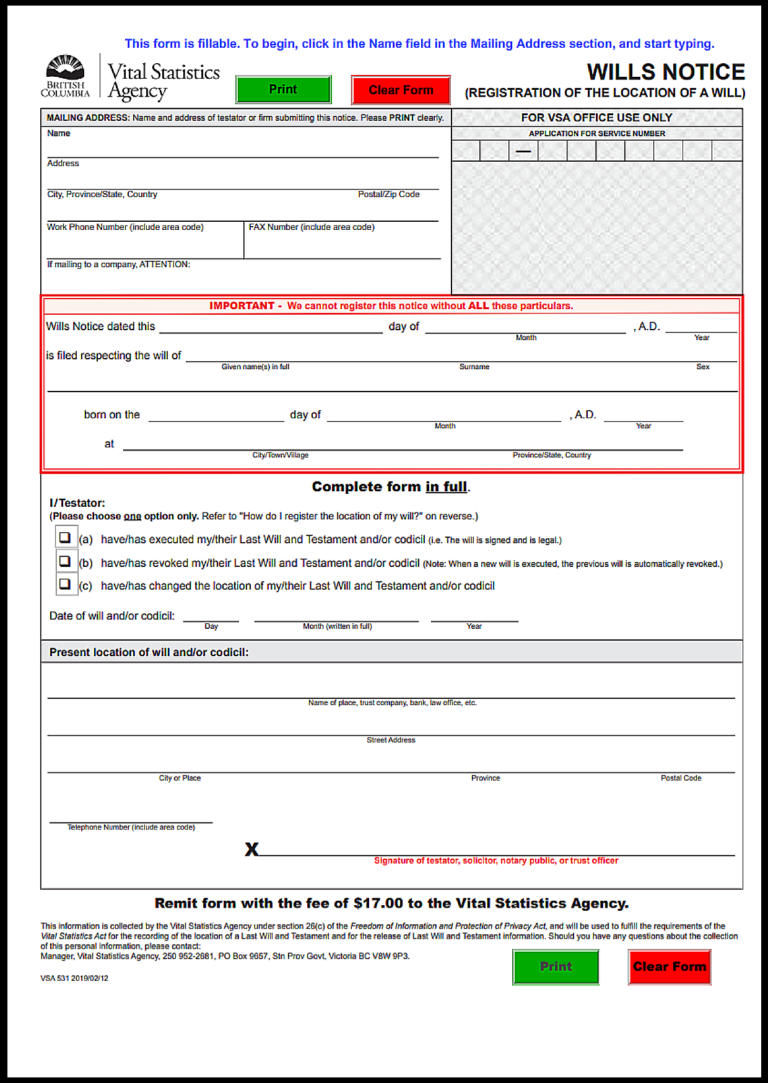
| Voluntary will notices | A person may voluntarily file a Wills Notice through Alberta’s Wills and Estates process to help indicate where the original will is located. | Wills and Succession Act |
| Invalid signature placement | A signature that does not comply with Alberta’s statutory signing requirements can create validity issues, including issues concerning material appearing below the signature. | WSA s. 14 |
| Improper witnessing | Failure to satisfy the formal witnessing requirements can create validity issues for a formal will. | WSA s. 15 |
| Marriage misconception | Marriage does not automatically revoke a will made after the applicable Alberta legislative changes. | WSA s. 88 |
| Adult Interdependent Partner rights | Adult Interdependent Partners may have estate rights under Alberta law, including rights that can affect an estate where there is no valid will or where dependant-support rules apply. | Wills and Succession Act |
| Substantial compliance rule | Alberta courts may validate a document that does not comply with the usual formalities if the court is satisfied that it represents the deceased’s testamentary intentions. | WSA s. 58 |
One of the most important Alberta-specific rules is that both witnesses must be present at the same time when a formal will is signed or acknowledged. Many families assume it is acceptable to have witnesses sign later or separately, but failing to follow the formal requirements can create validity problems. This often becomes a serious issue only after death, when it is too late to fix the document easily.
Another surprising rule is that a beneficiary should not act as a witness. In Alberta, the will itself may remain valid, but the gift to that witness can be affected under the legislation. This can change how assets are distributed within a family.
Alberta also has protections for Adult Interdependent Partners (AIPs). Many people incorrectly believe only married spouses can have estate rights, but Alberta law gives certain unmarried partners legal rights that can affect an estate.
The “substantial compliance” rule is another important Alberta provision. Courts may sometimes approve an imperfect document if there is clear evidence that it represents the person’s final testamentary intentions. However, relying on court discretion is risky, expensive, and can create family disputes.
Types of Wills in Alberta (Choose the Right One)
Different types of wills exist in Alberta, and choosing the right one depends on your personal situation. Each type serves a different purpose, and understanding them helps you make a better decision.
Simple Will (Basic Will)
A simple will is a common option for people with basic assets and straightforward wishes. It can name an executor and set out how the estate should be distributed.
Mirror Wills (For Couples)
Mirror wills are used by couples who want similar instructions in their wills. Each partner creates a separate will, but both documents usually contain similar provisions, such as leaving assets to each other. This is common for couples with shared assets and similar estate-planning goals.
Joint Will (Less Common)
A joint will is a single document intended to cover two people. Joint wills are uncommon and can create complications because each person’s estate-planning needs may change over time. Separate wills are generally more flexible.
Holographic Will (Handwritten)
A holographic will is written entirely by hand and does not require witnesses in Alberta. It must satisfy Alberta’s requirements for a holographic will. While this can be useful in certain circumstances, handwritten wills can create uncertainty if the wording is unclear or incomplete.
Testamentary Trust Will
A will can create a testamentary trust after your death. This can be useful if you want assets managed for children or other beneficiaries over time. The terms of the trust should be drafted carefully to match your estate-planning goals.
Living Will / Personal Directive
A personal directive is not a traditional will. Instead, it focuses on personal and healthcare decisions if you become unable to make those decisions yourself. It is often used alongside a will as part of a complete estate plan.
Quick Comparison of Will Types
| Will Type | Best For | Key Benefit | Risk Level |
|---|---|---|---|
| Simple Will | Basic assets | Easy and clear | Low |
| Mirror Wills | Couples | Shared planning | Low |
| Joint Will | Couples | One document | Medium |
| Holographic Will | Urgent cases | No witnesses needed | High |
| Testamentary Trust | Families with children | Long-term control | Low |
Real-Life Use Cases (When You Need a Will)
A will becomes important in real-life situations where decisions need to be clear. For example, a parent may want to express a preference about guardianship for their children, although the court ultimately considers the child’s best interests. A homeowner might want to divide property among family members to make their wishes clear and reduce the potential for conflict.
Many people also use a will to make their wishes clear and reduce disputes. Without clear instructions, family members may disagree, which can lead to delays and emotional stress. Business owners may also use wills as part of broader succession planning, while others use them to leave gifts to charities they support.
Key Elements of a Valid Will in Alberta
Under Alberta law, a will must meet the applicable legal requirements. Missing a required formality can create validity issues, although Alberta law also gives courts limited power to validate certain documents that do not comply with the usual formalities.
Testator Information
This includes your full legal name and identity so there is no confusion about who created the will.
Declaration Clause
This confirms that the document is intended to be your will and can state that it replaces previous wills.
Executor Appointment
The executor is responsible for carrying out your wishes and administering your estate.
Beneficiaries
These are the people or organizations who will receive your assets.
Asset Distribution Instructions
Clear instructions about who receives particular assets or the residue of the estate can help reduce disputes later.
Signatures and Witnesses
In Alberta, a formal will generally must be signed in accordance with the statutory requirements and witnessed by two witnesses. A holographic will is an exception to the usual witnessing requirement.
Revocation Clause
This can state that previous wills are revoked, although Alberta law also contains statutory rules concerning revocation.
Legal Requirements Table
| Element | Why It Matters |
|---|---|
| Full Name | Helps identify the person who made the will |
| Executor | Identifies who will administer the estate |
| Beneficiaries | Defines intended recipients |
| Witnesses | Helps satisfy the formal requirements for a formal will |
| Signature | Confirms the testator’s execution of the document |
How to Create or Complete a Will in Alberta
Creating a will does not have to be complicated if your situation is straightforward. Start by listing your assets and debts so you know what needs to be considered. Then decide who should receive your assets and choose a trustworthy executor who can handle the responsibilities of administering the estate.
After that, use a template or draft your document carefully. For a formal will, sign it in accordance with Alberta’s legal requirements and have the required witnesses properly participate in the signing. Finally, store your will in a safe place and make sure your executor knows where to find it.
Creating a legally valid will is one of the most important steps in estate planning. This guide explains how inheritance decisions are structured under Alberta law and how your wishes can be properly documented. If you are just getting started, reviewing a standard last will and testament format in Alberta can help you understand how assets are distributed and how executors are appointed.
Legal Overview in Alberta
Wills in Alberta are governed primarily by the Wills and Succession Act. This law sets rules for creating and validating wills.
To be valid:
- You must generally be at least 18 years old, subject to statutory exceptions
- You must have the required mental capacity
- The will must be properly signed and executed according to the applicable requirements
Holographic wills are allowed but have different requirements from formal wills. After death, many wills go through probate, where the court determines whether the will is valid and grants the appropriate authority to the personal representative. If a will is unclear or not properly executed, legal proceedings may be required to determine its validity.
Common Mistakes to Avoid
Many people make simple mistakes that create big problems later. These errors can delay the administration of an estate or create disputes about whether a will is valid.
- Not updating the will after marriage, separation, divorce, or having children
- Choosing an executor who is not reliable
- Writing unclear or vague instructions
- Forgetting proper signatures and witnessing requirements
- Relying on verbal promises instead of written estate-planning documents
Keeping your will simple and updated is the best way to avoid these issues.
Choosing the Right Will Type
Choosing the correct will depends on your situation. If your assets are simple, a basic will may be enough. Couples may choose mirror wills when they want separate wills containing similar estate-planning instructions.
If you want to protect children financially, a testamentary trust may be useful. In urgent situations, a handwritten will may be available if it meets Alberta’s holographic-will requirements, but professional advice can still be valuable. For healthcare planning, adding a personal directive is important.
Related Estate Planning Templates in Alberta
Estate planning is not just about a will. Other documents also play an important role in protecting your future decisions and assets.
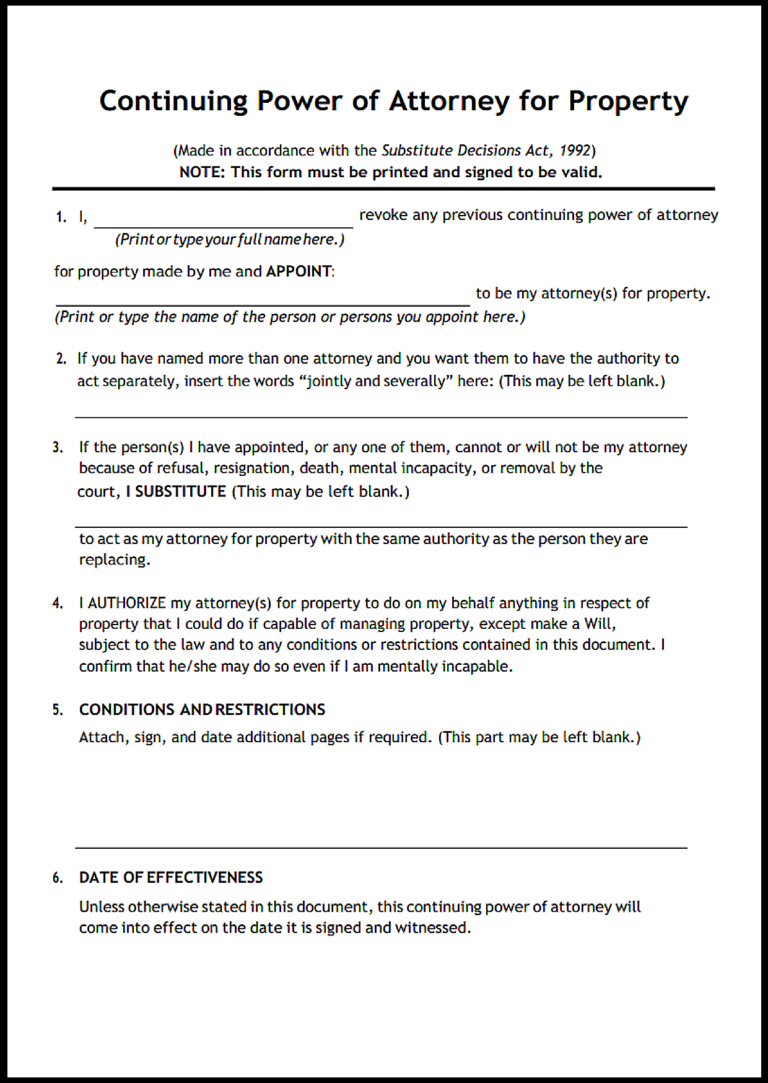
You may also need a Power of Attorney to handle financial matters, a Personal Directive for healthcare decisions, and an estate planning checklist to stay organized. Trust agreements, executor checklists, and probate forms can also help manage the process more smoothly.
A complete estate plan often includes more than just a will. Many individuals also prepare documents like a legal power of attorney in Alberta or outline medical preferences using a living will template. These documents work together to cover both financial and healthcare decisions.
FAQs
Do I need a lawyer to make a will in Alberta?
No, a lawyer is not required for every simple will. However, legal advice is recommended for complex situations, such as blended families, business interests, significant assets, dependent beneficiaries, or complicated tax and trust planning.
Is a handwritten will valid in Alberta?
Yes, Alberta recognizes holographic wills. A holographic will must be wholly in the testator’s handwriting and signed by the testator. Witnesses are not required for a valid holographic will, but handwritten wills can create interpretation and administration issues.
How often should I update my will?
You should review your will after major life events such as marriage, separation, divorce, having children, a significant change in assets, or the death of an executor or beneficiary. Even without a major event, periodic reviews can help ensure the document still reflects your wishes.
What happens if I die without a will in Alberta?
Your estate will be distributed under Alberta’s intestacy rules rather than according to instructions you would have included in a will. The result can differ from what you would have chosen personally.
Can I change my will after signing it?
Yes, you can generally change your will while you have the required capacity. You may make a new will or, where appropriate, use a codicil. Any change should be executed in accordance with the applicable Alberta legal requirements.
Where should I store my will?
Keep the original will in a safe and accessible place and tell your executor where it is located. You may also consider using Alberta’s Wills Notice system to help indicate where the original will can be found.
Legal Disclaimer
This content is for informational purposes only and is not legal advice. Alberta estate law can be fact-specific, and laws may change over time. For complex situations, it is always best to consult a qualified Alberta lawyer.