Do You Need a Will in British Columbia? Laws, Benefits & Risks

British Columbia Will Laws That Surprise Most Families
| Topic / Issue | British Columbia Legal Rule | Governing Statute |
|---|---|---|
| Governing Legislation | Wills and intestate succession in British Columbia are primarily governed by the Wills, Estates and Succession Act (WESA), subject to other legislation that may apply to particular assets or circumstances. | Wills, Estates and Succession Act, S.B.C. 2009, c. 13 |
| Federal Jurisdiction | Estate succession and inheritance are generally matters of provincial law, although federal law can affect particular assets, benefits, or tax matters. | Wills, Estates and Succession Act, S.B.C. 2009, c. 13 |
| Electronic Will Amendments | British Columbia permits electronic wills and electronic presence for will execution under WESA, with the electronic-will provisions taking effect on December 1, 2021. | Wills, Estates and Succession Amendment Act, 2020, S.B.C. 2020, c. 12 |
| Who Can Legally Sign | The will-maker must sign at the end of the will, or direct another person to sign in their presence, subject to the requirements of WESA. | Wills, Estates and Succession Act, s. 37 |
| Witness Requirements | Two witnesses are generally required, subject to the electronic-presence and other statutory rules under WESA. | Wills, Estates and Succession Act, s. 37 |
| Beneficiary Witness Restrictions | A beneficiary may witness a will, but a gift to the witness or the witness’s spouse may be void under s. 43 unless the court declares otherwise. | Wills, Estates and Succession Act, s. 43 |
| Notarization Rules | British Columbia does not generally require notarization or lawyer certification for a will to satisfy the ordinary execution requirements of WESA. | Wills, Estates and Succession Act, s. 37 |
| Age Requirement | The will-maker must generally be at least 16 years old and mentally capable of making a will. | Wills, Estates and Succession Act, s. 36 |
| Mental Capacity Requirement | The will-maker must have testamentary capacity, including an understanding of the nature and effect of making a will, the property being disposed of, and the claims they ought to consider. | Wills, Estates and Succession Act, s. 36; Banks v. Goodfellow |
| Expiration Rules | A valid BC will does not simply expire because time has passed, although later events or documents can affect its operation or validity. | Wills, Estates and Succession Act |
| Mandatory Wording | BC law does not require one set of boilerplate wording for every will, but the document must satisfy the applicable statutory requirements. | Wills, Estates and Succession Act |
| Wills Notice Registration | Filing a Wills Notice is optional. It records information about where the will is located, and filing or not filing the notice does not affect the will’s validity. | BC Vital Statistics Agency – Wills Notice Registry |
| Invalid Witnessing Problem | A gift to a witness or the witness’s spouse may be void under s. 43, although the court may grant relief in circumstances permitted by the Act. | Wills, Estates and Succession Act, s. 43 |
| Signature Placement Rule | A gift or direction appearing after the will-maker’s signature may not take effect under WESA, subject to the Act’s rules and any applicable court order. | Wills, Estates and Succession Act, s. 39 |
| Dual Witness Presence Rule | Under the ordinary execution rules, the required witnesses must be present as required by WESA when the will-maker signs or acknowledges the signature. | Wills, Estates and Succession Act, s. 37 |
| Court “Curing Power” | BC courts may, on application, cure certain formal deficiencies where a record, document, writing or marking represents the deceased person’s testamentary intentions or an intention to revoke, alter or revive a will. | Wills, Estates and Succession Act, s. 58 |
| Wills Variation Claims | A spouse or child may bring a claim if a will does not make adequate provision for their proper maintenance and support. | Wills, Estates and Succession Act, s. 60 |
| BC Minimum Will Age Difference | British Columbia allows a person who is at least 16 years old and mentally capable to make a will. | Wills, Estates and Succession Act, s. 36 |
One of the biggest surprises for BC families is how easy it is to accidentally damage a will even when everyone believes they are “doing it correctly.” I’ve seen situations where a parent asked an adult child to witness the will without realizing that the child’s inheritance could later be affected. Another common issue happens when people add wording below their signature after signing, which may not take effect under WESA.
British Columbia also has some unusual estate laws. Under section 58, courts may sometimes cure formal deficiencies in a record or document when it represents the deceased person’s testamentary intentions. At the same time, BC’s wills variation rules allow spouses and children to bring claims where the statutory requirements are met. That means people who assume “it’s my money, I can leave it however I want” can be surprised when disputes arise after death. Execution mistakes, witness problems, or unclear wording can create expensive court proceedings.
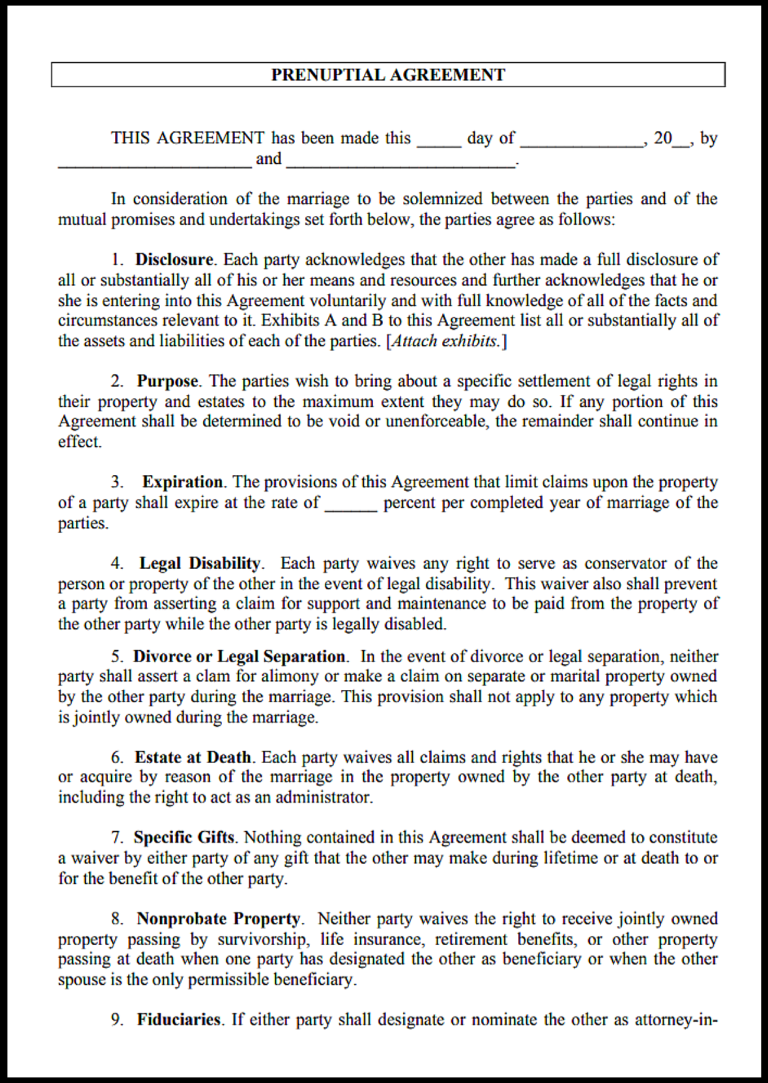
Many people create a will to ensure their property, savings, and personal belongings are distributed according to their wishes after death. To understand how wills fit within broader legal planning, you can review the main estate planning documents guide together with the British Columbia last will and testament template used for recording inheritance instructions and beneficiary details.
Do You Legally Need a Will in British Columbia?
The short answer is no, a will is not legally required in British Columbia.
However, under the Wills, Estates and Succession Act (British Columbia) (WESA), if you don’t have a will, strict legal rules apply. These rules decide who receives your estate.
Dying without a will does not mean your estate is left without legal rules. Instead, WESA determines who inherits and who may apply to administer the estate, which can produce an outcome different from the one you would have chosen.
Here’s the key issue:
- You lose control over who gets your assets
- WESA applies statutory succession rules
- Your family may face additional administration, court steps, or legal costs
So while a will is not mandatory, it can be an important way to record your wishes and choose the people you want to administer and receive your estate.
What Happens If You Don’t Have a Will in BC
If you pass away without a will, it is called dying intestate.
Under British Columbia law, your estate is distributed based on statutory succession rules:
| Situation | What Happens |
| Spouse and descendants |
The surviving spouse receives household furnishings and a preferential share of $300,000 if all descendants are common to the spouses, or $150,000 if they are not. The remaining estate is then divided according to WESA.
|
| Spouse, no descendants |
The surviving spouse generally receives the estate, subject to the statutory rules.
|
| No spouse, but descendants |
Descendants inherit according to the statutory succession rules.
|
| No spouse or qualifying relatives |
If no person is entitled under the statutory succession rules, the estate passes to the government, subject to the applicable law.
|
For example, imagine a person in BC with a spouse and two children. Without a will, the spouse may not receive the entire estate. Depending on the family circumstances and value of the estate, WESA can require part of the estate remaining after the spouse’s preferential share to be distributed to descendants.
This can create unexpected financial stress, especially if the spouse depends on those assets.
Other problems include:
- Additional court or estate-administration steps
- Extra legal costs
- Family disagreements
- No ability to use a will to record a testamentary appointment of a guardian where applicable
In real-life situations, families sometimes assume everything will automatically go to the spouse, but the statutory intestacy rules may produce a different result.
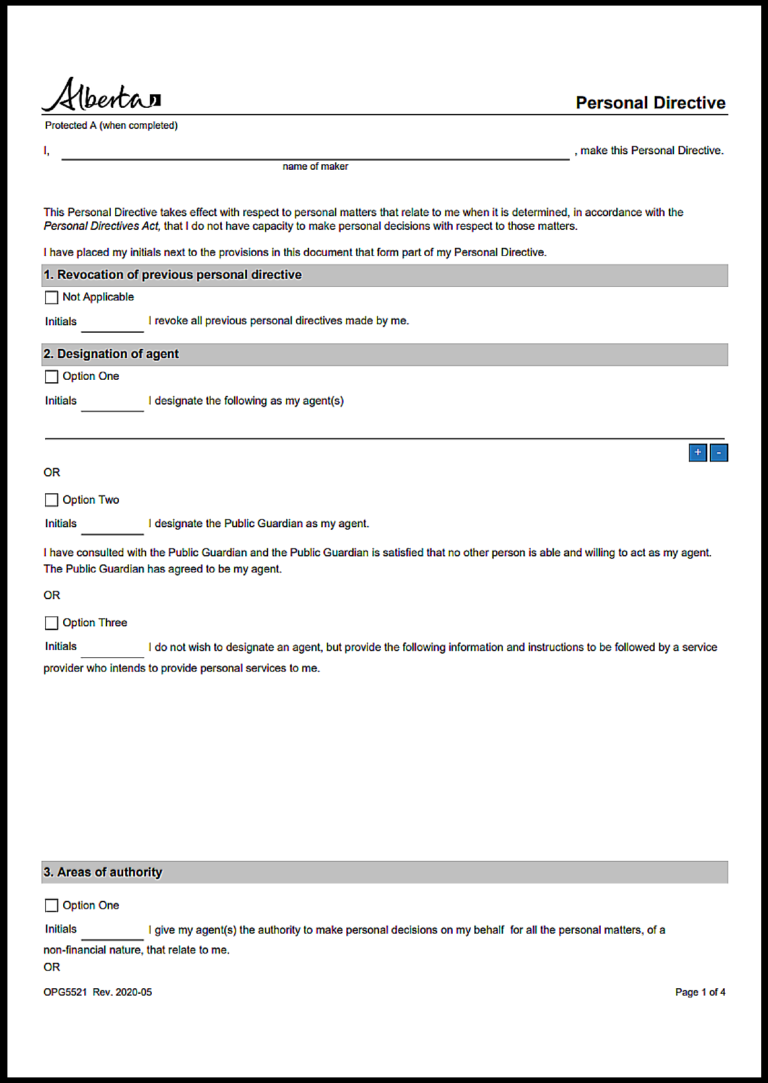
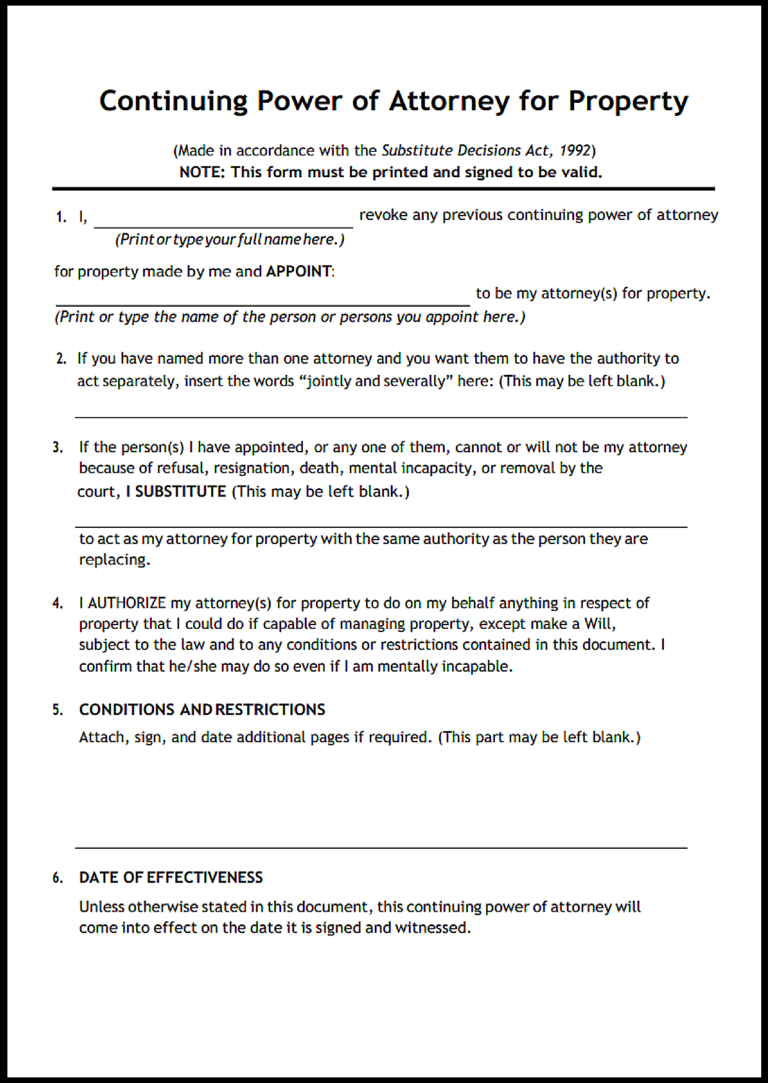
Estate planning often involves more than just inheritance paperwork depending on personal and financial circumstances. Some individuals also prepare a power of attorney document to manage financial decisions, while healthcare preferences may be outlined through a living will template or an advance care directive in British Columbia.
When You Definitely Need a Will (Real-Life Situations)
A will becomes especially useful in British Columbia when you want to choose beneficiaries, name an executor, make a testamentary guardianship appointment where applicable, deal with a business or significant property, or leave instructions that differ from WESA’s intestacy rules.
- You own property or land
- You have children under 19
- You are married or in a common-law relationship
- You have savings, investments, or a business
- You want to decide who gets your assets
Even a modest BC estate can raise questions about who inherits, who administers the estate, and what happens to property. A will lets you address those choices before WESA’s intestacy rules have to fill the gap.
Key Parts of a Valid Will in British Columbia
Testator Information
This is your personal information.
You should clearly identify yourself in the will, including:
- Full legal name
- Address
- Information that helps identify you as the will-maker
Under British Columbia law, you must have testamentary capacity when making the will.
Executor Appointment
The executor is the person who carries out your will.
Their role includes:
- Paying debts
- Managing assets
- Distributing property
Choose someone responsible and trustworthy. Depending on the circumstances, people may choose a spouse, adult child, or close friend.
Asset Distribution
This explains who gets what.
You can:
- Give specific items (house, car, jewellery)
- Divide money by percentage
Clear wording is very important to avoid disputes.
Residual Estate Clause
This covers everything not specifically mentioned.
A properly drafted residue clause can help ensure property that is not specifically gifted is dealt with under the will.
Guardianship for Children
If you are a guardian of a child under 19, you may use a will to make a testamentary appointment of a guardian, subject to the Family Law Act.
This can be an important part of planning for children because the appointment operates within the rules governing guardianship in British Columbia.
Witness Requirements
A valid will in BC must generally be signed in accordance with WESA’s witnessing requirements.
Important rules include:
- Two witnesses are generally required
- The required witnesses must meet the statutory requirements
- A beneficiary can witness, but the beneficiary’s gift may be affected under s. 43
- Electronic-presence rules may apply where the statutory requirements are satisfied
People reviewing inheritance laws and family financial arrangements may also benefit from reading the estate planning laws guide for British Columbia before finalizing their legal records and future decision-making documents.
Legal Rules for a Valid Will in British Columbia
To make your will valid under BC law, you must follow the applicable requirements of WESA:
| Requirement | Rule |
| Age |
Must be 16 or older and mentally capable of making a will
|
| Format |
The will must satisfy the applicable WESA requirements
|
| Signature |
Must be signed in accordance with WESA
|
| Witnesses |
Two witnesses are generally required, subject to statutory exceptions and electronic-presence rules
|
| Mental capacity |
Must have testamentary capacity
|
What about handwritten (holograph) wills?
A handwritten will is not automatically invalid in British Columbia. It must satisfy the applicable requirements of WESA, although the court may also cure certain deficiencies under s. 58.
However, relying on a defective document can create uncertainty. In most cases, it’s safer to follow the applicable legal formalities.
Common Mistakes That Make a Will Invalid in BC
Even small errors can create problems with a will.
Common mistakes include:
- Not signing the will properly
- A witness is also a beneficiary, which may affect that beneficiary’s gift
- Using unclear or confusing language
- Not updating after major life changes
- DIY mistakes without understanding legal rules
In practice, many disputes happen because of unclear wording, questions about capacity, undue influence, or incorrect execution.
Risks of Not Having the Right Executor
Choosing the wrong executor can cause serious problems.
Some risks include:
- Delays in distributing the estate
- Conflicts between family members
- Poor handling of money or property
- Executor refusing or being unable to act
An executor who is unwilling, unavailable or unable to administer the estate can create additional court and administration steps, so choosing someone who understands the role is important.
Always choose someone reliable and willing to take responsibility.
Can a Will Be Challenged in British Columbia?
Yes, a will can be challenged in BC under certain conditions.
Common reasons include:
- Lack of mental capacity
- Undue influence (pressure from others)
- A claim by a spouse or child under the wills variation provisions
British Columbia’s wills variation rules allow a spouse or child to bring a claim under s. 60 if the will does not make adequate provision for their proper maintenance and support. The court may then order adequate, just and equitable provision.
This is why clear planning is important.
How to Create a Will in British Columbia (Step-by-Step)
Start with the people and property you want your will to address. Then make sure the document is executed in a way that satisfies the current BC requirements under WESA.
Follow these steps:
- List all your assets (property, savings, belongings)
- Decide who will receive them
- Choose a trustworthy executor
- Use a template or legal service
- Sign the will with the required witnesses and follow the applicable WESA execution rules
- Store it safely and inform your executor
Keeping your will updated is just as important as creating one, particularly after major changes in your family, property, or financial circumstances.
Will vs Other Estate Planning Documents
A will is just one part of estate planning. You may also need other documents.
| Document | Purpose |
| Will |
Distributes assets after death
|
| Living Will |
States medical wishes
|
| Power of Attorney |
Can give another person authority to manage financial affairs during your lifetime
|
The timing is the key distinction: a will primarily operates on death, while documents such as a power of attorney can operate during your lifetime.
For example:
- A will works primarily after death
- A power of attorney can operate during your lifetime
Depending on your circumstances, you may also need documents that operate during your lifetime, such as a power of attorney or an advance directive.
FAQs
Do I need a lawyer to make a will in BC?
No. British Columbia law does not generally require a lawyer to prepare your will. However, professional legal advice can be useful for complex estates, blended families, business interests, significant assets, or unusual beneficiary arrangements.
How much does a will cost in BC?
The cost varies depending on how the will is prepared and how complex your circumstances are. A simple template may cost much less than professional legal services, while a lawyer’s fees depend on the work required.
Can I write my own will?
Yes, but it must satisfy the applicable requirements of British Columbia’s Wills, Estates and Succession Act. A handwritten will is not automatically invalid simply because it is handwritten, but execution and other legal requirements still matter.
What happens to debt after death?
Debts are generally dealt with as part of the estate administration process before beneficiaries receive the estate, subject to the nature of the debt and the applicable law.
How often should I update my will?
You should review your will after major life events such as marriage, separation, divorce, having children, acquiring significant property, or experiencing major changes in your intended beneficiaries or executor.