British Columbia Power of Attorney Template + Free Guide
A British Columbia Power of Attorney is often searched when a family is trying to get ahead of a health crisis, dementia diagnosis, extended travel plan, or the growing concern that someone may soon need help managing their finances. In British Columbia, the rules under the Power of Attorney Act are stricter than many people realise, particularly for enduring powers of attorney that are meant to remain effective after mental incapacity.
A problem that surfaces regularly in practice is a document signed from a generic Canadian template that doesn’t meet the province’s witness or execution requirements, only for the issue to come to light when a bank refuses to accept it or when property needs to be dealt with after capacity has been lost. In more serious situations, families end up before the Supreme Court of British Columbia seeking a committeeship because the power of attorney they thought would protect them can’t be relied on.
Understanding who can act, how the document must be signed, and when an enduring power of attorney is needed can prevent expensive problems later, and that’s exactly what this page covers.
Last Updated: September 2026
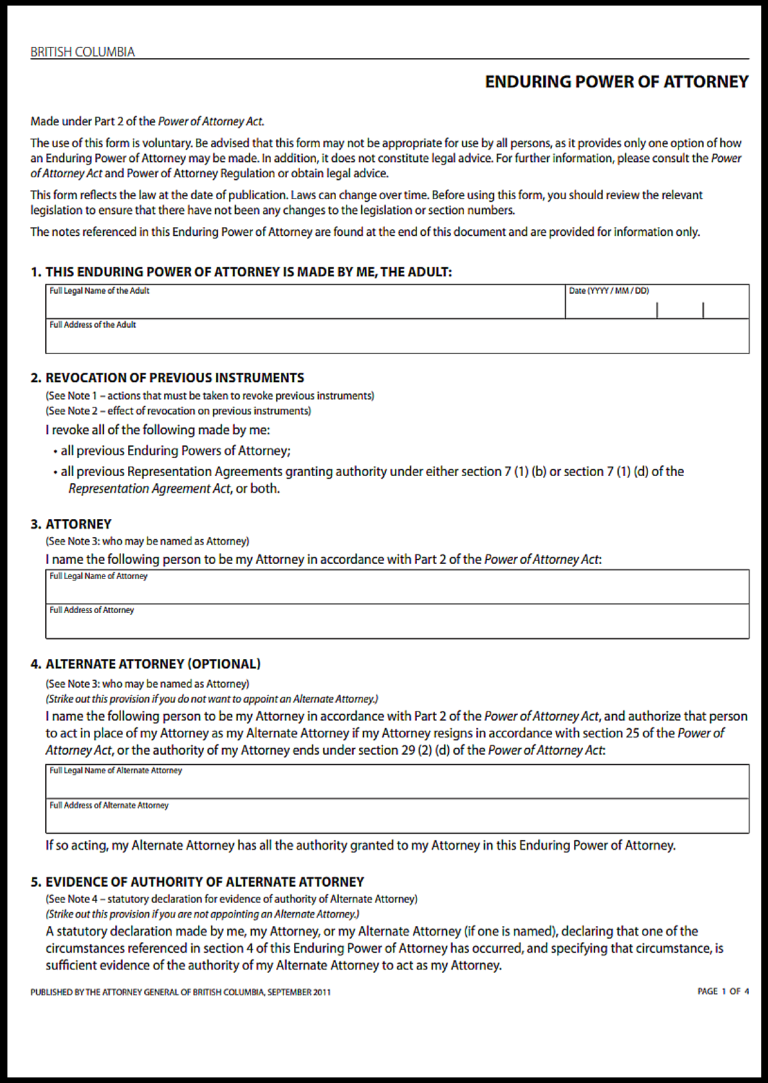
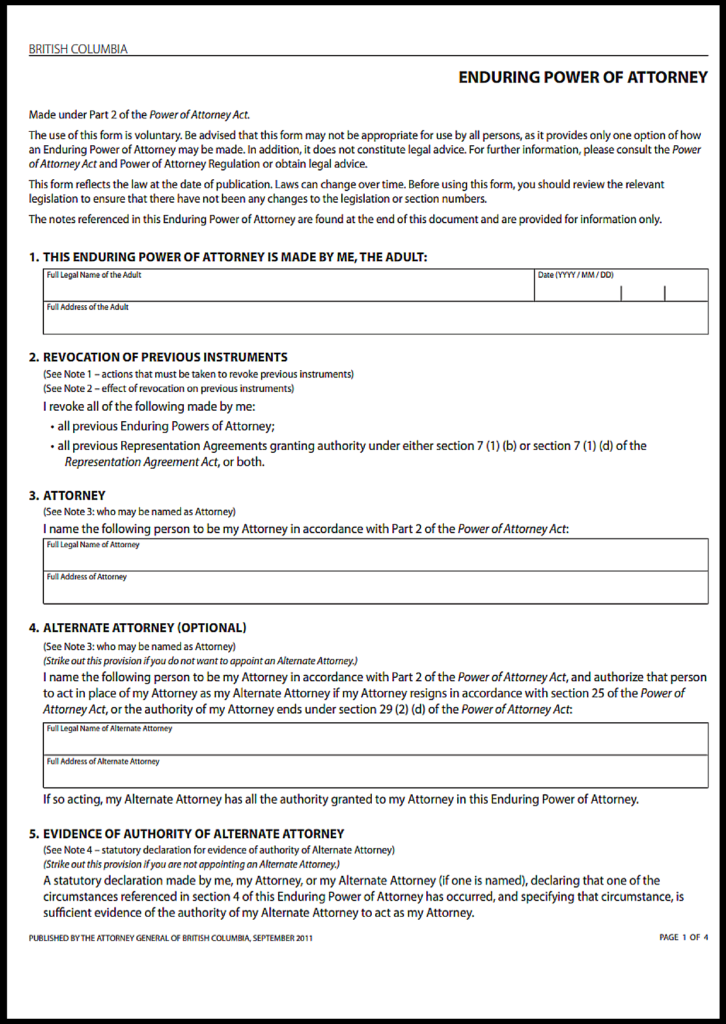
Free British Columbia Power of Attorney Template
Below is a simple, general-purpose Power of Attorney template designed for common personal use in British Columbia. It mainly covers basic financial authority.
Important British Columbia Power of Attorney Laws You Should Know
| Topic / Issue | British Columbia Legal Rule | Governing Statute |
|---|---|---|
| Governing Legislation | Powers of Attorney in British Columbia are governed primarily by the Power of Attorney Act, RSBC 1996, c. 370. | Power of Attorney Act, RSBC 1996, c. 370 |
| Federal Status | The creation and operation of a Power of Attorney in British Columbia are primarily governed by provincial law, including the Power of Attorney Act. | Power of Attorney Act, RSBC 1996, c. 370 |
| Recent Amendments | The current statutory framework for Enduring Powers of Attorney took effect on September 1, 2011 through amendments made by the Adult Guardianship and Planning Statutes Amendment Act, 2007. | Adult Guardianship and Planning Statutes Amendment Act, 2007 |
| Who Can Sign | For an Enduring Power of Attorney, the adult must be at least 19 and capable of understanding the nature and consequences of the proposed enduring power of attorney when it is made. | Power of Attorney Act, ss. 10, 12 |
| Who Can Act as Attorney | An adult may name one or more individuals, the Public Guardian and Trustee, or a financial institution authorized to carry on trust business as an attorney, subject to the restrictions in section 18 of the Power of Attorney Act. | Power of Attorney Act, s. 18 |
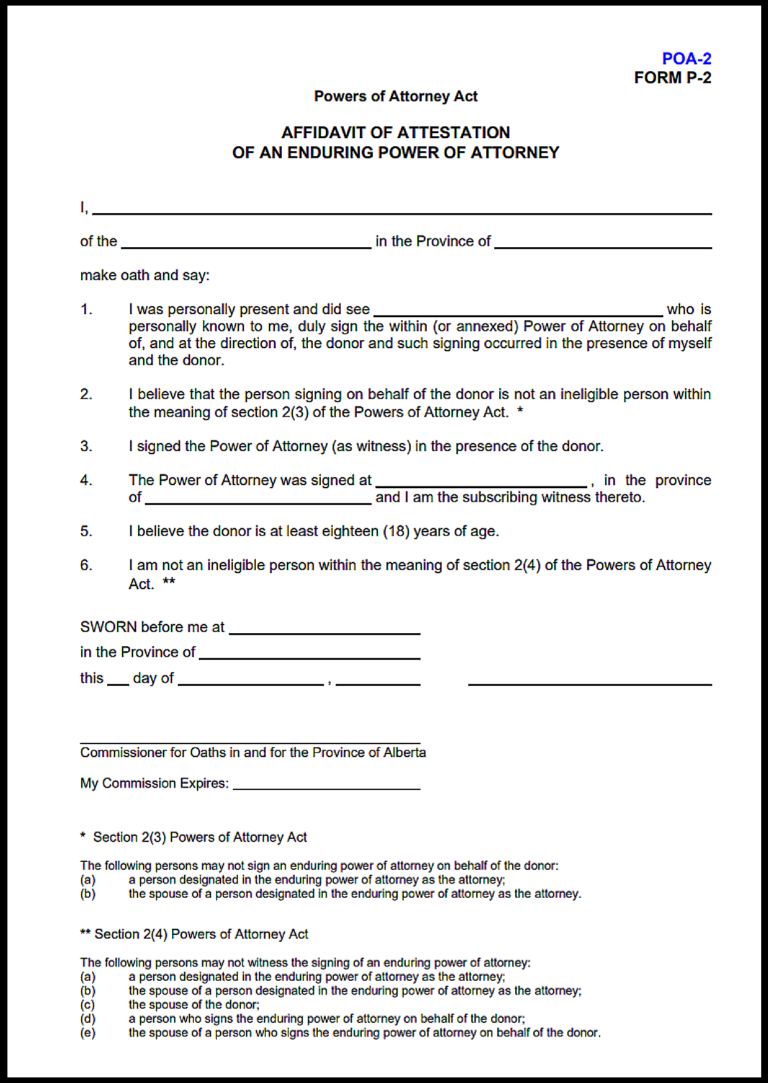
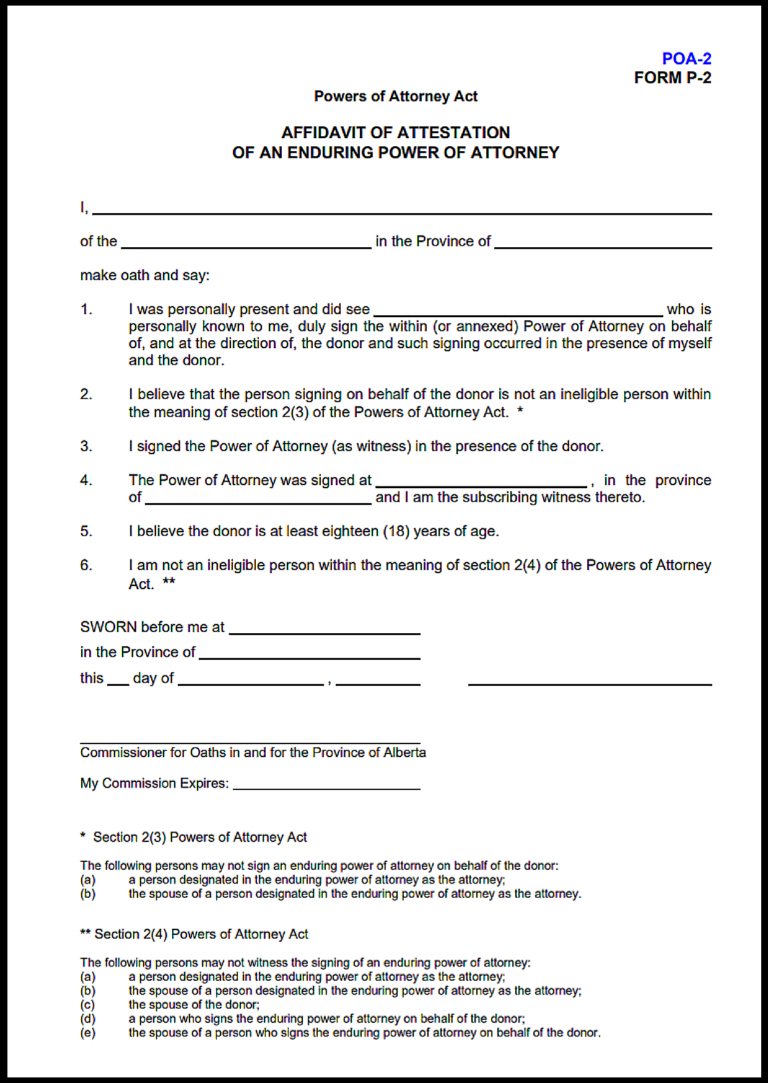
| Witness Requirements | An Enduring Power of Attorney must generally be signed and dated by the adult in the presence of two witnesses, who also sign in the adult’s presence. Only one witness is required if that witness is a lawyer or a member in good standing of the Society of Notaries Public of British Columbia. | Power of Attorney Act, s. 16 |
| Disqualified Witnesses | For an Enduring Power of Attorney, the named attorney, the attorney’s spouse, child or parent, and certain employees or agents of the attorney generally cannot act as witnesses, subject to the exceptions in section 16(6). | Power of Attorney Act, s. 16(6) |
| Notarization | The Power of Attorney Act does not impose a general notarization requirement. If an Enduring Power of Attorney is to be used for a land-title transaction, additional land-title execution and witnessing requirements apply. | Power of Attorney Act, s. 16; Land Title Act |
| Mental Capacity Test | For an Enduring Power of Attorney, the adult must understand the nature and consequences of the proposed document, including the adult’s property and approximate value, obligations to dependants, the attorney’s financial authority, the risk of misuse, and the ability to revoke while capable. | Power of Attorney Act, s. 12 |
| Attorney Signature Requirement | An attorney named in an Enduring Power of Attorney must sign it before exercising the authority granted to the attorney. When the Enduring Power of Attorney becomes effective is determined under section 26. | Power of Attorney Act, ss. 17, 26 |
| Required Enduring Clause | An Enduring Power of Attorney must state whether the attorney may exercise authority while the adult is capable or only while the adult is incapable, and must state that the attorney’s authority continues despite the adult’s incapability. | Power of Attorney Act, s. 14 |
| Filing Requirement | A Power of Attorney does not generally need to be filed merely because it exists, but section 51 of the Land Title Act requires the original or an appropriate certified copy to be filed when an instrument executed by an attorney is tendered for registration. | Land Title Act, s. 51 |
| Invalid Attorney Appointment | A person who provides personal or health care services to the adult for compensation, or who is an employee of a facility where the adult receives those services, generally cannot be named as attorney unless the person is the adult’s child, parent or spouse. | Power of Attorney Act, s. 18 |
| Land Title Name Accuracy | Land-title transactions involving a Power of Attorney can have additional execution and registration requirements. The applicable land-title requirements should be checked before a transaction is submitted. | Land Title Act |
| Healthcare Decisions | An Enduring Power of Attorney is used for financial affairs. A Representation Agreement can authorize personal care and health care decisions and, depending on its terms, certain financial and legal decisions. | Representation Agreement Act |
| Unique BC Capacity Standard | British Columbia sets out a detailed statutory capacity test for Enduring Powers of Attorney in section 12, including specific matters the adult must understand before making the document. | Power of Attorney Act, s. 12 |
One important rule in British Columbia is that an attorney named in an Enduring Power of Attorney must sign the document before exercising the authority granted to the attorney. The document’s effective date is also governed by section 26 and can depend on the terms of the document. The witness requirements are specific, so the adult should make sure the person witnessing the document is legally qualified to do so.
Land-title transactions have their own requirements. If a Power of Attorney will be used to execute an instrument for registration, the Land Title Act contains additional requirements concerning the filing of the power of attorney and the instrument signed under it. This is worth checking before a property transaction is underway.
British Columbia also distinguishes an Enduring Power of Attorney from a Representation Agreement. An Enduring Power of Attorney is focused on financial affairs, while a Representation Agreement can address personal care, health care and certain other matters. Whether you need one document or both depends on the authority you want to arrange.
To avoid preventable signing problems later, download the free British Columbia Power of Attorney template and complete it carefully.
A power of attorney allows an individual to authorize someone else to manage financial or legal matters on their behalf when needed. To better understand how this document fits into broader estate planning, you can review the British Columbia will template guide together with the guide explaining how to get a power of attorney in British Columbia.
Types of Power of Attorney in British Columbia
The right document depends on what you want the attorney to handle and whether the authority needs to continue if you become incapable. In British Columbia, the distinction between a General Power of Attorney, an Enduring Power of Attorney and a Representation Agreement matters.
General Power of Attorney
A General Power of Attorney provides authority for the matters covered by its terms, but it is not the statutory Enduring Power of Attorney designed to continue through incapability. If continued authority during incapability is important, an Enduring Power of Attorney should be considered.
Best used for:
- Temporary help with finances
- Managing affairs while traveling
- Short-term situations
Enduring Power of Attorney (Most Important)
An Enduring Power of Attorney is designed to continue despite the adult’s incapability. Under British Columbia law, it is an important planning tool for managing financial affairs if the adult later becomes incapable.
Common uses include:
- Planning for aging
- Preparing for illness or disability
- Arranging continued financial management during incapability
Without an appropriate incapacity-planning document, family members may need another legal mechanism to manage financial affairs, and in some circumstances court involvement may be required.
Limited (Specific) Power of Attorney
A Limited Power of Attorney gives authority for a specific task or time period.
Examples:
- Selling a house
- Managing one bank account
- Handling a single legal transaction
The authority can end when the specified task is completed or the time period stated in the document expires.
Springing Power of Attorney
A Power of Attorney can be drafted so that its authority begins when a specified event occurs. For an Enduring Power of Attorney, section 26 requires the document to address how and by whom the triggering event is to be confirmed.
Important points:
- The triggering condition should be clearly defined
- The document should state how and by whom the event is confirmed
- Unclear triggering terms can create practical delays or disputes
Power of Attorney vs Representation Agreement
Many people confuse these two documents, but they serve different purposes.
| Feature | Power of Attorney |
Representation Agreement
|
| Purpose | Financial affairs and other authority stated in the document |
Personal care, health care and certain other decisions depending on the agreement
|
| Covers | Banking, property, bills and other financial matters within the granted authority |
Health care, personal care and, depending on the agreement, certain financial and legal matters
|
| Active when | According to the document and applicable statutory rules |
According to the agreement and applicable law
|
| Needed together? | Depends on the authority you want to arrange |
Depends on the authority you want to arrange
|
Whether you need an Enduring Power of Attorney, a Representation Agreement, or both depends on the financial, health care and personal care authority you want to arrange.
Different legal situations may require different incapacity-planning documents. Financial affairs may be addressed through a Power of Attorney or Enduring Power of Attorney, while health care and personal care decisions may be addressed through a Representation Agreement or advance care directive, depending on the authority and instructions involved.
Real-Life Use Cases in British Columbia
The practical question is usually what you need someone else to handle and whether that authority needs to continue if you become incapable. Those details can help determine which BC planning document is appropriate.
A young professional traveling abroad for a year may use a General Power of Attorney so someone can handle banking and bills during the trip.
An elderly parent planning for future incapacity may create an Enduring Power of Attorney so an attorney can manage financial affairs if the parent later becomes incapable.
A homeowner dealing with a specific property transaction might use a limited authority that permits another person to complete the transaction on their behalf.
A business owner may give an attorney authority over specified financial operations while the owner is unavailable.
Someone recovering from surgery may arrange temporary authority for another person to help manage certain financial matters.
These examples show that a Power of Attorney can be useful well before retirement. What matters is matching the scope and duration of the authority to the actual planning need.
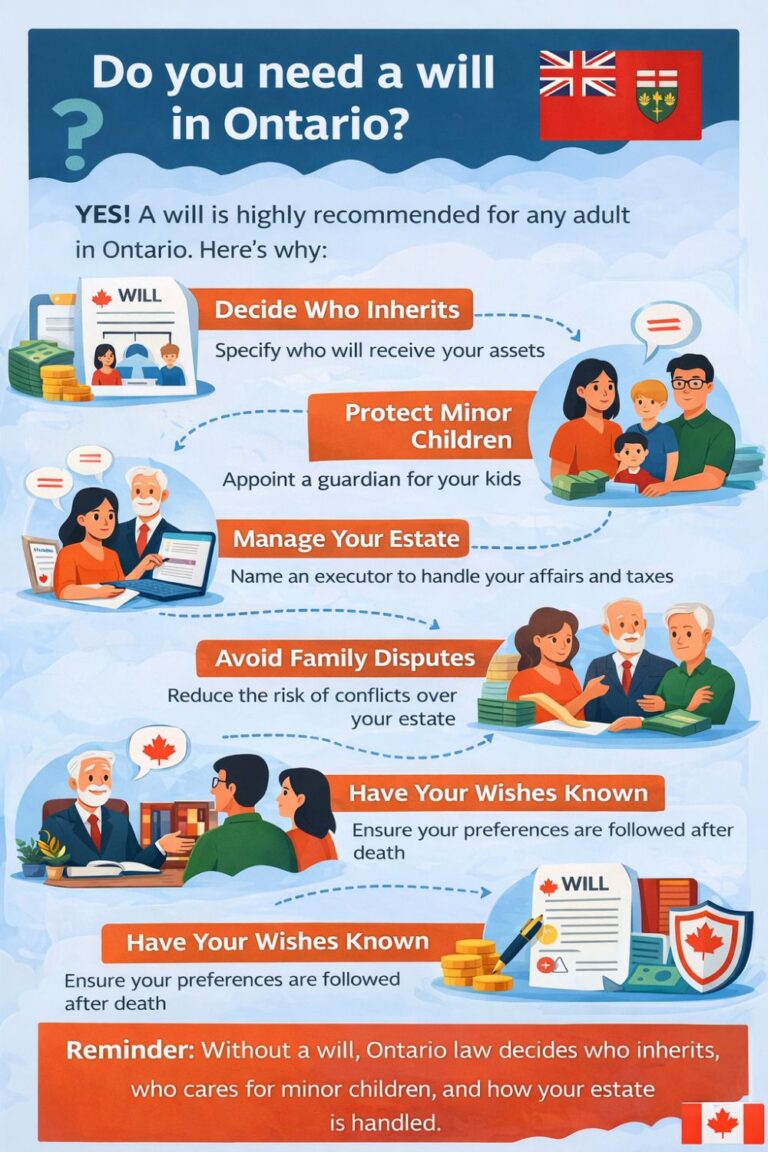
Power of attorney arrangements are frequently prepared alongside inheritance planning documents. Individuals reviewing their estate strategy may also benefit from using a British Columbia last will and testament template or a living will form to document future legal and personal wishes.
Key Elements of a Valid Power of Attorney
Under British Columbia law, the requirements depend on the type of Power of Attorney being prepared. An Enduring Power of Attorney has specific statutory requirements concerning capacity, wording, signing and witnessing.
Identification of Parties
The document should clearly identify:
- Your full legal name as the adult
- The attorney’s full legal name
Both roles should be clearly identified so there is no uncertainty about who is granting the authority and who is receiving it.
Scope of Authority
You should specify what powers you are giving.
This can include:
- Banking and financial decisions
- Property management
- Legal matters
You can choose broad authority or limit it to specific tasks.
Enduring Clause (if applicable)
An Enduring Power of Attorney must contain the statutory wording required to establish that the attorney’s authority continues despite the adult’s incapability. It must also address whether the attorney may exercise authority while the adult is capable or only while the adult is incapable.
A document that does not meet the statutory requirements may not operate as the intended Enduring Power of Attorney.
Signatures and Witnessing
British Columbia has specific witnessing rules for Enduring Powers of Attorney.
- The adult must meet the statutory capacity requirements when making the document
- The required witnesses must be legally qualified
- The named attorney and certain people connected with the attorney cannot act as witnesses
Improper witnessing can create a serious execution problem, so the statutory requirements should be followed carefully.
Effective Date
An Enduring Power of Attorney should address when its authority is to begin. Section 26 sets out how effectiveness is determined, including any stated effective date or triggering event.
Options may include:
- Immediately upon signing, where the document provides for this
- On a future date
- Upon a specified event
If effectiveness depends on a triggering event, the document should clearly explain how that event is to be confirmed.
How to Create or Complete a Power of Attorney
Creating a Power of Attorney is manageable, but an Enduring Power of Attorney has specific BC signing, witnessing and capacity requirements. The first step is deciding whether the authority needs to continue through incapability.
Start by choosing the correct type based on your needs. For long-term incapacity planning, consider whether an Enduring Power of Attorney is appropriate.
Select a trustworthy attorney who is responsible, reliable and legally eligible to take on the role.
Clearly define what powers the attorney will have. Avoid vague wording that could create uncertainty about the scope of the authority.
Sign the document using the applicable British Columbia signing and witnessing requirements. For an Enduring Power of Attorney, section 16 sets out the ordinary witnessing requirements, while section 17.1 and the regulations provide an alternative signing process in specified circumstances.
Store the completed document safely and make sure your attorney knows where it can be found. Copies may also be needed by relevant financial institutions or professionals when the authority is used.
Legal Overview in British Columbia
For an Enduring Power of Attorney, the key requirements include capacity, statutory wording, proper witnessing and the attorney’s signature before the attorney exercises authority. If the document will be used for a land-title transaction, additional requirements under the Land Title Act may apply.
The Power of Attorney Act also contains specific rules about who may act as attorney, when an Enduring Power of Attorney becomes effective, and how it can be changed, revoked or terminated.
You do not have to use a lawyer to make an Enduring Power of Attorney, but professional advice can be useful for complex arrangements or where property, multiple attorneys or unusual instructions are involved.
Common Mistakes to Avoid
The most preventable problems usually involve choosing the wrong document, overlooking the Enduring Power of Attorney requirements, choosing a disqualified witness or failing to keep the arrangement current.
Common issues include:
- Choosing a General POA when an Enduring POA is needed
- Forgetting the statutory enduring provisions
- Selecting an attorney who is not legally eligible or prepared to act
- Not updating the document after major life changes
- Improper witnessing, which can create a serious execution problem
Avoiding these mistakes can save your family time, money and stress later.
Choosing the Right Power of Attorney
The table below is only a starting point because the appropriate document depends on the authority you want to give and whether incapacity planning is involved:
| Situation |
Recommended POA
|
| Long-term financial protection through incapability |
Enduring Power of Attorney
|
| Short-term help |
General Power of Attorney
|
| Specific task |
Limited Power of Attorney
|
| Authority beginning on a specified event |
Power of Attorney drafted with an applicable triggering provision
|
| Health or personal care decisions |
Representation Agreement
|
If you are unsure, consider which financial, health care and personal care decisions you want someone else to handle. An Enduring Power of Attorney and a Representation Agreement can sometimes be used together, but neither should be treated as automatically necessary in every situation.
FAQs About Power of Attorney in British Columbia
Do I need a lawyer to make a POA in BC?
No. You do not have to use a lawyer to make an Enduring Power of Attorney, although legal advice can be useful for complex situations or unusual arrangements.
What happens if I don’t have a POA?
Without an appropriate incapacity-planning document, family members may need another legal mechanism to manage financial affairs. Depending on the circumstances, this may involve a statutory process or court proceedings.
Can I have more than one attorney?
Yes. You can appoint more than one attorney and assign different or overlapping areas of authority. Where multiple attorneys share the same authority, they generally must act unanimously unless the Enduring Power of Attorney provides otherwise.
When does a POA end?
When a Power of Attorney ends depends on the type of document, its terms and the applicable legislation. An Enduring Power of Attorney is designed to continue through the adult’s incapability, but its authority may also be suspended or terminated in circumstances set out in the Act or the document.
Can a POA be revoked or changed?
An Enduring Power of Attorney can generally be changed or revoked while the adult has the capacity required by the Act, subject to the statutory requirements for the change or revocation.
Is a POA valid across Canada?
A British Columbia Power of Attorney is not automatically valid for every purpose elsewhere in Canada. The law of the jurisdiction where the document will be used and the requirements of the relevant institution or transaction should be checked.
What’s the difference between enduring POA and a will?
A Power of Attorney operates during the adult’s lifetime and gives another person authority to act within the scope of the document. A will deals with the distribution of a person’s estate after death.
Legal Disclaimer
This content is for informational purposes only and is not a substitute for legal advice. Laws in British Columbia may change or vary depending on your situation. Always consider consulting a qualified lawyer or notary before making legal decisions.