British Columbia Cohabitation Agreement Guide + Free Template
A British Columbia Cohabitation Agreement is often the document couples start looking for when they’re moving in together, buying a home, or bringing significant assets into a relationship and want some certainty about what happens if things change later. Since the Family Law Act gives many unmarried spouses the same property division rights as married couples after two years of living in a marriage-like relationship, relying on whose name appears on title can create expensive surprises.
I regularly see disputes reach the Supreme Court of British Columbia where one partner believed a home or investment was protected simply because it remained in their sole name, only to learn that the legislation approaches property division very differently. A carefully prepared agreement can address those expectations early and reduce the risk of arguments about assets, debts, and support after separation.
On this page you’ll find how cohabitation agreements work in British Columbia, what they can cover, and the drafting issues that commonly create problems later.
Last Updated: September 2026
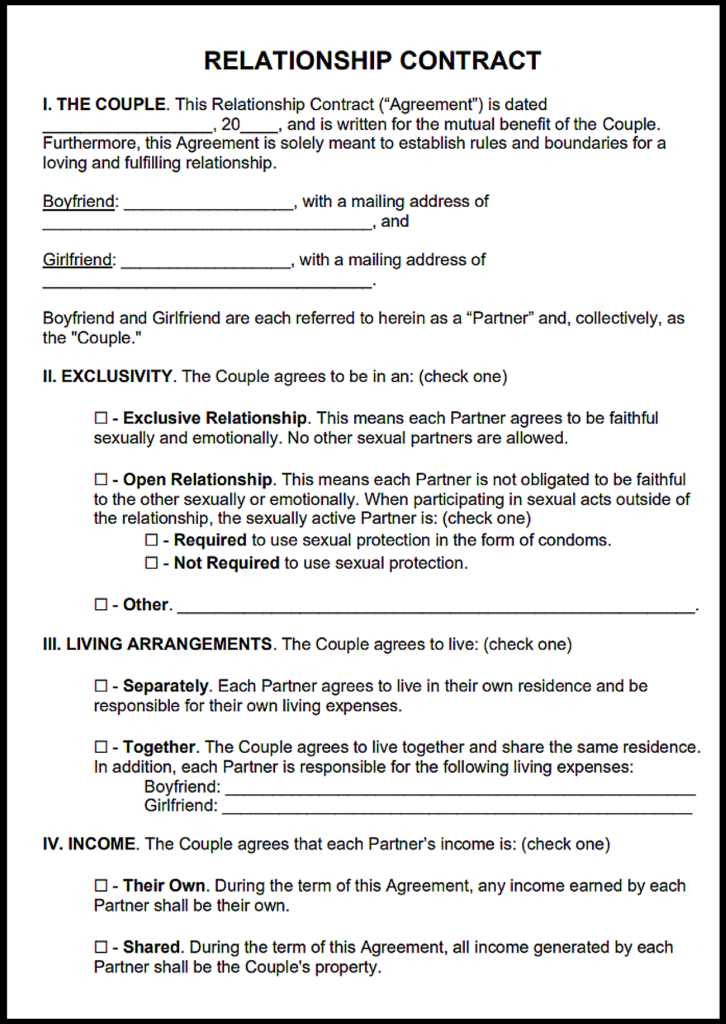
Free British Columbia Cohabitation Agreement Template
Here sample template:
British Columbia Cohabitation Agreement Legal Requirements and Court Risks
| Topic / Issue | British Columbia Legal Rule | Governing Statute |
|---|---|---|
| Governing legislation | Cohabitation agreements in British Columbia are governed by provincial family law legislation. | Family Law Act, SBC 2011, c. 25 |
| Federal law status | Cohabitation agreements are primarily governed by British Columbia family law. The federal Divorce Act applies to divorce and related matters involving married spouses. | Family Law Act, SBC 2011, c. 25 |
| Status of common-law property rights | Under the BC Family Law Act, a person who has lived with another person in a marriage-like relationship for at least 2 continuous years is a spouse for property-division purposes and is generally subject to the same family-property and family-debt rules as a married spouse. | Family Law Act, SBC 2011, c. 25 |
| Who can sign | People entering or living in a marriage-like relationship may make a cohabitation agreement, but the Family Law Act’s property-agreement provisions apply to spouses as defined by the Act. | Family Law Act, s. 92 |
| Witness requirement | A written agreement respecting property and debt must be signed by each spouse, with each signature witnessed by at least one other person. The same person may witness both signatures. | Family Law Act, s. 93(1) |
| Witness disqualification | The Family Law Act requires each spouse’s signature to be witnessed by at least one other person; section 93 does not state that one spouse is categorically prohibited from witnessing the other’s signature. | Family Law Act, s. 93(1) |
| Notarization | The Family Law Act does not impose a general notarization requirement for a property agreement, although separate witnessing and land-title execution requirements can apply to documents affecting registered land. | Family Law Act, s. 93 |
| Age requirement | The age of majority in British Columbia is 19. | Age of Majority Act, s. 1 |
| Minor signing considerations | The general age of majority in British Columbia is 19. Any proposed agreement involving a person under 19 should receive specific legal review before signing. | Age of Majority Act, s. 1 |
| Mental capacity | For a property agreement covered by section 93, the Supreme Court may set it aside or replace it if a spouse did not understand the nature or consequences of the agreement when it was entered into. | Family Law Act, s. 93(3)(c) |
| Time limit for property claims | For spouses living in a marriage-like relationship, certain claims for property, family debt, pension division or spousal support generally must be started within 2 years after separation, subject to the exceptions and suspension rules in the Family Law Act. | Family Law Act, s. 198(2) |
| Mandatory wording | British Columbia law does not require special “magic wording” in a cohabitation agreement. | Family Law Act |
| Financial disclosure importance | Both parties should provide accurate financial information before signing because failure to disclose significant property, debts or other relevant information can be a ground for challenging the agreement. | Family Law Act, s. 93(3)(a) |
| Independent legal advice | Independent legal advice is strongly recommended so each party can understand the agreement and its consequences, although the Family Law Act does not make independent legal advice a universal validity requirement. | Family Law Act, s. 93 |
| Filing requirements | A cohabitation agreement does not generally have to be filed with the government to exist as an agreement, but the Family Law Act provides for filing a notice of agreement against described land in the land title office. | Family Law Act, s. 99 |
| Land title exception | If a property agreement affects land, the parties may file a notice of agreement under section 99 of the Family Law Act. If the agreement also requires an actual transfer of a freehold estate, the Land Title Act requires the approved transfer form, including Form A. | Family Law Act, s. 99; Land Title Act |
| Support enforcement filing | A written spousal-support agreement that is filed in court is enforceable under the Family Law Act and the Family Maintenance Enforcement Act as if it were an order of the court. | Family Law Act, s. 163 |
| Failure to disclose assets | Courts may set aside or replace an agreement if a spouse failed to disclose significant property, debts, or other information relevant to the negotiation. | Family Law Act, s. 93(3)(a) |
| Improper advantage | Courts may set aside or replace an agreement if one spouse took improper advantage of the other spouse’s vulnerability, including circumstances covered by the Family Law Act. | Family Law Act, s. 93(3)(b) |
| Lack of understanding | Courts may set aside or replace an agreement if a spouse did not understand the nature or consequences of the agreement. | Family Law Act, s. 93(3)(c) |
| Two-year property trigger | After 2 continuous years in a marriage-like relationship, a person generally qualifies as a spouse for the Family Law Act’s property-division rules. | Family Law Act |
| Significant unfairness test | For a property agreement, the Supreme Court may set aside or replace all or part of the agreement if it is significantly unfair, considering factors including the time since the agreement was made, the spouses’ intention to achieve certainty, and the degree to which they relied on its terms. | Family Law Act, s. 93(5) |
The two-year rule matters because the Family Law Act generally treats a person as a spouse for property-division purposes after two continuous years in a marriage-like relationship. Once that status applies, the default property and debt rules can become important even when an asset is registered in only one person’s name.
Financial disclosure is especially important before signing. For property agreements, the Family Law Act allows the Supreme Court to set aside or replace an agreement where a spouse failed to disclose significant property, debts or other information relevant to the negotiation, took improper advantage of vulnerability, or did not understand the agreement. A separate significant-unfairness rule can also apply in the circumstances set out in section 93(5).
Errors in disclosure, signing formalities or drafting can create disputes about property, debt or support after separation. The free British Columbia Cohabitation Agreement template can help organize the couple’s intended terms, but it should be reviewed against the parties’ actual circumstances.
A cohabitation agreement helps unmarried couples outline property ownership, financial responsibilities, and shared living arrangements before disputes arise. To understand how these relationship agreements fit into broader legal and estate planning matters, you can review the main estate planning documents guide together with the British Columbia prenuptial agreement template, which serves a similar purpose for married couples.
What Is a British Columbia Cohabitation Agreement?
A cohabitation agreement is a written contract between two unmarried partners who live together. It sets out what happens to property, debts, and finances during the relationship and if it ends.
In British Columbia, couples commonly use this type of agreement to:
- Protect personal assets brought into the relationship
- Define how shared property will be divided
- Clarify financial responsibilities
- Avoid disputes later
Without an agreement, the applicable BC family-law rules may determine property, debt, and support rights, subject to the statutory exceptions and circumstances that apply.
When Do You Need One?
You should consider a cohabitation agreement if:
- You’re moving in together
- One partner owns significant assets (like a home or business)
- You want to keep finances separate
- You’re planning long-term cohabitation
How Cohabitation Agreements Work Under British Columbia Law
Under British Columbia law, a person generally becomes a “spouse” after living with another person in a marriage-like relationship for at least 2 continuous years.
Once that happens:
- Property may be subject to the Family Law Act’s family-property rules
- Family debts may also be shared
- One partner may qualify to claim spousal support
A cohabitation agreement can establish different property and debt arrangements from the default rules, subject to the Family Law Act and the court’s power to review certain agreements.
Key Legal Rules
| Rule | Explanation |
| Written agreement required |
A written agreement is used to establish the parties’ agreed property and debt terms.
|
| Signed by both parties |
Each spouse must sign the written agreement.
|
| Witness required |
For a written property or debt agreement, each spouse’s signature must be witnessed by at least one other person.
|
| Full financial disclosure |
Both partners should provide accurate information about significant property, debts and other relevant financial information.
|
| Independent legal advice (strongly recommended) |
Independent legal advice can help each party understand the agreement and its consequences, although it is not a universal statutory validity requirement.
|
Problems with signing formalities, disclosure, understanding, vulnerability or other applicable legal requirements can increase the risk that an agreement will be challenged in court.
What Can Be Included?
A cohabitation agreement in BC can cover:
- Property ownership (before and during relationship)
- Division of assets if separation happens
- Debt responsibility
- Household expenses
- Spousal support terms
However, a cohabitation agreement should not be relied on to predetermine parenting arrangements. Parenting decisions are governed by the child’s best interests and the applicable family-law rules.
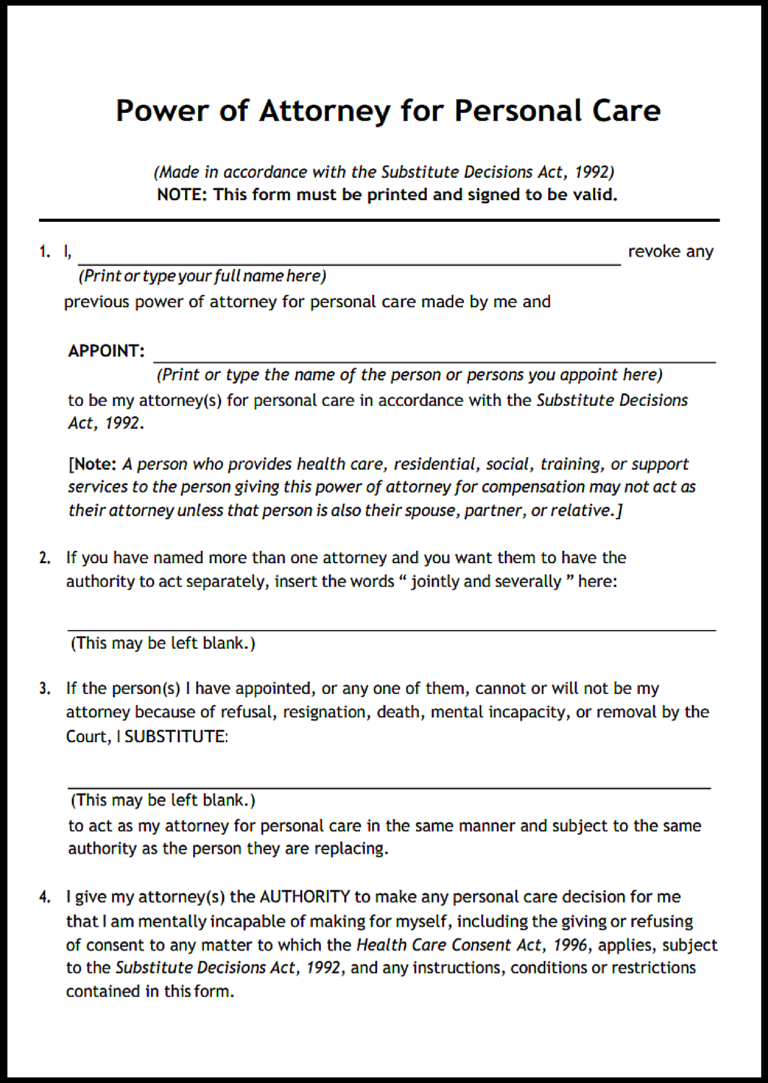
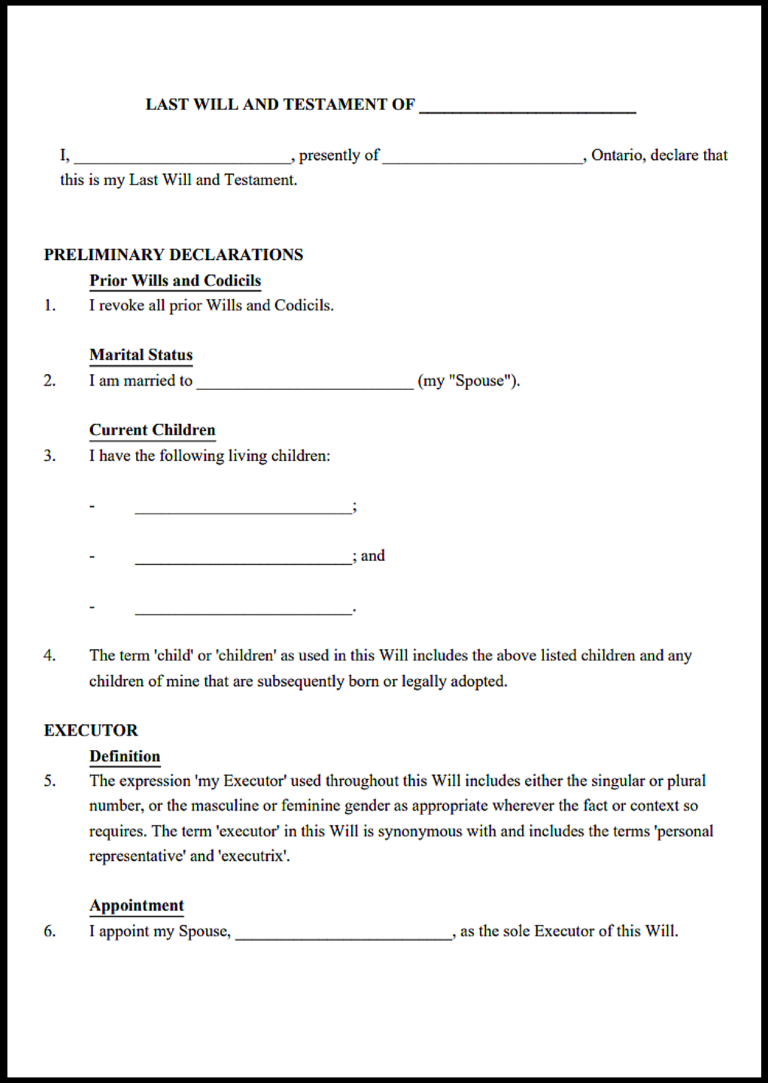
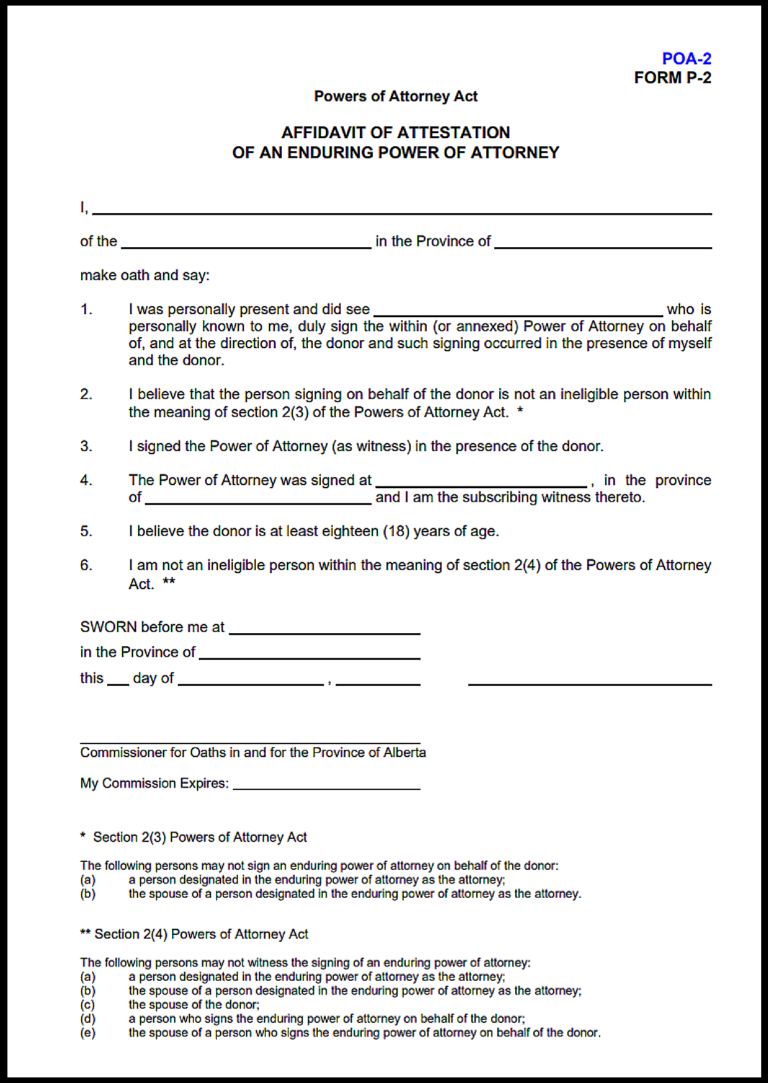
Couples preparing long-term financial arrangements often use additional legal documents depending on their circumstances. Estate and inheritance planning may involve a British Columbia will template, while future financial authority can be managed through a power of attorney document.
Practical Tips to Make Your Agreement Strong and Valid
A few practical steps can make the agreement easier to understand and reduce the risk of later disputes. The most important are accurate disclosure, careful signing and clear drafting.
1. Be Honest About Finances
Always disclose all assets and debts.
If one partner fails to disclose significant property, debts or other relevant information, the agreement may be challenged under the Family Law Act.
2. Avoid Pressure or Rushed Signing
Both partners should sign freely and understand what they are agreeing to.
If one person feels pressured or vulnerable during negotiations, the circumstances may become relevant if the agreement is later challenged.
3. Use Clear and Simple Language
Avoid confusing legal terms.
Write in a way both partners can understand, and make sure important property, debt and support terms are stated clearly.
4. Update the Agreement When Needed
Life changes—like buying a house or having children—may require updates.
A later agreement can address changed circumstances, but it should be prepared and signed in accordance with the applicable legal requirements.
5. Consider Legal Advice
While independent legal advice is not a universal statutory requirement, it can help each party understand the agreement and may reduce disputes about whether the agreement was understood and entered into voluntarily.
- Helps each party understand the agreement
- Can reduce disputes about consent and understanding
People reviewing shared property rights and relationship obligations may also benefit from reading the British Columbia separation agreement guide to better understand how financial responsibilities and assets may be handled if the relationship later ends.
Common Mistakes to Avoid
A drafting problem can create uncertainty or contribute to a later dispute, but an error does not automatically make a cohabitation agreement invalid.
| Mistake | Why It’s Risky |
| No financial disclosure |
Failure to disclose significant information can provide a basis for challenging the agreement.
|
| One-sided terms |
Depending on the circumstances, significant unfairness or other statutory grounds may affect enforceability.
|
| No legal advice |
The absence of legal advice does not automatically invalidate an agreement, but advice can help each party understand the terms and consequences.
|
| Copy-paste without customization |
May not reflect the parties’ actual property, debts or intended arrangements.
|
| Ignoring BC laws |
An agreement that does not reflect applicable BC requirements may create enforceability problems.
|
For property agreements, the Family Law Act allows the Supreme Court to consider significant unfairness and specified statutory factors, including the time since the agreement was made and the parties’ reliance on it.
Final Thoughts
A British Columbia Cohabitation Agreement is most useful when it clearly records how the couple wants property, debt and support issues handled. The agreement should reflect the couple’s actual circumstances and be reviewed when major financial or family circumstances change.
A cohabitation agreement addresses relationship-related financial issues, while wills and powers of attorney address different legal matters and should be prepared separately when appropriate.
If you’re entering a serious relationship, it’s better to set terms early—when everything is calm—rather than deal with conflict later.