Free Manitoba Personal Directive (PDF Template & Guide)
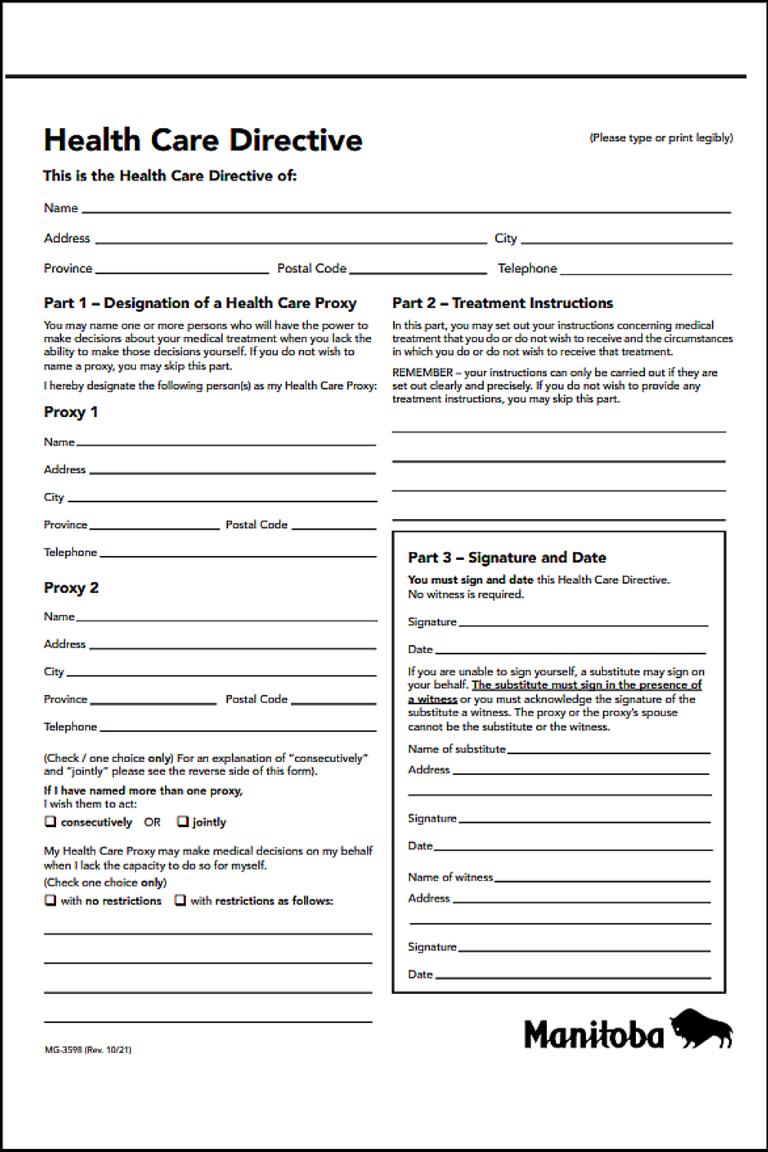
A Manitoba Personal Directive usually becomes important after somebody sees how fast medical decisions can spiral once a person cannot speak for themselves. I’ve worked with Winnipeg families who assumed healthcare staff would simply “ask the closest relative,” only to run into confusion because Manitoba’s The Health Care Directives Act puts real legal weight on written personal directives and named decision-makers. This document lets you appoint someone to make personal and healthcare decisions if you lose mental capacity, while also setting out treatment wishes and care instructions. In Manitoba, a properly drafted directive can cover everything from long-term care choices to life-support decisions, but unclear wording or missing signatures can create serious problems later. Seniors, caregivers, parents, people with chronic illnesses, and anyone planning for incapacity often need this document long before they expect to use it.
When a Manitoba Personal Directive is missing or poorly written, families can end up in brutal disagreements over treatment, care facilities, or decision-making authority while doctors wait for legal clarity. I once saw adult siblings in Brandon spend days arguing over their mother’s care because her instructions were vague and no clear proxy had been named, which turned a stressful hospital situation into a legal mess too. Use the proper Manitoba Personal Directive template before healthcare decisions land in the middle of family conflict.
Table of Contents
ToggleFree Manitoba Personal Directive Template
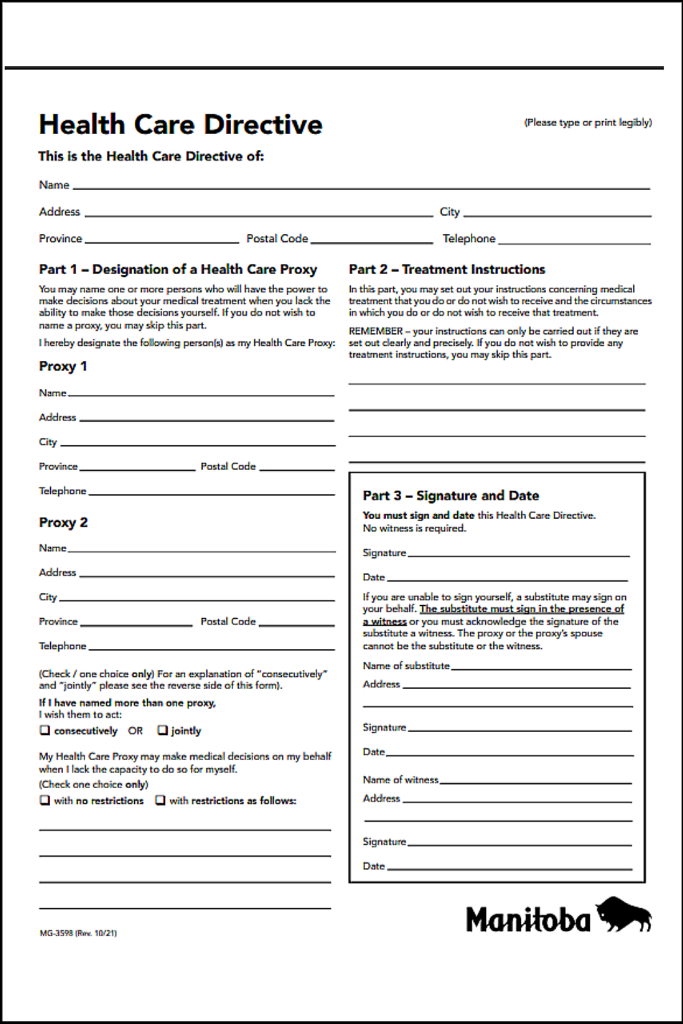
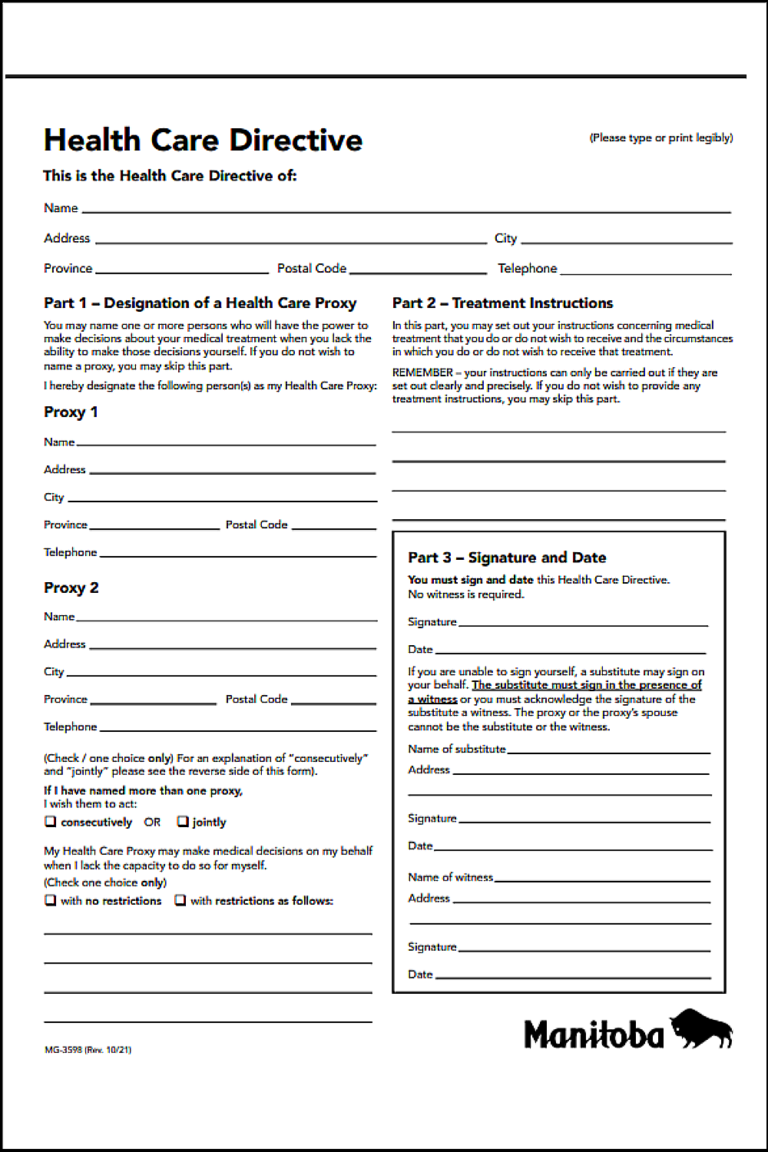
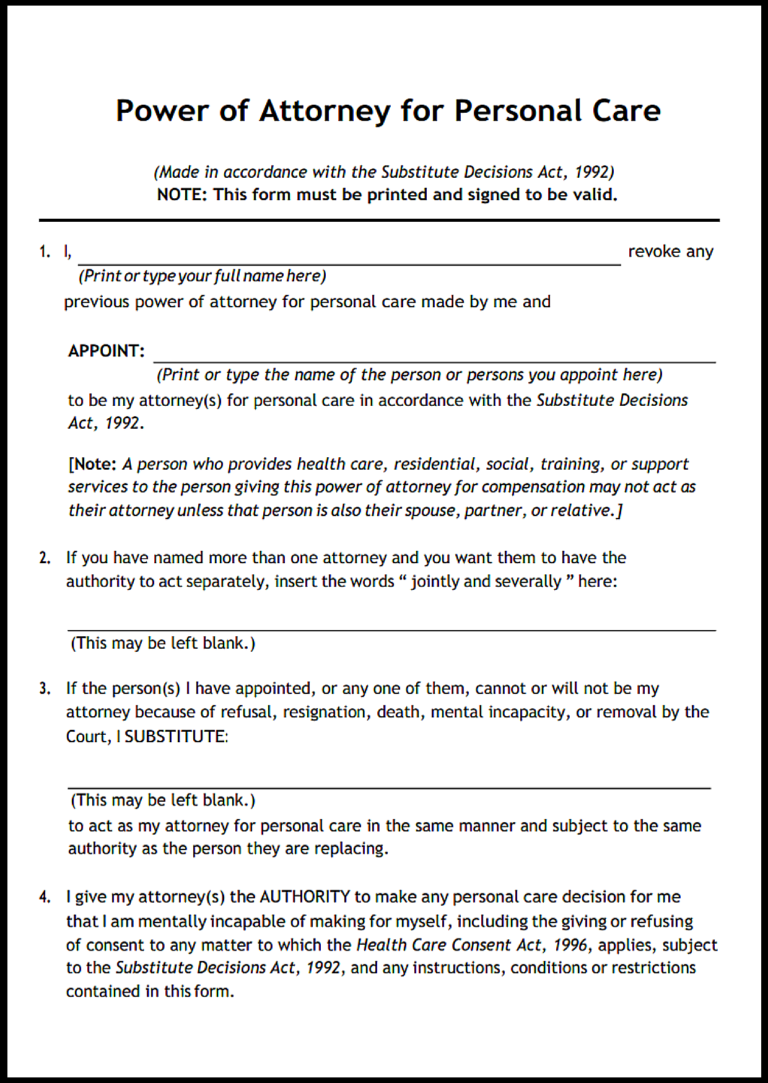
Below is a general Manitoba Health Care Directive template structure commonly used for estate planning and medical incapacity preparation.
Manitoba Personal Directive Rules Families Often Learn Too Late
| Topic / Issue | Manitoba Legal Rule | Governing Statute |
|---|---|---|
| Governing Legislation | Manitoba Personal Directives are governed entirely under provincial healthcare law. | The Health Care Directives Act, C.C.S.M. c. H27 |
| Federal Jurisdiction | No federal law directly governs Personal Directives or Health Care Directives. | The Health Care Directives Act, C.C.S.M. c. H27 |
| Remote Witnessing Amendments | Manitoba permanently authorized remote virtual execution beginning October 1, 2021. | The Remote Witnessing and Commissioning Act (Various Acts Amended), S.M. 2020, c. 25; Remote Witnessing Regulation, M.R. 82/2021 |
| Who Can Sign | The maker must sign personally, or another individual may sign at the maker’s direction and in their presence. | The Health Care Directives Act, s. 8(2)(a)-(b) |
| Witness Requirements | No witness is required if the maker signs personally. Substitute signing requires one witness. | The Health Care Directives Act, s. 8(2)(b) & s. 12 |
| Disqualified Witnesses | The appointed proxy or the proxy’s spouse/common-law partner cannot witness substitute signing. | The Health Care Directives Act, s. 8(2)(b) & s. 12 |
| Notarization Rules | Manitoba does not generally require notarization or commissioner approval. | The Health Care Directives Act, s. 8 |
| Age and Capacity | The maker must be at least 16 years old and mentally capable of understanding treatment consequences. | The Health Care Directives Act, s. 4(1)-(2), s. 2 |
| Expiration Rules | The directive remains valid until revoked or until the maker dies. | The Health Care Directives Act, s. 6(1) |
| Mandatory Wording | Manitoba does not require mandatory legal wording for standard in-person directives. | The Health Care Directives Act, s. 11 |
| Remote Execution Clause | Remote signing requires special disclosure wording confirming compliance with Manitoba remote witnessing rules. | The Health Care Directives Act, s. 8.1(2); Remote Witnessing Regulation, M.R. 82/2021 |
| Filing Requirements | Manitoba does not maintain a centralized government registry for directives. | The Health Care Directives Act |
| Medical Record Distribution | Copies should be provided to healthcare facilities, physicians, proxies, and family members. | The Health Care Directives Act |
| Ineligible Proxy Appointment | Proxy appointments fail if the proxy is under 18 or mentally incapable when decisions arise. | The Health Care Directives Act, s. 12(1) |
| Invalid Third-Party Signing | A proxy or proxy’s spouse/common-law partner cannot sign on behalf of the maker. | The Health Care Directives Act, s. 8(2)(b)(i) |
| Remote Witnessing Failure | Virtual execution becomes invalid if the witness is not an authorized Manitoba professional. | The Health Care Directives Act, s. 8.1(1); Remote Witnessing Regulation, M.R. 82/2021 |
| Manitoba Age Difference | Manitoba allows directives beginning at age 16, younger than many provinces. | The Health Care Directives Act |
| Manitoba Self-Signing Difference | Manitoba uniquely allows valid self-signed directives without witnesses. | The Health Care Directives Act |
| Divorce Revocation Rule | Divorce automatically revokes a spouse’s proxy appointment unless the directive clearly states otherwise. | The Health Care Directives Act |
One thing that catches many Manitoba families off guard is how simple the signing rules actually are here. If the maker signs the Personal Directive themselves, Manitoba generally does not require witnesses at all. That is very different from provinces like Alberta or Saskatchewan where witnesses are mandatory even for basic healthcare directives. Manitoba also allows people as young as 16 to create legally valid healthcare planning documents, which surprises many parents once teenagers begin living independently or attending school away from home.
Small mistakes can still create serious problems during medical emergencies. I’ve seen situations where a family member tried helping an elderly parent sign the document, only to discover later that the wrong person acted as witness and the directive became legally defective. Another issue people miss is automatic proxy revocation after divorce, which can unexpectedly remove a former spouse from decision-making authority. Hospitals move quickly during emergencies, and unclear or invalid paperwork can create delays, family disputes, and confusion about treatment decisions.
What This Template Is Designed For
This type of directive is commonly used for:
- General adult healthcare planning
- Emergency incapacity situations
- Long-term medical planning
- Hospital communication
- Healthcare decision-making
What This Template Does Not Cover
A Manitoba Personal Directive does not automatically provide authority for:
- Financial management
- Banking access
- Real estate transactions
- Estate distribution after death
- Guardianship of children
Manitoba Terminology That Must Be Used
To align properly with Manitoba law, the document should use these legal terms:
| Manitoba Term | Purpose |
| Proxy |
Healthcare decision-maker
|
| Health Care Directive |
Official Manitoba document name
|
| Maker |
Person creating the directive
|
| Consecutive Proxies |
Proxies act one after another
|
| Joint Proxies |
Proxies act together
|
If multiple proxies are listed and the document stays silent, Manitoba law automatically treats them as consecutive proxies.
Types of Personal Directives in Manitoba
Proxy-Only Directives
These directives mainly appoint a trusted adult to make future medical decisions.
This works well for people who want flexibility rather than highly detailed written instructions.
Instruction-Based Living Wills
These documents focus mainly on written medical treatment directions.
They often address:
- Life support
- Resuscitation
- Feeding tubes
- Religious treatment preferences
Combined Health Care Directives
This is the most common Manitoba arrangement.
It combines:
- Written treatment instructions
- Proxy authority
Emergency Medical Directives
These shorter forms are designed for urgent treatment situations.
Families often provide copies directly to:
- Hospitals
- Emergency contacts
- Caregivers
Long-Term Care Directives
These directives help families plan for:
- Dementia
- Progressive illness
- Nursing home care
- Assisted living placement
Real-Life Estate Planning Situations
Young Adults Leaving Home at 16 or 17
Many parents do not realize Manitoba allows directives starting at age 16.
Students and young workers living away from home often create simple directives before relocating.
Aging Parents Planning for Dementia or Incapacity
Early planning becomes important once memory concerns begin.
Families often appoint alternate proxies because primary caregivers may later become unavailable themselves.
Blended Families and Medical Decision Disputes
Blended families sometimes disagree about treatment decisions.
Disputes often involve:
- New spouses
- Adult children
- Siblings
- Long-term caregivers
Clear directives reduce hospital confusion during stressful situations.
Long-Term Illness Planning
Many Manitobans prepare directives during:
- Cancer treatment
- Progressive neurological illness
- Assisted living preparation
Couples Preparing Estate Plans Together
Many couples complete healthcare planning together with:
Key Elements of a Valid Manitoba Personal Directive
Minimum Age and Mental Capacity
Under Manitoba law:
- The maker must be at least 16 years old
- The proxy must be at least 18 years old
The maker must understand healthcare choices and their consequences.
Manitoba’s Unique Self-Signing Rules
Manitoba has one of the most flexible signing systems in Canada.
If the maker signs personally:
- No witness is generally required
- No notarization is required
Rules for Substitute Signing
If someone signs for the maker:
- One independent witness is required
- The witness must observe the signing process properly
Proxy Appointment Rules
The directive should clearly explain whether multiple proxies act:
- Jointly
- Consecutively
Silence can create delays during emergencies.
Clear Treatment Instructions
Strong directives clearly discuss:
- Life support
- Feeding tubes
- Resuscitation
- Palliative care
- Religious preferences
How to Complete a Manitoba Personal Directive
Decide Between Instructions, Proxy, or Both
Some people prefer detailed written instructions.
Others prefer flexible proxy authority.
Most Manitoba families choose both.
Choose Primary and Alternate Proxies
Choose people who:
- Stay calm under pressure
- Communicate clearly
- Understand your values
- Can work with healthcare providers
Write Clear Treatment Preferences
Vague phrases such as “no heroic measures” can create disagreement between doctors and families.
Specific wording works better.
Date and Sign the Directive Properly
Unsigned or undated directives can create hospital confusion.
Give Copies to Family and Medical Providers
Many valid directives fail simply because nobody can locate them.
Provide copies to:
- Family members
- Proxies
- Doctors
- Hospitals
Upload the Directive to Regional Health Systems
Many Manitoba healthcare providers can upload directives into provincial electronic medical record systems.
Legal Overview in Manitoba
Summary of Applicable Laws
| Topic | Rule |
Governing Statute
|
| Health Care Directives | Governs creation and validity |
The Health Care Directives Act
|
| MAiD restrictions | Federal assisted dying limitations | Criminal Code |
| Remote witnessing | Video execution framework |
Remote Witnessing Regulation
|
| Financial incapacity planning | Separate financial authority rules |
The Powers of Attorney Act
|
| Estate distribution after death | Will and probate framework | The Wills Act |
How Manitoba Differs From Other Provinces
Manitoba has several unique healthcare directive rules:
- No witness required for self-signing
- Minimum age of 16
- Consecutive proxy default rule
- No provincial registry system
Unlike Alberta and Nova Scotia, Manitoba does not legally separate “Personal Directives” from healthcare directives.
MAiD and Advance Directive Restrictions
Under Canadian federal law and the Criminal Code:
- A Living Will cannot authorize future MAiD automatically
- A Proxy cannot request MAiD after incapacity
- Consent must come directly from a capable patient at the required legal time
Common Estate Planning Mistakes in Manitoba
Confusing a Personal Directive With a Financial Power Of Attorney
A Health Care Directive only covers medical decisions.
It does not authorize:
- Banking
- Investments
- Property management
- Tax matters
Naming Only One Proxy Without Backup Options
Primary proxies sometimes become unavailable because of:
- Illness
- Death
- Relocation
- Family conflict
Alternate proxies reduce emergency delays.
Forgetting Divorce Automatically Revokes Certain Proxy Appointments
Under Manitoba law, appointing a spouse or common-law partner as Proxy may automatically revoke after relationship breakdown unless the directive clearly states otherwise.
Writing Vague Medical Instructions
Unclear instructions often trigger hospital disagreements.
Specific directions reduce conflict.
Assuming Hospitals Automatically Have Access to the Document
Hospitals cannot follow directives they cannot find.
Families should actively distribute copies.
Trying to Include Advance MAiD Requests
Advance MAiD requests are not currently enforceable under Canadian law.
Choosing the Right Estate Planning Document
If You Want Medical Decisions Managed During Incapacity
→ Use a Manitoba Personal Directive / Health Care Directive
If You Want Someone to Manage Money or Property
→ Use a Manitoba Financial Power Of Attorney
If You Want to Control Asset Distribution After Death
→ Use a Manitoba Last Will And Testament
If You Want Complete Incapacity Planning
→ Combine:
- Personal Directive
- Enduring Power Of Attorney
- Will
If You Need Court Oversight for an Incapable Adult
→ Consider Manitoba Guardianship Applications
FAQs
Is a Personal Directive legally recognized in Manitoba?
The legal Manitoba term is “Health Care Directive.” Many people still search using “Personal Directive.”
What is the difference between a Personal Directive and a Health Care Directive?
In Manitoba, they generally refer to the same healthcare planning document.
Does a Manitoba directive need witnesses?
Usually no for self-signing. Witnesses are mainly required for substitute-signing situations.
Can my Proxy make financial decisions for me?
No. Financial authority requires a separate Enduring Power Of Attorney.
Can I appoint more than one Proxy?
Yes. The directive should clearly explain whether the proxies act jointly or consecutively.