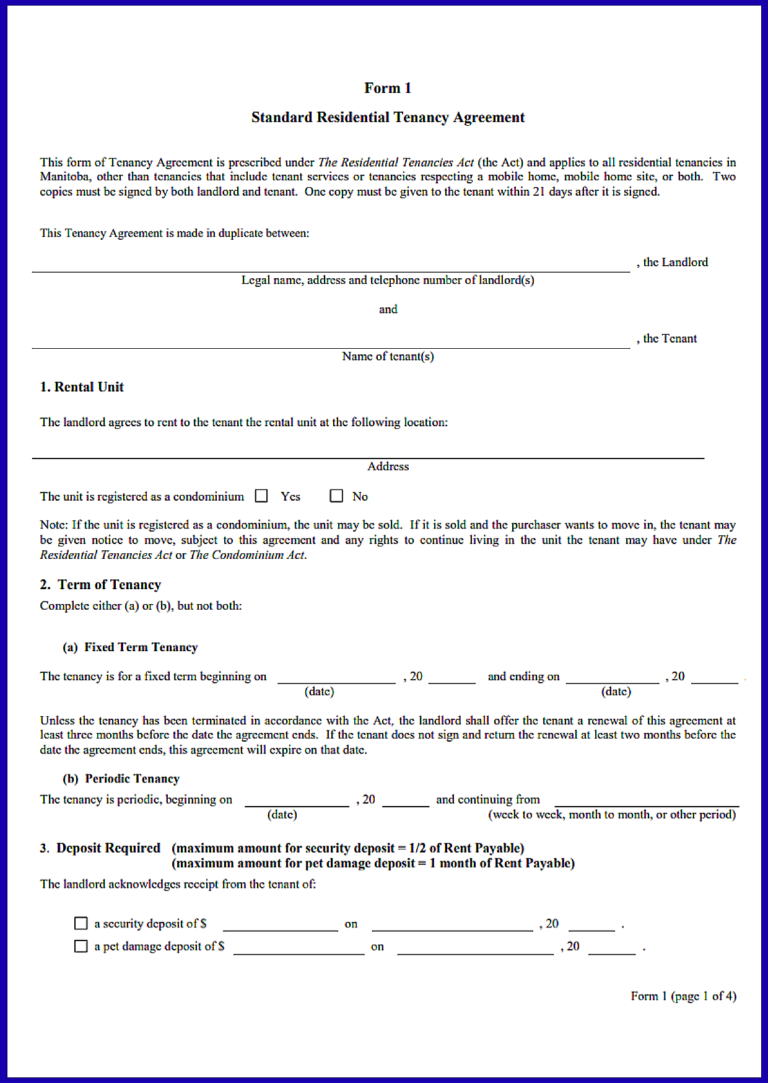
Manitoba Rent Receipt Template – Free & Legal Guide
A Manitoba Rent Receipt is often treated as a simple record of payment, but it can become one of the most important documents in a tenancy when questions arise about rent owing, payment history, or proof of occupancy. Under Manitoba’s residential tenancy framework, maintaining clear payment records helps avoid disputes and gives both landlords and tenants a reliable reference point when issues develop.
In practice, I’ve seen matters reach the Residential Tenancies Branch where cash rent payments were made regularly, yet missing or incomplete receipts left the parties arguing over what had actually been paid. That’s a situation that can usually be avoided with consistent documentation from the start. This page explains what information a Manitoba rent receipt should contain, when it should be issued, and how it can help support accurate tenancy records.
Free Manitoba Rent Receipt Template
Below is a clean and ready-to-use template. You can copy, print, or save it digitally.
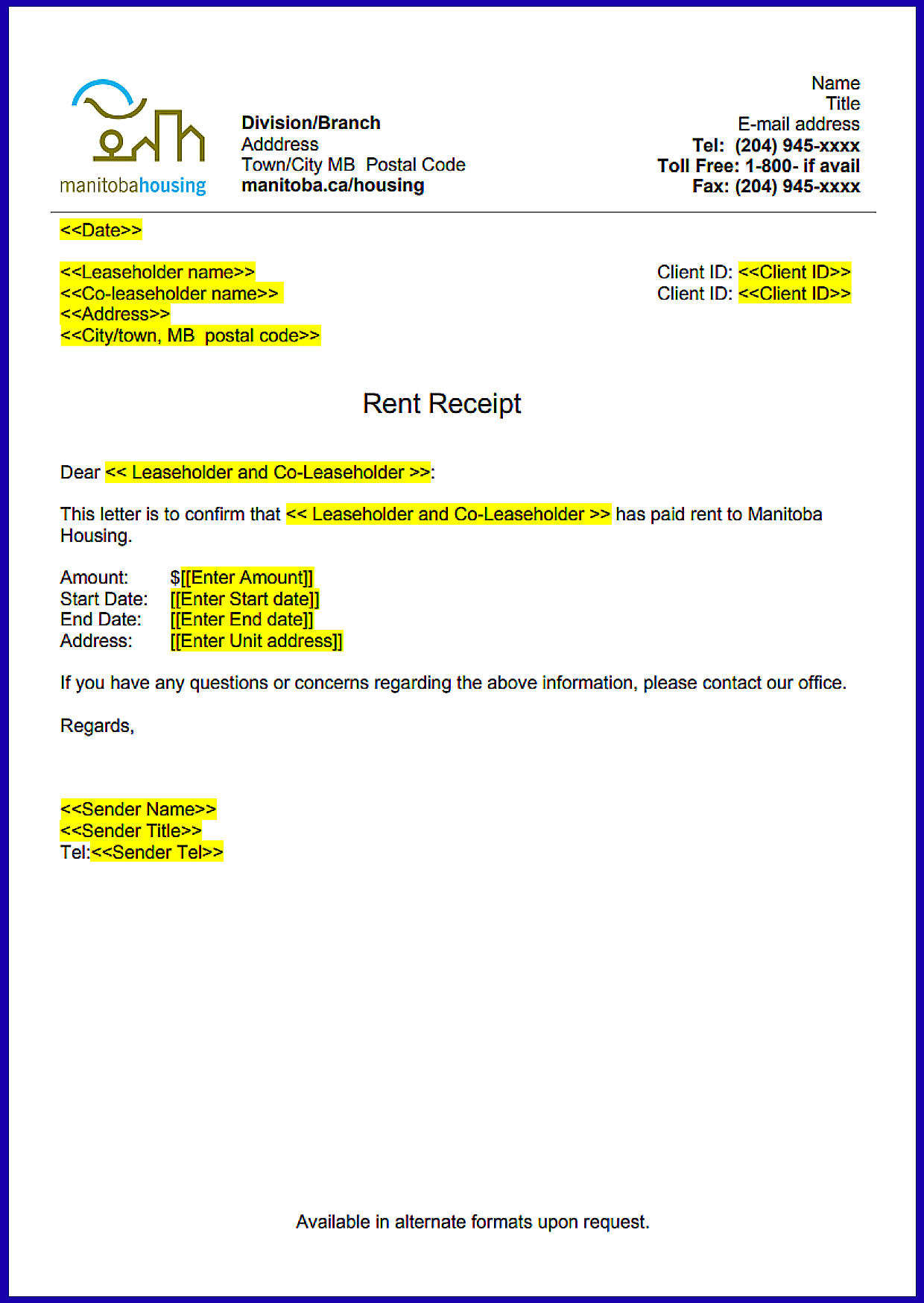
This template works for monthly, weekly, or partial payments. Keep one copy for yourself and give one to the tenant.
Are Rent Receipts Required in Manitoba?
Under Manitoba law, landlords must follow clear rules about recordkeeping. While receipts are not always required for every payment type, they are strongly expected—especially for cash payments.
In most rental situations:
- If a tenant pays cash, the landlord must provide a receipt
- If payments are disputed, receipts become key evidence at the Residential Tenancies Branch (Manitoba (RTB)
- Failure to provide proper records can lead to penalties
Landlords who repeatedly fail to provide receipts or proper documentation can face administrative penalties up to $5,000.
What Information Must a Manitoba Rent Receipt Include?
A valid Manitoba rent receipt must include specific details. Missing information can create problems during disputes or tax filing.
Amount Paid
The exact amount must be shown in Canadian dollars. Even small mistakes can cause issues during RTB hearings or tax claims.
Date the Payment Was Received
This is the actual payment date, not the rental period.
For example:
- Paid on June 3
- Covers rent for May
Incorrect dates can weaken your records.
Rental Property Address
Always include the full address, especially in:
- Apartment buildings
- Basement rentals
- Shared housing
This avoids confusion about which unit the payment relates to.
Rental Period Covered
Clearly state the time period. Examples:
- “Rent for May 2026”
- “June 1–30, 2026”
Purpose of the Payment
The receipt must clearly say what the payment is for:
- Rent
- Security deposit
- Pet damage deposit
- Late fee
- Utility reimbursement
Mixing these categories can cause disputes later.
Signature or Identification of the Landlord
A receipt should include:
- Landlord signature, or
- Property manager name, or
- Digital confirmation
Landlords handling tenant disputes may also require a formal eviction notice template to document important legal communications related to the tenancy.
Manitoba Rules for Security Deposit Receipts
Security deposits follow strict rules under Manitoba law.
Maximum Security Deposit Allowed
A landlord cannot charge more than half of one month’s rent as a security deposit.
If a receipt shows more than this amount, it can be used as evidence of a legal violation.
Information Required on Deposit Receipts
A deposit receipt must include:
- Deposit amount
- Date received
- Rental unit address
Difference Between Rent and Deposit Receipts
Rent and deposits must be recorded separately.
Common mistake:
- Writing one receipt for both rent and deposit
This creates confusion during move-out disputes and refund claims.
Late Fee Receipts and Manitoba Fee Limits
Maximum Late Fees Allowed
Manitoba has strict limits:
- $10 for the first day
- $2 for each additional day
- Maximum $100 per rental period
Why Illegal Late Fees Can Cause Problems
If a landlord charges too much:
- Tenants can file a complaint with RTB
- The landlord may be ordered to refund the excess
- It can weaken the landlord’s case in disputes
Example of a Proper Late Fee Entry
If rent is 5 days late:
- First day: $10
- Next 4 days: $8
- Total late fee: $18
This amount should be clearly listed on the receipt.
How Rent Receipts Help With Manitoba Tax Credits
Manitoba Renters Affordability Tax Credit
Tenants can use rent receipts to claim this credit.
For this reason, receipts should clearly show:
- Total rent paid
- Rental period
- Property address
If the wording is unclear, the claim may be rejected.
Records Tenants Should Keep
Tenants should keep:
- Printed rent receipts
- E-transfer confirmations
- Lease agreements
- Bank statements
Common Tax Filing Problems
Many claims are delayed due to:
- Missing rental periods
- Wrong address
- Mixing rent and utilities in one amount
Digital vs Paper Rent Receipts in Manitoba
Are Electronic Receipts Legal?
Yes. Electronic receipts are valid if they include all required details. Examples:
- Email receipts
- PDF documents
- Accounting software records
Best Practices for Landlords
To stay organized:
- Use a consistent receipt numbering system
- Keep backup copies
- Store records for future RTB disputes
When Paper Receipts Are Safer
Paper receipts are better for:
- Cash payments
- Senior tenants
- Shared housing situations
Common Mistakes Landlords Make With Rent Receipts
Not Giving Receipts for Cash Payments
This is one of the biggest mistakes.
Without proof, disputes become difficult to resolve.
Mixing Deposits and Rent Together
This leads to confusion during:
- Move-out inspections
- Deposit refunds
Charging Illegal Fees
Landlords are not allowed to:
- Charge deposits above legal limits
- Add late fees beyond allowed amounts
Including Illegal Waiver Language
A landlord cannot write statements like:
“Tenant waives repair rights.”
Under Manitoba law, such clauses are invalid and unenforceable.
Real-Life Manitoba Rent Receipt Examples
Example for Monthly Rent Payment
A tenant pays $1,200 on May 1.
Receipt shows:
- Amount: $1,200
- Period: May 2026
- Purpose: Rent
Example for a Security Deposit
Tenant pays $600 deposit for a $1,200 unit.
Receipt clearly states:
- “Security Deposit”
- Date received
- Property address
Example for a Partial Payment
Tenant pays $800 out of $1,200 rent.
Receipt shows:
- Amount paid: $800
- Balance remaining: $400
This helps avoid disputes later.
How Long Should Landlords Keep Rent Receipts?
Keeping records is very important.
Under Manitoba rules:
- The RTB can inspect landlord records
- Receipts may be needed in disputes
Best practice:
- Landlords: keep records for at least 6 years
- Tenants: keep receipts until after tax filing and disputes are resolved
Manitoba Rent Receipt FAQs
Can a tenant request a rent receipt in Manitoba?
Yes. Tenants can request receipts, especially for cash payments.
Do landlords have to give receipts for e-transfer payments?
Not always required, but strongly recommended for clear records.
Can rent receipts be handwritten?
Yes. As long as all required details are included.
What happens if a landlord refuses to provide receipts?
The tenant can raise the issue with the Residential Tenancies Branch. It may lead to penalties.
Can rent receipts be used in RTB hearings?
Yes. They are often used as key evidence in payment disputes.
Is a security deposit receipt different from a rent receipt?
Yes. Deposit receipts must follow special rules and should not be mixed with rent payments.