What is NDA Ontario? Definition, Uses, and Legal Requirements
What is NDA Ontario? It’s a question I hear regularly from business owners and employers who are about to share sensitive information and want to know whether a confidentiality agreement will actually hold up if something goes wrong. In Ontario, an NDA is generally assessed under contract law principles, which means the wording matters far more than many people realise.
I’ve seen situations where a business relied on a generic online template, only to face a dispute in the Ontario Superior Court of Justice after confidential information was disclosed and the agreement failed to clearly identify what was supposed to remain private. When that happens, the cost of proving confidentiality can quickly outweigh the convenience of using a one-size-fits-all form.
Below, you’ll find what an NDA is, how it works in Ontario, when it should be used, and the key terms that help make it effective.
Free NDA Template Ontario
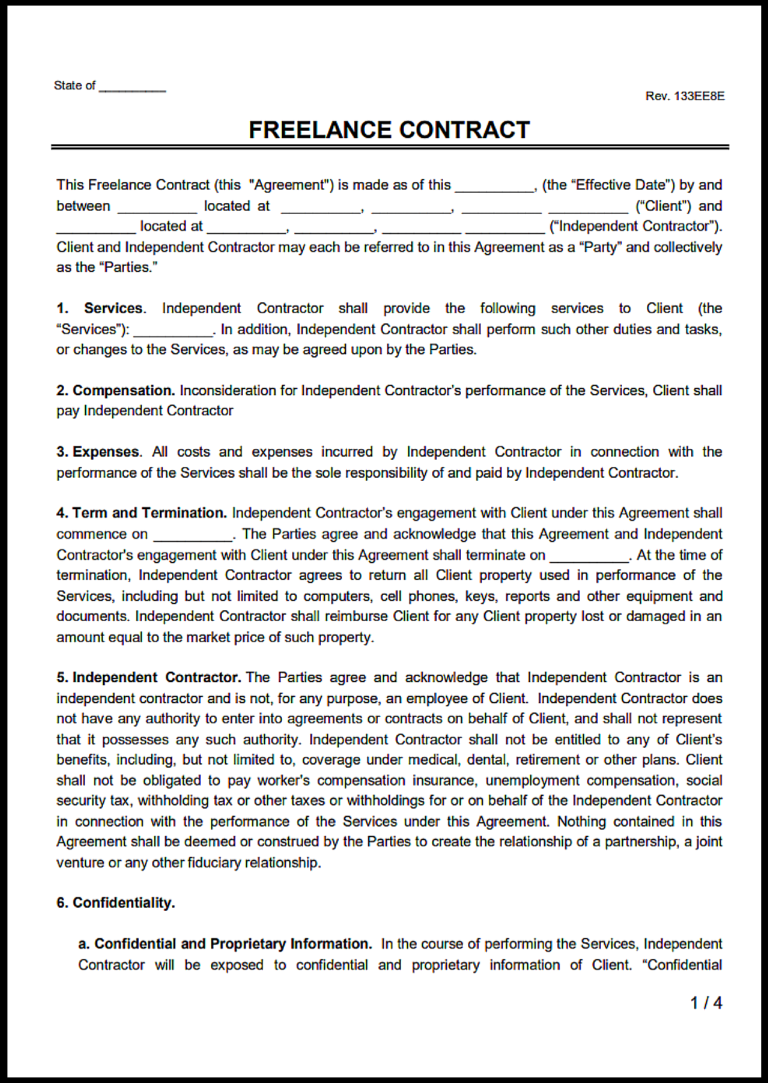
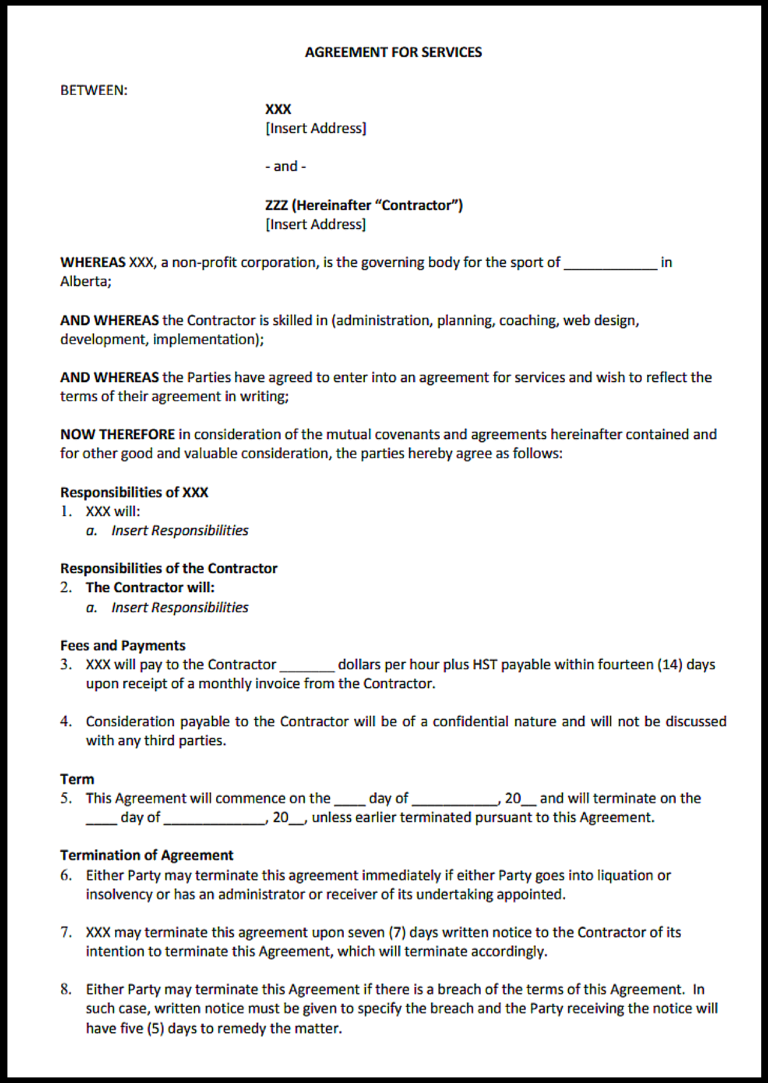
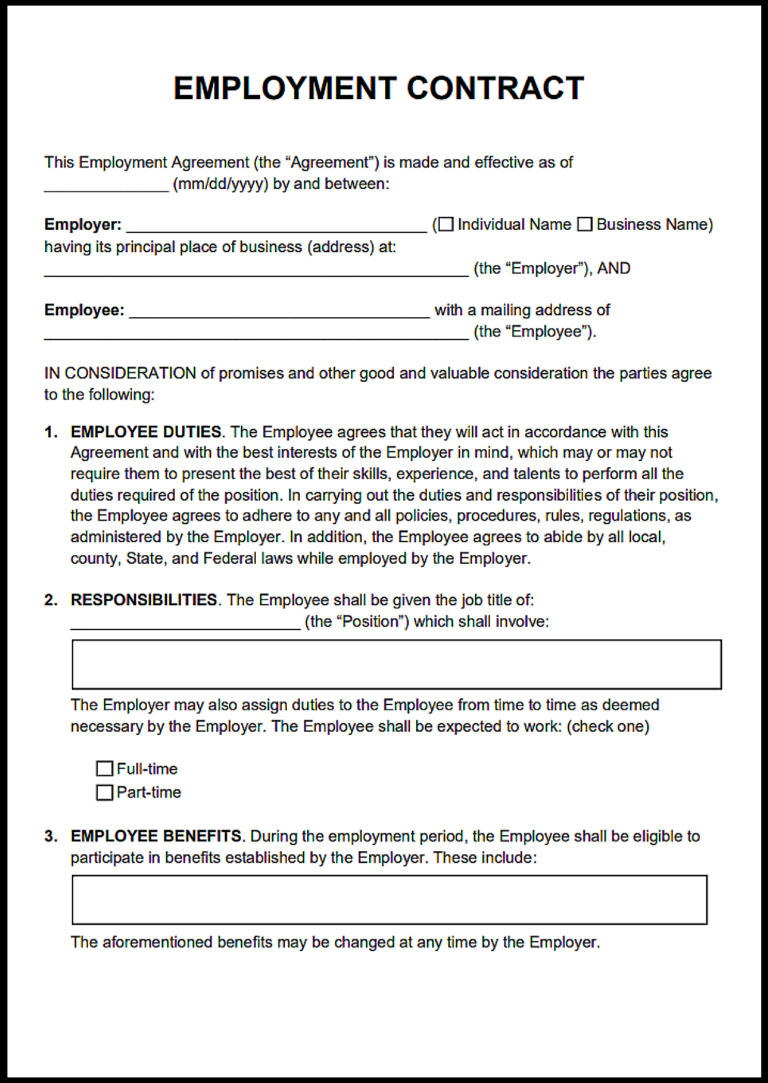
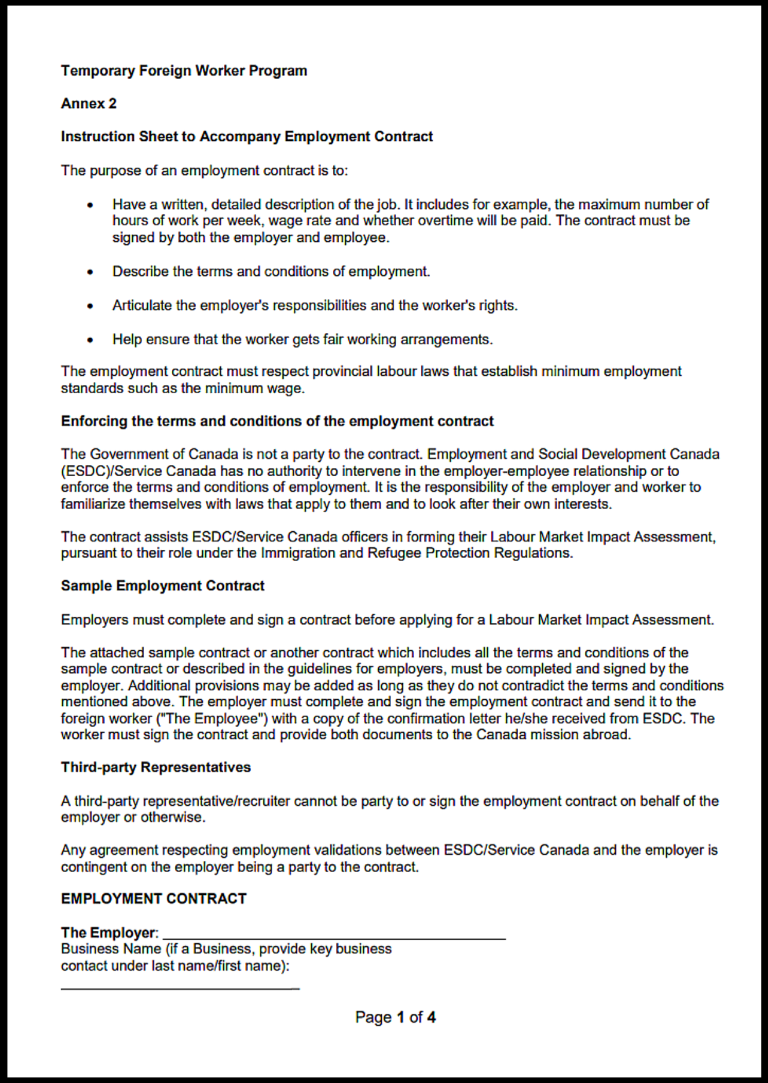
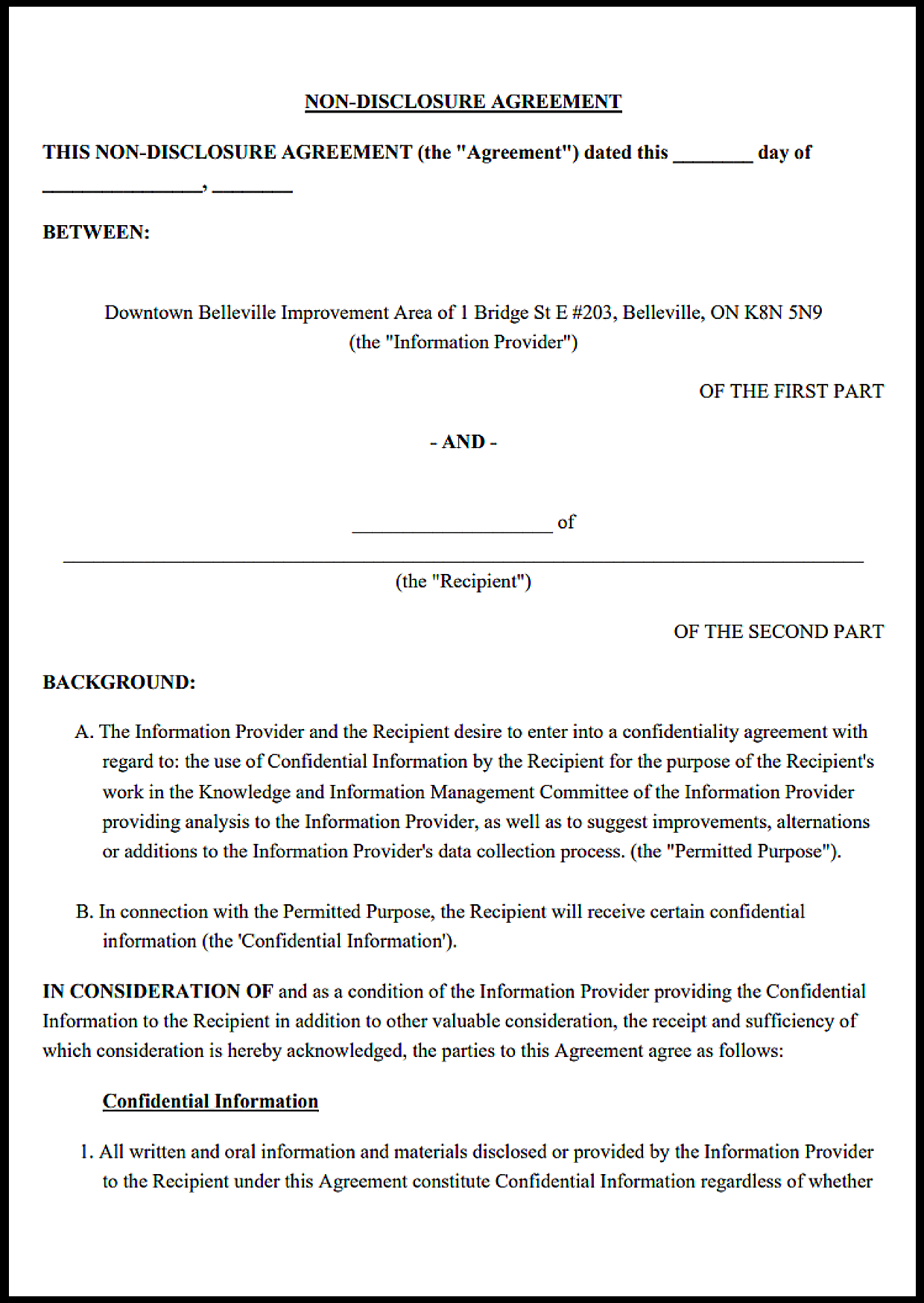
You can copy and use this simple template for most situations. It follows basic Ontario contract principles.
Ontario NDA Laws, Non-Compete Rules & Legal Limits
| Topic / Issue | Ontario Legal Rule | Governing Statute |
|---|---|---|
| Governing Law & Framework | Commercial and B2B NDAs are creatures of common law contract. Employment-related NDAs are governed by common law and restricted by the ESA where they intersect with non-compete prohibitions or employee rights. PIPEDA governs commercial personal data handling. | Ontario Common Law of Contract; Employment Standards Act, 2000, S.O. 2000, c. 41; Personal Information Protection and Electronic Documents Act (PIPEDA), S.C. 2000, c. 5. |
| Recent Legislative Modernization | Post-employment non-compete clauses are statutorily banned via the Working for Workers Act, 2021. The Working for Workers Four Act, 2024 (Bill 149) came into full effect January 1, 2026, mandating hiring and transparency disclosures, while formal provincial consultations remain active to ban NDAs in workplace sexual harassment settlements. | Employment Standards Act, 2000, s. 67.2; Working for Workers Four Act, 2024, S.O. 2024, c. 3. |
| Who can sign | Any individual or authorized corporate representative with legal capacity may sign an NDA. | No statutory requirement — governed by common law principles |
| Witness requirement | Witnesses are recommended for evidence purposes but are not legally required. | No statutory requirement — governed by common law principles |
| Notarization | Notarization is not required for a standard NDA. | No statutory requirement — governed by common law principles |
| Age requirement | Parties must generally be at least 18 years old to have full legal capacity. | Age of Majority and Accountability Act, R.S.O. 1990, c. A.7, s. 1 |
| Mental capacity | Parties must understand the nature and consequences of the agreement. | No statutory requirement — governed by common law principles |
| Time limit to sue | A claim generally must be filed within 2 years from discovering the breach. | Limitations Act, 2002, S.O. 2002, c. 24, Sched. B, s. 4 |
| Whistleblowing and reporting protections | NDAs cannot prevent communication with regulators or law enforcement. | Common law principles; Ontario Securities Commission reporting protections |
| Waiver of employee rights | An NDA cannot force an employee to waive statutory employment rights. | Employment Standards Act, 2000, s. 5 |
| Non-compete restrictions | NDAs that effectively function as non-compete agreements may be void. | Employment Standards Act, 2000, s. 67.2 |
| Filing requirement | Standard NDAs are private contracts and are not registered with the government. | N/A |
| Court filing exception | NDAs are only filed in court if a lawsuit is started for breach of contract. | Ontario Superior Court of Justice procedures |
| Invalid non-compete clauses | NDAs restricting someone’s ability to work in their field may be unenforceable. | Employment Standards Act, 2000, s. 67.2 |
| Obstruction of Justice & Public Policy | NDAs attempting to prohibit or penalize criminal reporting, statutory whistleblowing, or law enforcement cooperation are void for illegality and violate public policy. Criminal liability may also trigger for compounding an indictable offence. | Criminal Code, R.S.C. 1985, c. C-46, s. 139 & s. 141; Common law public policy doctrine. |
| Unconscionability | Ontario courts may strike down NDAs with grossly unfair or overly harsh terms. | Common law principles; Uber Technologies Inc. v. Heller |
| Ontario’s non-compete ban | Ontario has a statutory ban on most employment non-compete clauses, unlike many provinces. | Employment Standards Act, 2000, s. 67.2 |
| Working for Workers framework | Ontario closely regulates how NDAs interact with employee rights and workplace protections. | Working for Workers legislation |
| Limitation period difference | Ontario uses a strict 2-year basic limitation period for NDA-related claims. | Limitations Act, 2002, s. 4 |
One of the biggest surprises for many Ontario employers and business owners is that an NDA cannot secretly function like a non-compete agreement. Ontario law now strongly restricts non-compete clauses for most employees, and courts may strike down NDAs that unfairly stop someone from working in their industry. This matters in real life because many businesses still use old NDA templates copied from the internet that no longer match Ontario’s current rules.
Another important issue is that NDAs cannot block someone from reporting crimes, workplace harassment, or regulatory violations. If an agreement tries to silence lawful reporting, that section may become unenforceable. Ontario courts also pay close attention to unfair agreements where one side has much more power than the other.
Getting these rules wrong can lead to expensive lawsuits, unenforceable contracts, or loss of confidential business information when you need protection the most. Download the free Ontario NDA template below to create a stronger agreement that follows Ontario law.
For more detailed agreements, see our Ontario NDA template page or combine it with an Ontario service agreement template for business deals.
Understanding NDAs in Ontario
What is an NDA?
A Non-Disclosure Agreement (also called a confidentiality agreement) is used to:
- Protect sensitive business information
- Prevent misuse or sharing
- Create legal responsibility if someone leaks data
Example:
You share your app idea with a developer. Without an NDA, they could reuse it. With an NDA, they legally can’t.
Before using any confidentiality document, you should understand its purpose by reviewing the complete NDA template guide, which shows how these agreements are structured in real situations.
When Do You Need an NDA in Ontario?
You don’t need an NDA for everything—but in many business situations, it’s smart.
Common use cases:
- Starting a business partnership
- Hiring employees or freelancers
- Talking to investors
- Selling or buying a business
Real-life scenario:
A startup founder in Toronto shares a product idea with a freelancer. Before sharing details, they sign an NDA. This ensures the freelancer can’t copy or sell the idea later.
Is an NDA Legally Valid in Ontario?
Yes—NDAs are enforceable under Ontario contract law, but only if they meet basic legal rules, as outlined by the Government of Ontario.
A contract is legally binding when it has:
| Requirement |
Meaning
|
| Offer |
One party proposes terms
|
| Acceptance |
Other party agrees
|
| Consideration | Something of value must be exchanged. For new hires, the offer of employment is sufficient. For existing employees, ‘fresh consideration’ (e.g., a signing bonus, a raise, or a promotion) is strictly mandatory; continued employment alone is legally invalid. Important: Ontario courts and administrative tribunals will strike down NDAs that constitute unconscionable contracts (Uber Technologies Inc. v. Heller), serve as a disguised post-employment restraint on trade, or violate public policy by restricting statutory reporting rights. |
| Intention |
Both intend it to be legally binding
|
Important:
Ontario courts may reject NDAs that are:
- Too broad
- Unfair
- Impossible to follow
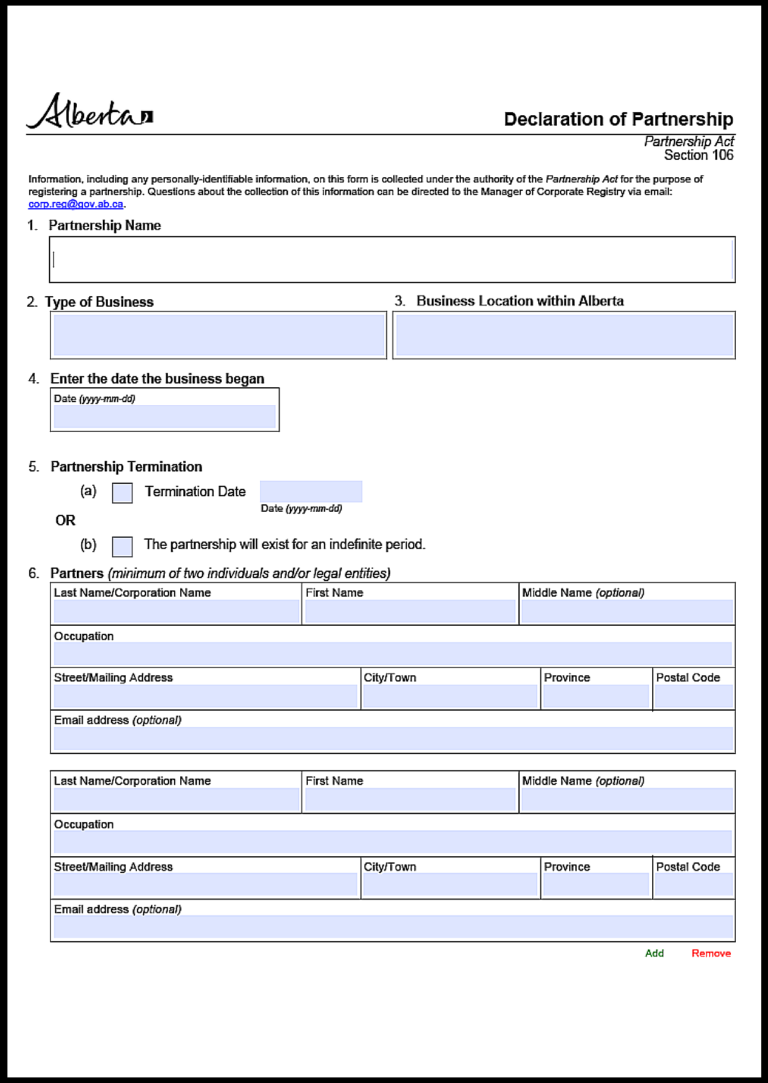
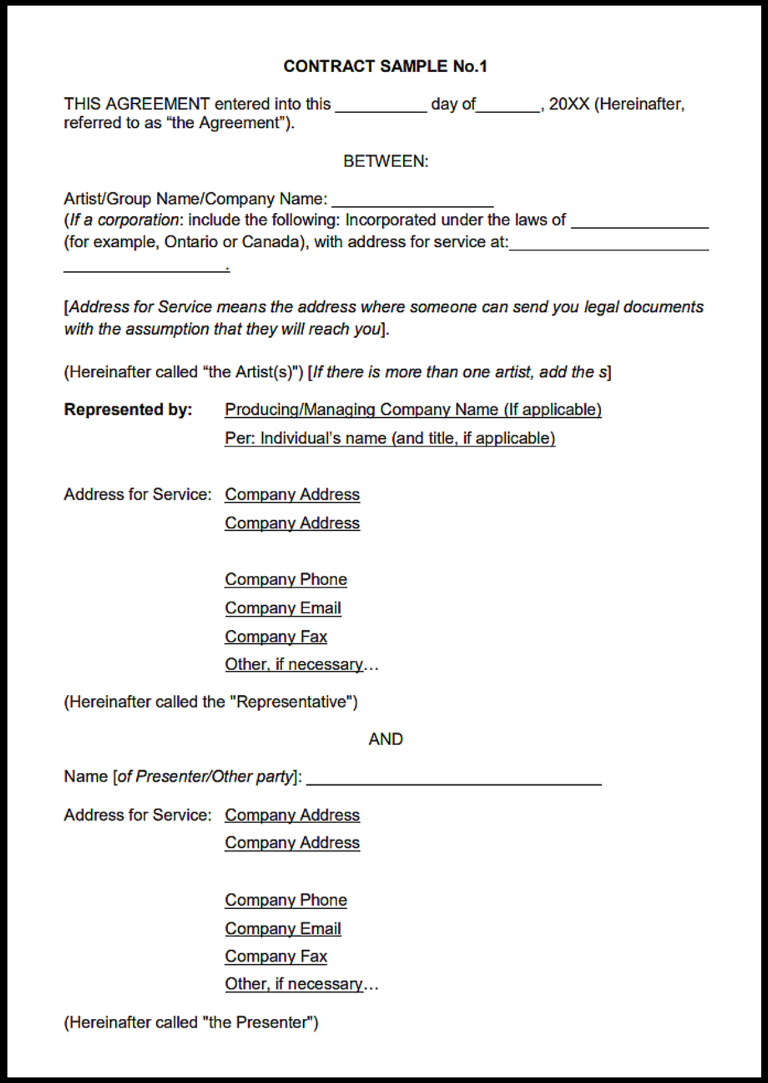
NDAs are commonly included within broader agreements such as a service contract arrangement or a partnership agreement format to protect shared business information.
Key Elements Every Ontario NDA Must Include
Not all NDAs are equal. A weak NDA is almost useless.
Clear Definition of Confidential Information
Avoid vague terms like “all business info.”
Instead, be specific:
- Client lists
- Financial records
- Product designs
Purpose of Disclosure
Explain why the information is shared.
Example:
“For evaluating a business partnership.”
Time Duration
You can choose:
- Fixed period (e.g., 2 years)
- Ongoing (for trade secrets)
Obligations of Receiving Party
This is the core of the NDA:
- Don’t disclose
- Don’t misuse
- Protect the information
Exceptions Clause
Not everything can be confidential.
Typical exceptions:
- Public information
- Already known data
- Legally obtained info
Governing Law Clause
Always include Ontario.
This ensures disputes are handled under Ontario law, not another jurisdiction.
Types of NDAs Used in Ontario
Different situations need different NDAs.
| Type of NDA | When Used | Key Feature |
| Unilateral NDA | One party shares info |
One-way protection
|
| Mutual NDA | Both share info |
Two-way protection
|
| Employee NDA | Hiring staff |
Protects company data
|
| Business Sale NDA | Selling a business |
Protects financial and client info
|
Most startups use mutual NDAs, while employers use unilateral NDAs.
How to Fill and Use an NDA (Step-by-Step)
You don’t need a lawyer for basic NDAs—but you must be careful.
Step 1: Identify Parties Clearly
Use full legal names and correct addresses.
Step 2: Define Confidential Information
Be clear and specific. This is where most people go wrong.
Step 3: Set a Realistic Time Period
Too short = no protection
Too long = may be unenforceable
Step 4: Review Before Signing
Check:
- Names
- Dates
- Purpose
- Clauses
Step 5: Keep Signed Copies Safe
Store:
- Digital copy
- Printed copy
Common Mistakes to Avoid in Ontario NDAs
Many NDAs fail because of simple errors.
Avoid these:
- Writing overly broad clauses
- Missing time limits
- Not defining confidential information
- Using generic templates without Ontario law
- Forgetting signatures
Pro Tip:
Always customize your NDA based on the situation.
Legal Risks of Poorly Written NDAs
A bad NDA is worse than no NDA.
Here’s why:
- It may become unenforceable
- You may not prove a breach
- Business secrets can be lost
- Legal disputes can get expensive
In real cases, courts often reject unclear agreements—even if both parties signed them.
NDA vs Non-Compete vs Non-Solicitation (Ontario)
These terms confuse many people.
|
Agreement Type
|
What It Does |
| NDA |
Protects information
|
| Non-Compete |
Restricts working with competitors
|
| Non-Solicitation |
Stops contacting clients/employees
|
Important (Ontario Law):
Under section 67.2 of the Employment Standards Act, 2000, post-employment non-compete clauses entered into after October 25, 2021, are statutorily void unless the employee is an ‘executive’ or the clause is executed within the context of a sale of a business. If an NDA’s definition of ‘Confidential Information’ is drafted so broadly that it effectively prevents a departed employee from using their general industry knowledge, tools, and expertise, Ontario courts will treat the NDA as a disguised non-compete and strike it down completely.
Real-Life Example of NDA Use in Ontario
Let’s say:
A small business owner creates a new product idea. They hire a developer to build it. Before sharing details, they sign an NDA.
What happens next:
- Developer gets access to the idea
- NDA legally protects the idea
- If the developer copies it → legal action can be taken
Without the NDA?
The owner would struggle to prove misuse.