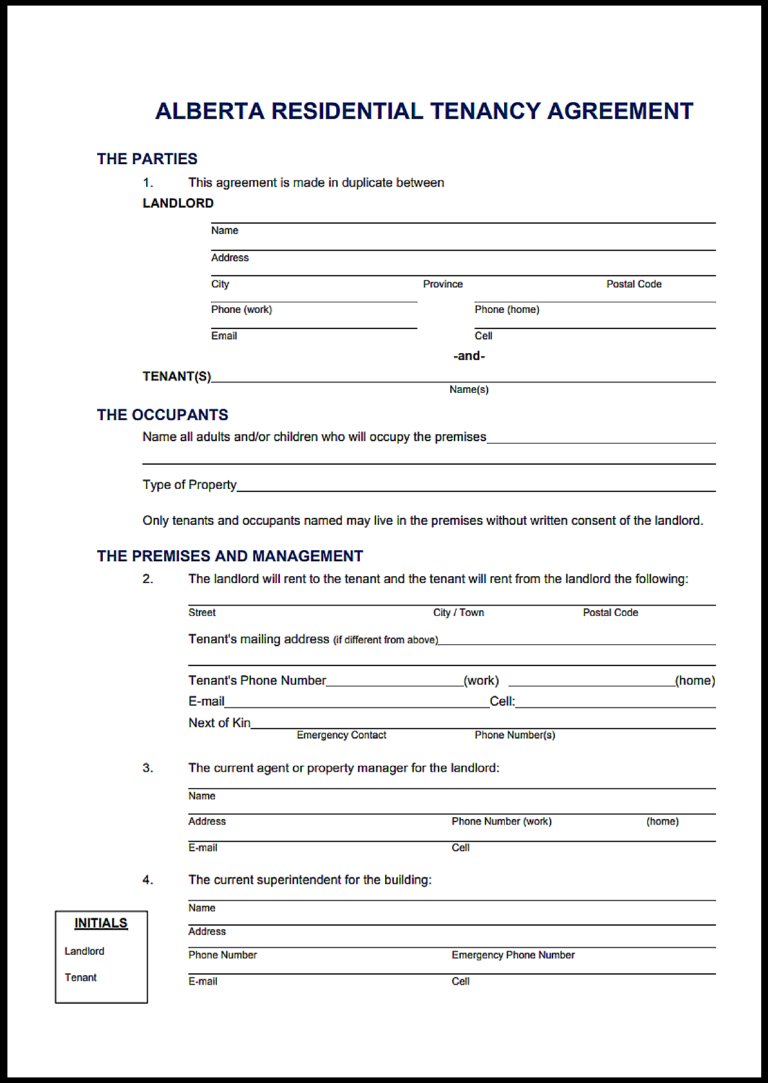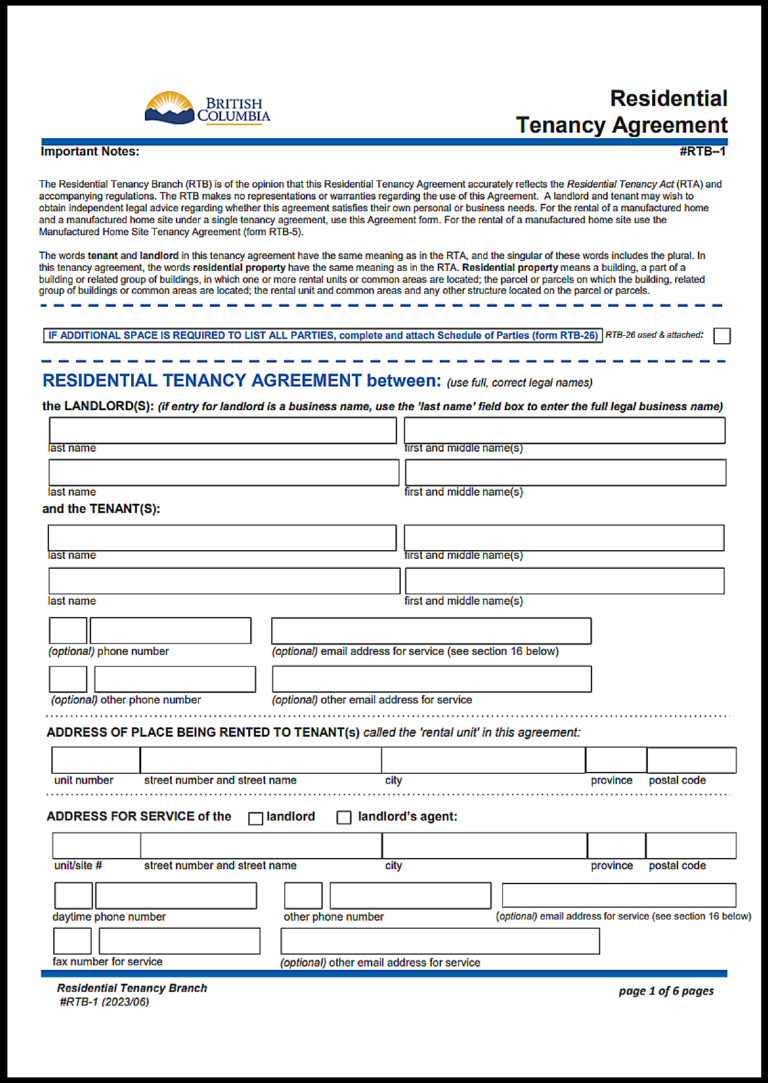
Manitoba Month-to-Month Lease (Free Fillable Template)
A Manitoba Month-to-Month Lease can seem straightforward, but many disputes start when one side assumes a tenancy can be ended with a simple verbal notice or an arbitrary 30-day deadline. Under Manitoba’s Residential Tenancies Act, notice requirements are tied to specific tenancy rules and timing requirements, which means a generic lease template used elsewhere in Canada may not produce the result a landlord or tenant expects.
In practice, I’ve seen situations where a tenant gave notice partway through a rental period, only to learn during a Residential Tenancies Branch dispute that the tenancy had not ended on the date they believed. That misunderstanding can lead to unexpected rent obligations, possession disputes, and avoidable delays when moving plans are already in motion. This page explains how a Manitoba month-to-month tenancy works, when notice must be given, and the key terms landlords and tenants should review before relying on a lease document.
What is Manitoba Month-to-Month Lease?
A Manitoba month-to-month lease is also called a “periodic tenancy.” Instead of ending on a specific date, the agreement renews automatically each month.
For example, if a tenant moves into a Winnipeg apartment on June 1 under a month-to-month agreement, the tenancy continues into July, August, and later months unless someone properly ends it.
Unlike fixed-term leases, there is no automatic final move-out date.
In most rental situations:
- The tenant pays rent once per month
- Lease rules continue every month
- Security deposit rules still apply
- Notice rules must be followed before ending the tenancy
Landlords must also follow Manitoba’s mandatory tenancy requirements, including providing official forms and disclosures.
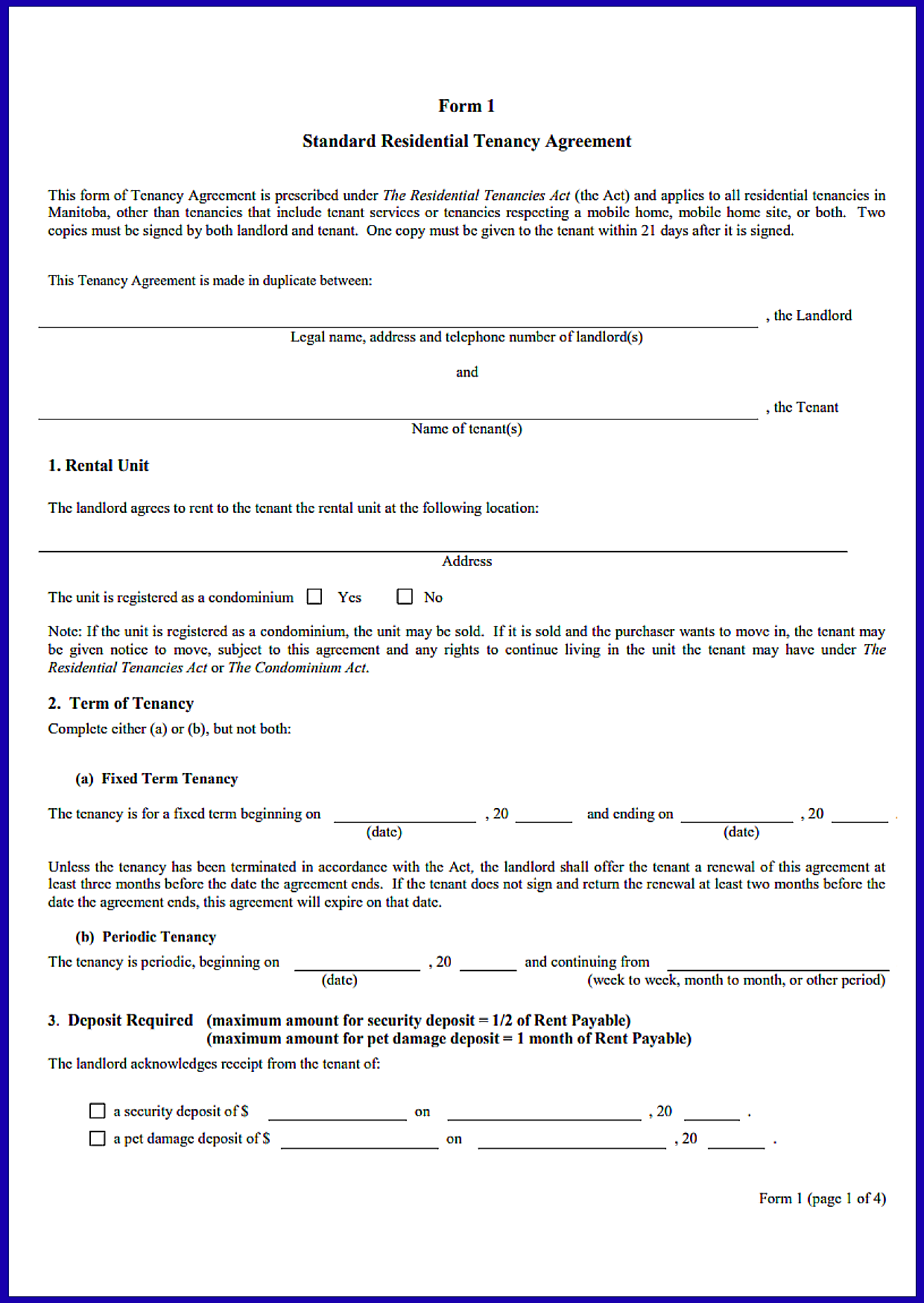
Free Manitoba Month-to-Month Lease Template
Below is a simple structure commonly used for a Manitoba month-to-month rental agreement.
How a Month-to-Month Lease Works in Manitoba
A month-to-month tenancy renews automatically every month unless proper notice is given to end it.
For example, if a tenant moves into a Winnipeg apartment on June 1 under a monthly rental agreement, the tenancy continues month after month without signing a new lease each time.
The tenant still has to:
- Pay rent on time
- Follow lease rules
- Respect property conditions
The landlord must still:
- Maintain the property
- Follow Manitoba entry rules
- Respect tenant rights under provincial law
Who Commonly Uses Month-to-Month Agreements
Month-to-month leases are often used by people who need flexibility.
Common users include:
- Landlords testing new tenants before offering long-term leases
- Students attending Manitoba colleges or universities
- Workers on temporary job contracts
- Families relocating temporarily
- Tenants planning to buy a home soon
Compared to fixed-term leases, monthly rentals are usually easier to end with proper notice.
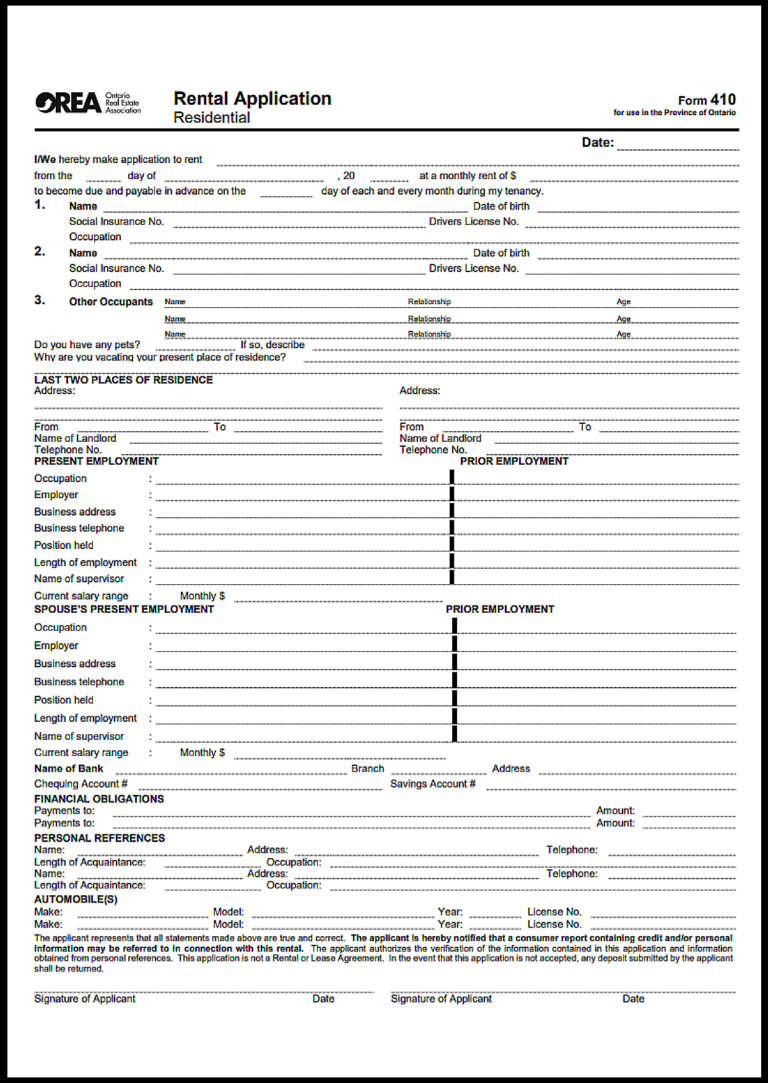
This type of tenancy arrangement is often connected with a Manitoba rental application form used during tenant screening, while standard long-term occupancy may instead require a traditional Manitoba lease agreement for fixed rental periods.
Manitoba Laws That Apply to Month-to-Month Rentals
Several provincial and federal laws apply to Manitoba residential rentals.
Standard Lease Requirements in Manitoba
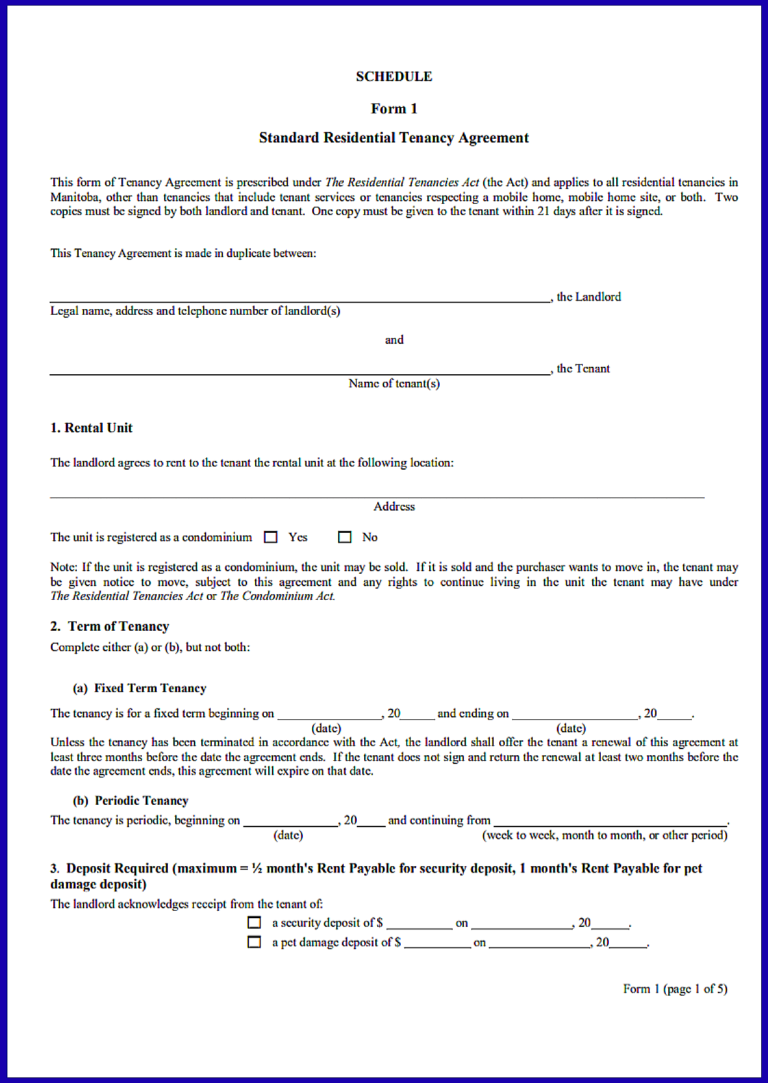
Under Manitoba law, landlords must either:
- Use Form 1 directly, or
- Include all prescribed information in their custom lease
The lease should also include a Manitoba address where notices and legal documents can be served on the landlord.
Without a proper service address, legal communication problems can arise during disputes or hearings.
Security Deposit Rules
Manitoba has strict rules about rental deposits.
A security deposit cannot exceed one-half of one month’s rent.
For example:
- Monthly rent: $1,400
- Maximum security deposit: $700
Landlords are not allowed to collect excessive deposits.
Common unlawful deposit practices include:
- Charging both damage and pet deposits that exceed legal limits
- Collecting “last month’s rent” deposits
- Asking for unauthorized extra security payments
Tenants should always request written receipts for deposits paid.
Rules About Rent Increases and Late Fees
Manitoba regulates rent increases for many residential properties.
In most cases, landlords must follow provincial rent increase rules and provide proper notice before increasing rent.
Late fees are also capped by law.
Under the Residential Tenancies Regulation:
- $10 maximum for the first late day
- $2 per additional day
- Maximum total late fee of $100
Excessive penalties beyond these limits may not be enforceable.
Temporary living arrangements may also involve a sublease agreement template, while shared rental properties frequently benefit from a roommate agreement document to outline household responsibilities between tenants.
Key Clauses to Include in a Manitoba Month-to-Month Lease
A clear lease agreement helps prevent disputes later.
Rent and Payment Terms
The lease should clearly explain:
- Monthly rent amount
- Due date
- Accepted payment methods
- NSF cheque fee policies
- Whether online payments are accepted
Under Manitoba law, landlords cannot require post-dated cheques or automatic withdrawals as a condition of renting. However, tenants may voluntarily agree to them.
Utility and Maintenance Responsibilities
The lease should explain who pays for:
- Heat
- Electricity
- Water
- Internet
- Parking utilities if applicable
Maintenance responsibilities should also be written clearly.
Examples include:
- Snow removal
- Lawn care
- Garbage disposal
- Reporting repairs
Tenants should report maintenance problems quickly to avoid larger issues later.
Pet Policies
In Manitoba, no-pet clauses are generally enforceable if clearly written in the lease.
However, landlords cannot use pet restrictions to refuse legitimate service animals protected under human rights law.
A lease should explain:
- Whether pets are allowed
- Size or breed restrictions
- Cleaning expectations
- Liability for pet damage
Occupancy and Guest Rules
The lease should identify:
- Maximum occupants
- Guest stay limits
- Unauthorized subletting rules
- Noise expectations
Long-term guests who effectively move into the property can sometimes create occupancy disputes if not addressed properly.
Entry and Notice Rules
Manitoba landlords cannot enter rental units whenever they want.
The lease should explain:
- When entry is allowed
- Required notice periods
- Emergency entry situations
- Inspection procedures
Emergency access is usually allowed without advance notice when immediate safety concerns exist.
Ending a Month-to-Month Tenancy in Manitoba
A month-to-month tenancy does not end automatically. Proper legal notice is usually required.
Both landlords and tenants should give written notice whenever possible to avoid disputes about dates or communication.
Improper notice can lead to problems such as:
- Extra rent claims
- Security deposit disputes
- Delays moving out
- Residential Tenancies Branch complaints
Situations That Can Lead to Early Termination
Some situations may allow earlier termination of the tenancy.
Examples include:
- Non-payment of rent
- Serious lease violations
- Major property damage
- Illegal activity on the premises
Landlords must still follow Manitoba legal procedures before removing tenants.
Self-help evictions, such as changing locks without proper process, can create serious legal problems.
What Happens to the Security Deposit
After the tenancy ends, landlords usually inspect the rental unit for damage beyond normal wear and tear.
Possible deductions may involve:
- Unpaid rent
- Repair costs for damage
- Cleaning issues beyond ordinary use
Common deposit disputes involve:
- Missing documentation
- Unclear move-in condition reports
- Disagreements about cleaning standards
Both landlords and tenants benefit from taking move-in and move-out photos.
Common Mistakes Landlords and Tenants Make
Many rental disputes happen because important Manitoba rules are ignored.
Using an Incomplete Lease
Some landlords use online lease templates that do not include Manitoba-required disclosures.
Common mistakes include:
- Missing Form 1 information
- Failing to provide Form 2
- Omitting landlord service addresses
- Leaving important terms unclear
Incomplete agreements often create enforcement problems later.
Charging Illegal Fees or Deposits
Landlords sometimes accidentally violate Manitoba law by charging prohibited fees.
Examples include:
- Excessive security deposits
- Illegal late fees
- Mandatory post-dated cheques
- Unauthorized “last month’s rent” deposits
Tenants should review all payment requests carefully before signing.
Ignoring Human Rights Rules
The Human Rights Code protects tenants from discrimination in housing.
Landlords should avoid decisions based on:
- Disability
- Family status
- Race
- Religion
- Protected personal characteristics
Improper refusal of service animals can also create human rights complaints.
Verbal Agreements Without Written Terms
Verbal agreements are difficult to prove later.
Without written terms, disputes often arise over:
- Rent amounts
- Utility responsibilities
- Pet permissions
- Move-out dates
A written lease protects both parties.
Month-to-Month Lease vs Fixed-Term Lease in Manitoba
Both lease types are common in Manitoba, but they work differently.
Main Differences
| Feature | Month-to-Month Lease |
Fixed-Term Lease
|
| End Date | No fixed end date |
Ends on specific date
|
| Renewal | Automatic monthly renewal |
Usually requires renewal agreement
|
| Flexibility | Higher flexibility | More stability |
| Notice Requirements | Notice needed to end tenancy |
Often ends automatically
|
| Best For | Temporary housing |
Long-term renters
|
Which Option Is Better for Different Situations
A month-to-month lease may work better for:
- Students
- Temporary workers
- People relocating
- First-time landlords testing tenants
A fixed-term lease may work better for:
- Families wanting long-term stability
- Landlords seeking predictable occupancy
- Tenants wanting locked-in housing
The right option depends on the situation and future plans of both parties.
Practical Example of a Manitoba Month-to-Month Rental
Sarah rents a Winnipeg apartment under a month-to-month lease starting June 1.
Her monthly rent is $1,500.
The landlord collects:
- $750 security deposit
- No extra “last month’s rent” deposit
The lease states:
- Rent is due on the first day of each month
- Pets are not allowed
- Heat and water are included
After eight months, Sarah receives a job offer in another province. She gives proper written notice to end the tenancy.
Before moving out:
- The landlord inspects the apartment
- Photos are taken
- Minor normal wear is accepted
Since there is no serious damage or unpaid rent, Sarah receives her refundable deposit according to Manitoba rules.
Frequently Asked Questions
Is a verbal month-to-month lease legal in Manitoba?
Yes. Verbal rental agreements can be legally valid in Manitoba. However, written leases are strongly recommended because they make disputes easier to resolve.
Can a landlord increase rent during a month-to-month tenancy?
Yes, but Manitoba landlords generally must follow provincial rent increase rules and proper notice requirements.
How much notice is required to end the tenancy?
Notice requirements depend on the situation and tenancy type. Written notice is strongly recommended for both landlords and tenants.
Can a landlord ban pets in Manitoba?
Yes. No-pet clauses are generally enforceable in Manitoba if included in the lease. However, service animals protected by human rights law cannot usually be refused.
Can landlords require post-dated cheques?
No. Landlords cannot require post-dated cheques or automatic debits as a condition of the tenancy, although tenants may voluntarily agree.
Is a security deposit refundable?
Usually yes, as long as there is no unpaid rent or damage beyond normal wear and tear.
Does the lease need to be registered with the government?
No. Residential month-to-month leases are generally private contracts and do not need government registration. However, landlords must submit the Notice to New Tenant (Form 2) to the Residential Tenancies Branch within 14 days after the tenancy starts.