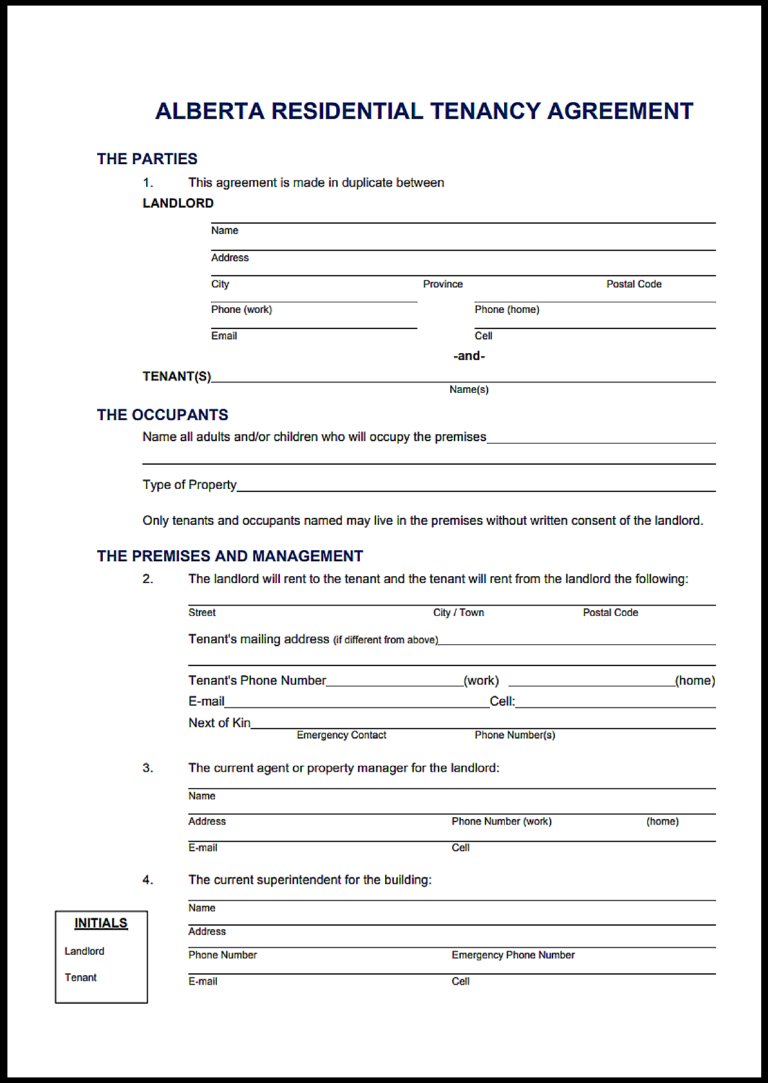
Manitoba Commercial Lease Agreement Form (PDF & Printable)
Free Manitoba Commercial Lease Agreement Template
Businesses can use a commercial lease template to create a clear rental contract before moving into a property. A properly written agreement helps reduce misunderstandings about rent, maintenance, insurance, and business use restrictions.
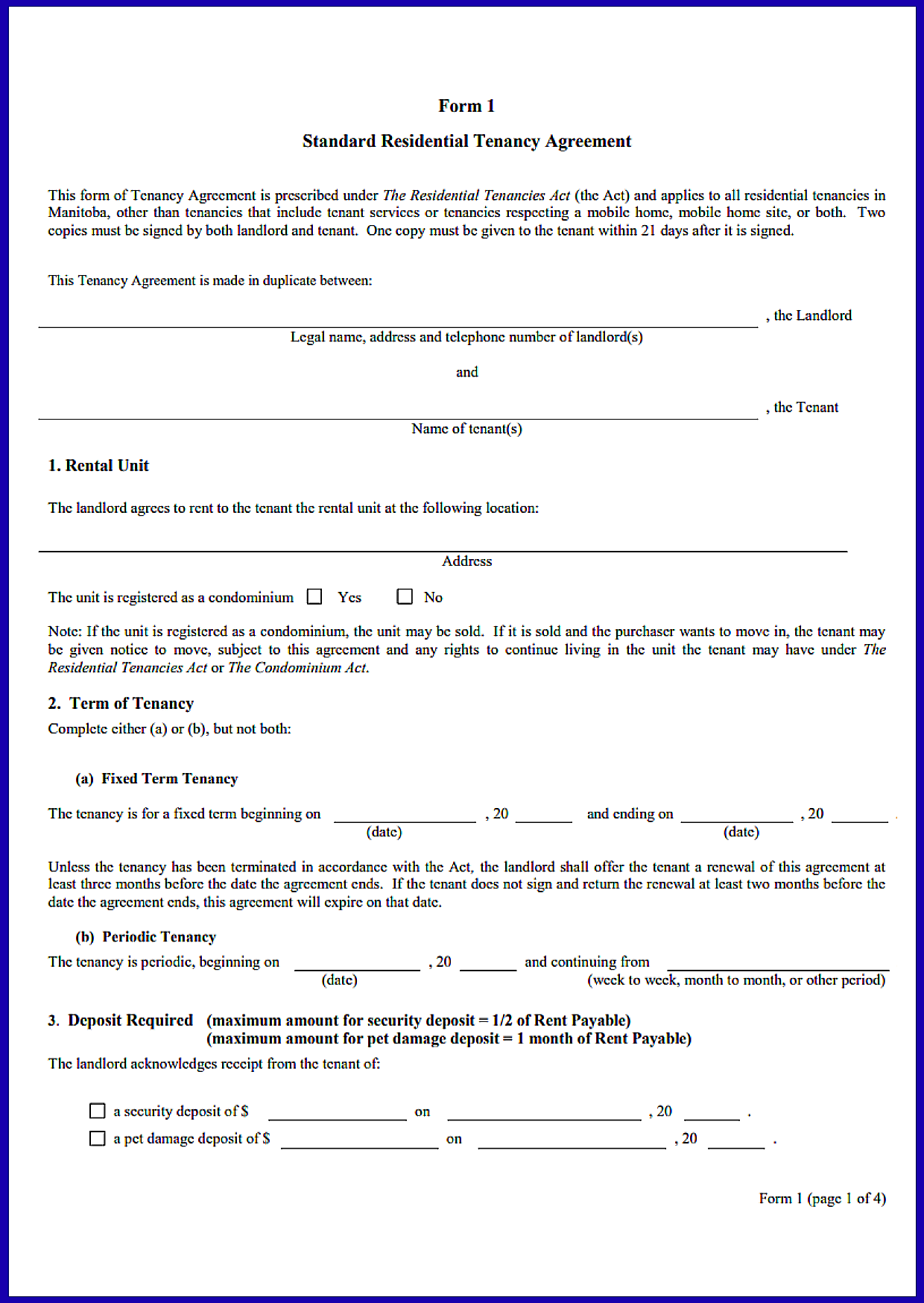
What Makes a Commercial Lease Different in Manitoba
Commercial leases in Manitoba are mainly governed by contract law rather than strict residential tenancy protections. This means landlords and tenants usually have broad freedom to negotiate lease terms.
Courts in Manitoba generally enforce properly drafted commercial lease clauses, even if the terms are very strict. Because of this, business tenants should review every section carefully before signing.
Residential vs Commercial Lease Rules
| Issue | Residential Lease | Commercial Lease |
| Security Deposit Limits | Regulated by law | No statutory maximum |
| Rent Control | Residential rules may apply | Usually fully negotiable |
| Eviction Protections | Strong tenant protections | More landlord enforcement rights |
| Maintenance Duties | Landlord obligations heavily regulated |
Negotiated by contract
|
| Negotiation Flexibility | Limited | Very flexible |
| Consumer Protections | Extensive | Limited |
Why Businesses Should Carefully Review Lease Terms
Commercial leases often involve major financial obligations lasting several years.
Business owners should pay close attention to:
- Personal guarantees
- Hidden operating costs
- Property tax sharing
- Exclusive business use restrictions
- Repair obligations
- Early termination penalties
- Automatic renewal clauses
A small clause can create large financial problems later.
Commercial tenancy arrangements often require supporting rental paperwork during the leasing process. Property owners may use a rental application form to review tenant information, while long-term business occupancy may eventually involve a lease renewal agreement when extending the contract period.
Key Clauses Every Manitoba Commercial Lease Should Include
Rent and Additional Charges
Commercial rent is often divided into multiple categories.
Common charges include:
- Base rent
- Triple net (NNN) costs
- Property taxes
- Utilities
- Common area maintenance fees
- Insurance costs
- GST
Many business tenants focus only on base rent and forget about additional operating expenses. In some retail plazas, additional charges can significantly increase the monthly payment.
Permitted Use of the Property
The lease should clearly explain what business activities are allowed.
This section usually covers:
- Approved business operations
- Zoning compliance
- Hours of operation
- Restrictions on hazardous activities
- Illegal business prohibitions
For example, a retail lease may prohibit food preparation or industrial storage without written consent.
Lease Length and Renewal Options
Commercial leases are commonly signed for fixed terms such as:
- 3 years
- 5 years
- 10 years
The lease should explain:
- Renewal rights
- Renewal deadlines
- Rent increase formulas
- Automatic renewal risks
Businesses that forget to negotiate renewal rights may later face major rent increases or forced relocation.
Security Deposit Terms
Under Manitoba law, there is no statutory maximum security deposit for commercial leases.
The lease should clearly explain:
- Deposit amount
- Storage conditions
- Whether interest is payable
- Deduction rules
- Return procedures
Unlike residential rentals, landlords are generally not required to pay interest unless the lease specifically says so.
Repairs and Maintenance Responsibilities
Commercial leases should clearly divide repair responsibilities between the landlord and tenant.
Important areas include:
- HVAC systems
- Plumbing
- Structural repairs
- Snow removal
- Interior maintenance
- Parking lots
- Roof maintenance
Many disputes happen because the lease uses vague repair language.
Insurance Requirements
Commercial tenants are often required to maintain several forms of insurance.
Typical requirements include:
- Commercial liability insurance
- Property insurance
- Business interruption insurance
Landlords usually require proof of coverage before occupancy begins.
Assignment and Subleasing Rules
A commercial lease should explain whether the tenant can:
- Assign the lease
- Sublease the premises
- Transfer business ownership
Under Manitoba law, landlords generally cannot unreasonably refuse consent unless the lease gives them broader discretion. Many commercial leases specifically allow landlords to use absolute discretion.
Default and Eviction Clauses
Default clauses explain what happens if the tenant breaches the lease.
Common defaults include:
- Non-payment of rent
- Illegal use of the property
- Failure to maintain insurance
- Unauthorized subleasing
Commercial landlords may have stronger enforcement powers than residential landlords, including lockout rights and court enforcement options depending on the lease wording.
Businesses operating in shared commercial spaces may also benefit from flexible rental arrangements such as a month-to-month lease agreement, depending on the nature of the tenancy and future occupancy plans.
Manitoba Landlord Rights Under Commercial Lease Law
Right of Distress for Unpaid Rent
Under The Commercial Tenancies Act, Manitoba landlords may use a legal remedy called distress.
Distress allows a landlord to seize certain tenant property for unpaid rent without first obtaining a court order.
This right is very different from residential tenancy law.
However, important limits apply:
- Exempt property may be protected
- Third-party property usually cannot be seized
- Customer goods may be protected
- Special notice procedures may apply
Landlords should carefully follow legal procedures before attempting distress remedies.
Entering the Commercial Premises
Commercial landlords usually have implied rights to enter the property for:
- Inspections
- Emergency access
- Repairs
- Maintenance checks
Unlike residential rentals, Manitoba commercial lease law does not contain detailed statutory entry notice rules. Most access rights are controlled by the lease itself.
Recovering Damages After Lease Breach
If a tenant breaches the lease, landlords may seek compensation for:
- Unpaid rent
- Property damage
- Legal costs
- Future rent losses
- Accelerated rent under the lease
Well-drafted commercial leases often contain strong enforcement provisions.
Important Tenant Protections Businesses Should Know
Relief Against Forfeiture
Under Manitoba law, commercial tenants may apply to the Court of King’s Bench for relief against forfeiture.
This allows a tenant to ask the court to stop an eviction if:
- The breach can be corrected
- Rent can be paid
- The tenant acts quickly
Courts sometimes grant relief when removing the tenant would create unfair business damage.
Protection Against Improper Property Seizure
Commercial tenants should understand that landlords cannot automatically seize all property located inside the premises.
Important protections may apply to:
- Customer inventory
- Third-party goods
- Subtenant property
- Supplier equipment
Third parties may need to provide notice to protect their property rights.
Reviewing Hidden Operating Costs
Many businesses underestimate additional operating expenses.
Tenants should carefully review:
- CAM fees
- Property tax increases
- Insurance pass-through costs
- Seasonal maintenance charges
- Utility allocation formulas
A lease with low base rent may still become expensive because of extra charges.
Registration Rules for Long-Term Commercial Leases
When Registration Is Recommended
Leases longer than 3 years should usually be registered in Manitoba.
This includes situations where renewal options could extend the total term beyond 3 years.
Registration helps protect the tenant if:
- The property is sold
- The landlord refinances
- Ownership disputes happen
How Registration Works in Manitoba
Commercial leases are generally registered through Manitoba’s Land Titles system.
The process often involves:
- Filing a caveat
- Registering the lease against title
- Using approved forms
- Paying registration fees
Registration helps protect the tenant’s priority rights under the Real Property Act (Manitoba)
Risks of Not Registering a Long-Term Lease
Failing to register a long-term lease can create serious problems.
Possible risks include:
- Loss of priority rights
- Problems after property sale
- Financing complications
- Difficulty enforcing renewal rights
Businesses investing heavily in renovations or equipment should strongly consider registration.
Common Mistakes Businesses Make With Commercial Leases
Signing Without Reviewing Additional Rent Clauses
Many tenants focus only on monthly base rent.
They later discover extra charges for:
- Property taxes
- Snow removal
- Maintenance fees
- Insurance costs
- Parking lot repairs
Always ask for estimated operating costs before signing.
Ignoring Personal Guarantee Language
Small business owners are often asked to personally guarantee the lease.
This means the owner may remain personally responsible even if the corporation fails.
Business tenants should carefully review:
- Guarantee scope
- Time limits
- Release conditions
Failing to Negotiate Renewal Rights
Without renewal rights, a business may lose its location after building customer traffic and investing in improvements.
This can lead to:
- Rent spikes
- Forced relocation
- Lost customers
- Business interruption
Not Checking Zoning or Licensing Rules
A signed lease does not guarantee that the business can legally operate there.
Businesses should confirm:
- Municipal zoning approval
- Licensing requirements
- Health permits
- Fire code compliance
Using Residential Lease Forms for Commercial Space
Residential lease forms are not designed for business properties.
They often fail to address:
- Operating costs
- GST
- Commercial insurance
- Distress rights
- Assignment clauses
Using the wrong form can create major legal gaps.
Real-Life Commercial Lease Scenarios in Manitoba
Retail Store Lease Example
A clothing retailer signs a lease in a shopping plaza.
The lease includes:
- Percentage rent based on sales
- Shared maintenance costs
- Advertising contributions
- Parking lot maintenance fees
The tenant later discovers CAM charges are much higher than expected because the lease allowed annual adjustments.
Office Lease Example
A business rents office space in a multi-tenant building.
The lease covers:
- Shared utilities
- Internet allocation
- Elevator maintenance
- Parking rights
The tenant negotiates a cap on annual operating cost increases to control budgeting risk.
Warehouse Lease Example
A warehouse tenant signs an industrial lease with environmental obligations.
The agreement includes:
- Loading dock access rules
- Hazardous material restrictions
- Waste disposal obligations
- Snow clearing duties
Environmental clauses become extremely important in industrial properties.
How to Fill Out a Manitoba Commercial Lease Agreement
Step 1 – Identify the Legal Parties
Clearly identify:
- Individual landlords
- Corporations
- Partnership entities
- Business registration details
Incorrect legal names can create enforcement problems later.
Step 2 – Describe the Premises Clearly
The lease should accurately describe:
- Unit number
- Floor area
- Parking spaces
- Storage areas
- Shared access rights
Vague property descriptions often cause disputes.
Step 3 – Set Financial Terms
Carefully document:
- Base rent
- Additional rent
- Security deposits
- GST responsibilities
- Payment deadlines
Businesses should request written estimates for operating expenses.
Step 4 – Review Risk and Liability Clauses
Tenants should carefully examine:
- Insurance obligations
- Indemnity clauses
- Damage responsibilities
- Repair liabilities
These clauses can shift major financial risks onto the tenant.
Step 5 – Sign and Keep Copies
Commercial leases should be signed by all parties.
Best practices include:
- Using witnesses
- Keeping digital copies
- Retaining proof of delivery
- Storing renewal notices safely
For leases longer than 3 years, registration may also be recommended.
Frequently Asked Questions
Is a commercial lease legally required in writing in Manitoba?
Under Manitoba law, leases longer than 3 years should generally be in writing. Written leases are strongly recommended for all commercial rentals because they reduce disputes and clarify responsibilities.
Can a landlord increase commercial rent at any time?
Commercial rent rules are mainly controlled by the lease agreement. If the lease allows increases, the landlord may raise rent according to the agreed formula or renewal terms.
Does Manitoba commercial lease law protect tenants like residential renters?
No. Commercial tenants usually receive fewer statutory protections than residential tenants. Courts generally expect businesses to negotiate and review their contracts carefully.
Can a tenant sublease commercial space in Manitoba?
Usually yes, but most leases require landlord consent. Some leases allow landlords broad discretion to refuse assignments or subleases.
What happens if commercial rent is not paid?
A landlord may pursue several remedies, including eviction, legal claims, or distress rights under The Commercial Tenancies Act.
Should a commercial lease be registered?
Registration is commonly recommended for leases exceeding 3 years, especially where the tenant is investing heavily in the property or relying on long-term occupancy rights.