Manitoba Sublease Agreement Template (Free Fillable PDF)
A Manitoba Sublease Agreement is often searched by tenants who need to leave a rental unit before the end of a fixed-term tenancy but don’t want to remain exposed to avoidable disputes later. Under Manitoba’s Residential Tenancies framework, a sublet generally requires the landlord’s written consent, and that’s where many arrangements begin to unravel when people rely on a generic Canadian form that overlooks provincial requirements.
In practice, I’ve seen situations where a tenant moved out, handed the unit to a replacement occupant, and only discovered the problem after a rent dispute reached the Residential Tenancies Branch and responsibility for the tenancy remained with the original renter. Whether you’re a tenant arranging a temporary move or a landlord reviewing a proposed sublet, getting the paperwork and approval process right matters from the start.
This page explains how Manitoba subletting works, when consent is required, and the key terms commonly included in a Manitoba Sublease Agreement.
Free Manitoba Sublease Agreement Template
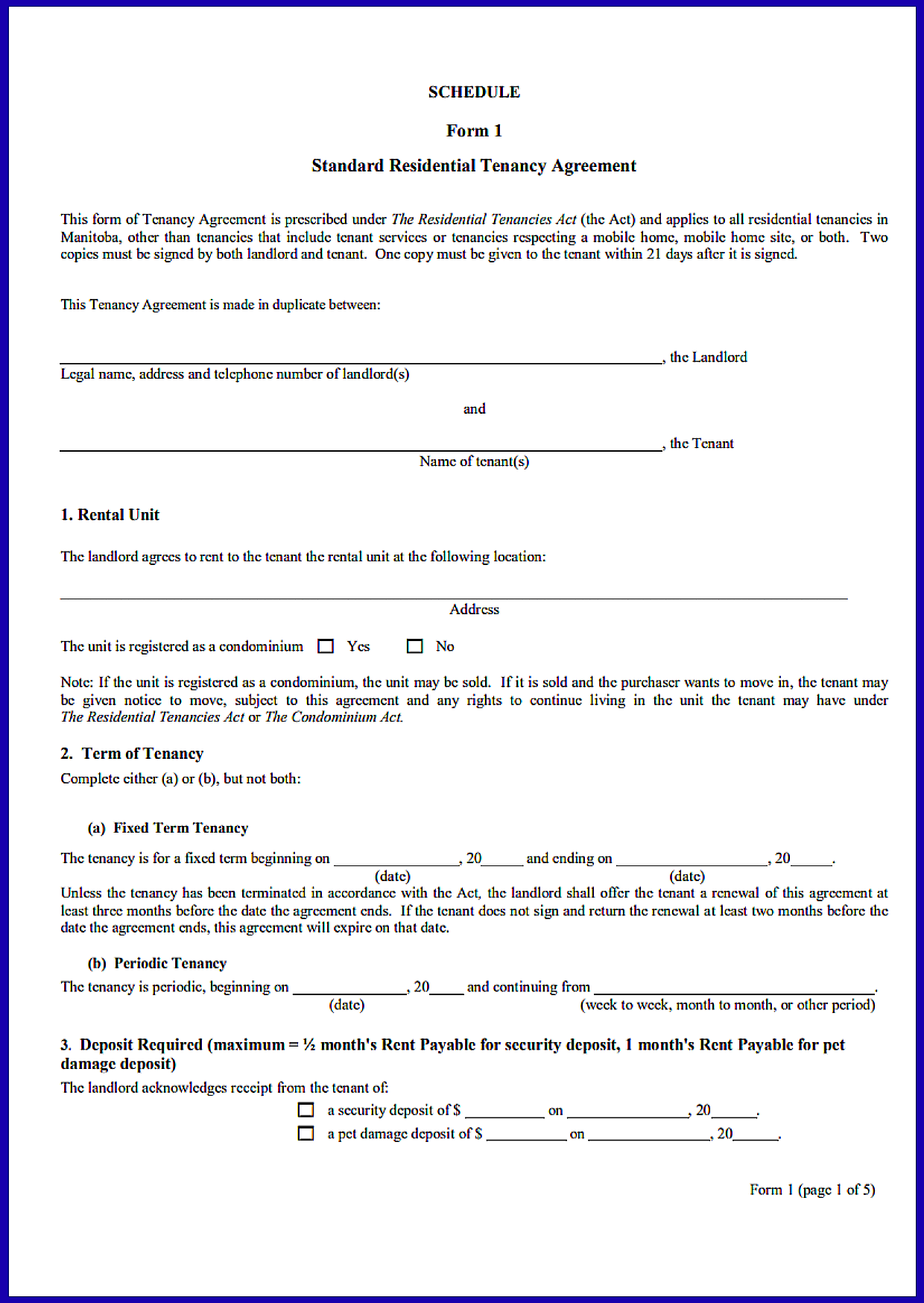
The template below can be copied, edited, and used for most residential sublease situations in Manitoba.
Manitoba Sublease Rules That Commonly Cause Legal Problems
| Topic / Issue | Manitoba Legal Rule | Governing Statute |
|---|---|---|
| Governing Legislation | Residential subleases in Manitoba are governed under provincial tenancy law and regulations. | The Residential Tenancies Act, C.C.S.M. c. R119; Residential Tenancies Regulation, Man. Reg. 16/93 |
| Federal Jurisdiction | Residential subleases fall exclusively under provincial jurisdiction. | Constitution Act, 1867 |
| Who Can Legally Sign | The original tenant, subtenant, and landlord or authorized property manager must sign or approve the sublease. Written landlord consent is legally required. | The Residential Tenancies Act, s. 43(1) & s. 44(2) |
| Witness Requirements | Witnesses are not legally required for validity, though recommended for evidence purposes. | Common law principles |
| Notarization Requirement | Manitoba sublease agreements do not require notarization or commissioner swearing. | Common law principles |
| Age & Capacity | Parties must generally be adults of sound mind. Minors may sign for necessities of life, though landlords often require adult guarantors. | The Age of Majority Act, s. 1 |
| Landlord Consent Timing | Landlords must not unreasonably withhold consent to a proposed sublet. | RTB Policy Guidebook, s. 2 |
| Reasonable Review Time | Manitoba policy considers approximately 5 business days a reasonable period for landlord screening of a proposed subtenant. | RTB Policy Guidebook, s. 2 |
| Mandatory Sublease Form | Manitoba subleases must use Form 3 or its prescribed structural equivalent. | The Residential Tenancies Act, s. 44(2); Residential Tenancies Regulation, Form 3 |
| Intent to Return Requirement | A valid sublease must clearly show that the original tenant plans to return before the master lease ends. | The Residential Tenancies Act, s. 41; s. 44(2) |
| Written Landlord Approval Clause | The agreement must explicitly confirm landlord written consent. | The Residential Tenancies Act, s. 44(2) |
| Rent Restriction | The subtenant cannot be charged more rent than the original tenant pays under the master lease. | The Residential Tenancies Act, s. 47(1) |
| Filing Requirement | Residential sublease agreements are private contracts and are not routinely filed with Manitoba government offices or the RTB. | N/A |
| Execution Copies | The agreement is normally completed in triplicate for the landlord, sublandlord, and subtenant. | Standard Manitoba sublease execution practice |
| RTB Evidence Use | If disputes occur, the sublease agreement may be submitted to the RTB as evidence. | Residential Tenancies Branch dispute process |
| Missing Landlord Consent | Subleases created without written landlord approval may be treated as unauthorized occupancy arrangements. | The Residential Tenancies Act, s. 43(1) & s. 46(1) |
| Charging Premium Rent | Tenants are prohibited from profiting from subletting by charging higher rent than authorized. | The Residential Tenancies Act, s. 47(1) |
| Sublease Beyond Master Lease | A sublease extending beyond the original lease term may legally become an assignment instead of a sublease. | The Residential Tenancies Act, s. 41 |
| Maximum Sublet Approval Fee | Manitoba landlords may charge a maximum administrative fee of $75 for processing sublet approval requests. | Manitoba statutory sublet fee rule |
| Security Deposit Handling | The landlord keeps the original tenant’s security deposit and cannot demand a second security deposit from the subtenant. | Manitoba sublease deposit framework |
| Private Subtenant Deposit | If the original tenant collects a private deposit from the subtenant, it cannot exceed half of one month’s rent. | Manitoba deposit limit framework |
| Subsidized Housing Restriction | Tenants in subsidized rent-geared-to-income housing cannot sublet or assign their units. | The Residential Tenancies Act, s. 42(2) |
One of the biggest Manitoba sublease mistakes is assuming a landlord’s verbal approval is enough. Manitoba law requires written landlord consent, and without it, the subtenant may be treated as an unauthorized occupant. Another major rule many tenants overlook is the prohibition against charging higher rent during a sublease. Manitoba does not allow tenants to profit from subletting, even if the unit is furnished or temporarily vacant. The law also treats subleases differently from assignments, which becomes important when the original tenant does not plan to return before the main lease ends.
These rules matter in real-life situations because many subleases happen quickly between students, coworkers, or friends without proper paperwork. A tenant who skips written approval or charges unlawful rent may face RTB disputes, eviction problems, or financial penalties later. Manitoba also limits what landlords can charge for sublet approval and prevents them from demanding a second security deposit from the subtenant. Download the free Manitoba Sublease Agreement template below to help avoid common legal and paperwork mistakes.
A sublease agreement is commonly used when an existing tenant wants to rent part or all of the property to another occupant for a temporary period. To understand how these arrangements fit within provincial tenancy rules, you can review the complete lease agreement guide in Canada along with the Manitoba lease agreement laws guide before creating the document.
What Is a Manitoba Sublease Agreement?
A Manitoba sublease agreement is a temporary rental contract between the original tenant and a new temporary occupant called the sub-tenant.
The original tenant is often called the “sub-landlord” because they temporarily rent the unit to someone else. However, the original landlord still owns and controls the property.
How a Sublease Works in Manitoba
A Manitoba sublease involves three parties:
| Party | Role |
| Landlord |
Owns the rental property
|
| Original Tenant |
Rents from the landlord and becomes the sub-landlord
|
| Sub-Tenant |
Temporarily rents from the original tenant
|
Under Manitoba law, the original tenant still remains legally responsible for:
- Paying rent to the landlord
- Property damage
- Following the original lease
- Ensuring the sub-tenant follows building rules
For example, if the sub-tenant stops paying rent, the landlord can still pursue the original tenant for unpaid amounts.
Sublease vs Assignment in Manitoba
Many tenants confuse a sublease with a lease assignment, but they are different legal arrangements.
| Sublease | Assignment |
| Original tenant plans to return |
Original tenant permanently leaves
|
| Original tenant remains responsible |
Lease rights transfer fully
|
| Temporary arrangement |
Permanent transfer
|
| Common for travel or school breaks |
Common when ending tenancy early
|
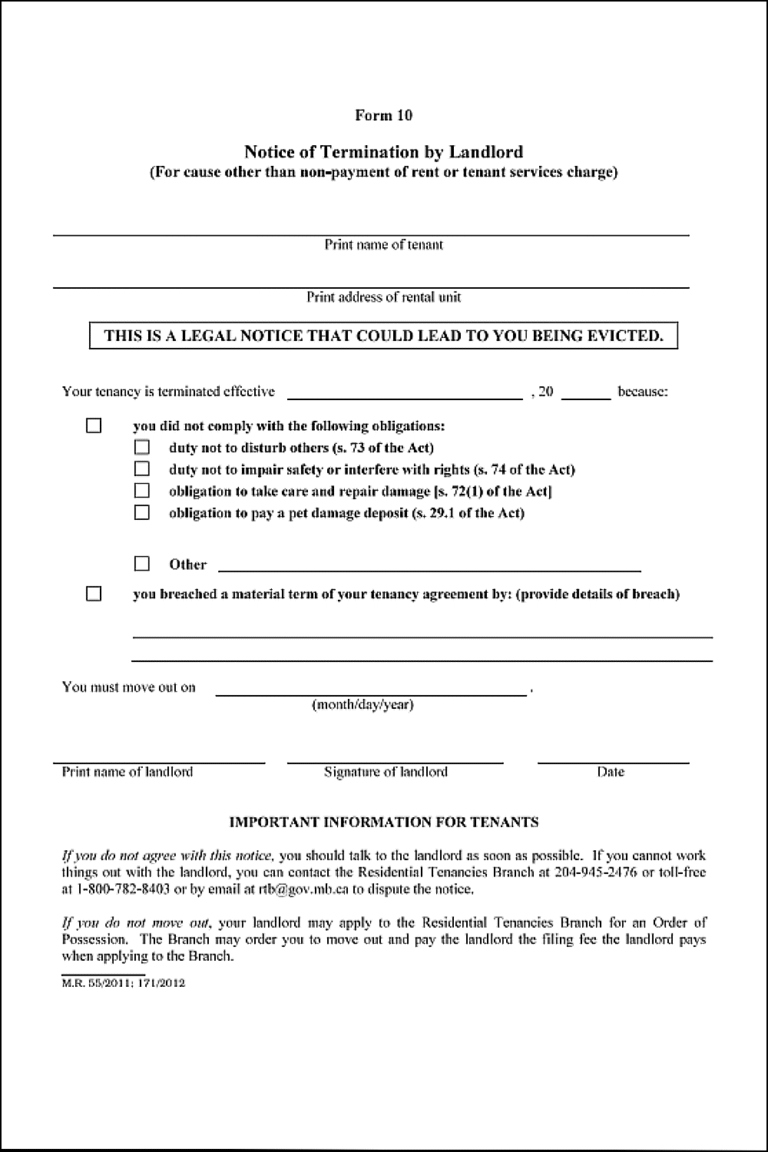
In Manitoba, landlord approval is normally handled through Form 3: Assignment or Subletting of Tenancy Agreement available from the Residential Tenancies Branch (Manitoba)
Common Reasons Tenants Use a Sublease
In real life, subleases are commonly used for temporary situations such as:
- Students leaving during summer break
- Temporary work relocation
- Family emergencies
- Extended travel
- Medical leave
- Avoiding lease-breaking penalties
For example, a university student renting an apartment in Winnipeg may sublease the unit for four months during the summer instead of paying rent for an empty apartment.
This type of arrangement is often connected with the original Manitoba lease agreement signed between the landlord and primary tenant. In shared housing situations, tenants may also use a roommate agreement template to clarify rent payments, utilities, and household responsibilities.
Manitoba Laws That Apply to Sublease Agreements
Several Manitoba laws directly affect how residential subleases work.
Summary of Applicable Laws
| Topic | Rule |
Governing Statute
|
| Landlord consent | Written consent required before subletting |
Residential Tenancies Act, s. 43(1)
|
| Sublet approval fee | Maximum $75 administrative fee |
Residential Tenancies Act, s. 43(2)
|
| Security deposit limit | Cannot exceed half of one month’s rent |
Residential Tenancies Act, s. 29(2)
|
| Profit restrictions | Tenant cannot charge higher rent |
Residential Tenancies Act, s. 47(1)
|
| Invalid waiver clauses | Tenant rights cannot be removed |
Residential Tenancies Act, s. 3
|
| Minimum age | Parties must generally be 18+ |
Age of Majority Act, s. 1
|
Is Landlord Permission Required?
Yes. Under Manitoba law, tenants must obtain written landlord consent before subletting a rental unit.
Landlords are not allowed to unreasonably refuse a sublease request. Valid concerns may include:
- Poor credit history
- Bad rental references
- Previous property damage
- Safety concerns
However, a landlord usually cannot reject a sublease simply because they dislike subleasing in general.
If a landlord refuses without a valid reason, the tenant may apply to the Residential Tenancies Branch for dispute resolution.
A smart practice is to submit the request in writing and keep copies of all emails and notices.
Maximum Fees a Landlord Can Charge
Manitoba landlords can charge a maximum administrative fee of $75 for reviewing and approving a sublease request.
Landlords are not allowed to:
- Charge “bonus” approval fees
- Demand extra deposits beyond legal limits
- Collect hidden processing charges
For example, a landlord cannot charge a $300 “sublet setup fee.” That would likely violate Manitoba law.
Rent Rules for Subleases
A tenant cannot profit from a sublease in Manitoba.
This means the sub-landlord generally cannot charge the sub-tenant more rent than they are already paying to the landlord.
If the original lease is rent regulated, the original tenant should also disclose:
- Current rent amount
- Pending rent increases
- Existing lease conditions
This prevents disputes and keeps the arrangement transparent.
Before approving a new occupant, landlords or tenants may request a Manitoba rental application form to review tenant details and maintain proper rental records throughout the sublease period.
Important Clauses Every Manitoba Sublease Should Include
A clear written agreement helps avoid disputes later. Vague rental agreements often create problems when damage, unpaid rent, or move-out issues happen.
Names of All Parties
The agreement should clearly identify:
- Original tenant
- Sub-tenant
- Landlord
Using full legal names helps prove who is responsible under the agreement.
Rental Unit Address
Always include the complete property address, including:
- Unit number
- Postal code
- Parking space details if applicable
Even small address mistakes can create confusion during disputes.
Sublease Dates
The agreement should clearly state:
- Start date
- End date
A sublease cannot normally continue beyond the original lease term unless the landlord agrees.
Monthly Rent and Payment Terms
Include:
- Monthly rent amount
- Due date
- Accepted payment methods
- Late payment rules
Under Manitoba law, late fee terms must still comply with legal limits.
Security Deposit Terms
The agreement should state:
- Deposit amount
- Refund conditions
- Damage deduction rules
The deposit cannot exceed one-half of one month’s rent.
Utilities and Shared Expenses
Clearly explain who pays for:
- Electricity
- Water
- Internet
- Parking
- Laundry
- Snow removal if applicable
Many disputes happen simply because utilities were never discussed clearly.
Rules from the Original Lease
The sub-tenant should receive a copy of the original lease and agree to follow all building rules.
This may include:
- Pet restrictions
- Smoking rules
- Noise policies
- Visitor limits
Landlord Consent Section
A written landlord approval section should always be included.
Without written approval, the sublease could become invalid and create eviction risks.
Damage Responsibility and Repairs
The agreement should explain:
- Who reports maintenance problems
- Who pays for damages
- Cleaning expectations
For example, if the sub-tenant accidentally damages flooring, the original tenant may still be financially responsible to the landlord.
Early Termination Terms
Include rules for:
- Ending the sublease early
- Notice requirements
- Move-out expectations
Clear exit terms reduce future conflict.
How to Fill Out a Manitoba Sublease Agreement
Step 1 – Review the Original Lease
Before creating a sublease:
- Confirm subletting is allowed
- Review building rules
- Check parking and pet clauses
- Verify lease expiration dates
Some leases contain special approval procedures.
Step 2 – Get Written Landlord Approval
In Manitoba, written approval is extremely important.
Most landlords use Form 3 for assignment or subletting approval.
Helpful tips:
- Submit requests early
- Include sub-tenant details
- Keep written communication records
- Ask for signed confirmation
Step 3 – Screen the Sub-Tenant
The original tenant should carefully screen the sub-tenant because they remain legally responsible.
Common screening steps include:
- Rental references
- Employment verification
- Income checks
- Credit reports
Skipping screening often leads to missed rent or property damage problems.
Step 4 – Sign the Agreement
Digital and paper signatures are generally acceptable for private rental agreements.
Although witnesses are not legally required, having one or two witnesses is still a smart idea for proof purposes.
Step 5 – Keep Copies of All Documents
Always keep copies of:
- Original lease
- Signed sublease agreement
- Form 3 approval
- Payment records
- Inspection photos
Good documentation helps if disputes later reach the RTB.
Situations Where a Manitoba Sublease Can Become Invalid
Subleasing Without Landlord Consent
A tenant rents the apartment to a friend without informing the landlord.
Result:
The landlord may treat this as an unauthorized occupancy issue and take legal action through the RTB.
Charging Higher Rent Than Allowed
A tenant paying $1,200 monthly tries charging the sub-tenant $1,600.
Result:
This may violate Manitoba law because tenants generally cannot profit from subleasing.
Illegal Deposit Amounts
A sub-landlord demands a full month’s rent as a deposit.
Result:
This likely exceeds Manitoba’s legal security deposit limit.
Removing Tenant Rights From the Agreement
A contract says:
“The sub-tenant gives up repair rights.”
Result:
That clause is usually void under Manitoba law because tenant rights cannot be waived.
Extending Beyond the Original Lease Term
The original lease ends in August, but the sublease continues until December without approval.
Result:
The arrangement may become legally problematic because the original tenant no longer controls the lease.
Rights and Responsibilities During a Manitoba Sublease
Responsibilities of the Original Tenant
The original tenant remains responsible for:
- Paying the landlord
- Lease compliance
- Property condition
- Damage caused by the sub-tenant
Many tenants wrongly assume responsibility transfers fully during a sublease. In Manitoba, that is usually not true.
Rights of the Sub-Tenant
Sub-tenants still receive important legal protections, including:
- Quiet enjoyment of the property
- Reasonable repairs and maintenance
- Proper notice requirements
- Privacy protections
The sub-tenant cannot simply be removed without following Manitoba tenancy laws.
Responsibilities of the Landlord
Landlords must:
- Make reasonable approval decisions
- Maintain the property
- Follow Manitoba tenancy laws
- Respect tenant privacy rights
Even during a sublease, landlords still have maintenance obligations.
Common Manitoba Sublease Disputes and How to Avoid Them
Missed Rent Payments
Problem:
The sub-tenant stops paying rent.
Prevention tips:
- Use written agreements
- Collect references
- Keep payment records
- Set clear due dates
Property Damage Issues
Problem:
Damage is discovered after the sublease ends.
Prevention tips:
- Take move-in photos
- Complete inspection checklists
- Document repairs immediately
Unauthorized Occupants
Problem:
Extra roommates move into the unit without approval.
Prevention tips:
- Limit occupancy in writing
- Require written permission for additional occupants
Disagreements Over Deposits
Problem:
The sub-tenant disputes damage deductions.
Prevention tips:
- Provide receipts
- Document property condition
- Use written deposit terms
Problems When the Original Tenant Returns
Problem:
The sub-tenant refuses to leave after the agreed term.
Prevention tips:
- Clearly define move-out dates
- Provide reminders before the end date
- Keep all communication in writing
The Residential Tenancies Branch may help resolve disputes through mediation or formal hearings.
Manitoba Sublease Agreement FAQs
Does a Manitoba sublease need to be notarized?
No. Manitoba law does not require notarization for residential sublease agreements.
Can a landlord refuse a sublease request?
Yes, but the refusal must usually be reasonable under the Residential Tenancies Act.
Can a sub-tenant stay after the sublease ends?
Not automatically. Once the sublease term ends, the sub-tenant normally must leave unless a new agreement is made.
Can a tenant charge furnished rent premiums?
Tenants should be careful. Charging significantly higher rent simply because furniture is included may violate Manitoba’s prohibition on profiting from subleasing.
What happens if the sub-tenant damages the property?
The original tenant may still be responsible to the landlord for repair costs or lease violations.
Is a verbal sublease legal in Manitoba?
Verbal agreements may sometimes exist, but written agreements are strongly recommended because they provide clear evidence during disputes.
Can the landlord collect another security deposit?
Generally, the landlord cannot collect an additional unlawful security deposit beyond Manitoba’s legal limits.