Bill of Sale vs Ownership British Columbia Free Guide
Bill of Sale vs Ownership British Columbia is one of the most confusing topics for buyers and sellers in private sales. Many people think a bill of sale automatically means they “own” the item—but that is not true under British Columbia law.
If you are buying or selling a used car, boat, or equipment in BC, understanding this difference is critical. It can affect your legal rights, taxes, and even liability.
I have seen buyers in British Columbia walk away thinking a signed bill of sale fully protected them, only to discover later that the ownership transfer was never properly completed through ICBC. In disputes over unpaid tickets, accidents, or liens, that misunderstanding can become expensive very quickly.
In this article, you will learn:
- The real legal difference between a bill of sale and ownership
- How ownership transfer works in BC
- Common mistakes that can cost you money

What Is a Bill of Sale vs Ownership in British Columbia?
What Is a Bill of Sale in British Columbia?
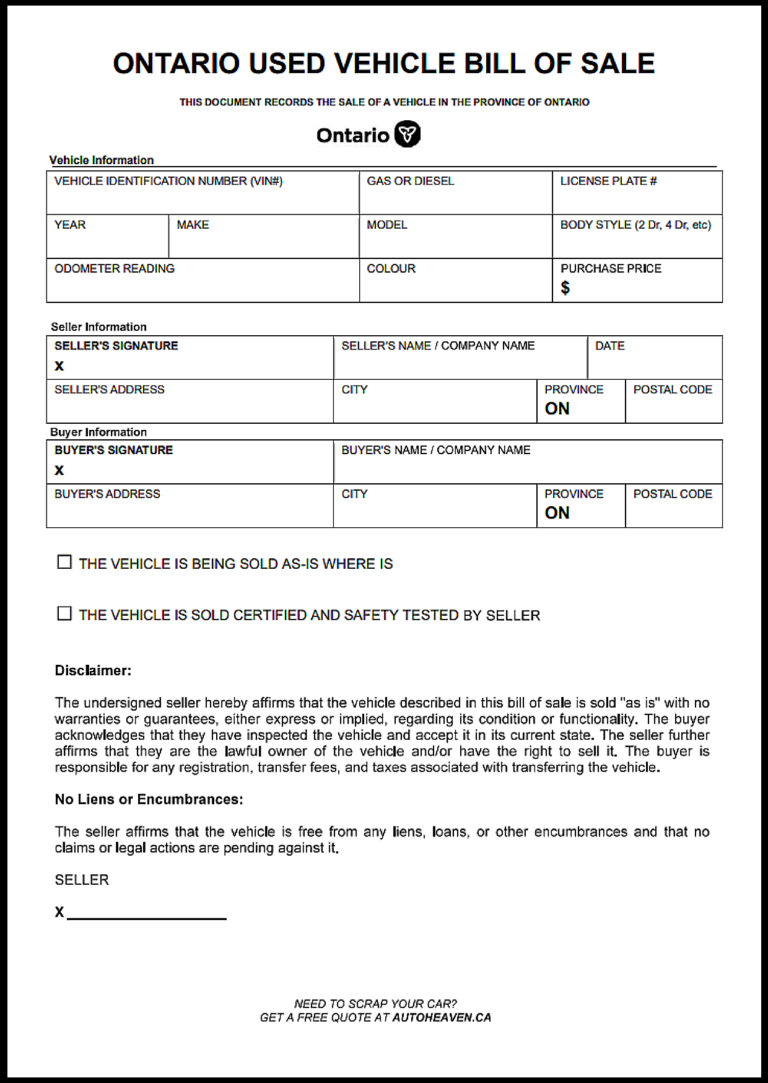
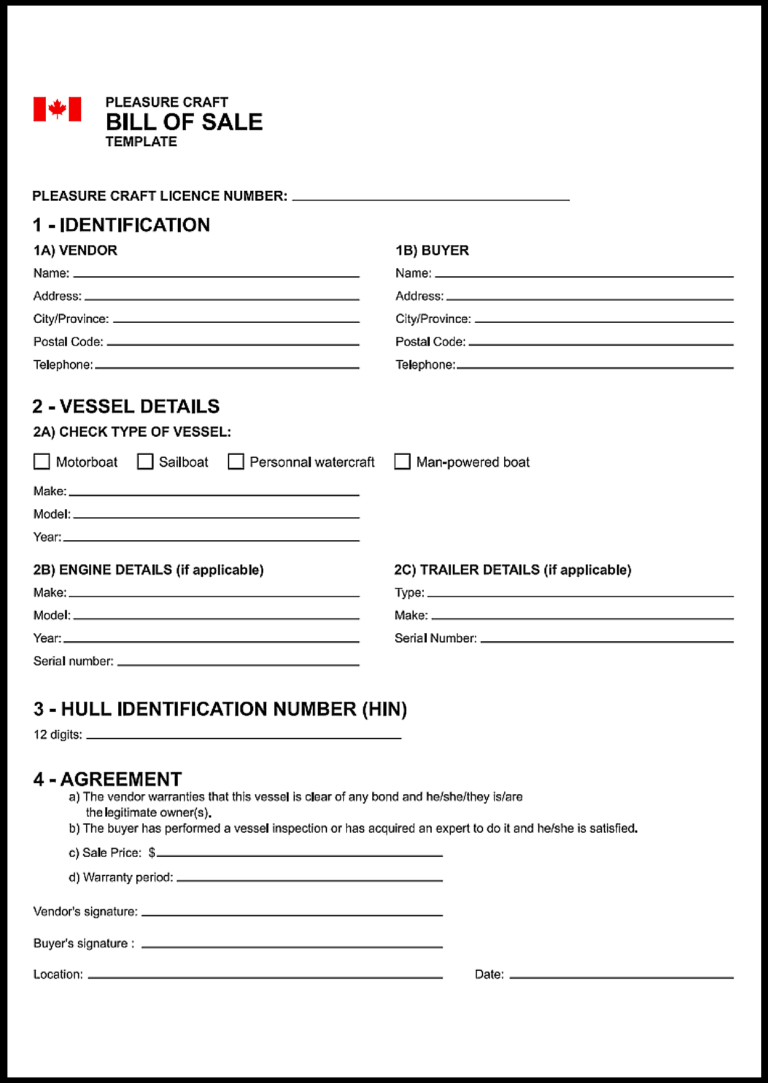
A bill of sale is proof that a transaction happened. It shows that the buyer paid for the item and the seller agreed to sell it.
Under British Columbia law, it is not proof of ownership.
In most private sale situations, it is used for:
- Cars and motorcycles
- Boats
- Furniture or equipment
Real-life example:
You buy a used car from a private seller. You both sign a bill of sale. This proves you paid—but you are not yet the legal owner.
A bill of sale protects both sides:
- Buyer → proof of payment
- Seller → proof the item was sold
What Does “Ownership” Mean in British Columbia?
Ownership means legal title recognized by the government.
For vehicles, ownership is linked to registration records managed by Insurance Corporation of British Columbia (ICBC).
There is a big difference between:
- Possession → You have the item
- Legal ownership → Your name is officially registered
Example:
You may have the car keys and bill of sale, but until registration is updated, you are not the legal owner.
Key Difference: Bill of Sale vs Ownership
| Feature | Bill of Sale | Ownership |
| Legal meaning | Proof of transaction | Legal title |
| Issued by | Buyer & seller |
Government/registration authority
|
| Purpose | Shows payment and agreement | Confirms legal rights |
| Enough alone? | No | Yes |
| Needed for registration | Yes | Required |
Why Both Are Needed Together
- Bill of sale = proof of purchase
- Ownership transfer = legal recognition
If you miss one, problems can happen:
- Buyer cannot register vehicle
- Seller may still be legally responsible
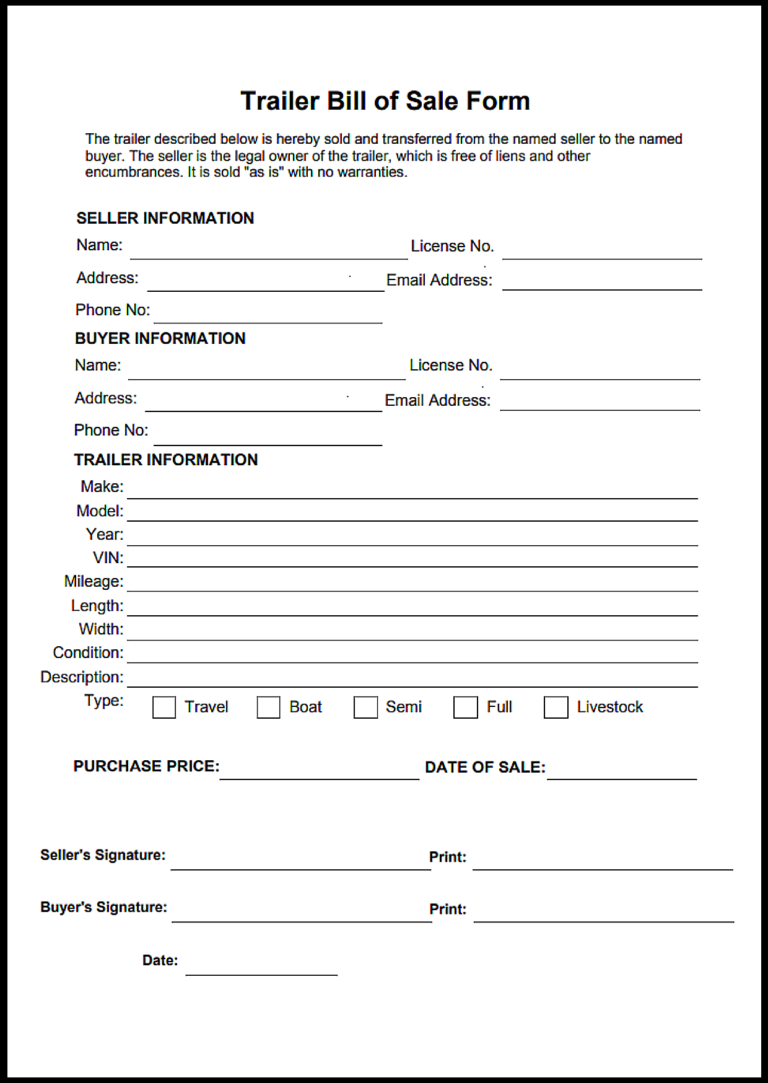
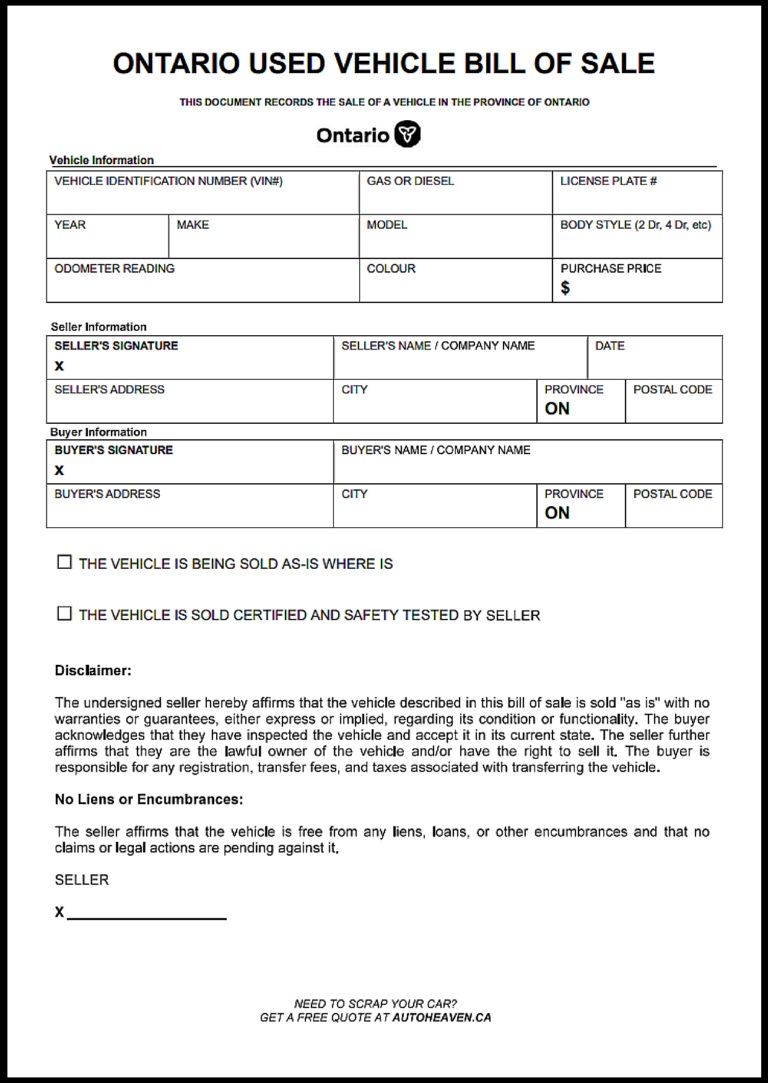
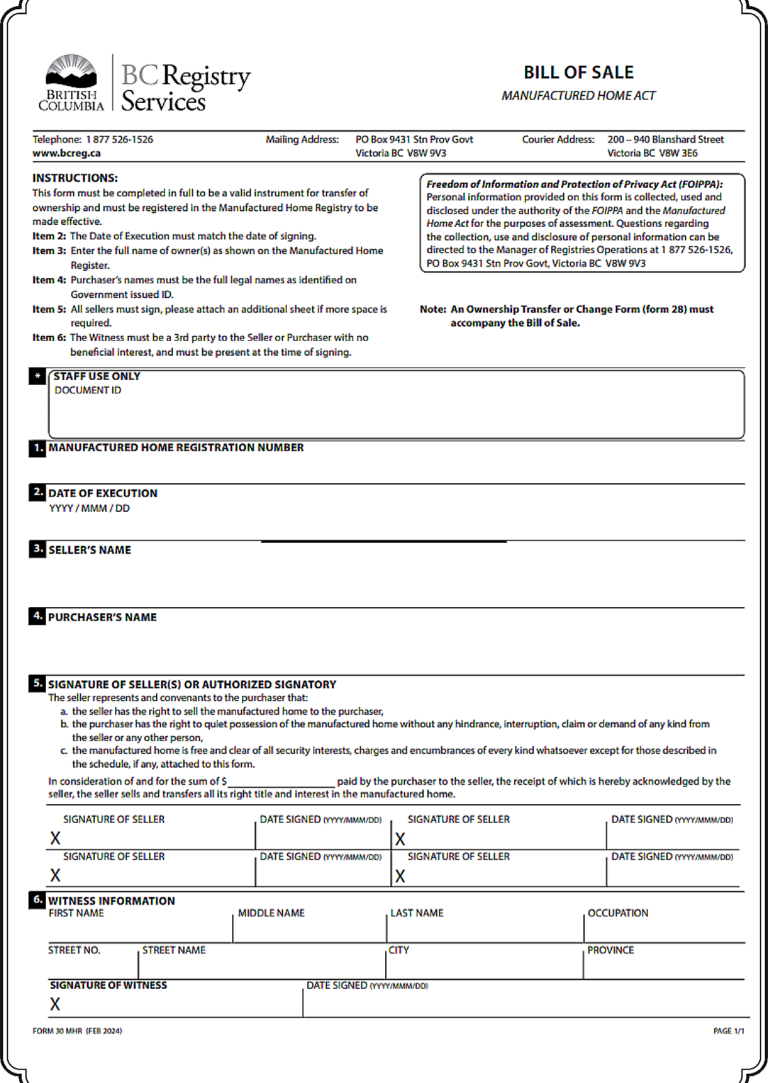
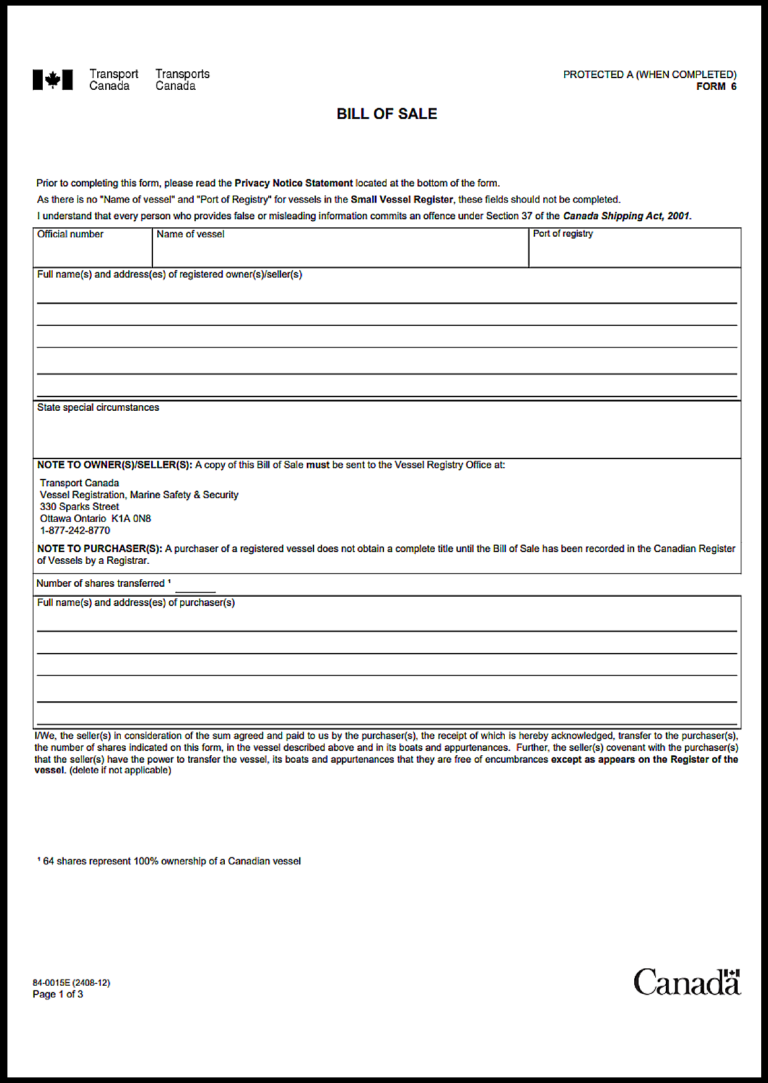
A bill of sale is commonly used to record purchase details, while ownership documents are often required during registration procedures. Vehicle buyers may also need a vehicle transfer form, while personal automobile sales frequently involve a car bill of sale agreement.
How Ownership Transfer Works in British Columbia (Step-by-Step)
In BC, ownership transfer is a formal process. It is not completed just by signing a paper.
Step 1: Buyer and seller sign the bill of sale
Step 2: Seller provides registration/ownership documents
Step 3: Buyer visits an insurance or registration office
Step 4: Buyer pays taxes (like PST on vehicles)
Step 5: Ownership is officially transferred
Until Step 5 is complete, the buyer is not the legal owner.
ICBC Rules You Must Know for Vehicle Sales
Why ICBC Matters
The Insurance Corporation of British Columbia controls:
- Vehicle registration
- Ownership records
- Insurance
Without updating ICBC records, ownership is not legally changed.
Required Documents
To transfer ownership, you usually need:
- Signed bill of sale
- Vehicle registration papers
- Government ID
Common Mistakes
Many people make simple errors that cause big problems:
- Wrong VIN number
- Missing signatures
- Delayed ownership transfer
- Not checking seller identity
These mistakes can delay registration or even lead to fraud issues.
Before drafting transfer paperwork, sellers may also find it helpful to review the step-by-step guide for writing a bill of sale in British Columbia to ensure all required transaction details are included.
Legal Risks If You Confuse Bill of Sale with Ownership
Buyer Risks
If you rely only on a bill of sale:
- You may not become the legal owner
- You may not be able to register the vehicle
- You risk buying stolen property
Seller Risks
If ownership is not transferred:
- You may still be legally responsible
- You can receive traffic tickets or fines
- You may be liable for accidents
Real-Life Scenario
A seller sells a car but does not complete ownership transfer. Weeks later, the car gets a speeding ticket. The notice is sent to the seller—not the buyer.
This happens more often than people expect.
When a Bill of Sale Is NOT Enough
A bill of sale alone is not enough in many cases:
- Vehicle ownership requires official registration
- High-value items may need additional proof
- In disputes, courts may require more evidence
Under the Sale of Goods Act (British Columbia), a bill of sale shows agreement—but ownership depends on proper transfer and intent.
Key Details to Include in a Valid BC Bill of Sale
Accurate Identification
- Full names and addresses
- ID verification (recommended)
Complete Item Details
- VIN or serial number
- Make, model, year
- Condition of item
Payment Clarity
- Exact price
- Payment method
Signatures
- Buyer and seller signatures are essential
- Witness is optional but helpful
Buyer vs Seller Responsibilities in BC
| Responsibility | Seller | Buyer |
| Provide correct documents | Yes | No |
| Verify ownership | No | Yes |
| Disclose known issues | Yes | No |
| Pay taxes | No | Yes |
| Complete ownership transfer | Shared | Shared |
Seller Responsibilities
Sellers are expected to:
- Provide accurate ownership documents
- Disclose known problems (especially vehicles)
- Sign documents properly
Sellers are not allowed to misrepresent the condition of the item.
Buyer Responsibilities
Buyers should:
- Verify ownership before paying
- Check VIN and documents carefully
- Complete transfer quickly
- Pay required taxes
Common Disputes in British Columbia Sales
Disputes often happen due to simple mistakes:
- Fake or incomplete documents
- Ownership not transferred
- Hidden damage
- Payment disagreements
Having a clear bill of sale and completing registration reduces most risks.
Frequently Asked Questions
Is a bill of sale proof of ownership in BC?
No. It only proves the sale happened. Ownership is confirmed through official registration.
Can I register a vehicle with just a bill of sale?
No. You also need ownership documents and proper registration through ICBC.
Do I need a bill of sale for private sales?
It is not always legally required, but it is strongly recommended for protection.
What happens if ownership is not transferred?
The seller may remain legally responsible for the item, including fines or liability.
Final Takeaway
In British Columbia, a bill of sale and ownership are not the same thing.
- Bill of sale = proof of transaction
- Ownership = legal right recognized by the government
To stay safe:
- Always use a proper bill of sale
- Always complete ownership transfer
- Double-check documents before payment
Skipping these steps can lead to serious legal and financial problems.