Bill of Sale vs Ownership British Columbia Free Guide
Bill of Sale vs Ownership British Columbia is one of the most confusing topics for buyers and sellers in private sales. Many people think a bill of sale automatically means they “own” the item—but that is not true under British Columbia law.
If you are buying or selling a used car, boat, or equipment in BC, understanding this difference is critical. It can affect your legal rights, taxes, and even liability.
I have seen buyers in British Columbia walk away thinking a signed bill of sale fully protected them, only to discover later that the ownership transfer was never properly completed through ICBC. In disputes over unpaid tickets, accidents, or liens, that misunderstanding can become expensive very quickly.
Last Updated: August 2026
In this article, you will learn:
- The real legal difference between a bill of sale and ownership
- How ownership transfer works in BC
- Common mistakes that can cost you money

Table of Contents
ToggleBritish Columbia Bill of Sale and Ownership Laws Explained
| Topic / Issue | British Columbia Legal Rule | Governing Statute |
|---|---|---|
| Primary Law for Bills of Sale | Bills of Sale and sales of goods in BC can be governed by provincial law, including the Sale of Goods Act and general contract law. | Sale of Goods Act [RSBC 1996] c. 410 |
| Vehicle Ownership Transfers | Motor vehicle ownership transfers are regulated separately under BC vehicle laws and the ICBC registration process. | Motor Vehicle Act [RSBC 1996] c. 318 |
| Federal Marine Vessel Registration | Federal registration applies to vessels that meet the applicable federal registration requirements. | Canada Shipping Act, 2001 |
| 2022–2023 Vehicle Transfer Updates | BC introduced changes affecting the calculation and collection of PST on certain private vehicle transactions beginning October 1, 2022. | Provincial Sales Tax Act and related rules |
| Who Can Sign | The parties to a Bill of Sale should sign it. For a vehicle transfer, the transferor and transferee must sign the prescribed transfer documentation. | Sale of Goods Act; Motor Vehicle Act, s. 17 |
| Witness Requirement | No witness is generally required for an ordinary Bill of Sale in BC. | Applicable contract law |
| Notarization Requirement | An ordinary Bill of Sale is generally not required to be notarized. Specific government procedures may have separate requirements. | Applicable law |
| Legal Age to Sign | A person generally reaches the age of majority at 19 in British Columbia. Contractual capacity is a separate legal issue. | Age of Majority Act, s. 1 |
| Mental Capacity | The parties should have the legal capacity required to enter into the transaction. | Applicable contract and capacity law |
| Vehicle Registration Deadline | The transferee must deliver the prescribed notice of transfer to ICBC within 10 days from the day of the transfer. | Motor Vehicle Act, s. 17 |
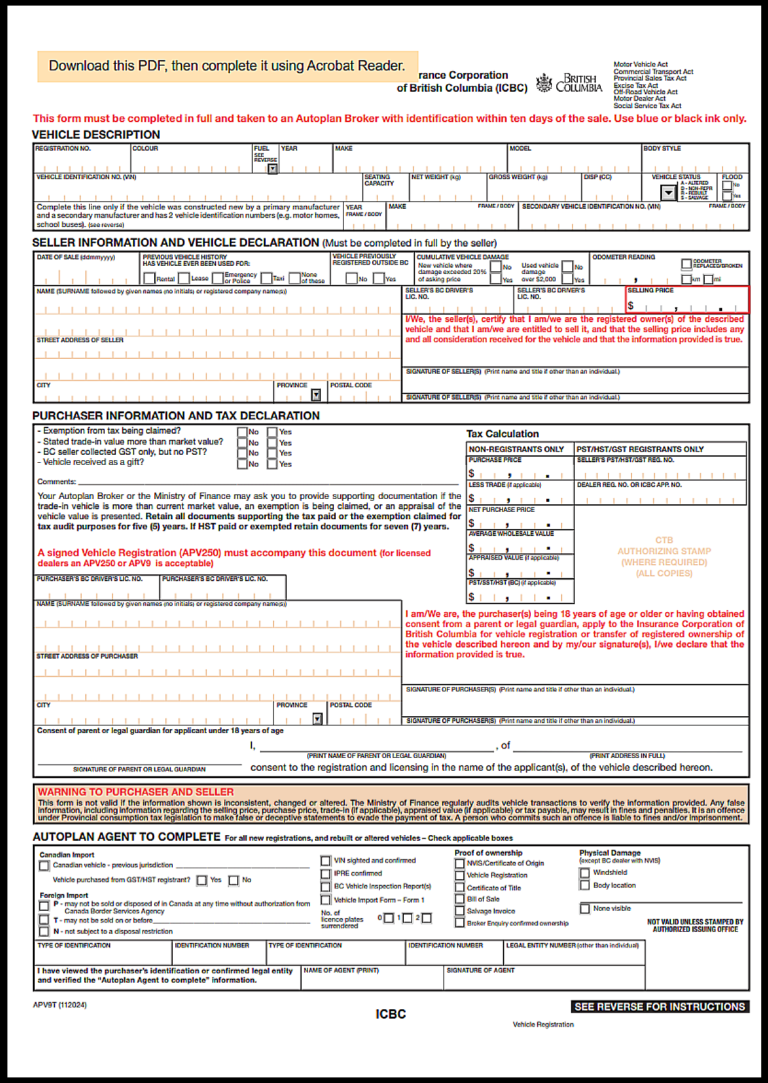
| Required Vehicle Transfer Form | Vehicle transfers use the prescribed ICBC APV9T Transfer/Tax Form as part of the registration process. | Motor Vehicle Act / ICBC requirements |
| Required Information in the Bill of Sale | A Bill of Sale should identify the parties, property, price, date, and other important transaction terms. Vehicle transactions should also accurately record the VIN and other vehicle details. | Applicable contract law / ICBC requirements |
| Government Filing Requirement | General Bills of Sale are private transaction records and do not generally require government filing merely to record the agreement. | Applicable contract law |
| Vehicle Ownership Filing | Vehicle transfers are completed through ICBC using the prescribed transfer and registration documentation. | Motor Vehicle Act |
| Manufactured Home Registration | Manufactured homes are subject to their own registration requirements and should not be treated as ordinary personal-property vehicle transfers. | BC Manufactured Home Registry requirements |
| Liens and Secured Interests | Where a transaction involves a security interest, the applicable Personal Property Security Act registration rules may apply. | Personal Property Security Act |
| Real Estate Transfers | Bills of Sale are not the normal instrument for transferring land in BC. Land transfers use the applicable Land Title and Survey Authority process. | Land Title Act / LTSA requirements |
| Undue Influence or Duress | A transaction affected by duress or other vitiating circumstances may be subject to legal challenge. | Contract law |
| Missing APV250 Registration Document | A Bill of Sale does not replace the vehicle registration and transfer documents required by ICBC. | Motor Vehicle Act / ICBC |
| Illegal or Stolen Goods | Section 16 of the Sale of Goods Act contains implied terms concerning the seller’s right to sell and undisclosed third-party charges or encumbrances. | Sale of Goods Act, s. 16 |
| ICBC Centralized System | BC vehicle transfers are processed through ICBC and its Autoplan broker network. | Motor Vehicle Act / ICBC |
| BC Age of Majority Difference | BC’s general age of majority is 19. | Age of Majority Act, s. 1 |
| PST on Fair Market Value | BC’s private-vehicle PST rules use the designated purchase price and applicable average wholesale value rules rather than a general “fair market value” test. | Provincial Sales Tax Act, s. 10.01 |
One of the biggest misunderstandings in British Columbia is believing that a signed Bill of Sale automatically completes a vehicle ownership transfer. A Bill of Sale records the transaction, but the buyer must still complete the prescribed ICBC transfer and registration process.
The registration documents are important because ICBC uses its prescribed transfer documentation to update the vehicle’s registration record. A Bill of Sale can support the transaction record, but it does not replace those documents.
Another major BC-specific rule involves PST calculations. For many private vehicle purchases, the average wholesale value can be used when it exceeds the designated purchase price, subject to the statutory rules and exceptions. The amount written on the Bill of Sale is therefore not necessarily the only amount relevant to PST. (bclaws.gov.bc.ca)
Completing the transfer promptly is also important. Under section 17 of the Motor Vehicle Act, the transferee must deliver the prescribed transfer notice to ICBC within 10 days from the day of the transfer. (bclaws.gov.bc.ca)
Many people confuse ownership documents with a bill of sale during private transactions in British Columbia. To better understand how these records are used, with the guide explaining when a bill of sale is required in British Columbia.
What Is a Bill of Sale vs Ownership in British Columbia?
What Is a Bill of Sale in British Columbia?
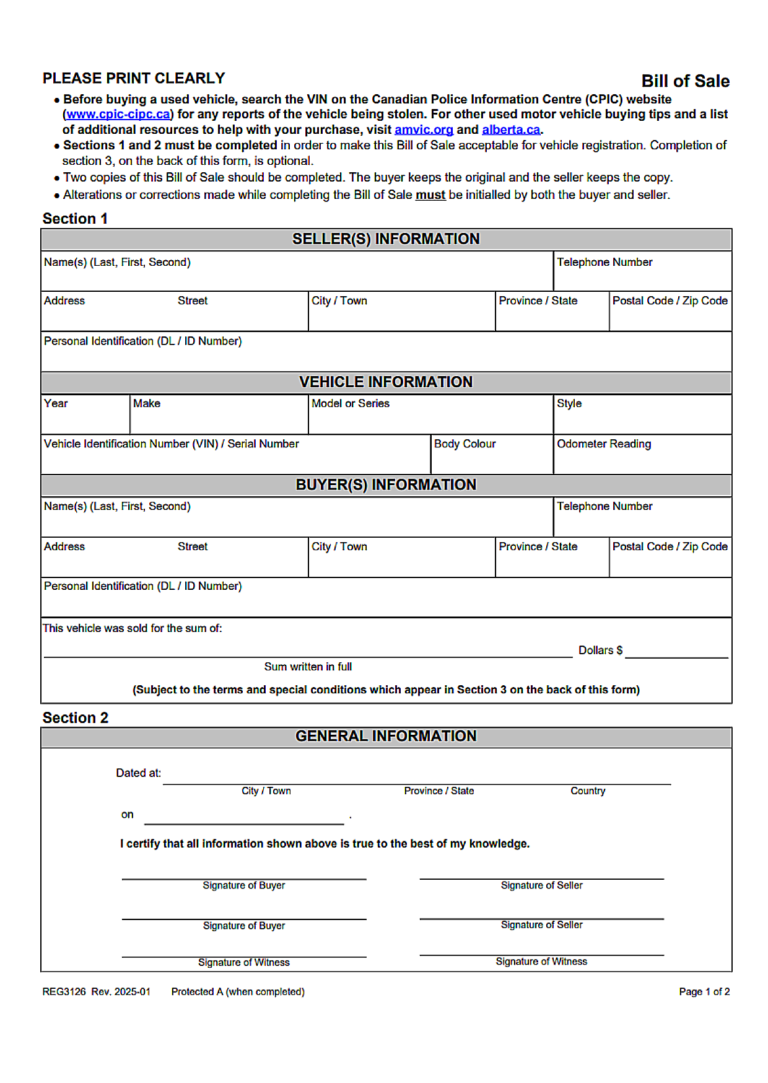
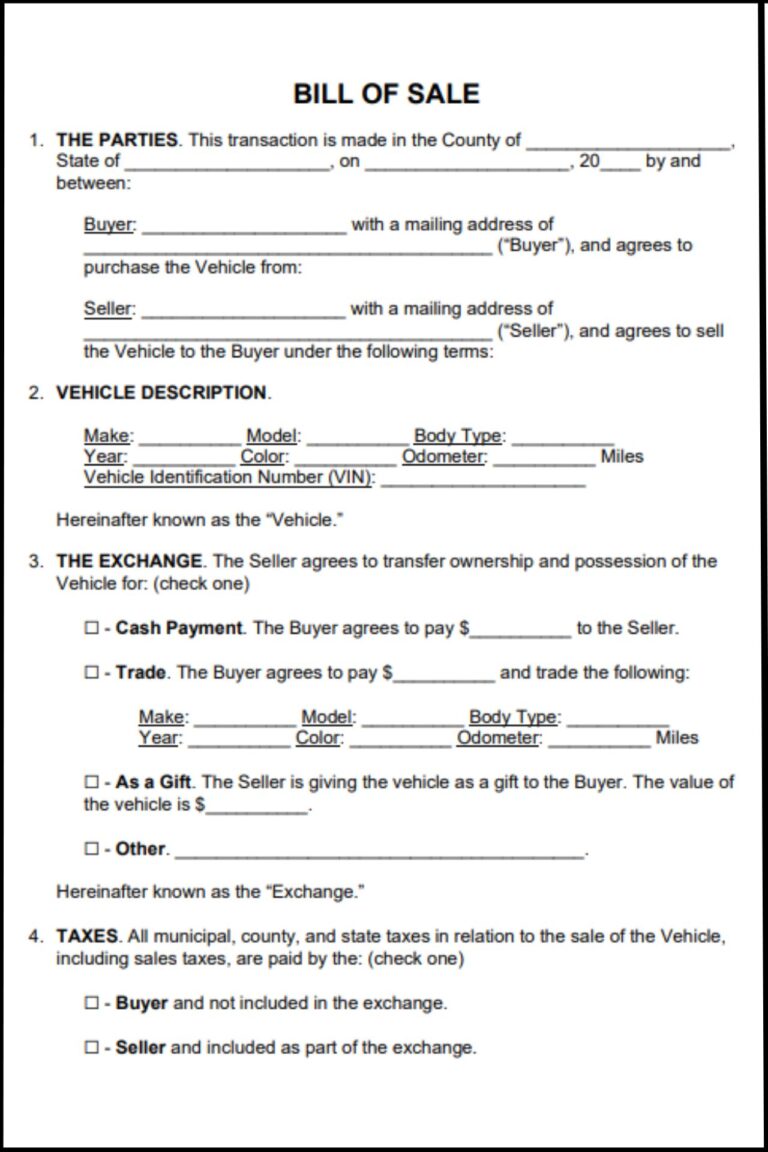
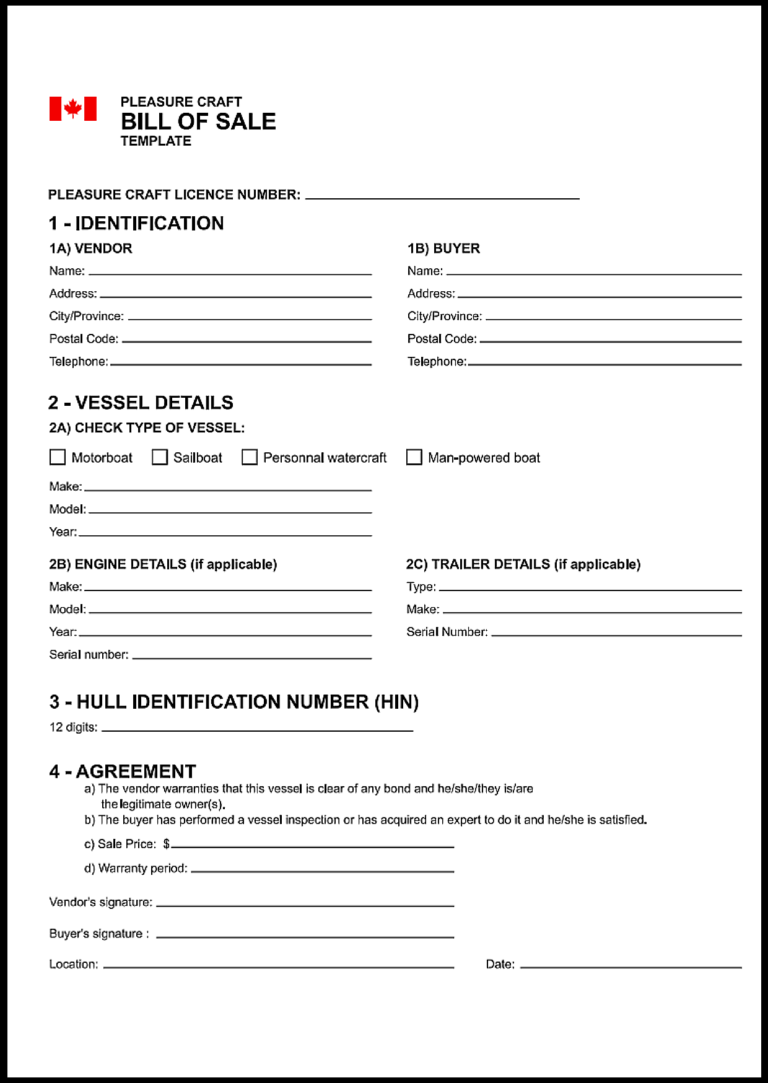
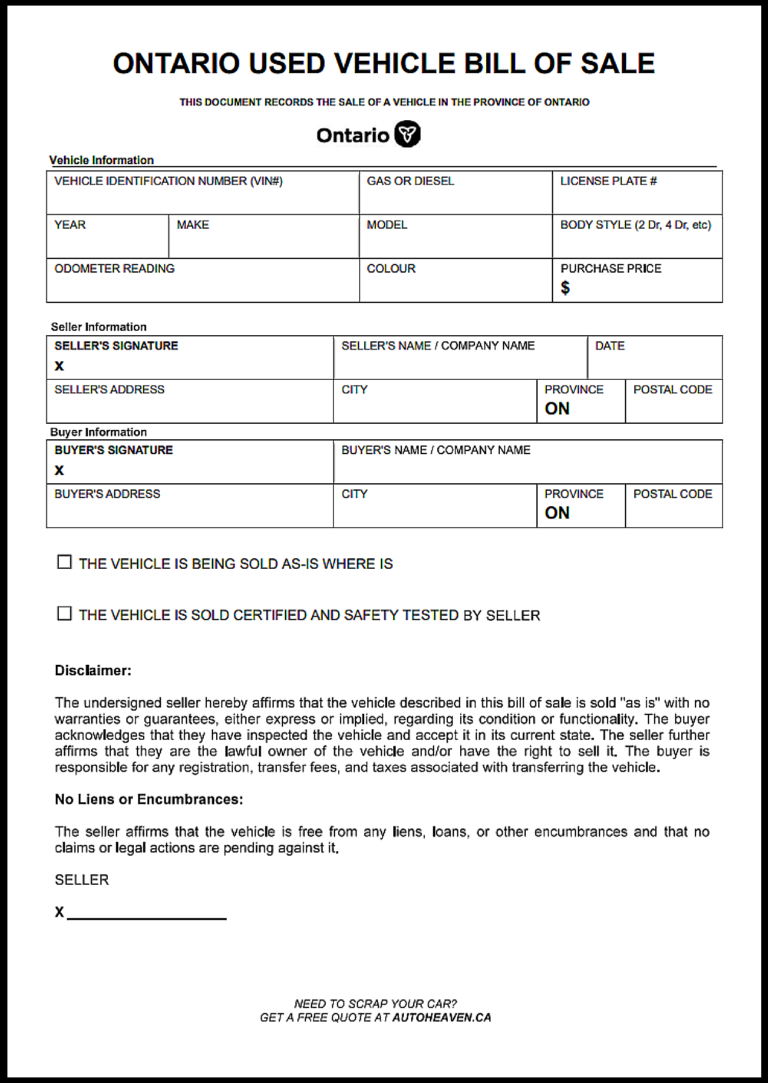
A Bill of Sale is a written record of a transaction between a buyer and a seller. It can show:
- What was sold
- Who was involved
- How much was paid
- When the sale happened
It is useful evidence of the transaction, but it is not automatically the same thing as an official registration record.
In most private sale situations, it is used for:
- Cars and motorcycles
- Boats
- Furniture or equipment
Real-life example:
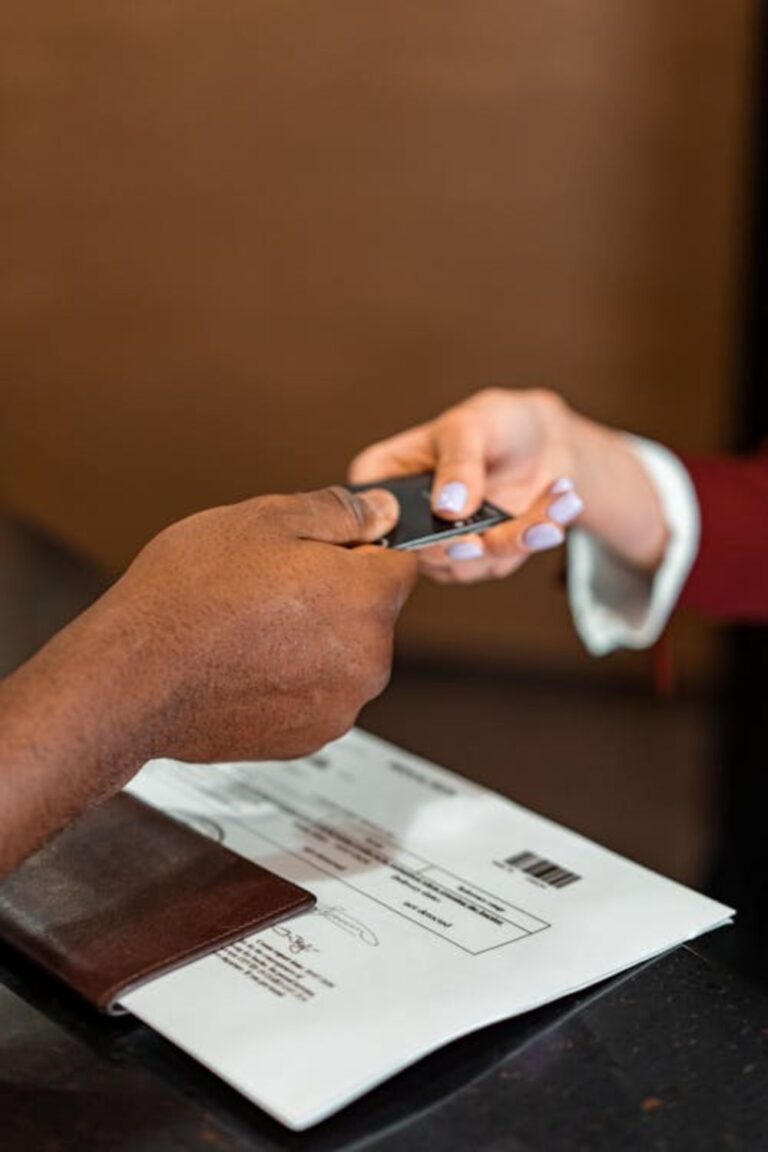
You buy a used car from a private seller. You both sign a Bill of Sale. The document records the transaction, but the buyer must still complete the required ICBC transfer and registration process.
A Bill of Sale can help both sides:
- Buyer → evidence of payment and purchase terms
- Seller → evidence that the item was sold
What Does “Ownership” Mean in British Columbia?
Ownership can refer to the legal rights a person has in property. Registration is a separate legal and administrative concept that creates an official registration record for assets such as vehicles.
For vehicles, registration records are managed by Insurance Corporation of British Columbia (ICBC).
There is a big difference between:
- Possession → You have the item
- Registered vehicle record → The vehicle is registered in a person’s name
Example:
You may have the car keys and a Bill of Sale, but the vehicle transfer must still be completed through the ICBC registration process.
Key Difference: Bill of Sale vs Ownership
| Feature | Bill of Sale | Ownership |
| Legal meaning | Written evidence of the transaction |
Legal rights in the property and, for registered vehicles, the official registration record
|
| Issued by | Buyer & seller |
Relevant registration authority where registration is required
|
| Purpose | Shows payment and agreement |
Records or establishes applicable legal and registration rights
|
| Enough alone? | Not for a registered-vehicle transfer |
Depends on the type of property and applicable law
|
| Needed for registration | May be supporting evidence |
Required registration process applies where registration is required
|
Why Both Are Needed Together
- Bill of Sale = written evidence of the purchase
- Ownership/registration process = legal and administrative transfer where required
If you miss one, problems can happen:
- Buyer may have difficulty completing a vehicle registration transfer
- Seller may have difficulty establishing when and on what terms the item was sold
A Bill of Sale is commonly used to record purchase details, while ownership documents are often required during registration procedures. Vehicle buyers may also need a vehicle transfer form, while personal automobile sales frequently involve a car bill of sale agreement.
How Ownership Transfer Works in British Columbia (Step-by-Step)
In BC, vehicle ownership transfer is a formal process. It is not completed just by signing a private Bill of Sale.
Step 1: Buyer and seller complete the Bill of Sale
Step 2: Seller provides the required vehicle registration/ownership documents
Step 3: Buyer goes to an Autoplan broker or other applicable ICBC service location
Step 4: Buyer pays applicable taxes, fees, and insurance costs
Step 5: The ICBC transfer and registration process is completed
For a vehicle, the transferee must deliver the prescribed transfer notice to ICBC within 10 days from the day of the transfer. (bclaws.gov.bc.ca)
ICBC Rules You Must Know for Vehicle Sales
Why ICBC Matters
The Insurance Corporation of British Columbia administers:
- Vehicle registration
- Vehicle registration records
- Autoplan insurance services
Completing the ICBC transfer process is therefore important when a registered vehicle changes hands.
Required Documents
To transfer a vehicle, you usually need:
- Required ICBC transfer documentation, including the APV9T
- Seller’s vehicle registration documentation
- Government ID
- Other documents required by ICBC for the particular transaction
A separate Bill of Sale can be useful supporting evidence but does not replace the prescribed ICBC transfer documents.
Common Mistakes
Many people make simple errors that cause big problems:
- Wrong VIN number
- Missing required signatures
- Delayed ownership transfer
- Not checking seller identity
These mistakes can delay registration or create disputes about the transaction.
Before drafting transfer paperwork, sellers may also find it helpful to review the step-by-step guide for writing a bill of sale in British Columbia to ensure all required transaction details are included.
Legal Risks If You Confuse Bill of Sale with Ownership
Buyer Risks
If you rely only on a Bill of Sale:
- You may still need to complete a separate vehicle registration process
- You may not be able to register the vehicle until the required documents are provided
- You risk problems if the seller did not have the right or authority to sell the property
Seller Risks
If the required vehicle transfer is not completed:
- Registration records may not yet reflect the transaction
- You may have difficulty establishing when responsibility for the vehicle changed
- Fines, notices, or other issues may be directed according to the applicable registration records
Real-Life Scenario
A seller sells a car but the required vehicle transfer is not completed. Weeks later, a notice related to the vehicle is sent to the person still shown in the applicable registration records.
The parties may then need other evidence to establish what happened and when.
When a Bill of Sale Is NOT Enough
A Bill of Sale alone is not enough in many cases:
- Vehicle ownership requires the applicable ICBC registration and transfer process
- High-value items may need additional ownership or payment evidence
- In disputes, courts may require more evidence than one document
Under the Sale of Goods Act (British Columbia), a Bill of Sale can show the parties’ agreement, while the passing of property in goods is governed by the parties’ intention and the statutory rules that apply.
Key Details to Include in a Valid BC Bill of Sale
Accurate Identification
- Full names and addresses
- ID verification (recommended)
Complete Item Details
- VIN or serial number
- Make, model, year
- Condition of item
Payment Clarity
- Exact price
- Payment method
Signatures
- Buyer and seller signatures are recommended for a clear written record
- Witness is optional unless a particular procedure requires one
Buyer vs Seller Responsibilities in BC
| Responsibility | Seller | Buyer |
| Provide correct documents | Yes | No |
| Verify ownership | No | Yes |
| Disclose known issues | Yes | No |
| Pay taxes | No | Yes |
| Complete ownership transfer | Shared | Shared |
Seller Responsibilities
Sellers are expected to:
- Provide accurate ownership documents
- Disclose known problems where the law requires disclosure or where statements are made about the item
- Sign documents properly
Sellers should not knowingly make false or misleading statements about the property.
Buyer Responsibilities
Buyers should:
- Verify ownership before paying
- Check VIN and documents carefully
- Complete the required transfer process promptly
- Pay required taxes
Common Disputes in British Columbia Sales
Disputes often happen due to simple mistakes:
- Fake or incomplete documents
- Ownership or registration not transferred
- Hidden or disputed damage
- Payment disagreements
Having a clear Bill of Sale and completing any required registration process can make the transaction easier to document.
Frequently Asked Questions
Is a bill of sale proof of ownership in BC?
A Bill of Sale is evidence of a transaction and may help establish ownership rights, but it is not automatically the same as a government registration record. For a vehicle, the buyer must complete the applicable ICBC transfer and registration process.
Can I register a vehicle with just a bill of sale?
No. A Bill of Sale does not replace the required vehicle registration and transfer documents. The buyer must complete the applicable ICBC process and provide the required documentation.
Do I need a bill of sale for private sales?
A separate Bill of Sale is not always legally required for every private sale in British Columbia. However, it is strongly recommended because it creates a clear written record of the transaction.
What happens if ownership is not transferred?
The consequences depend on the type of property and the circumstances. For a vehicle, failing to complete the ICBC transfer can leave the registration record unchanged and may create problems when responsibility for the vehicle needs to be established.
Final Takeaway
In British Columbia, a Bill of Sale and ownership are not necessarily the same thing.
- Bill of Sale = written evidence of the transaction
- Ownership/registration = legal rights and, where applicable, the official registration process
To stay safe:
- Always use a proper Bill of Sale for important private transactions
- Complete the required ownership or registration transfer
- Double-check documents before payment
Keeping both the written transaction record and the required registration documents helps reduce uncertainty and makes the transaction easier to document.