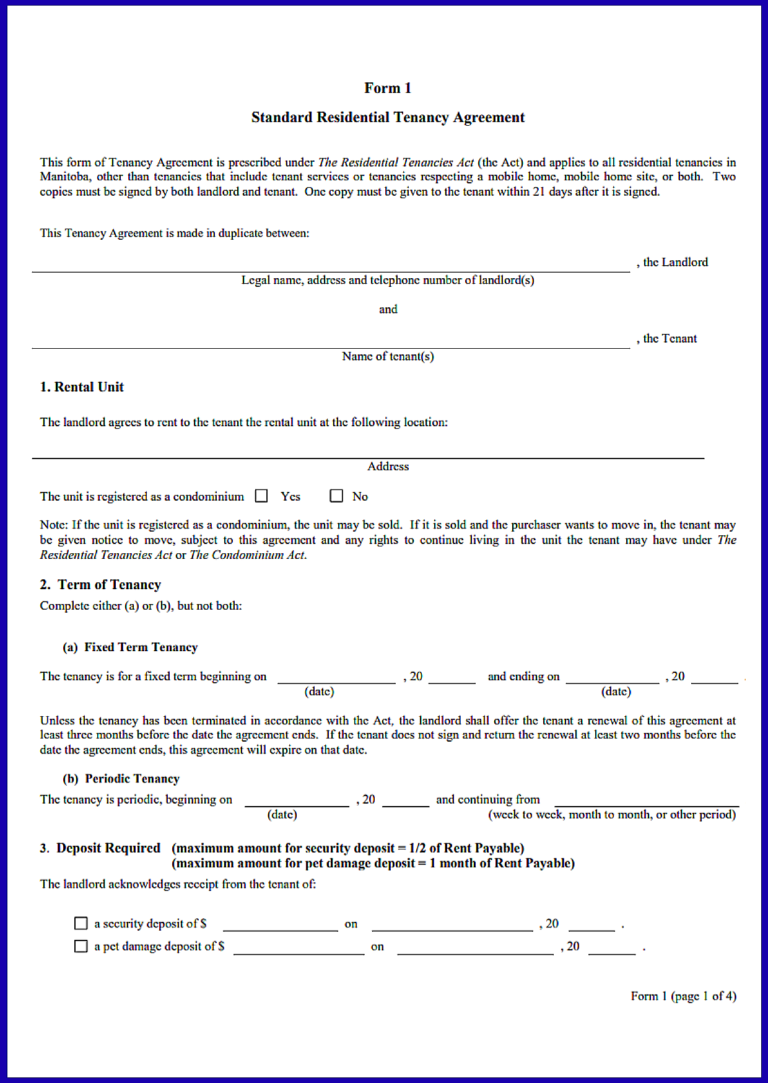
Free British Columbia Basement Rental Agreement Template
Free British Columbia Basement Rental Agreement Template
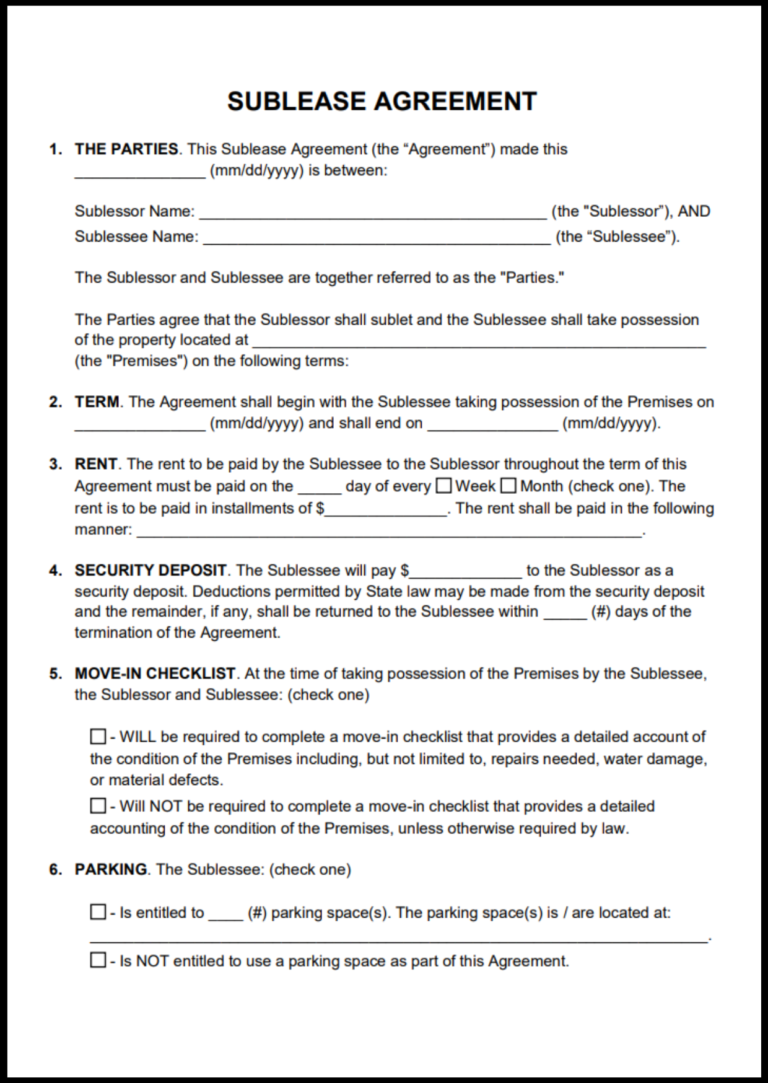
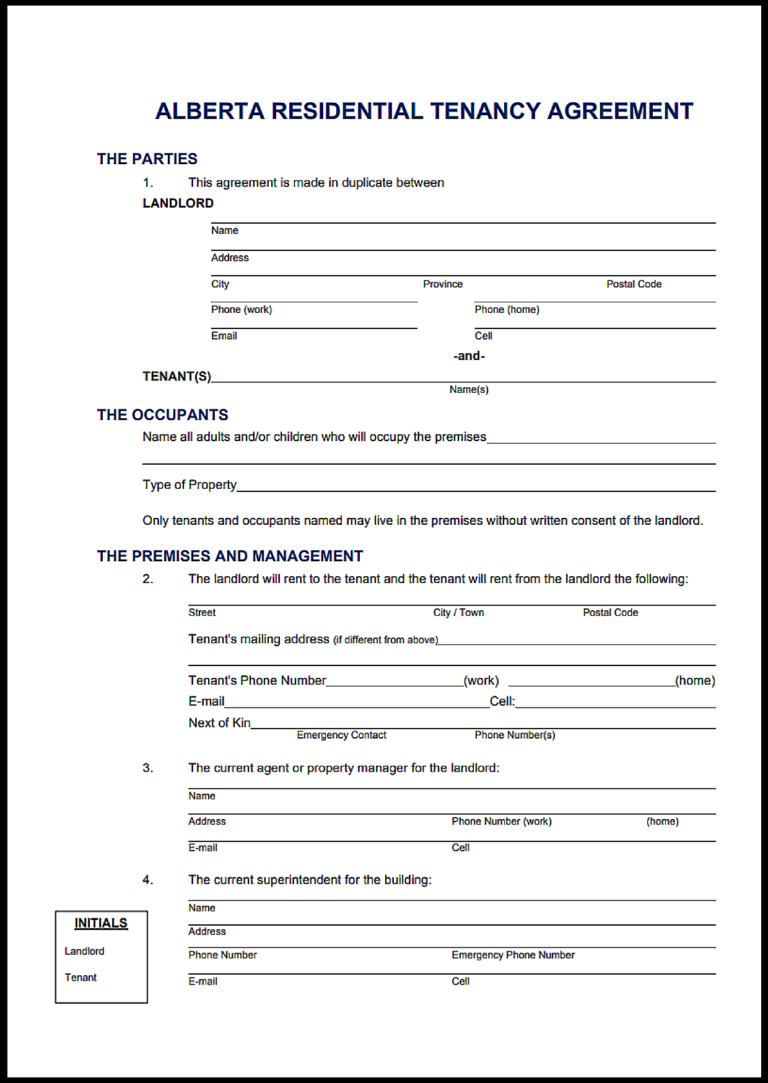
Below is a clean and ready-to-use template. You can copy it and fill in your details.
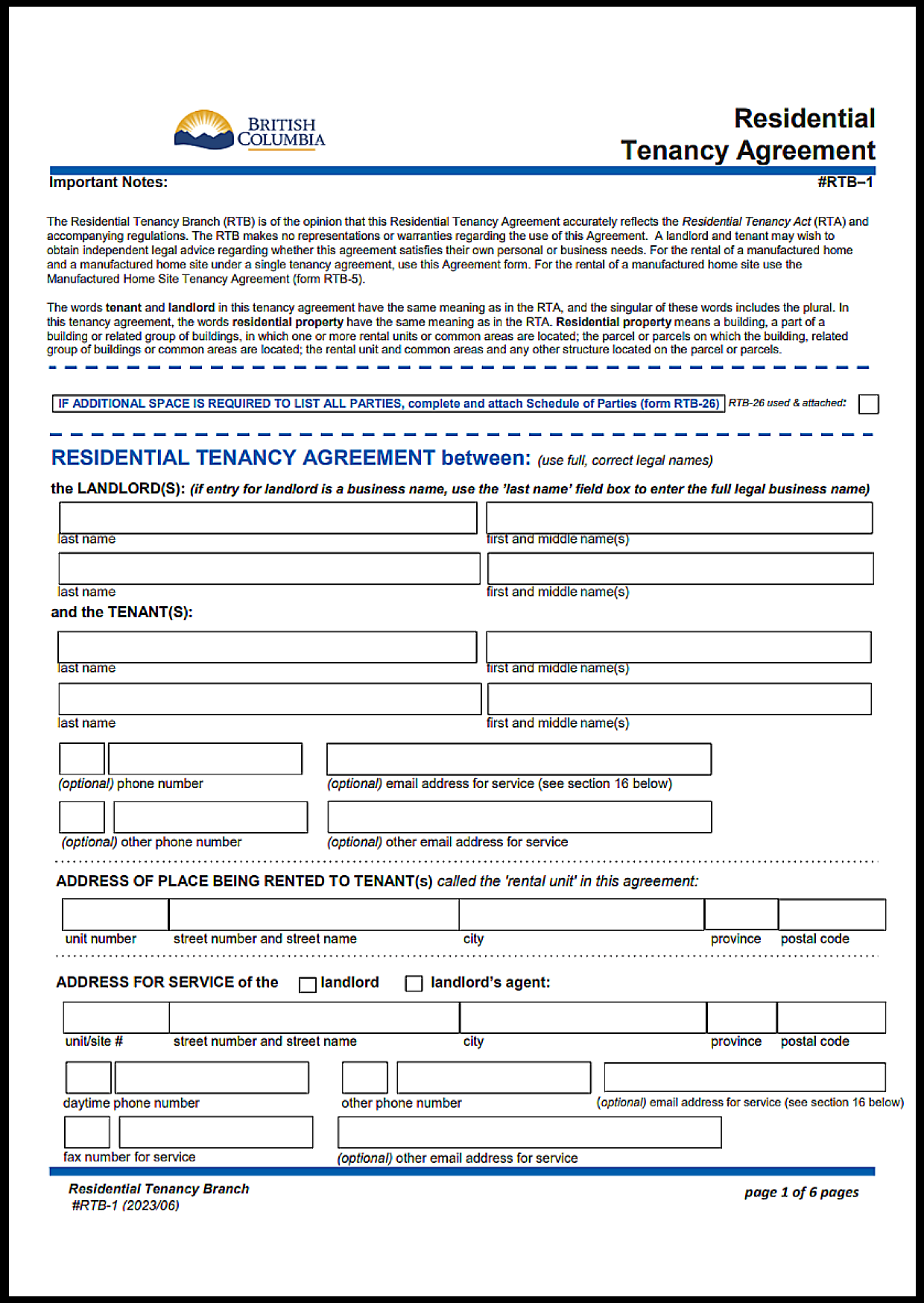
British Columbia Basement Rental Laws and Tenant Protection Rules
| Topic / Issue | British Columbia Legal Rule | Governing Statute |
|---|---|---|
| Governing legislation | A basement rental is generally governed by the Residential Tenancy Act when it is a residential tenancy covered by the Act, subject to statutory exclusions. | Residential Tenancy Act [SBC 2002] c. 78 |
| Federal law | Residential tenancy regulation is primarily a provincial matter in British Columbia, although federal laws can apply to particular issues. | Constitution Act, 1867 |
| 2026 amendments | The Residential Tenancy Amendment Act, 2026 introduced targeted amendments, including provisions concerning supportive housing and certain health and safety situations. It does not create a general basement-rental health and safety regime. | Residential Tenancy Amendment Act, 2026 |
| Who can sign | A tenancy agreement must identify the landlord and tenant correctly and be entered into by the parties or their authorized representatives. | Residential Tenancy Act, ss. 1 & 13 |
| Witness requirement | The Residential Tenancy Act does not prescribe a witness-signature requirement for an ordinary written tenancy agreement. | Residential Tenancy Act |
| Notarization | The Residential Tenancy Act does not require an ordinary residential tenancy agreement to be notarized. | Residential Tenancy Act |
| Age requirement | A person who has not reached 19 years of age may enter into a tenancy agreement, and the agreement and the Residential Tenancy Act and regulations are enforceable by and against that person. | Residential Tenancy Act, s. 3 |
| Mental capacity | The parties should have the legal capacity required to enter into the tenancy agreement. | General contract law |
| Copy deadline | Within 21 days after entering into a tenancy agreement, the landlord must give the tenant a copy of the agreement. | Residential Tenancy Act, s. 13(3) |
| Standard terms requirement | BC tenancy agreements are subject to the standard terms prescribed by the Residential Tenancy Regulation, and the landlord must ensure the tenancy agreement contains those standard terms. | Residential Tenancy Act, s. 13; Residential Tenancy Regulation Schedule 1 |
| Required landlord information | The tenancy agreement must include the correct legal names of the landlord and tenant and the landlord’s address for service and telephone number. | Residential Tenancy Act, s. 13(2)(e) |
| Rent details | The tenancy agreement must state the rent payable, the date rent is due, and which services and facilities are included in the rent. | Residential Tenancy Act, s. 13(2)(f) |
| Security deposit limit | A landlord must not require a security deposit greater than one-half of one month’s rent. | Residential Tenancy Act, s. 19(1) |
| Filing requirement | The Residential Tenancy Act does not require an ordinary residential tenancy agreement to be filed or registered with a government office merely because the tenancy is created. | Residential tenancy framework |
| RTB dispute filing | A tenancy agreement can be submitted as evidence in a Residential Tenancy Branch dispute when it is relevant to the issues being decided. | Residential Tenancy Branch procedures |
| Shared kitchen or bathroom rule | The Residential Tenancy Act does not apply to living accommodation in which the tenant shares bathroom or kitchen facilities with the owner of the accommodation. | Residential Tenancy Act, s. 4(c) |
| Unconscionable terms | A term of a tenancy agreement may be unenforceable if it is unconscionable, meaning oppressive or grossly unfair under the Residential Tenancy Regulation. | Residential Tenancy Act, s. 6(3); Regulation, s. 3 |
| Illegal vacate clauses | A fixed-term tenancy agreement may require the tenant to vacate at the end of the term only in circumstances permitted by the Residential Tenancy Act and regulations. | Residential Tenancy Act, s. 13.1 & s. 44 |
| Standard terms protection | BC tenancy agreements are subject to prescribed standard terms, and a landlord cannot avoid statutory tenancy requirements simply by using an informal or customized template. | Residential Tenancy Regulation Schedule 1 |
| Pet rules difference | A landlord may restrict pets as permitted by the Residential Tenancy Act and may require a pet damage deposit where the Act permits it. | Residential Tenancy Act, s. 18 |
The shared-kitchen or bathroom exception is important in basement arrangements. The Residential Tenancy Act does not apply to living accommodation where the tenant shares bathroom or kitchen facilities with the owner. That means the parties should first determine whether the arrangement falls within the Act before relying on its tenancy protections.
BC limits a security deposit to one-half of one month’s rent. Landlords should calculate the deposit from the lawful rent amount rather than adding an extra amount for convenience or other costs.
The tenancy agreement must contain the standard terms prescribed by the Residential Tenancy Regulation. Using an informal or customized agreement does not allow the parties to contract out of the Residential Tenancy Act.
Issues such as invalid tenancy terms, unclear shared-space rules, or incomplete payment arrangements can lead to disputes. The free British Columbia Basement Rental Agreement template can help organize the tenancy terms, but the completed agreement should be checked against the current Residential Tenancy Act and applicable regulations.
Homeowners renting out basement suites often use this document to clearly outline rent amounts, access rules, utilities, and occupancy conditions before the tenant moves in. Property owners new to residential leasing may also benefit from reviewing the British Columbia rental agreement guide for additional context on standard tenancy practices.
What Is a Basement Rental Agreement in BC?
A basement rental agreement records the terms under which a homeowner rents out a basement or other part of the property for residential use. The arrangement may also involve shared areas such as laundry, parking, entrances, or utility services.
For example, a homeowner in BC rents their basement to a student. The student has a private room and bathroom but shares the laundry upstairs. In such situations, having clear written terms becomes very important to avoid confusion.
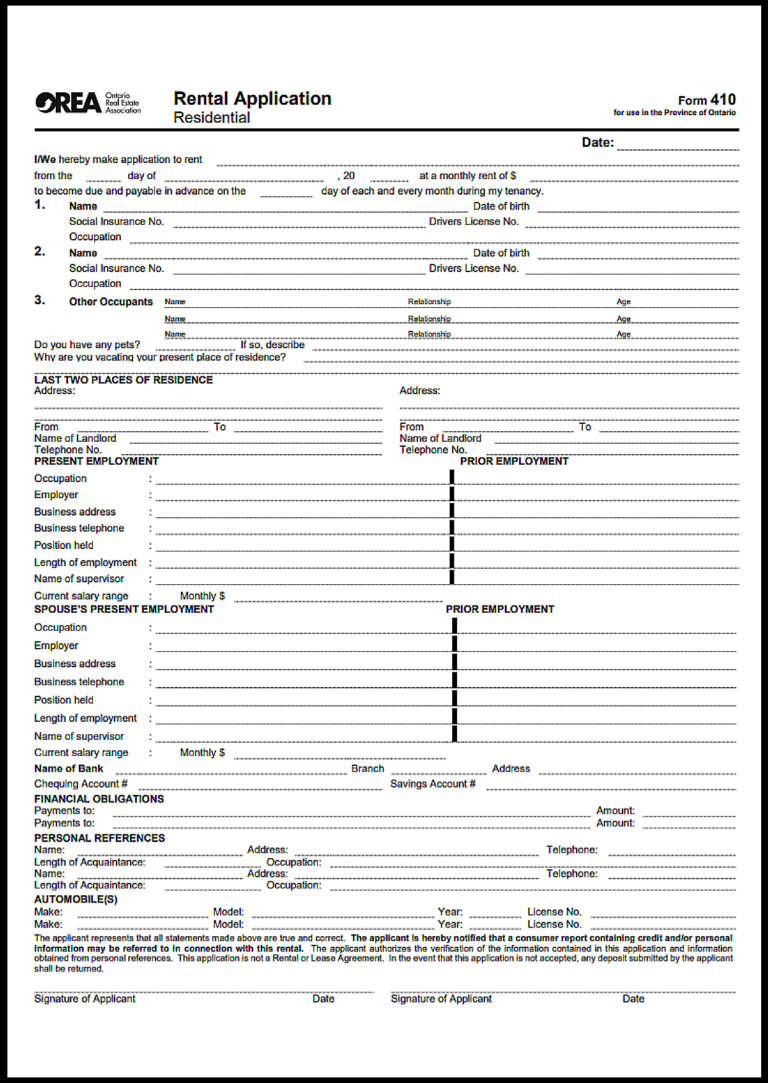
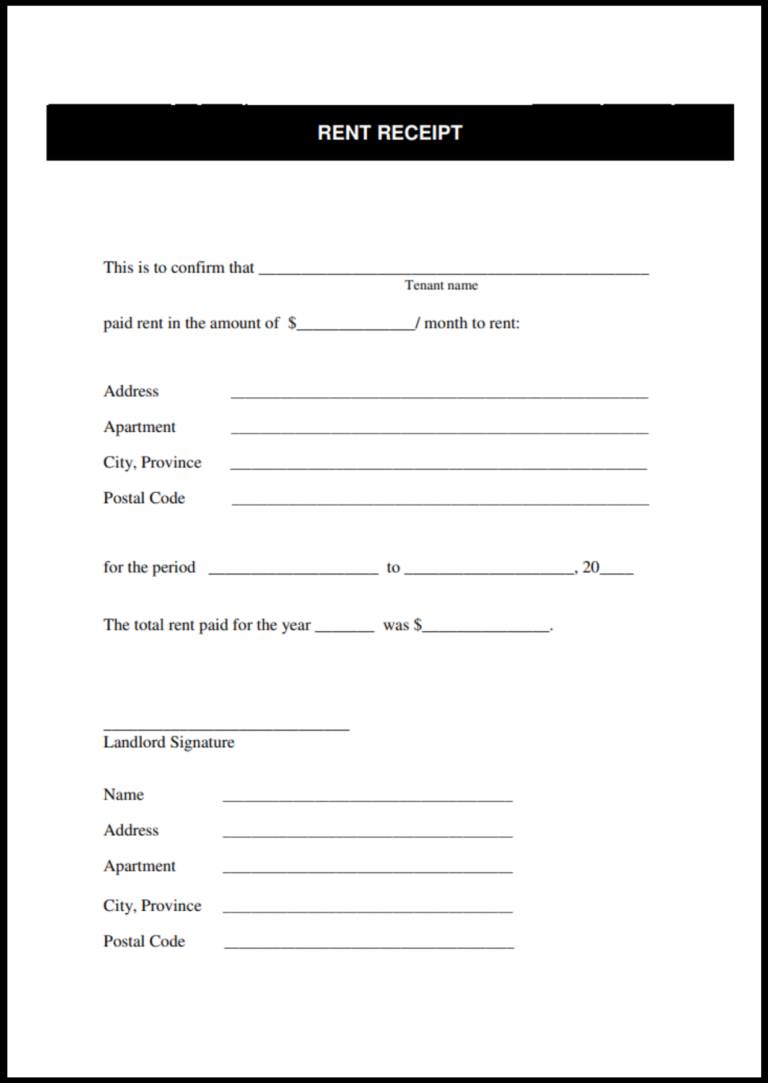
Because basement rentals frequently involve shared entrances, parking areas, or utility arrangements, many landlords prefer collecting detailed tenant information through a rental application screening form before approving occupancy. Ongoing payments are then commonly tracked using a monthly rent receipt record for documentation purposes.
Is Basement Rental Legal in British Columbia?
In British Columbia, basement rentals must follow local rules and safety standards. Whether a tenancy is covered by the Residential Tenancy Act is separate from whether the suite complies with municipal, building, or safety requirements.
Whether a basement suite is permitted depends on the applicable local-government requirements and building and fire-safety rules. The owner should confirm the requirements that apply to the property before renting the space.
| Type of Suite | Meaning |
| Legal Suite |
Permitted under applicable local requirements and meets applicable safety rules
|
| Illegal Suite |
Does not comply with applicable local requirements or safety rules
|
If a basement suite does not comply with applicable municipal or safety requirements, the owner may face enforcement action, fines, or orders affecting the use of the suite. The consequences depend on the particular local rules and circumstances.
When Should You Use This Agreement?
A written basement rental agreement is especially useful when renting a covered residential space and when the parties need to document rent, deposits, utilities, shared areas, and other tenancy terms.
It can be useful when renting to students, couples, or small families, as well as for month-to-month arrangements or other residential occupancy situations covered by the Residential Tenancy Act.
A written agreement can help both parties understand their responsibilities and keep a clear record of the arrangement.
Key Clauses Every Basement Rental Agreement Must Include
Rent and Payment Terms
The agreement should state the rent payable, the date rent is due, and the services or facilities included. Any rent increase must comply with the Residential Tenancy Act’s timing, notice, and amount requirements.
Security Deposit Rules
A landlord cannot require a security deposit greater than one-half of one month’s rent. After the tenancy ends, the statutory 15-day period generally runs from the later of the tenancy ending and the landlord’s receiving the tenant’s forwarding address in writing.
Landlords are not allowed to charge extra hidden deposits or keep the deposit without a valid reason.
Utilities and Shared Costs
Utilities are one of the most common reasons for disputes. You should clearly mention whether utilities are included or shared.
- Electricity, water, and gas should be defined
- Internet should also be included if provided
- If shared, mention exact split (like 50/50)
Access and Privacy
Except where an exception applies, a landlord must give between 24 hours and 30 days’ written notice of entry, state a reasonable purpose, and provide a time between 8 a.m. and 9 p.m. If a basement has shared areas, the agreement should also clearly identify which spaces are private and which are shared.
House Rules
House rules help maintain peace in shared living situations. These usually include noise limits, guest policies, and rules about smoking or pets. You can also include details about laundry timing and parking usage.
Maintenance Responsibilities
Maintenance should be clearly divided. Mention who is responsible for repairs, cleaning shared spaces, or tasks like snow removal. This avoids confusion later.
Some basement tenancies eventually transition into more flexible housing arrangements after the original lease term ends. In those cases, landlords may continue occupancy under a periodic month-to-month setup or update terms through a renewal agreement for existing tenants.
Basement Rental vs Standard Lease in BC
A basement rental agreement is different from a standard lease because it involves shared living conditions and requires more detailed rules.
| Feature | Basement Rental | Standard Lease |
| Space | Part of house | Full property |
| Privacy | Limited/shared | Full privacy |
| Utilities | Often shared |
Usually separate
|
| Rules | More detailed | Basic terms |
| Access | More interaction |
Minimal interaction
|
Because of shared spaces, basement agreements need extra clarity compared to normal rental agreements.
How to Fill Out the Basement Rental Agreement (Step-by-Step)
Filling out the agreement is simple if you follow a proper structure. Start by adding the full names and details of both landlord and tenant. Then clearly describe the basement space, including any shared areas.
Next, set the rent amount and deposit while following BC legal limits. After that, explain how utilities will be handled and add clear house rules.
Finally, both parties should sign the agreement and keep copies. This step is very important because a clear written record helps establish the agreed tenancy terms.
Common Mistakes to Avoid
Common problems include failing to check local requirements, leaving utility costs unclear, using an outdated tenancy form, or overlooking statutory rules that apply to the tenancy.
Some landlords rely only on verbal agreements, which can lead to disputes. Ignoring privacy rules or not defining shared spaces also creates confusion. Written terms for utilities, privacy, shared spaces, and other responsibilities give the parties a clearer record.
Legal Risks of Renting an Illegal Basement Suite
A basement suite that does not meet applicable local requirements can expose the owner to municipal or regulatory enforcement and may also create insurance issues. The specific consequences depend on the property’s location and circumstances.
Safety concerns can lead to inspections or local enforcement action, depending on the circumstances. Any resulting order affecting the use of the suite can also affect the occupants’ ability to remain there.
Rights and Responsibilities (Landlord vs Tenant)
Landlord Responsibilities
Landlords must provide a safe and livable space. They must also follow all rules under British Columbia tenancy laws and respect the tenant’s privacy.
Tenant Responsibilities
Tenants are responsible for paying rent on time and following the agreed house rules. They must also keep the rental space clean and report any damage.
Real-Life Example
Imagine a homeowner renting their basement to a student. Without clear rules, problems may arise like late-night noise or higher utility bills.
A written agreement gives the parties a reference point for rent, utilities, guests, shared spaces, and other responsibilities if a disagreement later arises. This makes the expectations clearer for both sides.
Frequently Asked Questions (FAQs)
Do basement tenants have full tenant rights in BC?
Yes, when the basement arrangement is a residential tenancy covered by the Residential Tenancy Act. An important exception applies where the tenant shares a kitchen or bathroom with the owner.
Can a landlord enter a basement unit anytime?
Except where an exception applies, a landlord generally must give between 24 hours and 30 days’ written notice, state a reasonable purpose, and enter between 8 a.m. and 9 p.m.
Is a written agreement required by law?
Section 13 of the Residential Tenancy Act sets requirements for written tenancy agreements. A written agreement also gives both parties a clear record of the tenancy terms.
Can rent be increased anytime?
No. Rent increases must comply with the Residential Tenancy Act, including the 12-month timing rule, required notice, and permitted increase amount. For 2026, the standard annual rent increase limit is 2.3%.
What happens if the basement suite is illegal?
If a basement suite does not comply with applicable local requirements, the owner may face municipal or regulatory enforcement. Any order affecting use of the suite can affect occupancy, depending on the circumstances.