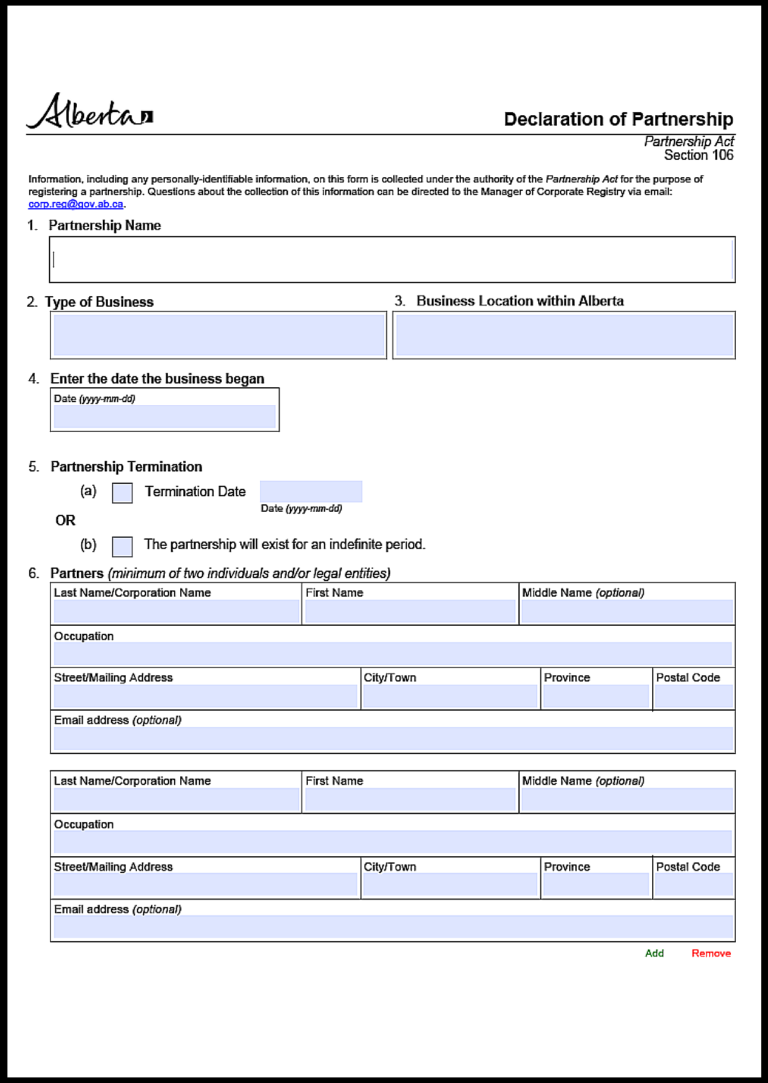
British Columbia Partnership Agreement Template & Guide
British Columbia Partnership Agreement is a legal document that explains how two or more people will run a business together. It sets clear rules so everyone knows their role, share, and responsibilities from the start.
A partnership agreement is a written contract between business partners. It explains how the business will operate, how profits will be shared, and what happens if something goes wrong.
For example, imagine two friends starting a small café in British Columbia. One handles cooking, the other manages money. Without a written agreement, confusion can easily happen—especially when profits or decisions are involved.
I have seen business partners in British Columbia end up in costly disputes simply because they relied on verbal promises instead of putting clear terms in writing. When people come to me after problems start, it is often much harder and more expensive to fix misunderstandings that a proper partnership agreement could have prevented.
Having a written agreement matters because it:
- Prevents misunderstandings
- Clearly defines roles
- Protects each partner legally
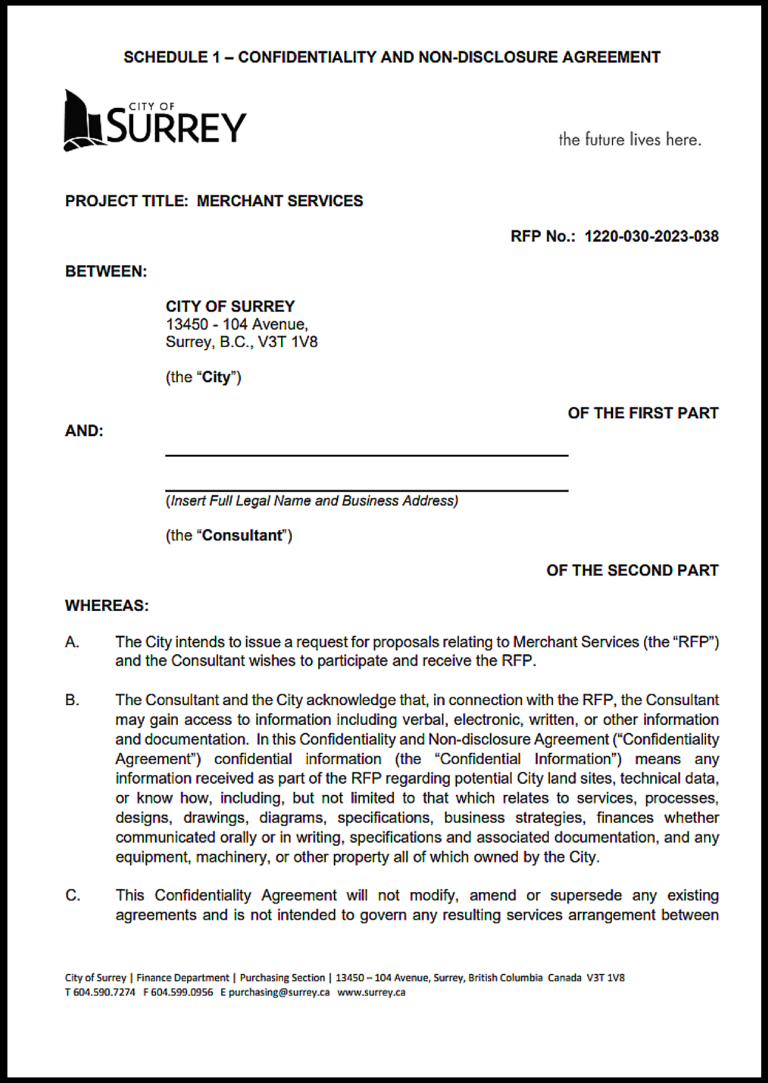
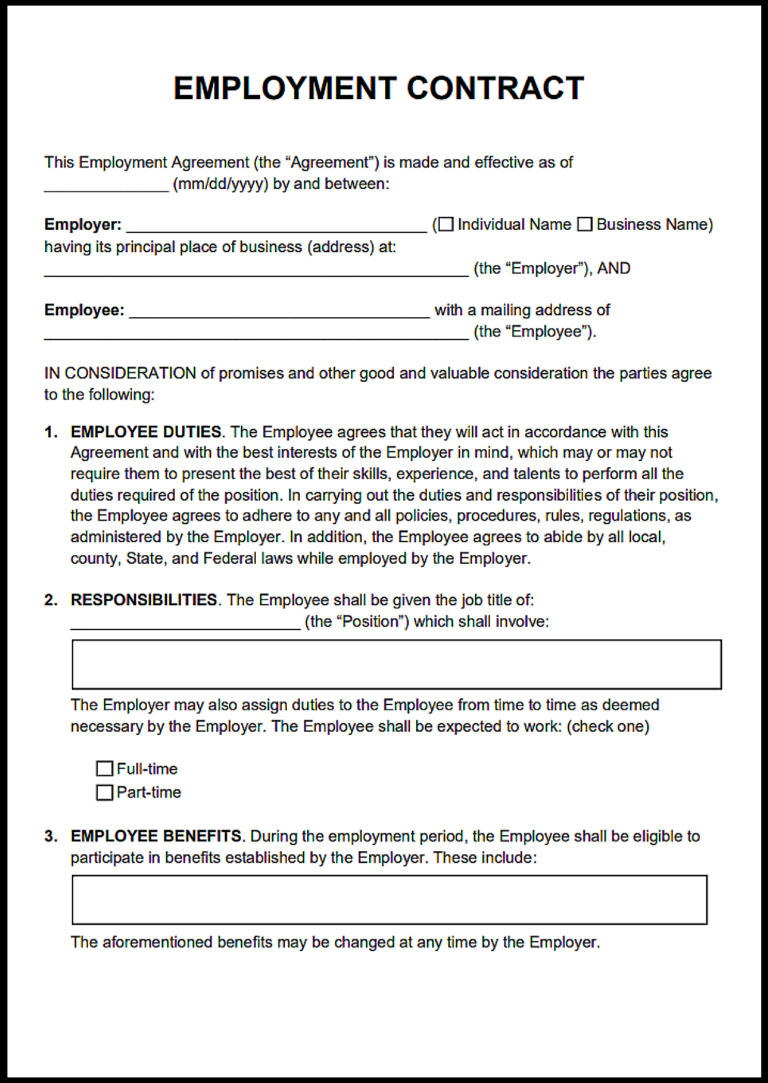
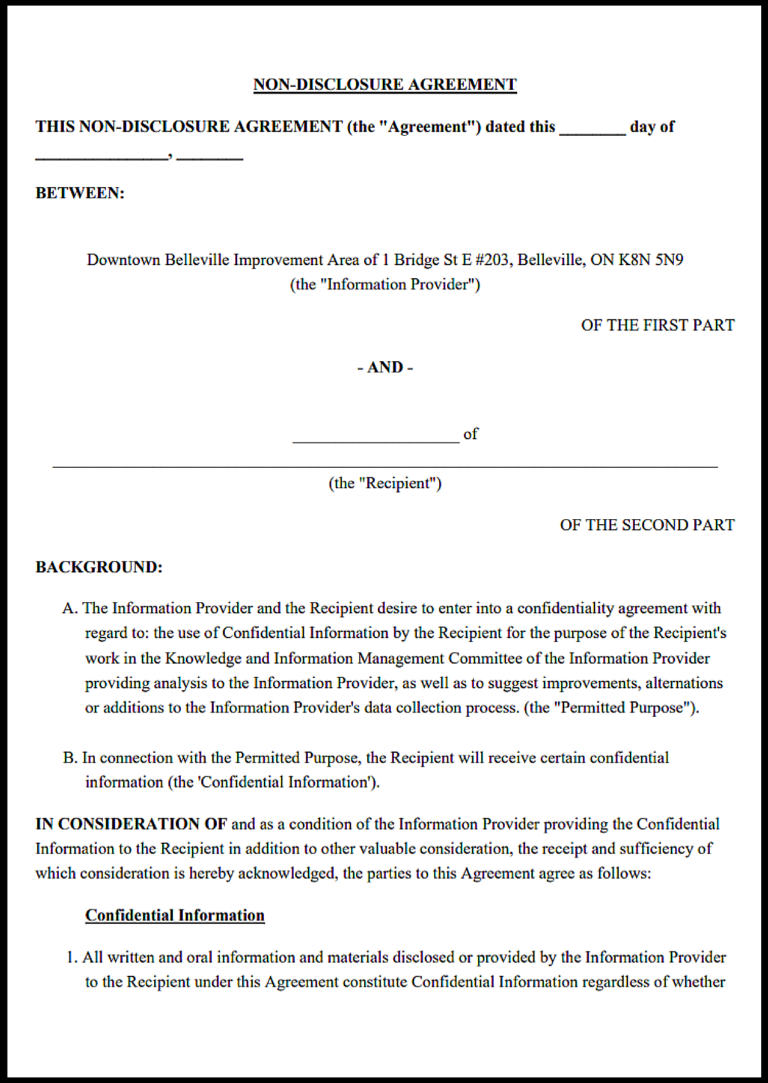
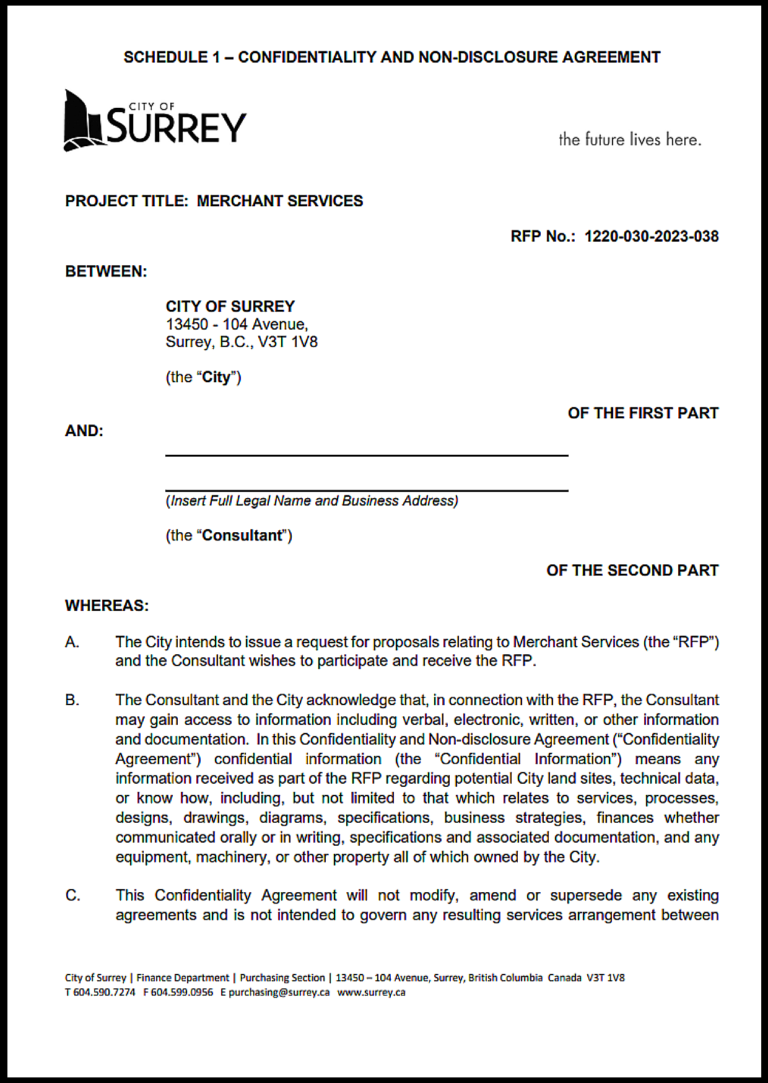
Free British Columbia Partnership Agreement Template
Below is a simple and clean template you can use. You can copy, edit, and customize it based on your business needs.
Important British Columbia Partnership Laws Business Partners Often Miss
| Topic / Issue | [British Columbia] Legal Rule | Governing Statute |
|---|---|---|
| Governing Legislation | Partnership agreements in British Columbia are governed provincially. | Partnership Act [RSBC 1996] c. 348 |
| Federal Legislation | No direct federal act governs general partnership agreements in BC. | None |
| Jurisdictional Nature | Partnership law in BC is purely provincial. | Partnership Act [RSBC 1996] c. 348 |
| Recent Legislative Context | Interpretation Act amendments and DRIPA-related reconciliation efforts affect how BC statutes are interpreted. | Partnership Act [RSBC 1996] c. 348 |
| Who Can Sign | Any “person,” including individuals, corporations, and other partnerships, can become a partner. | Partnership Act, s. 1 & s. 7 |
| Witness Requirements | No witness is legally required for a general partnership agreement. | N/A |
| Notarization | Notarization is generally not required except for certain land-related filings. | N/A |
| Age Requirement | The age of majority in BC is 19, and contracts involving minors are voidable. | Age of Majority Act, s. 1 |
| Mental Capacity | Signatories must understand the nature and effects of the agreement. | Adult Guardianship Act, s. 3 |
| Registration Deadline | Certain general partnerships must register within 3 months of formation. | Partnership Act, s. 81 |
| LLP Name Requirement | An LLP name must include “Limited Liability Partnership” or “LLP.” | Partnership Act, s. 98 |
| LP Structure Requirement | A limited partnership must include at least one general partner and one limited partner. | Partnership Act, s. 51 |
| Registration Requirement | Most partnerships must register to operate effectively against third parties and use a business name. | Partnership Act |
| Registration Agency | Registrations are handled through BC Registries and Online Services. | Partnership Act |
| General Partnership Filing | General partnerships must file a Registration of Partnership. | Partnership Act |
| LLP and LP Filing | LLPs and LPs must file a Declaration or Registration Statement. | Partnership Act |
| Private Nature of Agreement | The internal agreement stays private, but the partnership existence may need registration. | Partnership Act |
| Profit Requirement | A partnership must operate with a view to profit. | Partnership Act, s. 2 |
| Illegal Business Activities | Partnerships formed for illegal activities are void. | Partnership Act, s. 37 |
| LP Management Restriction | Limited partners who manage the business can lose limited liability protection. | Partnership Act, s. 63 |
| BC Age Difference | BC’s age of majority is 19 instead of 18 like some other provinces. | Age of Majority Act, s. 1 |
| Registration Timeline Difference | BC allows a 3-month registration period for some partnerships. | Partnership Act, s. 81 |
| Continuation of Partnership | Continuing business operations after expiry may create a “partnership at will” on old terms. | Partnership Act, s. 30 |
One of the most important rules many people miss is that British Columbia’s age of majority is 19, not 18. If an 18-year-old signs a partnership agreement in BC, the contract can become difficult to enforce against them later. This matters in real businesses where friends or family members start partnerships together without understanding the legal risks.
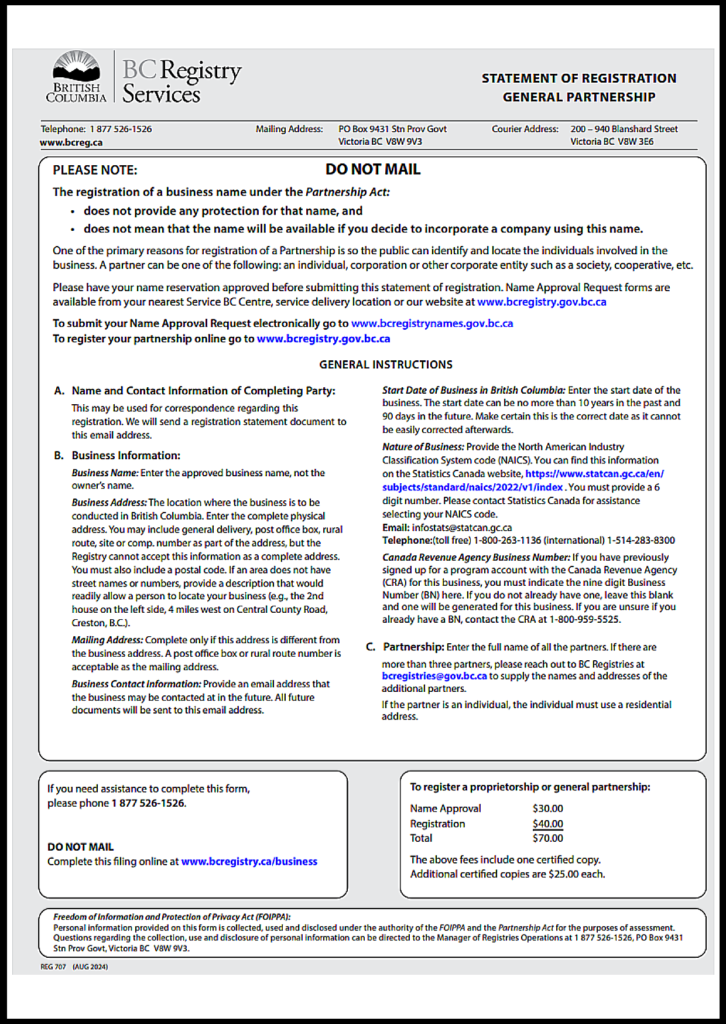
Another major issue is registration. Many business owners assume signing an agreement is enough, but certain partnerships in BC must register within three months. Missing that deadline can create problems when dealing with banks, suppliers, or legal disputes involving the business name.
The rules for limited partnerships are also important. If a limited partner starts managing daily operations, they may lose their liability protection under BC law. That can expose personal assets to business debts and lawsuits.
Even simple mistakes like failing to define a profit-making purpose can create legal uncertainty about whether a valid partnership exists at all.
Download the free British Columbia Partnership Agreement template below to create a clearer and safer business partnership from the beginning.
Before forming a business relationship, it helps to review the main business contracts guide in Canada, which explains how commercial agreements are commonly structured across provinces. Business owners may also benefit from understanding whether contracts are legally binding in British Columbia before signing partnership terms.
What Is a Partnership Agreement in British Columbia?
Under British Columbia law, a partnership agreement is a contract between two or more people who agree to run a business together and share profits.
A key point to understand:
| Type | Meaning | Risk Level |
| Verbal Partnership | Agreement made by words only | Very high risk |
| Written Partnership | Agreement documented and signed | Much safer |
Verbal agreements are legally possible, but they are difficult to prove in court. Written agreements are strongly recommended because they clearly show each partner’s rights and duties.
Partnership agreements are often used alongside other operational contracts depending on the nature of the business arrangement. Companies hiring outside professionals may also require a consulting agreement template, while independent workers frequently rely on an independent contractor agreement for service-based relationships.
Types of Partnerships in BC
- General Partnership
All partners share profits and are personally responsible for debts - Limited Partnership
Some partners invest money but do not manage daily operations
British Columbia businesses commonly use partnership agreements because they are simple to set up and flexible compared to corporations.
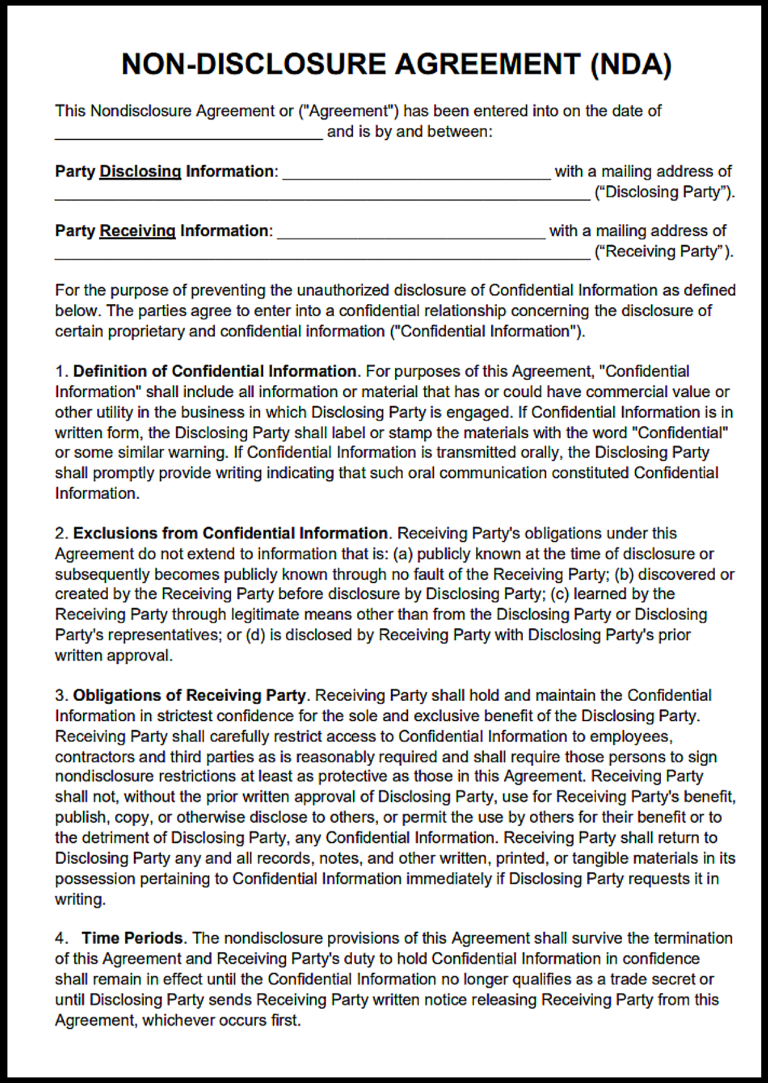
In some business transactions, partners may also use a non-disclosure agreement in British Columbia to protect confidential financial records, client information, and internal business strategies.
When Do You Need a Partnership Agreement?
You need a partnership agreement anytime two or more people start a business together.
Common situations include:
- Starting a small local business
- Freelancers joining forces for bigger projects
- Family-run businesses
- Opening a café, salon, or online store
For example, if two people open an online clothing store and one invests money while the other handles marketing, a partnership agreement ensures both are treated fairly.
Key Elements Every BC Partnership Agreement Must Include
Profit and Loss Sharing
This section explains how money is divided.
| Method | Explanation | Best For |
| Fixed Percentage | Pre-decided shares (e.g., 50/50) |
Equal partnerships
|
| Flexible Sharing | Based on contribution or performance | Unequal roles |
Clear profit-sharing rules prevent disputes later.
Roles and Responsibilities
Each partner should know their duties, such as:
- Managing operations
- Handling finances
- Marketing and sales
This avoids overlap and confusion.
Capital Contributions
Partners may contribute:
- Money
- Equipment
- Skills or services
These contributions should be clearly recorded to show ownership stakes.
Decision-Making Rules
Decide how business decisions will be made:
- Majority vote
- Unanimous agreement
This helps avoid deadlocks.
Exit and Buyout Terms
Under British Columbia law, if no agreement exists, disputes about leaving partners can become complex.
A good agreement should explain:
- When a partner can leave
- How their share will be valued
- How remaining partners can buy them out
Dispute Resolution Clause
Instead of going directly to court, many agreements include:
- Mediation (neutral third party helps resolve issue)
- Arbitration (binding decision by arbitrator)
This saves time and legal costs.
Is a Partnership Agreement Legally Valid in British Columbia?
Yes. Under British Columbia law, a partnership agreement is legally valid if it meets basic contract rules:
- Offer and acceptance
- Clear terms
- Mutual agreement
- Signatures
Written agreements are not legally required, but they are highly recommended.
Verbal agreements are risky because:
- Hard to prove in court
- Easy to misunderstand
- No written evidence
Parties are legally required to follow the terms once they sign the agreement.
How to Fill Out the Template (Step-by-Step)
Step 1: Add partner details correctly
Include full legal names and addresses
Step 2: Define business purpose clearly
Explain what your business will do
Step 3: Agree on profit-sharing upfront
Avoid future arguments
Step 4: Assign roles honestly
Match responsibilities with skills
Step 5: Review and sign
All partners should carefully review before signing
Common Mistakes to Avoid
Many business owners make simple mistakes that cause big problems later.
Avoid these:
- Not defining profit-sharing clearly
- Ignoring exit rules
- Mixing personal and business finances
- Using vague language
- Copy-pasting generic templates without changes
Business Risks Without a Partnership Agreement
Without a written agreement, partners face serious risks.
Common problems include:
- Disputes over money
- Legal liability for partner actions
- Loss of control over decisions
- Business breakdown
Example: Two partners earn profits, but one believes they deserve more due to extra work. Without a written agreement, this can lead to conflict or even legal action.
Tax and Financial Considerations in BC Partnerships
In British Columbia, partnerships are not taxed as separate entities.
Instead:
- Income “flows through” to each partner
- Each partner reports income on their personal tax return
Other key points:
- GST may apply depending on revenue
- PST rules depend on goods/services sold
- Proper accounting is essential
Keeping clear financial records helps avoid tax issues and disputes.
How a Partnership Agreement Protects Each Partner
A well-written agreement protects everyone involved.
It helps to:
- Ensure fairness
- Reduce misunderstandings
- Protect investments
- Build long-term trust
In most business contract situations, clear agreements lead to stronger and more stable partnerships.
FAQs
Is a partnership agreement required in BC?
No, it is not legally required. However, it is strongly recommended to avoid disputes.
Can I write my own agreement?
Yes. You can use a template, but it must be clear, complete, and tailored to your business.
What happens if there is no agreement?
Default provincial rules apply, which may not match your expectations.
Can a partner leave anytime?
It depends on the terms in the agreement. Without one, disputes may arise.
Do I need a lawyer?
Not always. But for complex businesses or large investments, legal advice is helpful.