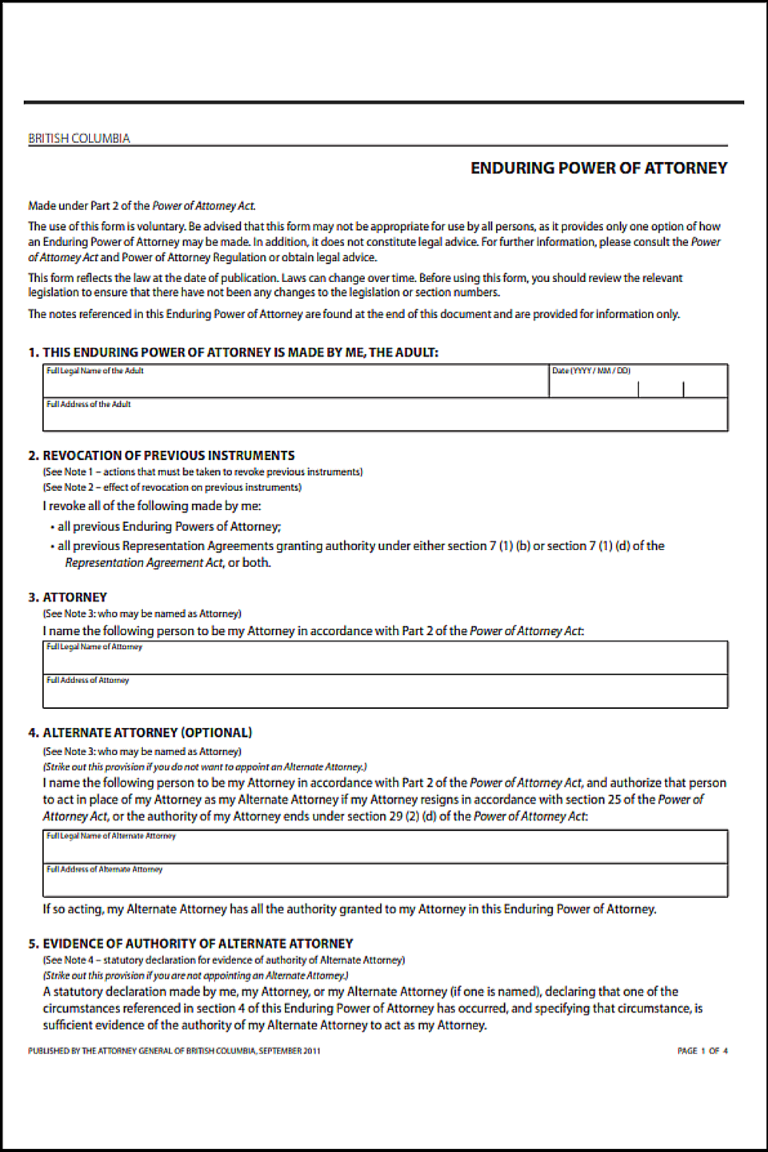
Estate Planning Laws Ontario Template & Legal Guide
Estate Planning Laws Ontario are something most people ignore—until it’s too late. Many think estate planning is only for wealthy families, but in reality, it affects anyone who owns property, has savings, or cares about what happens to their loved ones.
Without a proper plan, your family could face delays, legal costs, and even disputes over your assets. I’ve seen Ontario families spend months in probate court because a parent assumed a verbal promise or handwritten note was enough. When estate planning documents are missing or outdated, even close family members can end up facing costly delays and emotional disputes during an already difficult time.
Under Ontario law, if you don’t make decisions in advance, the government steps in in advance, the government steps in and decides for you.
In this article, I’ll walk you through:
- Clear explanations of the law
- Practical steps to protect your family and assets
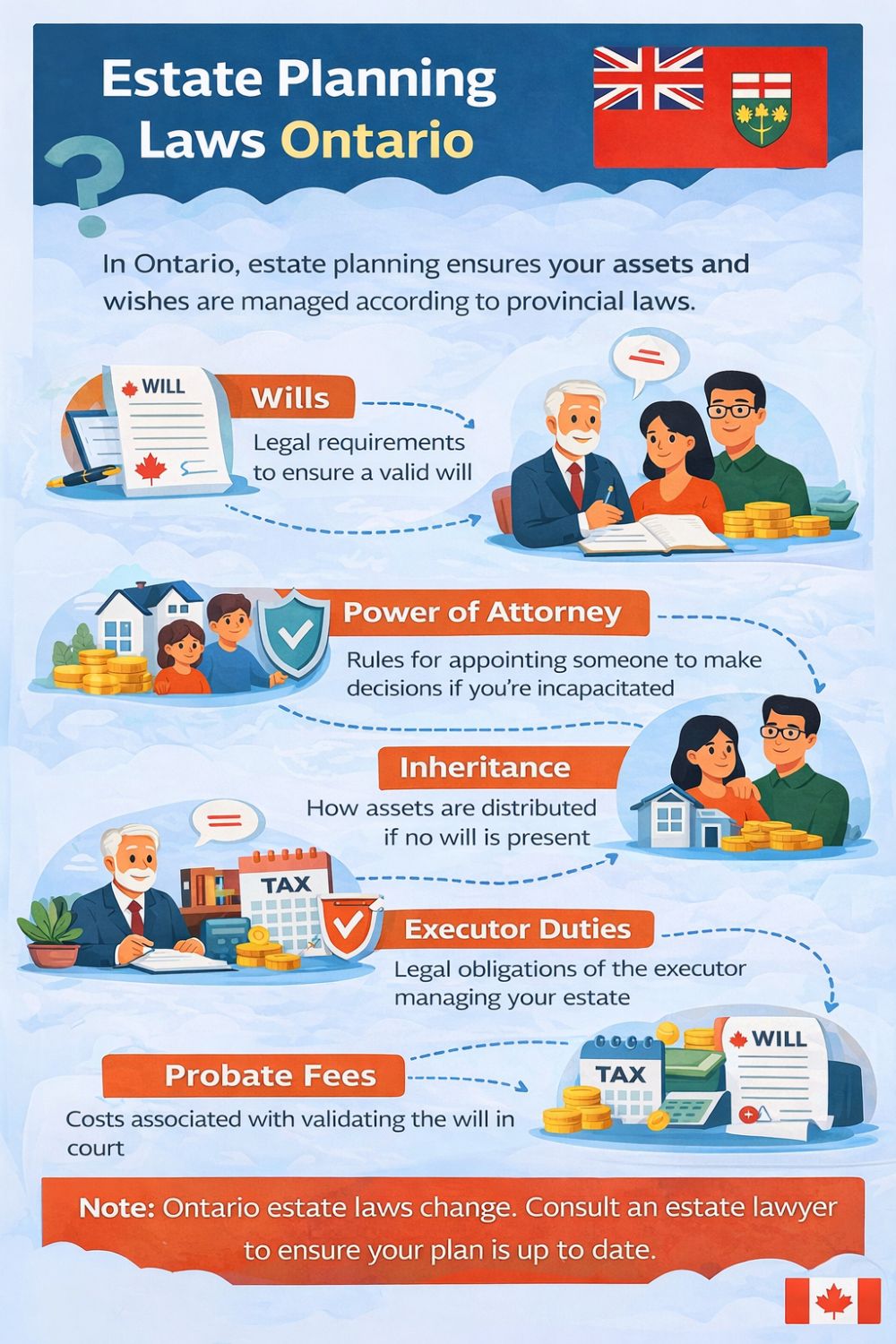
Ontario Estate Planning Laws and Probate Rules
| Topic / Issue | Ontario Legal Rule | Governing Statute |
|---|---|---|
| Governing legislation | Ontario estate planning is mainly governed by laws covering wills, powers of attorney, and probate taxes. | Succession Law Reform Act (SLRA); Substitute Decisions Act, 1992; Estate Administration Tax Act, 1998 |
| Jurisdiction | Estate planning laws in Ontario are purely provincial. | Ontario provincial legislation |
| Recent amendment – substantial compliance | Ontario courts may validate wills that do not fully meet technical signing rules if the document clearly reflects the deceased’s intentions. | SLRA s. 21.1 |
| Recent amendment – marriage and wills | Marriage no longer automatically revokes an existing will in Ontario after January 1, 2022. | SLRA s. 16 amendments |
| Who can sign | The testator or another person acting in their presence and by their direction may sign the will. | SLRA s. 4(1) |
| Witness requirements | Two witnesses must be present at the same time when the testator signs the will. | SLRA s. 4(1) |
| Witness disqualification | A beneficiary or their spouse should not witness the will because any gift to them becomes void. | SLRA s. 12(1) |
| Notarization | A will itself does not require notarization, but an Affidavit of Execution is required during probate. | Rules of Civil Procedure, Rule 74 |
| Age requirement | A person must generally be at least 18 years old to create a will. | SLRA s. 8(1) |
| Mental capacity | The testator must be of sound disposing mind. | Common law principles |
| Executor timeline | Executors commonly have an “executor’s year” to settle estate affairs. | Common law principles |
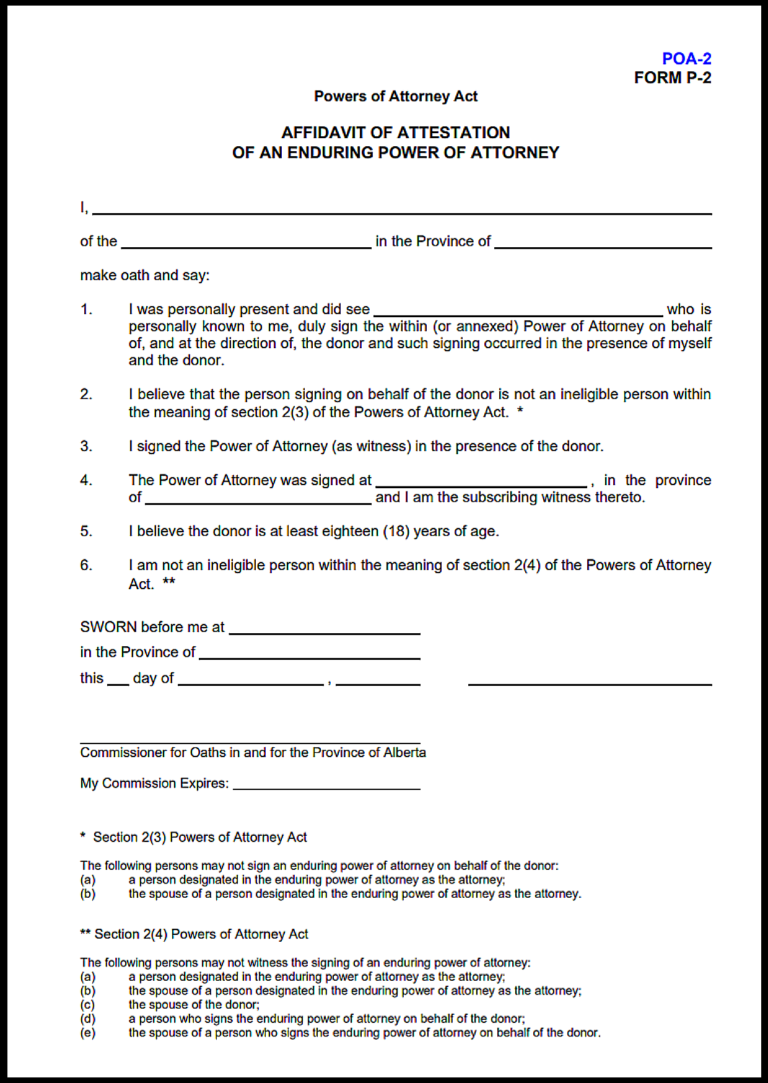
| Continuing POA clause | A Continuing Power of Attorney must clearly state that it remains effective during incapacity. | SDA s. 7(1) |
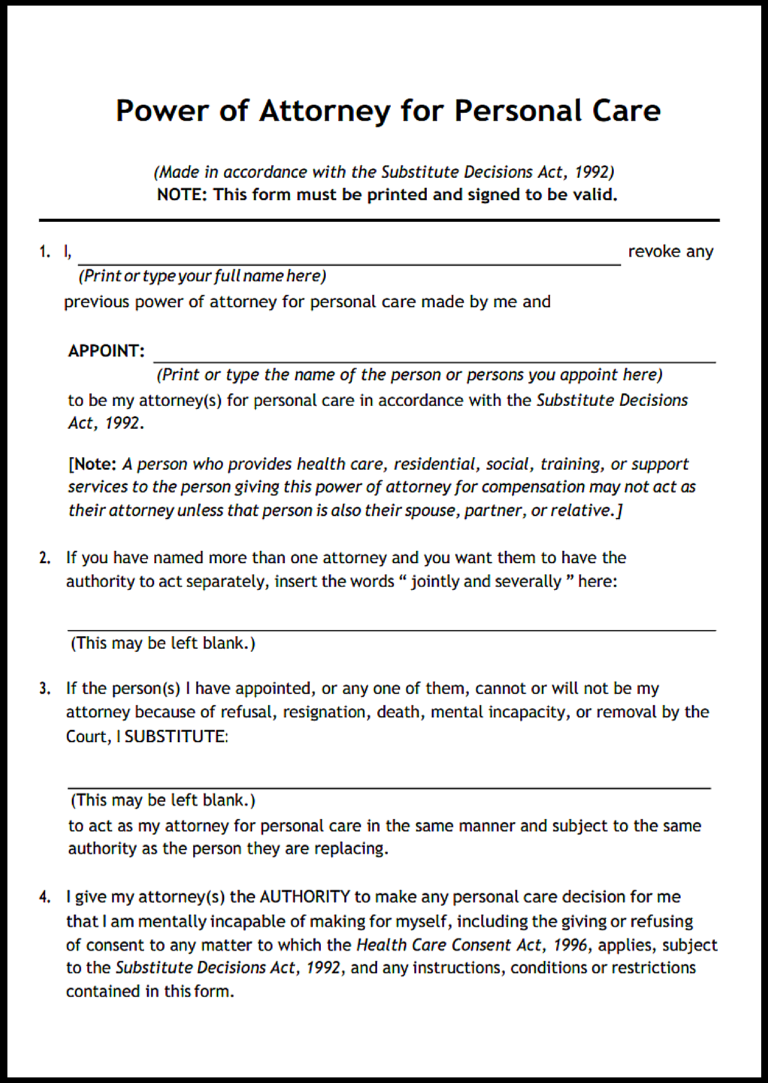
| Personal care POA authority | A Personal Care POA must clearly authorize decisions regarding personal care. | SDA s. 46(1) |
| Filing requirement | Ontario does not require wills or powers of attorney to be registered with the government. | No statutory requirement |
| Probate filing | Wills are commonly filed with the Superior Court of Justice to obtain probate authority. | Probate practice under Ontario law |
| Estate Information Return | An Estate Information Return must be filed within 180 days after probate is granted. | Estate Administration Tax Act, 1998 |
| Improper execution | Failure to have two witnesses present at signing can make the will invalid. | SLRA s. 4(1) |
| Beneficiary witness consequence | A beneficiary witness may lose their inheritance under the will. | SLRA s. 12(1) |
| Holograph will rule | A holograph will must be completely handwritten and signed by the testator. Typed portions may invalidate it. | SLRA s. 6 |
| Probate tax rule | Ontario charges Estate Administration Tax based on estate value above $50,000. | Estate Administration Tax Act, 1998 |
| Virtual witnessing | Ontario permanently allows virtual witnessing under certain conditions. | Accelerating Access to Justice Act, 2021 |
One of the most important changes in Ontario estate law is the “substantial compliance” rule. Before 2022, even small technical mistakes could completely invalidate a will. Now, Ontario courts have more flexibility to approve documents if they clearly show the person’s intentions. This matters in real life because many families discover errors only after someone passes away, when fixing problems becomes stressful and expensive.
Another important rule involves witnesses. Many people do not realize that if a beneficiary witnesses a will, that person may lose their inheritance even if the rest of the will remains valid. Small signing mistakes can create major disputes during probate.
Ontario’s probate tax system is also stricter than many provinces. Large estates can face significant Estate Administration Tax costs, especially when planning is incomplete.
The rules around Continuing Powers of Attorney are equally important because missing the required incapacity wording can make the document useless exactly when families need it most.
Download the free Ontario estate planning template to help organize your documents and avoid costly legal mistakes later.
What Are Estate Planning Laws in Ontario?
Estate planning laws in Ontario explain how your assets are managed during incapacity and after death. These laws protect your rights and make sure your family is treated fairly.
The main laws include:
- Succession Law Reform Act – handles wills and inheritance
- Substitute Decisions Act – covers power of attorney and incapacity
- Estates Act – manages estate administration
Under Ontario law, these rules make sure your assets are distributed properly and your decisions are respected.
Why Estate Planning Is Legally Important in Ontario
If you don’t have a will, you die intestate. This means the government decides who gets your property. The process can be slow and stressful for your family.
Without planning, problems may include:
- Delays due to probate
- Family conflicts
- Extra legal costs
- Assets not going where you wanted
For example, a person without a will may have their estate divided by fixed rules. But with a will, they can clearly choose who receives what.
Estate planning gives control and reduces confusion.
Key Estate Planning Documents You Need in Ontario
Last Will and Testament
This document decides how your assets are distributed after death. It also lets you choose an executor and name guardians for children.
Power of Attorney for Property
A Power of Attorney allows someone to manage your finances if you become incapable. This includes paying bills and handling property.
Power of Attorney for Personal Care
This covers medical and personal decisions. If someone becomes incapable, the chosen person can make healthcare choices.
Trusts (if applicable)
Trusts are useful for protecting assets, helping minor children, and managing taxes. They are usually used in more complex situations.
Legal Requirements for Estate Documents in Ontario
To be valid, documents must follow legal rules.
Basic Rules
- Must be 18 years or older
- Must have mental capacity
- Must understand the document
Witness & Signature Rules
| Requirement | Details |
| Witnesses | 2 required |
| Who cannot witness | Beneficiaries |
| Signature |
Must be signed by you and witnesses
|
| Notarization |
Not required but sometimes helpful
|
Digital wills are still limited in Ontario, so paper documents are safer.
How Estate Distribution Works Without a Will (Ontario Intestacy Rules)
If there is no will, Ontario law follows a fixed order to distribute assets.
Order of distribution:
- Spouse
- Children
- Parents
- Siblings
The spouse first receives a fixed share, and the rest is divided among children.
Example
| Situation | Outcome |
| Spouse only | Gets full estate |
| Spouse + children | Estate is shared |
| No spouse or children |
Goes to parents/siblings
|
This system does not consider personal wishes, so planning is important.
Probate Rules and Estate Administration in Ontario
Probate is the legal process to confirm a will and give authority to the executor. It is often required when dealing with property or banks.
Key points:
- Confirms the will is valid
- Allows executor to manage estate
- Includes estate administration tax
The executor must collect assets, pay debts, and distribute property. Simple estates may take 6–12 months, while complex ones take longer.
Common Mistakes That Can Make Your Estate Plan Invalid
Many people make simple mistakes that cause big legal issues.
Common mistakes include:
- Not updating documents after life changes
- Choosing the wrong executor
- Improper witnessing
- Missing important assets
- DIY errors without legal advice
Even a small mistake can make a will invalid under Ontario law.
Tax Implications You Should Know
Estate planning also includes tax responsibilities. After death, certain taxes may apply, which can reduce the estate value.
Key Tax Areas
| Tax Type | Explanation |
| Capital Gains |
Tax on increase in asset value
|
| RRSP/RRIF |
Fully taxable if no beneficiary
|
| Probate Fees |
Based on estate value
|
Simple planning steps like naming beneficiaries and organizing assets can help reduce tax burden.
When You Should Update Your Estate Plan
Your estate plan should be updated when major life changes happen. Keeping it updated ensures your wishes stay accurate.
You should review your plan after:
- Marriage or divorce
- Birth of a child
- Buying property
- Financial changes
- Moving provinces
Reviewing every few years is a good practice.
Real-Life Example: Estate Planning Scenario in Ontario
One person dies without a will. Their family faces delays, confusion, and legal costs. The estate takes a long time to settle.
Another person has a proper plan. Their documents are clear, and the executor handles everything smoothly. The family avoids stress and conflict.
The difference is planning, not wealth.
Frequently Asked Questions
Is estate planning only for wealthy people?
No, estate planning is important for anyone with assets or family responsibilities. It helps protect your loved ones and manage your affairs properly.
Are handwritten wills legal in Ontario?
Yes, handwritten wills are legal in Ontario. However, they can be risky and may lead to confusion or disputes if not clearly written.
Do I need a lawyer for estate planning?
No, a lawyer is not required. But it is strongly recommended to ensure everything is legally correct, especially in complex situations.
How much does estate planning cost in Ontario?
The cost depends on how detailed your plan is. Basic estate plans are usually affordable, while complex ones may cost more.
Can I avoid probate in Ontario?
Sometimes, probate can be reduced or avoided through methods like joint ownership or naming beneficiaries. However, it is not always possible in every case.