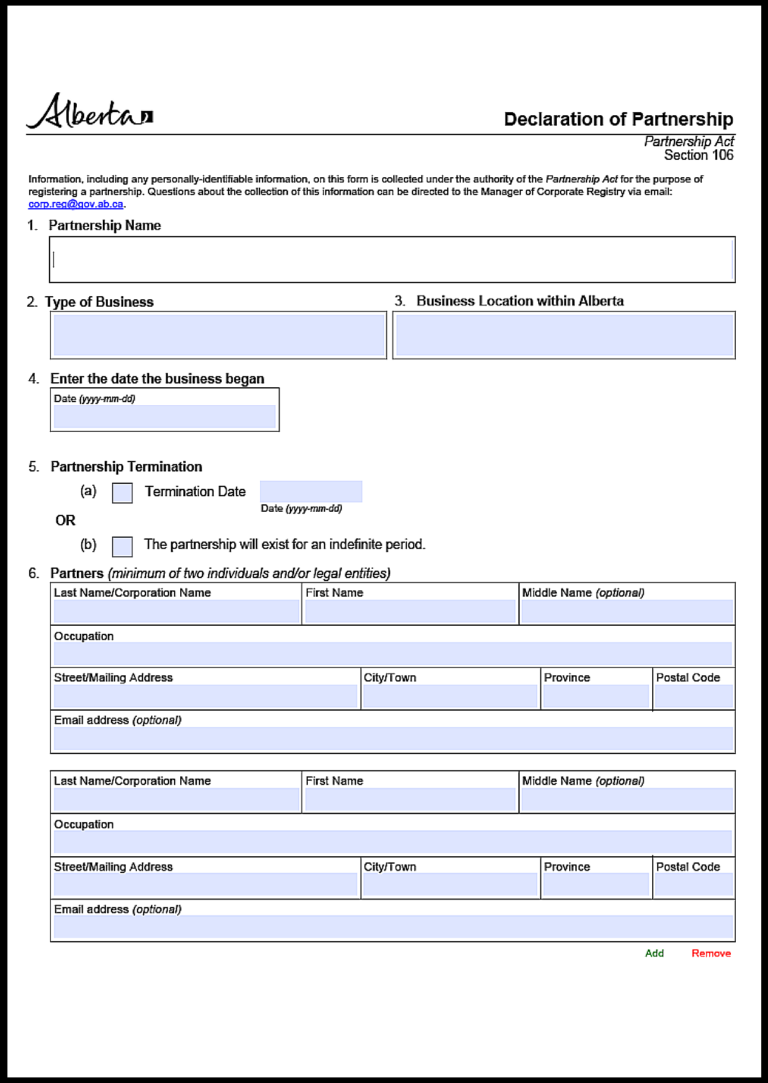
British Columbia Freelance Contract Template (Free + Guide)
British Columbia Freelance Contract Template is one of those things you don’t think about—until something goes wrong. Maybe you finished a project, sent the work, and then… no payment. Or the client keeps asking for “just one more change” again and again.
That’s exactly where a clear freelance contract helps. It sets rules from the start, so both you and the client know what to expect.
I’ve seen freelancers in British Columbia lose weeks of income because the scope of work and revision limits were never written down clearly. When a client relationship breaks down, this contract often becomes the first thing lawyers, mediators, or Small Claims Court look at to understand what both sides actually agreed to.
A well-written contract protects your payment, defines your work, and reduces confusion. Under British Columbia law, agreements can be verbal or written—but written contracts are always safer because they provide proof if a dispute happens.
Free British Columbia Freelance Contract Template
Below is a simple, beginner-friendly template you can copy and use. You can edit it based on your project.
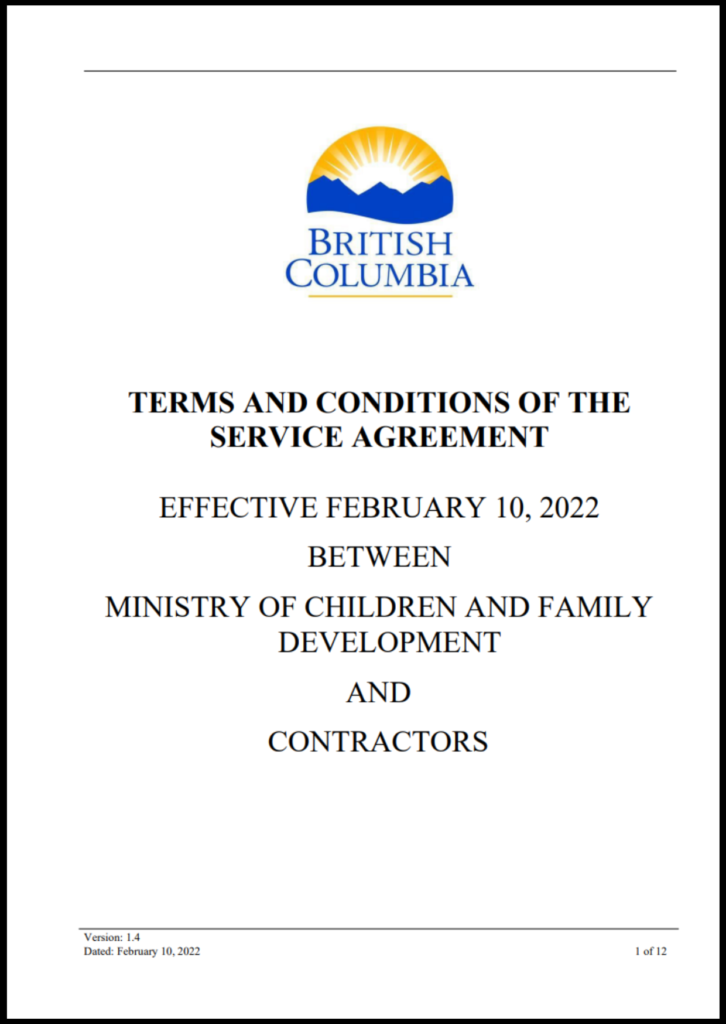
Tip: Always review the template before sending it. Small changes (like payment terms or scope) can make a big difference.
What Is a Freelance Contract in British Columbia?
A freelance contract is a written agreement between a freelancer and a client. It explains what work will be done, how much will be paid, and when everything should be completed.
In simple terms, it is a safety document for both sides.
It applies to:
- Freelancers (writers, designers, developers)
- Consultants
- Gig workers
- Independent service providers
Under British Columbia law, contracts are legally binding if they include:
- Offer (work proposal)
- Acceptance (client agrees)
- Consideration (payment)
Even though verbal agreements are allowed, written contracts are strongly recommended in most business contract situations.
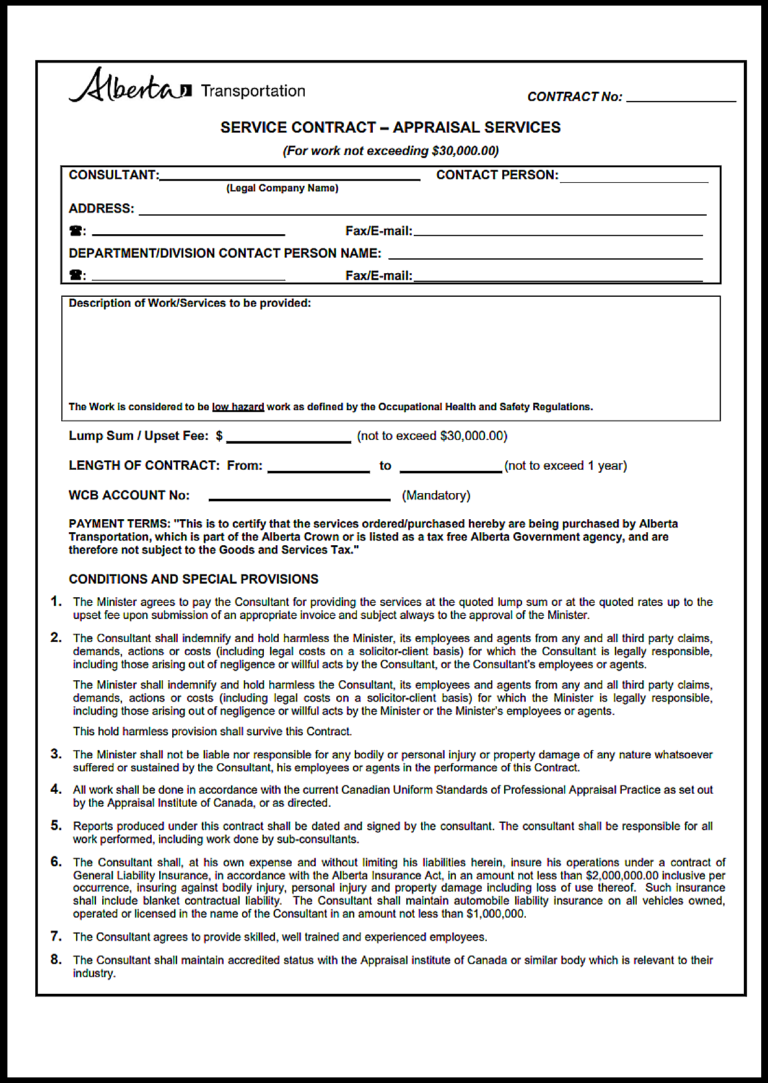
Freelancers often use additional service agreements depending on the type of client relationship involved. Businesses working with self-employed professionals may also require a consulting agreement, while larger project collaborations sometimes involve an independent contractor agreement.
When Should You Use a Freelance Contract?
You should use a contract before starting any paid work.
It is especially important when:
- You are working with a new client
- The project involves large payment
- The work has multiple steps or deadlines
- You expect revisions or ongoing support
Real-life example:
A designer agrees to a logo project without a contract. The client keeps asking for unlimited changes. Since nothing was written, the designer cannot charge extra. This leads to frustration and lost income.
A contract prevents this by clearly limiting revisions and defining scope.
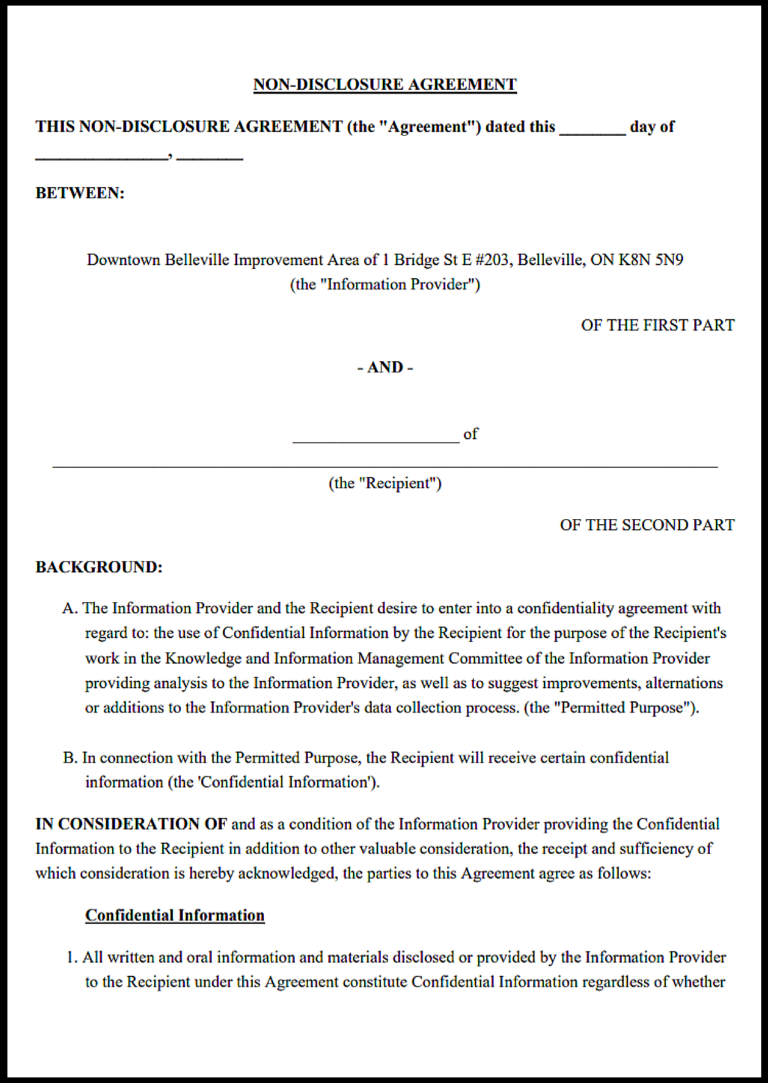
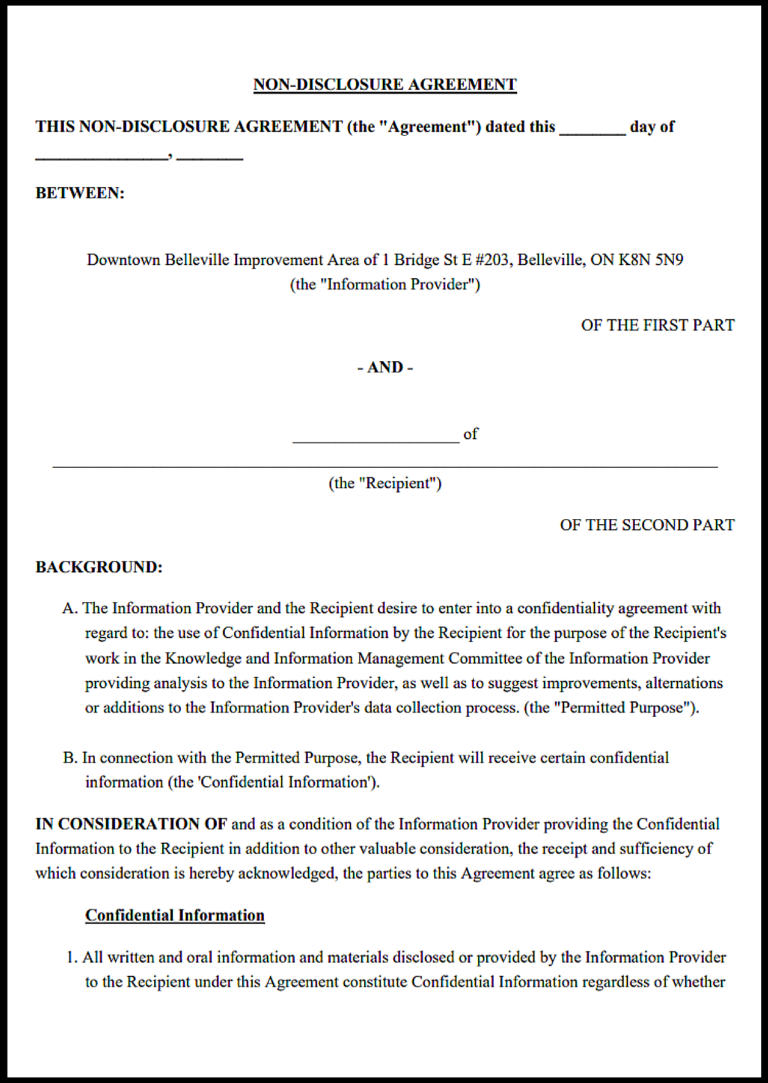
Creative professionals handling private client information may additionally rely on a non-disclosure agreement to protect confidential project details and intellectual property.
Key Clauses Every BC Freelance Contract Must Include
Clear Scope of Work
This is the most important part of your contract.
Avoid vague phrases like “design services.” Instead, be specific:
- Number of deliverables
- Deadlines
- File formats
Clear scope helps prevent “scope creep” (extra unpaid work).
Payment Terms and GST Rules
Your contract must clearly explain how and when you get paid.
You can choose:
- Fixed price (per project)
- Hourly rate
Also include:
- Deposit (common in BC: 30%–50%)
- Milestones
- Late payment penalties
If your income crosses the GST registration threshold, you may need to charge GST. This should be mentioned in your invoice or contract.
Independent Contractor Clause
This clause confirms that:
- You are not an employee
- You manage your own taxes
- The client does not provide benefits
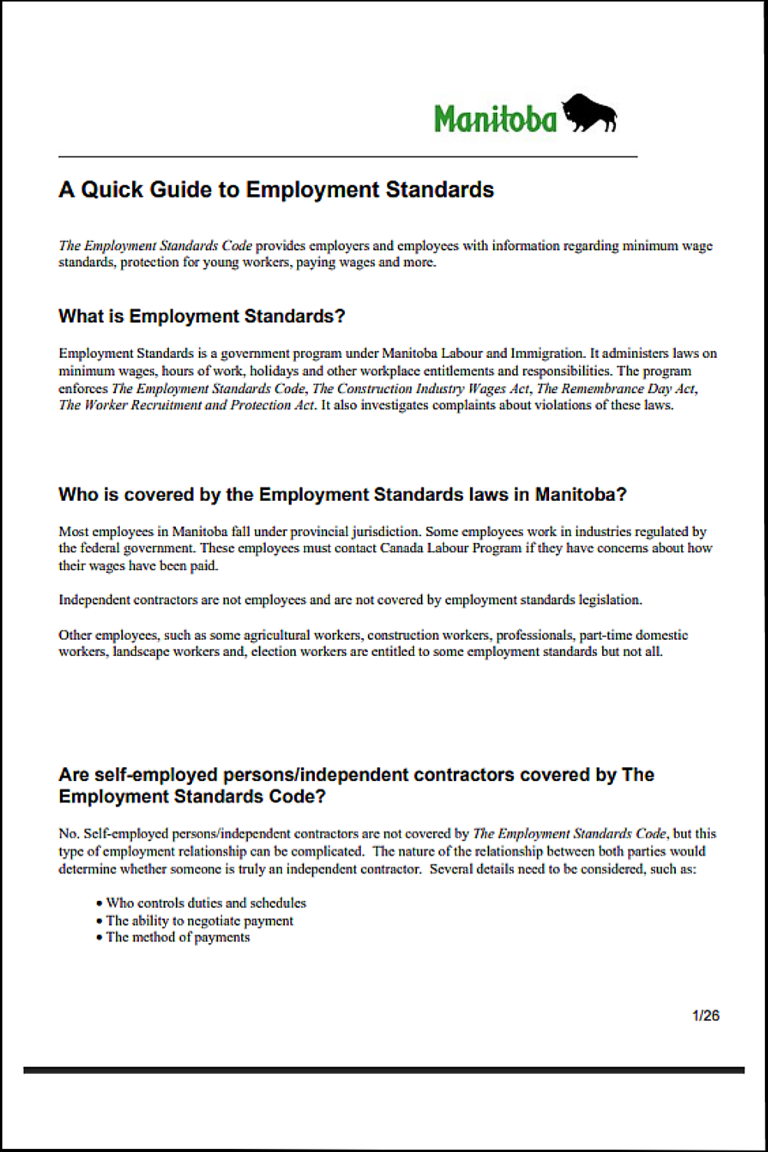
This is important under British Columbia tax and employment rules.
Intellectual Property Ownership
This decides who owns the final work.
Best practice:
- Transfer ownership only after full payment
- Keep rights until payment is completed
Without this clause, ownership disputes can happen.
Confidentiality Clause
This protects sensitive information like:
- Business plans
- Client data
- Trade secrets
Both parties are legally expected to keep this information private.
Termination and Exit Terms
This explains how the contract can end.
Include:
- Notice period (e.g., 7–14 days)
- Payment for completed work
- Refund rules (if any)
Legal Validity in British Columbia
Under British Columbia law, freelance contracts are enforceable if basic contract rules are met.
Here’s a simple breakdown:
| Requirement | Meaning |
| Offer |
One party proposes work
|
| Acceptance |
Other party agrees
|
| Consideration |
Payment or value is exchanged
|
Written contracts are not legally required, but they are easier to prove in court.
Digital signatures are generally valid and widely accepted in business transactions.
Freelancer vs Client Responsibilities
A contract works both ways. It protects both sides.
Responsibilities Overview
|
Freelancer Duties
|
Client Duties |
| Deliver work on time |
Provide clear instructions
|
| Maintain quality | Pay on time |
| Communicate progress |
Give feedback promptly
|
If either side fails to meet their duties, it may lead to a breach of contract.
Tax Considerations for Freelancers in BC
Freelancers in British Columbia are responsible for managing their own taxes.
Key points:
- You must report all freelance income
- Keep invoices and expense records
- Register for GST if required
- No employer deductions—taxes are self-managed
It’s a good idea to set aside a portion of your income for taxes to avoid surprises later.
Common Mistakes to Avoid
Many freelancers make small mistakes that lead to big problems.
Avoid these:
- Not defining the scope clearly
- Missing payment terms
- Ignoring intellectual property rights
- Skipping termination clause
- Using generic templates without editing
A contract should always match your specific project.
Common Disputes and How This Contract Prevents Them
Freelance disputes are very common—but most can be avoided.
Here’s how your contract helps:
- Late or unpaid invoices
→ Payment terms + late fees create pressure to pay on time - Scope creep (extra work)
→ Scope clause limits what is included - Ownership disagreements
→ IP clause clearly defines ownership - Missed deadlines
→ Timeline section sets expectations
A strong contract reduces risk before problems even begin.
How to Fill Out the Template (Step-by-Step)
Filling out the contract is simple if you follow these steps:
Step 1: Add correct legal names
Use full names and addresses for both parties.
Step 2: Define services clearly
Be specific about what you will deliver.
Step 3: Set payment structure
Choose between fixed or hourly and add milestones if needed.
Step 4: Choose ownership terms
Decide when ownership transfers (usually after full payment).
Step 5: Review and sign
Double-check details and sign digitally or physically.
Who Needs This Freelance Contract?
This contract is useful for:
- Freelancers (writers, designers, developers)
- Consultants
- Small business owners hiring contractors
- Agencies outsourcing work
Even small projects benefit from having a written agreement.
Frequently Asked Questions
Is a freelance contract legally required in BC?
No, but it is strongly recommended. It helps avoid disputes and provides legal protection.
Can I write my own freelance contract?
Yes, as long as it includes key legal elements like offer, acceptance, and payment terms.
Do I need GST in my contract?
Only if you are registered or required based on your income level.
What happens if there is no contract?
There is a higher risk of:
- Payment issues
- Misunderstandings
- Legal disputes
Can I use the same contract for every client?
Yes, but always customize:
- Scope of work
- Payment terms
- Deadlines