Free Alberta Medical Power of Attorney Template
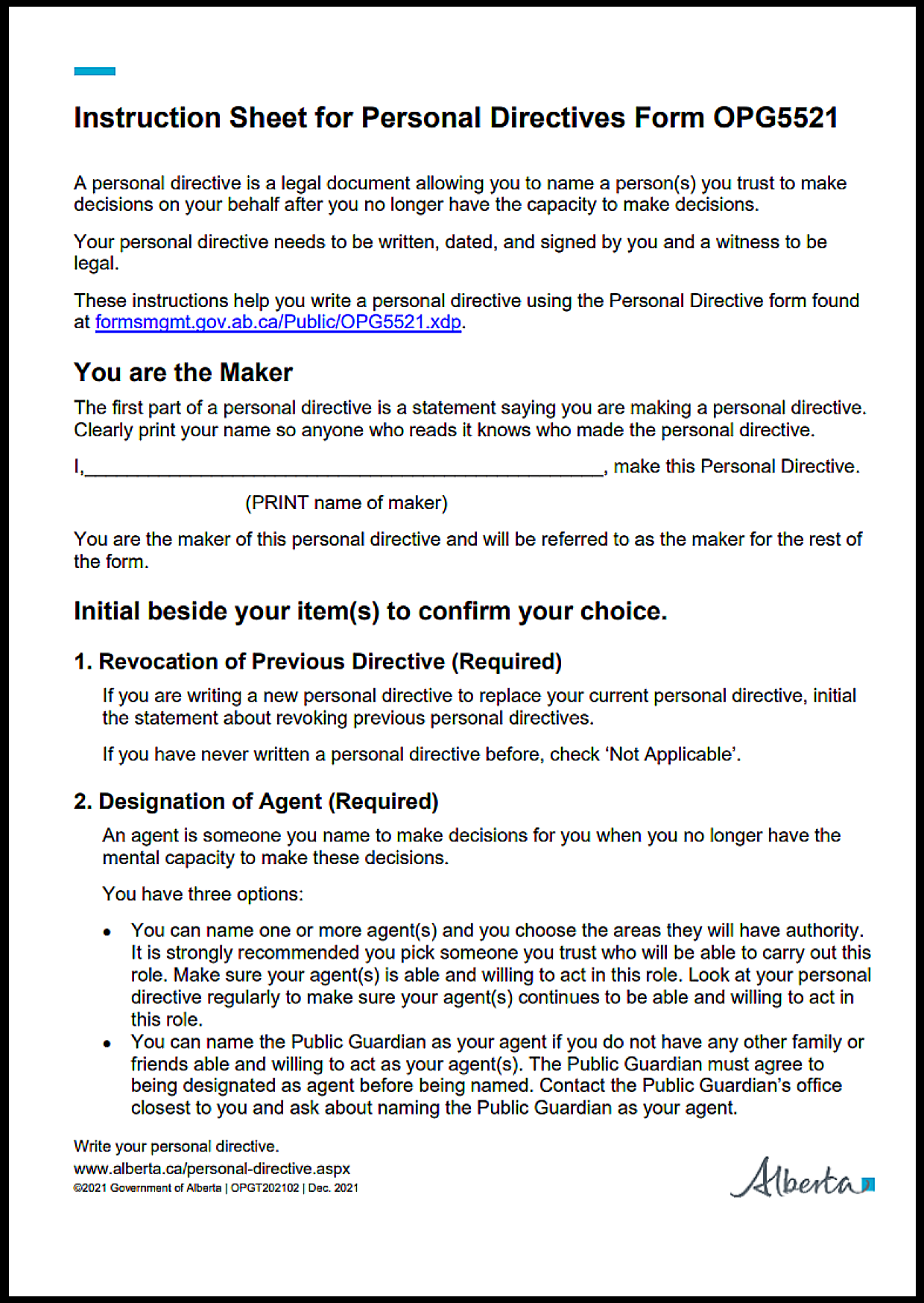
Alberta Medical Power of Attorney is called a Personal Directive in Alberta. It is a legal document that allows someone you trust to make healthcare and personal decisions for you if you cannot make them yourself.
In simple words, this document is used when you are unable to speak or think clearly due to illness, injury, or accident. It helps doctors and family follow your wishes instead of guessing. I’ve seen Alberta families end up in painful disputes because someone assumed a spouse or adult child could automatically make medical decisions without a valid Personal Directive in place. In emergency situations, even a small mistake or unclear wording in this document can create delays at the exact moment families are already overwhelmed and emotional.
It is useful for elderly people, those with serious health conditions, travelers, and even young adults because emergencies can happen anytime. The biggest benefit is clear: your choices are respected.
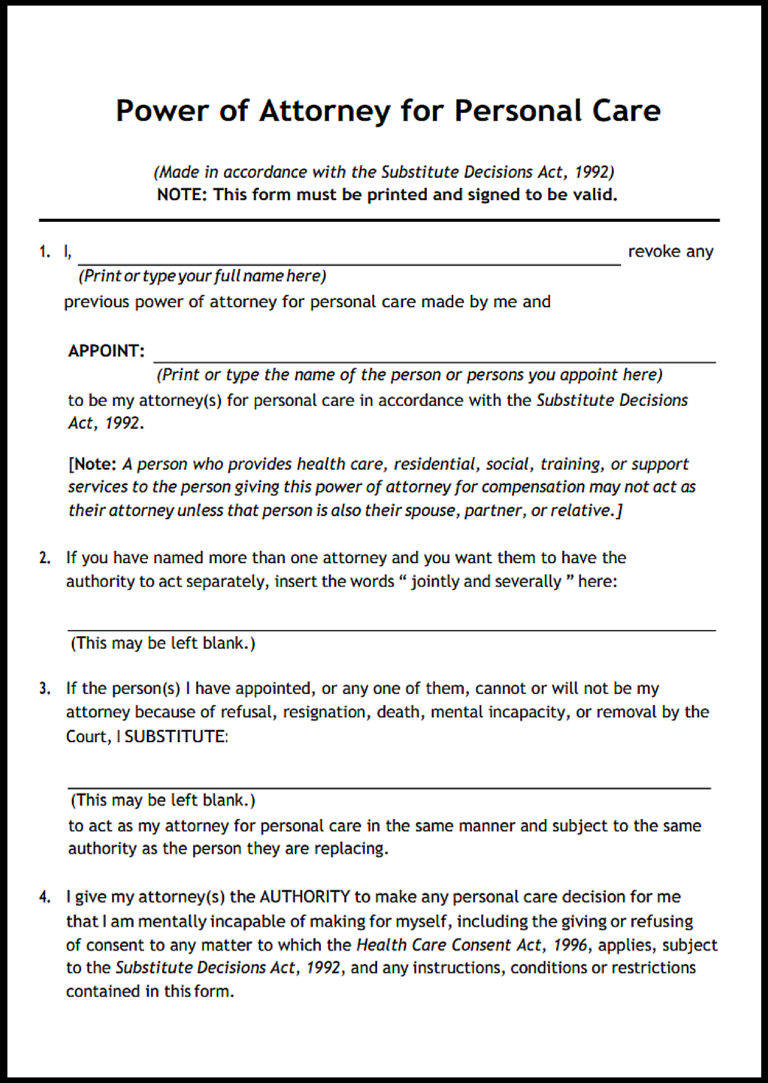
Free Alberta Medical Power of Attorney Template
Below is a simple template you can copy and use. Fill it carefully with clear instructions.
What Is a Medical Power of Attorney in Alberta?
In Alberta, the correct legal term is Personal Directive. It only covers healthcare and personal decisions, not financial matters. Under Alberta law, it becomes active only when you lose mental capacity, meaning you cannot understand or make decisions about your care.
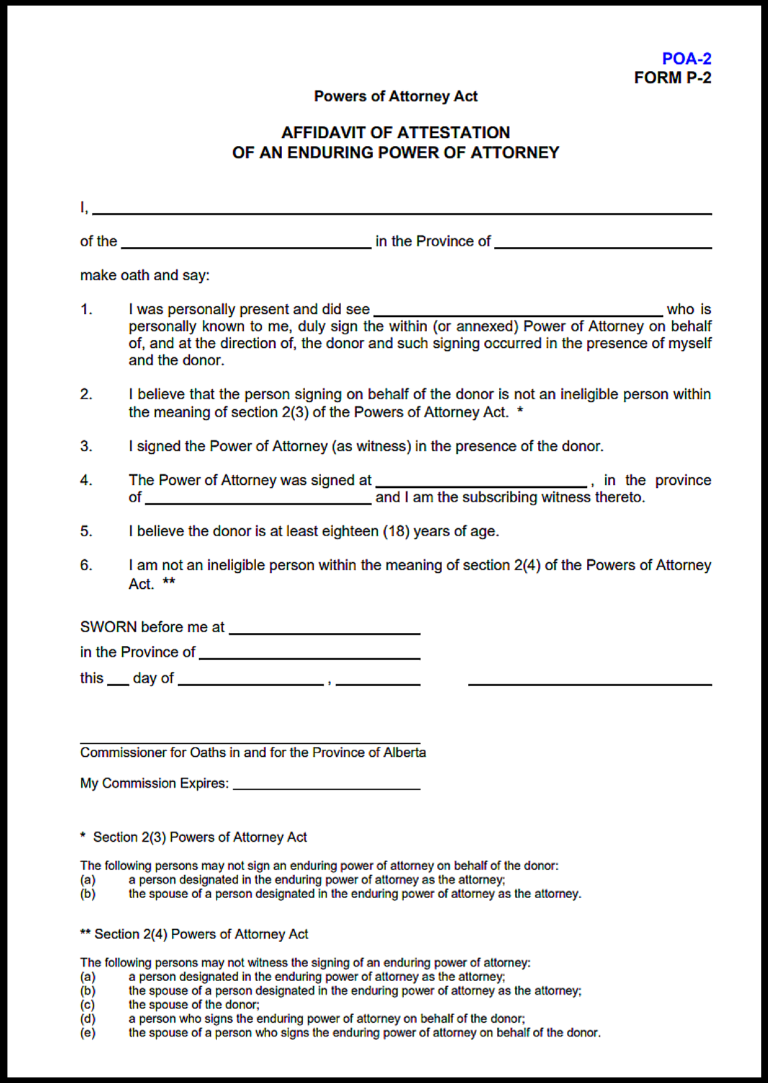
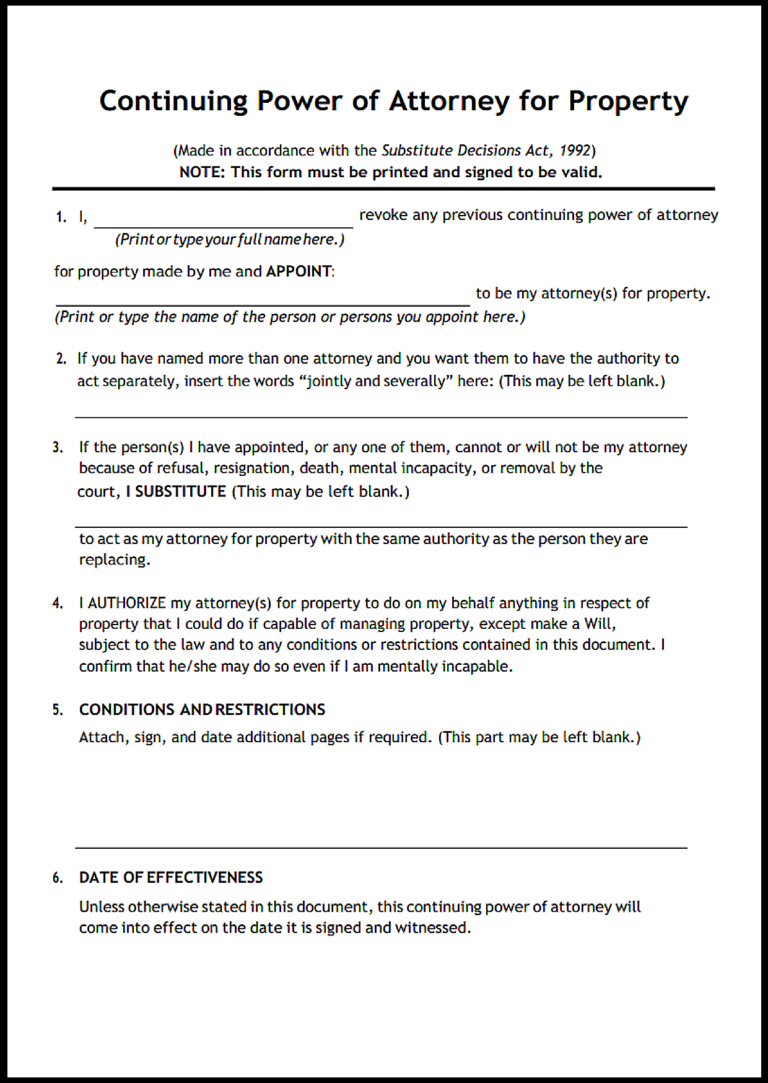
This document is governed by Alberta’s Personal Directives Act. It works alongside other estate planning documents. For example, you may also need an Alberta will template to manage your assets and an Enduring Power of Attorney Alberta for financial decisions. In most estate planning situations, having all three documents gives full protection.
When Should You Create One? (Real-Life Scenarios)
Many people think they don’t need this yet, but real-life situations show otherwise. It is better to prepare early instead of waiting for a crisis.
You should consider creating one in situations like:
- Before surgery or medical treatment
- If you are elderly and planning future care
- If you have a serious illness
- If you live alone or travel frequently
Even young adults should have it because accidents can happen without warning. This document ensures decisions are made smoothly without confusion or delay.
This document allows someone to make healthcare decisions on your behalf. It complements your estate plan and works alongside your legal will document for full coverage.
Key Parts of an Alberta Personal Directive
Choosing Your Agent
Choosing the right agent is very important. This person will make decisions on your behalf.
Your agent should:
- Be at least 18 years old
- Be trustworthy and responsible
- Understand your personal values
It can be your spouse, child, or a close friend. In real situations, it is better to choose someone who can handle stress and talk confidently with doctors.
Activation (Capacity Rules)
Your Personal Directive usually becomes active only when you lose mental capacity. This is normally confirmed by a healthcare professional. Capacity means you cannot understand your situation or make informed decisions.
You can also choose to make it active immediately, but most people prefer activation only after incapacity.
Healthcare Instructions
This section explains your medical wishes. It is the most important part of the document.
You should include:
- Treatment preferences
- Life support decisions
- Pain management choices
- Organ donation wishes
Always write clearly. For example, instead of vague words, explain exactly what kind of treatment you want or do not want.
Personal Care Decisions
This part covers daily life decisions. Your agent can decide where you will live and how you will be cared for.
It may include:
- Living at home or moving to a care facility
- Daily routine and support needs
This ensures your lifestyle choices are respected even if you cannot express them.
Naming Backup Agents
It is always a good idea to name an alternate agent. If your main agent is unavailable, the backup can step in. This avoids delays during emergencies and ensures decisions are not blocked.
It is often used together with a living will or a personal directive to clearly outline medical preferences.
Legal Requirements in Alberta (Must Follow)
Under Alberta law, your Personal Directive must follow certain rules to be valid.
- It must be in writing
- It must be signed by you
- It must have at least one witness
- The agent cannot be the witness
- Your spouse or partner should not act as witness
- Notarization is not required but recommended
If these rules are not followed, the document may not be accepted when needed.
How to Fill Out the Form (Step-by-Step)
Filling out the form is simple if done carefully. Start by writing your personal details and then choose your agent wisely. After that, clearly describe your medical wishes so there is no confusion.
Follow these steps:
- Add your personal information
- Choose a trusted agent
- Write clear healthcare instructions
- Decide when it should take effect
- Sign the document with a witness
After completing it, share copies with your family, doctor, and agent. This step is very important because the document must be accessible in emergencies.
Medical POA vs Financial Power of Attorney
Many people confuse these two documents, but they are different.
| Feature | Medical (Personal Directive) |
Financial Power of Attorney
|
| Covers | Health and personal care |
Money and property
|
| Activation | On incapacity |
Immediate or delayed
|
| Alberta Term | Personal Directive |
Enduring Power of Attorney
|
| Decisions | Treatment and living |
Banking and assets
|
Both documents are important for complete planning. One protects your health decisions, and the other protects your finances.
Common Mistakes to Avoid
Many people make simple mistakes that can cause problems later. Choosing the wrong agent is one of the biggest issues. If the person is not responsible or cannot handle stress, it may lead to poor decisions.
Other common mistakes include:
- Writing unclear or vague medical instructions
- Not updating the document after major life changes
- Not informing family or doctors
- Missing proper witness requirements
Avoiding these mistakes ensures your directive works properly when needed.
What Happens If You Don’t Have One?
If you do not have a Personal Directive, doctors usually rely on family members to make decisions. This can create confusion, especially if family members disagree.
In serious cases:
- Conflicts may arise between relatives
- Healthcare decisions may be delayed
- Courts may get involved
- Decisions may not match your wishes
This is why having a directive is strongly recommended.
Can You Change or Cancel It?
Yes, you can change or cancel your Personal Directive anytime, as long as you are mentally capable. This gives you flexibility as your life situation changes.
To update it:
- Inform your agent
- Destroy old copies
- Create a new document
Keeping it updated ensures it always reflects your current wishes.
FAQs
Is a medical power of attorney the same as a personal directive?
Yes, in Alberta both terms refer to the same concept.
Do I need a lawyer to create one?
No, you can create it yourself. However, legal advice can help in complex situations.
Can more than one person act as agent?
Yes, but it may cause delays if they disagree on decisions.
Is it valid outside Alberta?
It may be accepted in other provinces, but rules can differ.
Where should I store it?
Keep copies with your family, your agent, and your healthcare provider so it is easy to access.