Free Alberta Vendor Agreement Template Guide
An Alberta Vendor Agreement is a legal contract between a business and a supplier who provides goods or services. In Alberta, these agreements are commonly used to clearly define pricing, delivery timelines, responsibilities, and expectations between both parties.
I’ve seen many Alberta businesses run into payment disputes or delivery problems simply because important terms were never written clearly in the agreement. When you are dealing with vendors for the first time, having a proper written contract can prevent expensive misunderstandings and protect both sides if a dispute happens later.
This article is written in simple way so beginners can understand it easily. It works as a complete hub where you can learn and also get a ready-to-use template. Inside this page, you will find a free template, types of vendor agreements, key legal elements, and practical steps to create your own agreement.
- Free Alberta vendor agreement template
- Types of vendor agreements used in real situations
- Important legal elements explained simply
- Practical steps to create and use the agreement
Last Updated: August 2026
Free Alberta Vendor Agreement Template
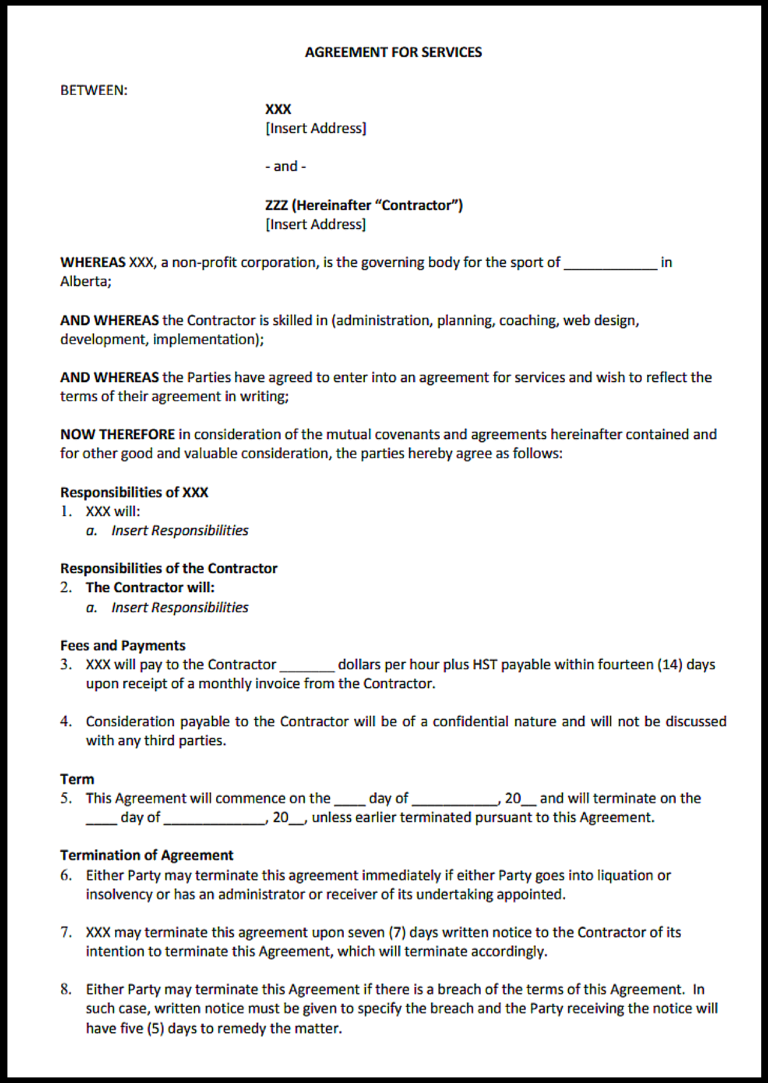
This section provides a general-purpose Alberta vendor agreement template that can be used for most supplier relationships. It is suitable for both goods and services and follows a basic legal structure used in business contracts.
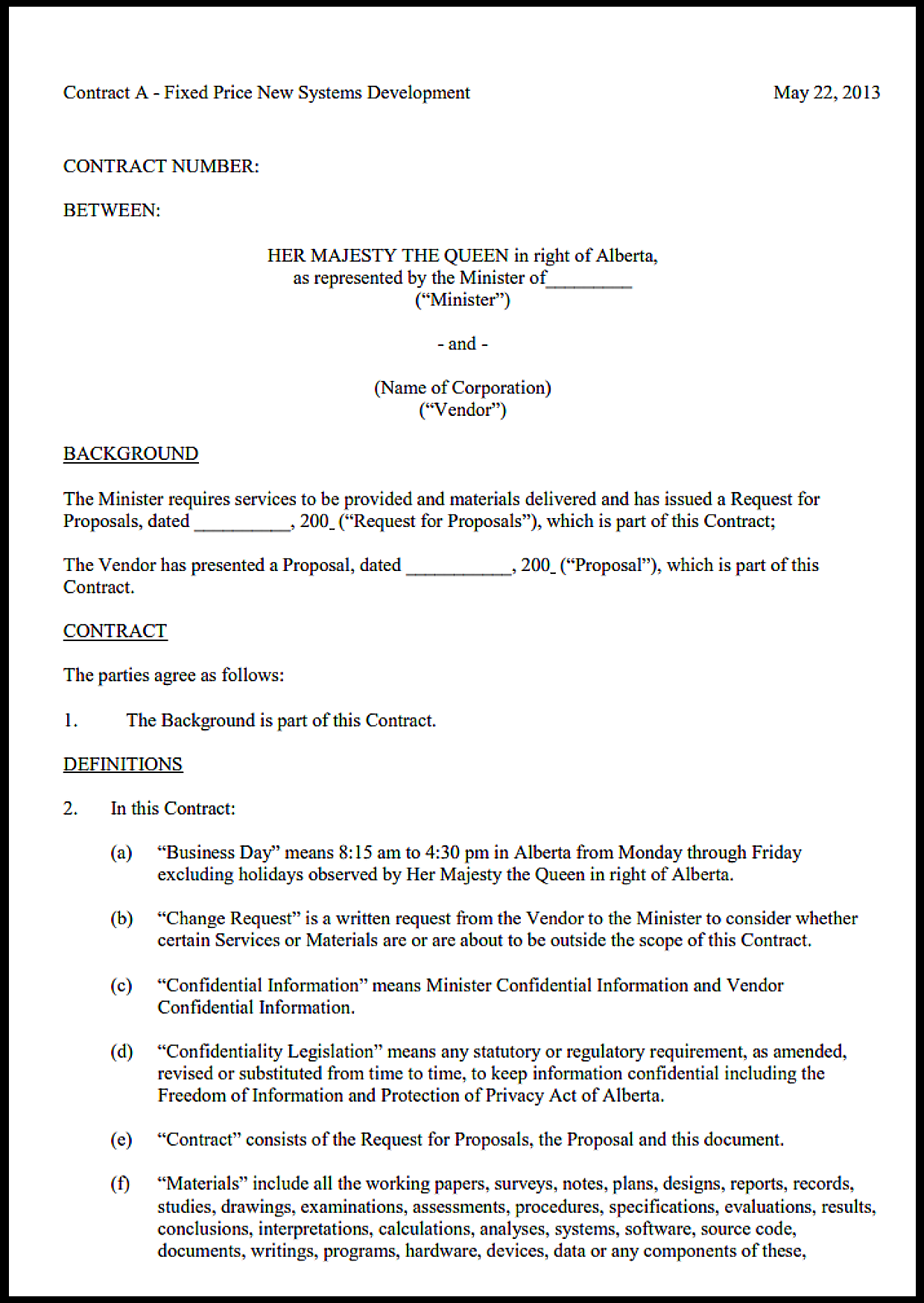
This template is simple and easy to customize, but it should always be reviewed before use.
Types of Vendor Agreements in Alberta
Vendor agreements are not one-size-fits-all. The type depends on what the vendor is providing and how the business relationship works. Choosing the correct type improves clarity and reduces legal risk.
Product Supply Agreement
This agreement is used when a vendor supplies physical goods to a business. It is common in retail and manufacturing industries where regular supply of products is required.
- Used for inventory supply
- Used in wholesale distribution
- Used for manufacturing materials
Service Vendor Agreement
This is used when a vendor provides services instead of goods. These agreements focus more on performance and timelines rather than delivery of products.
- IT services
- Cleaning and maintenance
- Marketing or consulting
Event Vendor Agreement
This agreement is designed for vendors working in events. It usually includes short-term terms and specific conditions related to events.
- Wedding vendors
- Food stalls
- Trade shows
Exclusive Vendor Agreement
This type gives one vendor exclusive rights. It is commonly used when a business wants to work with only one supplier.
- Single supplier partnerships
- Brand exclusivity deals
Purchase Order-Based Vendor Agreement
This is used in long-term relationships where multiple orders are placed. A main agreement is signed, and then individual purchase orders are used.
- Ongoing supplier relationships
- Frequent business orders
Independent Contractor Vendor Agreement
This is used when the vendor is an independent contractor, not an employee. It is very common for freelancers and contract-based work.
- Freelancers
- Project-based vendors
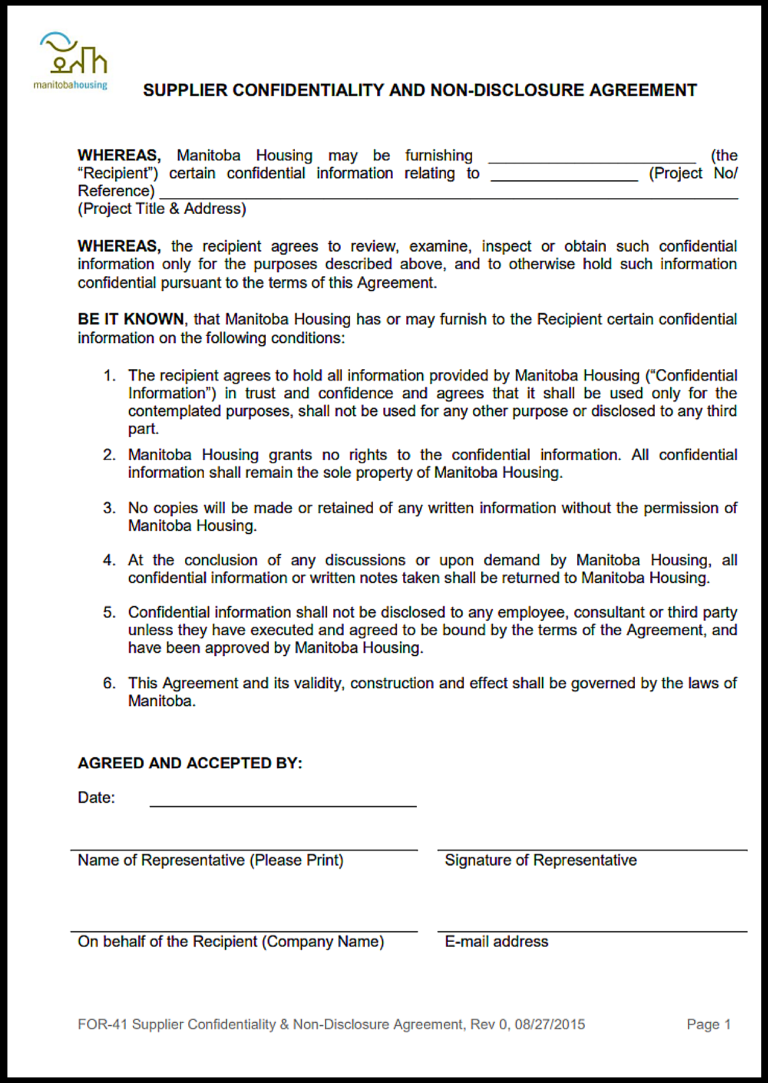
Vendor agreements often require confidentiality protections covered in the Free Alberta NDA Template Guide. For structure, refer to the contract writing guide.
Real-Life Use Cases
Vendor agreements are used in many daily business situations in Alberta. These agreements help businesses avoid confusion and set clear expectations.
For example, a restaurant may sign a contract with a food supplier for weekly deliveries. A company may hire a cleaning vendor for regular maintenance. An event organizer may book multiple vendors for a festival. Similarly, a retail store may work with a wholesaler for inventory supply.
In all these situations, vendor agreements help define roles, responsibilities, and payment terms clearly, which reduces disputes and misunderstandings.
Key Elements of a Valid Vendor Agreement
A well-drafted vendor agreement must include some essential elements. Under Alberta law, these elements help make the contract clear and enforceable.
Parties Involved
The agreement must clearly identify both the business and the vendor, including their legal names and contact details. This ensures there is no confusion about who is legally responsible.
Scope of Goods or Services
This section explains what the vendor will provide. It should be written clearly and in detail so that both parties understand their obligations.
Pricing and Payment Terms
This section explains how and when payment will be made. It should include details like payment schedule, invoice process, and late payment rules.
- Payment schedule
- Invoice terms
- Late fees if applicable
Delivery and Performance Terms
This defines when and how goods or services will be delivered. It also sets performance expectations.
Term and Termination
This explains how long the agreement will last and how it can be ended. Both parties should understand their rights to terminate the contract.
Liability and Indemnity
This section protects both parties in case of loss or damage. In most business contract situations, the vendor is responsible for faulty goods or services.
Dispute Resolution
This explains how disputes will be handled. Most agreements start with negotiation and then move to legal steps if needed.
Table: Key Elements Summary
| Element | Purpose | Why Important |
| Parties | Identifies both sides |
Avoids legal confusion
|
| Scope | Defines work/products |
Prevents misunderstandings
|
| Payment Terms | Explains payments | Avoids disputes |
| Delivery Terms | Sets timelines |
Ensures performance
|
| Termination | Exit rules |
Protects both parties
|
| Liability | Risk handling |
Reduces financial loss
|
| Dispute Resolution | Conflict handling |
Saves time and cost
|
This document may be used alongside a service agreement or a consulting agreement. Financial terms may also involve a loan agreement.
How to Create or Complete This Document
Creating a vendor agreement is simple if you follow the right steps. You do not need complex legal knowledge for a basic agreement.
First, identify the type of vendor relationship. Then choose the correct template based on your situation. After that, fill in the business and vendor details carefully. Clearly define the goods or services and set proper pricing and payment terms.
- Choose correct agreement type
- Add accurate details
- Define services clearly
- Review before signing
Always review the document before signing. Avoid leaving any section blank, as this can create confusion later.
Legal Overview in Alberta
Under Alberta law, vendor agreements follow general contract law principles. A contract is valid only when certain conditions are met.
- Offer and acceptance
- Consideration (exchange of value)
- Intention to create legal relations
Even verbal agreements can be valid, but written agreements are strongly recommended because they are easier to prove in case of disputes.
In some situations, mandatory consumer protection rules will apply if you sell directly to individuals rather than other businesses. These depend on the type of agreement and industry.
Table: Legal Requirements in Alberta
| Requirement | Meaning | Example |
| Offer & Acceptance | Agreement between parties |
One offers, other agrees
|
| Consideration | Value exchange |
Payment for goods/services
|
| Legal Intention | Intention to be legally bound |
Signed agreement
|
| Written Contract | Not mandatory but recommended |
Signed document
|
Common Mistakes to Avoid
Many businesses make small mistakes that later create big problems. Avoiding these mistakes can save time, money, and legal trouble.
Using a generic template without customization is one of the biggest issues. Another common mistake is not clearly defining the services or goods. Payment terms are often ignored, which leads to disputes. Many agreements also miss termination clauses, making it difficult to exit the contract.
- Not customizing the template
- Unclear deliverables
- Missing payment terms
- No termination clause
- Ignoring liability protection
These mistakes can easily be avoided by reviewing the agreement carefully.
Choosing the Right Vendor Agreement Type
Choosing the correct agreement depends on your business situation. Using the wrong type can create confusion and legal risk.
If you are buying physical goods, use a Product Supply Agreement. If services are involved, use a Service Vendor Agreement. For events, an Event Vendor Agreement is more suitable. If exclusivity is needed, use an Exclusive Vendor Agreement.
- Goods → Product Supply Agreement
- Services → Service Vendor Agreement
- Events → Event Vendor Agreement
- Exclusive deals → Exclusive Vendor Agreement
- Frequent orders → Purchase Order Agreement
- Freelancers → Independent Contractor Agreement
Selecting the right type ensures better clarity and legal protection.