Alberta Rent Receipt (Free PDF Template & How to Use)
Alberta Rent Receipt is a simple but important document that proves rent has been paid. Whether you are a landlord or tenant in Alberta, using a proper receipt helps avoid confusion, protects both sides, and keeps your records clear.
A rent receipt may look small, but in real life, it can prevent serious disputes. I’ve helped Alberta landlords and tenants deal with payment disputes where the biggest problem was missing or incomplete rent records. In Alberta, a proper rent receipt can become important evidence if there’s ever a disagreement about unpaid rent, deposits, or tenancy history.
I’ve seen cases where tenants claimed they paid rent, but without proof, it became a legal issue. A simple receipt could have solved everything in minutes.
Last Updated: November 2026
Table of Contents
ToggleFree Alberta Rent Receipt Template
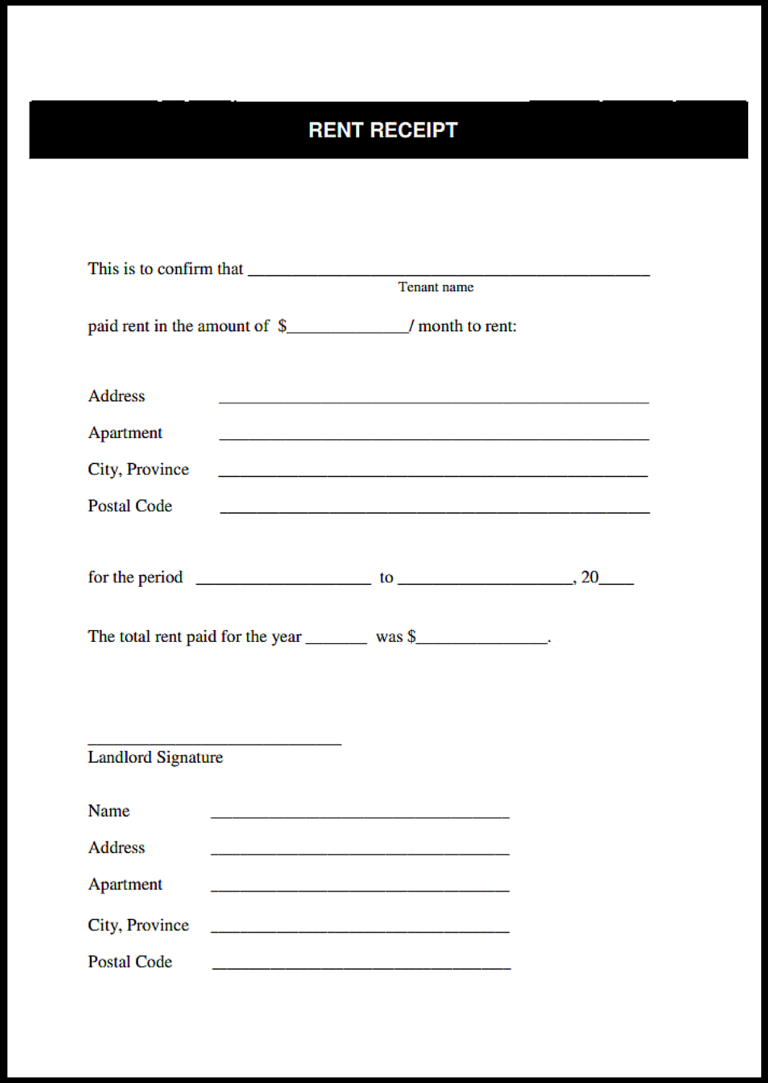
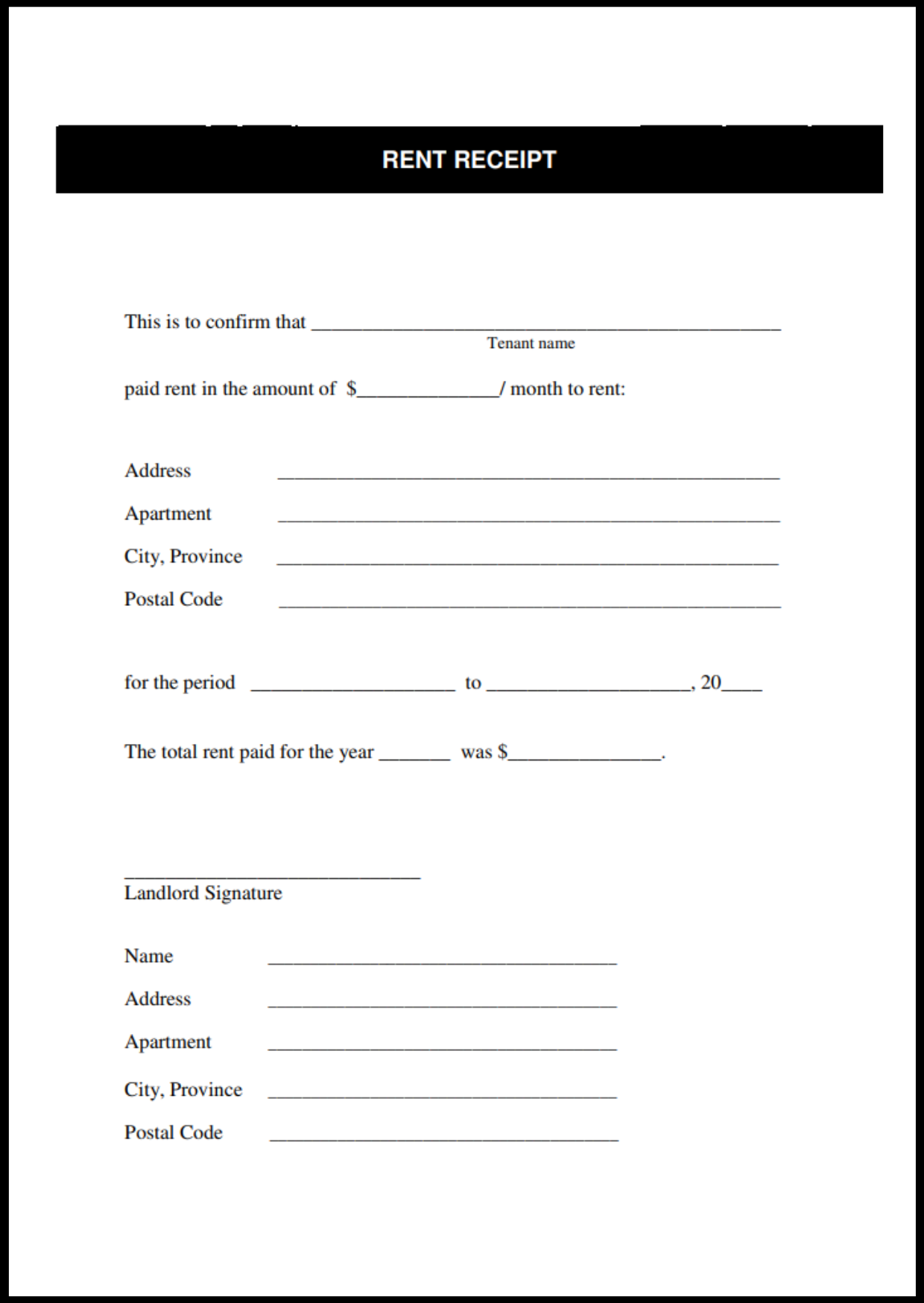
You can use this clean and practical template for any rental situation in Alberta:
Alberta Rent Receipt Laws and Record keeping Rules
| Topic / Issue | Alberta Legal Rule | Governing Statute |
|---|---|---|
| Governing legislation | Alberta rent receipts and residential tenancy obligations are governed primarily by provincial tenancy legislation. | Residential Tenancies Act, SA 2004, c R-17.1 |
| Regulatory authority | Residential tenancy disputes and related matters may be handled through Alberta’s Residential Tenancy Dispute Resolution Service (RTDRS) and the courts. | Government of Alberta |
| Federal law | Residential tenancy receipt requirements are generally matters of provincial law rather than a separate federal rent-receipt regime. | Alberta tenancy legislation |
| Recent amendments | RTDRS filing fees should be checked against the current official fee schedule before publication. Do not treat a general fee schedule as a special fee rule for rent accounting or arrears claims. | Government of Alberta — RTDRS |
| Who can sign | A landlord or a person authorized to receive rent on the landlord’s behalf may provide confirmation of payment. | Residential Tenancies Act |
| Witness requirements | A standard rent receipt does not generally require a witness. | No general statutory witness requirement identified |
| Notarization | A standard rent receipt does not generally need to be notarized to serve as a record of payment. | No general statutory notarization requirement identified |
| Age and capacity | A person issuing a receipt should have authority to acknowledge the payment. The age-of-majority rules may be relevant to legal capacity, but the receipt itself does not establish a separate minimum-age requirement. | Age of Majority Act, RSA 2000, c A-6 |
| Deadline for issuing receipts | Alberta’s Residential Tenancies Act does not establish a general deadline for issuing an ordinary rent receipt. The parties may agree on a receipt procedure in their tenancy agreement. | Residential Tenancies Act |
| Mandatory wording | There is no general prescribed format for an ordinary rent receipt. A clear record should identify the payment and the tenancy to which it relates. | No general prescribed receipt format identified |
| Security deposit receipt requirement | Alberta’s Residential Tenancies Act regulates security deposits, including the maximum amount and the handling of deposits. Do not assume that the security-deposit provisions automatically establish a general receipt requirement for every deposit payment. | Residential Tenancies Act, ss. 43–44 |
| Recommended receipt details | A useful receipt should identify the landlord, tenant, rental property, amount received, payment date, payment method and rental period covered. | Recommended recordkeeping practice |
| Filing requirement | Ordinary rent receipts are generally retained as tenancy records rather than routinely filed with a government agency. | Alberta tenancy law |
| Record retention | Landlords should retain accurate rental and payment records for tax and tenancy purposes. CRA record-retention requirements depend on the type of record and applicable tax circumstances. | Canada Revenue Agency recordkeeping guidance |
| Missing property address | Including the rental property address helps identify which tenancy and payment the receipt concerns. | Recommended evidentiary practice |
| Unauthorized signatory | A receipt issued by someone without authority to receive rent or acknowledge payment may be disputed. | Residential Tenancies Act and general agency principles |
| Unclear payment period | A receipt should state the rental period covered so that the landlord and tenant can identify how the payment was credited. The legal treatment of a disputed or unallocated payment depends on the circumstances and applicable law. | Applicable tenancy law and general contract principles |
| Right to rent receipt | Alberta’s Residential Tenancies Act does not contain a general provision requiring a landlord to issue an ordinary rent receipt every month or whenever a tenant requests one. A tenancy agreement may create an additional obligation. | Residential Tenancies Act |
| Electronic receipt acceptance | Electronic records may be used to document rental payments. Their evidentiary value depends on whether they reliably establish the relevant transaction and payment details. | Electronic Transactions Act, SA 2001, c E-5.5 |
One important point for Alberta tenants is that the Residential Tenancies Act does not create a general monthly rent-receipt requirement. A landlord and tenant can, however, agree that the landlord will provide a receipt after each payment. If you want regular written proof, it is sensible to include that arrangement in the tenancy agreement.
Security deposits are a separate matter. Alberta’s Residential Tenancies Act contains specific rules about security deposits, including the maximum amount a landlord may collect and the requirements for handling the money. Do not confuse those rules with the recordkeeping practices used for ordinary monthly rent.
Clear payment details matter too. A receipt should identify the rental period covered, the date the money was received and the amount paid. If a tenant has outstanding rent, a vague receipt can create disagreement about how the payment was credited. Keeping a clear payment record helps both sides avoid unnecessary disputes.
Use the free Alberta rent receipt template below to record payments consistently and keep a reliable tenancy payment history.
What Is a Rent Receipt and Why It Matters in Alberta
A rent receipt is written confirmation that a tenant has paid rent to a landlord or an authorized representative. It records the amount received, the payment date and the rental period covered.
Why it matters:
- Provides evidence of a rent payment
- Helps landlords and tenants maintain accurate records
- Can support either party if a payment dispute arises
- Makes it easier to track rental expenses and income
Real-life example:
A tenant says, “I already paid last month’s rent in cash.”
The landlord says, “I cannot find that payment in my records.”
Without a receipt or another reliable payment record, both parties may have difficulty establishing what happened. A receipt showing the amount, date and rental period can help resolve the disagreement.
A rent receipt serves as evidence of payment and is a useful record in any tenancy arrangement. It is commonly kept alongside a formal lease contract to maintain financial transparency.
Is a Rent Receipt Required by Law in Alberta?
Under Alberta law, landlords are not generally required by the Residential Tenancies Act to issue an ordinary rent receipt every month or whenever a tenant requests one. However, there are important distinctions between a legal obligation and good recordkeeping practice.
Key legal points:
- The Residential Tenancies Act does not establish a general requirement for landlords to provide an ordinary rent receipt for every rent payment.
- A tenancy agreement may include a term requiring the landlord to issue receipts after payments.
- A receipt is useful evidence of payment, especially when rent is paid in cash.
- Alberta does not prescribe one mandatory format for an ordinary rent receipt.
Legal vs Best Practice:
- Legal obligation: Alberta’s Residential Tenancies Act does not create a general monthly rent-receipt requirement for ordinary rent payments. Do not assume that every landlord must provide a receipt simply because a tenant asks.
- Best practice: Landlords should provide clear receipts, particularly for cash payments, and keep their own payment records. Tenants should retain receipts, bank statements, e-transfer confirmations and other proof of payment.
From a practical point of view, giving receipts regularly is a sensible approach. It protects both parties if a dispute arises later and makes rental payment records easier to check.
Key Details Every Alberta Rent Receipt Must Include
A proper rent receipt should include complete and clear information. Although Alberta does not prescribe a standard format for ordinary rent receipts, missing details can create confusion and may reduce the document’s usefulness as evidence.
Basic Identification Details
This part identifies who is involved and which property is being rented. Include the landlord’s name, tenant’s name and full rental property address. If a property manager or another authorized person receives the payment, identify that person as well.
Payment Information
Record the exact amount received, the date of payment and the method used. If the tenant pays by cash, cheque, bank transfer or e-transfer, identify the method accurately. Do not mark a payment as received until it has actually been received.
Rental Period Covered
Identify the rental period for which the payment is being made. For example, state whether the payment covers rent from November 1 to November 30. If the payment is partial or relates to outstanding rent, explain that clearly.
Signature or Confirmation
The landlord or authorized representative should sign the receipt or provide a clear electronic confirmation. Include the date the receipt was issued. This helps establish who acknowledged the payment.
If any of these details are missing, the receipt may be less useful when the parties need to establish what was paid and when.
This document is especially useful when managing ongoing payments under a month-to-month lease agreement or during rent adjustments using a rent increase notice.
When Should You Issue a Rent Receipt?
It is good practice to issue a receipt after every rent payment. This keeps records clear and avoids confusion later. Although Alberta law does not impose a general receipt requirement for ordinary rent payments, landlords and tenants can agree to a receipt procedure in the tenancy agreement.
You should provide or request receipts in situations like:
- Cash payments
- Partial payments
- Advance rent payments
- Late payments
For example, in shared accommodation, different roommates may pay separately. Individual receipts can help establish who paid, how much each person contributed and which rental period the payment covered.
How to Fill Out an Alberta Rent Receipt (Step-by-Step)
Filling out a rent receipt is simple if you record the information carefully. You do not need a special legal form, but the details should be accurate.
Step 1: Add Receipt Number and Date
Start by writing a unique receipt number and the date the payment was received. This helps the landlord organize payment records and locate a particular transaction later.
Step 2: Enter Landlord & Tenant Details
Write the full names of the landlord and tenant. Include the complete rental property address so that the receipt clearly identifies the tenancy.
Step 3: Record Payment Amount & Method
Enter the exact amount received and identify the payment method, such as cash, cheque or e-transfer. If the payment is partial, state that it is a partial payment rather than recording it as full rent.
Step 4: Mention Rental Period Clearly
Clearly identify the start and end dates of the rental period covered. If the payment relates to an outstanding balance or a different agreed amount, explain that in the receipt.
Step 5: Sign and Store Copy
The landlord or authorized representative should sign the receipt or provide electronic confirmation. The landlord should keep a copy, and the tenant should retain the original or an electronic version for their records.
Common Mistakes to Avoid
Small errors in rent receipts can create problems when the parties later need to confirm a payment. A receipt should be clear enough that someone reviewing it can understand exactly what money was received and what it covered.
Common mistakes include:
- Not providing receipts for cash payments
- Missing rental period details
- Recording incorrect amounts
- Not keeping a copy
- Using an unclear or incomplete format
These errors can lead to disputes and make it harder to reconcile payment records. Landlords should check each receipt before issuing it, while tenants should compare the receipt with their own payment records.
Can Rent Receipts Be Used for Taxes in Canada?
Rent receipts can be helpful for both tenants and landlords when maintaining financial records. However, their tax treatment depends on the purpose of the claim and the applicable tax rules.
Tenants may need rent payment records when applying for a provincial benefit, housing program or tax-related credit that accepts rental information. Eligibility and documentation requirements differ between programs and provinces.
Landlords generally use rental payment records to track rental income and support their tax reporting. They should retain relevant records, including receipts, bank statements and rental ledgers, in accordance with Canada Revenue Agency requirements.
A rent receipt does not automatically create a tax deduction or credit. Check the rules for the particular program or speak with a tax professional if you are unsure what documents are required.
Digital vs Paper Rent Receipts: Which Is Better?
Both digital and paper receipts can be useful in Alberta. The better option depends on how the rent is paid and how the parties prefer to maintain their records.
| Type | Benefits |
| Digital Receipts |
Easy storage, quick sharing, and less paperwork
|
| Paper Receipts |
Useful for cash payments, simple to use, and require no technology
|
The best approach may be to use both. For example, a landlord can provide a paper receipt after receiving cash and keep a scanned digital copy. For electronic payments, an email receipt or a clear payment confirmation can provide a useful record. Keep copies in a safe place so they can be retrieved if a dispute arises.
What Happens If You Don’t Provide a Rent Receipt?
Not providing an ordinary rent receipt does not automatically mean that an Alberta landlord has breached the Residential Tenancies Act. However, the absence of a clear payment record can create practical problems, especially when rent is paid in cash.
Problems may include:
- A tenant claiming that rent was paid when the landlord’s records show otherwise
- Difficulty proving the amount and date of a payment
- Confusion about whether a partial payment covered current rent or an earlier balance
- Loss of trust between the landlord and tenant
For example, if a landlord receives cash but does not record the transaction, it may later be difficult to establish how much was paid. A receipt, payment ledger or other reliable record can help prevent this type of disagreement.
Alberta Rent Receipt vs Lease Agreement
| Feature | Rent Receipt |
Lease Agreement
|
| Purpose | Confirms that rent or another payment was received |
Records the agreed tenancy terms
|
| Timing | Usually issued after payment |
Usually created before or when the tenancy terms are agreed
|
| Legal Role | Provides evidence of a payment |
Establishes the contractual terms of the tenancy
|
| Includes Terms | Records the amount, date, payment method, and rental period |
Covers rent, responsibilities, rules, and other tenancy obligations
|
| Main Use | Tracks payments and helps resolve payment disputes |
Defines the landlord’s and tenant’s rights and responsibilities
|
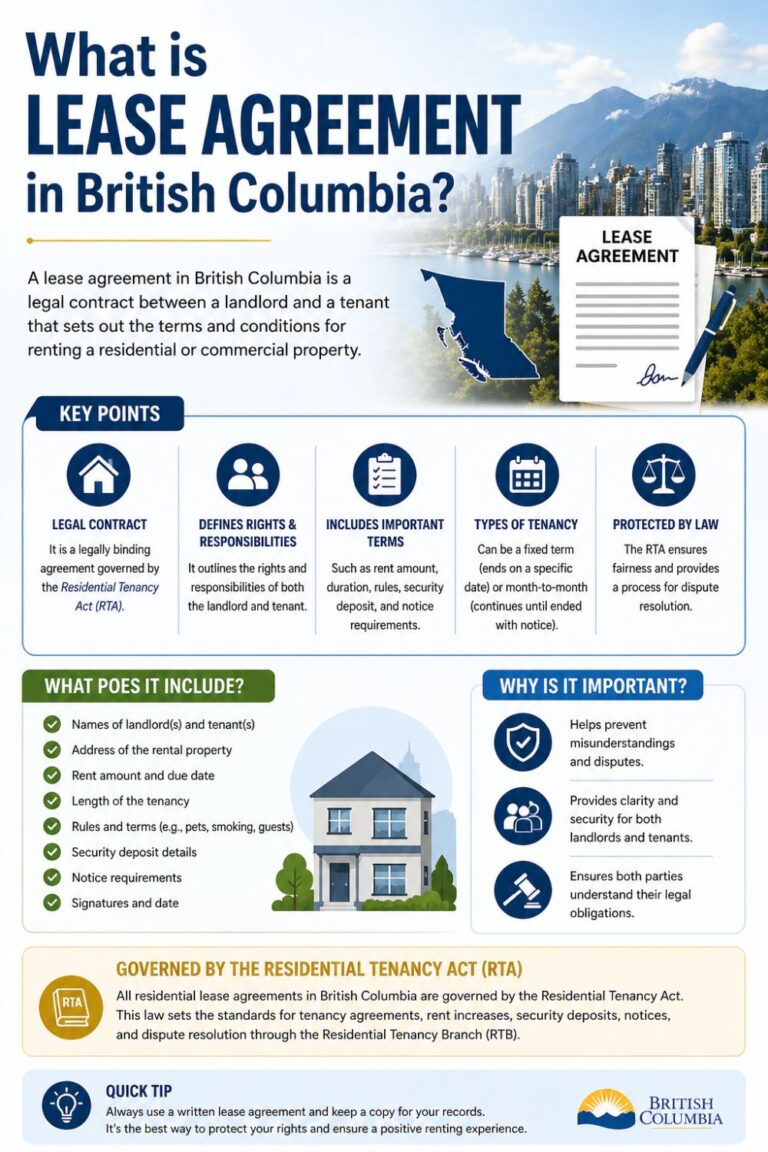
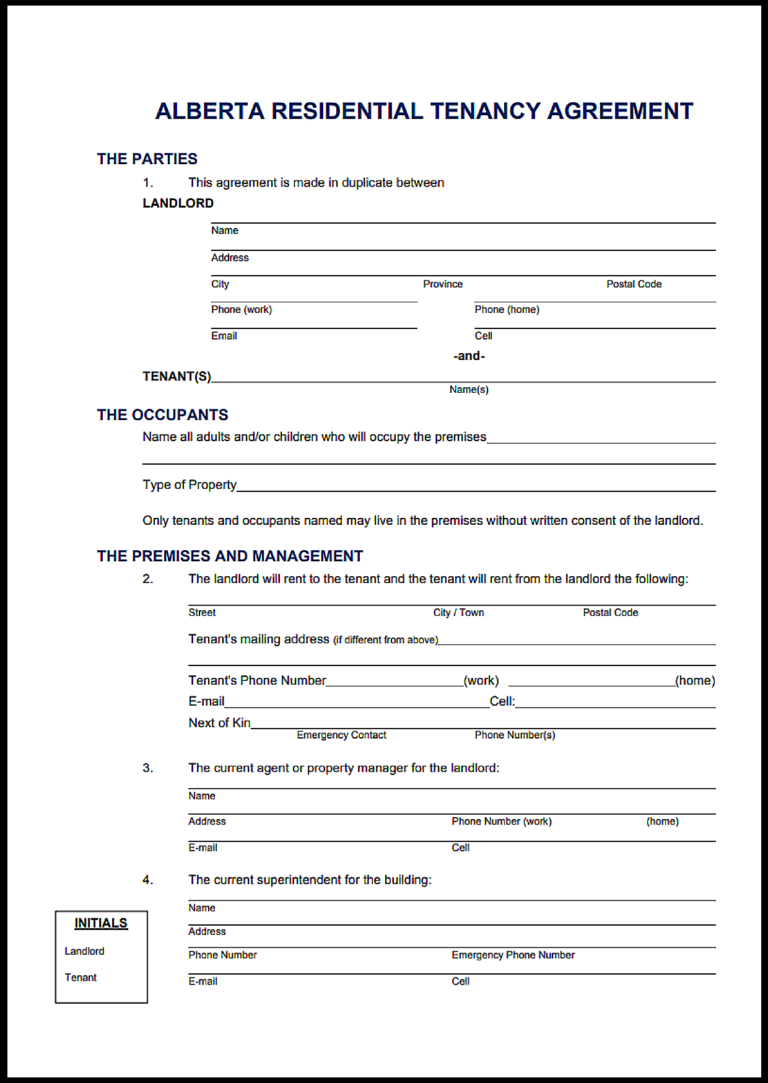
A rent receipt confirms a payment, while a lease agreement sets out the broader terms and conditions of the rental relationship. The two documents serve different purposes and should be kept together as part of the tenancy records.
FAQs About Alberta Rent Receipts
Do landlords have to give receipts for rent in Alberta?
Alberta’s Residential Tenancies Act does not establish a general requirement for landlords to issue ordinary rent receipts every month or whenever a tenant requests one. However, a landlord may agree to provide receipts in the tenancy agreement. Providing them is particularly useful for cash payments because it creates a written record of the transaction.
Can I write my own rent receipt?
Yes. You can create your own rent receipt. Include the landlord’s name, tenant’s name, rental property address, amount received, payment date, payment method and rental period covered. Make sure the information is accurate and retain a copy.
Is an email rent receipt valid?
An email can serve as a useful electronic record of a rent payment. It should clearly identify the parties, amount, date and rental period. Whether an email or other electronic record is accepted as evidence depends on the circumstances and its reliability.
What if I lose my rent receipt?
If you lose a rent receipt, ask the landlord or authorized property manager whether they can provide another copy. You can also retain supporting records such as bank statements, e-transfer confirmations or payment messages. Keeping digital backups makes it easier to retrieve payment information later.
Can rent receipts be used in court?
Rent receipts may be submitted as evidence in a tenancy dispute or court proceeding to help establish that a payment was made. Their evidentiary value depends on the circumstances, accuracy and reliability of the record. A receipt is useful evidence, but it does not guarantee that a dispute will be decided in one party’s favour.