Manitoba Affidavit Of Identity (Free PDF & Word Template)
A Manitoba Affidavit of Identity often pops up after something maddeningly small throws your paperwork sideways — a misspelled middle name on land records, an old surname on pension files, or ID that doesn’t quite match the document you need recognized. I once helped a Brandon client whose property paperwork stalled because her legal name on title documents didn’t line up with her current identification after years of inconsistent records, and a plain explanation letter was useless.
In Manitoba, this affidavit is commonly used for land titles, estate matters, financial corrections, or government identity verification, and under The Manitoba Evidence Act, it still has to be properly sworn before an authorized official, with Manitoba’s execution rules followed down to the jurat.
Get this wrong and things can jam up fast — delayed estate distributions, title transfer problems, rejected registry filings, or financial institutions refusing document corrections because identity proof is inconsistent. If your name, signature, or identifying details don’t line up across official records, a sloppy affidavit can leave you stuck proving you are, in fact, yourself, which sounds absurd until it’s your file getting bounced. I’ve watched clients show up with unsigned declarations or generic online forms that ignored Manitoba’s Court of King’s Bench formatting rules, then lose weeks fixing preventable errors. Use the proper Manitoba Affidavit of Identity template and get the identity gap sorted before the paperwork starts fighting back.
Table of Contents
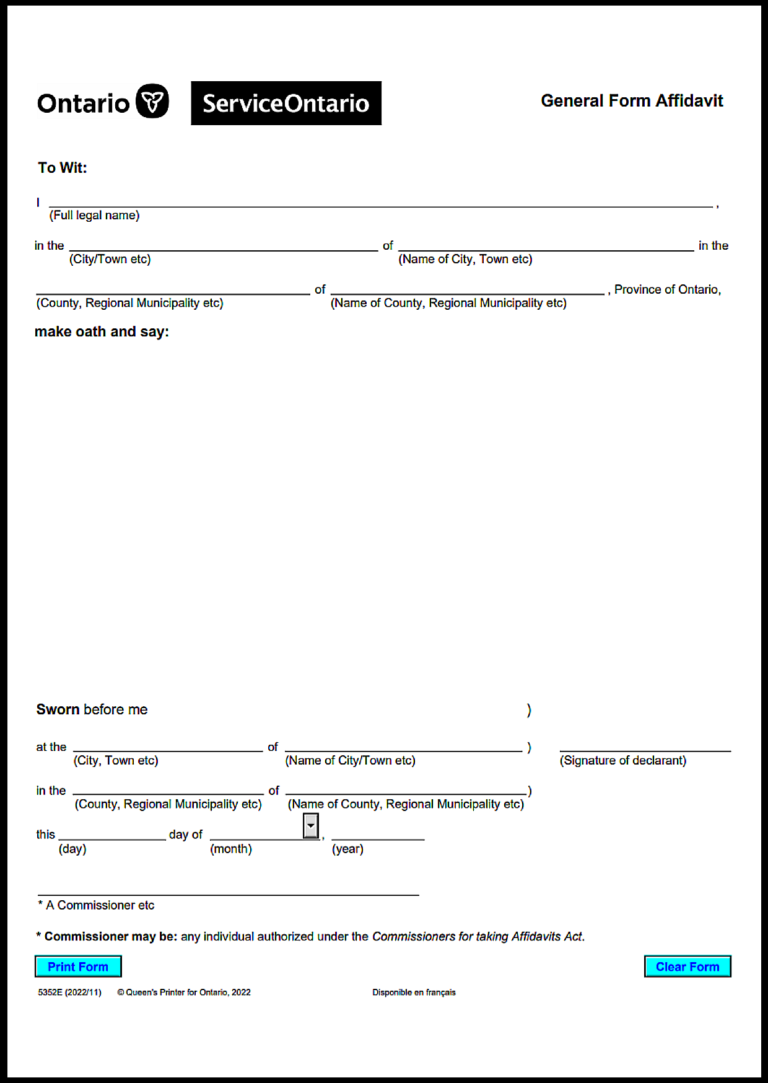
ToggleFree Affidavit Of Identity Template (Manitoba)
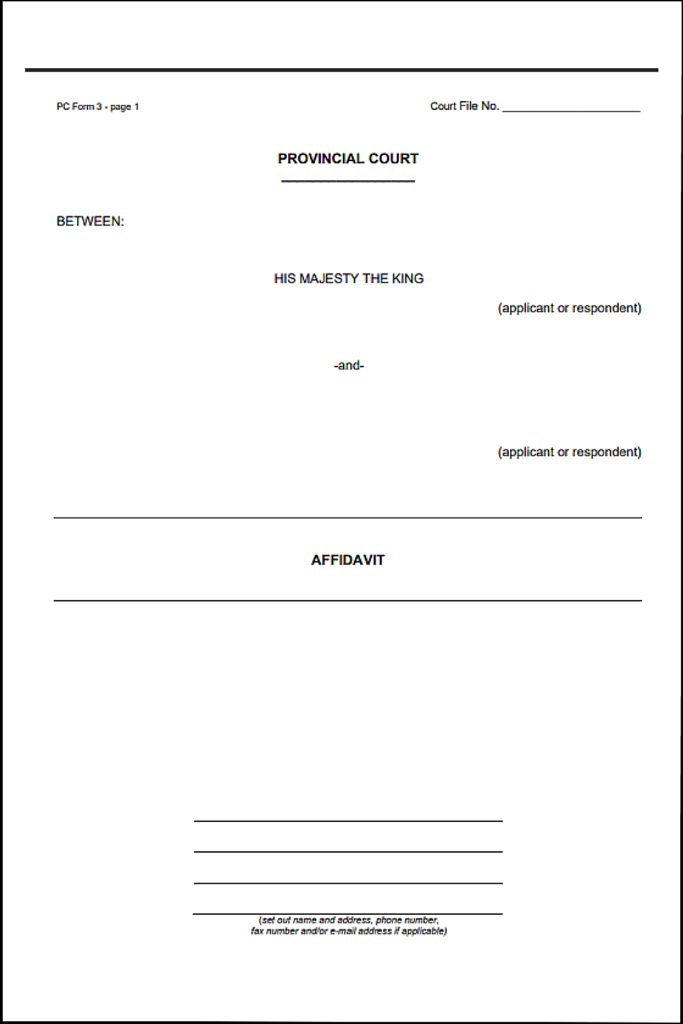
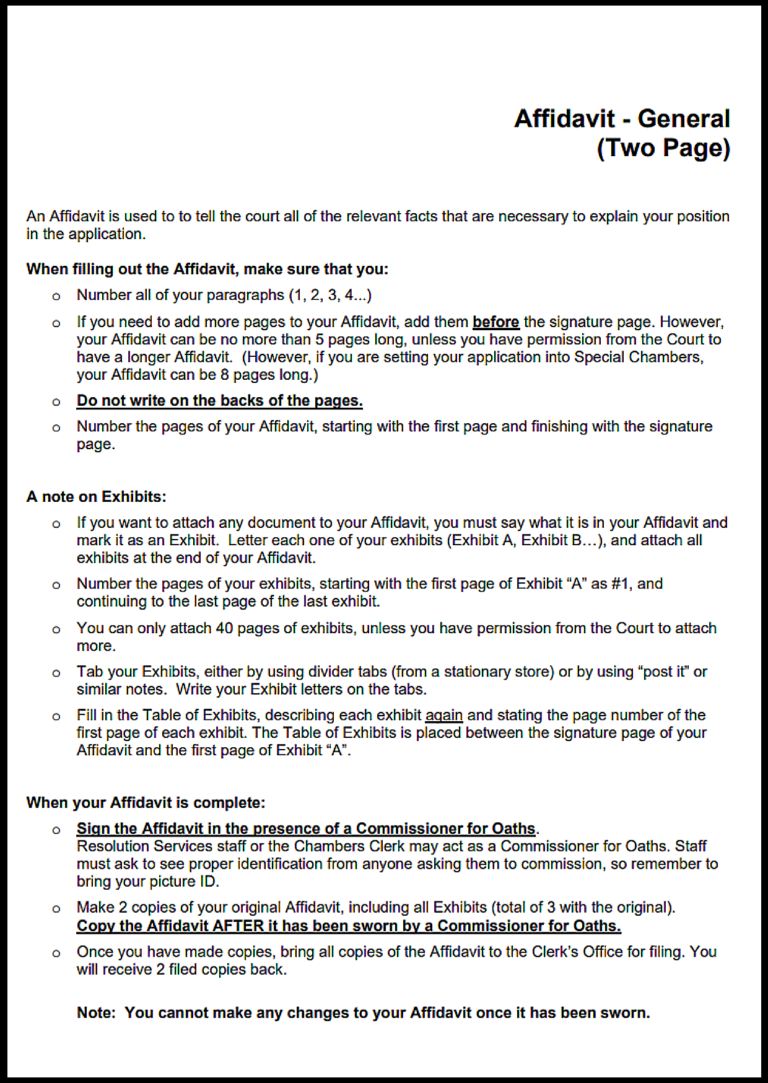
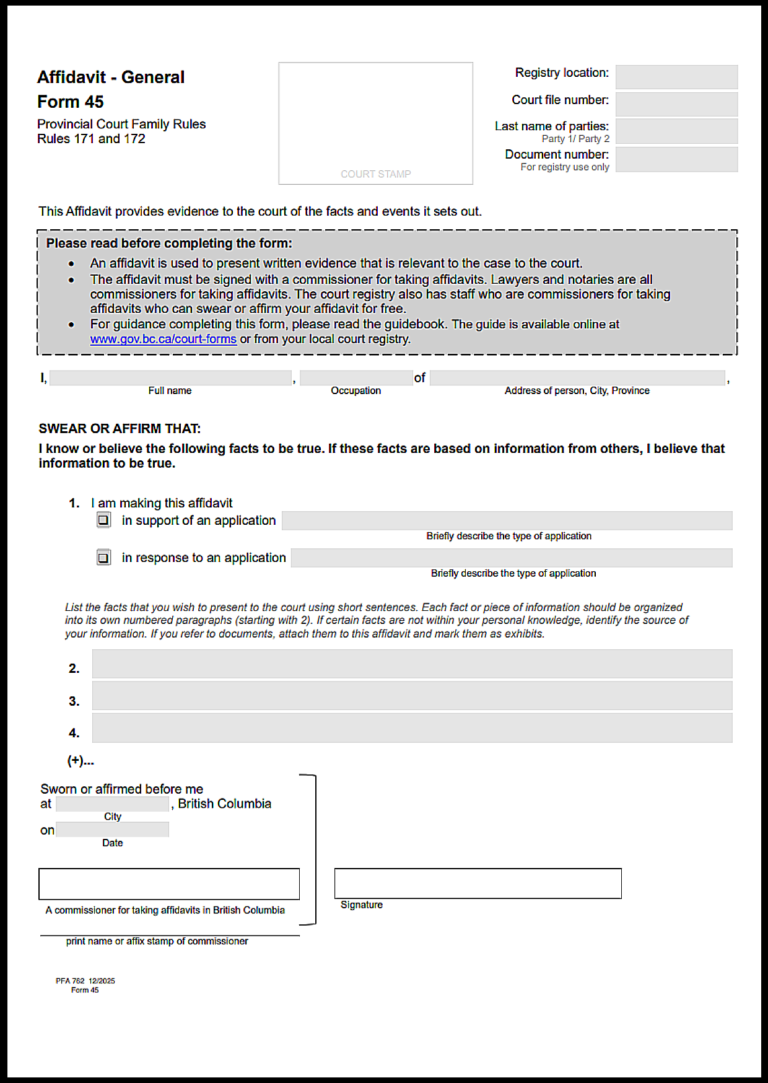
This template is designed for broad Manitoba identity verification use, including title corrections, probate support, and administrative identity confirmation.
Manitoba Identity Affidavit Compliance Traps That Quietly Derail Legal Proof
| Topic / Issue | Manitoba Legal Rule | Governing Statute |
|---|---|---|
| Governing Provincial Law | Manitoba identity affidavits and the rules governing commissioners are unified under a single provincial framework rather than separate statutes. | The Manitoba Evidence Act, C.C.S.M. c. E150 |
| Court Filing Rules | Court-filed identity affidavits must comply with Rule 4.07 and Rule 39. | Court of King’s Bench Rules, Man. Reg. 553/88 (Rule 4.07; Rule 39) |
| Federal Use Limitation | Canada Evidence Act applies only where affidavit is used for federal matters such as passports or federal tax. | Canada Evidence Act, R.S.C. 1985, c. C-5 |
| Remote Commissioning | Manitoba permanently permits virtual witnessing through regulated remote commissioning procedures. | Remote Commissioning Regulation, M.R. 78/2021 |
| Who Can Sign | The deponent must personally know the identity facts being sworn. | Manitoba Evidence Act, s. 64 |
| Authorized Official | Must be sworn or affirmed before a Commissioner for Oaths, Notary Public, or Justice of the Peace authorized in Manitoba. | Manitoba Evidence Act, s. 62 |
| Witness Requirements | No second witness is statutorily required; authorized official serves as sole legal witness. | No statutory requirement — governed by common law principles |
| Official Identification | Authorized commissioners must clearly write, print, or stamp their name, legal office, and commission expiry date directly below their signature. | The Manitoba Evidence Act, C.C.S.M. c. E150, s. 62(2) |
| Age of Capacity | Deponents must generally be 18 without litigation guardian for court, though younger deponents may sign if oath is understood. | The Age of Majority Act, s. 1; Manitoba Evidence Act, s. 24 |
| Court Formatting | Court affidavits must use 14-point font and double spacing. | Court of King’s Bench Rules, Rule 4.07 |
| Mandatory Jurat | Jurat must follow Manitoba Form 4D wording and location/date structure. | Court of King’s Bench Rules, Form 4D |
| Religious vs Secular Oath | Prescribes the explicit, mandatory textual formulas for written affidavits, requiring a solemn affirmation if a religious oath is not taken. | The Manitoba Evidence Act, C.C.S.M. c. E150, s. 64(2) |
| Exhibit Certification | Attached ID copies must carry certified Exhibit wording. | Court of King’s Bench Rules, Rule 4.07(3) |
| Land Title Filing | Identity affidavits for property title discrepancies must be filed with Teranet Manitoba. | The Property Registry (Teranet Manitoba) |
| Court Filing Location | Lawsuit or probate identity affidavits are filed with Manitoba Court of King’s Bench. | Court of King’s Bench Rules, Man. Reg. 553/88 |
| Private Institutional Use | Private bank or institutional affidavits do not require government registration to remain valid. | Private evidentiary use |
| 14-Point Rule | Standard 12-point font may trigger registry rejection. | Court of King’s Bench Rules, Rule 4.07 |
| Missing Commissioner Expiry | Leaving out the commissioner’s official name or explicit expiration date creates a technical deficiency that frequently triggers document rejection. | The Manitoba Evidence Act, C.C.S.M. c. E150, s. 62(2) |
| Un-initialed Alterations | Changes after swearing without Commissioner initials make affidavit inadmissible. | Court of King’s Bench Rules, Rule 4.07(4) |
| Manitoba-Specific Difference | Manitoba uniquely enforces 14-point font, strict remote 8-step protocol, and same-page jurat preference more aggressively than many provinces. | Court of King’s Bench Rules; Remote Commissioning Regulation, M.R. 78/2021 |
One thing that surprises people fast is that in Manitoba, an identity affidavit can be factually true and still become useless because of formatting or commissioning defects. The 14-point font rule alone trips up people using standard Canadian legal templates built for other provinces, and a missing Commissioner expiry date can quietly make the whole document technically deficient. Manitoba’s same-page jurat preference and strict exhibit certification rules also matter more than many realize, especially for land title corrections or probate where identity discrepancies already create scrutiny.
Remote signing helps, but Manitoba’s regulated process is not casual online notarization. These details hit real life hard — rejected land title filings, delayed estate distributions, bank refusal, or court registry pushback. If your affidavit is supposed to prove you are the correct person behind conflicting records, technical mistakes can slow everything down before your identity issue is even reviewed. Download the free Manitoba Affidavit of Identity template below to avoid the province-specific mistakes that commonly derail valid identity claims.
Identity Verification Rules Manitoba Actually Requires
An affidavit is only useful if it includes legally acceptable identity support.
What Counts as Acceptable Supporting ID?
Common supporting documents include:
- Manitoba driver’s licence
- Passport
- Birth certificate
- Marriage certificate
- Legal name change certificate
- Pension or SIN-related records where appropriate
Exhibit Attachment Rules
Identity documents attached to the affidavit should generally be marked properly as Exhibit “A.”
Unsigned or uncertified copies may fail, especially in court or title matters.
Sworn vs Affirmed
You may either:
- Swear a religious oath
- Make a secular affirmation
Both have equal legal force under Manitoba law.
Summary of Applicable Laws
Manitoba Identity Affidavit Legal Framework Table
| Topic | Rule |
Governing Statute
|
| Authorized Official | Must be sworn before Commissioner/Notary |
Manitoba Evidence Act
|
| Commissioner Disclosure | Name, title, and commission expiry date required below signature | The Manitoba Evidence Act |
| Court Formatting | 14pt, double-spaced, proper exhibits |
Court of King’s Bench Rules
|
| Remote Signing | Allowed under regulated verification |
Remote Commissioning Regulation
|
| False Statements | Criminal perjury liability |
Criminal Code (Canada)
|
Commissioner for Oaths vs Notary Public — Which One Do You Actually Need?
Choosing the right official matters more than many people realize.
Standard Private Identity Verification
For many provincial administrative purposes, a Commissioner for Oaths is enough.
Land Titles or Mortgage Transactions
A Notary Public may sometimes be preferred, especially where title or out-of-province recognition matters.
Probate Court Matters
Court-specific filing standards may influence which official is most practical.
Out-of-Province or International Use
A Notary is often stronger where broader recognition is required.
Virtual Commissioning Limits
Remote commissioning is allowed in Manitoba, but verification steps must be followed carefully.
How To Complete the Template Without Rejection
Matching Names Exactly to Records
List names exactly as they appear on each document.
Listing Prior Names Correctly
Include maiden names, legal former names, or common discrepancies.
Identity Purpose Statement
Clearly explain why the affidavit exists.
Examples:
- Land title correction
- Probate identification
- Pension release
Signing Only in Front of Authorized Official
Do not pre-sign.
Formatting for Court-Specific Filings
Court affidavits may require:
- 14pt font
- Double spacing
- Numbered pages
Initialing Corrections Properly
Unauthorized edits after swearing can invalidate the document.
Manitoba-Specific Legal Risks That Cause Identity Affidavits To Fail
Incorrect or Incomplete Jurat
Missing required wording can create rejection.
Missing Commission Expiry Date
This technical detail is legally important.
12pt Font Rejection for Court Filings
Court registry may reject non-compliant formatting.
Unverified “One and the Same” Claims
Unsupported identity links may fail.
Alterations After Swearing
Changes without proper initials can create inadmissibility.
Commissioner Conflict of Interest
Officials should not witness documents where conflict exists.
Real-Life High-Stakes Uses
Correcting a Name on Land Title
Even one inconsistent middle initial can create delays.
Probate Executor Verification
Courts or institutions may require sworn identity evidence.
Insurance Payout Delays
Name mismatches often trigger extra scrutiny.
Pension or Bank Release Issues
Financial institutions frequently require formal sworn declarations.
Federal Agency Identity Discrepancies
Federal use may require additional procedural caution.
False Statements, Fraud, and Perjury Risks
An Affidavit of Identity is not casual paperwork.
Criminal Code Consequences
False statements may constitute perjury.
Registry Rejection
Incorrect facts can halt legal processes.
Delayed Transactions
Mortgage closings, title corrections, or estate distributions may stall.
Mortgage or Probate Complications
Errors can create significant financial consequences.
Fraud Red Flags
Suspicious discrepancies may trigger deeper review.
Common Manitoba Identity Affidavit Failure Points
| Mistake | Risk |
| Missing jurat | Invalid affidavit |
| False identity claim | Perjury |
| Missing commission expiry | Filing rejection |
| Unsupported alternate names |
Delays or refusal
|
| Improper exhibit certification |
Administrative rejection
|
FAQs
What is an Affidavit of Identity in Manitoba?
It is a sworn legal statement verifying your identity, often used to reconcile inconsistent records.
Who can sign it?
A Commissioner for Oaths, Notary Public, or other authorized official.
Do I need a notary or commissioner?
For many Manitoba uses, a Commissioner is enough. Some transactions may prefer notarization.
What if my names differ across documents?
A properly drafted “one and the same person” clause may help resolve discrepancies.
Can it be signed remotely?
Yes, Manitoba permits regulated remote commissioning.