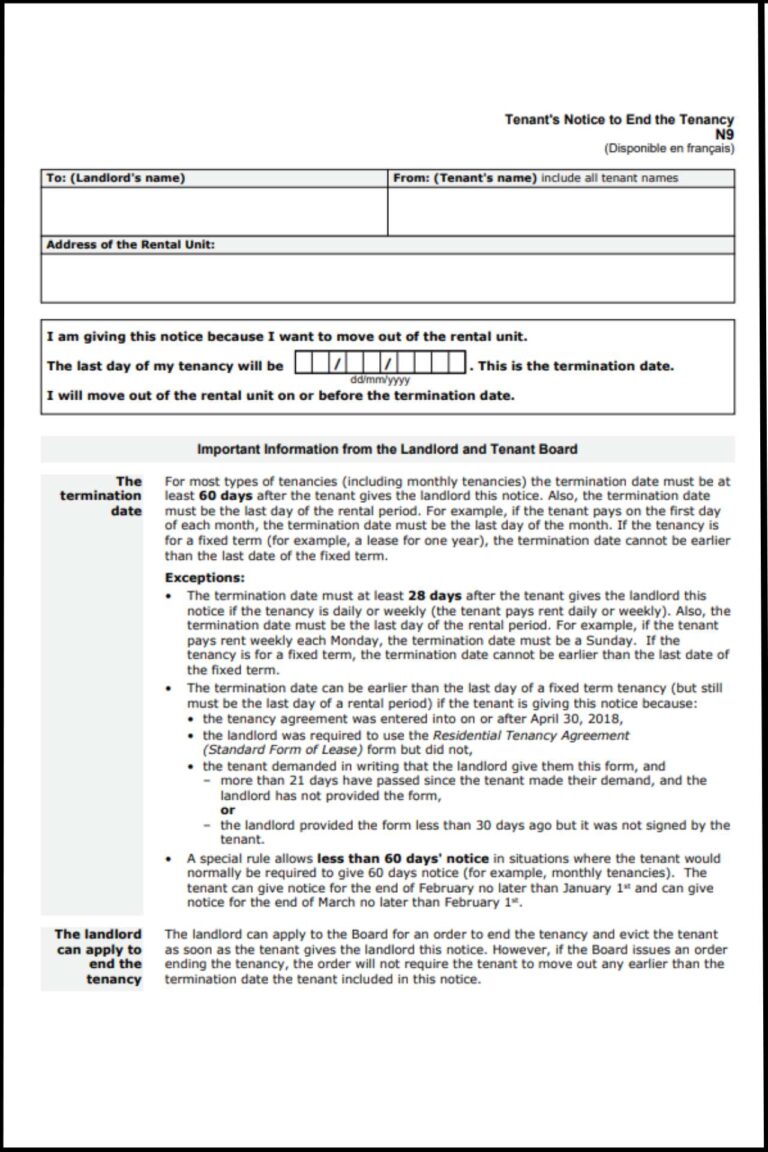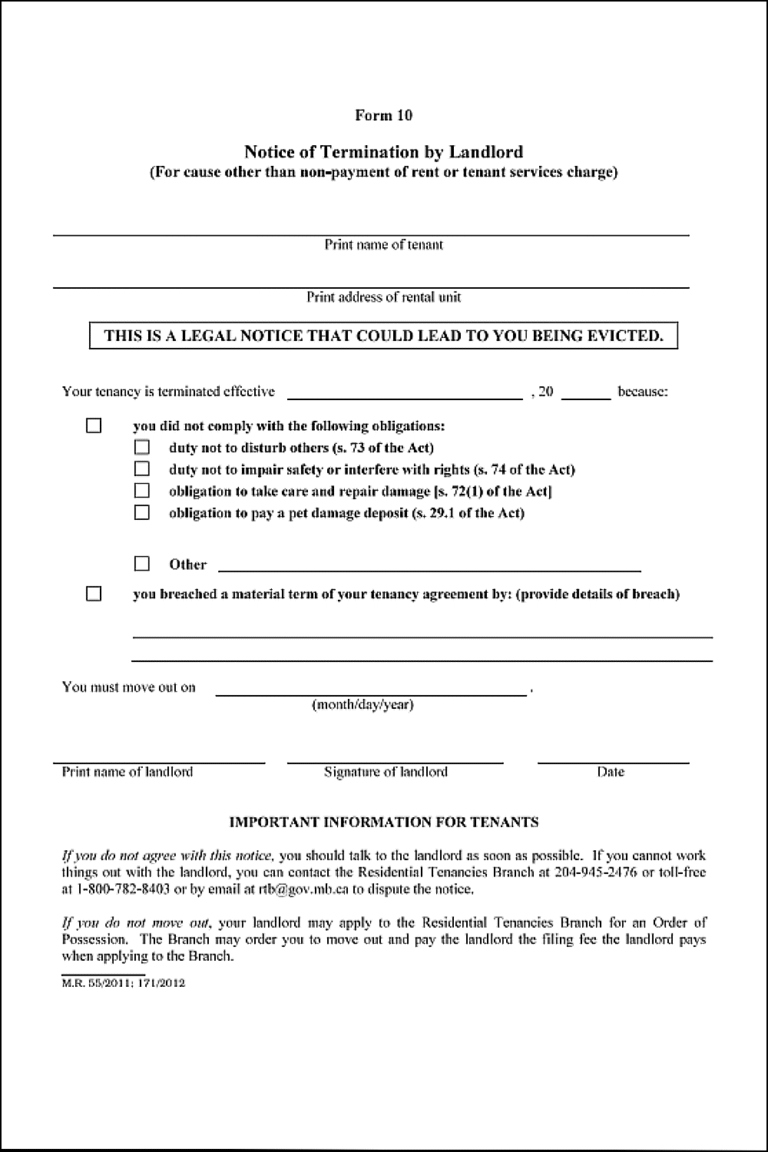
Free British Columbia Tenant Rights Guide
British Columbia Tenant Rights Guide helps you understand your legal protections as a renter under BC law. If you are renting a home, this guide explains what your landlord can and cannot do, how rent works, and what steps to take if something goes wrong.
Renting a home can feel confusing, especially if you don’t know your rights. In British Columbia, tenant rights are protected under the Residential Tenancy Act. This law applies to most rental homes like apartments, condos, and basement suites.
In simple words, tenant rights mean you must be treated fairly, your home must be safe, and your landlord must follow proper rules. These laws protect both tenants and landlords by setting clear expectations. I’ve seen many tenants in British Columbia come to me after a landlord raised the rent illegally or gave an eviction notice that did not follow the proper rules. When renters do not understand their rights early on, small problems can quickly turn into stressful disputes that are much harder to fix later.
When you understand these rights, you can avoid problems and handle issues confidently.
Last Updated: August 2026

British Columbia Tenant Protection Laws and Invalid Lease Rules
| Topic / Issue | British Columbia Legal Rule | Governing Statute |
|---|---|---|
| Primary governing legislation | Residential tenancies in British Columbia are governed by the Residential Tenancy Act and Residential Tenancy Regulation when the tenancy falls within their scope. | Residential Tenancy Act [SBC 2002] c. 78 and Residential Tenancy Regulation |
| Federal law involvement | Residential tenancy regulation is primarily a provincial matter in British Columbia, although federal laws can apply to particular issues. | Constitution Act, 1867, s. 92(13) |
| Recent amendments | BC made tenancy-law changes in 2026 affecting areas including supportive housing and other specified tenancy matters. The applicable changes depend on the provision and its effective date. | Residential Tenancy Act and Residential Tenancy Regulation amendments |
| Who can sign | The landlord and tenant, or their properly authorized representatives, may enter into the tenancy agreement. | Residential Tenancy Act, s. 13 |
| Witness requirements | The Residential Tenancy Act does not prescribe a witness-signature requirement for an ordinary written residential tenancy agreement. | Residential Tenancy Act |
| Notarization requirement | The Residential Tenancy Act does not require an ordinary residential tenancy agreement to be notarized. | Residential Tenancy Act |
| Age requirement | A person who has not reached 19 years of age may enter into a tenancy agreement, and the agreement and the Residential Tenancy Act and regulations are enforceable by and against that person. | Residential Tenancy Act, s. 3 |
| Mental capacity | The parties should have the legal capacity required to enter into the tenancy agreement. | General contract law |
| Deadline for signed copy | Within 21 days after entering into a tenancy agreement, the landlord must give the tenant a copy of the agreement. | Residential Tenancy Act, s. 13(3) |
| Standard terms requirement | BC tenancy agreements are subject to the standard terms prescribed by the Residential Tenancy Regulation, and the landlord must ensure the agreement contains those standard terms. | Residential Tenancy Act, ss. 12–13; Residential Tenancy Regulation |
| Security deposit limits | A landlord must not require or accept a security deposit greater than one-half of one month’s rent. | Residential Tenancy Act, s. 19 |
| Pet damage deposit limits | A landlord must not require or accept a pet damage deposit greater than one-half of one month’s rent. | Residential Tenancy Act, s. 19 |
| Rent increase rules | Rent generally cannot be increased until at least 12 months have passed since the rent was first payable or last legally increased, and the landlord must give at least 3 full months’ notice. | Residential Tenancy Act, ss. 41–43 |
| Landlord entry rules | Except where an exception applies, a landlord must give at least 24 hours and not more than 30 days’ written notice, state a reasonable purpose, and provide an entry time between 8 a.m. and 9 p.m. | Residential Tenancy Act, s. 29 |
| Filing requirement | Ordinary residential tenancy agreements do not require government registration merely because the tenancy is created. | Residential Tenancy Act |
| RTB filing use | A tenancy agreement may be submitted as evidence in a Residential Tenancy Branch dispute when it is relevant to the issues being decided. | Residential Tenancy Branch procedures |
| Long-term lease registration | A tenancy agreement for living accommodation with a term longer than 20 years is excluded from the Residential Tenancy Act. Any separate land-title registration question is governed by applicable land-title law. | Residential Tenancy Act, s. 4 |
| Unconscionable lease terms | A term may be unenforceable if it is unconscionable under the Residential Tenancy Act and Residential Tenancy Regulation. | Residential Tenancy Act, s. 6; Residential Tenancy Regulation, s. 3 |
| Contracting out prohibition | A tenancy term cannot be used to avoid or contract out of the Residential Tenancy Act or regulations. | Residential Tenancy Act, s. 5 |
| Illegal vacate clauses | A fixed-term tenancy agreement may require the tenant to vacate at the end of the term only in circumstances permitted by the Residential Tenancy Act and regulations. | Residential Tenancy Act, s. 44; Residential Tenancy Regulation |
| Deemed standard terms | The standard terms prescribed by the Residential Tenancy Regulation apply to covered tenancy agreements, and parties cannot contract out of statutory requirements. | Residential Tenancy Act, ss. 5, 12–13; Residential Tenancy Regulation |
| Deposit restrictions | Landlords cannot require prohibited fees or deposits, and security and pet damage deposits are subject to statutory limits. | Residential Tenancy Act, ss. 15, 18–19 |
| 21-day delivery rule | The landlord must give the tenant a copy of the tenancy agreement within 21 days after entering into it. | Residential Tenancy Act, s. 13(3) |
A key BC tenant protection is that parties cannot remove Residential Tenancy Act rights simply by writing different terms into a lease. Section 5 prevents landlords and tenants from contracting out of the Act or regulations. That means a signed clause does not become enforceable merely because both parties agreed to it.
Another major rule involves deposits. BC limits a security deposit and a pet damage deposit to one-half of one month’s rent. Landlords also cannot use a private agreement to bypass statutory restrictions on prohibited fees or deposits.
The 21-day deadline for providing a copy of the tenancy agreement is also important. The current Residential Tenancy Act requires the landlord to give the tenant a copy within 21 days after the tenancy agreement is entered into.
Problems can arise when a landlord uses an invalid tenancy term, charges an unlawful amount, or fails to follow the statutory rules. The free BC tenant rights template and guide can help you understand the basic protections that apply under British Columbia tenancy law.
Understanding provincial tenancy rules can help both landlords and tenants avoid disputes related to rent payments, occupancy rights, deposits, and notice requirements. Anyone preparing housing documents should also review the British Columbia lease agreement template guide to see how these legal requirements are commonly applied in real rental contracts.
What Are Tenant Rights in British Columbia?
Under British Columbia law, tenant rights are legal protections that ensure renters are treated fairly. These rights come from the Residential Tenancy Act and apply to residential tenancy arrangements that fall within the Act.
Tenants have rights relating to quiet enjoyment, privacy, repairs and maintenance, rent increases, deposits, and the ending of tenancies. Landlords must follow the applicable statutory rules when dealing with these matters.
Key Tenant Rights Every Renter Should Know
Right to Safe and Livable Housing
Landlords have statutory responsibilities concerning repairs and maintenance. The rental unit and property must meet the health, safety, and housing standards required by the Residential Tenancy Act and applicable regulations.
If something requires repair, the tenant should notify the landlord and keep a record of the issue. The landlord’s specific responsibility depends on the nature of the repair and the applicable law.
Right to Privacy
Tenants have a right to quiet enjoyment and reasonable privacy. Except where an exception applies, landlords must give at least 24 hours and not more than 30 days’ written notice before entering, state a reasonable purpose, and schedule entry between 8 a.m. and 9 p.m.
A landlord cannot simply enter whenever they choose. The Residential Tenancy Act also provides exceptions, including emergencies and certain circumstances involving tenant permission or an order.
Protection Against Unfair Rent Increases
Rent increases are regulated under Part 3 of the Residential Tenancy Act. A landlord generally must wait at least 12 months between increases, give at least three full months’ notice, and stay within the applicable annual limit unless another lawful increase applies.
For 2026, the standard annual rent increase limit is 2.3% for residential tenancies covered by the standard rules.
Protection from Illegal Eviction
A tenant cannot be required to leave simply because a landlord wants the tenancy to end. The landlord must rely on a lawful statutory ground where one is required and follow the applicable notice, form, timing, and dispute procedures.
Changing locks or otherwise preventing a tenant from accessing the rental unit without lawful authority can breach the Residential Tenancy Act.
Right to Quiet Enjoyment
Tenants have the right to quiet enjoyment of the rental unit. This includes reasonable privacy, freedom from unreasonable disturbance, and the right to use common areas for reasonable and lawful purposes without significant interference.
Rent Rules in British Columbia
| Rule | What It Means |
| Rent Increase Limit |
For 2026, the standard annual limit is 2.3%, subject to applicable exceptions
|
| Notice Period |
At least 3 full months’ notice is required for a standard rent increase
|
| Payment Methods |
The tenancy agreement should state the agreed rent and payment arrangements
|
| Late Fees |
Any permitted late-payment fee must comply with the Residential Tenancy Act and regulations
|
Rent increases in British Columbia are governed by specific statutory rules. A landlord generally cannot increase rent until at least 12 months have passed since the rent was first payable or the previous lawful increase, and at least three full months’ notice must be given.
The agreement should also clearly identify the rent payable, the day rent is due, and included services and facilities. A landlord should not add a new charge later simply because it was not originally agreed or otherwise authorized by law.
When Can a Landlord Enter Your Rental Unit?
Landlords must follow specific entry rules before entering a rental unit. Except where an exception applies, they must give between 24 hours and 30 days’ written notice, identify a reasonable purpose, and provide a time between 8 a.m. and 9 p.m.
Emergencies are one statutory exception. Other exceptions can apply where the tenant gives permission, an order authorizes entry, the tenant has abandoned the unit, or another provision of section 29 applies.
For example, if a landlord wants to inspect the unit, the landlord generally must provide the required written notice rather than arriving without warning.
Eviction Rules in British Columbia (Know Your Rights)
Valid Reasons for Eviction
A landlord can end a tenancy only where the Residential Tenancy Act provides a lawful ground and the required procedure is followed. Depending on the circumstances, statutory grounds can include unpaid rent or utilities, cause, landlord or purchaser occupancy, demolition or conversion, or other grounds provided by the Act.
Illegal Eviction Situations
A landlord cannot simply remove a tenant without following the applicable legal process. Threats, unlawful lock changes, or attempts to bypass statutory notice and dispute procedures can create legal problems for the landlord.
Notice Periods (Simple Guide)
| Reason | Notice Time |
| Non-payment of rent | 10 days |
| Landlord use |
3 months for landlord or purchaser occupancy under the current prescribed process
|
| Major renovations |
4 months through the applicable RTB process
|
The notice period depends on the statutory reason for ending the tenancy. For unpaid rent or utilities, the landlord uses the 10 Day Notice to End Tenancy for Unpaid Rent or Utilities. Current BC guidance identifies a three-month notice for landlord or purchaser occupancy, while demolition or conversion uses a four-month notice. Major renovations or repairs have a separate application and Order of Possession process rather than simply using an old four-month renovation notice.
What to Do If Your Landlord Breaks the Rules
If your landlord is not following the law, start by keeping a clear record of what happened. Save messages, photographs, receipts, notices, and other documents that may help establish the facts.
The Residential Tenancy Branch provides dispute resolution services for many landlord-tenant disputes in British Columbia. The appropriate process depends on the issue, and you should follow the applicable filing and service requirements.
Do not assume that keeping records guarantees a particular result. They are simply useful evidence when you need to explain what happened.
Common Tenant Mistakes That Can Cause Problems
Many tenant problems begin with simple oversights. Not reading the tenancy agreement carefully can leave you unclear about rent, services, deposits, or other terms.
Paying rent in cash without keeping a record can also make payment disputes harder to resolve. Written receipts, bank records, e-transfer records, and other proof can be useful.
Ignoring a formal notice can create additional problems. Tenants should read notices carefully and check the deadline for disputing them where applicable.
It is also useful to document the condition of the rental unit at move-in. Photographs and inspection records can help establish the condition of the unit when the tenancy began.
Real-Life Example: Tenant Rights in Action
Consider a tenant in British Columbia whose landlord attempts to increase the rent after only six months.
The tenant checks the current rules and finds that rent generally cannot be increased until at least 12 months have passed since the rent was first payable or last legally increased. The landlord must also provide the required notice.
The tenant can raise the issue with the landlord and, where appropriate, use the Residential Tenancy Branch dispute-resolution process. The outcome will depend on the actual facts and applicable law.
How This Guide Helps You Stay Legally Safe
This guide gives you a practical starting point for understanding your rights under British Columbia tenancy law. Knowing the basic rules can make it easier to recognize an incorrect rent increase, an improper entry, an invalid tenancy term, or a notice that needs closer attention.
Keep copies of important tenancy records and check current BC Government or BC Laws information when a dispute involves a specific deadline, form, or statutory requirement.
Frequently Asked Questions (FAQs)
Can a landlord increase rent anytime in BC?
No. A landlord generally must wait at least 12 months between rent increases and give at least three full months’ notice. The amount must also comply with the applicable BC rules. For 2026, the standard annual rent increase limit is 2.3%.
Can a landlord enter without permission?
Except where a statutory exception applies, a landlord generally needs to give between 24 hours and 30 days’ written notice, state a reasonable purpose, and provide an entry time between 8 a.m. and 9 p.m.
What is the maximum security deposit?
Under British Columbia law, the maximum security deposit is one-half of one month’s rent. A separate pet damage deposit, where permitted, is also limited to one-half of one month’s rent.
Where can I file a complaint?
You can apply for dispute resolution through the Residential Tenancy Branch for disputes that fall within its jurisdiction. The RTB provides information and dispute-resolution services for covered landlord-tenant matters.