Free Alberta Last Will and Testament Template Guide
An Alberta Last Will and Testament helps you decide what happens to your money, property, and family after your death. In real life, I’ve seen many families face stress just because there was no clear will. Under Alberta law, a properly written will makes everything smoother and avoids confusion.
I’ve seen Alberta families end up in long probate delays because a will was signed incorrectly or never updated after major life changes like marriage or divorce. When someone is already grieving, even small mistakes in a will can create serious stress and disagreements between family members.
Last Updated: August 2026
A simple will can:
- Protect your loved ones
- Save time and legal costs
- Prevent family disputes
Table of Contents
ToggleFree Alberta Last Will and Testament Template (Alberta)
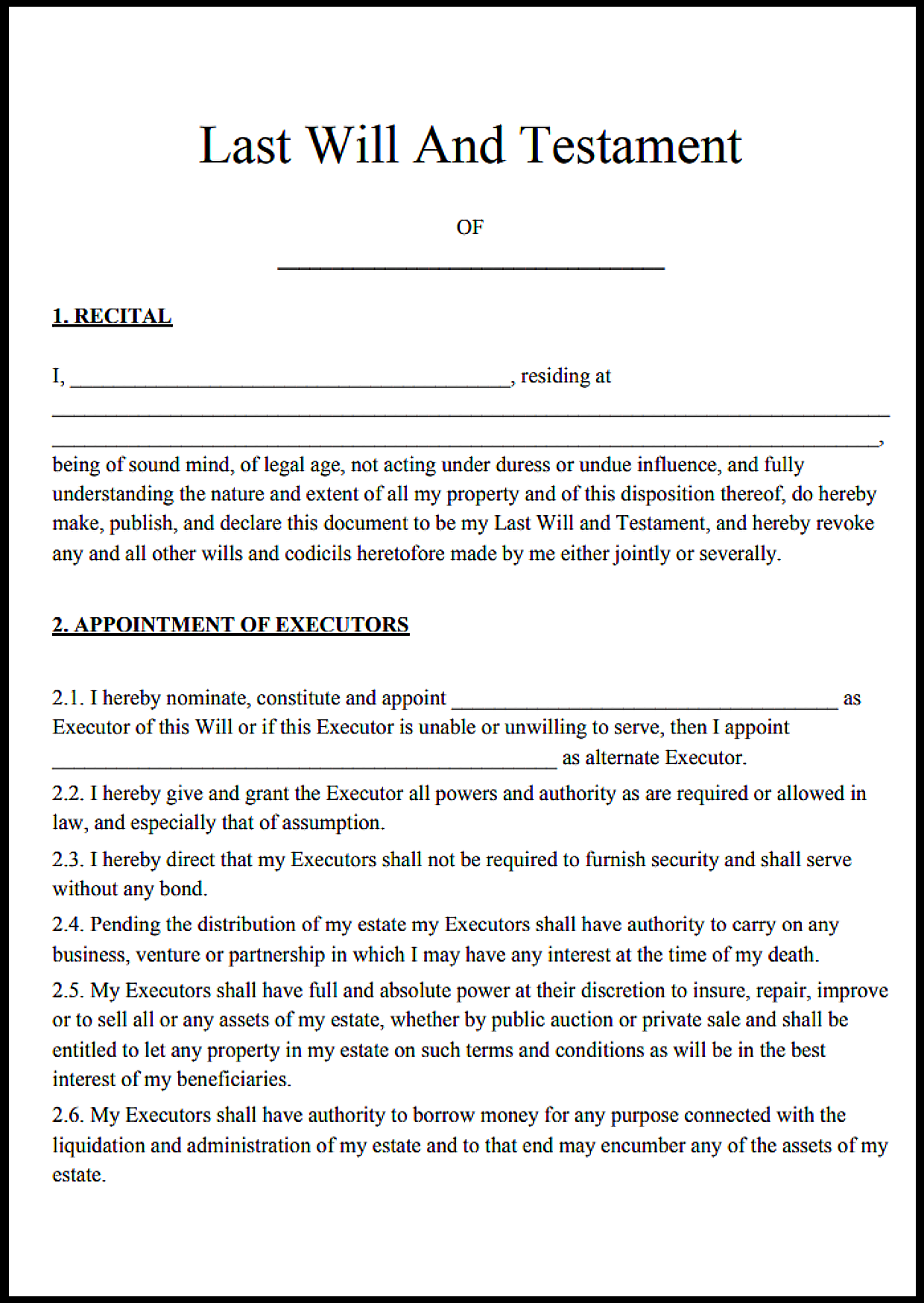
Below is a simple and beginner-friendly template. You can customize it based on your situation. This works best for basic estates.
Alberta Will Mistakes That Commonly Cause Probate Problems
| Topic / Issue | Alberta Legal Rule | Governing Statute |
|---|---|---|
| Incorrect signing problems | A will that does not meet Alberta’s applicable signing requirements can create problems when the estate is being administered and may require additional evidence or a court application. | Wills and Succession Act, SA 2010, c W-12.2 |
| Failure to update after life changes | A will should be reviewed after major life changes such as marriage, divorce, the end of an adult interdependent relationship, or the birth of a child because those events can affect estate planning and certain gifts or appointments. | Wills and Succession Act, SA 2010, c W-12.2 |
| Probate delays | Improperly prepared or outdated wills can create additional work or delays during Alberta estate administration. | Wills and Succession Act, SA 2010, c W-12.2 |
| Family disputes | Small mistakes in a will can create disagreements between beneficiaries and surviving family members. | Wills and Succession Act, SA 2010, c W-12.2 |
| Emotional and financial stress | Errors in a will can increase stress for grieving families and may increase legal costs during estate administration. | Government of Alberta – Wills and Estates |
A signed will should not simply be put away and forgotten. Alberta recommends reviewing a will regularly and after major life events, including marriage, divorce, and having children. Changes in family or financial circumstances can make an older will inconsistent with your current wishes.
Improper execution can create problems when a will is later submitted for estate administration. For a formal Alberta will, the testator signs in the presence of two witnesses, and the witnesses also sign the will in the testator’s presence.
These rules matter because a will is supposed to provide clear instructions for estate administration. When problems arise, beneficiaries may disagree, additional legal steps may be required, and administration can become more complicated.
What Is a Last Will and Testament in Alberta?
A last will is a legal document that explains your final wishes. It sets out how your estate should be distributed and identifies the person who will administer your estate after your death. For many people, it is an important part of an overall estate plan.
It covers:
- Property and land
- Bank accounts and investments
- Responsibilities like guardianship
It only takes effect after death and is different from documents such as a Power of Attorney or a Personal Directive, which operate while you are alive.
When Do You Need a Will in Alberta?
A will is particularly useful when you own property, have children, or want to choose who should receive your estate. Alberta’s intestacy rules apply if you die without a will, so making a will gives you an opportunity to state your own wishes.
You should create a will if:
- You own property or land
- You have children under 18
- You want to decide who gets your assets
- You want to state your wishes instead of leaving distribution to Alberta’s intestacy rules
Without a will, Alberta’s intestacy rules determine how your estate is distributed, which may not match your wishes.
A last will and testament defines how your assets and responsibilities are handled after death. To understand how this document fits into a broader estate plan, refer to the complete Alberta will guide, which explains legal requirements and structure in more detail.
Key Parts of an Alberta Will
A proper will includes several important sections. Each part plays a specific role, and missing or unclear provisions can create problems later.
Executor Responsibilities
The executor is the person who administers your estate. This role is important because they deal with the estate after your death.
Their duties include:
- Managing your estate
- Paying debts and taxes
- Distributing assets
- Handling probate when required
Choose someone responsible and trustworthy, as they may handle significant legal and financial matters during estate administration.
Beneficiaries
Beneficiaries are the people or organizations who receive property under the will. Use names and descriptions that make the intended recipient clear, particularly where family members have similar names or circumstances have changed.
You should:
- Use full legal names
- Clearly mention relationships
- Avoid vague terms
Asset Distribution
Your will should clearly explain how your assets are divided. This includes both large and small items.
Examples:
- House or land
- Bank accounts
- Investments
- Personal belongings
Clear details can make it easier for the personal representative to understand and carry out your instructions.
Guardian for Minor Children
If you have children under 18, you can use your will to name a person you would like to act as guardian. The appointment remains subject to Alberta law and any applicable court process.
Without this:
- The court may become involved
- Family disputes may arise
Residual Estate Clause
A residue clause deals with property that is not otherwise specifically distributed by the will. It can help prevent assets from being left outside the main distribution provisions.
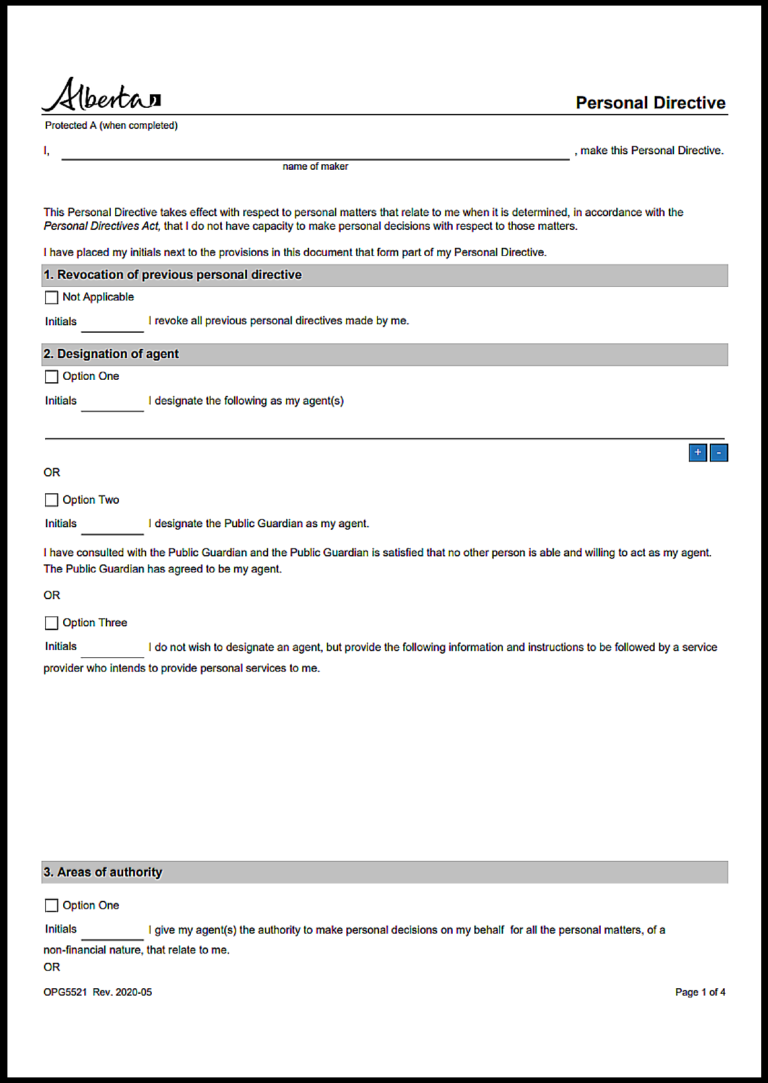
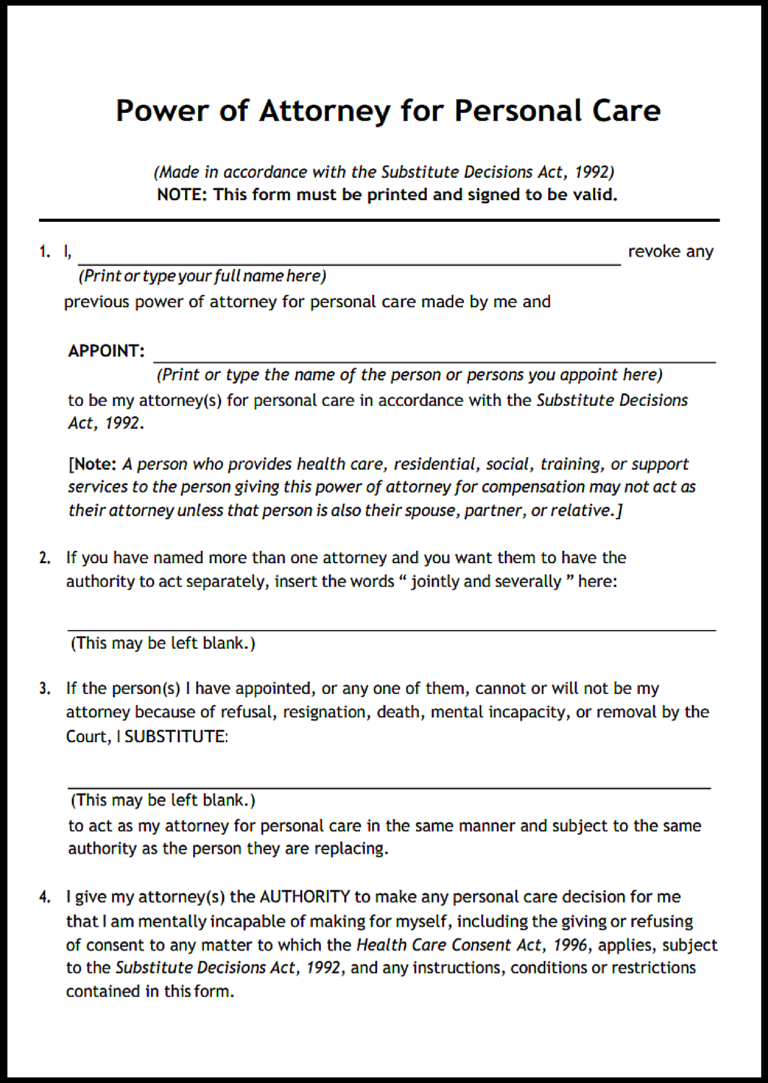
In many cases, this document is prepared alongside tools like a power of attorney document or a personal directive for healthcare decisions. These documents address different decisions during life and after death.
Legal Requirements for a Valid Will in Alberta
Under Alberta law, a will must meet specific legal conditions. If these are not followed, the will can create validity or administration issues, although Alberta law gives courts limited powers to address certain formal defects.
Basic Legal Rules
| Requirement | Details |
|---|---|
| Written form | Must be in writing and signed, subject to Alberta’s statutory rules for formal, holograph and other recognized wills |
| Signature | Must be signed by the testator in accordance with the applicable Alberta requirements |
| Witnesses | Two witnesses are required for a formal will |
| Witness restriction | A gift to a witness, or to certain persons connected to a witness, may be void under Alberta law |
| Mental capacity | Must have the testamentary capacity required by Alberta law |
These rules come from the Wills and Succession Act and should be followed carefully.
How to Fill Out the Template (Step-by-Step)
Filling out a will is not complicated if you follow the correct steps. Take your time and avoid rushing.
Steps:
- Add your full legal name and city
- Choose a trusted executor
- List all important assets
- Assign beneficiaries clearly
- Add a backup executor
- Include guardian details if needed
- Sign with two witnesses
For a formal will, the testator signs in the presence of two witnesses, who also sign the will in the testator’s presence.
Probate in Alberta – What You Should Know
Probate is the court process used to obtain a grant that recognizes the will for estate administration and gives the personal representative authority to deal with the estate.
Key points:
- Gives legal authority to the personal representative where a grant is required
- Helps establish the authority used to administer the estate
- Can help address questions about the will and estate administration
Probate Overview
| Factor | Explanation |
|---|---|
| Required? | Some Alberta estates require a grant of probate or another court grant before certain assets can be dealt with, but probate is not required in every estate |
| Time | Depends on the estate, application and court process |
| Cost | Depends on the estate and the court or professional services required |
| Benefit of will | Provides clear instructions for estate administration |
A clear and properly executed will can give the personal representative clearer instructions when administering the estate.
Common Mistakes That Can Make a Will Invalid
Many people try to create a will themselves but make small mistakes that cause problems later.
Common errors include:
- Missing signatures
- Wrong witnesses
- Not updating after major life changes
- Vague descriptions of assets
- DIY errors without review
A mistake can create a validity or administration issue, although Alberta law gives the court limited powers to cure certain formal defects.
What Happens If You Die Without a Will in Alberta?
If you die without a will, your estate is distributed under intestacy laws. Alberta’s intestacy rules determine how the estate is distributed rather than instructions contained in a will.
In most cases:
- Your personal wishes may not determine how the estate is distributed
- Family disputes may be more likely
- The estate must be administered under Alberta’s intestacy rules
Making a will allows you to state your wishes instead of leaving the distribution of your estate to Alberta’s intestacy rules.
Can You Update or Change Your Will?
Yes, and it is strongly recommended to review your will regularly. Life changes, and your will should reflect those changes.
You should update your will after:
- Marriage or divorce
- Birth of children
- Buying property
- Major financial changes
You can:
- Use a properly executed codicil where appropriate
- Create a new will when broader changes are needed
Real-Life Example
Imagine a parent with two children and a house. In the will, they clearly name a person they would like to act as guardian for the children and set out how the property should be distributed.
Clear instructions can make the personal representative’s task easier, although estate administration can still involve legal, tax and family issues.
This shows how a simple will can make a big difference.
Alberta Will vs Other Estate Documents
Many people confuse a will with other legal documents. Each serves a different purpose.
| Document | Purpose |
|---|---|
| Will | Distributes assets after death |
| Power of Attorney | Handles financial and property matters while alive |
| Personal Directive | Covers personal and healthcare decisions while you are alive and unable to make those decisions yourself |
A will, Personal Directive and Enduring Power of Attorney address different planning needs, so many Albertans choose to prepare more than one of these documents.
FAQs
Is a handwritten will legal in Alberta?
Yes. Alberta recognizes holograph wills. A holograph will must be entirely in the testator’s own handwriting and signed by the testator.
Do I need a lawyer to make a will?
Not always. Simple wills can be created using templates, but complex situations should involve a lawyer.
How much does a will cost in Alberta?
Costs vary. DIY templates may be free, while professional legal services can cost more depending on the complexity of the estate and the services provided.
Can an executor also be a beneficiary?
Yes. An executor can also be a beneficiary under an Alberta will.
Where should I store my will?
Keep it in a safe place and inform your executor. Some people use safety deposit boxes or legal offices.