Free British Columbia Vehicle Bill of Sale Template
British Columbia Vehicle Bill of Sale is one of the most important documents when you buy or sell a used car privately in BC. Many people feel confused about paperwork, taxes, and legal steps, especially during private sales.
I’ve personally seen ICBC transfer delays and disputes happen because the parties relied on handwritten notes or incomplete paperwork instead of a proper bill of sale. When people are already stressed about insurance, registration, and payment, even one missing detail can create problems proving the terms of the sale later on.
In real life, I’ve seen buyers face problems because they didn’t have proper proof of the deal. Under British Columbia law, a clear written record helps protect both sides. A bill of sale makes sure the price, vehicle details, and ownership transfer are properly documented. This guide will help you understand how to use it, what to include, and how it fits into the ICBC transfer process.
Last Updated: August 2026
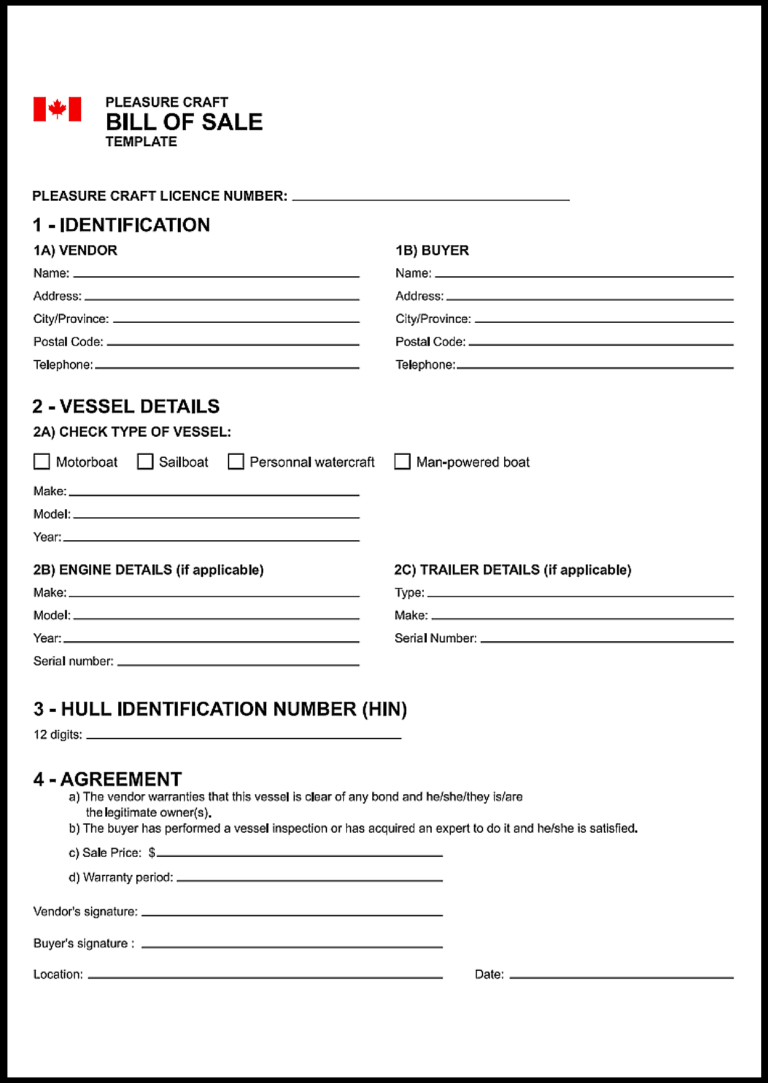
Free British Columbia Vehicle Bill of Sale Template
You can copy and use this simple template for your transaction. Keep it clean and fill it carefully.
British Columbia Vehicle Transfer Laws You Should Know Before Signing
| Topic / Issue | British Columbia Legal Rule | Governing Statute |
|---|---|---|
| Main governing law | Private vehicle transfers in BC are mainly governed by provincial vehicle laws. | Motor Vehicle Act, RSBC 1996, c. 318 |
| Federal criminal rule | Altering or replacing an odometer in a prohibited manner can constitute a federal offence under the Weights and Measures Act. | Weights and Measures Act |
| Jurisdiction type | Vehicle bill of sale rules are primarily provincial in British Columbia. | Motor Vehicle Act framework |
| Recent tax change | Since October 1, 2022, BC’s PST rules for many private vehicle purchases use the applicable average wholesale value where it exceeds the purchase price, subject to appraisal rules and exceptions. | Provincial Sales Tax Act |
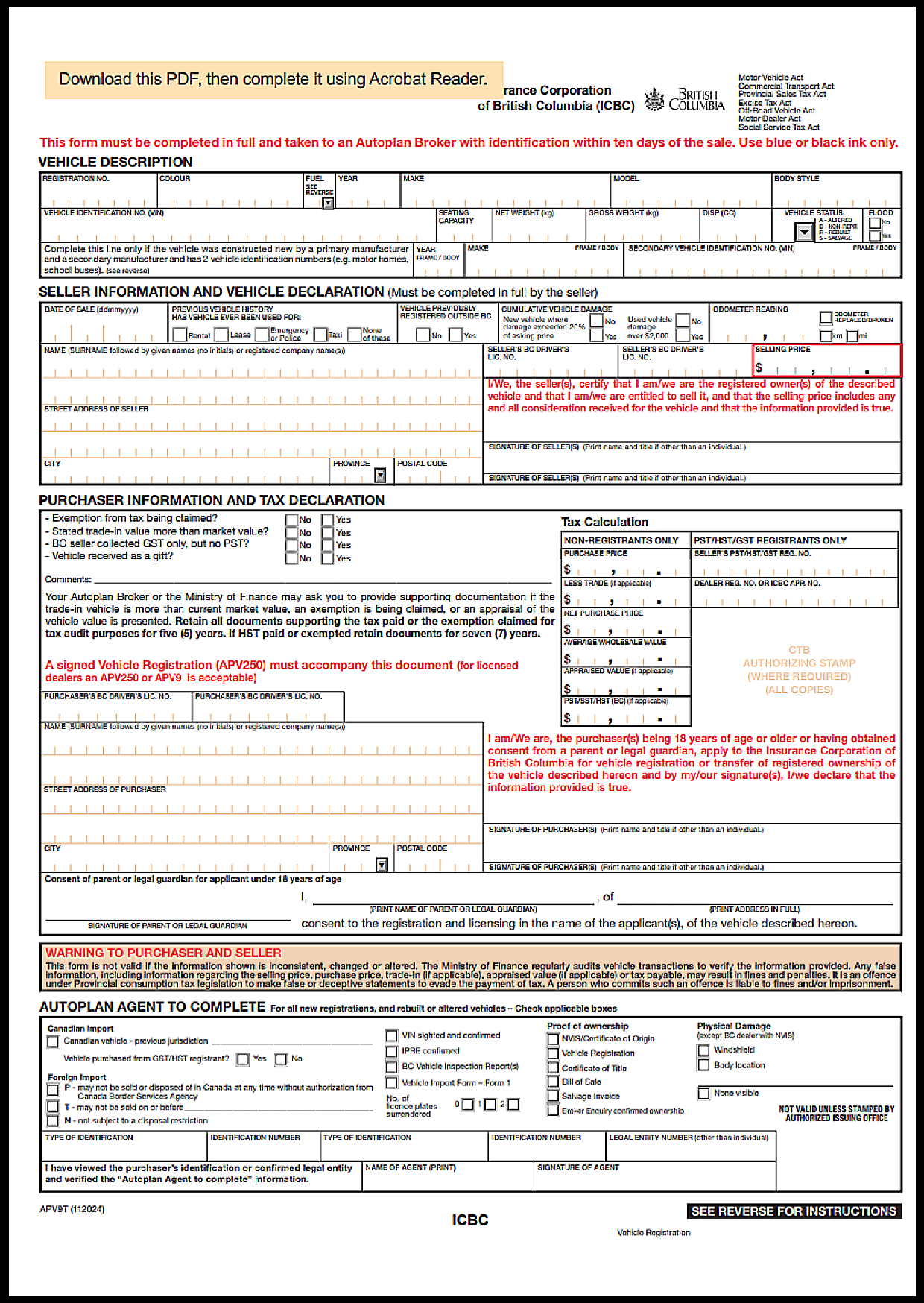
| Who can sign | The transferor and transferee must sign the prescribed transfer notice, and the seller(s) must certify on the APV9T that they are the registered owner(s) and entitled to sell the vehicle. | Motor Vehicle Act, s. 17 |
| Witness requirement | Witnesses are not generally required for an ordinary vehicle bill of sale under the ICBC transfer process. | ICBC / Motor Vehicle Act |
| Notarization rule | Notarization is not generally required for an ordinary vehicle bill of sale. | ICBC / Motor Vehicle Act |
| Age and mental capacity | British Columbia’s general age of majority is 19, while contractual capacity is governed by the applicable law and circumstances. | Age of Majority Act, s. 1 |
| Registration deadline | The transferee must deliver the prescribed transfer notice to ICBC within 10 days from the day of the transfer. | Motor Vehicle Act, s. 17(1) |
| Required transfer form | The APV9T is the ICBC Transfer/Tax Form used for the vehicle ownership transfer and tax process. | ICBC Transfer/Tax Form (APV9T) |
| Vehicle transfer process | Buyers must take the seller’s signed original vehicle registration (APV250) and completed APV9T with original signatures to an Autoplan broker; a bill of sale can be kept as supporting evidence. | ICBC / Motor Vehicle Act system |
| Missing owner signatures | For a voluntary transfer, the required owner signatures must be provided; a court order can authorize a transfer without one or more signatures in specified circumstances. | Motor Vehicle Act, s. 17 |
| Incorrect VIN | A VIN error or mismatch can prevent the transfer from being processed correctly and should be corrected before registration. | Motor Vehicle Act, s. 17 |
| Unresolved liens | A buyer should check for registered security interests because an existing security interest can affect the buyer’s rights depending on the circumstances and applicable law. | Personal Property Security Act |
| 10-day plate grace period | Buyers should confirm any temporary licence-plate-use rules that apply to their circumstances before driving the vehicle. | Motor Vehicle Act Regulations |
| BC PST valuation rule | For many private vehicle purchases, the PST taxable value is determined using the purchase-price and applicable average-wholesale-value rules, with a qualifying appraisal potentially affecting the value. | Provincial Sales Tax Act |
| ICBC transfer authority | Vehicle ownership transfers are processed through ICBC and Autoplan brokers. | Insurance Corporation of British Columbia (ICBC) |
The 10-day transfer deadline matters because the Motor Vehicle Act requires the transferee to deliver the prescribed transfer notice to ICBC within 10 days. Buyers should not assume they can wait several weeks to complete the transfer.
The VIN should be checked carefully against the vehicle and registration records. A mismatch can prevent the transfer from being processed correctly and should be fixed before registration.
BC’s private-vehicle PST rules do not always use only the amount written on the bill of sale. For many private purchases, the applicable average wholesale value is used when it exceeds the purchase price, subject to the statutory rules and qualifying appraisal process.
For a voluntary transfer, the required transferor signatures must be provided. If more than one registered owner is involved, the transfer documents should be completed consistently with the registration record.
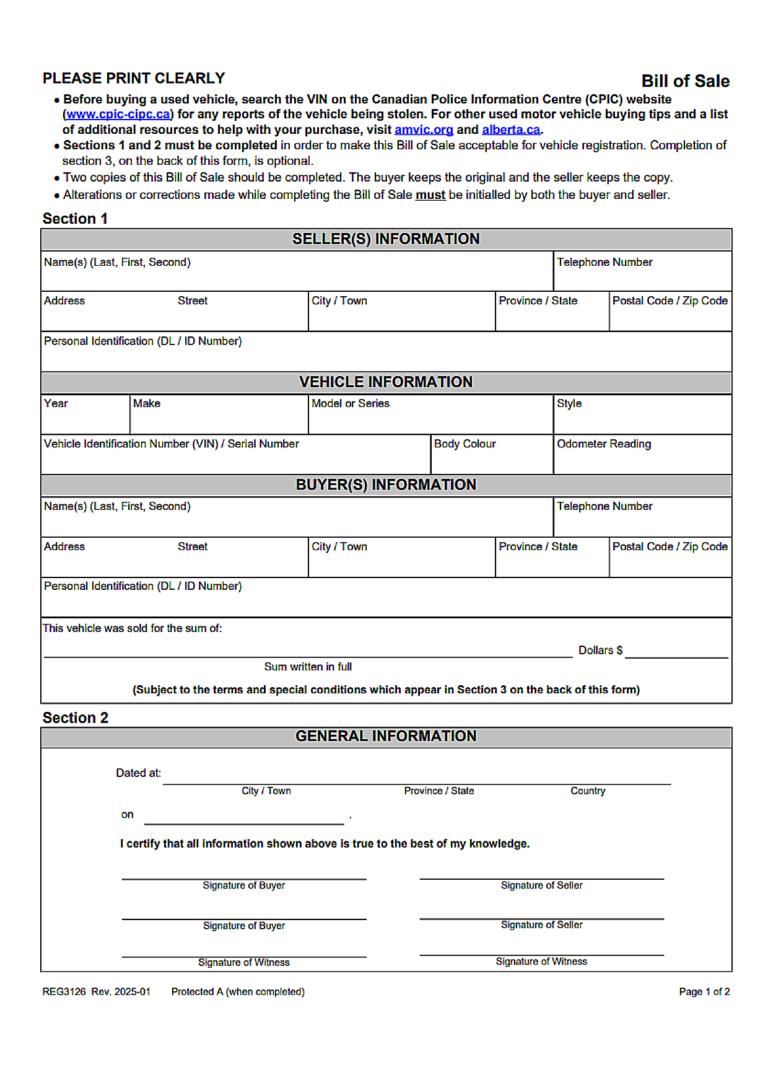
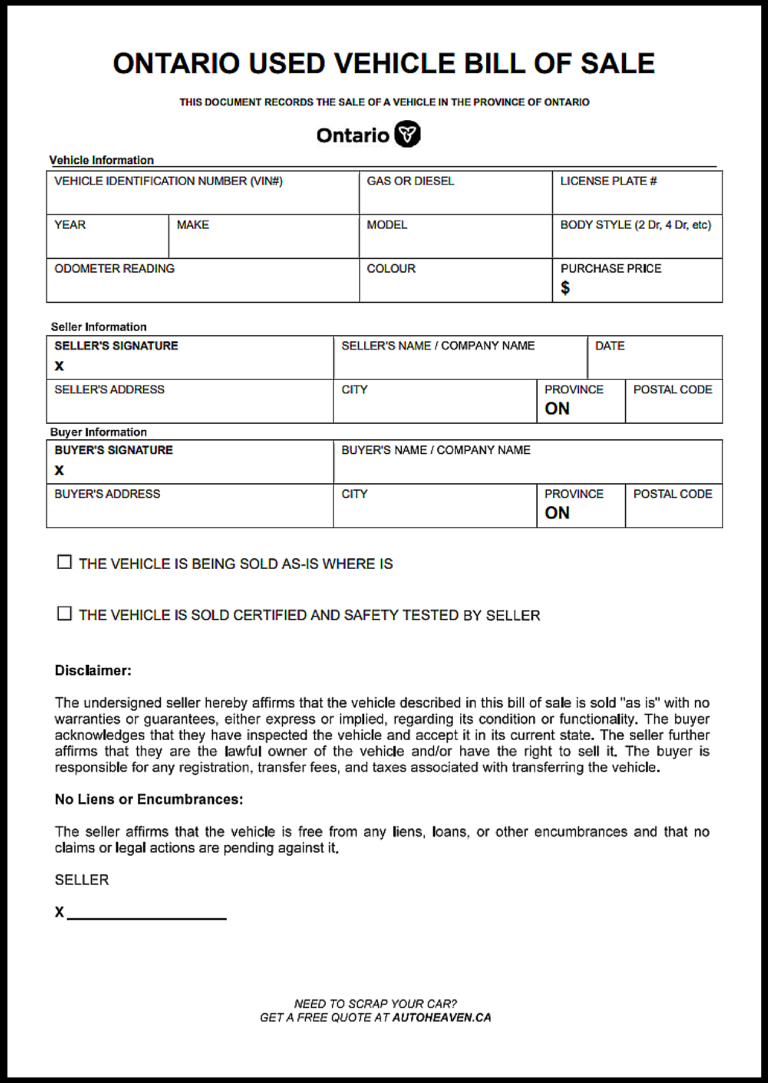
Download the free British Columbia Vehicle Bill of Sale template to help record the transaction clearly and keep the important sale details together.
Before completing a private vehicle transaction, it helps to understand how the bill of sale fits with the required ICBC transfer documents. Buyers may also want to understand the bill of sale requirements in British Columbia before finalizing the purchase.
What Is a Vehicle Bill of Sale in British Columbia?
A vehicle bill of sale is a written record of a vehicle transaction. It can identify the buyer and seller, the vehicle, the agreed price, the date, and other terms of the sale.
In most private sale situations, it includes key details like:
- Vehicle information (VIN, make, model)
- Sale price and date
- Buyer and seller details
It is not always legally required, but it becomes very important if there is a dispute later. For example, if a buyer claims they paid less or the seller says payment was incomplete, this document helps resolve the issue.
It can also provide supporting evidence during the ICBC registration process. The required transfer documents, however, remain separate from the bill of sale.
When Do You Need a Vehicle Bill of Sale in BC?
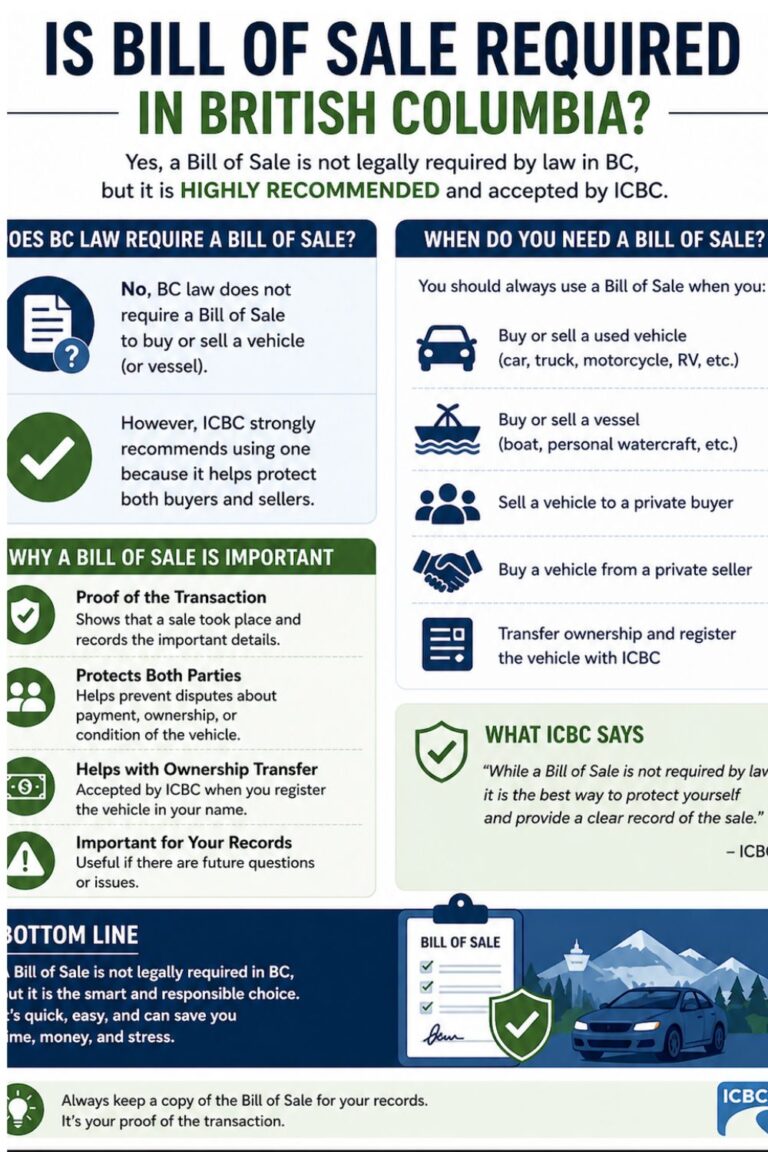
A written bill of sale is strongly recommended for private vehicle transactions because it creates a clear record of the sale, even though it does not replace the required ICBC transfer documents.
Common situations include:
- Buying or selling a used car privately
- Transferring ownership between individuals
- Gifting a vehicle (still recommended for proof)
- Completing the vehicle transfer and keeping transaction records
- Keeping records for taxes or legal purposes
A written bill of sale can also be useful for family transfers because it records whether the vehicle was sold or transferred as a gift and preserves the transaction details.
This type of document is often connected with a car bill of sale in British Columbia when registering personal vehicles, while sellers handling recreational transport assets may require a trailer bill of sale template for additional ownership records.
ICBC Requirements for Vehicle Transfer
In British Columbia, ownership transfer is handled through ICBC (Insurance Corporation of British Columbia). The bill of sale supports this process but does not replace official forms.
Documents You’ll Need
To complete a transfer, you usually need:
- Completed Transfer/Tax Form (APV9T)
- Vehicle registration
- Valid ID
- Bill of sale (recommended as supporting proof)
Why the Bill of Sale Matters
The bill of sale plays an important supporting role:
- Confirms the agreed price
- Helps avoid disputes about payment
- Acts as backup if other documents are lost
Here is a quick comparison to understand its role:
| Document | Purpose | Mandatory |
| Transfer Form (APV9T) | Official ownership transfer | Yes |
| Vehicle Registration | Proof of current ownership | Yes |
| Bill of Sale | Proof of agreement and price | Recommended |
| ID | Identity verification | Yes |
In private sales involving used vehicles, parties sometimes include an as-is bill of sale document to clarify the condition of the vehicle and reduce future disputes over the transaction.
Key Details You Must Include in the Document
A poorly written bill of sale can create legal issues. Under British Columbia law, accuracy matters more than format.
Vehicle Identification (Very Important)
The VIN is an important identifying detail and should be copied accurately from the vehicle and registration records. An error or mismatch can delay the transfer process.
Include:
- VIN (exact, no errors)
- Make, model, and year
- Odometer reading
Buyer and Seller Information
Both parties must be clearly identified:
- Full legal names
- Residential addresses
- Optional contact details
This helps if any issue comes up later.
Sale Price and Payment Terms
The actual sale price should be recorded accurately because it is relevant to the transaction and may be relevant to the PST calculation.
- Exact amount paid
- Payment method (cash, bank transfer, etc.)
- Any installment or partial payments
Condition of Vehicle
A private vehicle agreement may include an “as-is” term, but its legal effect depends on the wording and applicable law. It does not automatically excuse fraud, misrepresentation, or every statutory or contractual obligation.
However, sellers should not make false or misleading statements about the vehicle or conceal information where the law imposes a disclosure obligation.
How to Fill Out the BC Vehicle Bill of Sale (Step-by-Step)
Filling the form correctly is simple if you follow these steps carefully.
Start by writing the correct date and location of sale. Then add full buyer and seller details exactly as per ID.
Next, copy the VIN directly from the vehicle registration. Do not guess or rewrite from memory. Add vehicle details and odometer reading.
After that, clearly write the sale price and payment method. If there are any conditions (like pending payment), include them.
Finally, both parties should sign the document and keep copies.
Here’s a quick checklist:
| Step | What to Do |
| 1 |
Write date and place of sale
|
| 2 |
Enter buyer & seller details
|
| 3 |
Add accurate vehicle info
|
| 4 |
Mention price & payment method
|
| 5 |
Include conditions (if any)
|
| 6 |
Sign and keep copies
|
Taxes on Vehicle Sales in British Columbia
PST (Provincial Sales Tax)
In BC, the buyer usually pays PST when registering the vehicle. For many private vehicle purchases, the PST taxable value is determined using the purchase price and applicable average wholesale value rules, with a qualifying appraisal potentially affecting the value.
Why Accurate Price Matters
Some people try to show a lower price to reduce tax. This is risky.
The taxable value may be determined using the statutory average-wholesale-value and appraisal rules rather than the amount stated alone. This may lead to:
- Higher tax charges
- Possible penalties
So always write the true price in the bill of sale.
Common Mistakes to Avoid
Common problems include incorrect VINs, incomplete payment details, missing signatures, missing copies of transaction records, and inaccurate disclosures about the vehicle.
- Writing incorrect VIN
- Not signing the document
- Missing sale price
- Unclear payment terms
- Not keeping a copy
- Not disclosing major issues
Even one mistake can delay registration or cause disputes.
Buyer vs Seller Responsibilities
Understanding roles helps avoid confusion and legal issues.
Seller Responsibilities
The seller must:
- Provide accurate vehicle details
- Disclose known defects
- Remove license plates before transferring the vehicle
Buyer Responsibilities
The buyer should:
- Check vehicle condition properly
- Check for registered security interests or other encumbrances
- Complete registration with ICBC
Here’s a simple comparison:
| Responsibility | Seller | Buyer |
| Provide vehicle info | ✔ | |
| Disclose defects | ✔ | |
| Inspect vehicle | ✔ | |
| Check liens | ✔ | |
|
Complete registration
|
✔ |
You can also review our used car buying checklist in British Columbia for more safety tips.
Legal Risks Without a Bill of Sale
Skipping a bill of sale might seem easy, but it creates real risks.
Without it, you may face:
- Disputes over ownership
- Problems proving payment
- Difficulty establishing agreed terms
- Issues documenting the transaction during registration
A written bill of sale can provide useful evidence of the sale, price, payment terms, and vehicle details if a disagreement later arises.
FAQs
Is a Bill of Sale mandatory in BC?
A separate bill of sale is not legally required for every vehicle transaction. It is strongly recommended because it creates a written record of the sale.
Can I write a handwritten Bill of Sale?
Yes. A handwritten bill of sale can be used as a written record of the transaction, provided the information accurately records the sale and does not conflict with applicable legal or ICBC requirements.
Do I need witnesses?
No. A witness is not generally required for an ordinary vehicle bill of sale under the ICBC transfer process.
What if I lose my Bill of Sale?
You may have more difficulty proving the agreed price or other transaction details if other records are unavailable, so keeping a paper or digital copy is sensible.