Free Notarizing Affidavit Alberta Template
Notarizing Affidavit Alberta is an important legal step that makes your affidavit officially valid and trusted. In simple words, notarizing means signing your affidavit in front of a Notary Public who checks your identity and confirms that you are signing willingly.
Many people get confused between signing, commissioning, and notarizing. Signing is just putting your signature on a document. Commissioning means signing in front of a Commissioner for Oaths. Notarizing is a higher level process where a Notary Public verifies your identity and adds an official seal. Under Alberta law, not every affidavit needs notarization, but it becomes important when the document is used outside Alberta or for serious legal matters.
I have seen many people in Alberta unknowingly sign an affidavit before meeting the Notary Public, only to have the document rejected later by courts, immigration offices, or out-of-province authorities. When someone is already stressed and handling legal paperwork for the first time, even a small notarization mistake can cause serious delays and extra costs.
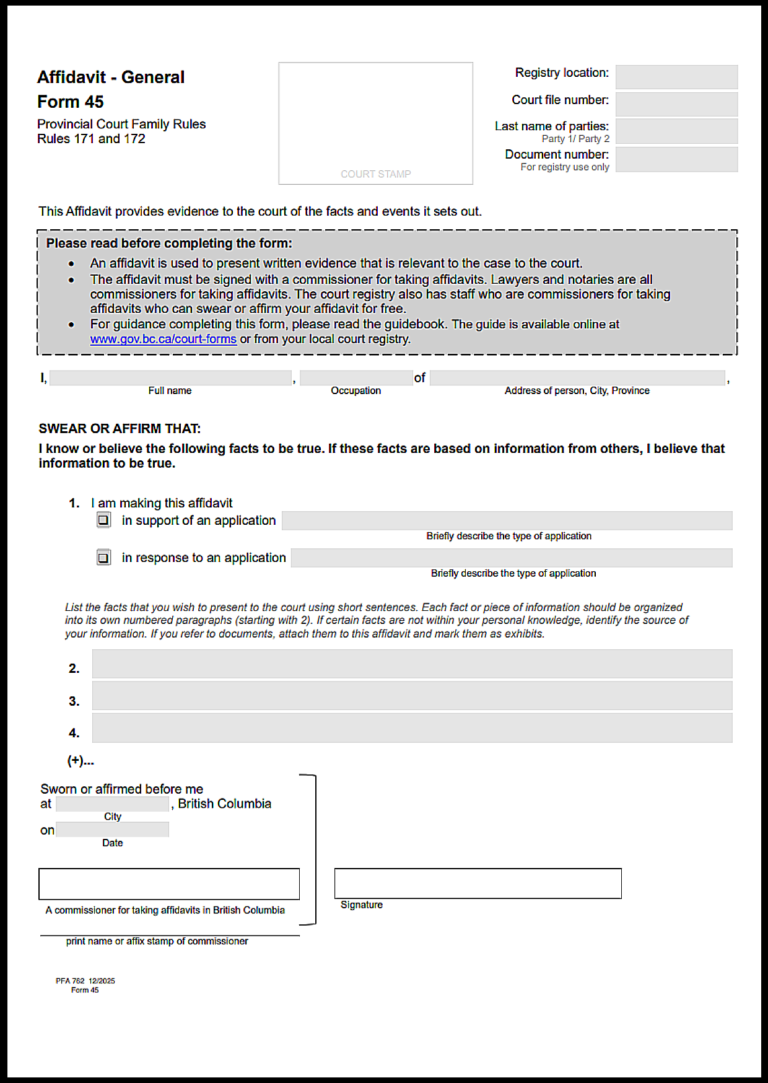
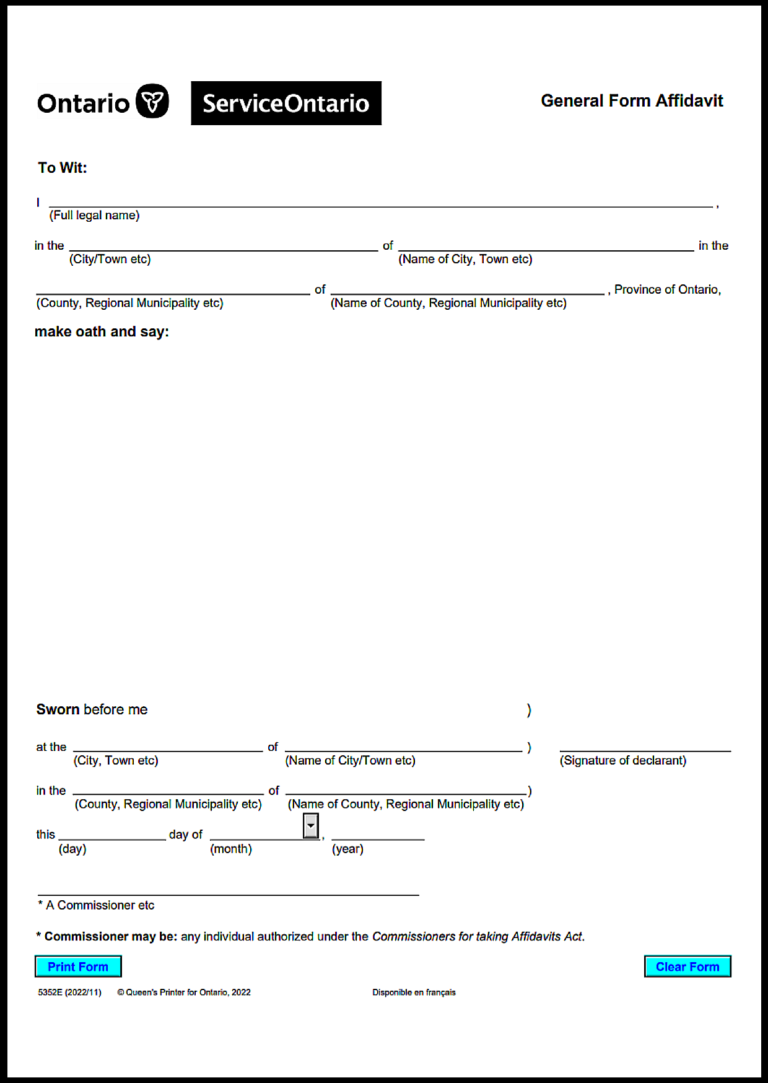
Free Notarizing Affidavit Template (Alberta)
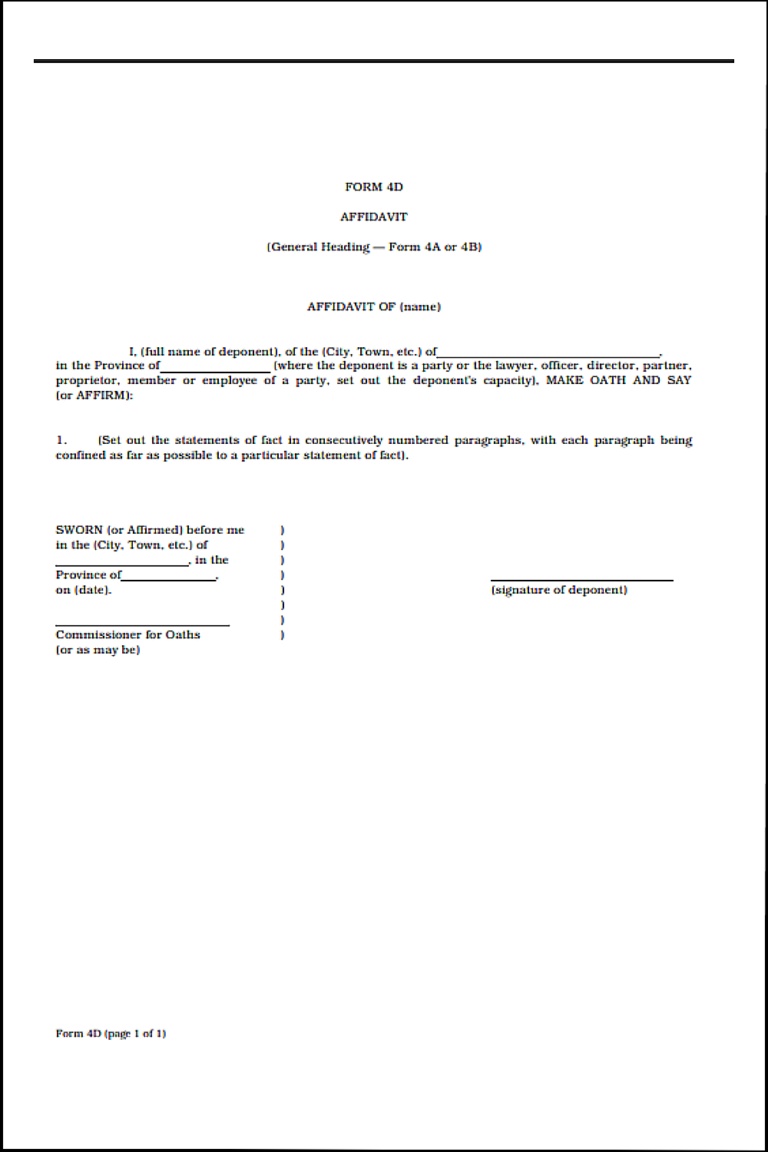
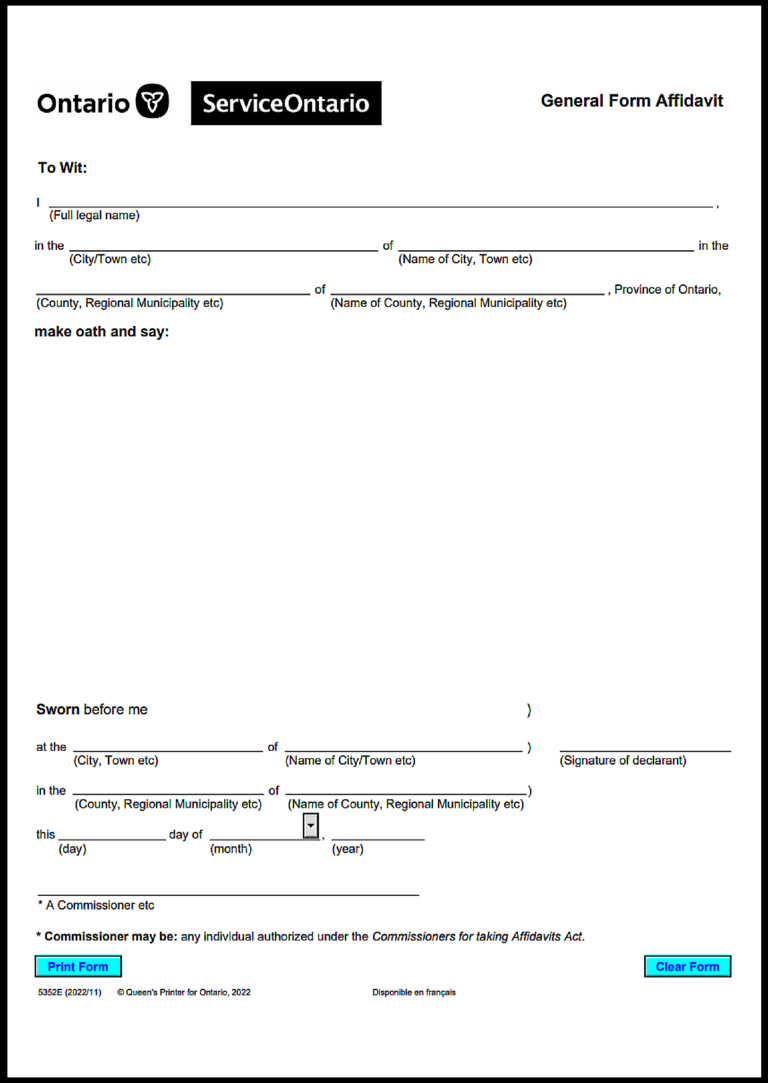
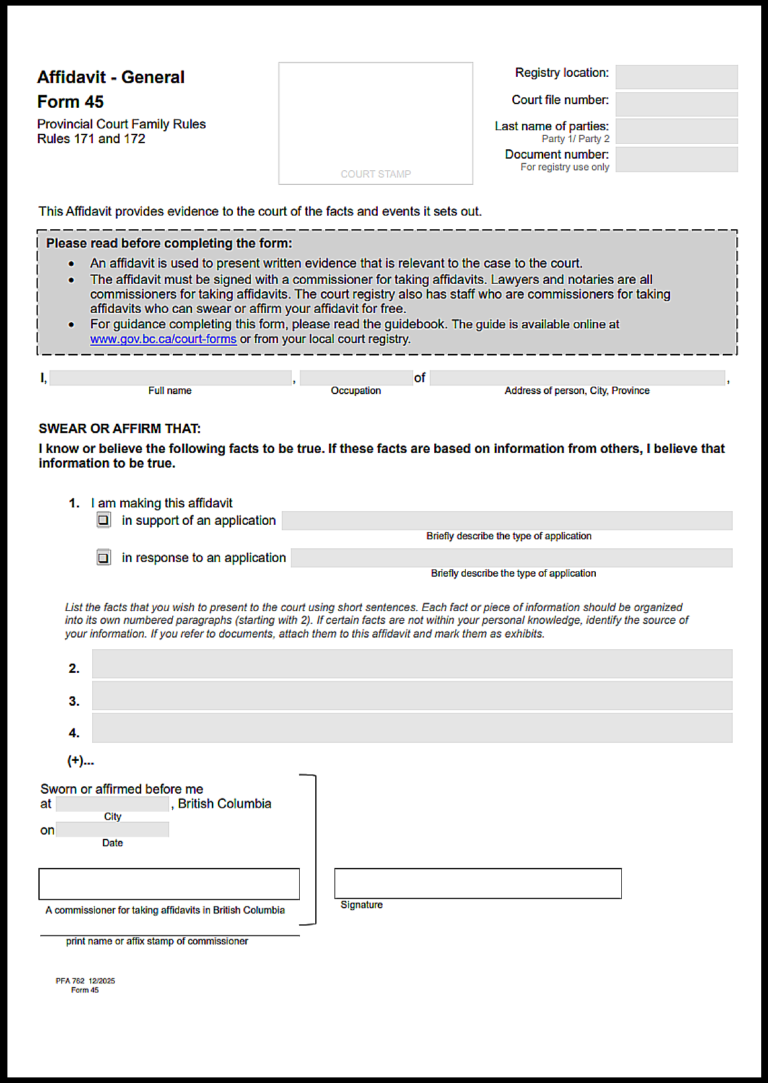
Below is a simple and clean affidavit template you can use:
What Does “Notarizing an Affidavit” Mean in Alberta?
Notarizing an affidavit means a Notary Public confirms your identity, watches you sign, and then adds their signature and official seal. This process proves that your document is genuine and legally reliable.
A Commissioner for Oaths can also witness affidavits, but their authority is limited to Alberta. A Notary Public has wider powers and is required when documents are used internationally or need extra legal credibility.
Important points to remember:
- Not all affidavits require notarization
- Notarization is mainly needed for international or high-level legal use
- A notary seal increases trust and acceptance
When Do You Need a Notarized Affidavit in Alberta?
In many cases, a simple commissioned affidavit is enough. However, notarization becomes necessary in specific situations.
You may need notarization when:
- The document will be used outside Canada
- It is part of an immigration application
- It involves property or financial transactions
- It is used in business or legal agreements
In local matters like Alberta court filings, a Commissioner for Oaths is usually sufficient.
For example, if you are sending an affidavit to another country, authorities there may only accept a notarized document. This is because notarization confirms both identity and authenticity.
Notarizing an affidavit is a critical step to make the document legally enforceable. Before proceeding, it helps to review the main affidavit guide in Alberta, which explains how these documents are structured and validated.
Commissioner for Oaths vs Notary Public
Commissioner for Oaths
A Commissioner for Oaths is authorized to administer oaths within Alberta. They are commonly used for everyday affidavits and local legal documents. Their services are often low-cost or even free.
Notary Public
A Notary Public has broader authority. They are required for international documents and can also certify true copies. They provide an official seal, which increases the document’s credibility.
Quick Comparison Table
| Feature | Commissioner for Oaths | Notary Public |
| Use location | Alberta only |
Canada + international
|
| Cost | Low or free | Higher fee |
| Document type | Basic affidavits |
Legal + international docs
|
| Seal required | No | Yes |
In most affidavit situations, a Commissioner for Oaths is enough. But if your document is going outside Alberta, a Notary Public is usually required.
Step-by-Step: How to Notarize an Affidavit in Alberta
Step 1: Prepare Your Affidavit
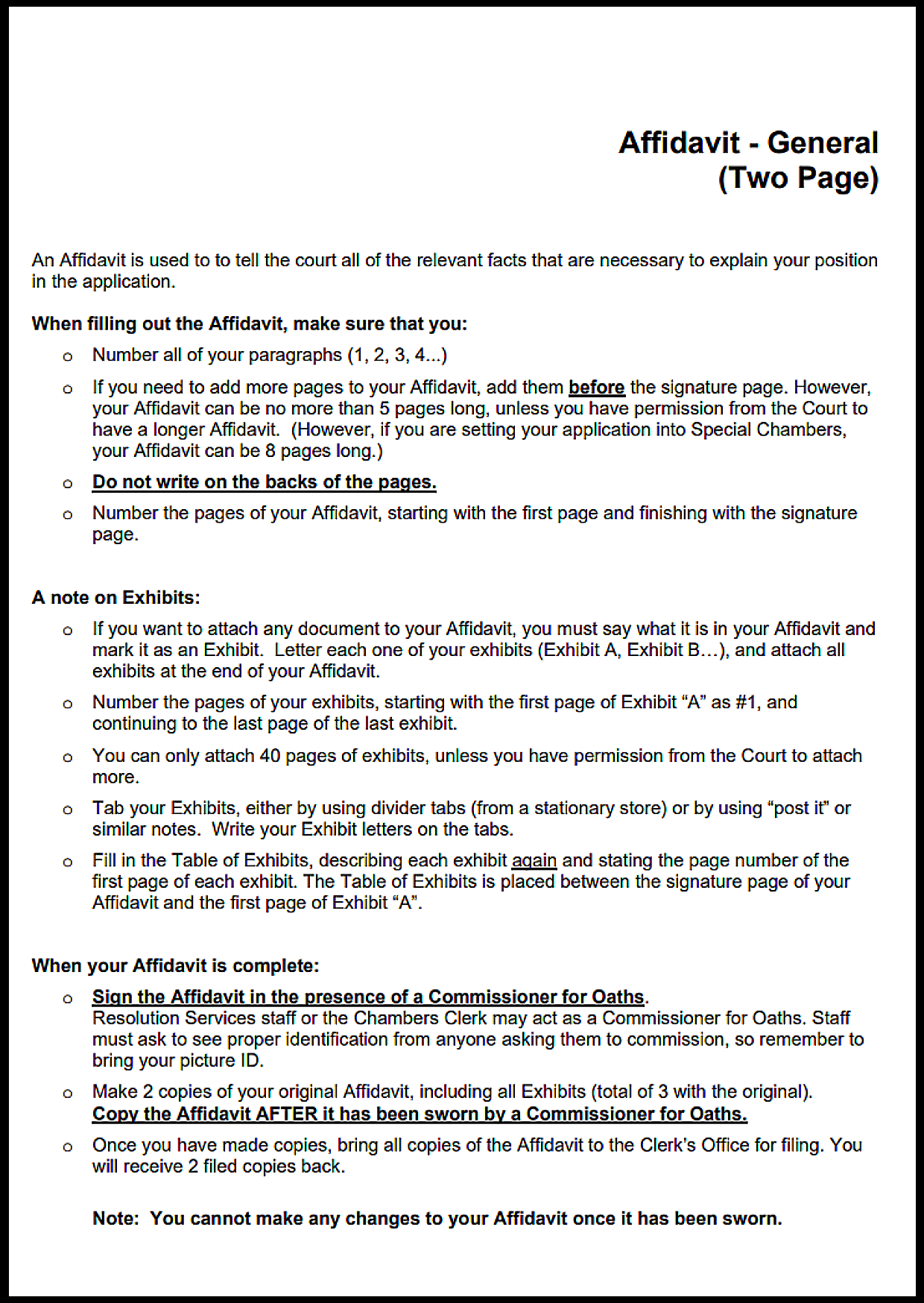
Start by writing your affidavit clearly. Use simple language and numbered points. Make sure all information is true. Do not leave blank spaces and do not sign the document yet.
Step 2: Find a Notary Public
You can find a notary at:
- Law offices
- Registry offices
- Private notary services
Step 3: Bring Valid ID
You must bring a government-issued photo ID such as a passport or driver’s license. This is required to verify your identity.
Step 4: Sign in Front of Notary
The notary must watch you sign the document. You cannot sign it in advance. This step is very important for legal validity.
Step 5: Notary Adds Seal and Signature
After witnessing your signature, the notary will sign and apply an official seal. This makes your affidavit notarized and legally recognized.
Legal requirements for Notarized Affidavits in Alberta
Under Alberta law, affidavits must follow certain rules to be valid. These rules ensure that the document can be accepted in court or by authorities.
A valid affidavit must:
- Be sworn or affirmed
- Be signed in the presence of an authorized official
- Include full name and address
- Contain clear and truthful statements
- Include signature and date
If any of these elements are missing, your affidavit may be rejected.
You may be notarizing documents such as an identity affidavit or a residence verification statement. In most cases, users follow the affidavit preparation steps before notarization.
Key Elements of a Valid Notarized Affidavit
Identity of Deponent
The affidavit must clearly state your full legal name and address. This confirms who is making the statement.
Statement of Facts
All statements must be written in first person and should be true. Avoid unclear or confusing language.
Oath or Affirmation Clause
This section confirms that the information provided is true. It is a key legal requirement.
Notary Section
This includes the notary’s signature, official seal, and commission details. Without this, the affidavit is not properly notarized.
Common Mistakes That Make an Affidavit Invalid
Many affidavits are rejected because of simple mistakes. Even small errors can cause problems.
Common mistakes include:
- Signing before meeting the notary
- Missing notary seal or signature
- Providing false or unclear information
- Leaving blank spaces
- Using the wrong authority (commissioner instead of notary)
Notarization Costs in Alberta
The cost of notarizing an affidavit in Alberta can vary depending on the service provider.
Typical costs include:
- Around $20 to $50 per document
- Some commissioners may offer free services
Extra charges may apply for:
- Multiple pages
- Certified copies
- Urgent services
It is always a good idea to confirm the cost in advance.
Can You Notarize an Affidavit Online in Alberta?
Online notarization is still not widely accepted in Alberta. While some services may offer remote notarization, it is not suitable for all legal purposes.
Important points:
- Not all authorities accept online notarization
- Court or international documents usually require in-person notarization
- Always confirm before using online services
Real-Life Example (Easy to Understand)
Suppose a person in Alberta needs to send an affidavit to the United States. If they only use a Commissioner for Oaths, the document may not be accepted.
So they visit a Notary Public. The notary checks their ID, watches them sign, and adds a seal. Now the affidavit is accepted internationally because it is properly notarized.
Related Documents You May Need
In many situations, affidavits are used along with other legal documents. These may include:
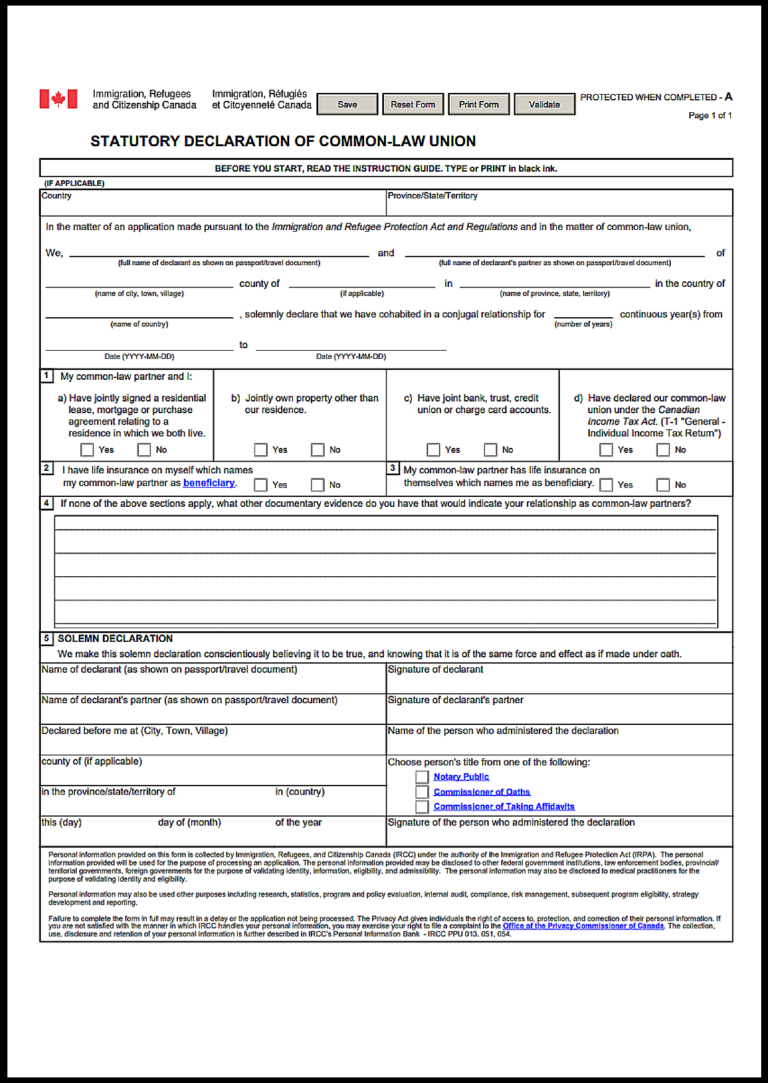
- Statutory declaration
- Affidavit of identity
- Affidavit of residence
- Certified true copies
These documents are commonly used for legal, business, and immigration purposes.
FAQs
Is notarization mandatory for all affidavits in Alberta?
No, many affidavits only require a Commissioner for Oaths.
Can I notarize an affidavit myself?
No, it must be done by an authorized official.
What ID is required for notarization?
You need a government-issued photo ID such as a passport or driver’s license.
How long does notarization take?
It usually takes around 10 to 15 minutes.
Is a notarized affidavit legally binding?
Yes, if it is properly completed and truthful.